A problem with no name
In 1941 the RAF’s bomber crews were dying in larger numbers. Bomber Command was the only way Britain could strike at Germany directly, and the nights over occupied Europe were becoming more dangerous. British intelligence suspected that German radar was part of the reason, but suspicion was not enough. To counter a radar, it is necessary to know how it works.
R. V. Jones, who had been appointed Britain’s first scientific intelligence officer in 1939, took the lead. By piecing together photographs and intercepted signals, he and his colleagues concluded that the Germans were using two different radars. One was called Freya, a long-range early-warning set. The other, called Würzburg, was more precise, though it reached less far. It was the Würzburg that guided night fighters onto their targets and pointed flak guns at them.
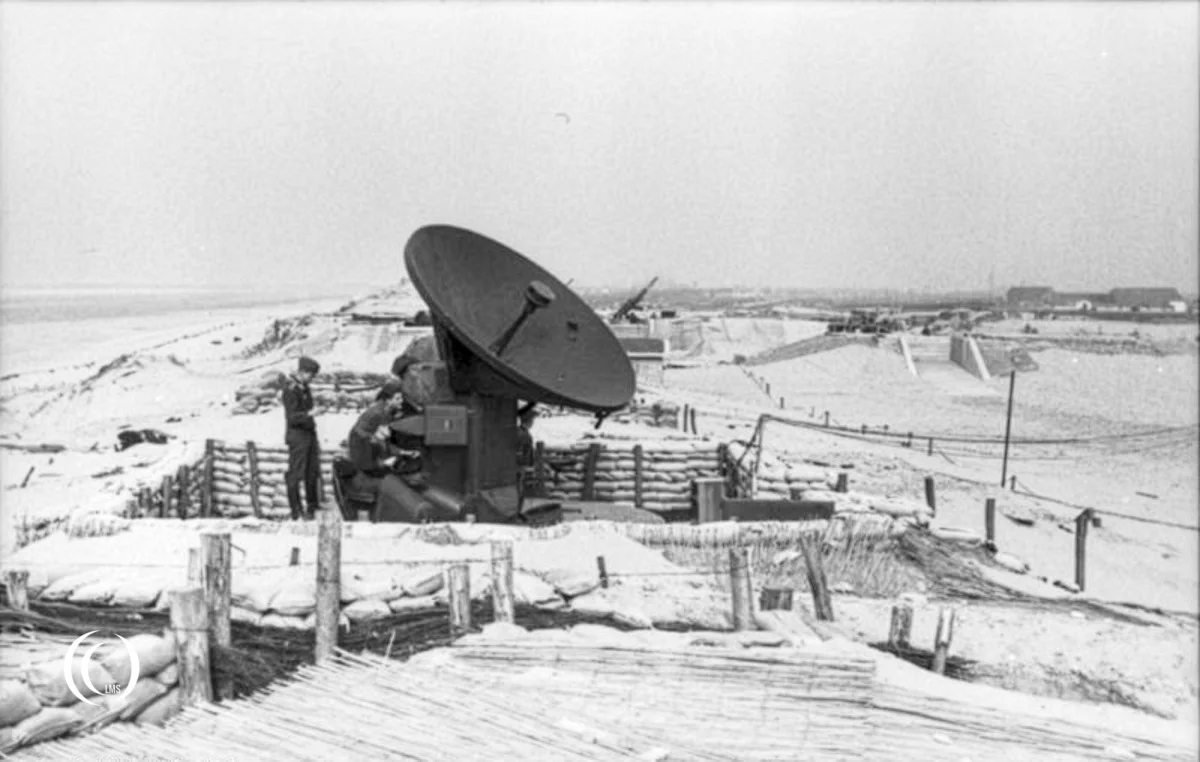
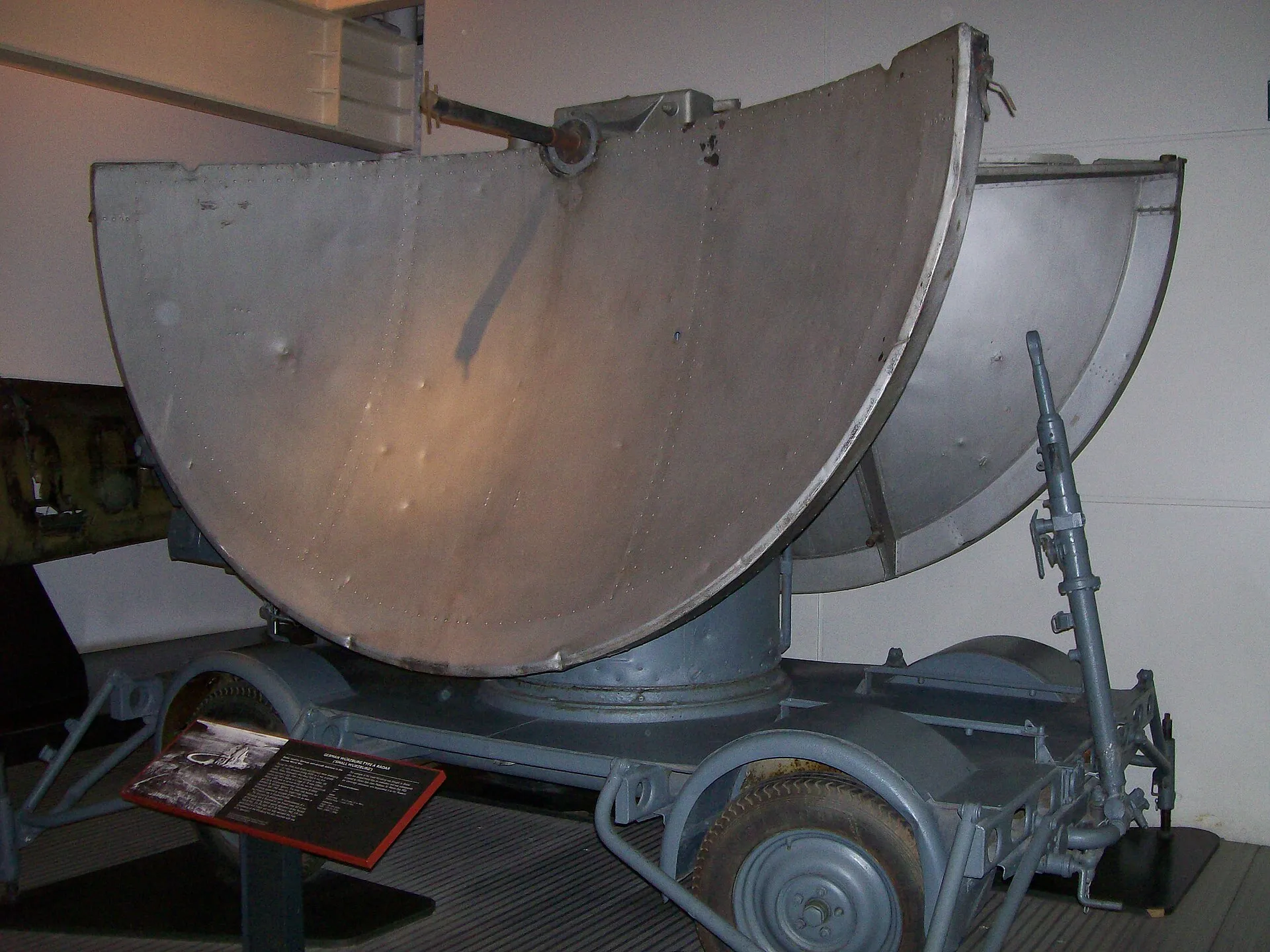
The Würzburg was a product of the Telefunken company. A prototype was working in 1936, and a system was shown to Hitler in July 1939. It had a dish about three metres across that could be folded for towing, it worked at around 560 MHz, and its range was about 29 kilometres with an accuracy of about 25 metres. It was smaller than Freya and easier to build in quantity, and more than 4,000 were eventually made. The British had seen it from the air. They had never held one.
Finding one that could be reached
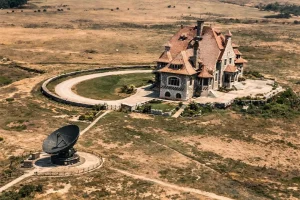
The Photographic Reconnaissance Unit searched the coast of France for Würzburg sites, and one of them stood out. A Spitfire photographed a radar on a clifftop north of the hamlet of Bruneval, 12 miles (19 km) north of Le Havre. It was the most accessible Würzburg that had been found. There was a beach below the cliff, and the sea was close.
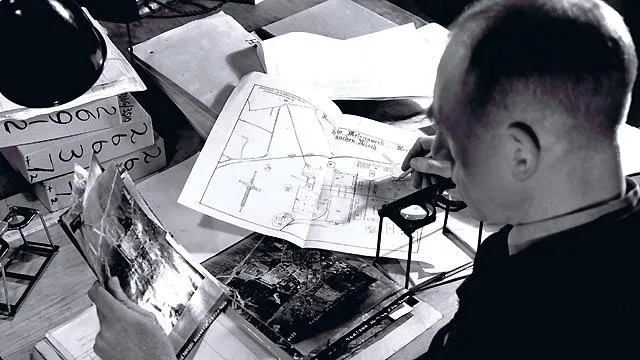
On 5 December 1941 Squadron Leader A. E. Hill flew low over the site and took a series of oblique photographs. Jones called them classics of their kind. They showed the dish at the edge of the cliff, a villa nearby, the beach below, and a wooded enclosure about 300 yards north of the villa with German guns in it. French resistance networks, among them the one run by Gilbert Renault, who went by the name “Rémy”, sent details of the defences.
The idea of a raid went to Admiral Lord Louis Mountbatten, head of Combined Operations, and from him to the Chiefs of Staff Committee. After a short debate it was approved.
Why from the air
Mountbatten thought that a purely seaborne raid would take too long and cost too much. A landing from boats would have to cross the beach under fire from the defences above it. He decided to use parachutists. On 8 January 1942 he approached the 1st Airborne Division, commanded by Major-General Frederick Browning, and 38 Wing of the RAF, under Group Captain Nigel Norman. Norman kept overall command of the air side.
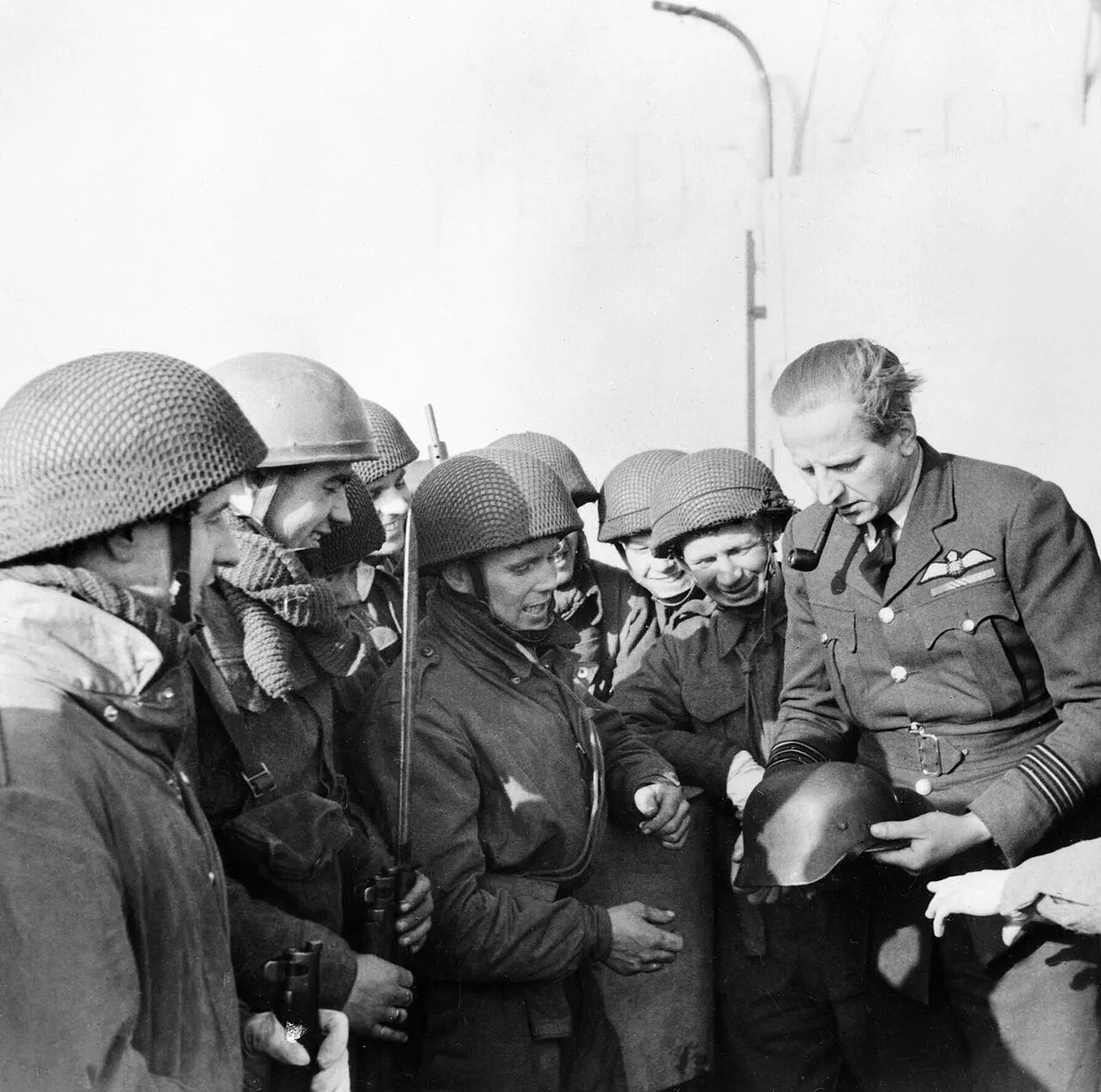
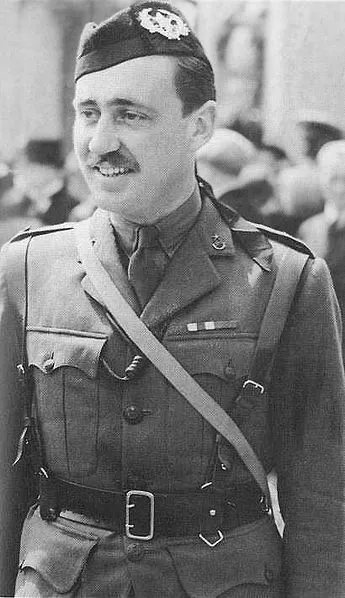
The unit chosen was C Company of the 2nd Parachute Battalion, led by Major John Frost. It was a new company. Many of its men had not yet finished their parachute course. Frost was told at first that they were being prepared to take part in a demonstration for the War Cabinet, and he learned the real purpose only when a senior officer told him.
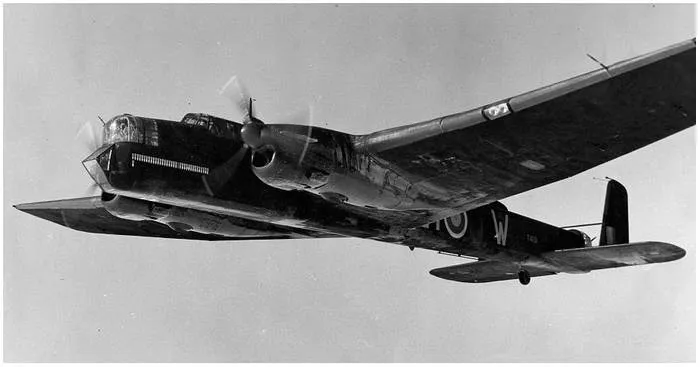
The aircraft and crews came from No. 51 Squadron RAF, commanded by Wing Commander Percy Charles Pickard. The evacuation was entrusted to a Royal Navy force under Commander F. N. Cook of the Royal Australian Navy.
The specialists
A parachute company could capture a radar site. It could not by itself be sure of taking the right parts from it. For that the raid needed technicians. Flight Sergeant C. W. H. Cox, an RAF radar mechanic who had been a cinema projectionist before the war, was chosen to find, photograph and dismantle the set. He was to be helped by a 10-man section of Royal Engineers under Lieutenant Dennis Vernon, of whom six were to take the radar apart and four to lay anti-tank mines.
Cox had to work fast, in the dark, under fire. The Photographic Interpretation Unit built a scale model of the site, and the raiders practised on it until they knew where everything was.
Rehearsal
Training took place on Salisbury Plain, and at Inveraray on Loch Fyne, where the men practised night embarkation into landing craft. The company was divided into five groups of about 40 men, with names taken from admirals. Nelson was to clear the evacuation beach. Jellicoe, Hardy and Drake were to take the villa, the radar and the enclosure. Rodney was the reserve. A detachment of 32 men from No. 12 Commando was to cover the withdrawal at the beach.
The calendar was a constraint. The raid needed a full moon, to see the ground from the air, and a rising tide, so that the landing craft could get close to the shore. That limited the possible dates to 24 to 27 February. A final rehearsal on 23 February went wrong when the landing craft grounded about 60 yards from the shore. The planners knew, from that, how narrow the margin was.
The defenders
The Germans had not left the radar unguarded. About 30 guards surrounded the station itself, and about 100 troops occupied the enclosure. A platoon was stationed in Bruneval, supported by a strongpoint, pillboxes and machine-gun nests above the beach. A mobile reserve was reported to be about an hour away. A raid that took more than an hour would meet reinforcements.
27 February: the departure
The naval force left Britain on the afternoon of 27 February. In the evening the Whitley aircraft with C Company on board took off from RAF Thruxton in Hampshire. They crossed the Channel in moonlight. German flak hit the aircraft on the way in, but none of them was brought down.
The paratroopers jumped from about 600 feet. Almost all of them landed where they were meant to. The exception was a part of the Nelson group, led by Lieutenant Charteris, which came down about two miles (3.2 km) short, and had to make its own way to the beach.
The villa
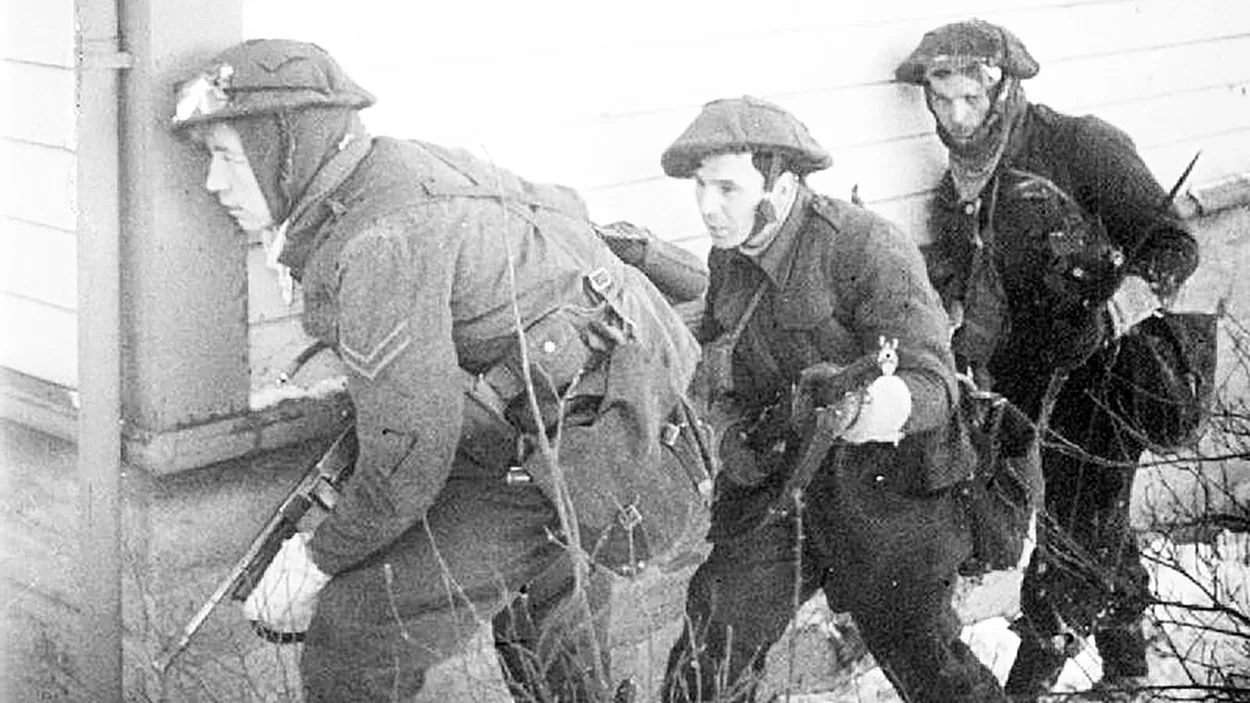
Jellicoe, Hardy and Drake closed on the villa. They met no resistance on the approach. After grenades and automatic fire they went in. They found one German on the top floor, and one guard was killed and two were taken prisoner. Then fire opened from the enclosure and one British paratrooper was killed.
The radios were not working. Frost could not talk to his other groups, and he had to run the raid by sight and by runner. This was one of the places where the plan came closest to failing.
Taking the radar apart
Cox and the engineers got to work on the Würzburg. They took the electronic equipment apart under fire and loaded it onto specially designed trolleys. The big parabolic dish was too large to move, so the raiders sawed off its feet and photographed it. The key parts, including the electronics, were what mattered.
After about half an hour Frost gave the order to withdraw. The way to the beach was blocked. A German machine gun there wounded the company sergeant major. The Rodney group and part of Nelson cleared the beach defences, while Nelson attacked the machine-gun post from the flank. Charteris’s men silenced a pillbox that stood in the way of the route to the shore.
The beach
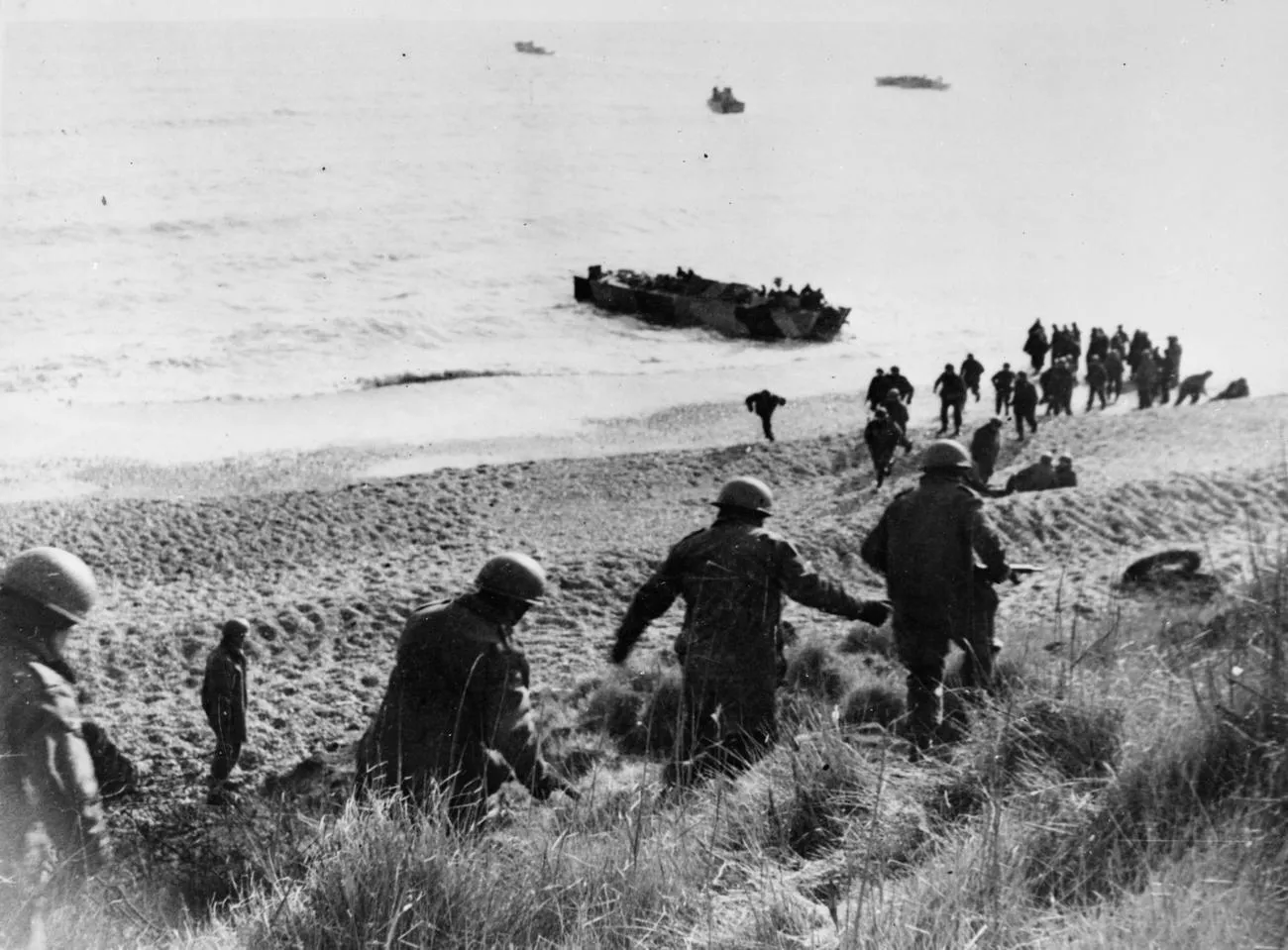
By 02:15 there was no sign of the Navy. The signallers could not raise the landing craft by radio. Frost fired an emergency flare, and red Verey lights were used. Then the boats came in.
The naval force had received no signal except the flare. It had spent the time hiding from a German patrol, and had been delayed by a German destroyer and two E-boats. When the landing craft arrived, all six came in together rather than in pairs, as planned. There was confusion. Some craft were overloaded, others half empty. Three landing craft with a gunboat escort took the men off, each carrying Bren guns manned by No. 12 Commando. The equipment, the prisoners and most of the force were transferred to motor gunboats. The last boat left under heavy fire at about 03:30.
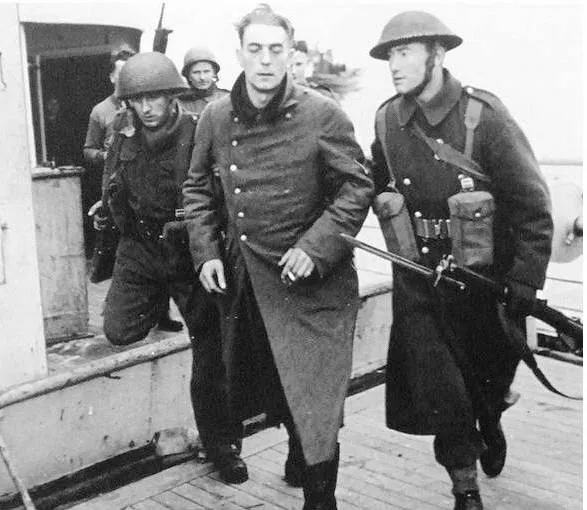
Two signallers missed the rendezvous and were left behind. In all, six men did not get back to the boats and were taken prisoner, and all of them survived the war.
At dawn the flotilla was escorted by four destroyers and a flight of Spitfires, and reached Portsmouth.
What made the Würzburg dangerous
It helps to see what the raiders were taking. A Würzburg sent out pulses of radio energy about two microseconds long, at a rate of a few thousand a second, and listened for the echo. The delay gave the range and the direction of the dish gave the bearing. It used a klystron tube and a peak power of about 7 to 11 kilowatts. The early Würzburg-A, in service from May 1940, was tracked by hand and often needed searchlights. The C model used lobe switching and reached about one degree of accuracy. The D model, introduced in 1941, used conical scanning and reached about 0.2 degrees in azimuth and 0.3 in elevation.
That progression is the reason the raid was urgent. Each improvement made the set better at guiding a night fighter onto a bomber or laying a flak gun on it. In May 1940 a Würzburg had already helped a flak unit shoot down an aircraft by passing it commands. A later version, the Würzburg-Riese, had a dish of about 7.4 metres and a range of up to 70 kilometres, and was accurate enough for direct gun-laying. The set at Bruneval was the standard model, not the giant, but it belonged to the same family.
A chain of decisions
Few raids of the war depended on so many different people agreeing. A scientist had to persuade the services that a particular piece of equipment mattered. A photographic unit had to find a site that could be reached. A head of Combined Operations had to take the case to the Chiefs of Staff. An airborne commander had to supply a company that had barely finished its training, and an air commander had to supply the aircraft. The Royal Navy had to bring a flotilla close to an enemy coast, and the Army’s engineers had to learn how to take apart a machine none of them had seen before.
The planners also had to accept the limits of their own information. The model of the site was made from photographs, not from a visit. The defence details came from the resistance. The weather and the tide could not be controlled, and the fixed dates left little room to wait. Two of the plan’s weak points showed up on the night. The radios failed, and the evacuation arrived in a bunch instead of in pairs. That the raid s쳮ded despite both says something about how well the men had been trained to act without orders.
The part nobody could rehearse
There was one piece of the plan that nobody could practise in full. The company could rehearse the drop, the approach, the dismantling on a model and the embarkation in landing craft, but not all of them together, in the dark, with the enemy shooting. The rehearsal of 23 February, which went wrong when the landing craft grounded, was the nearest they came, and it showed that the final stage was the weak one. On the night itself the beach was where the plan came under the most strain.
The decision that mattered most was probably Frost’s order to withdraw after about half an hour. The mobile reserve was an hour away. The raiders had the parts they needed. Staying longer would not have produced more, and would have invited a counterattack. Frost took his men down to the sea.
What came back
The raiders had the working parts of a Würzburg, and two German prisoners, one of them the set’s operator. The prisoner was less well trained than his British counterparts, which in itself told the intelligence officers something about the quality of the German radar crews.
The Telecommunications Research Establishment rebuilt the Würzburg from the captured parts within a couple of weeks. A scientist there, Don Preist, monitored its transmissions from offshore. The analysis showed several things. The Würzburg was well made and its modular design made maintenance and fault-finding simpler than in comparable British equipment. Professor Wilkes later judged it unsophisticated. And the set could be tuned across a wide range of frequencies, so a single fixed jamming signal would not defeat it.
The cost
The sources do not agree on the casualties. One account gives the British losses as two killed, eight wounded, and six who did not return to the boats and were taken prisoner. The infobox of the same page gives two killed, six wounded and six captured, and another version of the page lists five killed, two wounded, two captured and three missing. A memorial database gives eight British casualties, two killed and six captured. The Combined Operations account gives two killed and six missing, all of whom survived.
On the German side, post-war reports give two killed, one seriously wounded and two missing in the army, and three killed, one wounded and three missing in the Luftwaffe. The infobox gives five killed, two wounded, two captured and three missing. The memorial database gives ten.
The French paid as well. A resistance member who had helped with the earlier reconnaissance was captured and executed. A Frenchman and his fiancée were deported to German concentration camps for helping British paratroopers.
Honours and the War Cabinet
The raid was reported widely at home, and Churchill took a personal interest. On 3 March 1942 the War Cabinet met to hear from Frost and other officers who had taken part. On 15 May the London Gazette announced 19 decorations. Frost received the Military Cross, Commander Cook the Distinguished Service Cross and Flight Sergeant Cox the Military Medal. The list included two other Distinguished Service Crosses, two Distinguished Service Medals, one other Military Cross, two more Military Medals and nine Mentions in Despatches. On 26 May Pickard received a bar to his Distinguished Service Order.
Jamming and Window
The technical result was the main one. The analysis of the captured set showed that conventional jamming would not work against a radar that could be retuned. The answer was Window, strips of metal foil dropped from aircraft, which produce a mass of false echoes on any frequency. The effectiveness of Window was shown on 24 July 1943 in the RAF raid on Hamburg, Operation Gomorrah. A tunable jammer called Carpet, aimed at Würzburg frequencies, was developed as well, and later in the war the British introduced the first angle-deception jammers. The Würzburg was the target, and the countermeasures that grew from the raid were still valuable at the time of D-Day.
The Germans reacted differently. They put barbed-wire rings round their Würzburg sites. This made the sites easier to spot from the air before the invasion. The British, for their part, moved the Telecommunications Research Establishment from Swanage to Malvern, to avoid a reprisal raid.
The birth of an arm
The raid had an organisational result too. In April 1942 the War Office set up the Airborne Forces Depot and Battle School in Derbyshire. In August 1942 the Parachute Regiment was formed, and several infantry battalions were converted to airborne units. Bruneval had shown that a small force dropped at night could take an objective, do what it came to do and get out again, and the army was prepared to invest in more of the same.
The scale model of the site that was made for the raiders is held by the Parachute Regiment and Airborne Forces Museum at IWM Duxford. The raid was turned into a film in 1953, The Red Beret.
Remembering the raid
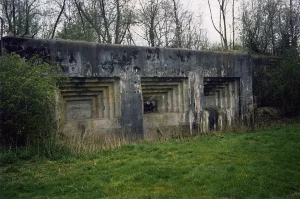
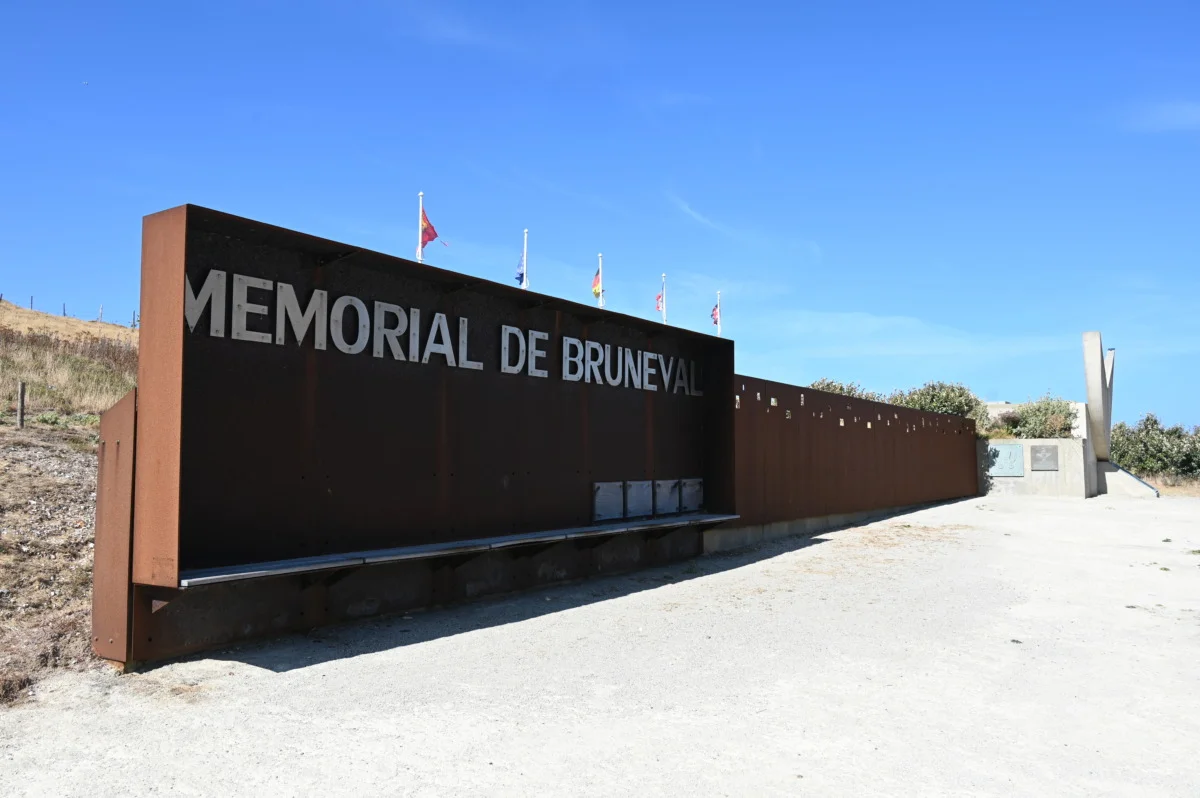
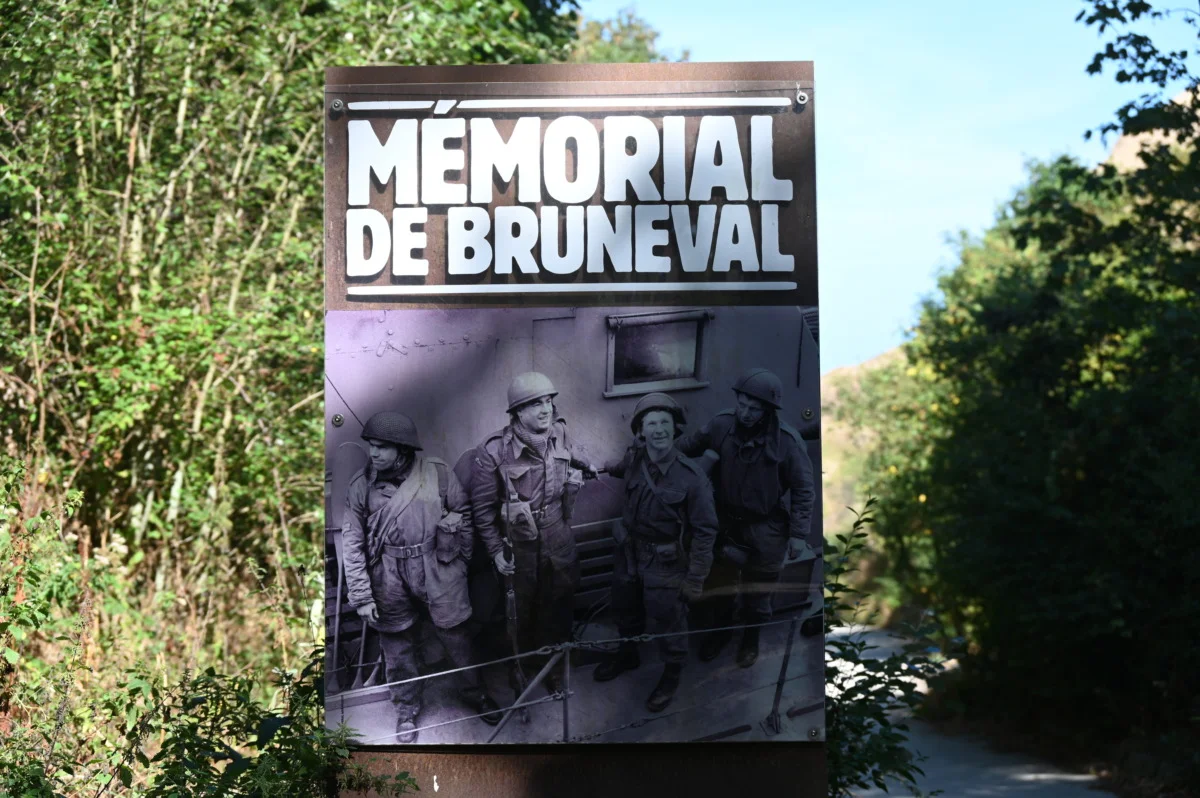
The raid is commemorated at Bruneval by a memorial in Saint-Jouin-Bruneval, with a first monument dating from March 1947. The radar site itself is private farmland and is not open to visitors. The place post on the Bruneval radar site covers the ground, what survives of the villa, the pillbox and the bunker, the memorial and how to visit.
What is uncertain
Several points are not settled. The casualty numbers differ, as described above, and even the same source gives different totals in different places. The distance by which part of the Nelson group missed the drop zone is given as two miles in one account and 2.5 kilometres in another. The numbers of landing craft are given as six in one and three in another, which may reflect different stages of the evacuation.
Conclusion
Operation Biting is remembered for its audacity: paratroopers jumping into France at night to carry off a radar. But the reason it mattered is more sober. A scientific problem was turned into a military one, and then solved by a small group of people doing a specific job well. The scientist who identified the target, the pilot who photographed it, the technician who took the set apart and the soldiers who held the ground while he did so were all parts of one chain.
The raid did not win the war in the air. It did allow Britain to blunt one of the weapons that was killing its bomber crews, and it showed that the army’s new airborne force could do hard things. The cost was real, and some of those who took part spent the rest of the war as prisoners. But the radar set that was carried down to the beach that night gave the scientists in Britain what they needed to know.
Did you know?
- The raid needed a full moon and a rising tide, which limited the possible dates to 24 to 27 February 1942.
- Major John Frost was first told that his company was training for a demonstration for the War Cabinet.
- Flight Sergeant C. W. H. Cox, who took the radar apart, had been a cinema projectionist before the war.
- The radar's dish was too big to carry, so the raiders sawed off its feet and photographed it.
- Frost's radios failed, and the landing craft were called in with an emergency flare and red Verey lights.
- The six landing craft arrived together instead of in pairs as planned, and some were overloaded while others were half empty.
- The British rebuilt the Würzburg from the captured parts within a couple of weeks.
- The Parachute Regiment was formed in August 1942, five months after the raid.