Places
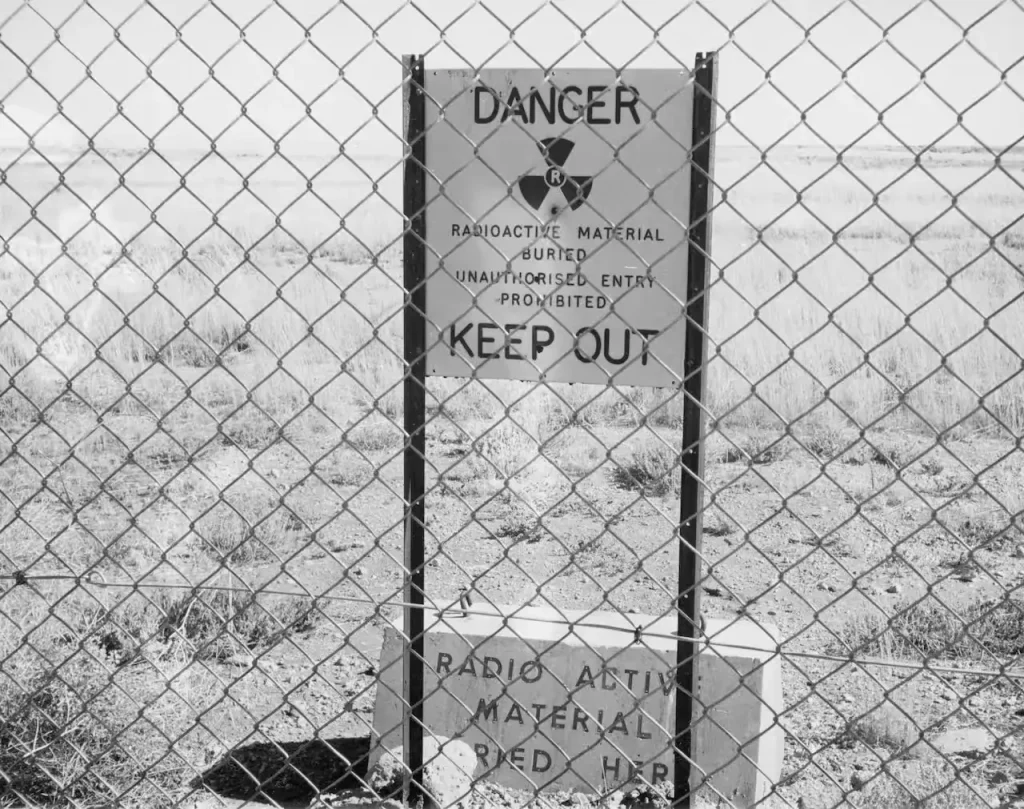
Maralinga: The Desert That Britain Chose to Explode Its Bombs In
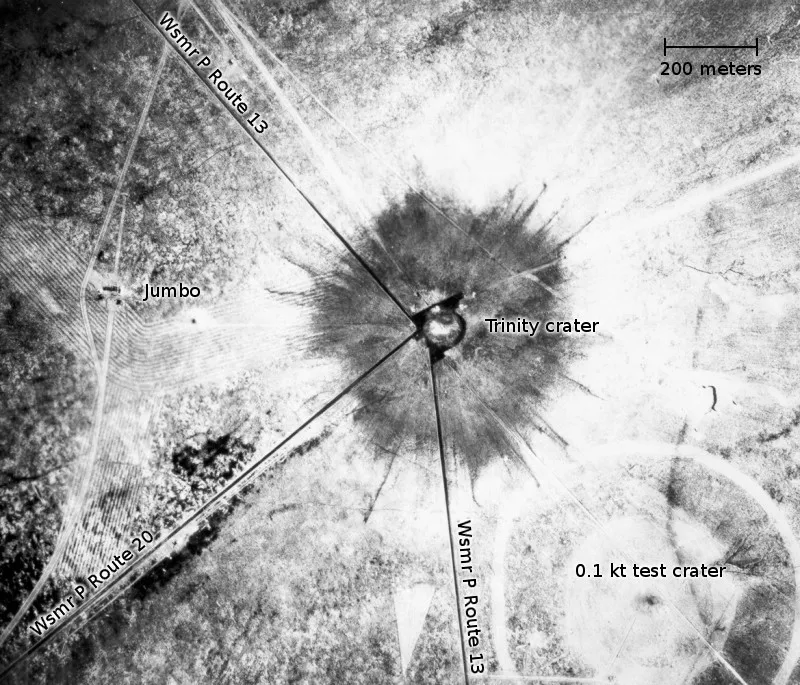
In the 1950s Britain tested nuclear weapons in the South Australian desert, in country where Aboriginal people still lived, and left behind plutonium that took decades to clean up. Part of it has now been returned to its owners, and part can be visited.
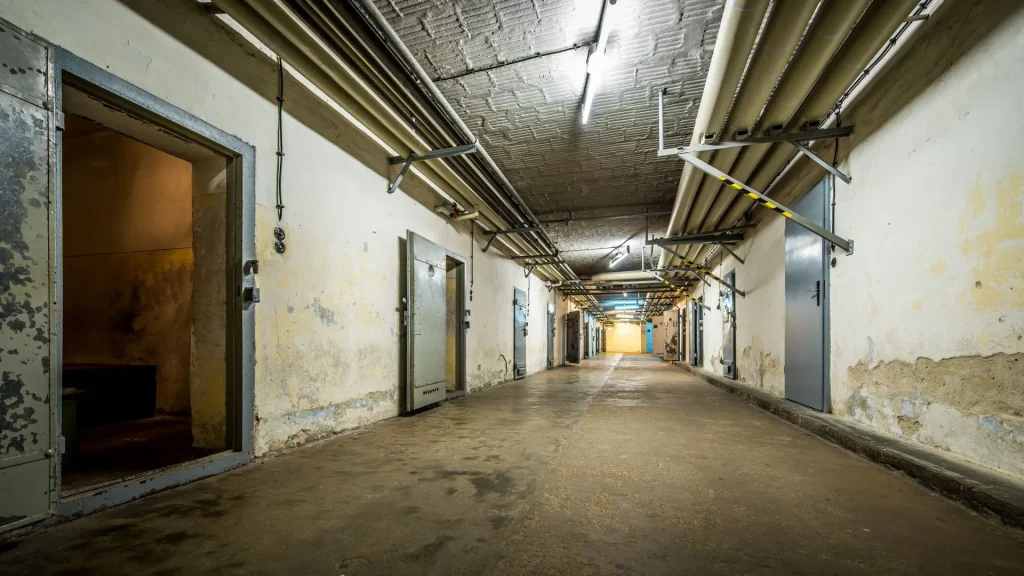
Hohenschönhausen: The Prison That Was Left Off the Map
In East Berlin, the Stasi ran its central prison inside a restricted zone that city maps showed as blank. Today the same cells are open to visitors, and many of the guides are people who were once held in them.
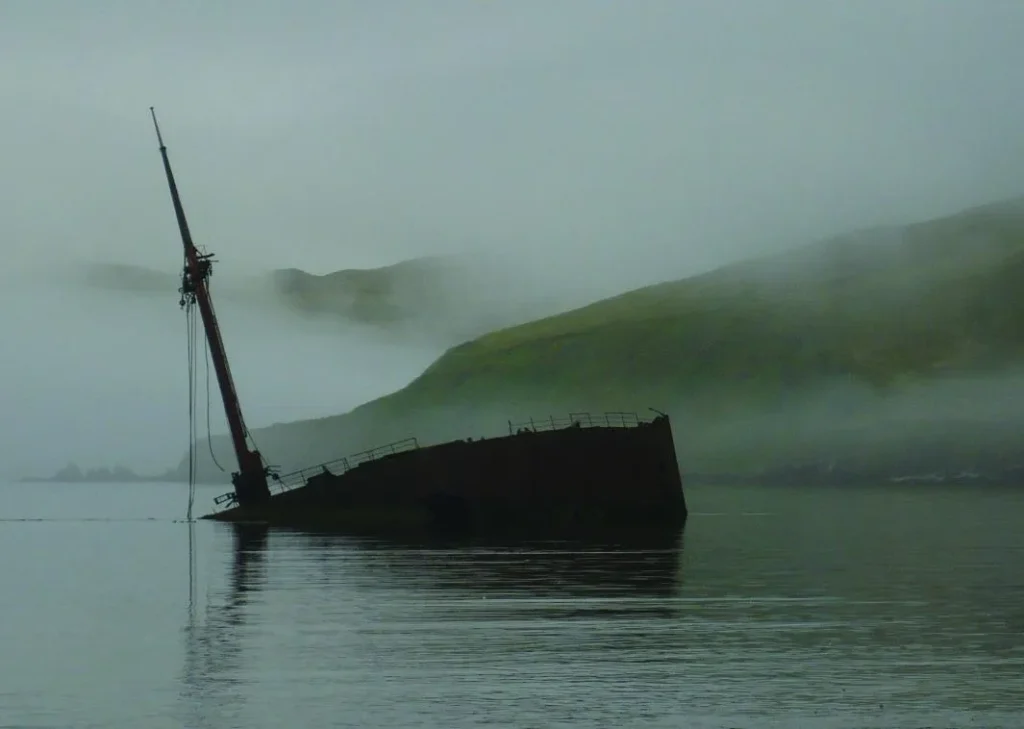
Kiska: The Battlefield That Fog Preserved, and the Invasion of an Island Already Empty
Japan held Kiska for fourteen months, then slipped away in fog in under an hour. Weeks later 34,000 Allied troops landed in the dark and fought each other instead. Today the island is one of the best preserved battlefields in the world, and almost nobody is allowed to see it.
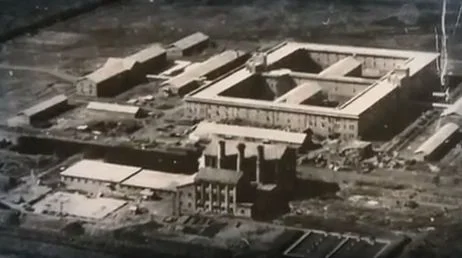
Pingfang: The Secret Laboratory of Unit 731 and the Museum on Its Ruins
South of Harbin, in northeast China, the Japanese army built a secret research complex that ran experiments on human beings and developed biological weapons. Its commander was never tried. Part of the site is now a museum, and the argument over how to remember it is still going on.
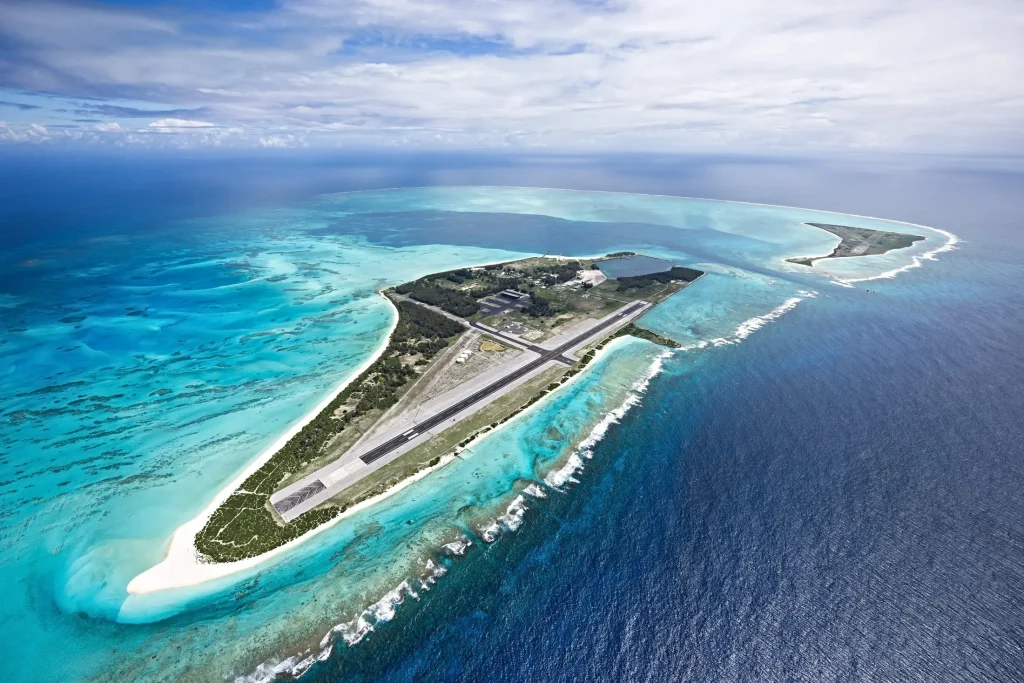
Midway Atoll: The Naval Base That Became a Nursery for Three Million Birds
A ring of coral in the middle of the North Pacific was a cable station, an airline stop, a fortress, a Cold War listening post and finally a wildlife refuge. It is best known for a battle fought over the horizon, but the atoll has had more lives than any single day.
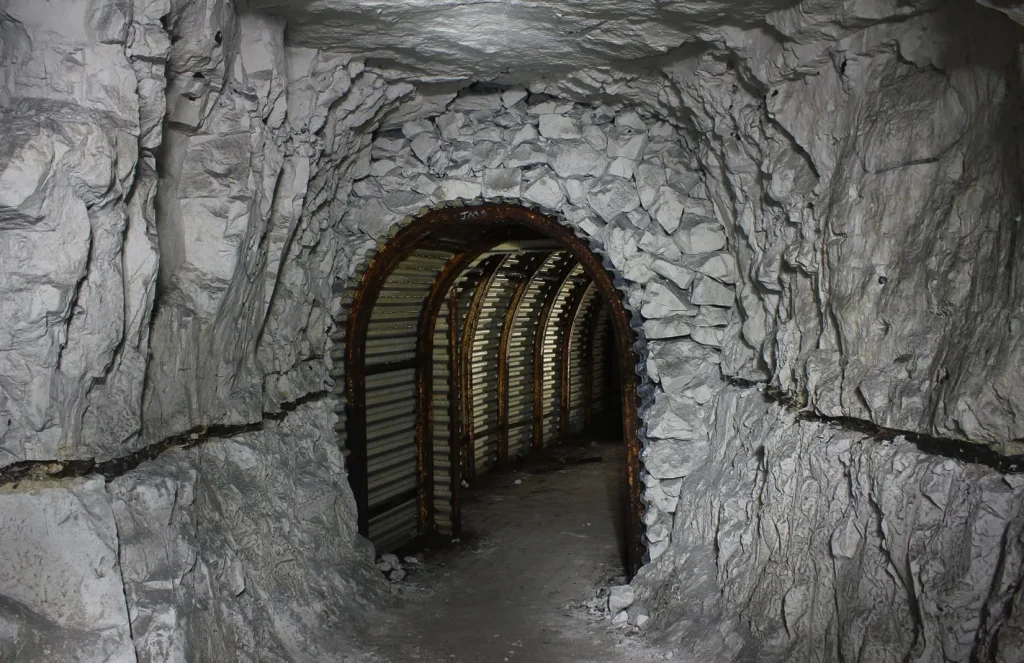
Under the White Cliffs: The Dover Tunnels That Ran the Dunkirk Rescue
Beneath Dover Castle, a maze of chalk tunnels dug for a war against Napoleon became a Royal Navy command centre, a field hospital and finally a Cold War bolt-hole. In May 1940, Admiral Ramsay directed the Dunkirk evacuation from here.
Events / Operations