A city built for the reactors
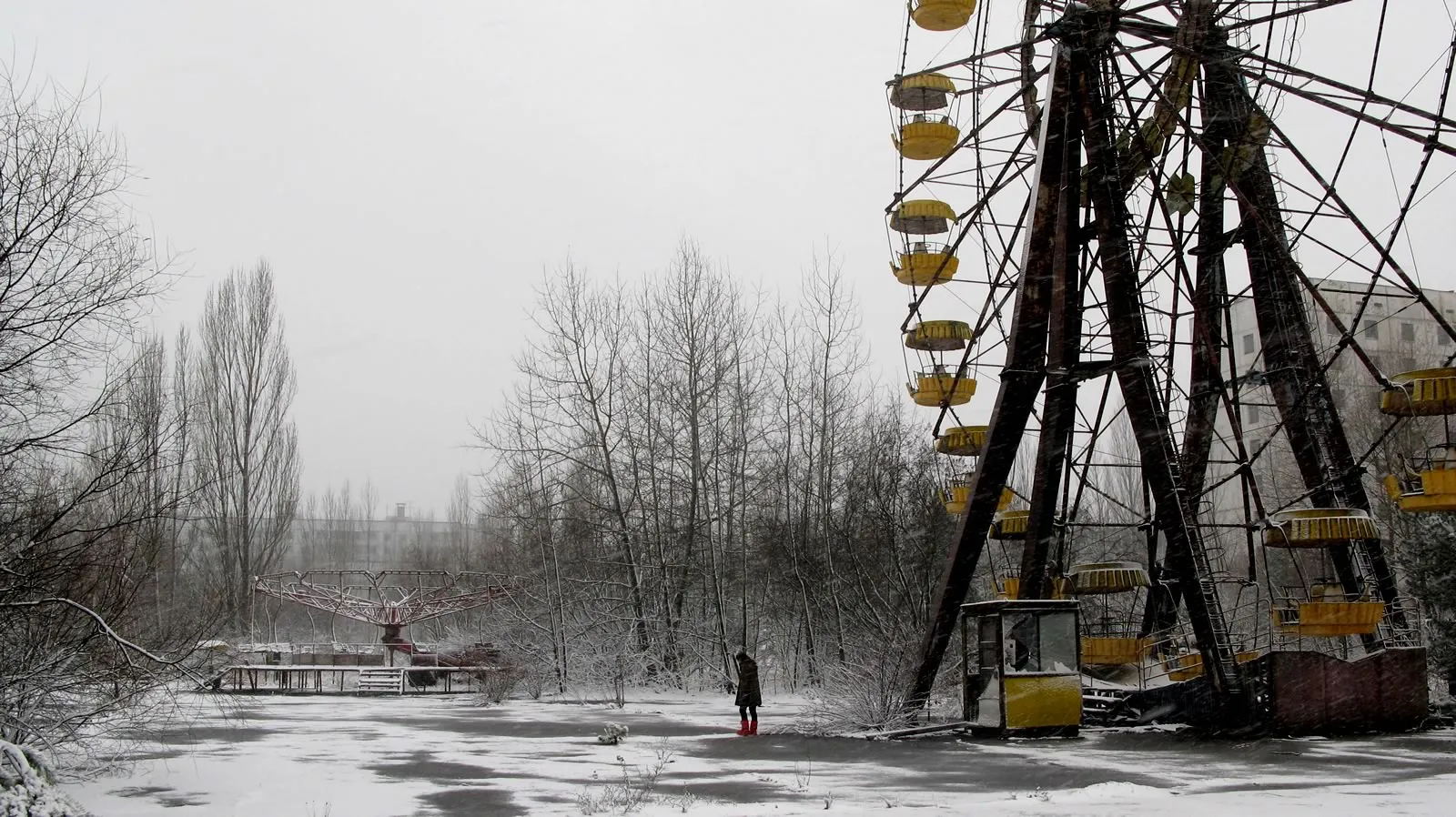
Pripyat was named after the nearby Pripyat River and founded on 4 February 1970 for one purpose: to house the people who would build and run the Chernobyl Nuclear Power Plant. It was never meant to be an ordinary town. It existed because of the reactors, and almost everything about it, from the number of apartments to the size of the hospital, was planned around the plant’s workforce and their families.
The site itself was the result of an argument. The plant was first planned for a location about 25 km from Kyiv, but concerns, including some raised by the Ukrainian Academy of Sciences, pushed planners to move it to a site about 100 km north of the capital, close to the Belarusian border. The city grew as the plant did, and it was given formal city status in 1979, nine years after its founding. Planners expected it to keep growing, and some accounts say it was meant to reach around 75,000 people.
A showcase of Soviet modernity
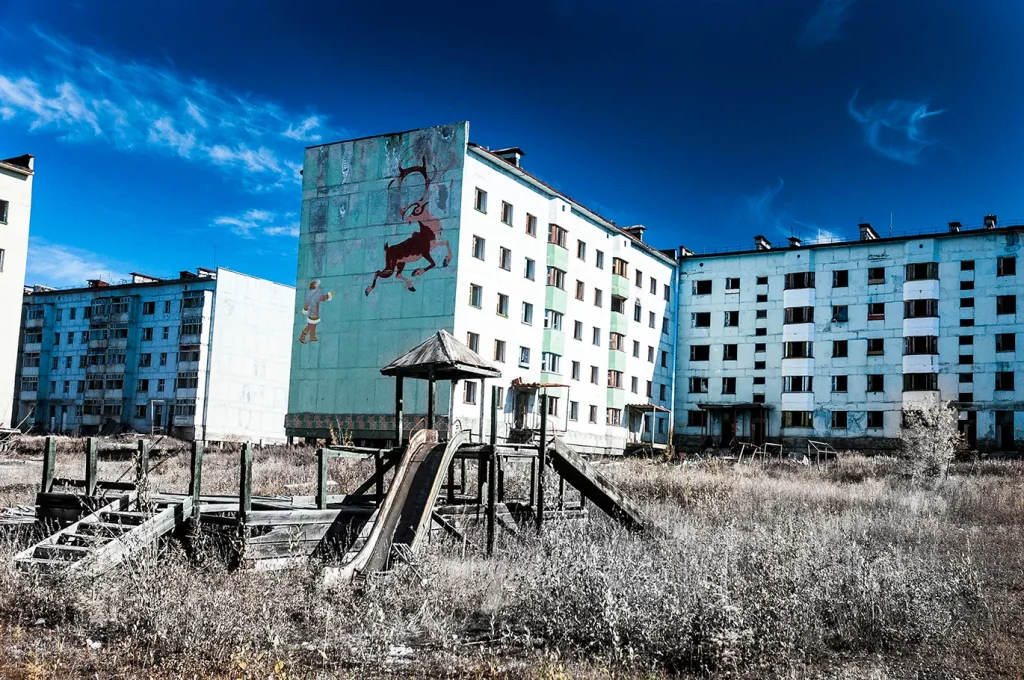
In the Soviet Union, new towns built for the nuclear industry were meant to show the system at its best, and Pripyat was well planned and well supplied. By 1 January 1986 it had 13,414 apartments in 160 blocks, five secondary schools, fifteen kindergartens and elementary schools, a hospital with room for up to 410 patients and three clinics. It had 25 shops, 27 cafés and restaurants and a long list of sports facilities, and the plan for the town included a park, playgrounds and thousands of trees and rose bushes.
Its official population on that date was about 49,400, and the average age of its residents was around 26. This was a young city. Many of its people were engineers, technicians and construction workers who had come from across the Soviet Union, and many of them were raising small children. Reports from the time describe a place with better shops and a better standard of living than most Soviet towns of the same size, with rail and river links to Kyiv and beyond.
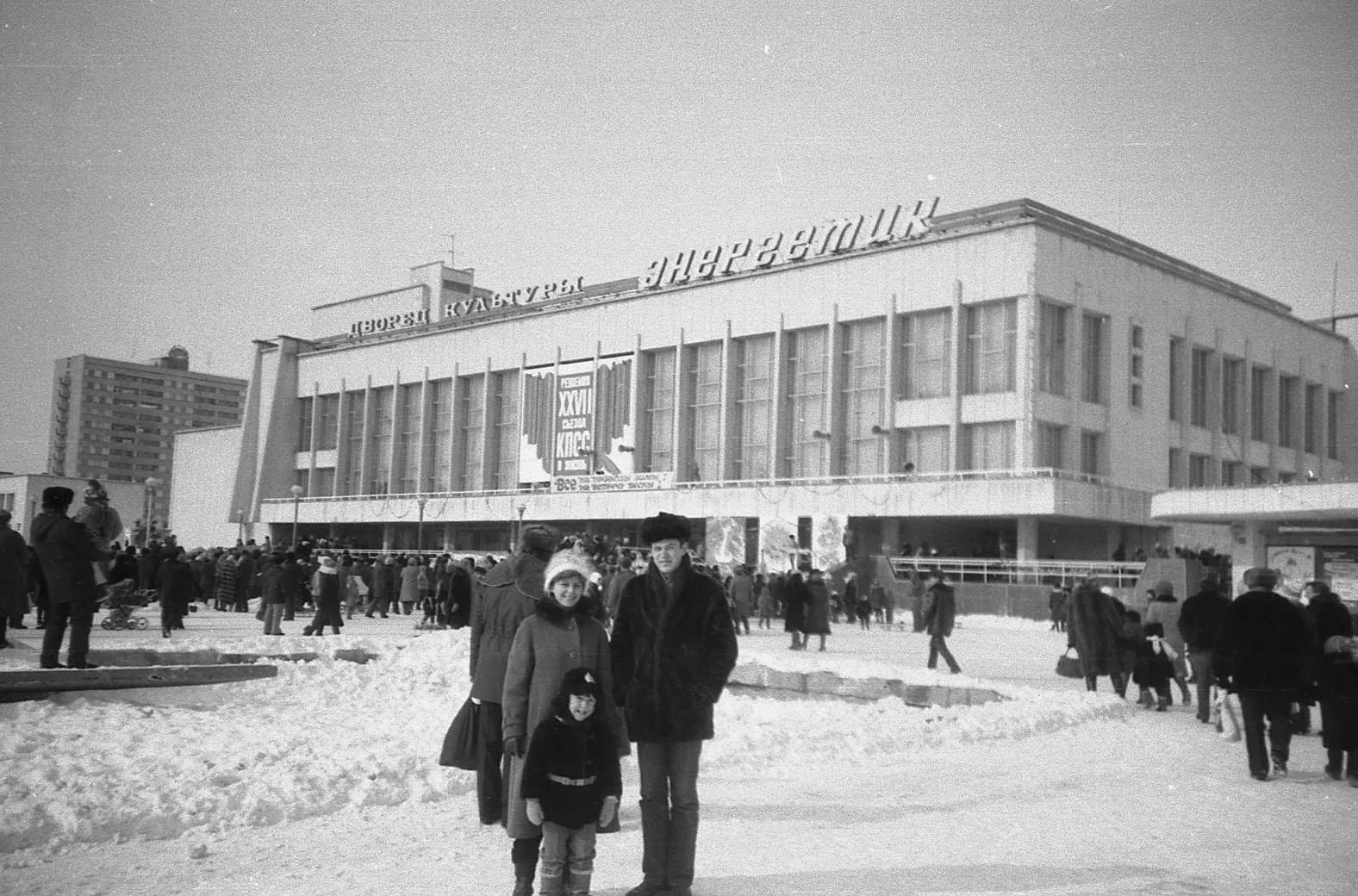
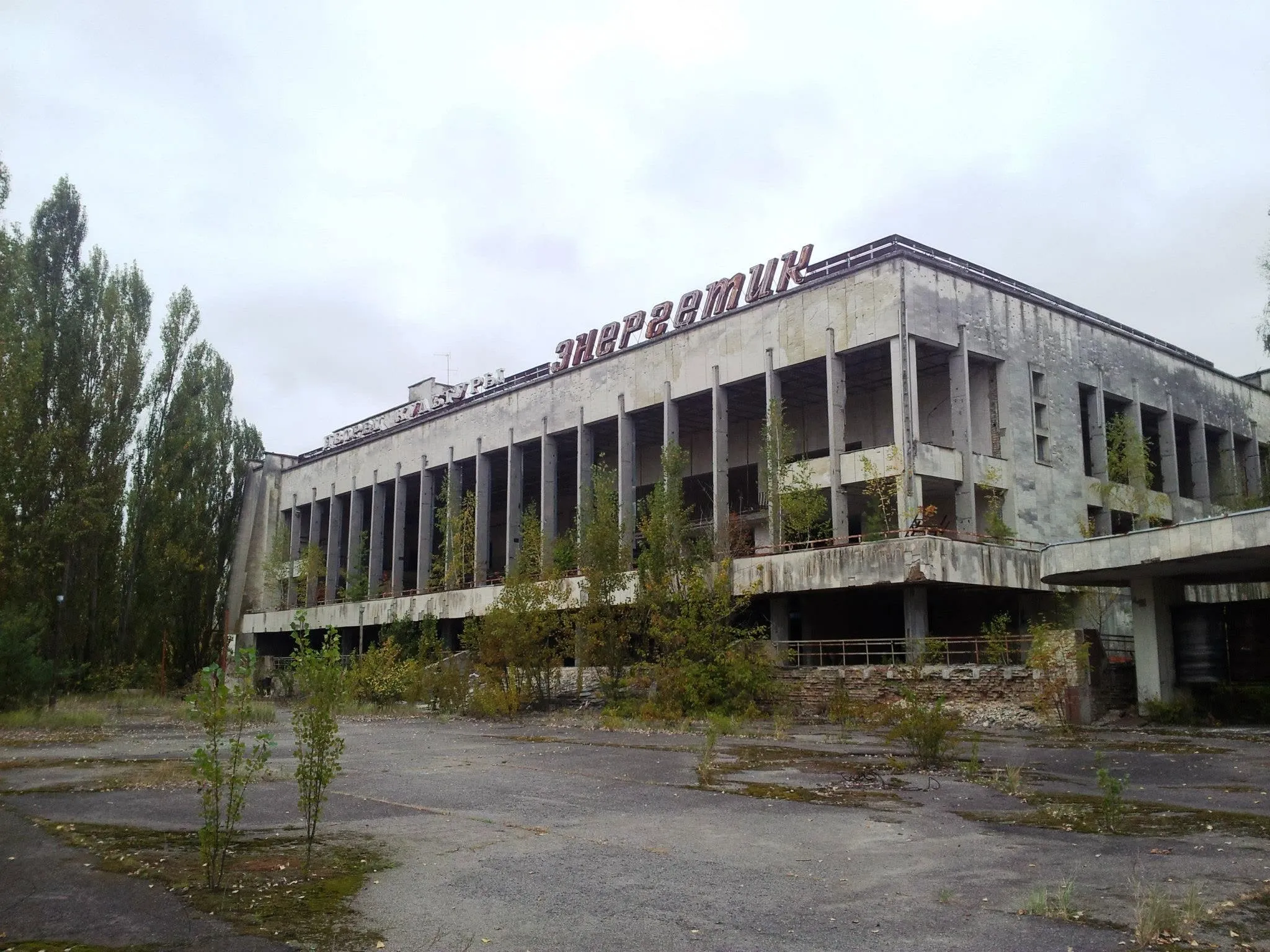
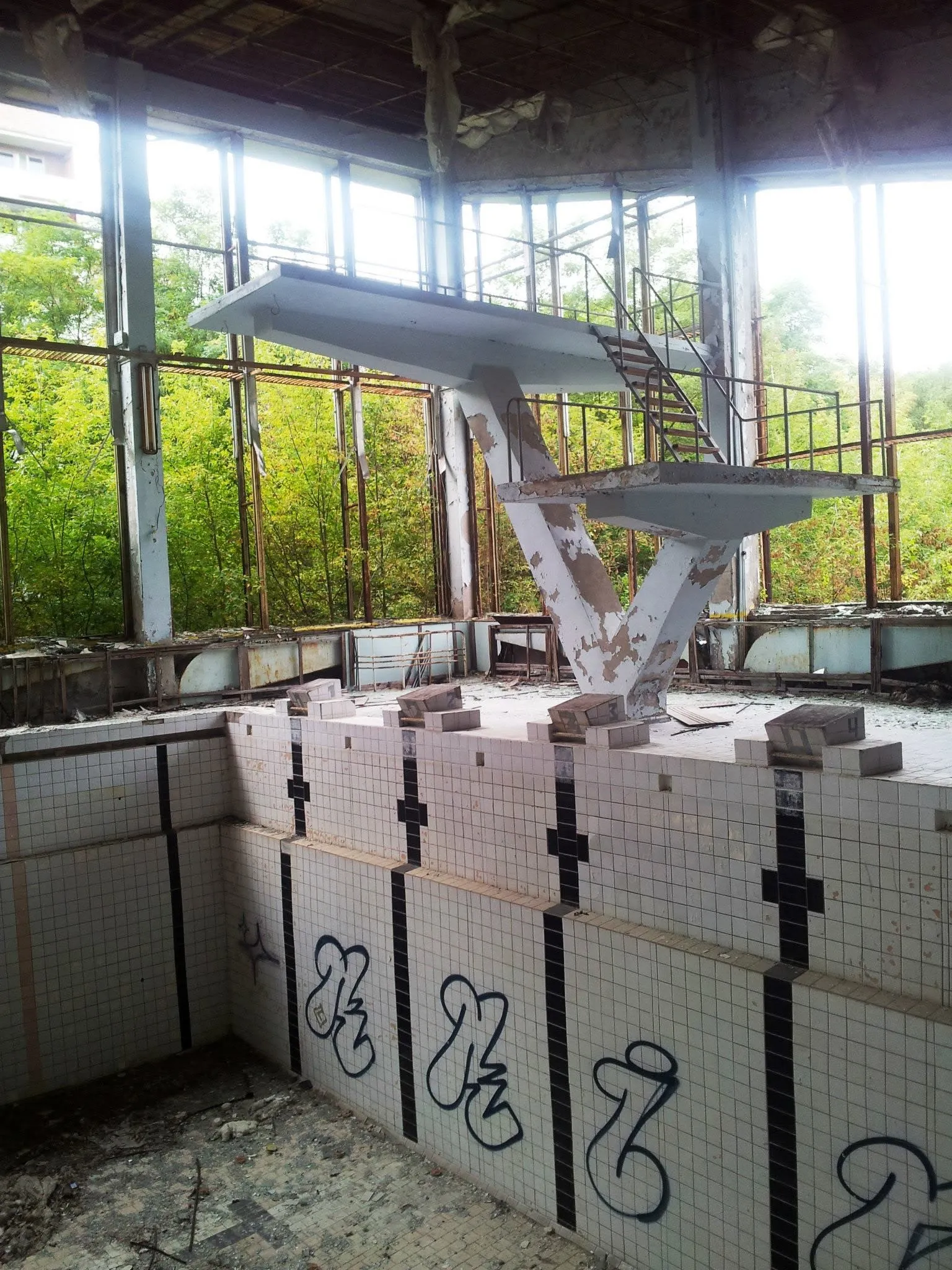
The centre of the city was Lenin Square, with the Polissya Hotel on one side and the Energetik Palace of Culture on another, and the Prometheus cinema nearby. The Avanhard Stadium and the Azure Swimming Pool, with its diving boards and a sports hall behind it, gave the city the kind of sporting culture that Soviet planners liked to show off. All of these buildings still stand in ruins, and they are some of the best-known sights in the Exclusion Zone today.
The Ferris wheel that never turned
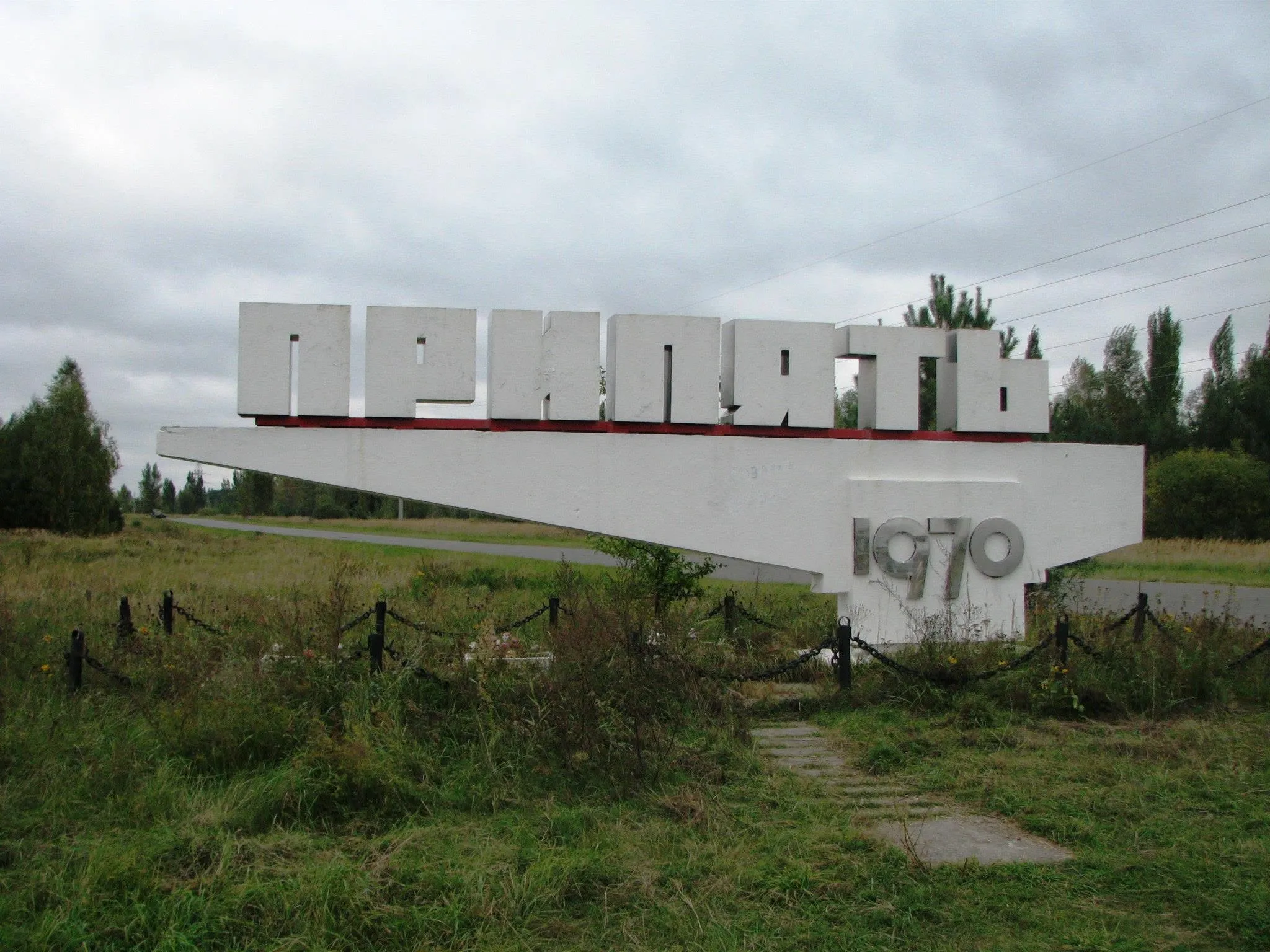
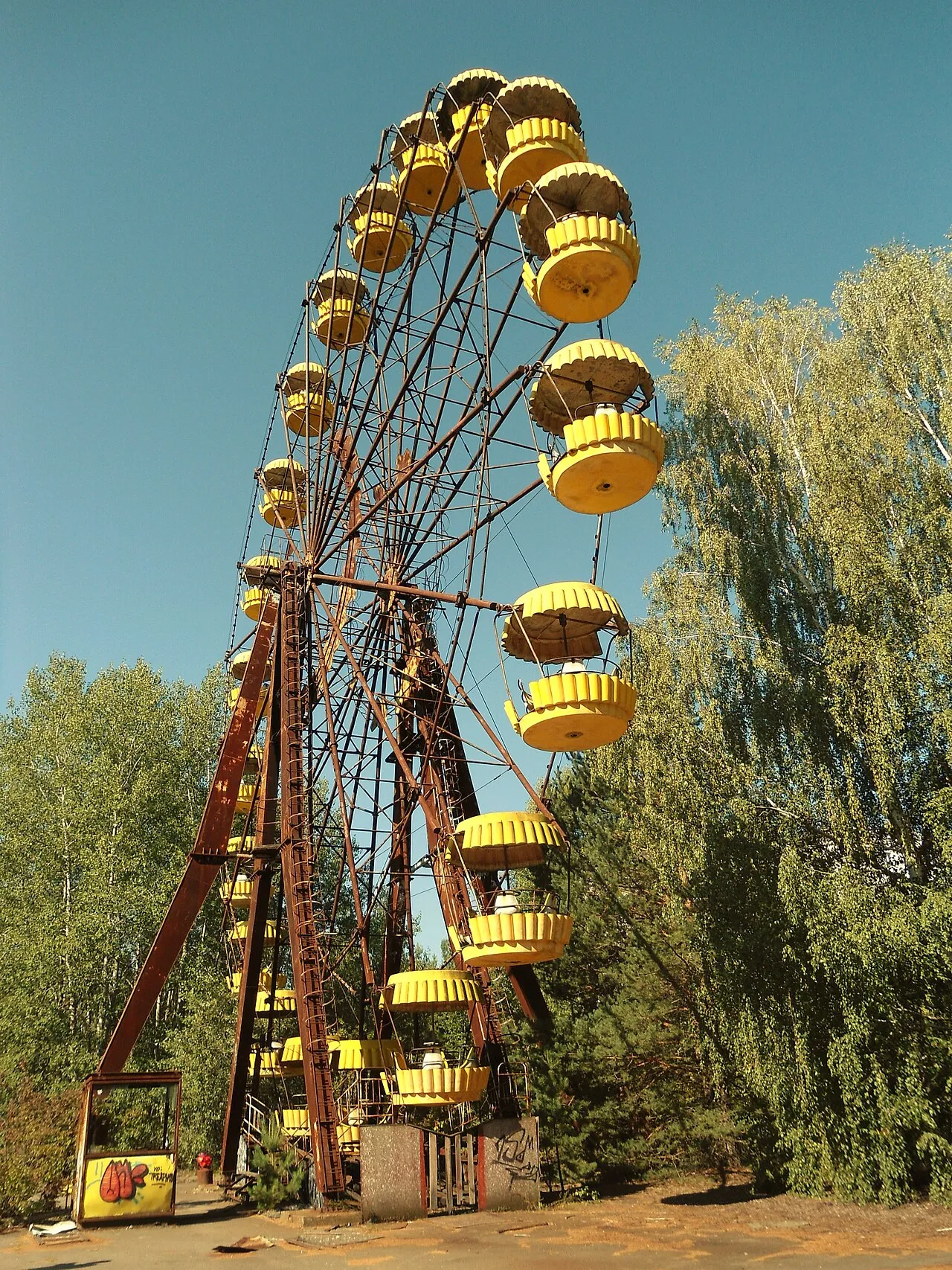
The most famous image of Pripyat is its Ferris wheel. The amusement park beside the main square was due to open on 1 May 1986 as part of the May Day celebrations, five days after the disaster. The opening never took place. The wheel has stood rusting in the square ever since, and it has become one of the most photographed symbols of the accident.
It is worth remembering what the wheel represents. The park was not a relic of an earlier era that had been left to decay. It was new, finished only days before the evacuation, and the people who built it fully expected to see it full of families within a week. The same is true of much of the city: it was not abandoned after a slow decline, but in the middle of an ordinary spring weekend.
26 April: a normal Saturday
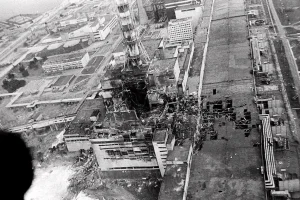
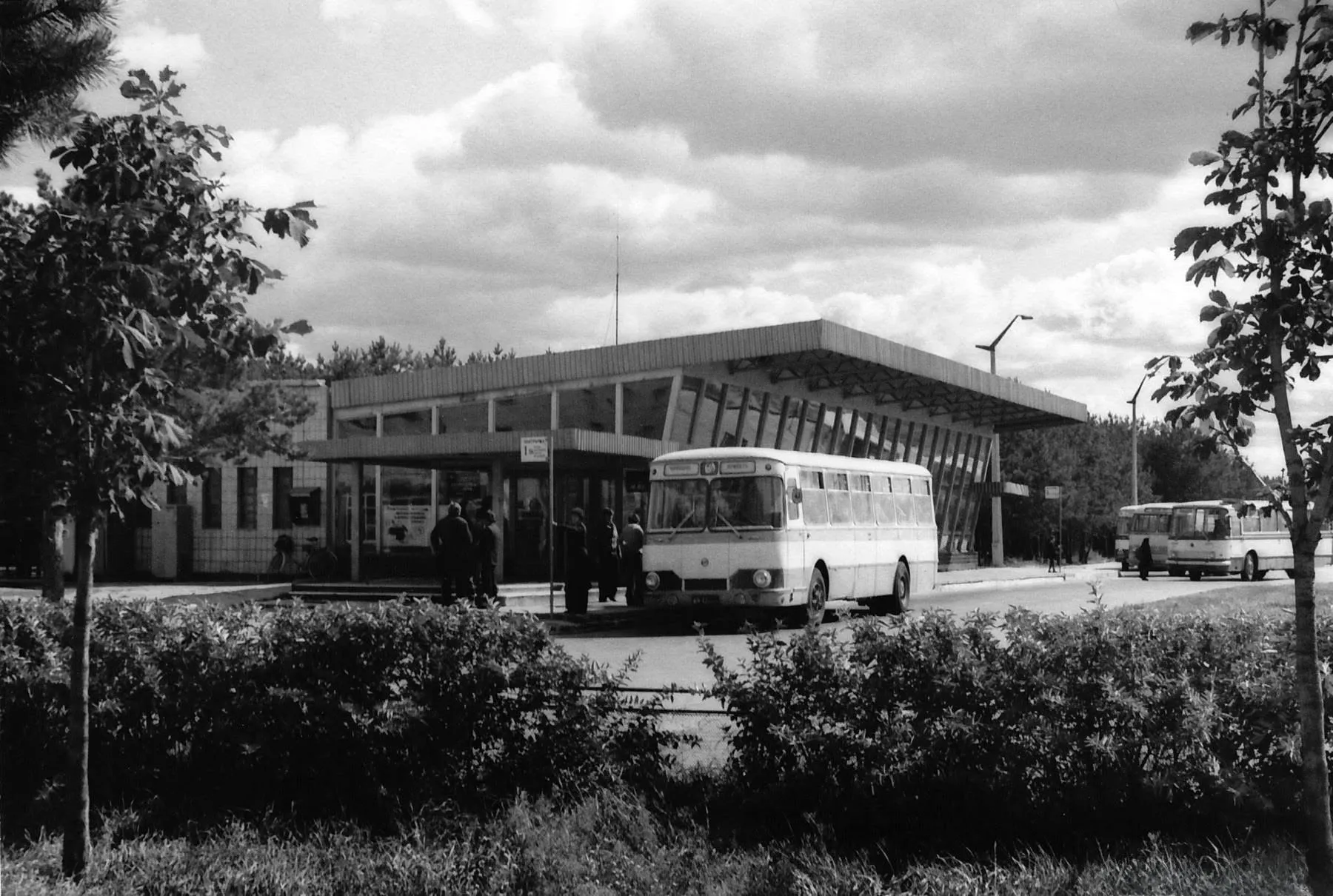
The explosion at Reactor 4 happened at 01:23 on Saturday 26 April 1986, but for much of that day life in the city carried on as normal. People shopped, walked in the spring sunshine and prepared for the May holidays. At the plant, firefighters and workers were already receiving severe doses, and some were being taken to the city’s hospital. The wider population was told very little.
That silence was not accidental. Soviet officials were reluctant to cause alarm, and the scale of the disaster was not yet clear even to the people at the plant. A government commission arrived in the city in the evening of 26 April, and radiation readings in the town were rising. Even so, the decision to evacuate was not taken until the following morning.
The evacuation of 27 April
On 27 April, residents were first told to stay indoors and keep their windows closed, and in many apartment blocks potassium iodide tablets were handed out. In the early afternoon a calm announcement on the city’s loudspeakers explained that, because of an accident at the power plant, the radiation situation in the town was deteriorating, and that residents would be moved out temporarily. People were told to bring documents, essentials and some food for about three days, and that buses would arrive at their buildings from 14:00.
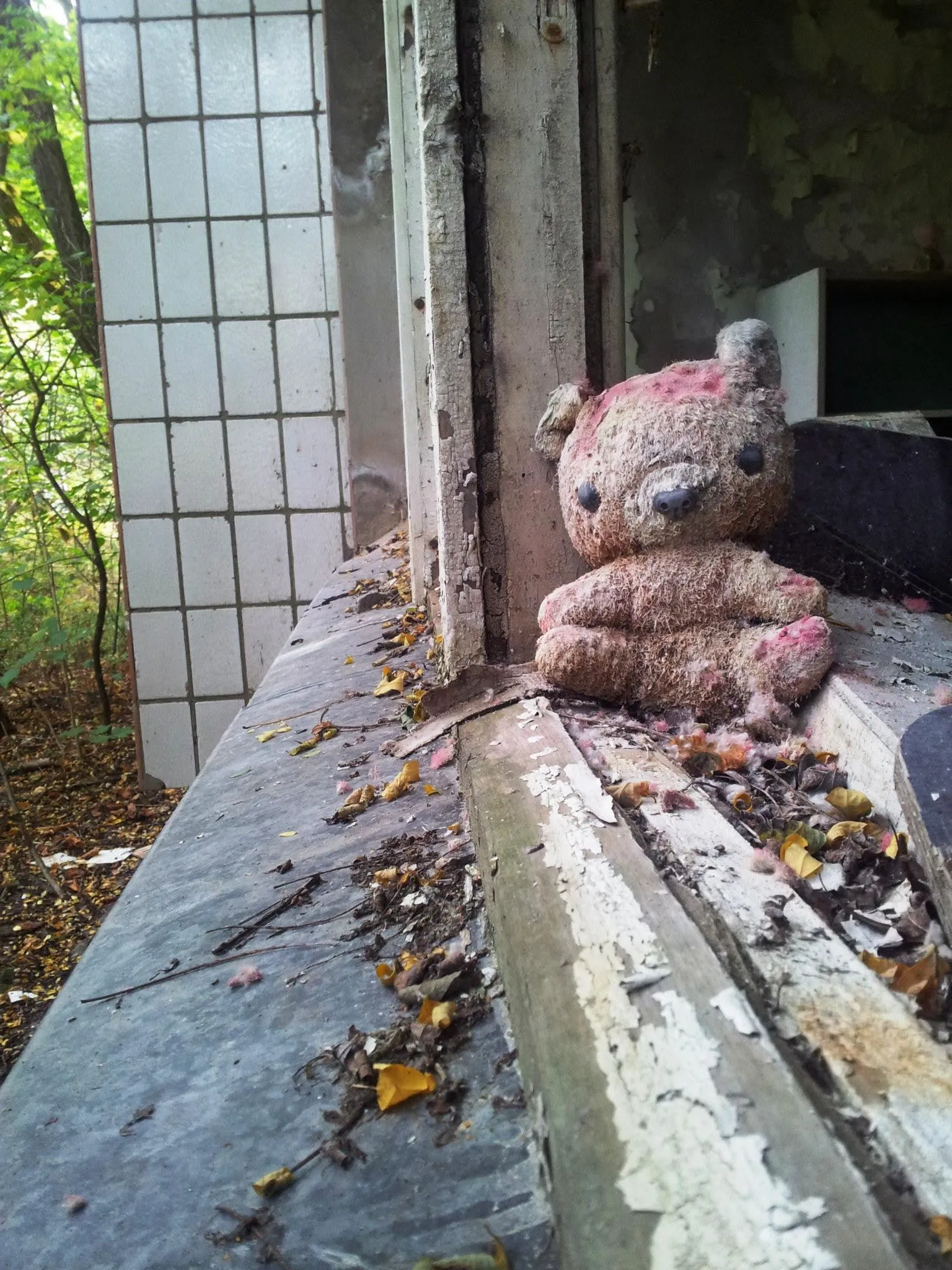
The scale of the operation was enormous. Reports from the time put the number of buses at about 1,200, with extra trucks, and most of the city was loaded and driven out within about three hours. Official sources give the number evacuated as roughly 49,000. Families locked their doors, took a bag and left toys on the floor, coats on hooks and food on the table. Many left pets behind, believing they would be back by the middle of the week. Residents were taken to villages across the Kyiv region and beyond.
The promise of three days shaped everything that followed. Because people expected to return, they took almost nothing of value. A fortnight later, the wider evacuation extended to the whole 30 km zone around the plant, and by 14 May about 116,000 people had been moved from the area. It soon became clear that Pripyat’s residents would not be going home. Many of them were later rehoused in Slavutych, a new town built in 1986 for the plant’s staff and their families.
After 1986: a city without people
Pripyat lies inside the Chernobyl Exclusion Zone, which covers about 2,600 square kilometres of Ukraine and has largely reverted to forest. The city itself is administered from Kyiv by the State Agency of Ukraine on Exclusion Zone Management, and its official population is zero. In the weeks and months after the evacuation, clean-up crews washed streets and buildings in an effort to reduce contamination, and the Azure Swimming Pool was reportedly used by some of the workers until 1998. Later, many apartments were looted, and furniture, appliances and even radiators were taken from the empty flats.
Since then, time and weather have done the rest. Roofs have collapsed, floors have rotted, and trees now grow through the streets and up through the buildings. Young trees have taken over the main square, and the Zone’s wildlife, from wild boar to wolves, ranges through the area. The Zone has also become an unusual natural experiment: with so few people, large mammals have increased in number, although the wildlife is still affected by contamination and the effects are debated.
A very small number of people live within the wider Zone. Around 200 older residents, known as samosely, have returned to villages and to the town of Chernobyl, although Pripyat itself has never been resettled. On 4 February 2020, the city’s 50th anniversary, former residents were allowed to return for a day, the first such gathering since 1986. Later that year, wildfires in the Zone reached the outskirts of the city, although they did not reach the power plant.
Is Pripyat safe to visit?
Before 2022, the Exclusion Zone was considered relatively safe for short, guided visits. Radiation levels in most parts of the city are reported not to exceed 1 microsievert per hour, which is low, but readings vary widely from place to place, and hotspots exist in moss, soil and in some buildings. For that reason, visitors followed a set route with a licensed guide and a dosimeter, and they were told not to touch, take or sit on anything.
The buildings themselves pose more immediate risks than radiation. Roofs, floors and staircases have decayed, and the apartment blocks and public buildings are not structurally stable. Visiting any of them without permission is dangerous as well as illegal.
Tourism to Pripyat grew sharply in the 2010s, helped by the video game S.T.A.L.K.E.R. and, in 2019, the HBO series Chernobyl. Reports put visitor numbers at about 124,000 in 2019. Since the Russian invasion in 2022, the Zone has been closed to tourists, and the zone administration suspended access passes for the duration of martial law. Check the current position before planning any trip.
Pripyat in the 2022 war
When Russia invaded Ukraine on 24 February 2022, the Chernobyl area was one of the first places to be seized, because it lies on the shortest route from Belarus to Kyiv. Russian forces captured the power plant and occupied Pripyat after several hours of heavy fighting. They stayed until 31 March 2022, when they withdrew from the plant and other parts of Kyiv Oblast. Ukrainian troops retook Pripyat on 3 April 2022.
The occupation put a new and unwelcome light on the Zone. Ukrainian officials reported higher radiation readings, which may have been caused by military vehicles disturbing contaminated soil, or by faulty readings after cyberattacks. The plant also lost its external power supply in March, which raised fears about cooling for stored spent fuel, and fires burned in parts of the Zone that firefighters could not reach. Ukraine’s nuclear operator also claimed that Russian troops dug trenches in the most contaminated part of the Zone. Pripyat, once again, found itself at the centre of events it had never chosen.
Conclusion
The explosion at Reactor 4 is a technical story, about a flawed design and a failed test. Pripyat is the human story. It is a city of about 49,000 people who locked their doors on a Sunday afternoon expecting to be back within days, and almost none of whom lived in their homes again. It is also a rare preserved record of Soviet urban planning, frozen at its height by accident.
For anyone who studies nuclear safety, the empty streets are a reminder of what is at stake when things go wrong. For anyone who loves abandoned places, Pripyat is both the most famous example and the most sobering one. To read about it, or to look at its photographs, is to see how quickly an ordinary place can become a ghost town. See also the plant that built it, the Chernobyl Nuclear Power Plant, the story of the Chernobyl disaster, and the secret radar that stood a few kilometres away, the Duga Radar.