A morning in August
At a quarter past eight on the morning of Monday 6 August 1945, Hiroshima was getting on with its day. The all-clear had sounded twice, at 00:05 and again at 07:09, after the usual overnight alerts. Shops and offices were opening. Schoolchildren who had been pulled out of lessons to help clear firebreaks were already at work in the streets. Over the city, at about 31,000 feet, three American B-29s were crossing in clear air, and one of them was carrying a single bomb.
This post is about how that bomb came to be dropped on Hiroshima, what the crews did and what people on the ground went through in the first day. The second bomb, three days later, the Japanese government’s decision to surrender, and the long-term effects on survivors in both cities are covered in our post on the bombing of Nagasaki, and are not repeated here.
Choosing a city
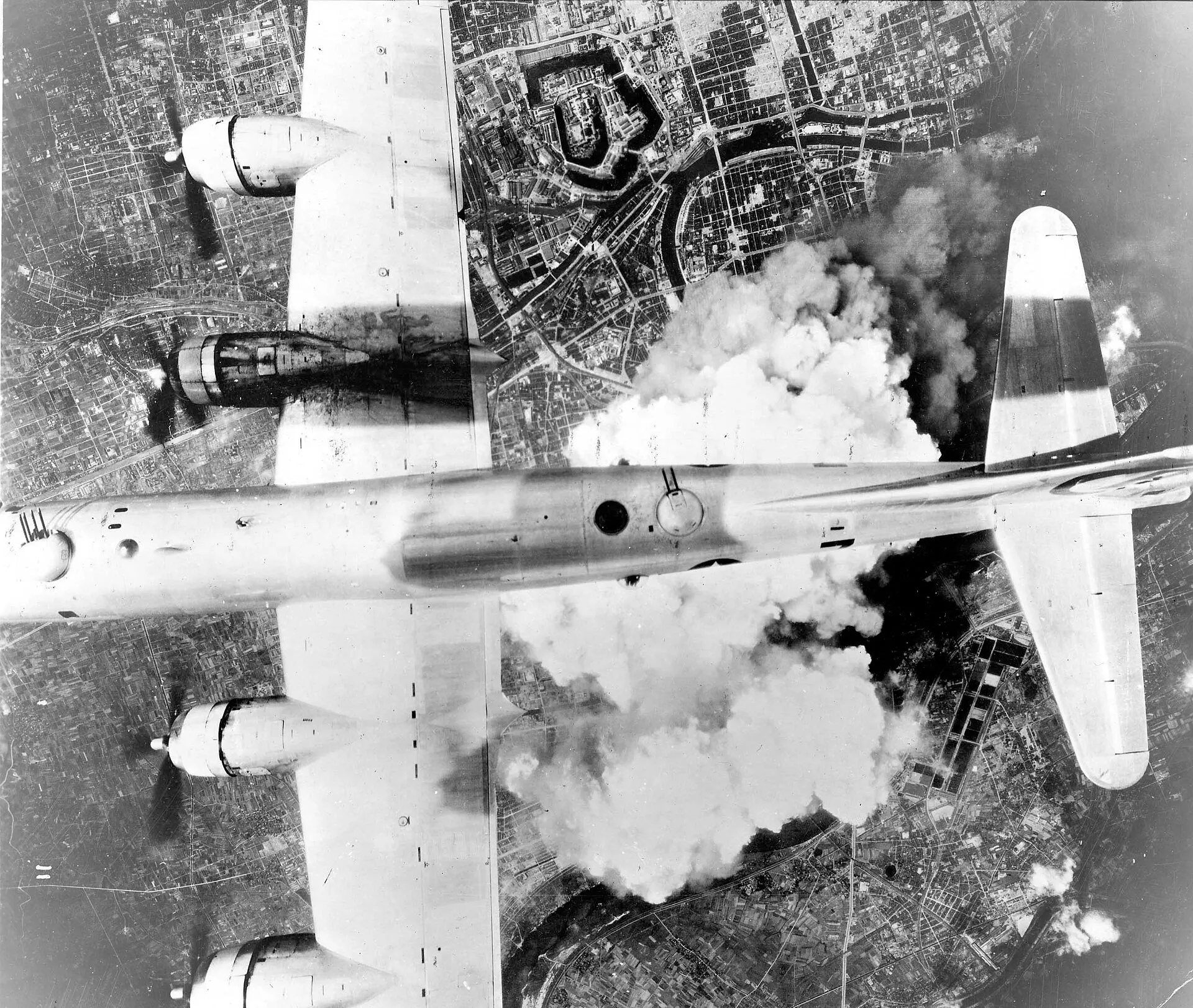
The decision to use an atomic bomb was never a single moment. In early May 1945 Secretary of War Henry Stimson set up the Interim Committee to advise on nuclear policy, and it agreed that the bomb should be used against Japan as soon as possible, without a special warning, on a target that combined military and civilian buildings. A separate Target Committee chaired by General Leslie Groves met in Washington on 27 April, at Los Alamos on 10 May and in Washington again on 28 May. It nominated five cities: Kokura, Hiroshima, Yokohama, Niigata and Kyoto. Hiroshima was described as an army depot and port in an urban industrial area, with nearby hills that could increase the blast damage.
Kyoto came off the list at Stimson’s insistence. On 30 May he asked Groves to drop it for historical and cultural reasons. Groves objected on military grounds, and Truman sided with Stimson. The popular story that Stimson had honeymooned in Kyoto appears to be wrong: he visited decades after his marriage, as governor-general of the Philippines.
There was a debate about whether to use the weapon on people at all. At the end of May and in early June Ernest Lawrence suggested a demonstration that did not kill anyone, and Arthur Compton and others rejected it. The Franck Report, written by a group of scientists in June, proposed alternatives. The Scientific Advisory Panel turned it down on 16 June, and the Interim Committee reaffirmed its position on 21 June. Reasonable people at the time argued both ways, and the argument has not stopped since.
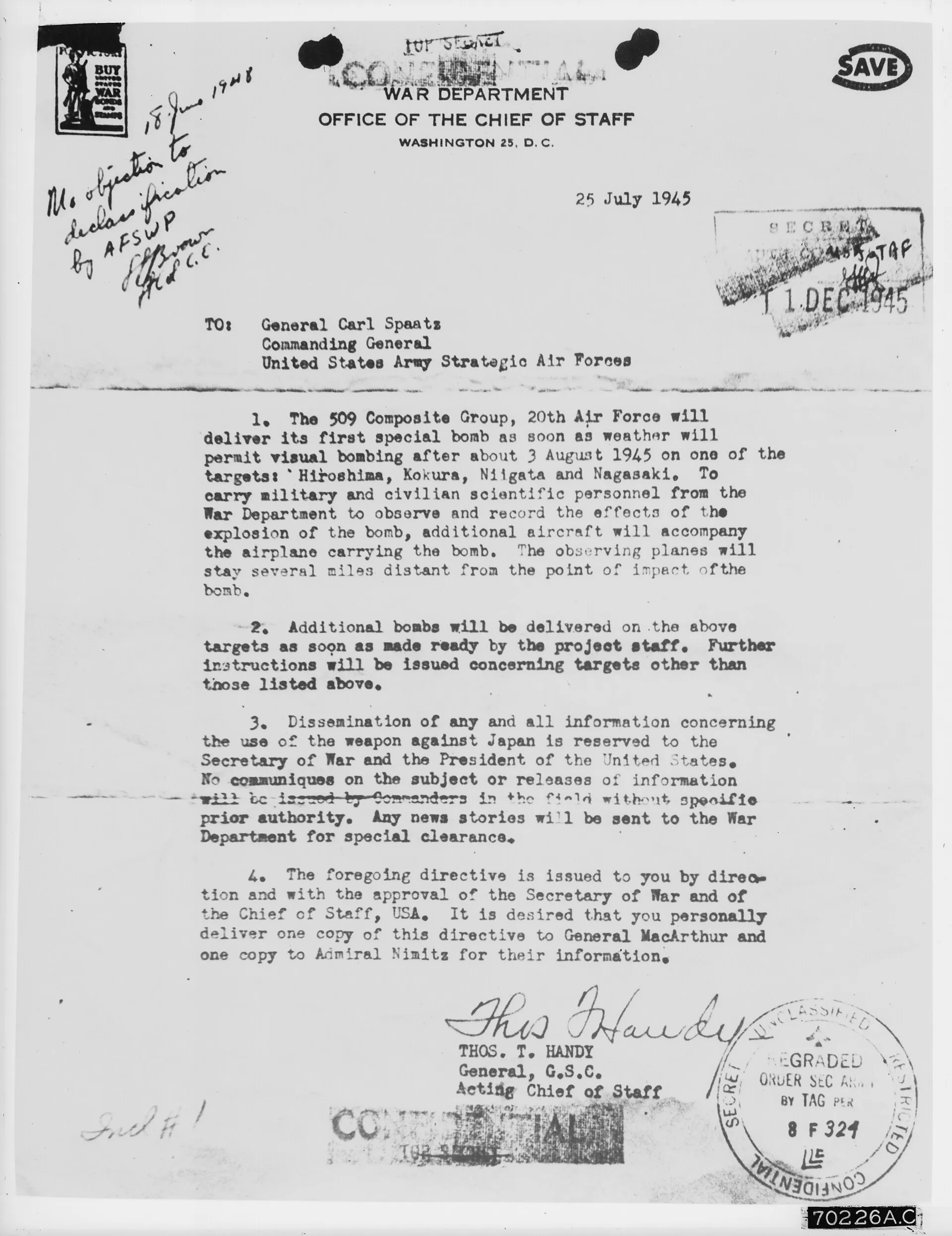
One decision had a grim side effect. On 3 July the Joint Chiefs of Staff put Hiroshima, Kokura, Niigata and Kyoto off limits to ordinary bombing raids, so that the new weapon’s effects could be judged cleanly. Hiroshima was therefore left largely undamaged while other Japanese cities burned. On 25 July General Thomas Handy, acting chief of staff, sent orders to General Carl Spaatz. The 509th Composite Group would drop its first special bomb after about 3 August on Hiroshima, Kokura, Niigata or Nagasaki, whichever offered the best weather for visual bombing. In his diary the same day Truman wrote that military targets were to be used and not women and children.
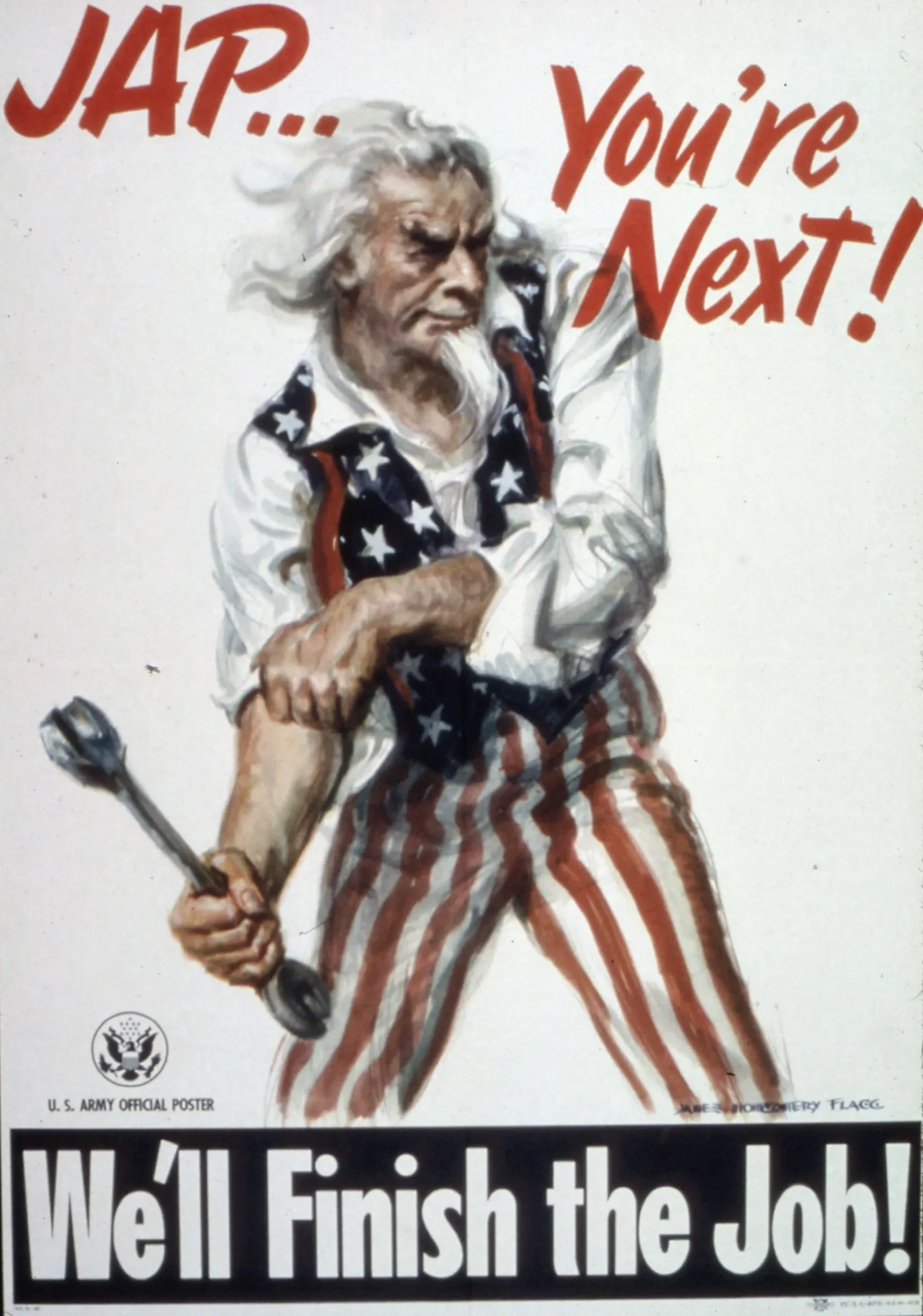
The Potsdam Declaration, calling on Japan to surrender, was issued the next day, 26 July. It did not mention the atomic bomb. On 28 July Prime Minister Kantaro Suzuki described it as a rehash and said the government would ignore it, using the word mokusatsu. Newspapers took it as a rejection. No warning about the new weapon was given to Hiroshima. American aircraft had also been dropping leaflets on Japanese cities. These were a form of psychological warfare: printed warnings, dropped by the million, telling civilians that their city was on a list for destruction and urging them to leave and to press their government to end the war. They were meant to unsettle morale, and they also gave the Americans a way to say that civilians had been warned. Hiroshima does not seem to have been on the list of named cities, and nothing in the leaflets mentioned an atomic bomb, so the people of Hiroshima had no specific warning. Sources disagree on the date of the last leaflet raid.
The city on the delta
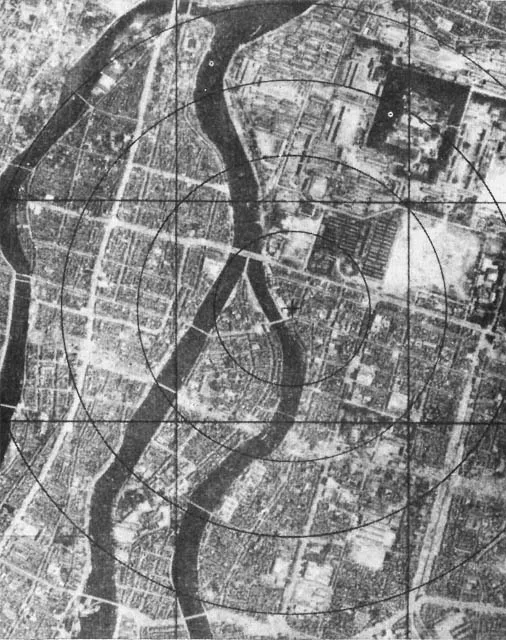
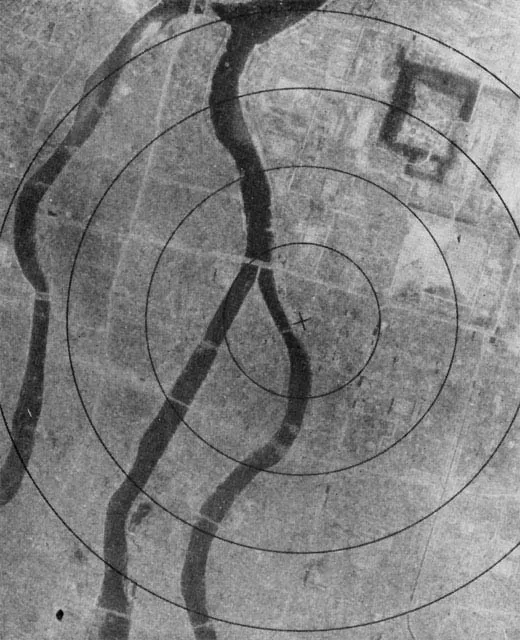
Hiroshima lay on the delta of the Ota River, a flat city cut by rivers and bridges. Its population at the time was about 340,000 to 350,000, down from a wartime peak of over 381,000. It was a garrison city. Field Marshal Shunroku Hata’s Second General Army, which had some 400,000 men across southern Japan, had its headquarters in Hiroshima Castle, about 820 metres from where the bomb would burst. Estimates of the troops in the city on the morning of 6 August vary, from about 24,000 to about 40,000, depending on the source.
It was also a city of ordinary routines. Junior high school girls and other students had been mobilised to demolish buildings and create firebreaks. Office workers were arriving at banks and government buildings. Streetcars were running. On the delta, nobody had been told that anything was coming.
The aircraft and the crew
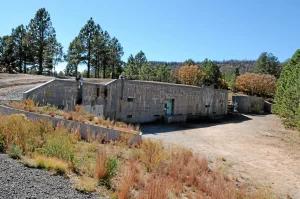
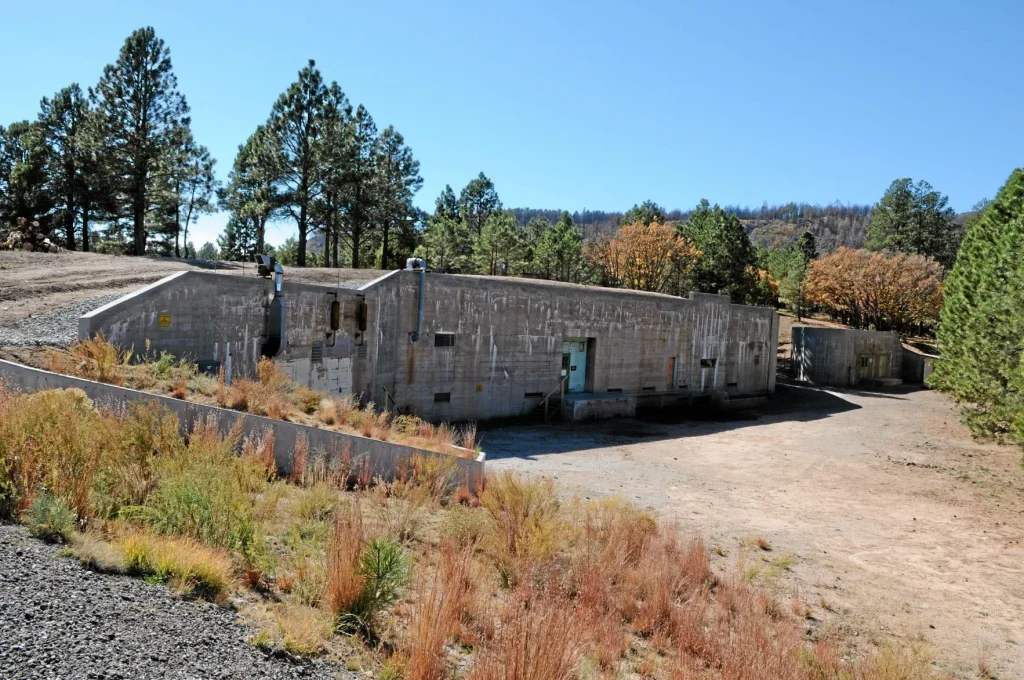
The bomb was Little Boy, a uranium gun-type weapon carrying about 64 kg of uranium-235. Its development and testing at Los Alamos is described in our post on the Gun Site and the Pajarito Site. The projectile was completed on 15 June and the target insert on 24 July. The cruiser USS Indianapolis brought the main assembly to Tinian, arriving on 26 July, and the target insert followed by air on 30 July. Francis Birch’s group at Los Alamos modified the design with a removable breech plug so that it could be armed after take-off.
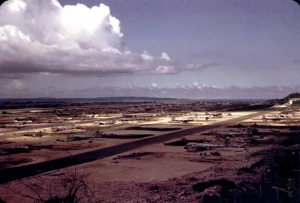
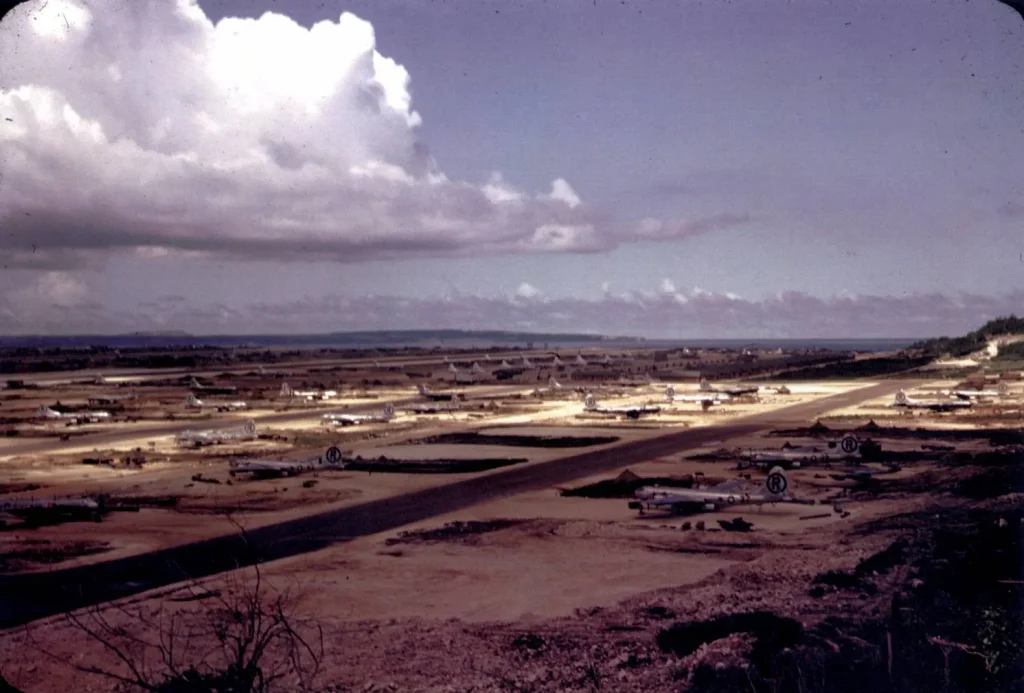
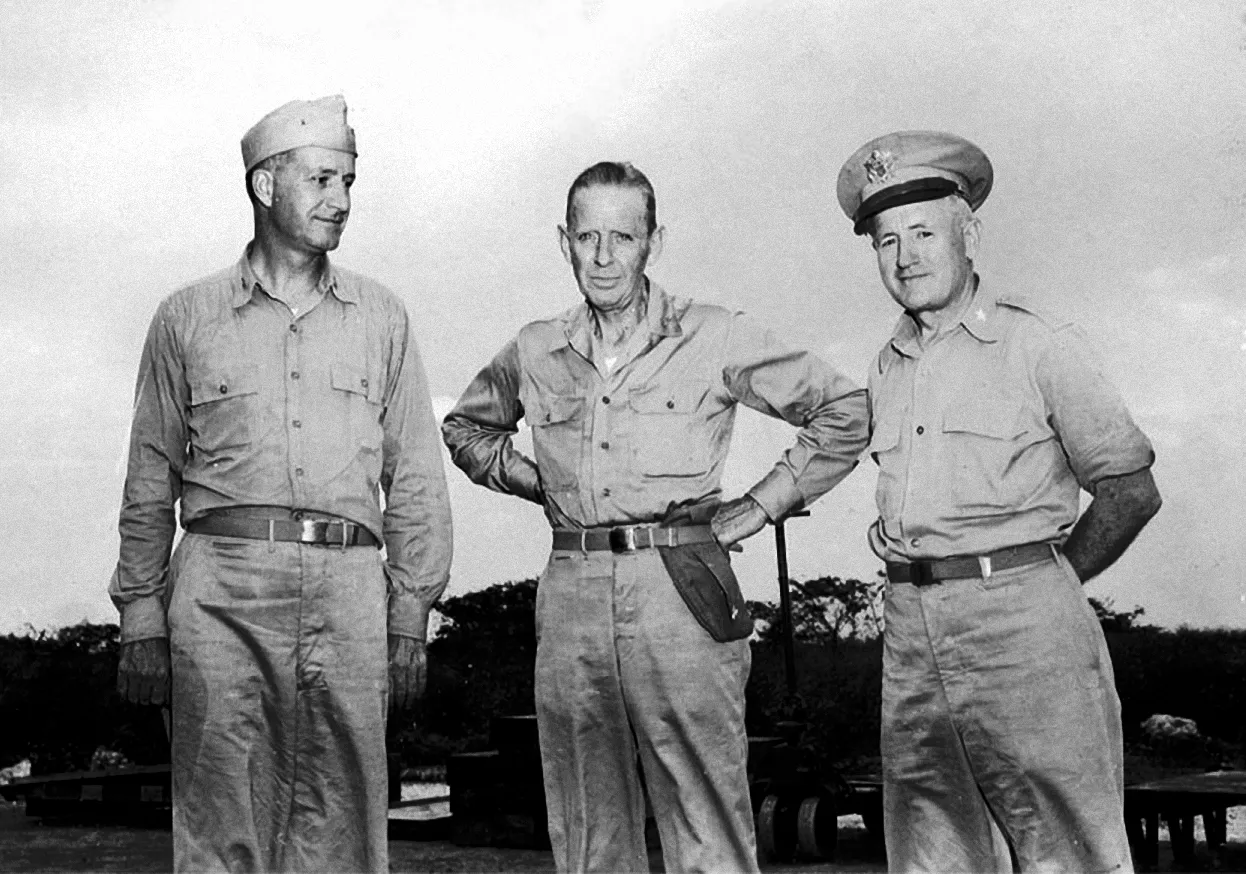
The 509th Composite Group, under Colonel Paul Tibbets, had been activated on 17 December 1944 at Wendover, Utah, and moved to Tinian. Three men known as the Tinian Joint Chiefs ran the programme on the island: Captain William Parsons of the Navy, Brigadier General Thomas Farrell and Rear Admiral William Purnell. Parsons would fly on the mission as weaponeer and mission commander. He armed the bomb in flight, and Second Lieutenant Morris Jeppson removed the safety devices about 30 minutes before the target.
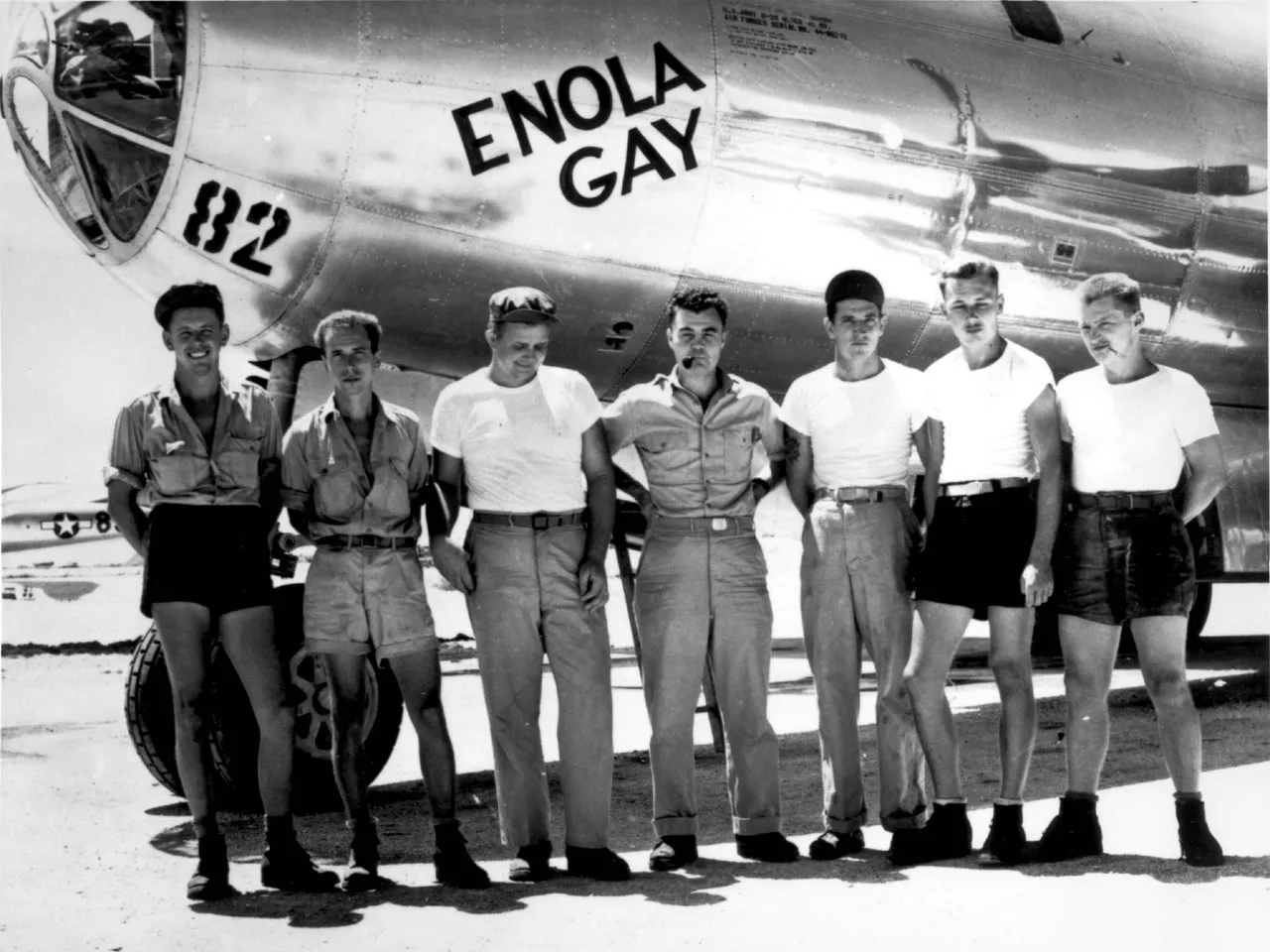
Tibbets had picked the bomber himself while it was still on the assembly line, and on 5 August he named it after his mother, Enola Gay. The name was painted below the pilot’s window on the morning of the mission. The aircraft’s regular commander, Captain Robert Lewis, who flew as co-pilot that day, was reportedly furious when he saw it. Twelve men were aboard. Besides Tibbets, Lewis, Parsons and Jeppson, they were the bombardier Thomas Ferebee, the navigator Theodore Van Kirk, the radar countermeasures officer Jacob Beser, the tail gunner Robert Caron, the flight engineer Wyatt Duzenbury, the radar operator Joe Stiborik, the assistant flight engineer Robert Shumard and the radio operator Richard Nelson.
Two more B-29s flew with it. The Great Artiste, flown by Major Charles Sweeney, carried instruments, and Necessary Evil under Captain George Marquardt was to take photographs. Its cameras failed, and the only film came from a 16 mm camera smuggled aboard. Three weather planes, including Straight Flush flown by Major Claude Eatherly, had gone ahead to the candidate cities.
An untested design
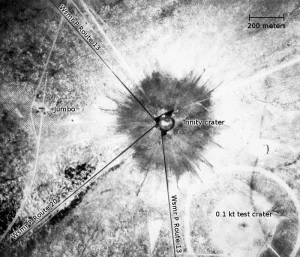
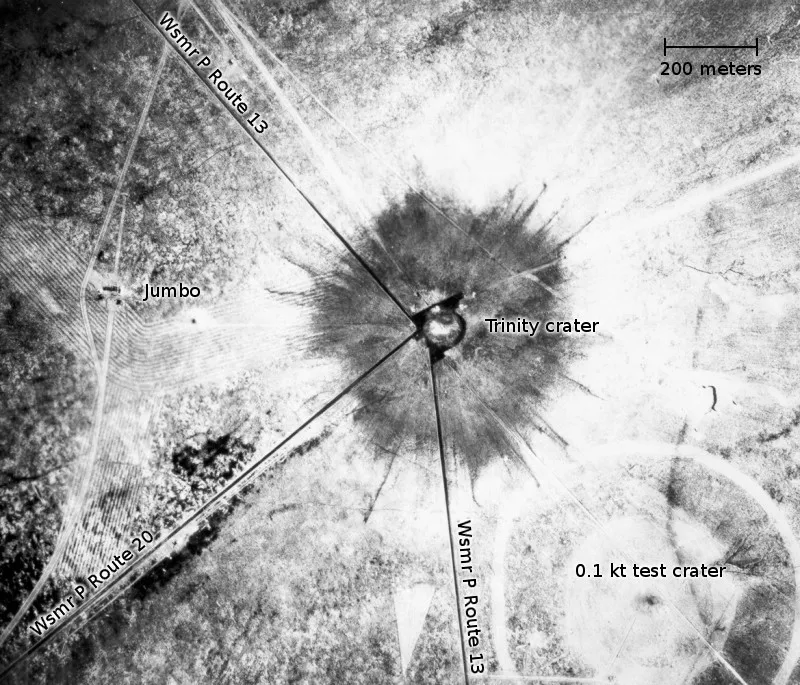
Little Boy had a peculiarity that Trinity’s story rarely mentions: it was never test-fired. The plutonium bomb needed the Jornada del Muerto because its implosion design was so intricate that nobody could be sure it would work. The uranium gun-type design was simple enough that the Los Alamos staff were confident of it without a full-scale trial. Hiroshima was therefore the first time the design was used at all, and the only time a bomb of that type has been used in war.
The simplicity had a cost on the airfield. B-29s crashed on take-off from Tinian in the weeks before the mission, and the fear was that a crash with a fully armed gun-type bomb aboard could set off a nuclear explosion on the island. That is why the final arming was left until the aircraft was in the air, and why Parsons, as weaponeer, did it himself after take-off.
The aircrews had been practising for months. The 509th trained in the Utah desert and then on Tinian, and from late July flew practice missions over Japan with conventional “pumpkin” bombs shaped like the real weapon, dropped on cities and factories to get the crews used to the flight and the aiming. A single B-29 arriving alone, dropping one large bomb and leaving was an odd pattern, and nobody on the ground could have known what it was a rehearsal for.
The flight
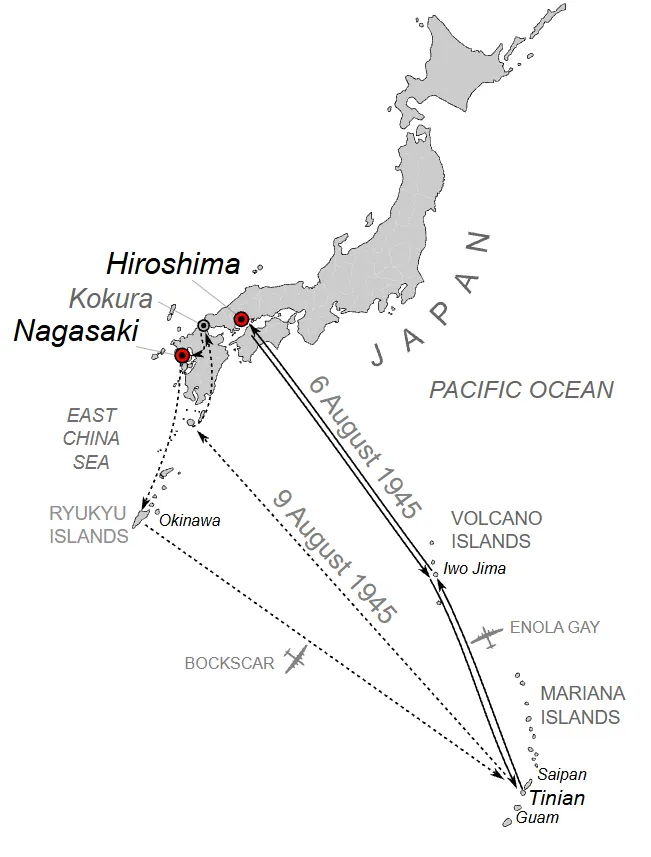
Enola Gay took off from North Field on Tinian at 02:45. The three aircraft flew separately to Iwo Jima and met there at about 05:55, then set course for Japan. Parsons armed the bomb on the way. Over Hiroshima the weather was clear. About an hour before the drop Straight Flush sent a message that settled the matter.
Cloud cover less than 3/10th at all altitudes. Advice: bomb primary.
Message from the weather plane Straight Flush, flown by Major Claude Eatherly, 6 August 1945
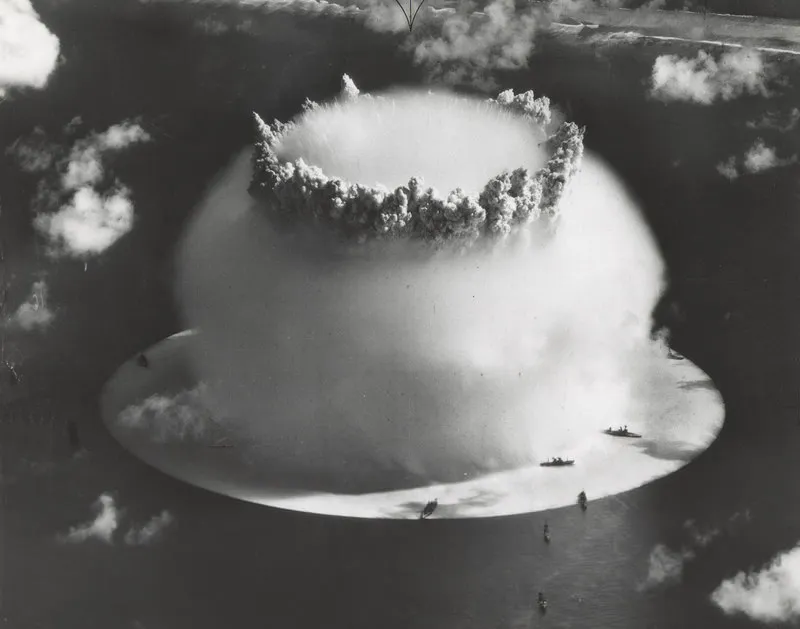
At 08:09 Tibbets began the bomb run and handed control to Ferebee. The aiming point was the T-shaped Aioi Bridge. Release came at 08:15. The figures vary a little by source. One account gives a release altitude of about 9,470 metres and a fall of 44.4 seconds to a burst height of about 580 metres (1,900 feet), while another gives 53 seconds and about 600 metres (1,968 feet). The bomb missed the bridge by about 240 metres. The explosion released the equivalent of about 15,000 tons of TNT, and only a small fraction of the uranium, about 1.7 percent, actually fissioned.
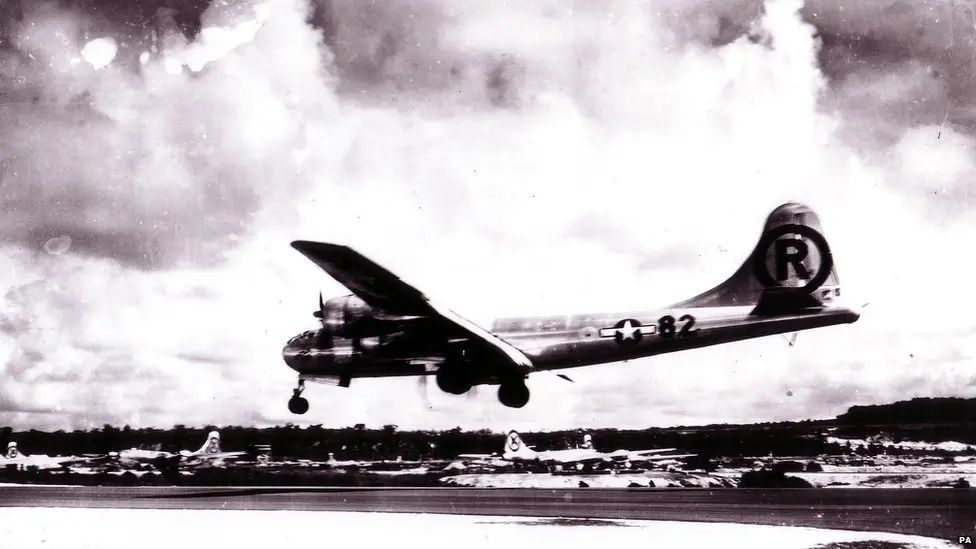
Tibbets turned the aircraft hard to get away. Enola Gay was about 16 kilometres from the burst when it went off, and the shock wave reached it about 18.5 kilometres away. Tibbets later said it was hard to believe what the crew saw. Parsons described it as tremendous and awe-inspiring, and the men with him gasped “My God.” The aircraft landed back on Tinian at 2:58 in the afternoon after 12 hours and 13 minutes in the air, and Tibbets was awarded the Distinguished Service Cross on the spot.
8:15 on the ground
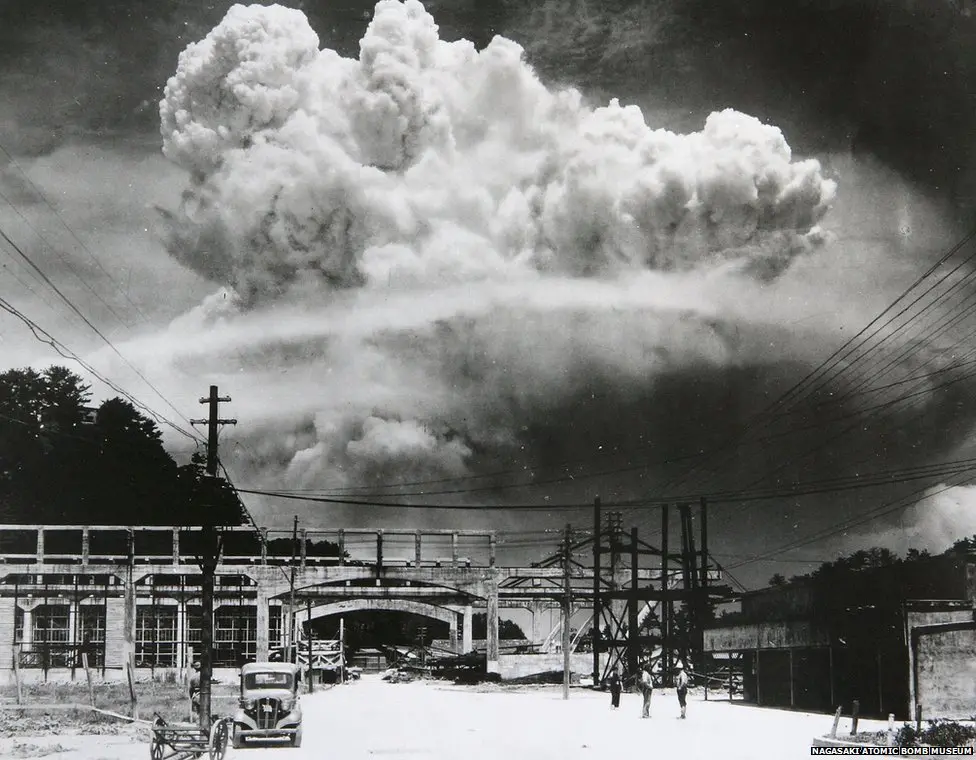
The men in the air saw a cloud. The people below saw something else, and the accounts of a few of them are the most direct record we have.
Akiko Takakura was 20 and worked at the Bank of Hiroshima in Kamiya-cho, about 300 metres from the hypocentre. She was one of very few people who survived that close. She had signed the attendance book and was dusting desks as part of her morning routine. She remembers only a flash.
A white magnesium flash.
Akiko Takakura, bank clerk, from her testimony in the Atomic Archive
When she came to, the room was dark and a friend was crying for her mother. The water pipes had burst. Takakura used her helmet to pour water over her friend’s head until she was awake, and they left the building together. The way to the parade ground was blocked by a wall of fire. They crouched beside a small firefighting water tank in the street, and a whirlpool of fire swept across the road and burned her ear and leg. She did not notice she was burned until later. Black rain fell in large drops that hurt as they struck, and people opened their mouths to drink it. She remembered the whole scene as red, black and brown. For years afterwards, she was terrified of fire.
Yoshito Matsushige, a 32-year-old photographer for the Chugoku Shimbun, was at home in Midori-cho about 2.7 kilometres away, getting ready for work. He saw a flash as if lightning had struck and was briefly blinded. The blast blew holes in the walls of his house. He dug his camera out of the debris, dressed in his military clothes and went out about 40 minutes after the blast. At the Miyuki Bridge he found mostly junior high school girls from two schools who had been out clearing buildings. They were badly burned. He told his story later: he hesitated for about 20 minutes before taking his first picture, his tears clouded the viewfinder on the second, and he took only five photographs in all. He passed a burnt streetcar with its passengers still inside and 15 or 16 bodies lying in front of it. He did not photograph them, because he felt sympathy for the dead and newspapers did not print pictures of corpses at the time. He then walked for nearly three hours through the worst-hit area without taking another picture, and noted that other photographers also failed to photograph the centre of the city.
Those five photographs are among the first images of the aftermath. The closest known survivor, Eizo Nomura, was about 170 metres away in the basement of a building, and died in 1982.
What the bomb did to the city
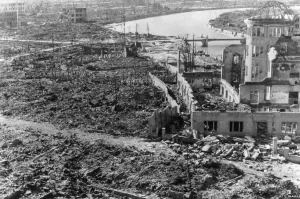
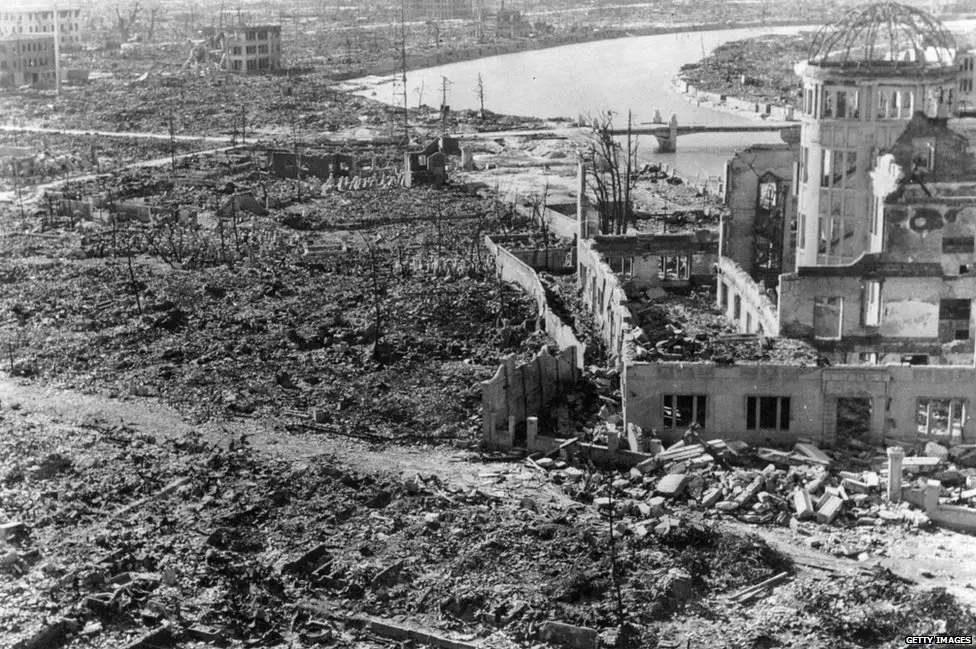
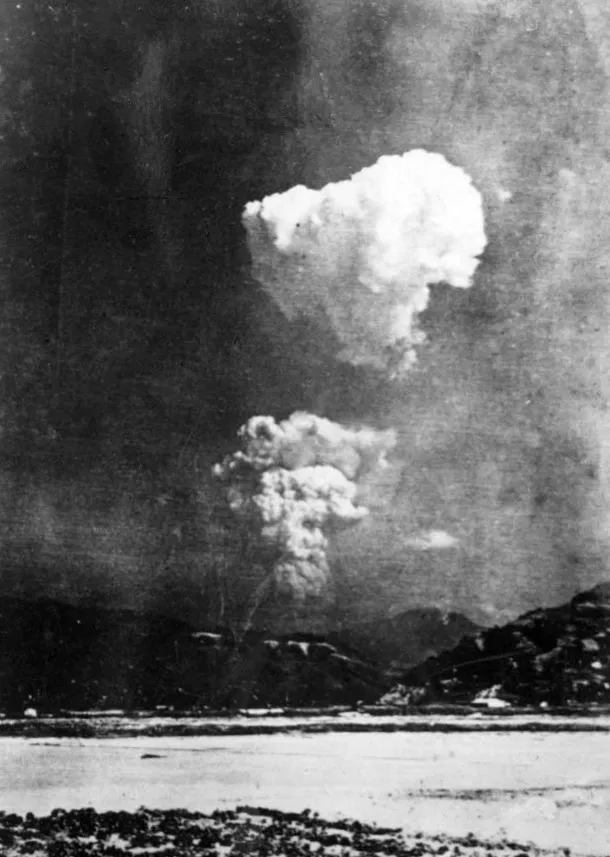
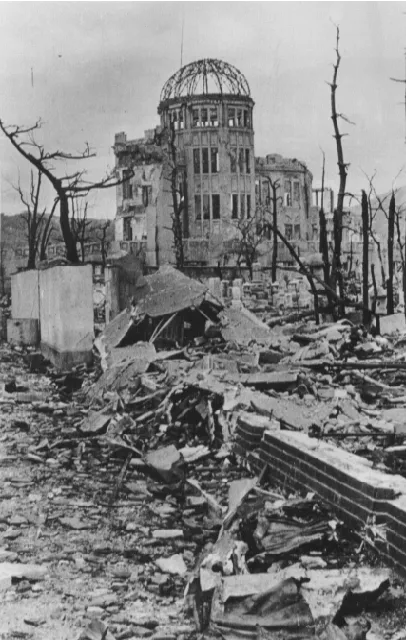
United States surveys estimated about 12 square kilometres, or 4.7 square miles, destroyed. Japanese officials judged that 69 percent of buildings were destroyed and another six to seven percent damaged. The blast and the fires came together. Small fires merged into a firestorm, and many people who jumped into the rivers drowned. One building did not fall: the former Prefectural Industrial Promotion Hall, about 150 metres from ground zero, survived in skeletal form because the blast hit it from almost straight above. We come to the Genbaku Dome below.
The city’s institutions were hit as hard as its buildings. Hata’s headquarters in the castle was close to the burst. the attack killed 3,243 troops on the parade ground, and Hata himself was only slightly wounded and took over the city’s administration. Mayor Senkichi Awaya was killed at the mayoral residence. Over 90 percent of the city’s doctors and 93 percent of its nurses were killed or injured, and most hospitals were destroyed or badly damaged. At the Red Cross Hospital only one doctor, Terufumi Sasaki, remained on duty. Twelve American airmen were being held as prisoners at the Chugoku Military Police headquarters about 400 metres from the hypocentre, and most of them died at once, while others were executed or killed later.
Black rain fell one to two hours after the blast, carrying ash, fallout and water. Some people looked uninjured and died within hours or days of what would be recognised later as radiation sickness. Midori Naka, who had been about 650 metres from the hypocentre, died in Tokyo on 24 August 1945, and is recorded as the first death officially certified as caused by radiation poisoning. The journalists Leslie Nakashima and Wilfred Burchett were among the first to report radiation effects, and MacArthur’s command later restricted coverage.
The death toll is the hardest figure to pin down. The Radiation Effects Research Foundation’s range is 90,000 to 166,000 dead by the end of 1945, which was 26 to 49 percent of the population. Most died on the day and nearly all the rest within two to four months. The early official counts were lower. The Manhattan Project’s 1946 report gave 66,000 dead and 69,000 injured, a 1951 joint commission gave 64,500 dead and 72,000 injured, and Japanese reconsiderations in the 1970s put the toll at about 140,000 by the end of the year. Roughly 90 percent of the dead were civilians, though the military figures also vary: the US Strategic Bombing Survey counted 6,789 soldiers killed or missing, and the 1970s reconsiderations put the military dead nearer 10,000. Foreigners were among the victims too. Between 5,000 and 8,000 Korean residents are thought to have been among the dead.
Word reaches the outside world
Hiroshima went silent, and for hours outsiders did not understand why. A young telegraph operator, named in one place as Yoshie Oka and in another as Yoshie Okawa, is credited with sending the first report to Fukuyama, where it was not believed at first. Tokyo learned the extent of the destruction from a staff officer who flew over the city, and from President Truman’s announcement about 16 hours after the bomb.
Truman’s statement, issued from Washington, said the bomb had more power than 20,000 tons of TNT, and called it a harnessing of the basic power of the universe. It said that the Japanese had begun the war from the air at Pearl Harbor and had been repaid many fold, and it warned that if Japan did not accept the Potsdam terms it should expect a rain of ruin from the air. It described the Manhattan Project as the greatest scientific gamble in history, and said that it had cost two billion dollars and employed up to 125,000 people at the peak of construction.
Rain of ruin from the air.
President Harry S. Truman, statement announcing the bombing of Hiroshima, 6 August 1945
Inside the Japanese government the reaction was slower than the destruction. the physicist Yoshio Nishina and other scientists reached Hiroshima on 7 August and confirmed that a nuclear weapon had caused the damage, and they reported to the cabinet. Admiral Soemu Toyoda estimated that the Americans could produce only one or two more bombs, and the cabinet chose to endure further attacks. That bomb, and what the Japanese leadership did in the days after it, belong to the Nagasaki post.
The dome that stayed
Hiroshima rebuilt, slowly. It was hit by Typhoon Ida on 17 September 1945, and reconstruction was helped by the Hiroshima Peace Memorial City Construction Law of 1949. The Peace Memorial Museum opened in 1955.
The building that had survived was not a monument at first. It had been designed by the Czech architect Jan Letzel and completed in April 1915 as the Hiroshima Prefectural Commercial Exhibition Hall, later renamed the Prefectural Industrial Promotion Hall. The ruin was scheduled for demolition, and Hiroshima people disagreed about whether to keep it. Some wanted it torn down, others wanted it kept as a symbol of peace. Mayor Shinzo Hamai, the city’s first popularly elected mayor, sought money at home and abroad for preservation. The City Council adopted a resolution for permanent preservation in 1966, and the work was completed in 1967, with further stabilisation in 1989 and 1990.
Peace Memorial Park was laid out around it between 1950 and 1964. UNESCO inscribed the Genbaku Dome as a World Heritage Site in December 1996, over the objections of the United States and China. On 27 May 2016 Barack Obama became the first sitting US president to visit, and the leaders of the G7 visited on 19 May 2023.
Conclusion
The bombing of Hiroshima is often told as a decision made by a few people in a few rooms. The record is more tangled. A committee drew up a list, and the list was edited: Kyoto removed on cultural grounds, Hiroshima kept off the conventional bombing schedule so that the new weapon’s effect would be unambiguous. Scientists argued for a demonstration and lost. A declaration was issued that did not mention the weapon, and a prime minister’s one word was read as rejection.
Then the arguments ended in a single minute. A weather plane’s message, a bombardier’s aiming point and a fall of less than a minute set the day. What came next was recorded by the survivors, a bank clerk, a photographer, a handful of doctors and nurses who had been spared, and it is their accounts, more than the casualty tables, that still stand at the centre of the story. The numbers differ from source to source. The testimonies do not.
Did you know?
- Kyoto was taken off the target list at Henry Stimson's insistence, for cultural reasons.
- Hiroshima was kept off the ordinary bombing schedule from 3 July so the new weapon's effects could be judged cleanly.
- Little Boy was never test-fired before it was used.
- The Enola Gay was named for Paul Tibbets's mother, and the name was painted on the aircraft on the morning of the mission.
- The weather plane Straight Flush reported less than 3/10 cloud over Hiroshima and advised the crew to bomb the primary target.
- The bomb missed its aiming point, the T-shaped Aioi Bridge, by roughly 240 metres.
- Only a small fraction of the uranium, about 1.7 percent, fissioned.
- Akiko Takakura was about 300 metres from the burst inside a bank and survived.
- Yoshito Matsushige took only five photographs on the day of the bombing.
- Midori Naka is recorded as the first death officially certified as caused by radiation sickness.
- Jan Letzel, a Czech architect, designed the building that became the Genbaku Dome.
- UNESCO inscribed the Genbaku Dome in December 1996.