A base built to survive the end of the world
In the early Cold War, the Soviet Union worried that its naval bases would be wiped out in a first strike. Hiroshima and Nagasaki had shown what one bomb could do to a harbour town. At Balaklava the answer was to move the harbour inside a mountain. Stalin is said to have ordered the work, and Lavrentiy Beria, the head of the security services, is named as the man charged with finding a site.
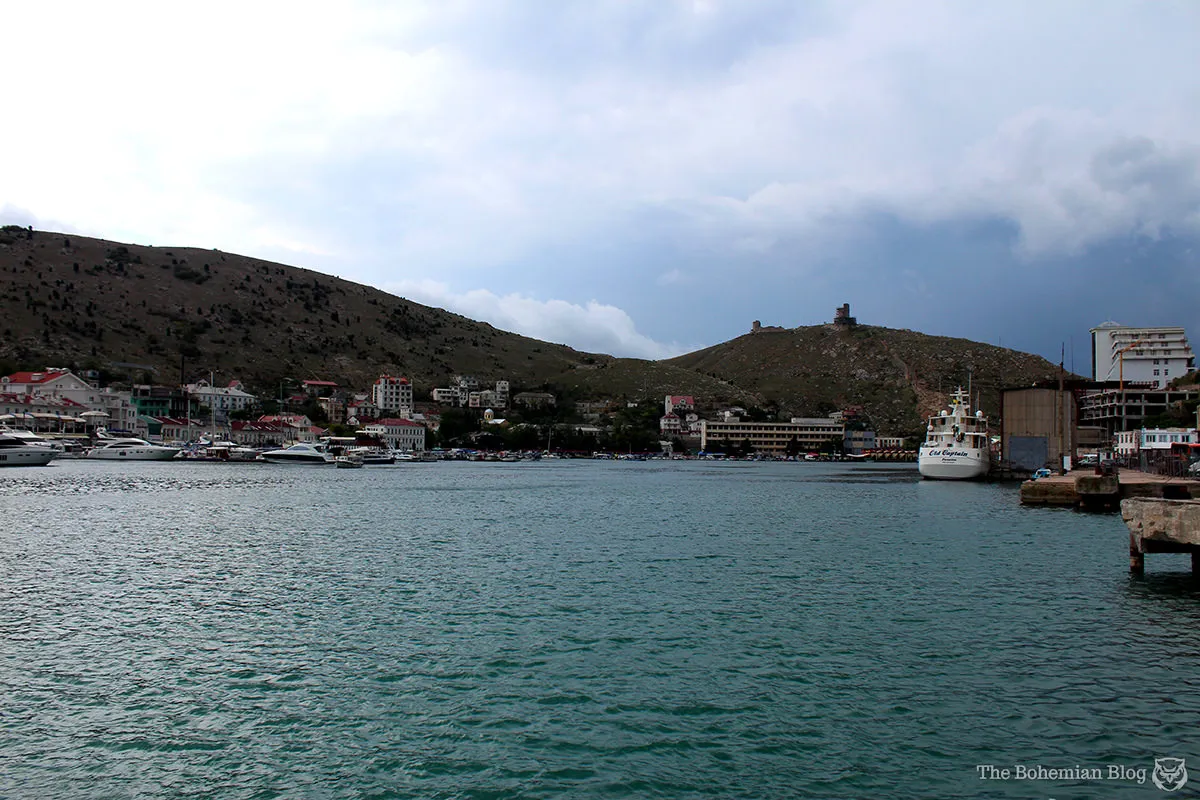
Balaklava, a small fishing town on a long, narrow bay south of Sevastopol, suited the job. Steep cliffs surround the bay, and the mountain behind it, Mount Tavros, is solid rock. The town was given a code name and in effect closed. Workers’ families needed paperwork to visit, and foreigners were kept away. The bay had a long history behind it: it was the harbour of the Battle of Balaklava in the Crimean War in 1854.
Digging into Mount Tavros
Construction is dated differently depending on the source. Wikipedia says work began in 1947 on Stalin’s order and gives 1953 to 1961 for the main build. Subterranea Britannica, the British society that visited in 2005, says it began in 1954 and was finished in 1961, and another page runs to 1963. A Leningrad design institute, Granit, is named as the designer. The simplest reading is that the planning and first digging began in the late 1940s, that the large-scale work ran through the 1950s, and that the base was in service by about 1961.
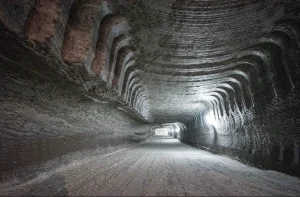
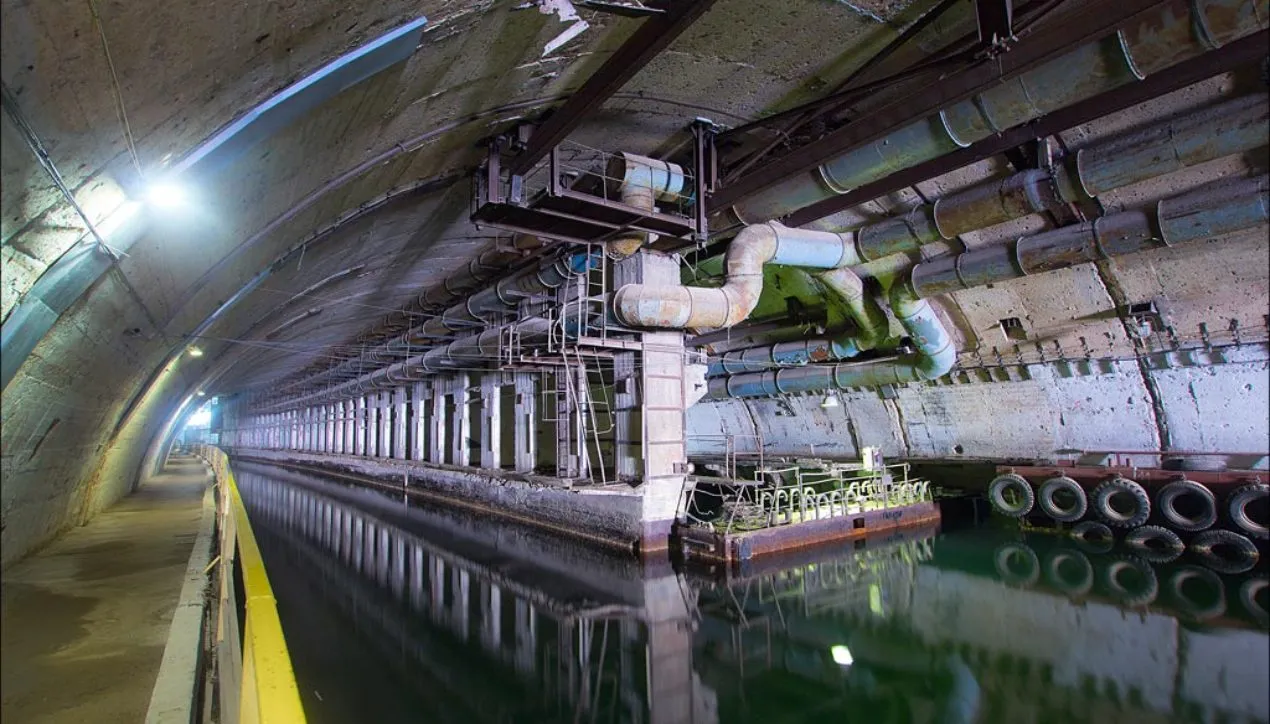
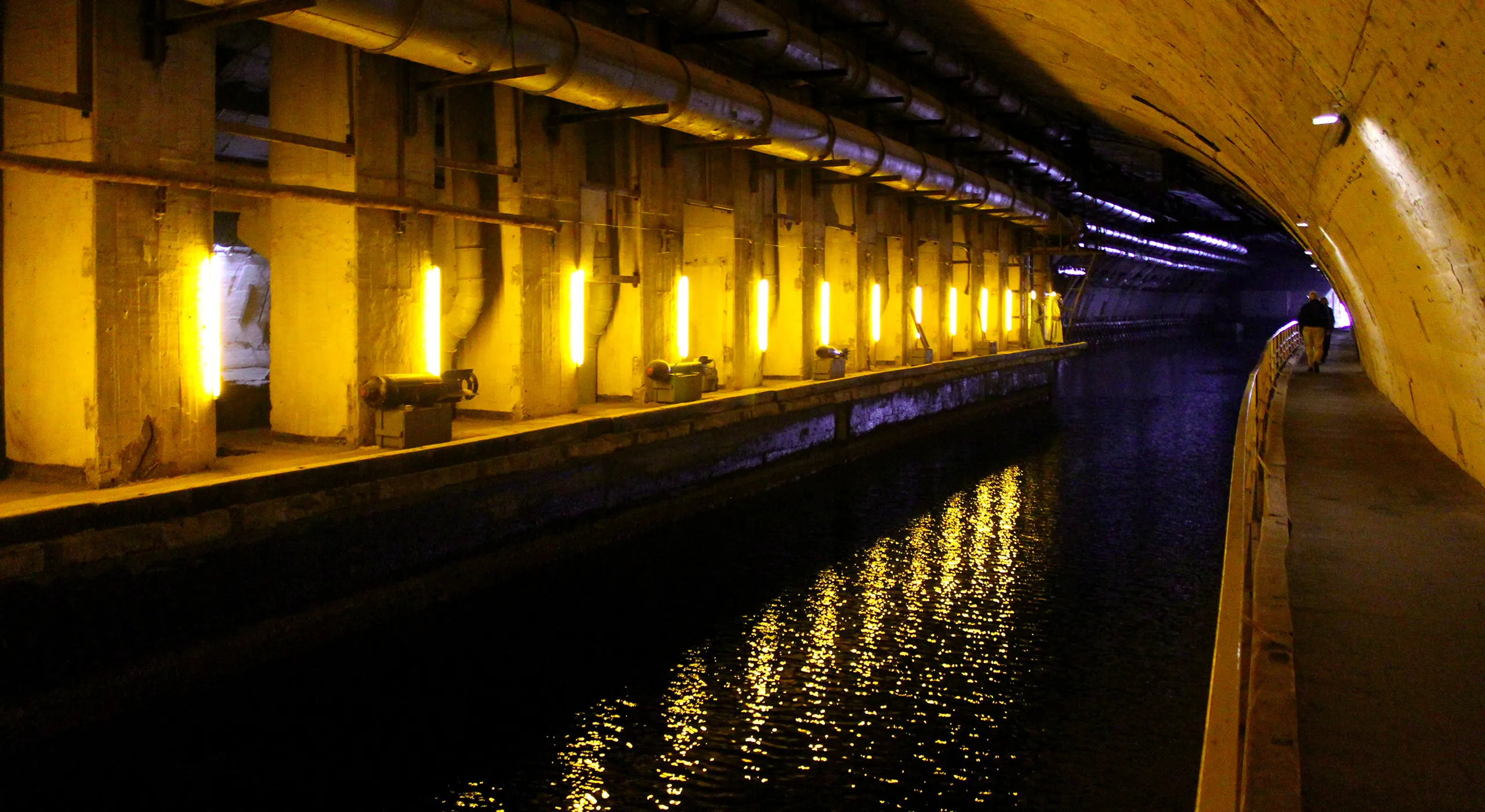
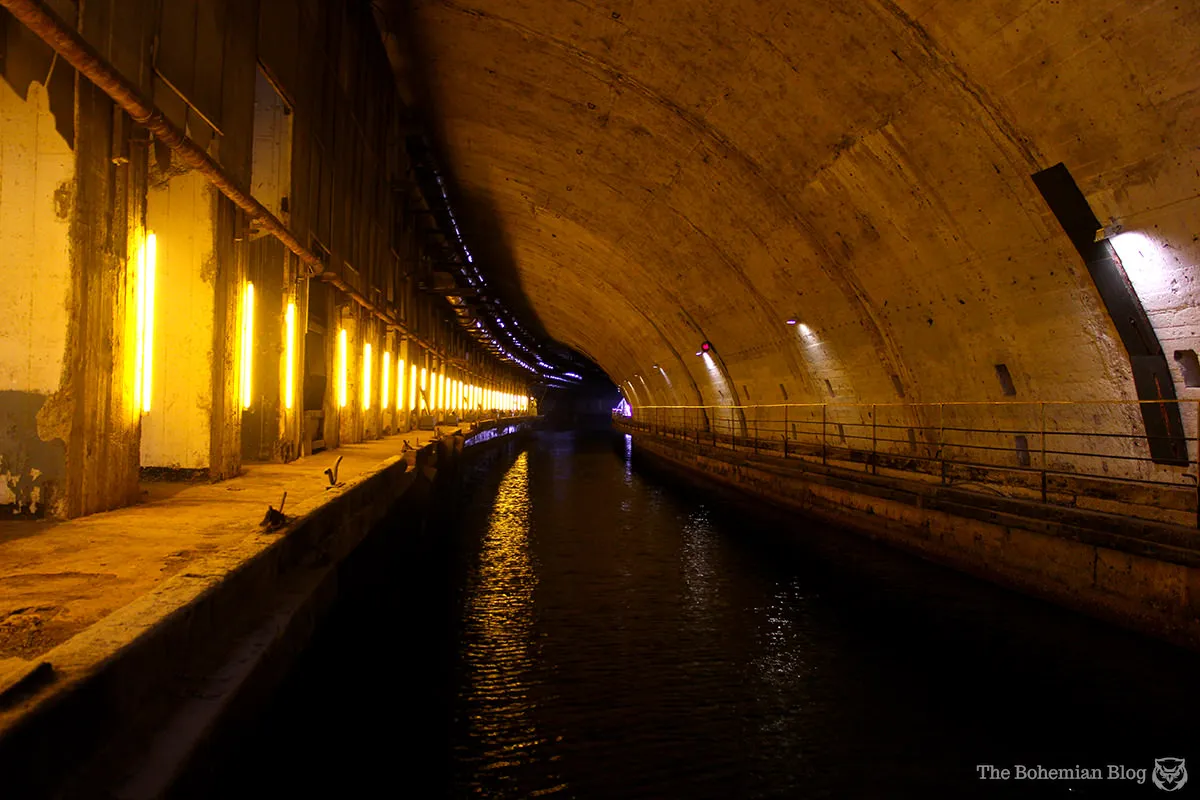
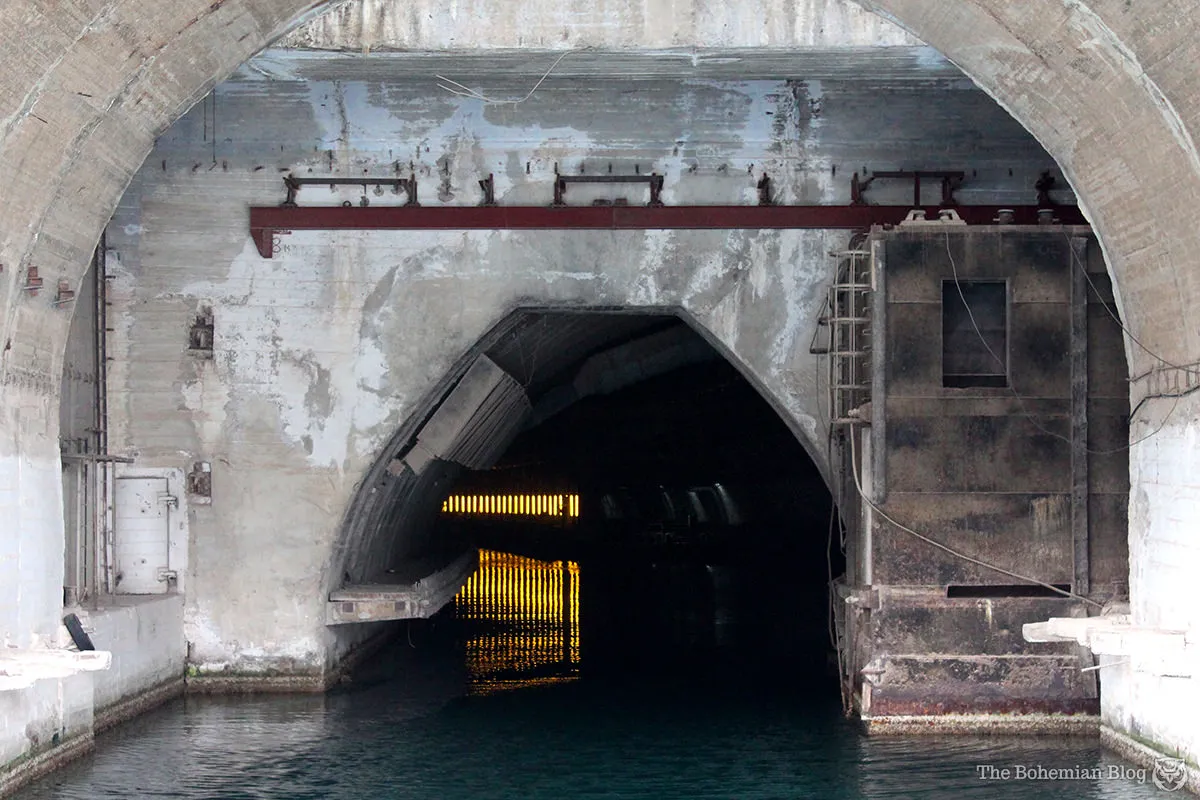
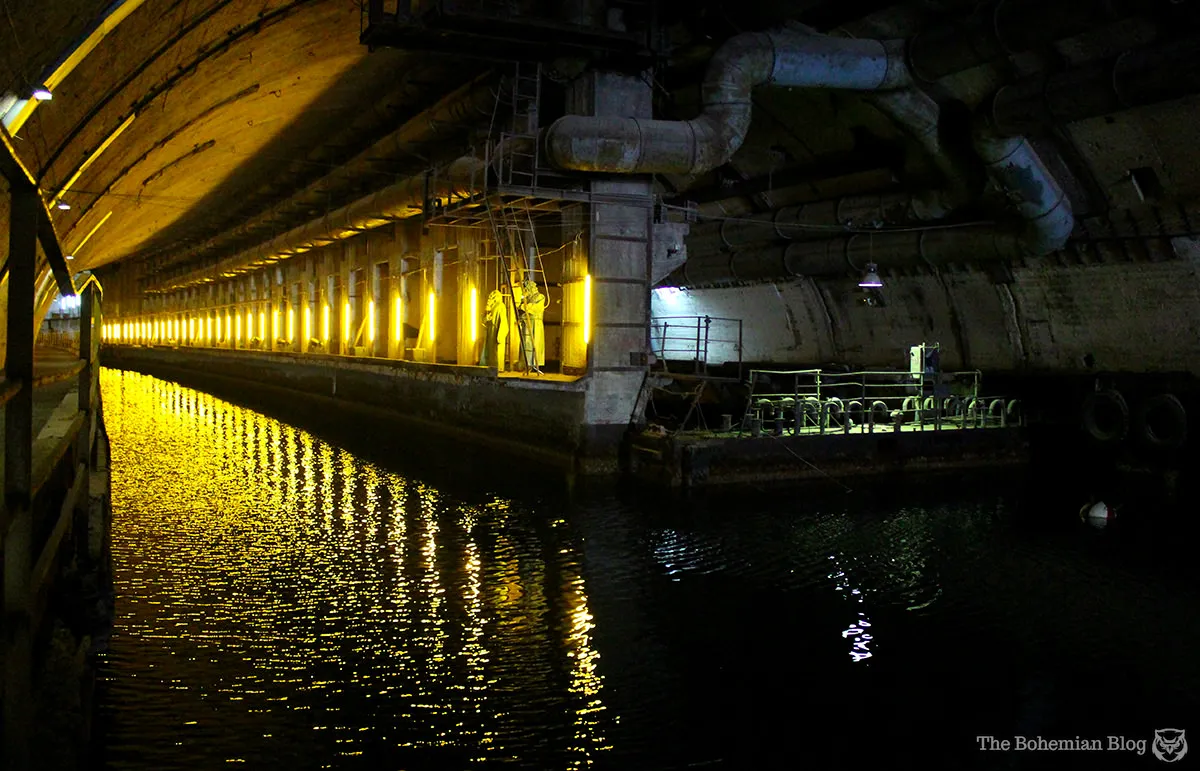
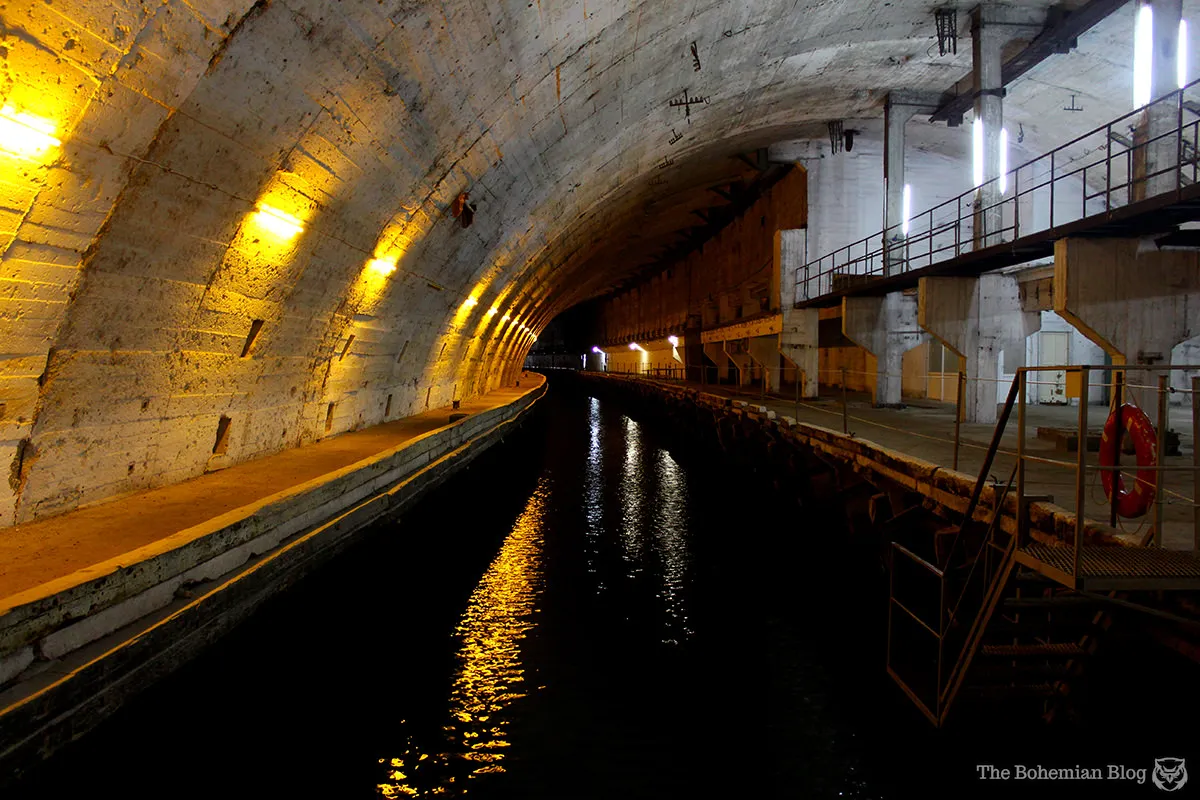
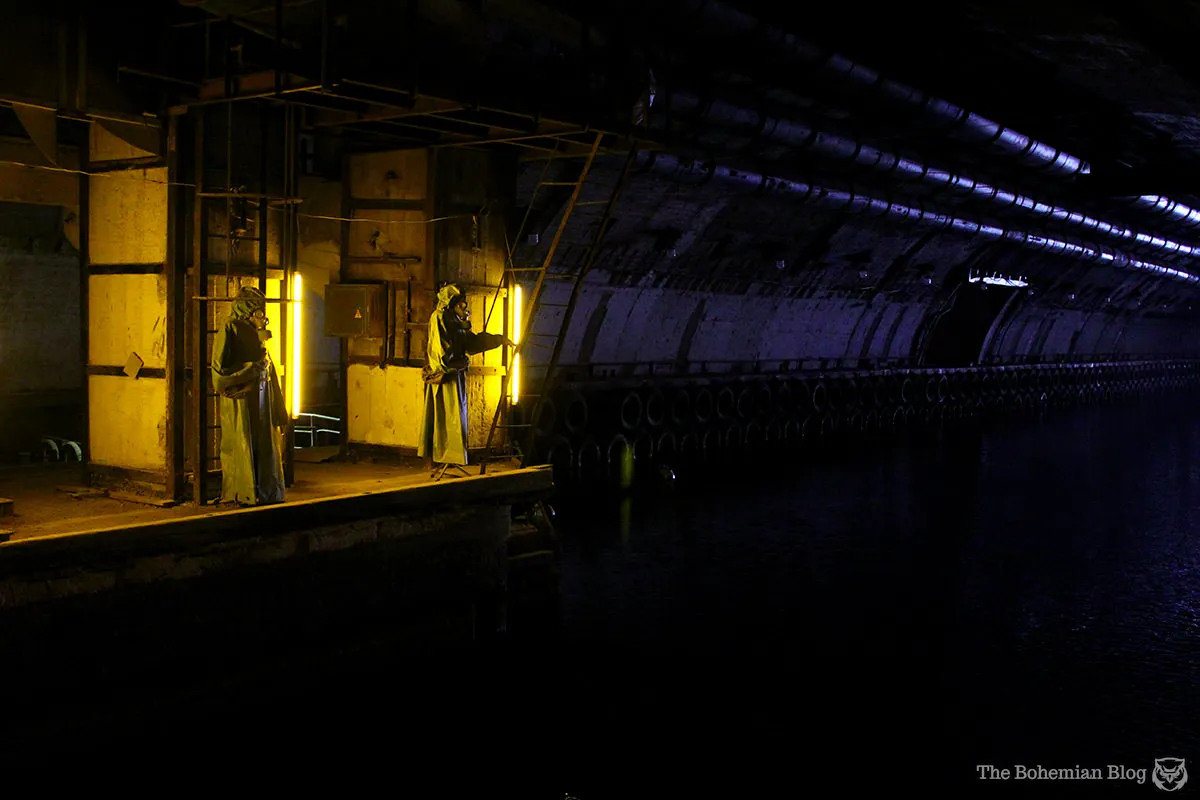
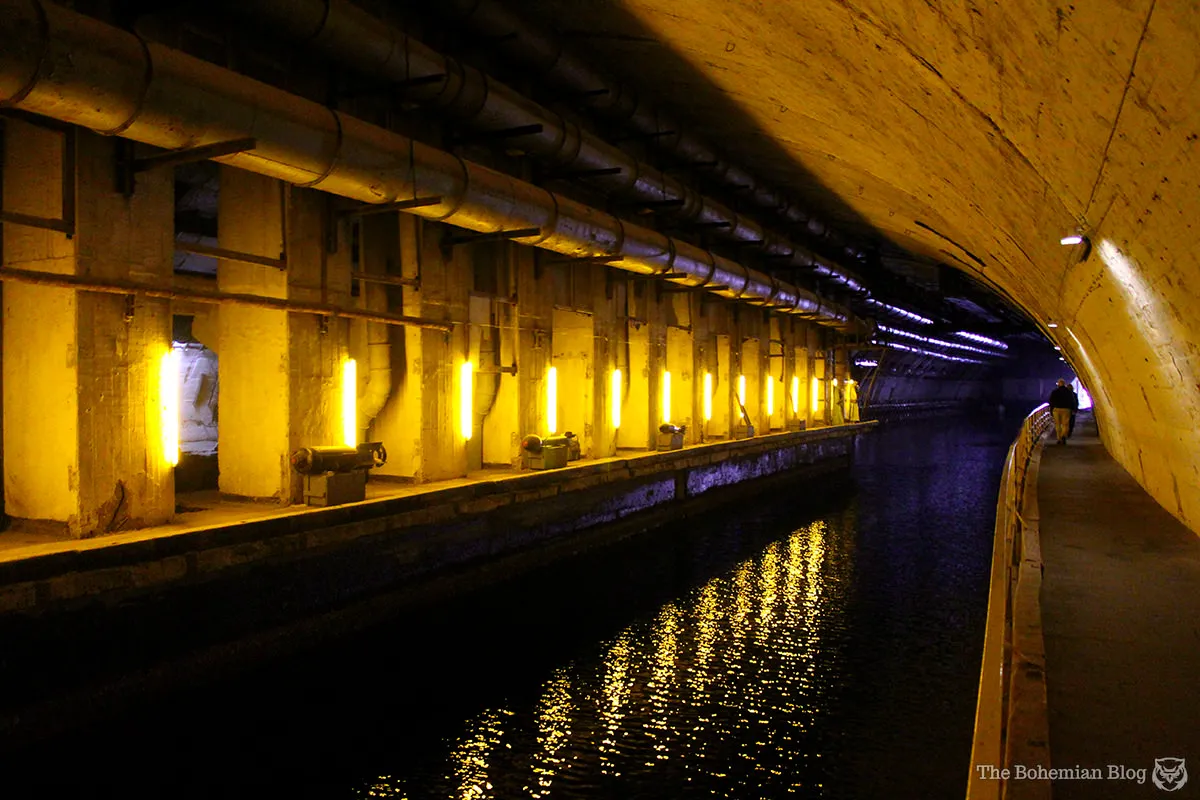
About 120,000 tonnes of rock were taken out, and to keep the work secret the spoil and supplies were moved at night. The result was a flooded tunnel system cut through the mountain. The central channel is 500 to 600 metres long, curving in a half circle from an entrance near the bay to an inner basin by the active harbour. At its widest it is up to about 22 metres across and around 8 metres deep, though a later analyst puts the narrow stretches at only 6 to 8.5 metres wide.
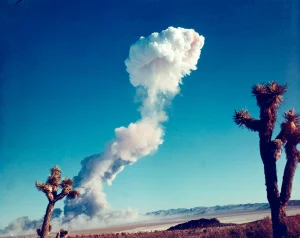
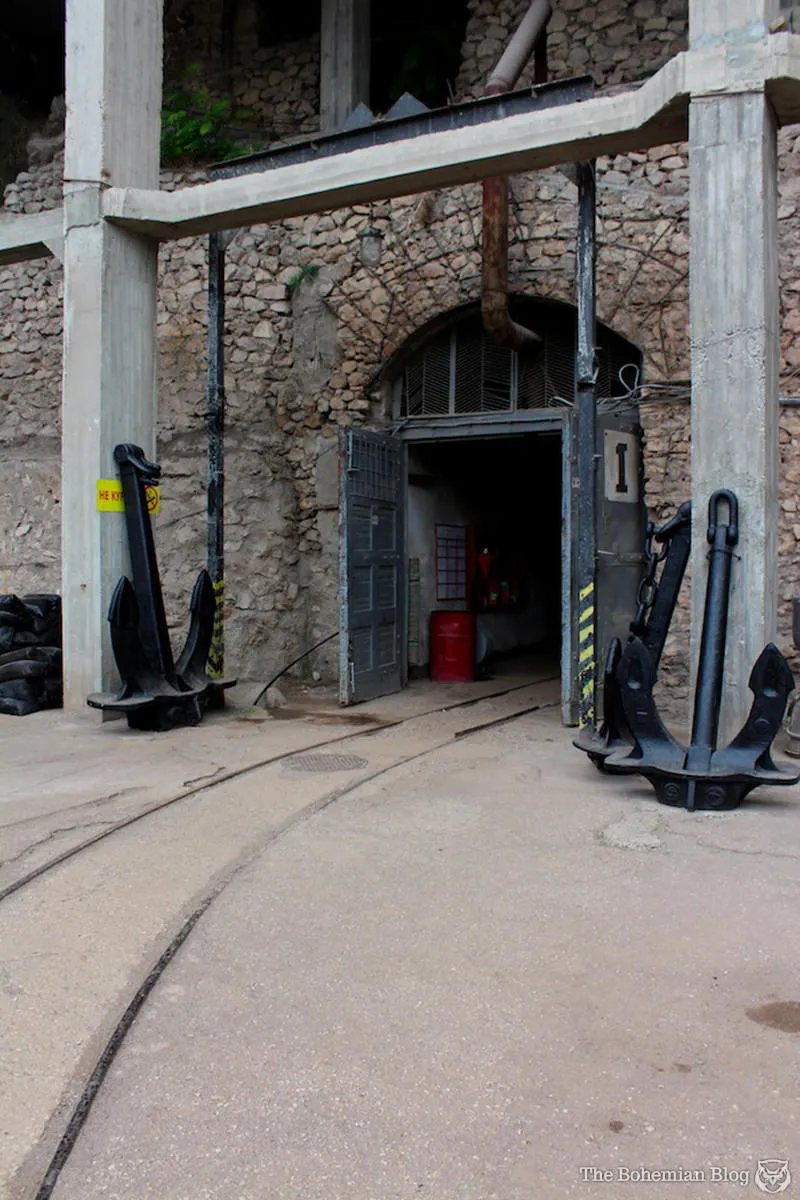
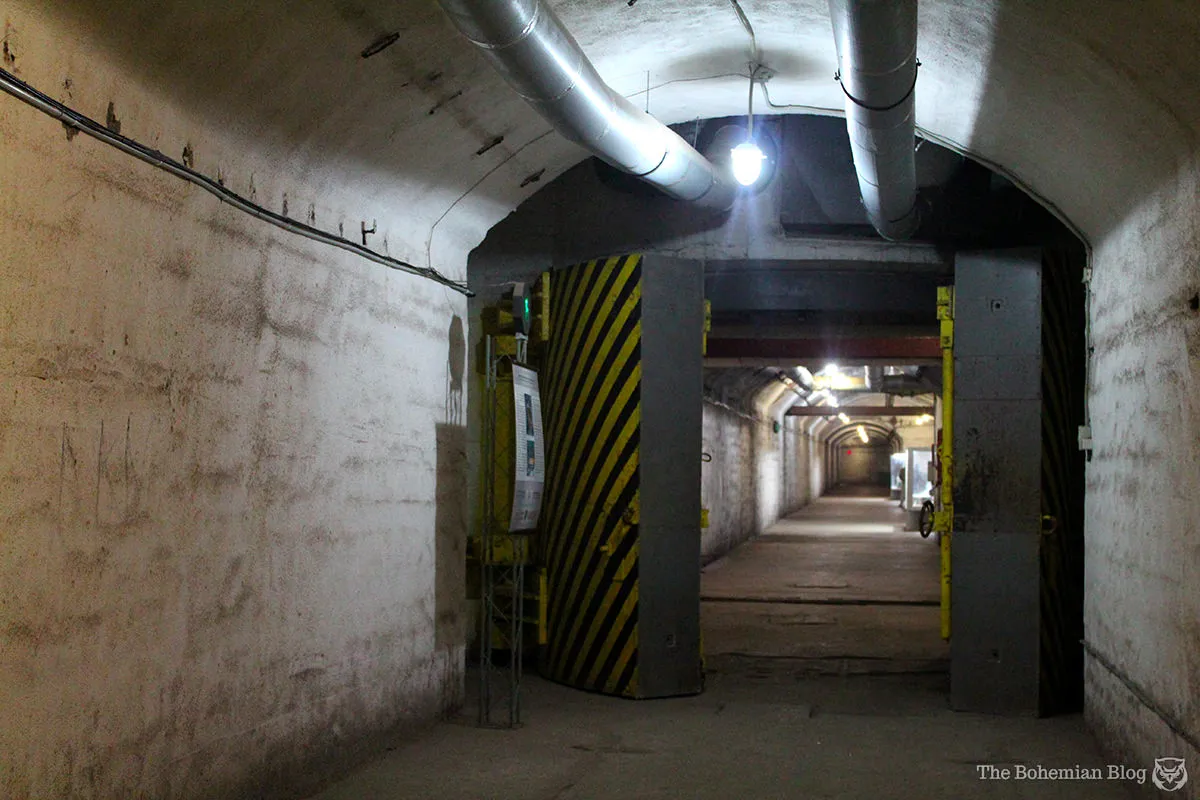
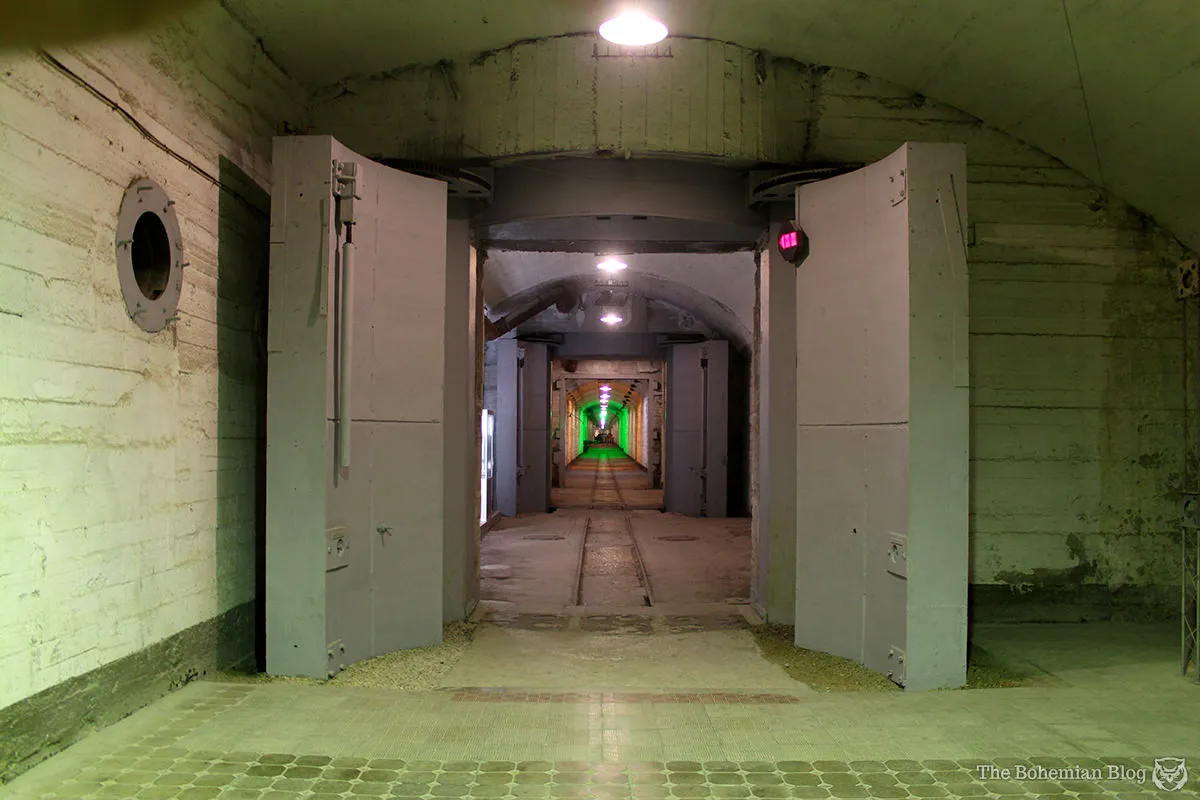
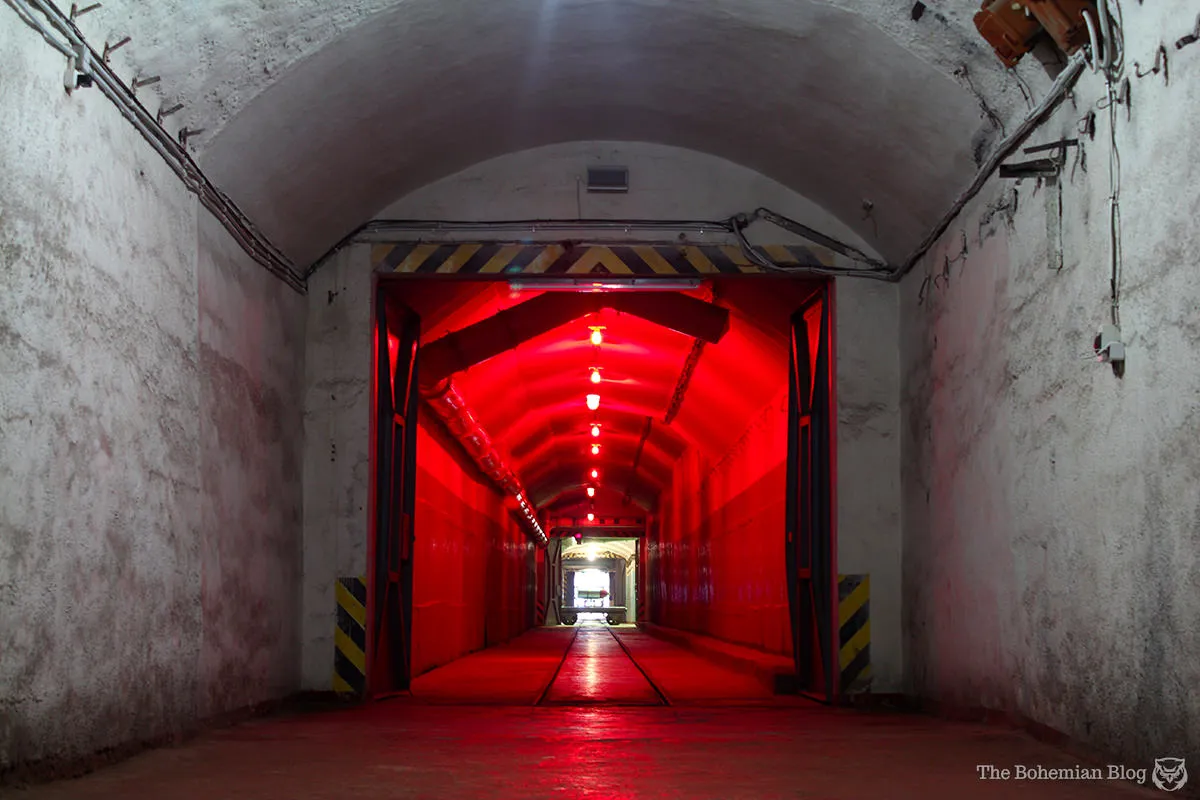
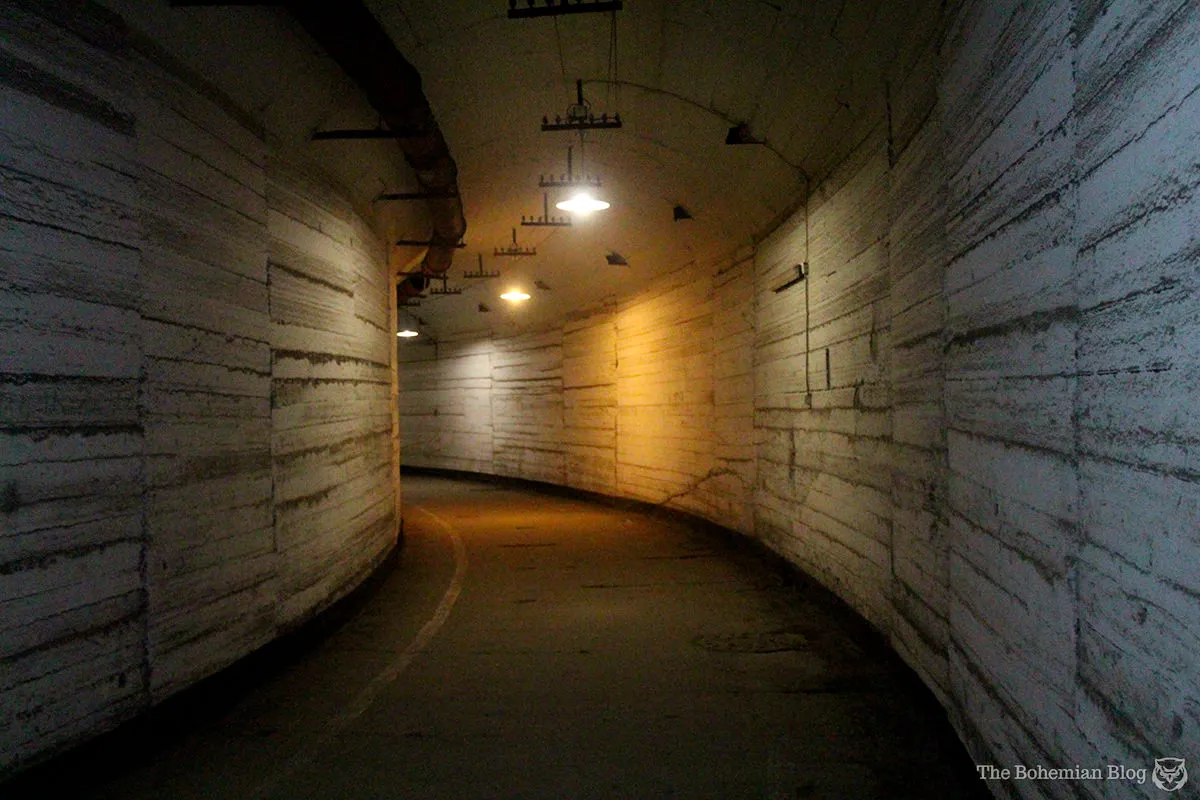
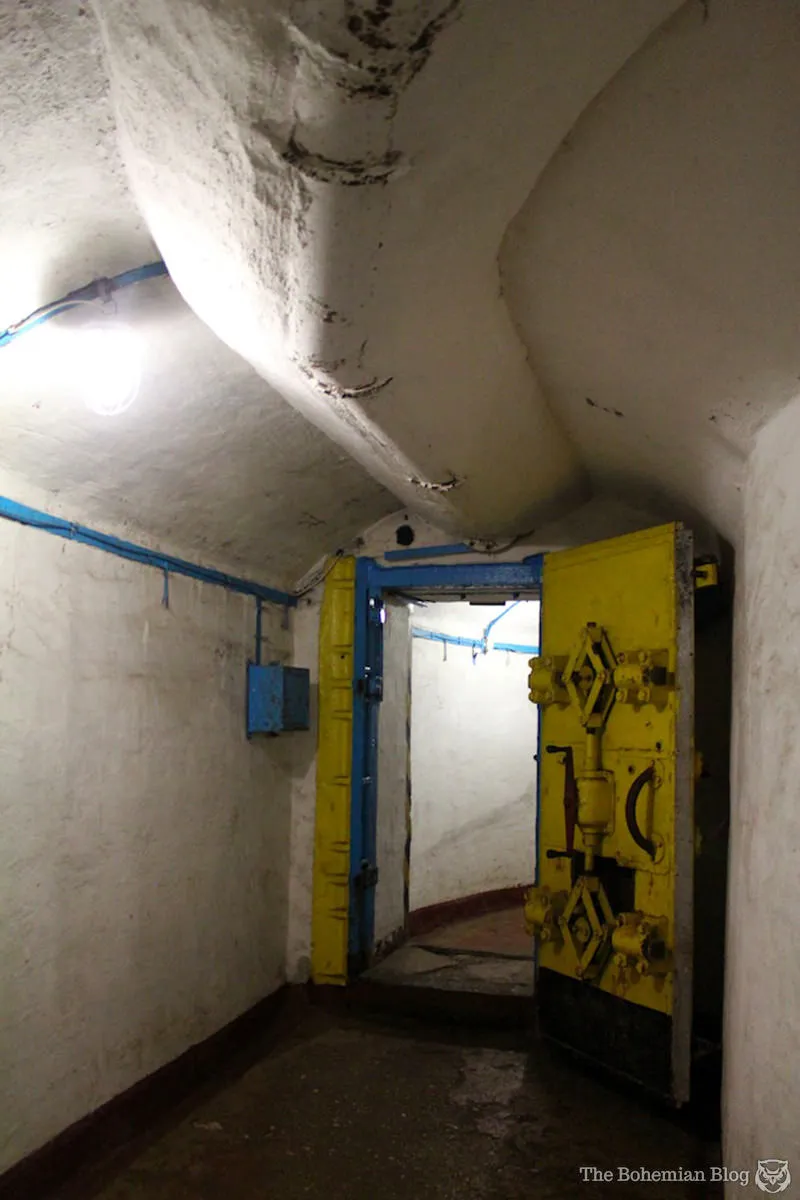
The protection was heavy. Concrete walls are reported to be about 4.5 metres thick. Blast doors 7 metres high and 2 metres thick could close the channel, taking about 40 minutes to shut, and inflatable pontoons could block each end. The entrance to the complex above ground has two 10-tonne doors said to be made of an aluminium-titanium alloy. The design was meant to withstand a nuclear burst of about 100 kilotons, roughly five times the power of the Nagasaki bomb, and small charges were kept ready to destroy the installation if it were ever lost.
Submarines inside the mountain
The base was built for the diesel-electric submarines of the day, the Whiskey class (Project 613) and the Romeo class (Project 633). Sources give its capacity as seven in the central channel, nine or ten for the base as a whole, and a few give higher figures. Boats could slip in and out underwater, and a full overhaul was done in a few weeks. A dry dock of about 102 metres at the end of the channel could take three medium boats or six small ones. Subterranea Britannica adds that the submarines moved at night, and that Balaklava’s electricity was cut while they did.
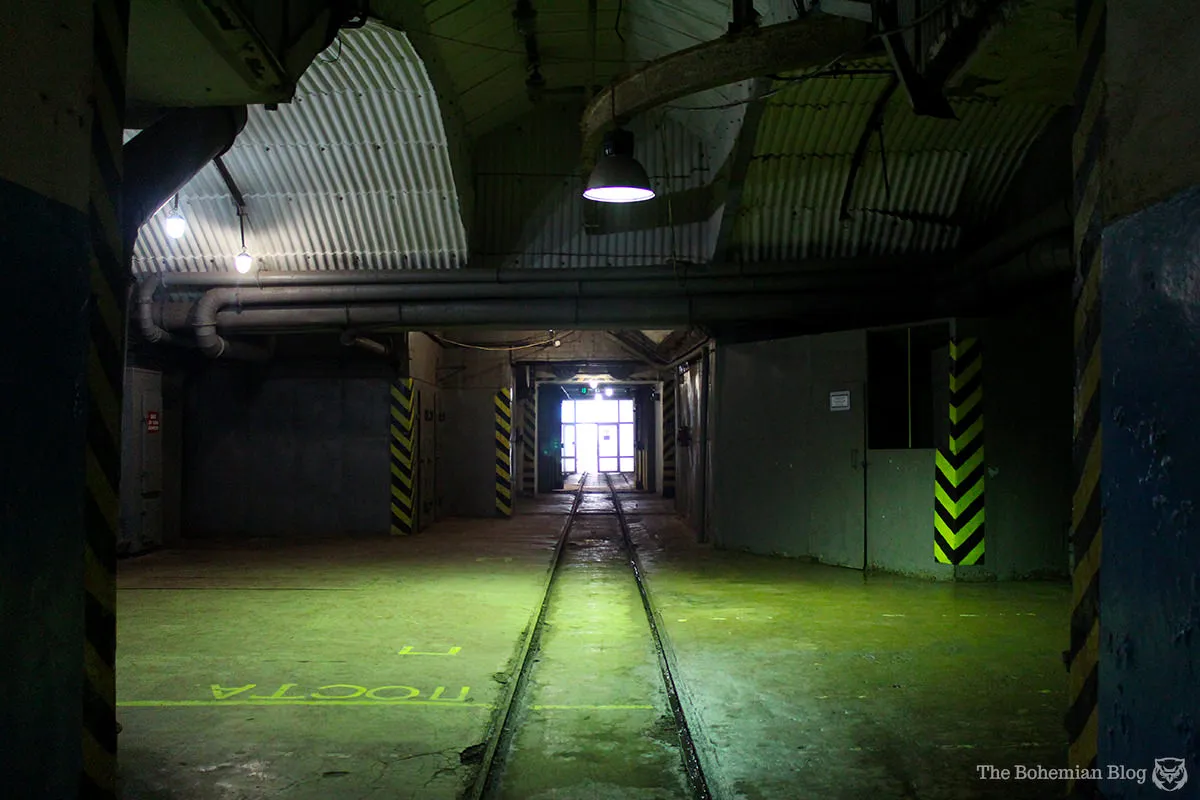
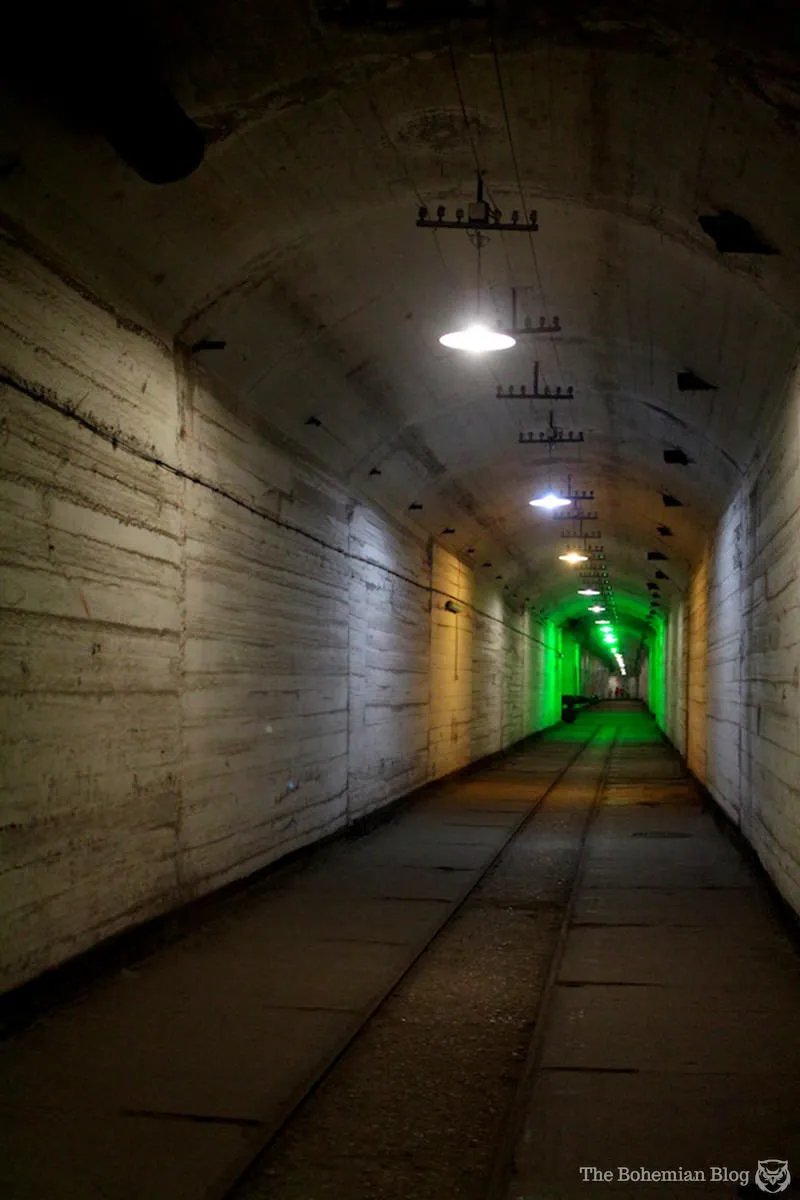
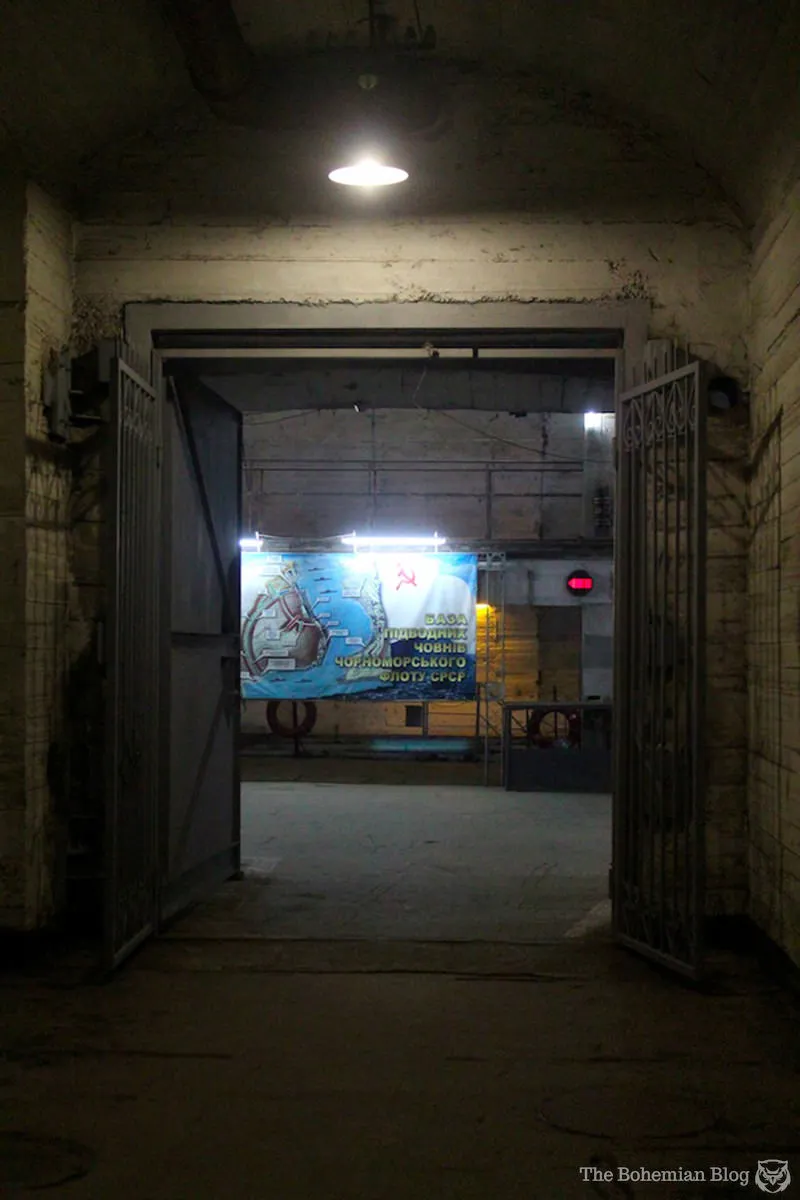
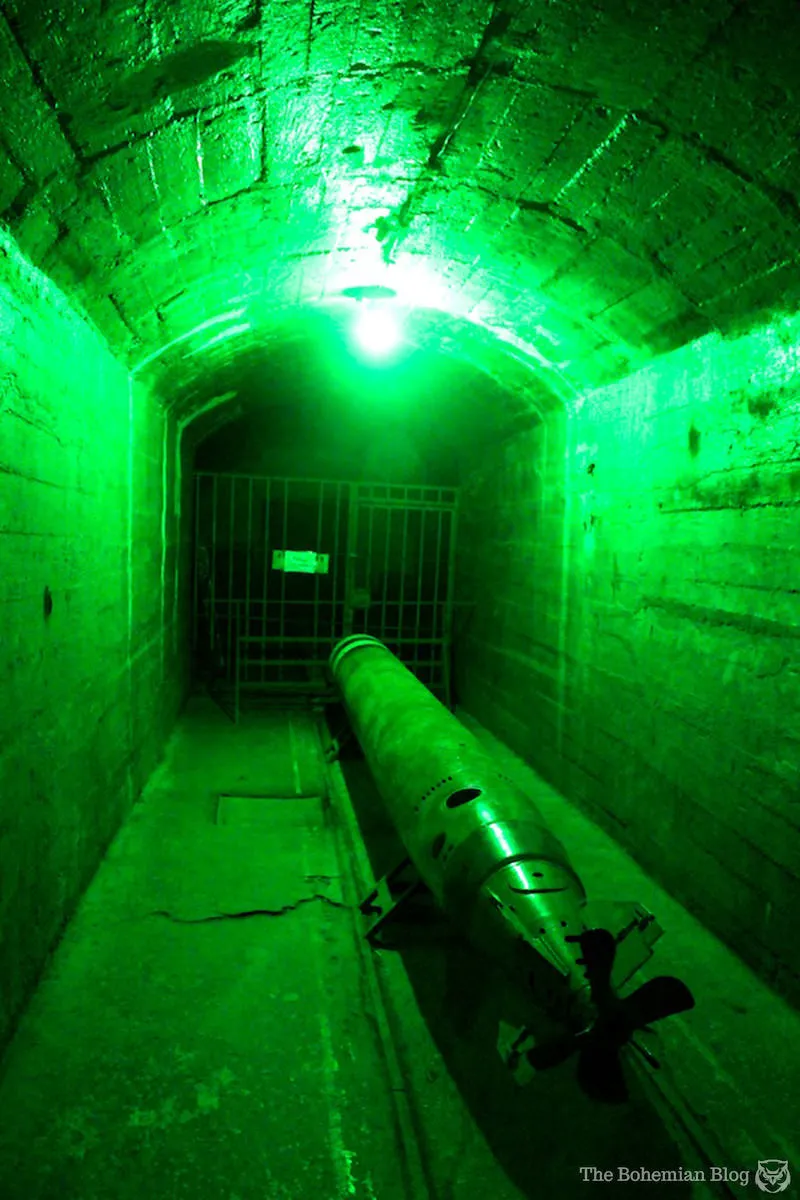
A separate technical area, known as Object 280, stored and maintained nuclear warheads, and a small narrow-gauge railway carried them through the tunnels. Inside, the base had its own filtered air, diesel generators and fuel stores, with about 4,000 tonnes of fuel held on the hillside, plus workshops, bakeries, a hospital, offices and a reserve command post for the Black Sea Fleet. In wartime it could have sheltered between 1,500 and 3,000 people for weeks, depending on the source. In normal times about 150 worked inside, with another 50 or so guarding the outside.
One small detail from the 2005 visit captures the routine. After the dry dock was drained, staff spent about two hours removing the fish that had come in with the submarine, and the fish were not returned to the sea. They were used to decorate plates sold in the town.
We took nuclear warheads on board
Yury Tarariyev, former captain, 14th Submarine Division
Yury Tarariyev, who served at the base for 15 years and later became the museum’s director, has described crews going to sea with nuclear warheads and being ready to use them if ordered.
Closure and scrap
The Soviet Union collapsed in 1991, and the base was run down soon after. Sources give 1991, 1992 or 1993 as the end of service, and the last Soviet boats are said to have left in the mid-1990s, after the warheads and torpedoes were removed. Departing crews took much of the equipment, and for several years the site was largely unguarded. Local people then stripped the metal from the tunnels, including pipework, cables, tanks, stairways and handrails, a process that continued until around 2003. The heavy entrance doors were too big to take. The base passed to the Ukrainian Navy in 2000.
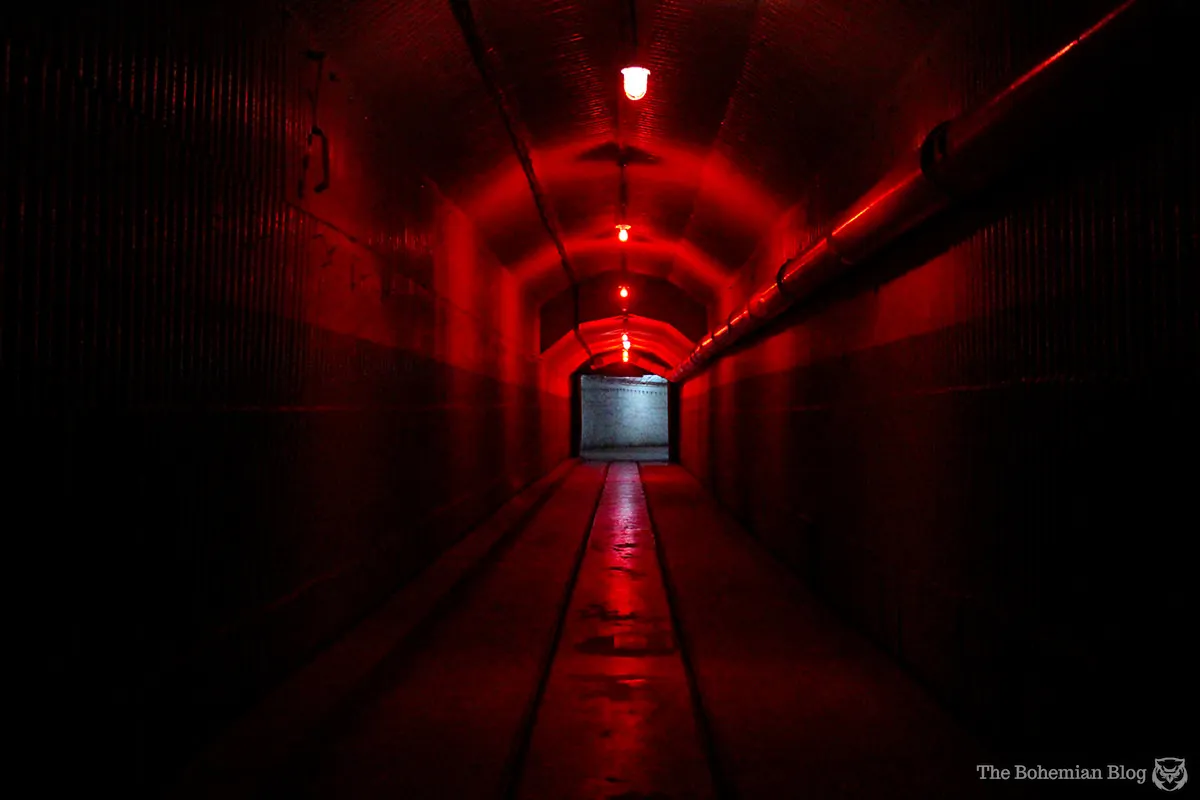
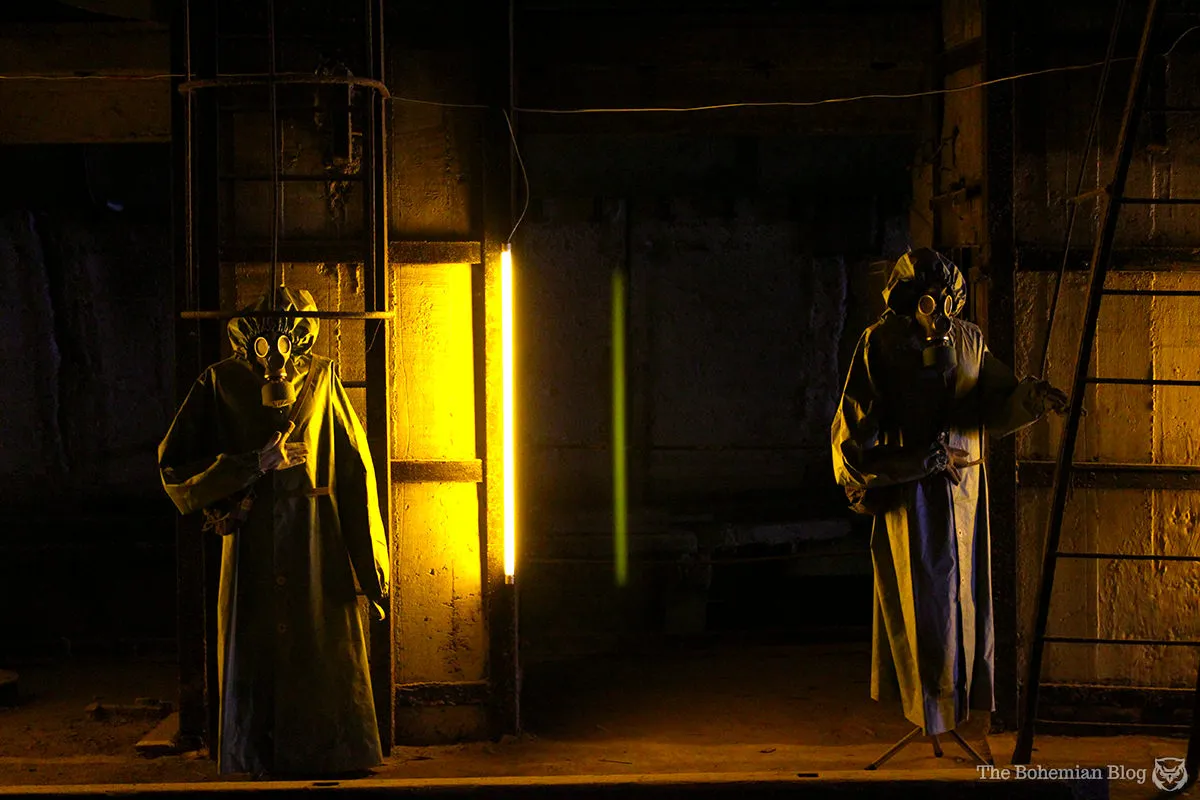
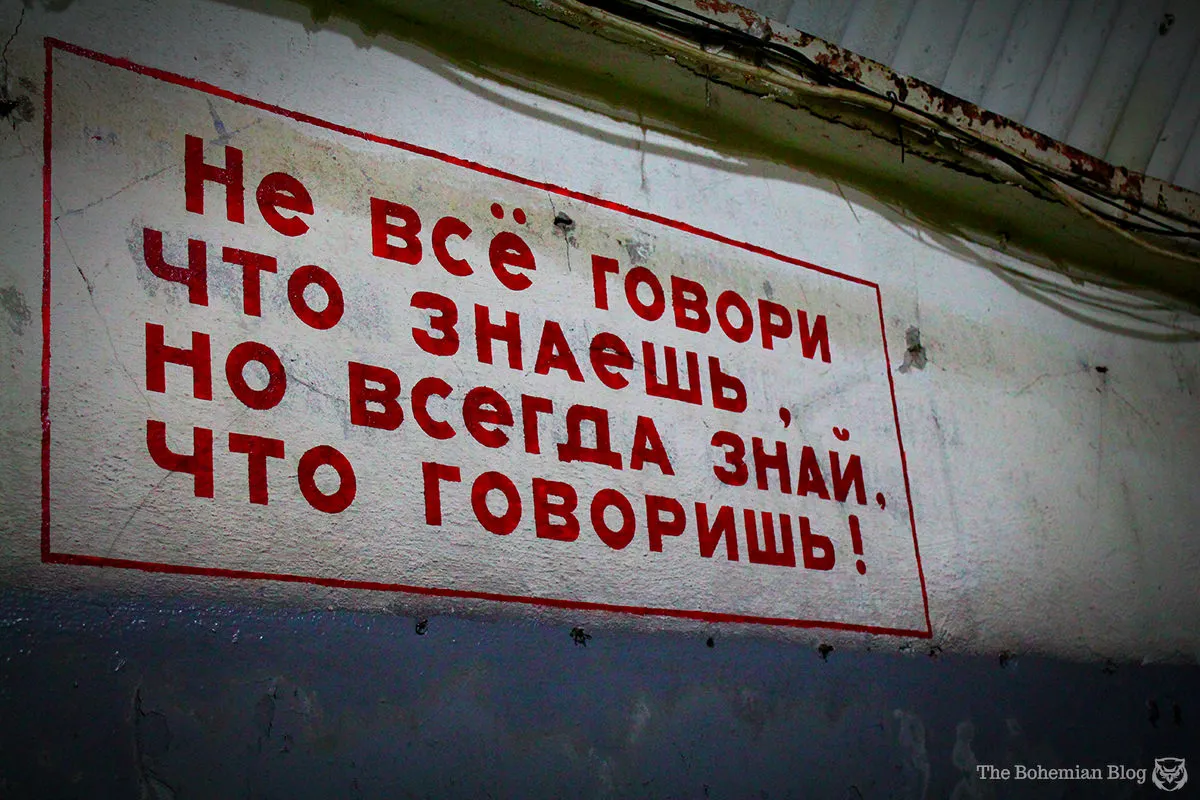
When two British researchers went in during 2005, most of the site had been picked clean. The workshops were largely empty, except for the bed of a large lathe, and some lighting survived on the north side. Russian safety signs were still on the walls, including one warning workers to handle weapons and ammunition very carefully. The upper level, with its offices and living quarters, could not be reached because the stairs had been removed.
From secret base to museum
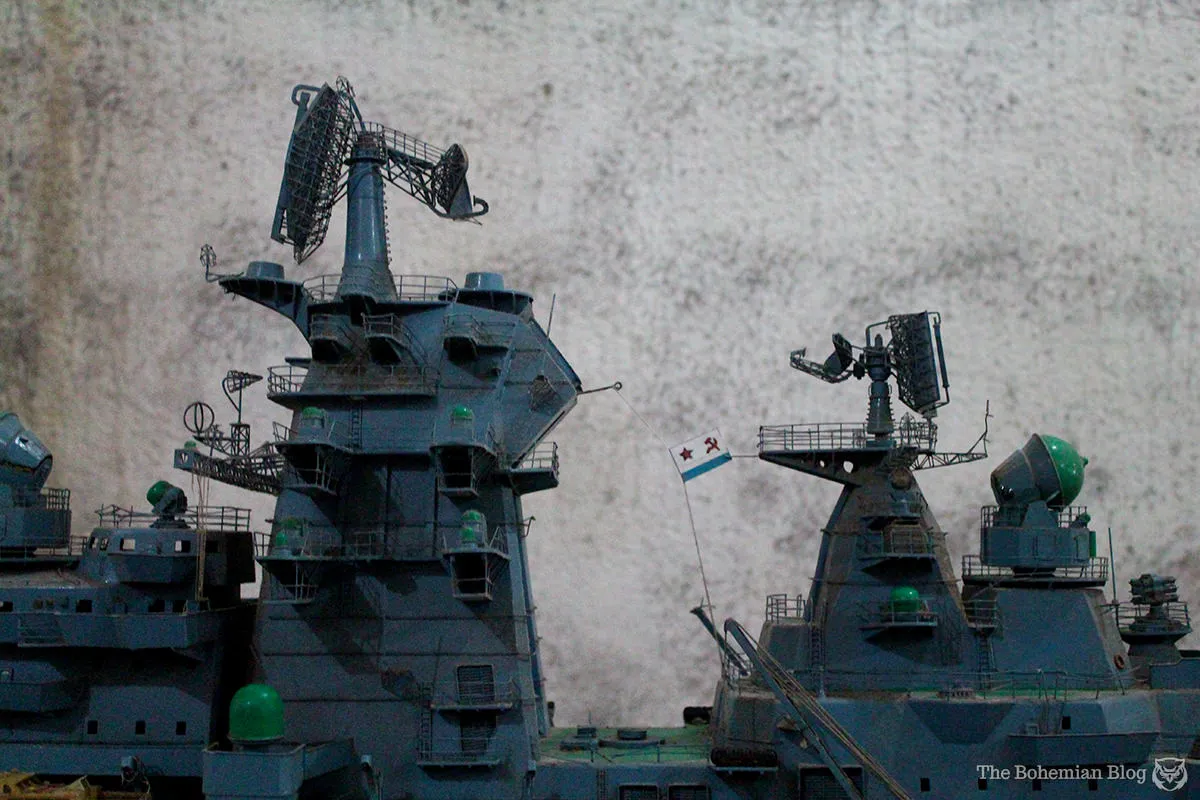
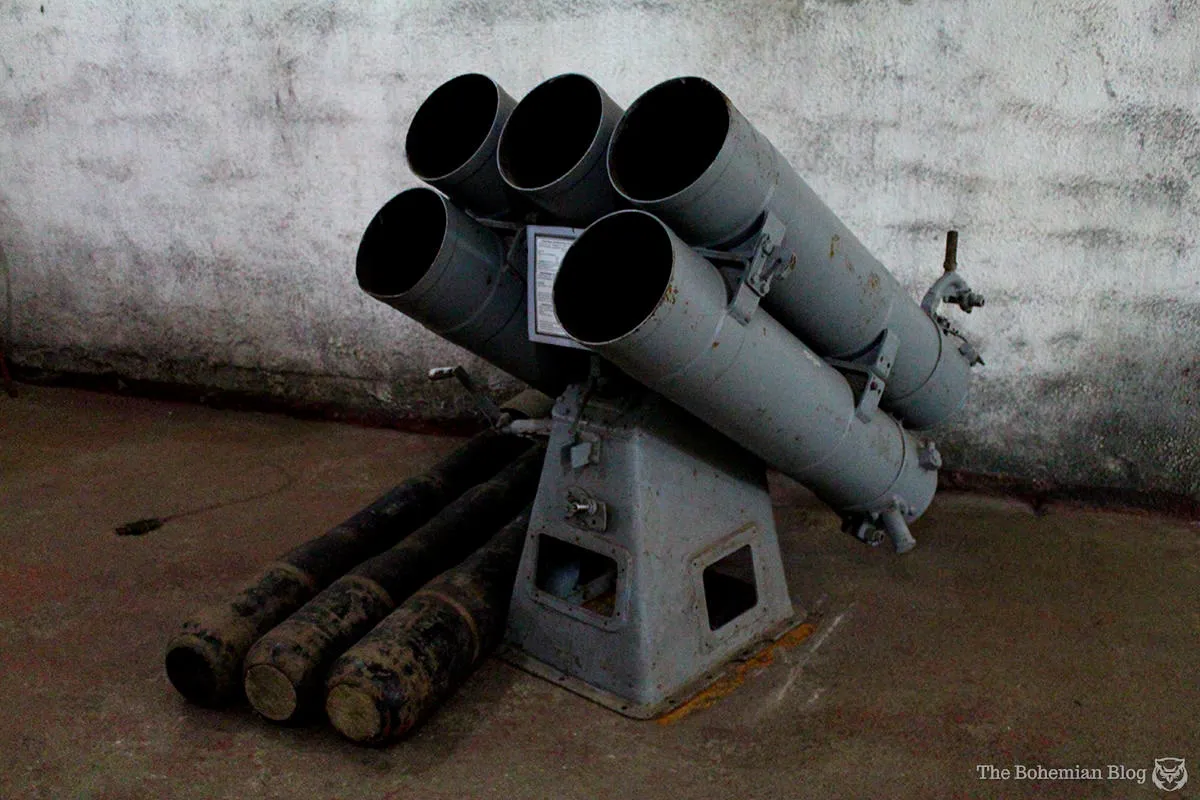
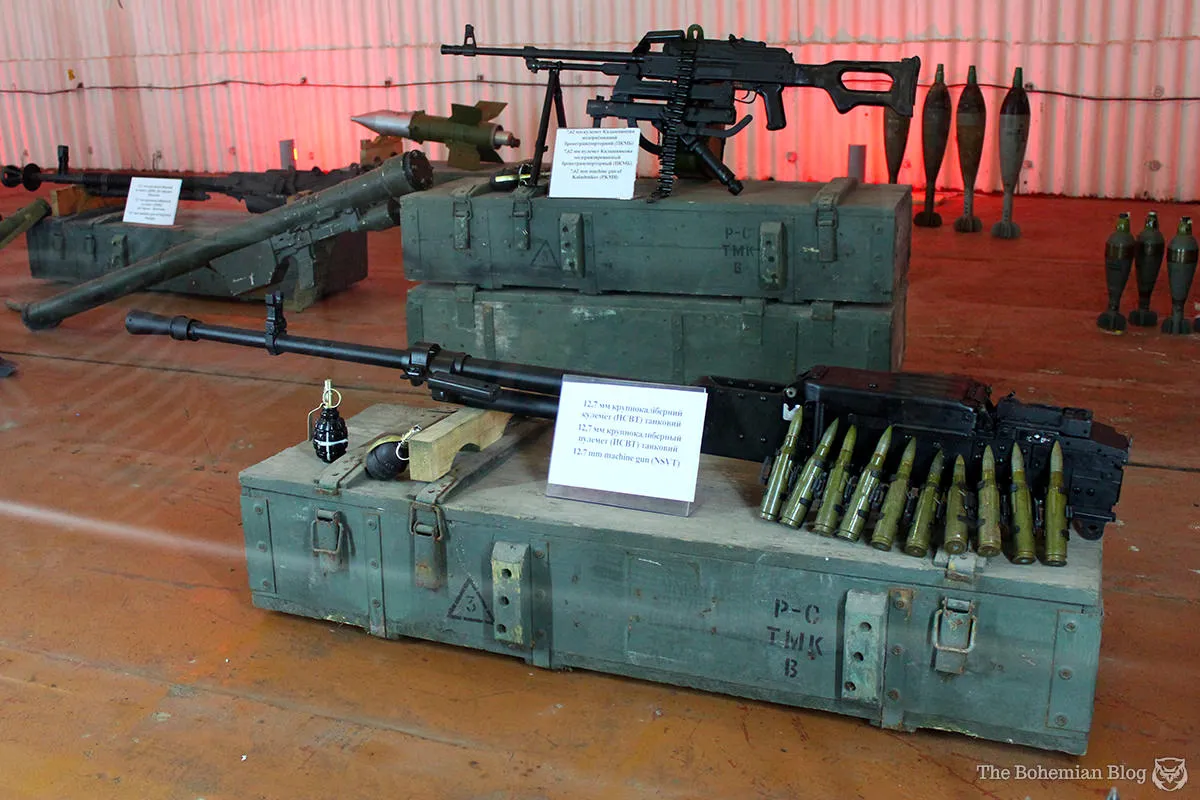
The site was declared a museum in 2003, and rebuilding began the next year. One source gives 2010 as the date of a fuller public opening, and the museum’s tenth anniversary was marked in June 2013. The plan, shaped by a proposal from the Sevastopol Marine Commission, turned former repair shops and arsenals into exhibition halls. The site also holds a Crimean War museum.
Russia took control of Crimea in 2014, an annexation not recognised by most governments, and the museum came under Russian ownership. In 2021 the Russian Navy towed the Romeo-class submarine S-49 into the complex as a museum ship. According to an American radio report from 2018, exhibits changed after the takeover, with new displays on Hiroshima and Nagasaki and a more critical view of the United States.
In January and February 2025 the Crimean Tatar resistance group Atesh and Ukrainian activists claimed that the military was using the base again, pointing to new barriers across Balaklava Bay against drones and sabotage groups. These claims have not been independently confirmed. A Jamestown Foundation analyst noted that the channel is too narrow for modern Kalibr-armed submarines, which have a beam of about 9.9 metres, so it could take only smaller vessels unless it were widened.
Visiting
The base is run as a museum, with tours of the channels and the exhibition halls. Opening hours and prices were not available in the sources, and Subterranea Britannica noted in 2005 that parts were closed and the north side could be seen only by arrangement. Crimea is under Russian occupation and has been hit by drone and missile attacks since 2022. Many governments advise against travel there, so check current official guidance before thinking of a visit. It is a serious consideration.
Conclusion
Balaklava was built on the assumption that the next war would begin with nuclear strikes, and that a mountain would protect what was inside. That war never came, and the base became a stripped ruin, then a museum. Its tunnels have outlasted the state that built them, and they are now tied up in a new conflict.
Did you know?
- The base is known by the codename Object 825 GTS.
- About 120,000 tonnes of rock were removed to build it.
- The central channel is 500 to 600 metres long.
- The design was meant to withstand a blast of about 100 kilotons.
- A separate area, Object 280, stored nuclear warheads.
- Submarines moved at night, and the town's electricity was cut while they did.
- Fish brought in with submarines were used to decorate plates sold in the town.
- The Romeo-class submarine S-49 has been moored inside the complex since 2021.
- A Jamestown Foundation analyst says the channel is too narrow for modern Kalibr submarines.