
A cannon pointed at space
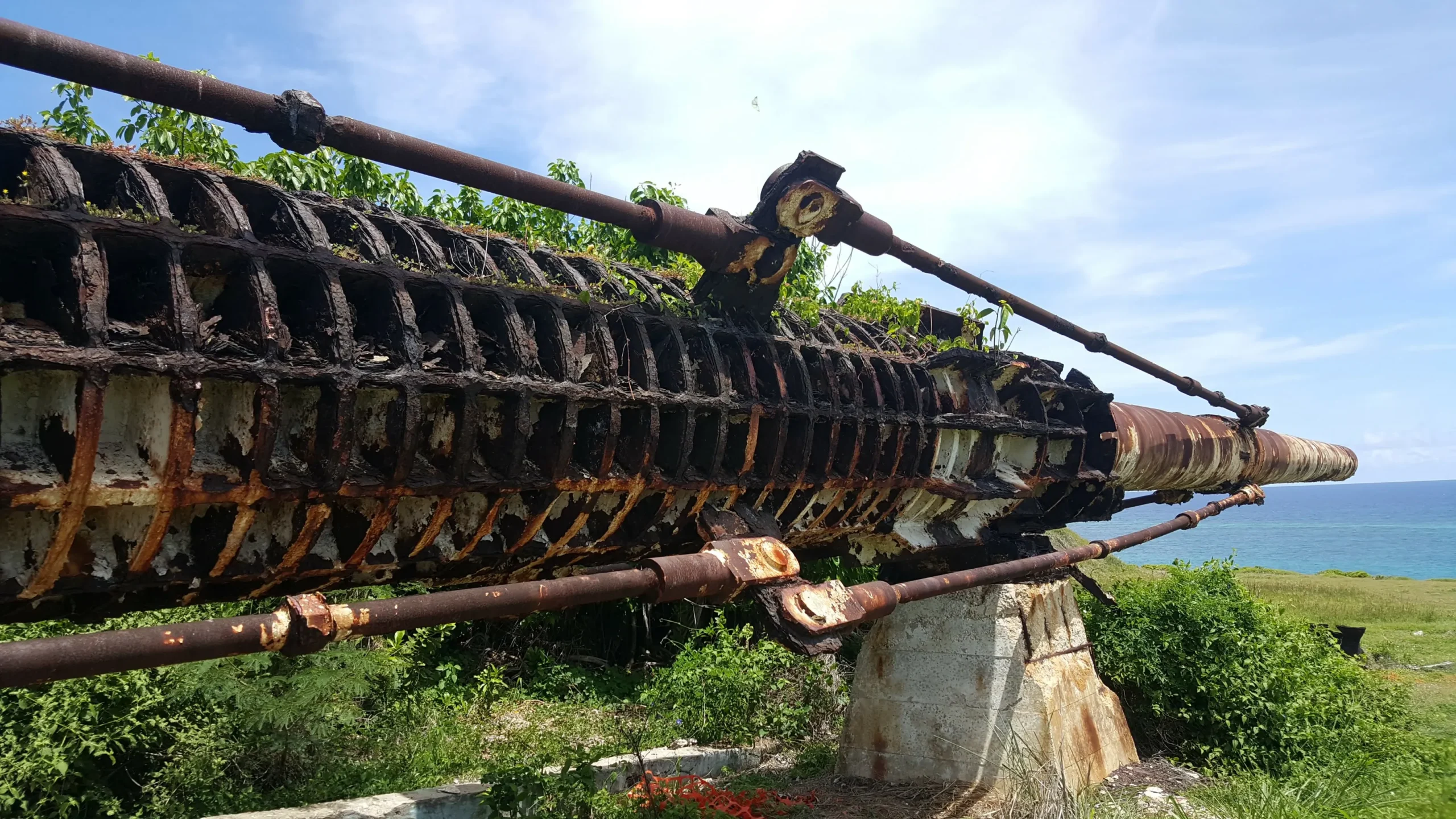
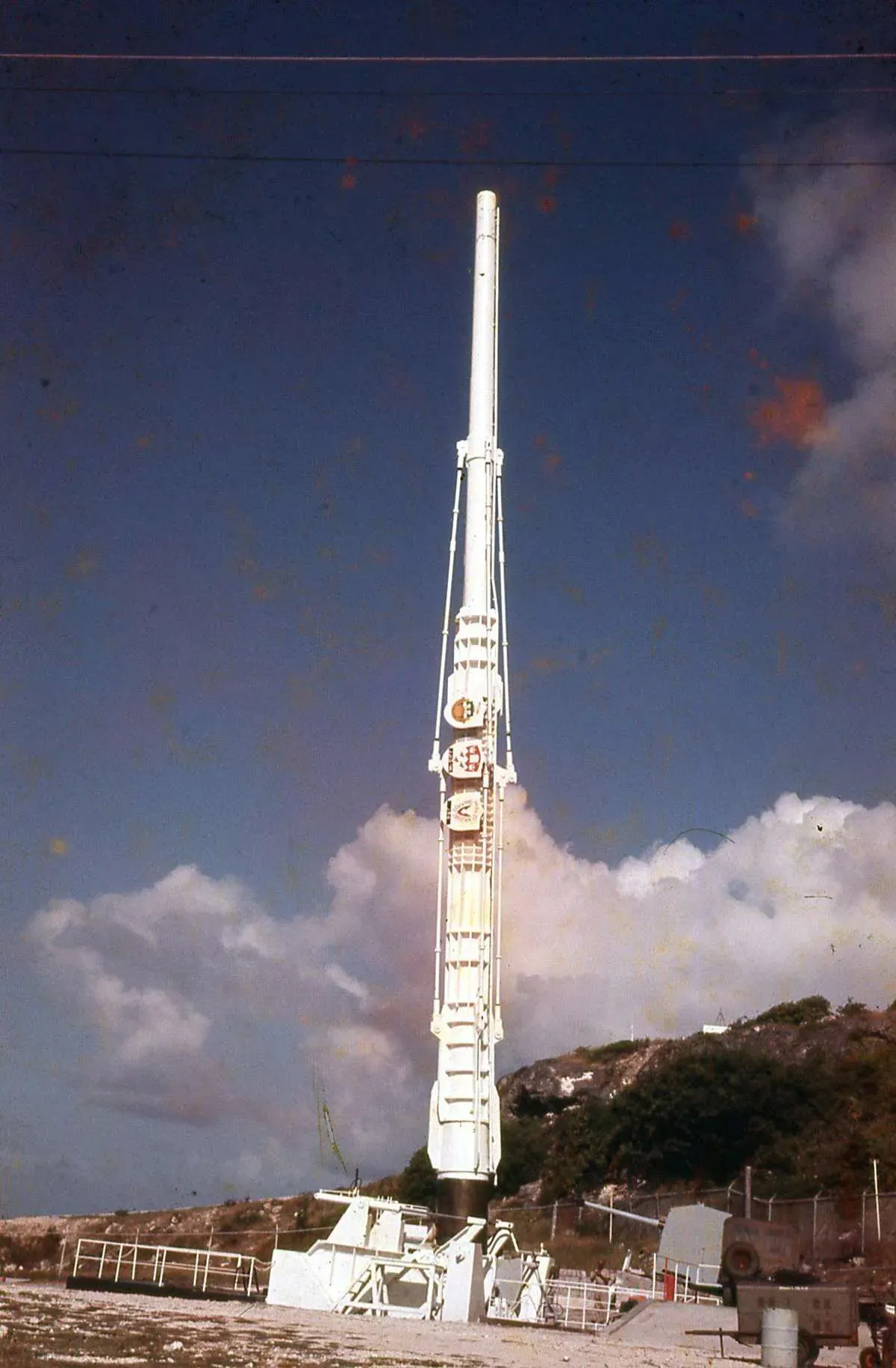
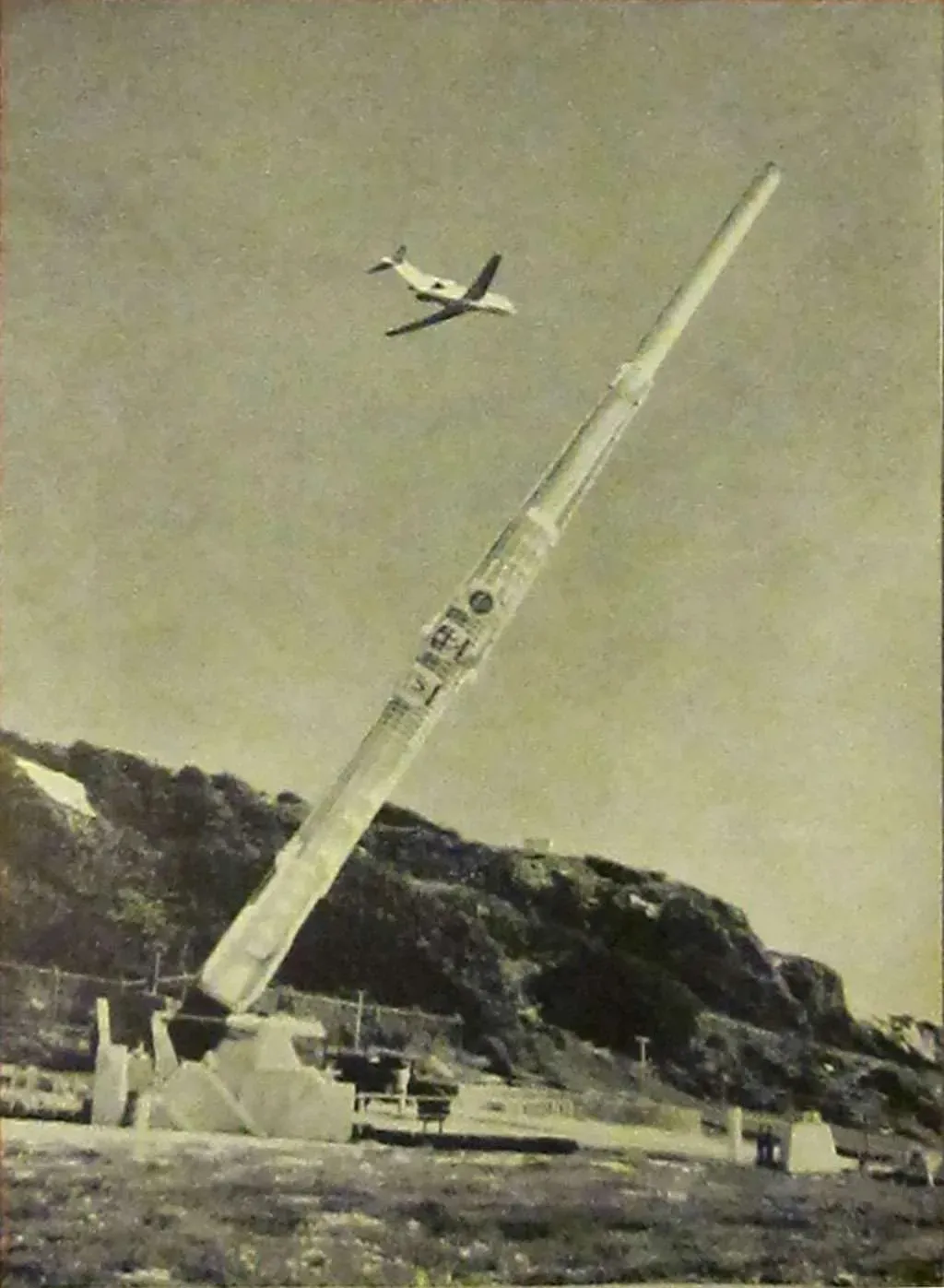
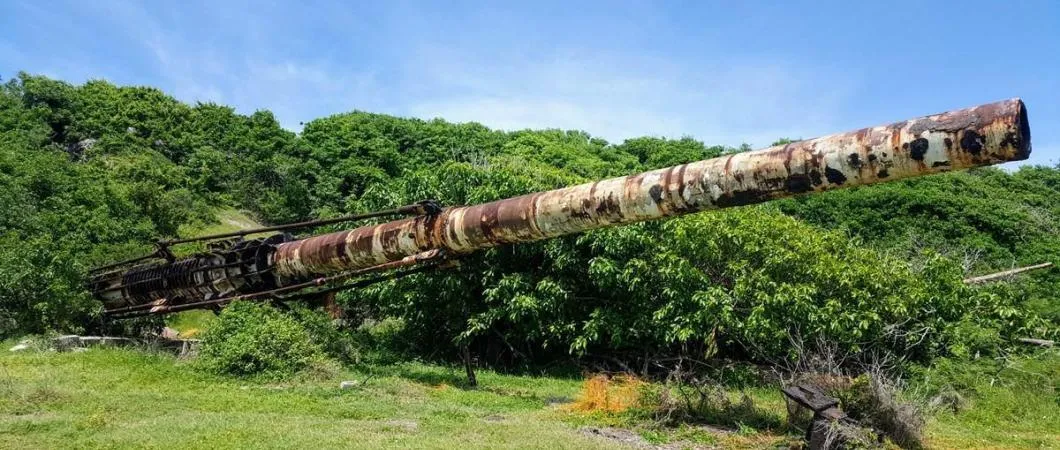
On the south-east coast of Barbados, close to the end of the airport runway, there is a very large piece of rusting steel. It is a gun barrel about 120 feet long. In the 1960s it was the largest operational artillery piece in the world, and it was built to do something that sounds like science fiction: to fire projectiles into the upper atmosphere, and eventually into orbit, without a rocket.
It was the idea of one man, the Canadian engineer Gerald Bull.
Gerald Bull and the idea
Bull was a ballistics engineer who worked on small-gun experiments at the Canadian Armament Research and Development Establishment. He argued that a gun could launch payloads into the upper atmosphere more cheaply than a rocket, because it needed no expensive rocket motors and could be used again and again. The US Army, which needed an economical launch method, took an interest.
In 1961 Bull left government service and was hired as a professor by McGill University in Montreal. McGill lent 200,000 dollars, and in October 1961 Bull met Charles Murphy, the head of the US Army’s Ballistic Research Laboratory, who backed the project. The Army provided two 16-inch naval gun barrels, a crane and a radar tracking system worth 750,000 dollars. Bull and McGill’s Dean of Engineering, Donald Mordell, announced HARP at a press conference in March 1962. In public it was a programme for developing low-orbital capacity for geodetic and atmospheric purposes, and one source says its real goal was reaching orbit.
Why Barbados?
The site mattered. Mordell suggested a place near the equator, because the Earth’s rotation is fastest there and gives a launch extra velocity. Barbados, then a British colony in the West Indies Federation, was close to the equator and had an open stretch of Atlantic downrange. The arrangements were made with the island’s leader, Errol Barrow.
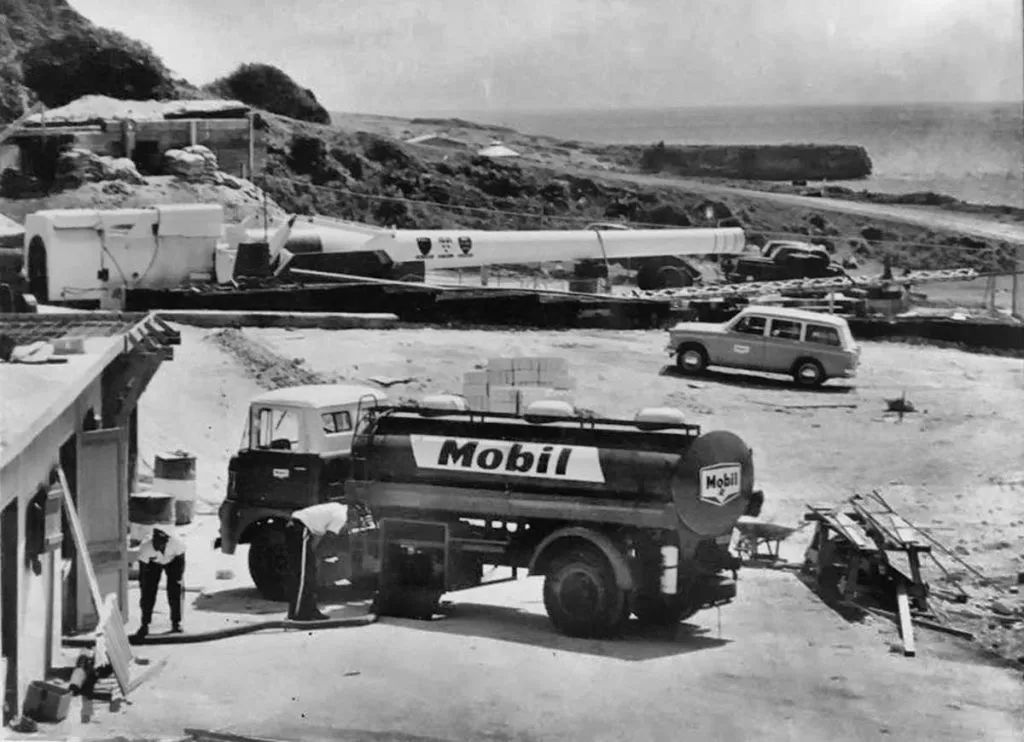
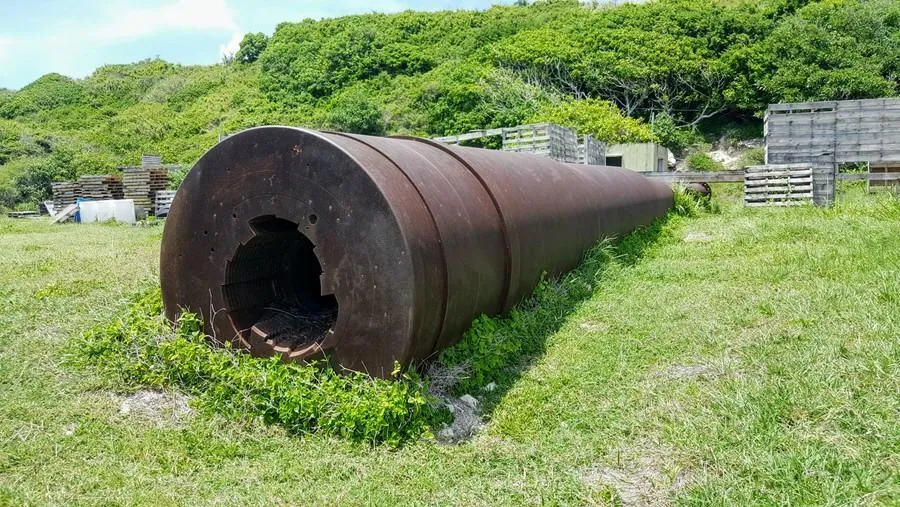
In 1962 McGill set up a research station at Foul Bay in St Philip. The two barrels, each about 140 tons, came ashore at Foul Bay Beach in August and September 1962. They were moved to the site, which is at Paragon, east of the runway of what was then Seawell Airport. One account says they were hauled along a temporary railway about two miles long, and another says Caterpillar tractors dragged them along the coast, so the sources disagree on the method. One account also says a sailor was crushed between a landing craft and another boat while the barrels were being unloaded.
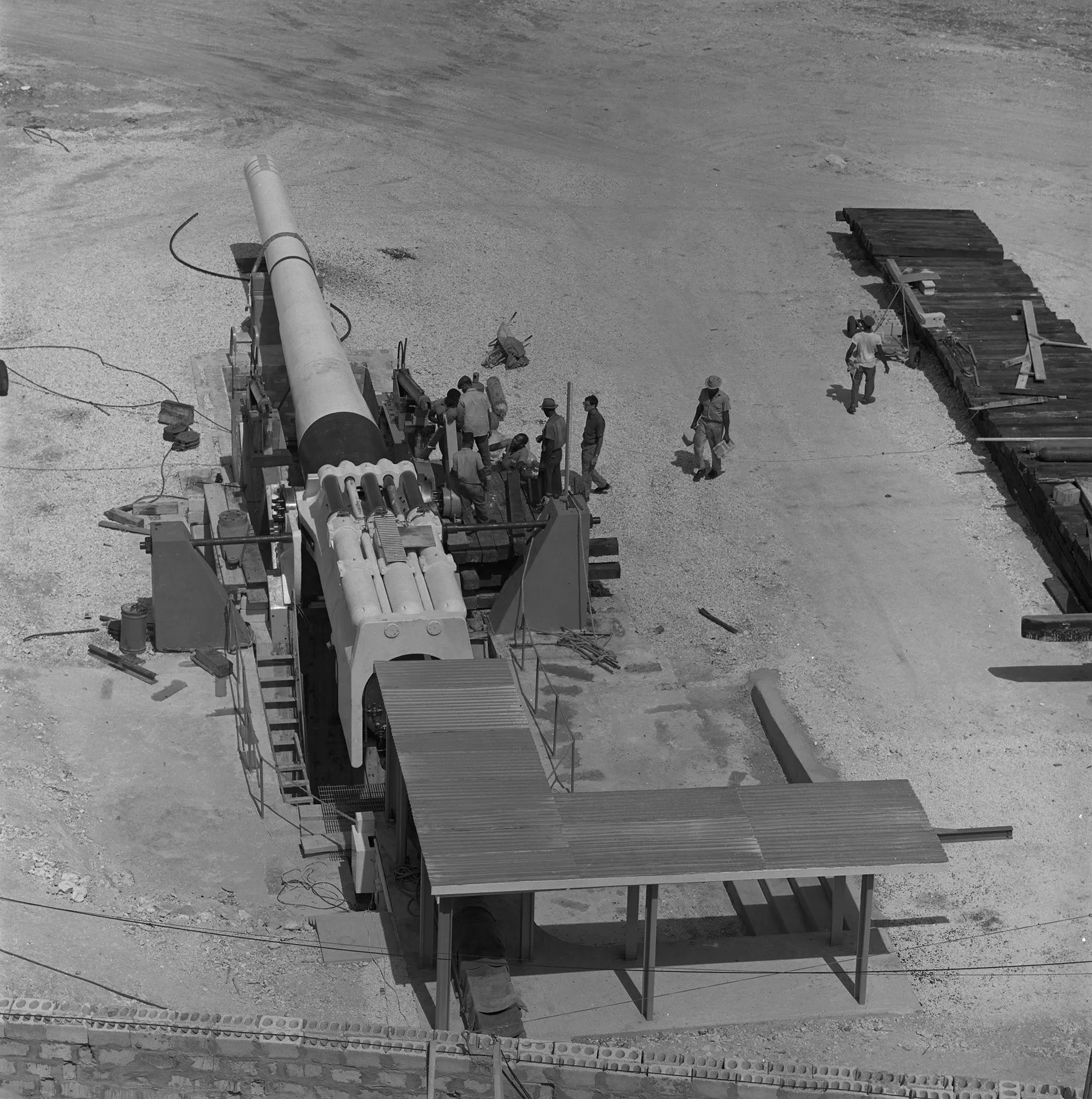
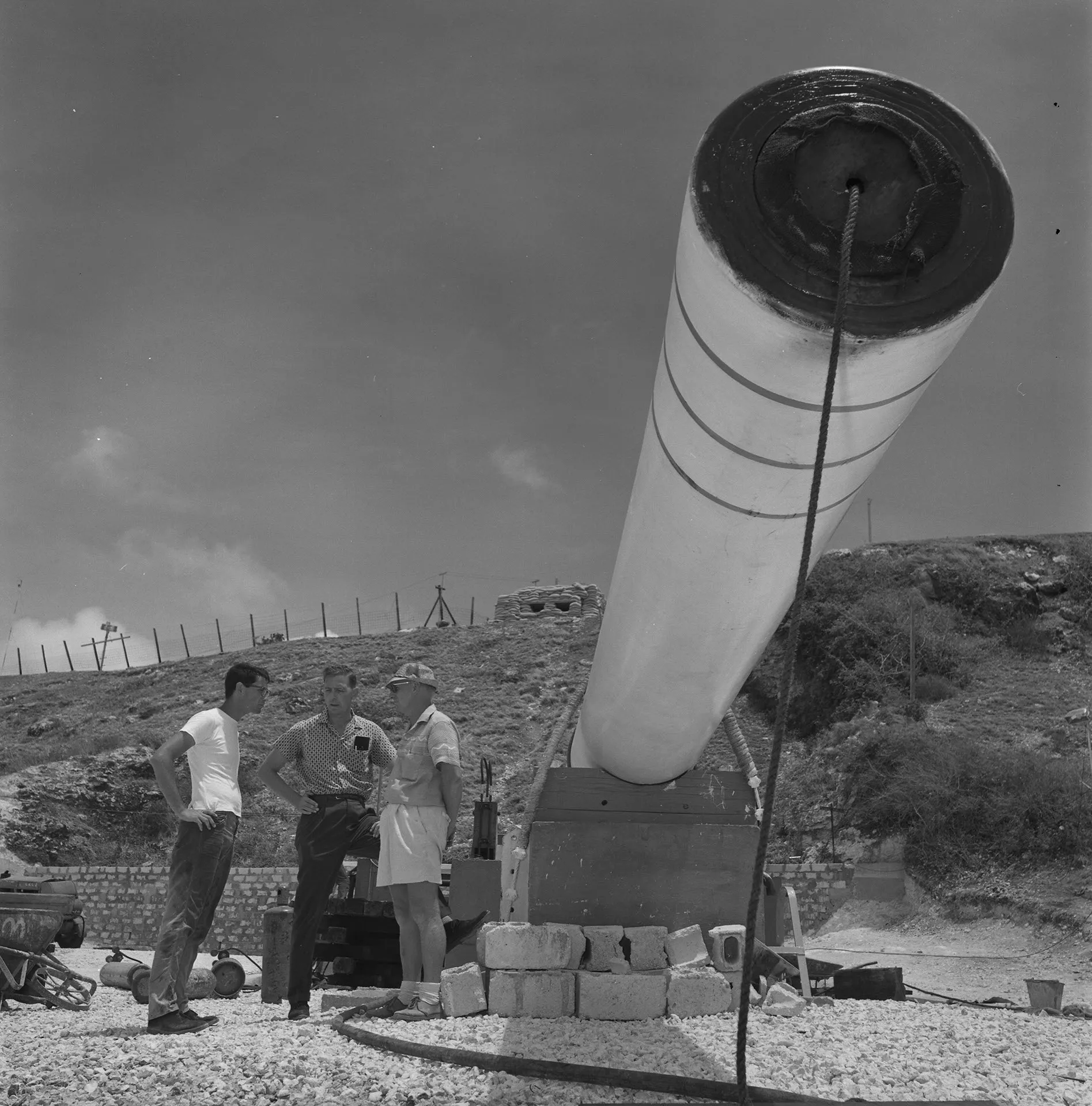
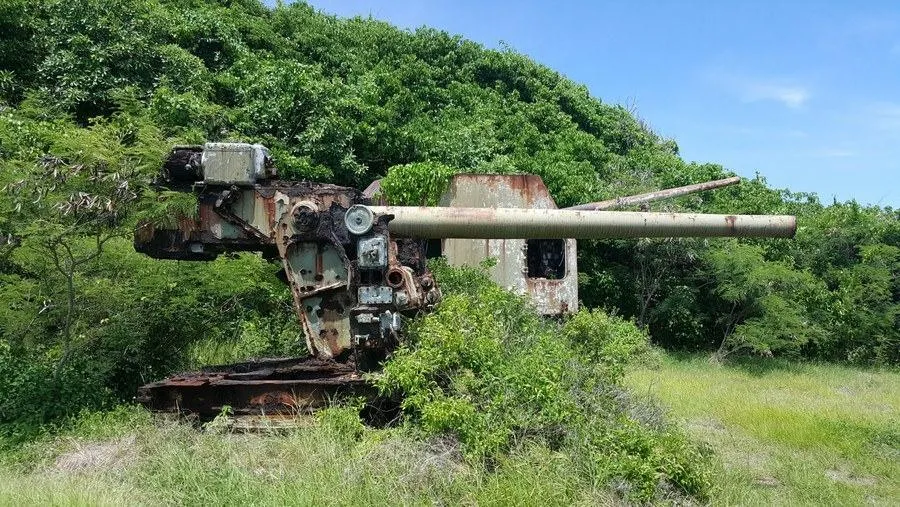
The barrels were joined into one, and installed in a gun pit dug into the island’s coral. The gun pointed at 128 degrees magnetic, out across the Atlantic between Brazil and South Africa. A smaller gun was also installed at Ragged Point, east of the lighthouse, and fired its shells north.
The firing years
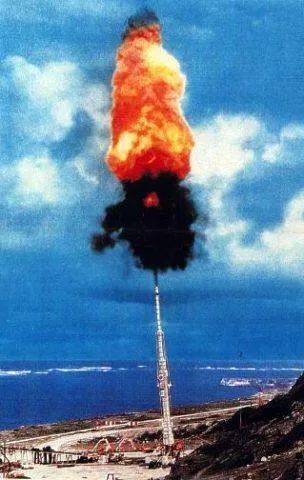
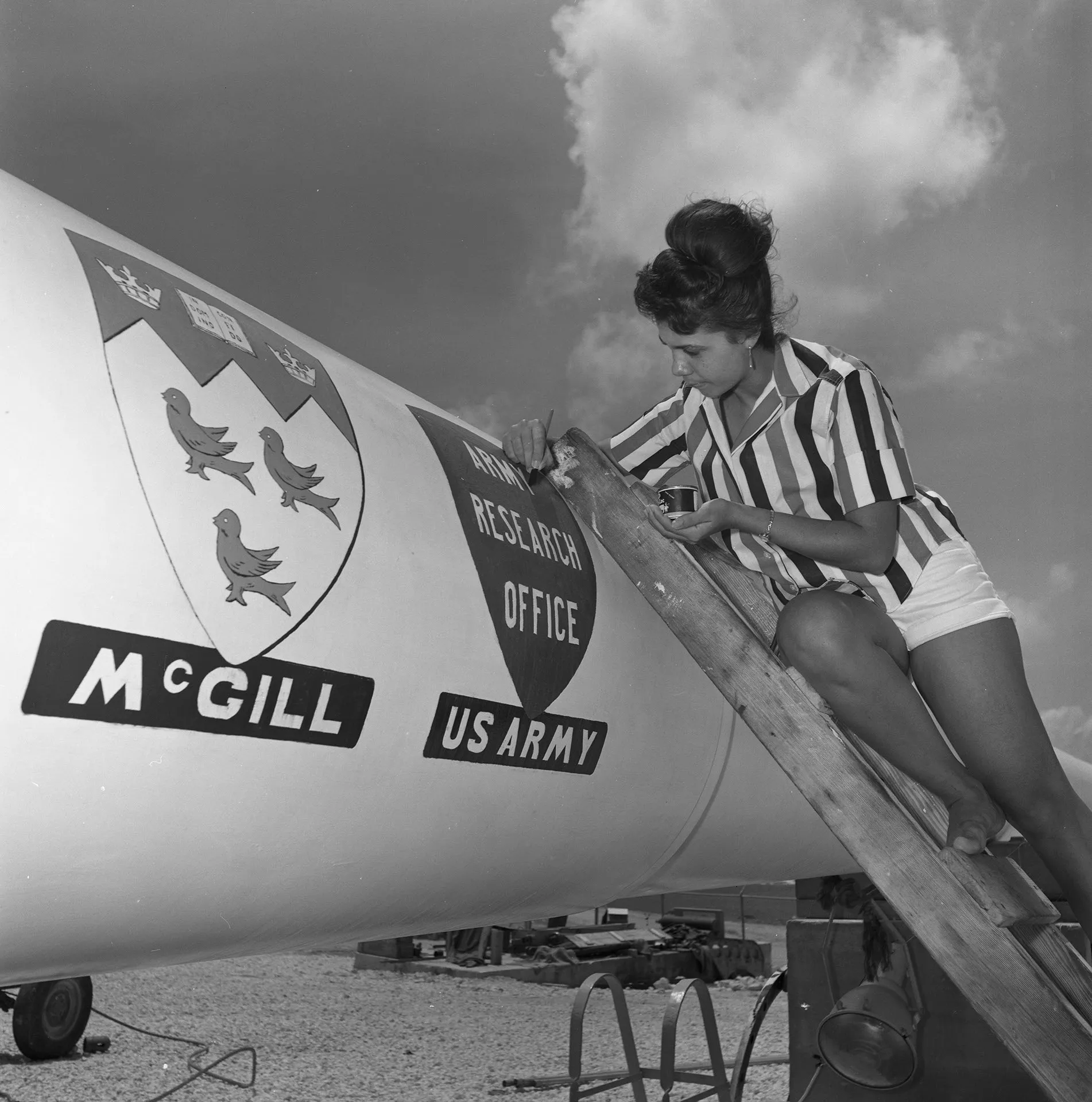
The first test shot was on 20 January 1963. A 315 kg slug reached 3,000 metres, in 58 seconds according to one source, and landed about a kilometre offshore. After that, the programme moved on to the Martlet, a finned projectile named after the martin bird on McGill’s crest, fired in a wooden sabot that split away after it left the barrel.
The results improved quickly. Martlet 1 tests in January and February 1963 reached 26 kilometres. In April 1963 a Martlet 2 reached about 92 kilometres, a record for a gun-launched object, and another source gives 93 kilometres. By the end of 1963, about 20 Martlet 2 projectiles had been fired, regularly reaching 80 kilometres. In 1965 the gun was extended to about 120 feet and nearly 200 tons, and by the end of the year, more than 100 projectiles had gone above 80 kilometres. Sources give the barrel as 119, 120 or 130 feet long, depending on how it is counted.
The payloads were modest. They included chaff that radar could track, chemical smoke to measure wind, meteorological balloons and magnetic-field instruments, and one source says over half of the upper-atmosphere data gathered to that point came from HARP. A Martlet 2 firing cost 2,500 to 3,000 dollars and took about half an hour to load. A planned Martlet 3 and an orbital Martlet 4 were never built.
The money was never steady. US Army funding rose from 250,000 dollars a year in 1963 to 1.5 million dollars a year in 1964, and by March 1964 Canada had agreed to joint funding, for a total of 3 million dollars a year, although Canadian funding was repeatedly delayed.
Living next to a gun
Everyone in Barbados knew when the gun fired. Each shot was a loud explosive launch that could be heard across most of the island, and the ground shook and windows rattled for miles. Residents and businesses near the site reported cracked structures, and Rediffusion broadcast warnings to stay away on firing days. One shell casing landed in the Four Roads area and was collected by HARP staff.
The project also brought work. It trained many local men in radar, electronics and mechanical engineering, and some earned good wages, according to one account.
The end of HARP
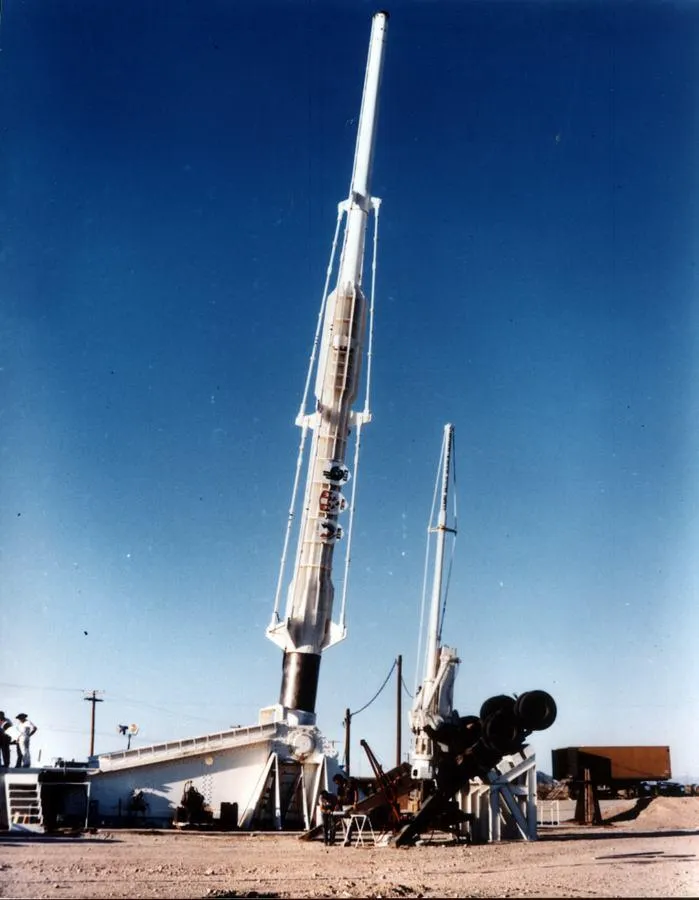
The best-known shot of the programme was not in Barbados. On 18 November 1966, a 16-inch gun at the Yuma Proving Ground in Arizona fired an 84 kg Martlet 2 to about 180 kilometres, a record for a fired projectile that is still held. Sources give 179 or 180 kilometres, and one table dates it to 19 November.
That month, the Canadian government announced that it would stop funding after 30 June 1967, and the US Army withdrew as well. Canada had contributed about 4.3 million dollars and the US Army about 3.7 million. The Barbados gun and the one at Highwater, Q, were shut down. One source says the end came amid domestic pressures, the Vietnam War and NASA’s preference for traditional rockets. The project’s assets passed to Bull, who started the Space Research Corporation.
A 1970 aerial photograph shows one large gun, a medium gun and a small gun still largely intact in Barbados. In 1988 a spare barrel was removed. It left Barbados on 23 June 1988 and arrived at Beaumont, Texas, on 8 July.
Bull’s later life
After HARP, Bull founded the Space Research Corporation and worked as an international artillery consultant. In 1988 Iraq’s President Saddam Hussein hired him to build a cannon with a range of up to 1,000 kilometres, known as Project Babylon. In 1990 Bull was shot outside his apartment in Brussels. Two sources say it is widely believed that Israeli agents were responsible, and one says the killing halted Project Babylon, but the sources do not confirm who did it.
The gun today
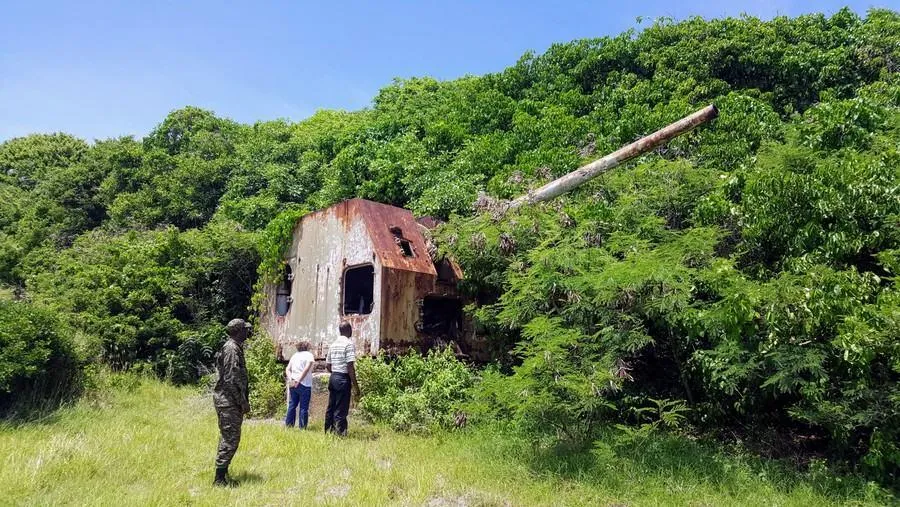
The Barbados gun is the only one of its kind that survives. It was abandoned in the late 1960s and left where it stood, and sources describe it as rusting. One says the barrel is toppled, and another that it remains on its emplacement. Part of the track for the smaller gun is still in place. An author who visited on 19 February 2022 documented continued slow rusting, and he called for the Barbados National Trust to organise restoration.
rusting away neglected and forgotten
William Burton, author of the Bajan Things article on HARP
Visiting
The site is a short distance from Grantley Adams International Airport, near Foul Bay and the Foursquare Rum Factory and Heritage Park. One source says visitors can go to it, but that a guide will probably be needed to find it. The area is used for live-firing exercises, and a red flag is flown during them, so take care and do not approach if it is up. The other sources give no access information, so check locally before you plan a visit.
Conclusion
HARP was a serious attempt to find out whether cheap cannons could do the work of expensive rockets. It set records, and it provided a large share of the upper-atmosphere data of its time, but the money ran out in 1967 and the rocket programmes won.
What remains in Barbados is a rusting monument to that idea, and to the man behind it.
Did you know?
- The Barbados gun was made by joining two 16-inch US Navy gun barrels.
- Each barrel weighed about 140 tons.
- The first test shot, on 20 January 1963, sent a 315 kg slug to 3,000 metres.
- In April 1963 a Martlet 2 fired from the Barbados gun reached about 92 kilometres.
- Martlet projectiles were named after the martin bird on McGill University's crest.
- A Martlet 2 firing cost about 2,500 to 3,000 US dollars.
- Rediffusion broadcast warnings to stay away on firing days.
- The Yuma gun's 1966 altitude of about 180 km is still the record for a fired projectile.
- A spare barrel left Barbados on 23 June 1988 and arrived at Beaumont, Texas, on 8 July.
- The Barbados gun is the only HARP gun of its kind that survives.