A river town that was never meant to be a ruin
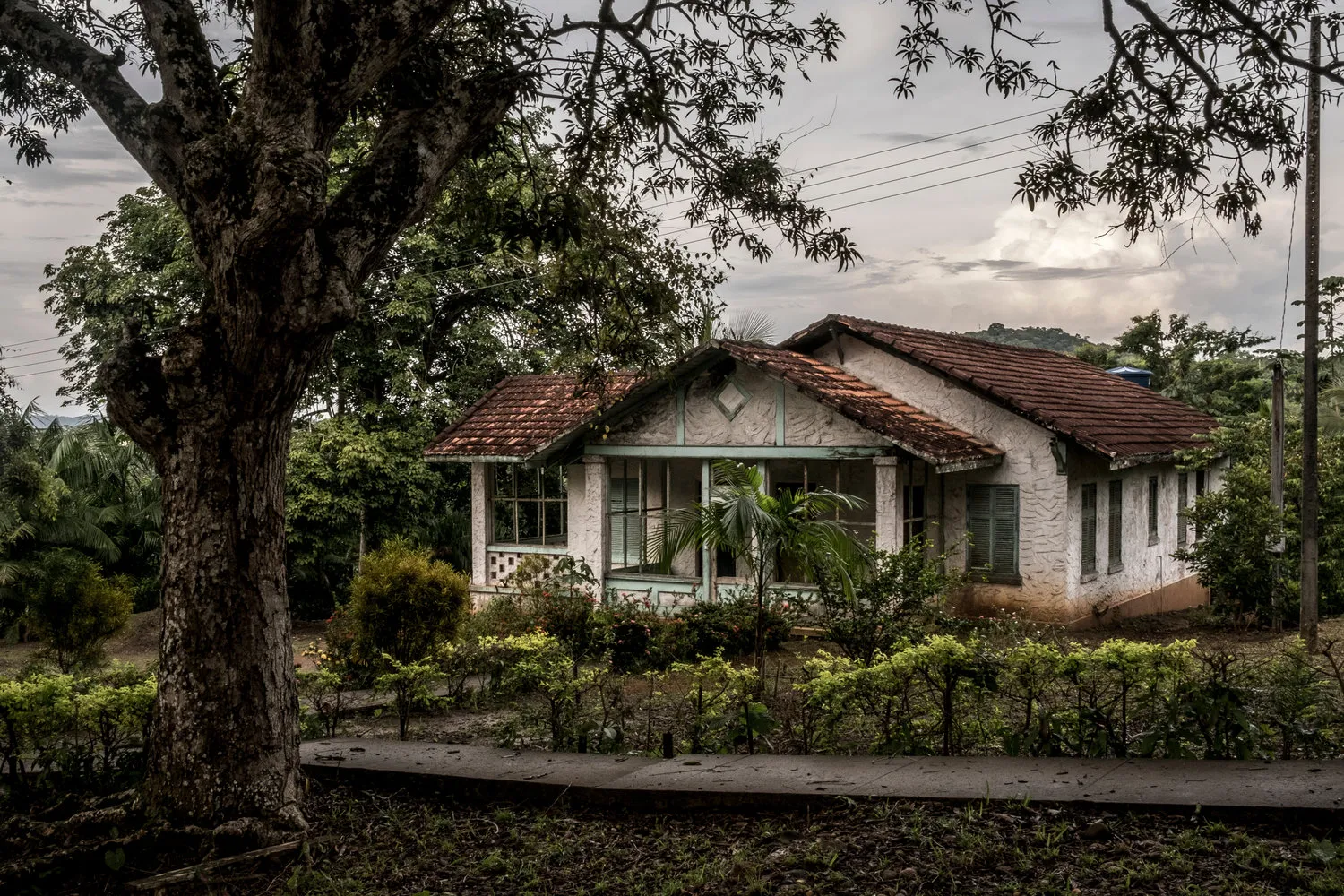
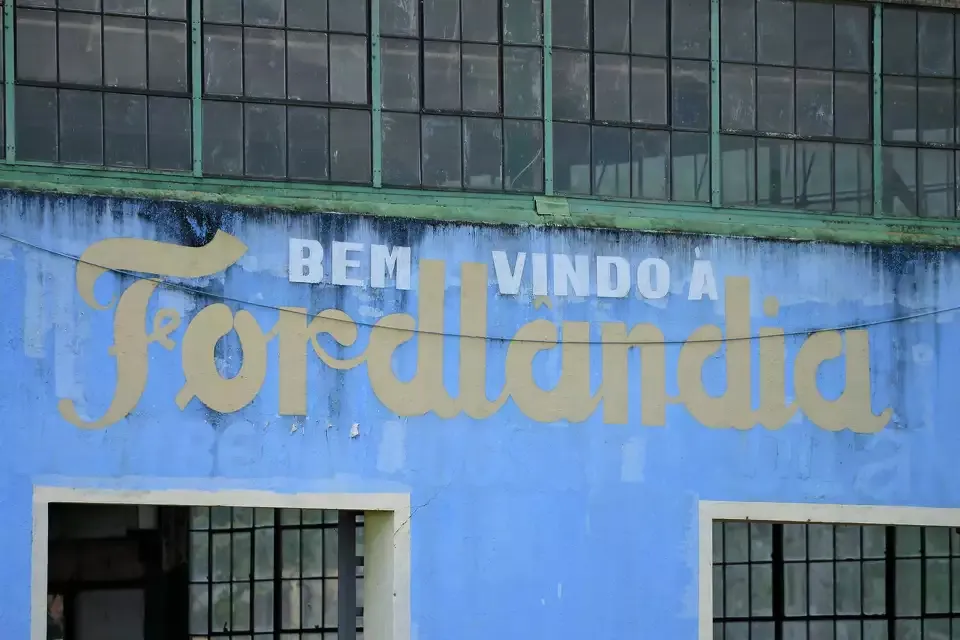
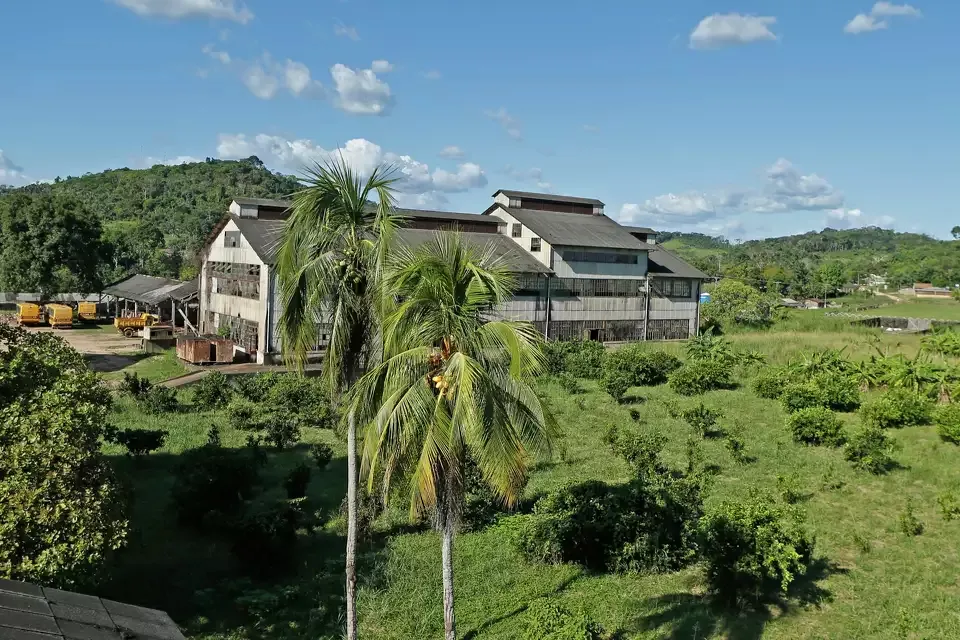
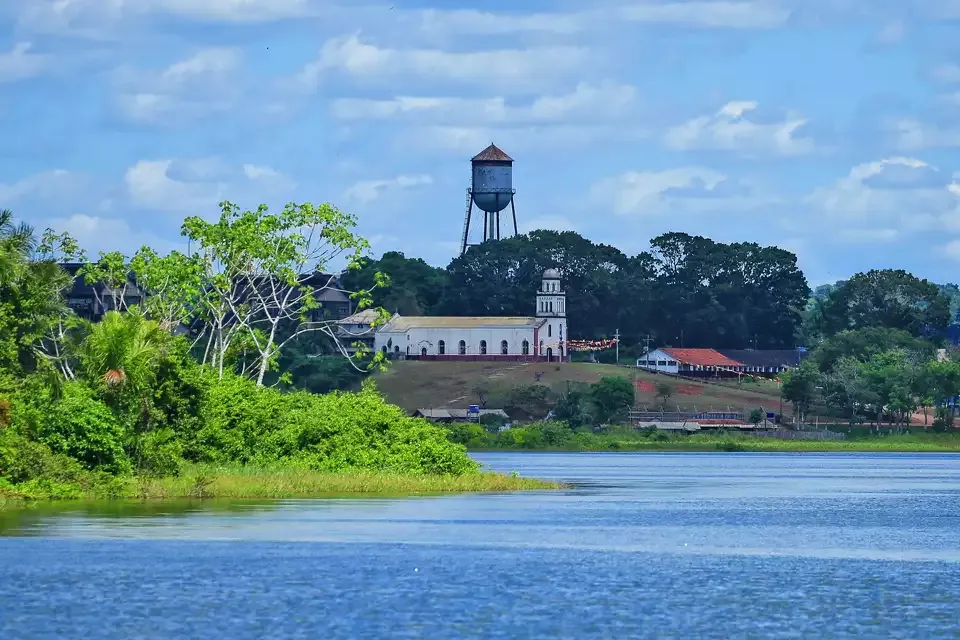
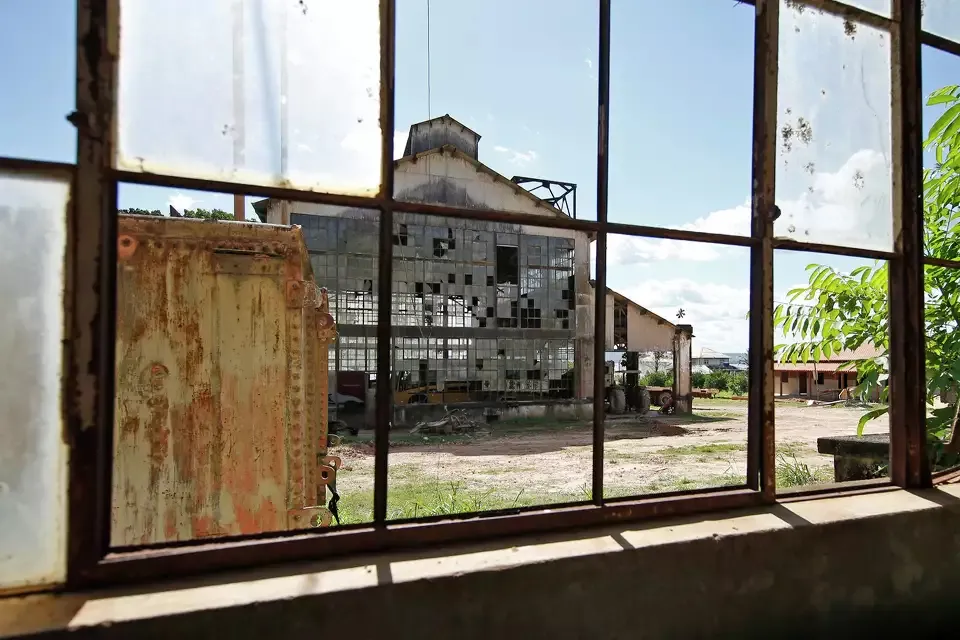
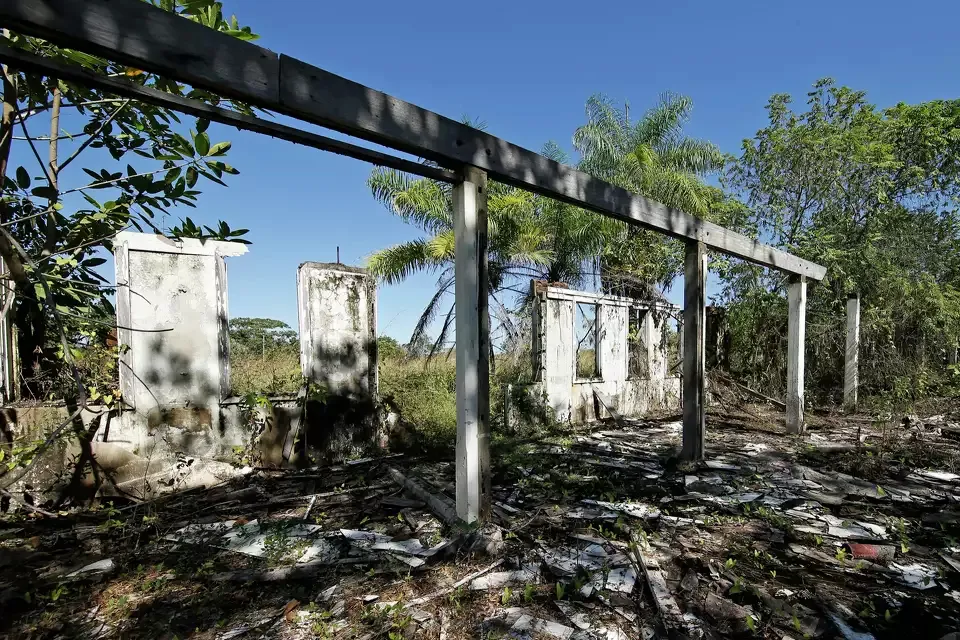
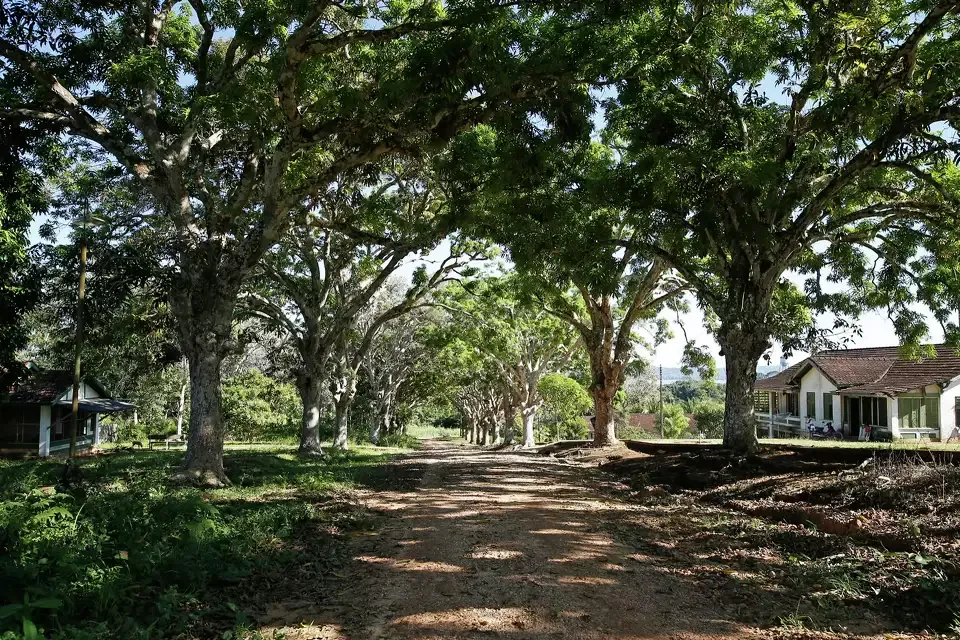
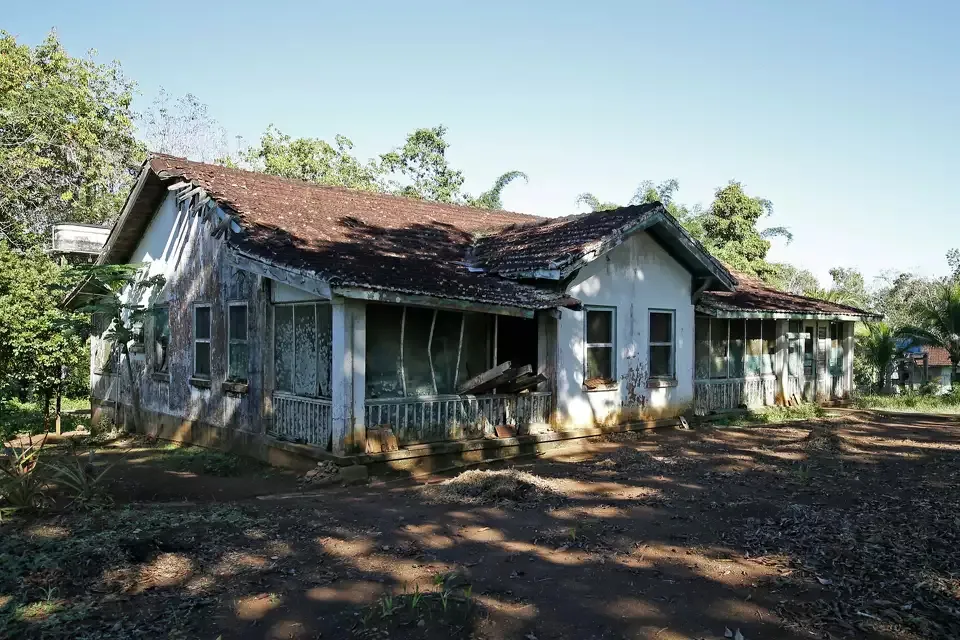
Fordlândia sits on the east bank of the Tapajós River, in the state of Pará in northern Brazil. Administratively it is a district of the municipality of Aveiro, about 300 kilometres upriver from the city of Santarém. It looks like a ghost town in photographs: a tall steel water tower above the trees, rows of white clapboard houses with vines at the doors, the iron skeleton of a workshop, a hospital with no roof. Then someone walks out of one of those houses with shopping, and the picture changes.
The town has about 2,000 residents, most of them tied by family to the people Henry Ford hired in the late 1920s. Several of them object to the phrase “ghost town”, and one local teacher told a visiting reporter that ghosts belong in rich people’s castles. That objection is worth keeping in mind for everything that follows. Fordlândia is a failed industrial experiment, but it is also a place with a school, a river port, a football pitch and neighbours.
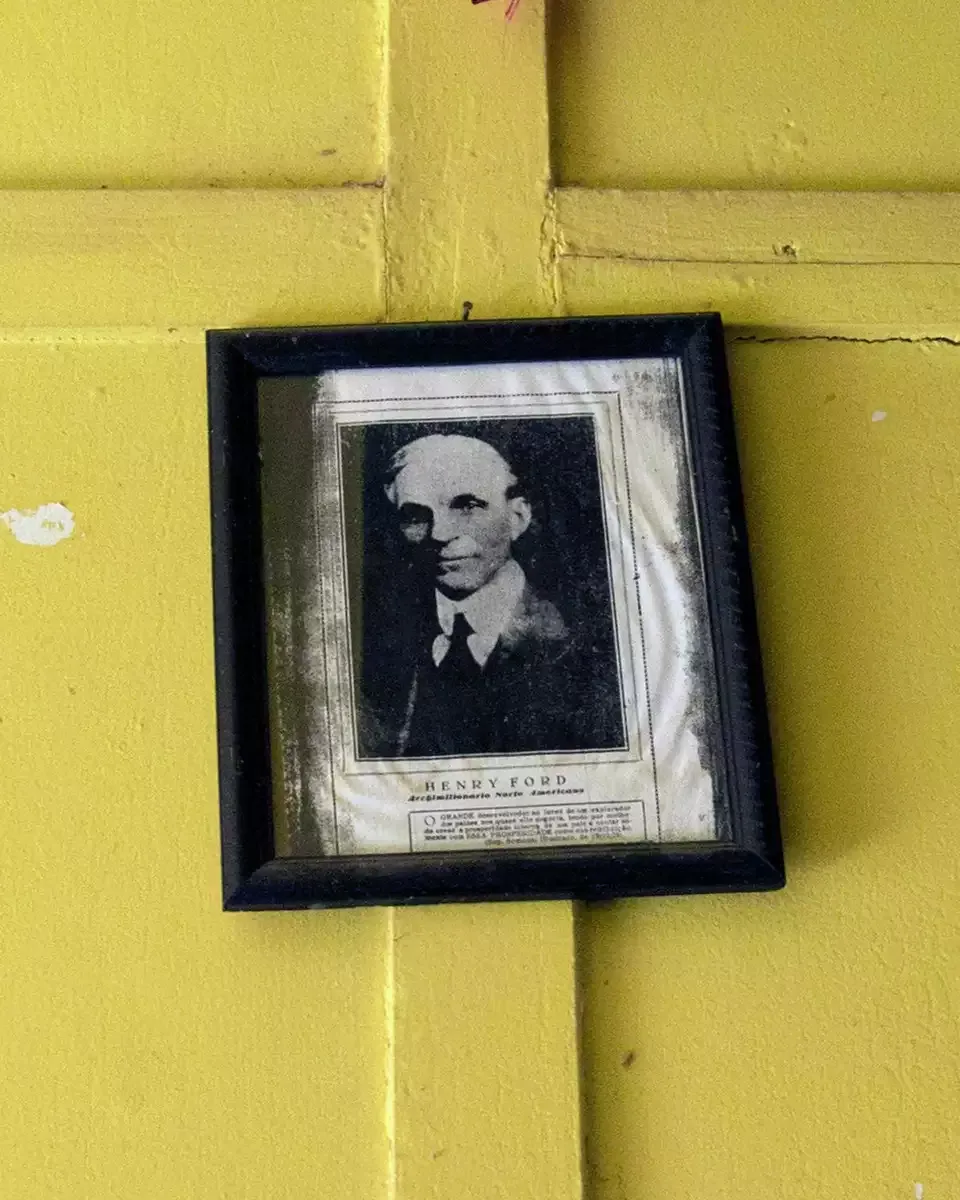
The experiment itself is one of the strangest corporate stories of the twentieth century. The Ford Motor Company, then one of the biggest car makers in the world, tried to move a piece of small-town Michigan to the Amazon rainforest so that it could grow its own rubber. The plan failed on almost every level, and it failed slowly and expensively. Henry Ford never visited the town that carries his name.
Why a car maker wanted a rubber plantation
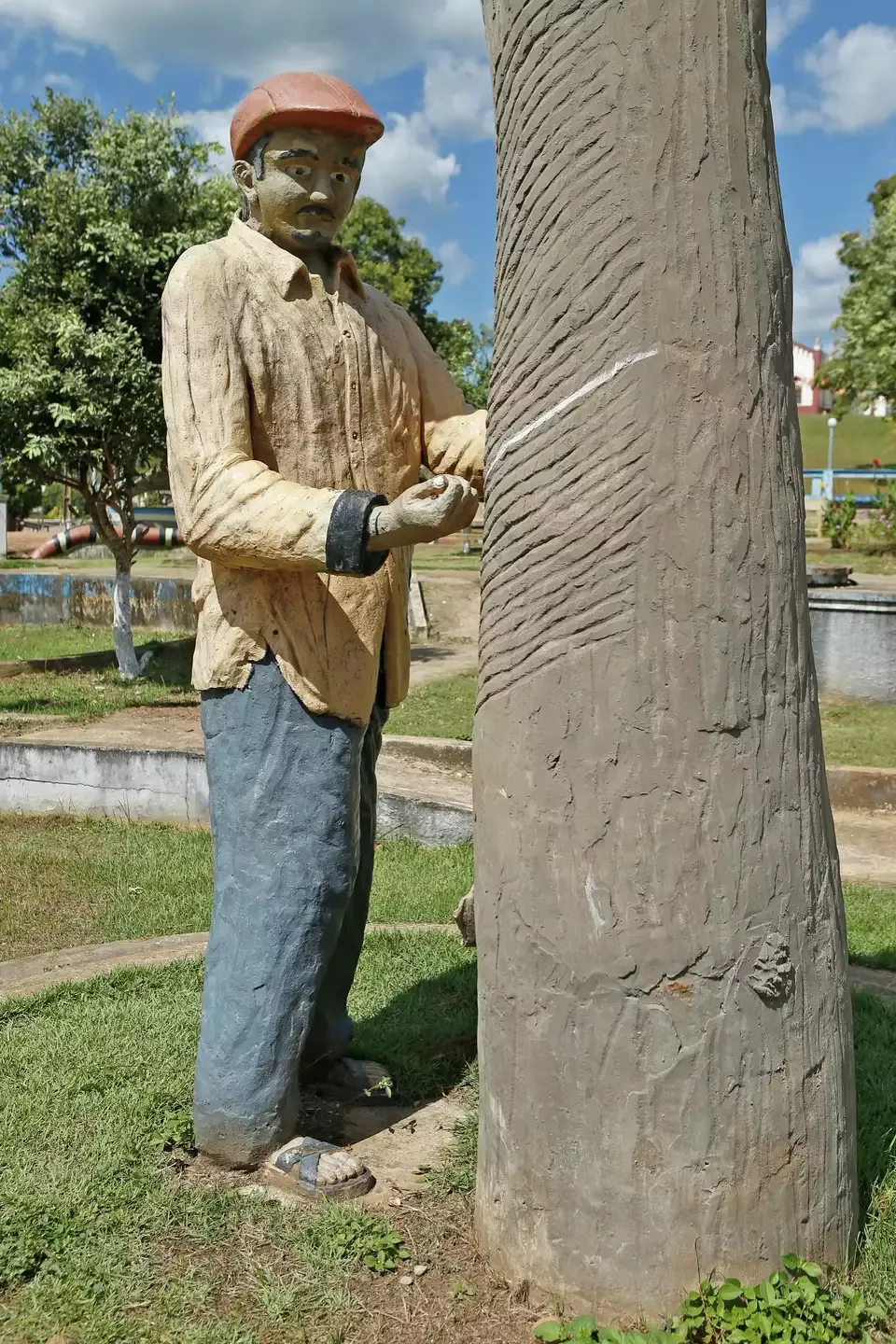
Cars need tyres, and tyres in the 1920s needed natural rubber. The best natural rubber came from the Amazonian tree Hevea brasiliensis, which had once made Brazil rich. In the 1870s seeds had been smuggled out of the Amazon, and the trees were planted across British and Dutch colonies in Southeast Asia. Within a few decades the plantations of Asia had taken most of the market from Brazil.
By the early 1920s the supply was concentrated in colonial hands, and the British government’s Stevenson Plan of 1922 tried to hold prices well above the cost of production. For a company buying rubber in huge quantities, that was a problem. Ford worried about a European-controlled rubber cartel, and he wanted a supply he controlled himself. If he could grow rubber himself, he would not have to buy it from anyone.
The Amazon was the natural place to try, because the tree grew there wild.
The concession of 1927
Ford’s company announced its interest in 1927, and a concession was granted on 21 July of that year. The Pará state government, led by Governor Dionísio Bentes, negotiated the deal. The land was described as one million hectares, or about 2.5 million acres, which works out at roughly 10,000 square kilometres. Several other sources give much larger figures: one says over six million acres, another about 25,000 square kilometres. The first figure, from the company’s own historical record, is the one we use.
In return, the company would pay 9 per cent of its profits, 7 per cent to the Brazilian government and 2 per cent to the local municipalities. Ford was also exempt from taxes on exports. The terms were generous to the company, and Pará had good reasons to offer them: the state wanted investment, jobs and the prestige of a famous American name.
The land was known as Boa Vista, a small settlement on the river. A Brazilian named Jorge Villares helped scout the area for the company. One account says he was hired in 1929, but a company photograph of him with a work crew is dated 1928, so the earlier date seems more likely.
Landing at Boa Vista, 1928
The first expedition left for the Amazon in August 1928. Two merchant ships carried the town, in a sense: sawmill machinery, pile drivers, tractors, stump pullers, a locomotive, ice-making equipment, prefabricated buildings and an enormous list of small things, down to door handles and street lamps. Supplies came upriver on barges.
The first manager was a Danish sea captain named Oxholm, who had no experience of agriculture. He and his crews cleared the forest by felling and burning it, and local people were hired to do the heavy work. A town started to appear where the settlement of Boa Vista had been, and in time it took the name Fordlândia.
The company’s early investment was about 2 million dollars, and by the time it passed the properties to the Brazilian government, the total spent was around 20 million. Ford himself said, in a 1928 magazine interview, that the aim was to help develop the land rather than to make money. It is an unusual thing for the head of a profit-driven company to say, and it hints at how personal the project was.
A Michigan town on the Tapajós
The plan was for a town of about 10,000 people. It was designed on the model of an American community, with a main commercial street, a central square, sidewalks and houses planned in Michigan. The workers’ bungalows stood in three streets, while American managers lived in a separate area, said to be at least a mile away. That division is still visible in the plan of the town, and a local historian described it as the Americans on one side and “the rabble” on the other.
What the company built was ambitious. Accounts mention a hospital, a power plant, piped water, a library, a hotel, a golf course, a cinema, swimming pools, dance halls, a school and playgrounds. There were also bakeries, butchers, tailors and shoemakers. Model T Fords ran on paved streets, and the main avenue is named in some accounts as Palm Avenue. A hospital of around 100 beds served the town, and free medical care was part of the employment package.
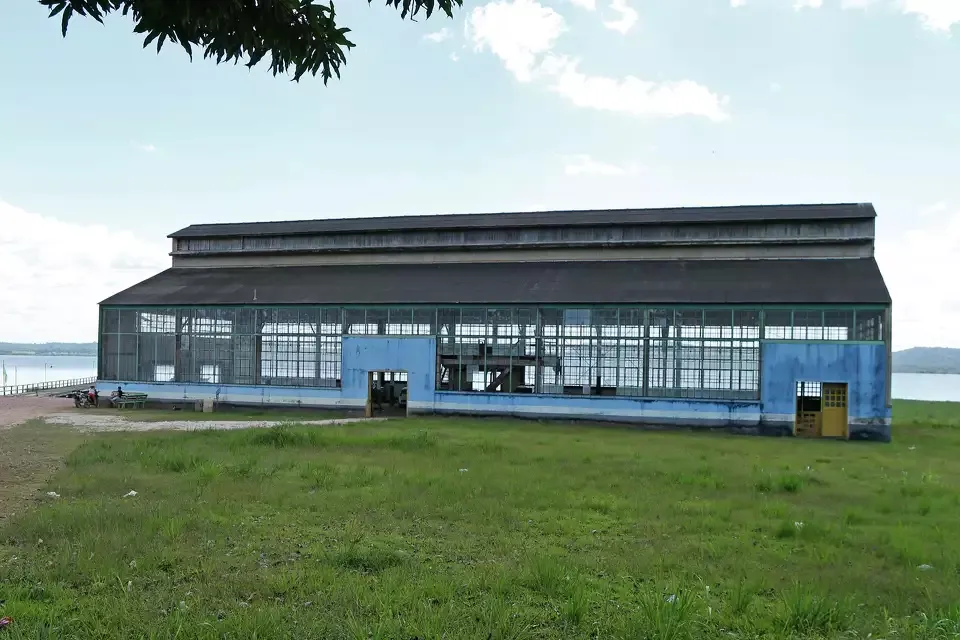
The tallest building still stands. The water tower is about 50 metres high, and it is said to have been built in Michigan and shipped to the Amazon in pieces. It has become the symbol of Fordlândia, and it appears in nearly every photograph of the town. A sawmill, a generator building and a three-storey workshop were built alongside it.
Rules for a better life
Ford believed that a well-ordered town would produce well-ordered people, and the rules in Fordlândia reflected it. Alcohol and tobacco were banned. Gambling and prostitution were banned too. Inspectors visited workers’ homes to check that the rules were obeyed, and in some accounts the ban on drinking applied even in a worker’s own house, under penalty of dismissal. One source adds that women were not allowed inside workers’ houses, and another says football was banned.
There were also organised activities. Workers were encouraged to take part in square dancing, poetry readings, gardening and English sing-alongs at weekends. The company designed a large dance hall, but it turned out to be less popular than Ford expected. Workers wore numbered badges, and the cost of the badge was reportedly deducted from their first pay. A siren and time clocks governed the day.
Wages were better than average for the region. Sources put the daily pay at 35 to 37 cents, against about 20 cents on rubber plantations in the Far East, and workers also received free food, housing and medical care. Recruitment offices opened in Belém and Manaus, and people came from across the region.
The hours were harder to accept. Brazilian workers were used to starting before dawn, resting in the heat of the day and working again in the evening. The company imposed a factory schedule, with the shift reported variously as 6 a.m. to 3 p.m., a 9-to-5 day, or eight hours in total. In every version, people were working in the hottest part of the day, and many refused.
The rules were also easy to dodge. Workers paddled out to riverboats beyond the town limits or travelled upstream to a settlement known as the “Island of Innocence”, about 8 kilometres away, where bars, clubs and brothels did good business. Alcohol and tobacco were smuggled into town in all kinds of containers, and one source says watermelons.
The food
Food mattered more than anything else in Fordlândia, and it caused the worst trouble. Ford was a vegetarian and an early advocate of what he considered healthy eating. The menu at the company’s dining halls reflected his tastes: oat flakes and canned peaches for breakfast, and brown rice and wholemeal bread for dinner, with ingredients imported from Michigan. One report says he replaced cow’s milk with a soy substitute.
At first the meals were served in a restaurant style. In 1930 the company changed to a self-service cafeteria line, to speed things up. Workers who were used to their own cooking, and who did not like standing in line, saw it as an insult. According to one account, a worker refused to be told to queue for his food, saying that he was not a dog.
The trees that would not grow
All of this might have been forgiven if the rubber had grown. It did not.
The land was a poor choice: hilly, with thin soil that washed away once the forest was cleared. The managers had little experience of tropical agriculture, and by most accounts the company did not hire a rubber specialist at the start. The planting method copied the Asian plantations. Trees were set close together in rows, at around 200 per acre in one account, whereas wild Hevea trees in the Amazon are scattered, with perhaps seven in the same area.
The result was a banquet for every pest and fungus that lived in the forest. Leaf blight spread through the dense rows, and so did ants, lace bugs, red spiders and caterpillars. One account describes a caterpillar that adapted by moving from the lower leaves, where workers could see and remove it, to the upper leaves, out of sight. Burning off the pests did not work.
The town itself had problems too. Heavy machinery left ruts that filled with standing water, a perfect breeding ground for mosquitoes. Malaria was serious, and yellow fever was reported as well. American managers, finding the heat and isolation too much, kept going home.
Breaking Pans, December 1930
In December 1930 the dining-hall dispute became a riot. Brazilians call it the Quebra-Panelas, or “Breaking Pans”. Workers smashed the cafeteria, destroyed time clocks, and wrecked trucks and other vehicles. They cut the telegraph lines and the electricity. Some of the American managers fled by boat or into the forest, and one report says they were chased by workers with machetes. One Portuguese-language account says the crowd shouted “death to all Americans”.
The Brazilian army arrived within a few days, and the town survived. Accounts differ about what happened next. One says an agreement on the food was reached and the pans were replaced. The historian Greg Grandin, in another account, says Ford refused to negotiate and dismissed most of the workers. Both can be partly true, since the company could settle the food question and still remove those it considered troublemakers.
At another point there was a further clash. After Ford brought in workers from Barbados, a quarrel ended with one West Indian worker stabbed and several Brazilians injured, and the company then banned the Barbadians from the plantation.
The riot did not make Ford leave. If anything, it made the company spend more.
Belterra and the second attempt
By 1933 the company had gone three years without meaningful rubber production. A botanist was hired, and the plant pathologist James Weir surveyed the region. His conclusion was that Fordlândia was the wrong place, and he picked a flatter, drier site downriver, near the plateau at what became Belterra. The distance from Fordlândia is given as roughly 80 to 130 kilometres, and from Santarém as 36 to 60 kilometres, depending on the source.
Weir also obtained 2,046 buds from high-yielding trees in the Far East, which could be grafted onto local stock. This was a much better method than relying on seeds. Belterra’s flat land suited machinery, and the planners tried to avoid the monoculture mistake by using a mix of species and local varieties, although that approach was labour-intensive and expensive.
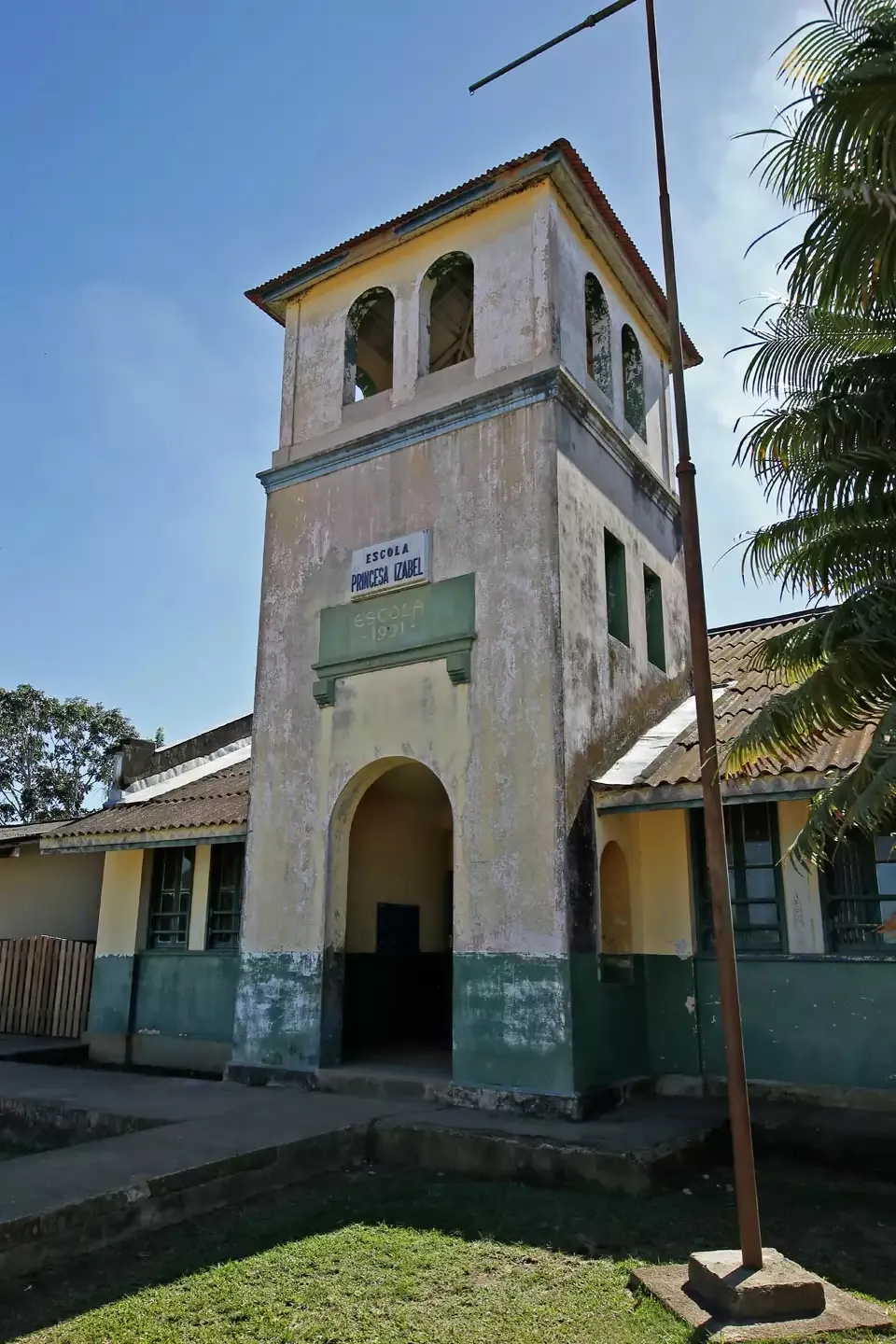
Belterra was also a different kind of town. It was built for families, not for single men, and it had three hospitals, several schools named after Ford’s grandsons Edsel, Benson and Henry, football fields and playgrounds. Workers could keep their own food and play their own music. Schooling was compulsory for children, and adults had night classes. By 1940 Belterra had about 7,000 people, over 2,000 workers and 844 houses, while Fordlândia, by comparison, had a workforce of around 500.
The year of the shift is given as 1934 by some sources, and others say Ford kept Fordlândia going in that year while investing heavily in Belterra. The workforce figures for 1940 suggest the second reading: Fordlândia was wound down gradually rather than shut in a single year.
The war years
For a short time the war helped. Japan’s control of the Far Eastern rubber plantations cut off the main supply to the Allies, and Brazilian rubber suddenly mattered. By 1941 some 3.65 million trees had been planted between the two sites, and in 1942 the first commercial tapping produced 750 tons of latex.
That was a real achievement, and it was still a small fraction of what the project had been meant to deliver. Ford needed about 38,000 tons a year. Wartime problems, including a lumber export restriction and a return of the leaf blight, made the position worse. A Disney film of 1944, The Amazon Awakens, described Fordlândia as a model community in the wilderness, which says something about how far the image and reality had parted.
One report says none of the latex from Brazil ever went into a Ford car. The claim is widely repeated, and the sources that give it are a magazine article and a radio report of the 2000s, so treat it as probable rather than proven.
The end, 1945
When the war ended, synthetic rubber was cheaper and in many uses better, and the European powers took back their Far Eastern plantations. Edsel Ford had died in 1943, and the company was now in the hands of Henry Ford’s grandson, Henry Ford II. In December 1945 the company sold Fordlândia and Belterra to the Brazilian government.
The price is given as about 250,000 dollars in most sources, and as 244,200 dollars in one. The loss to Ford is put at more than 20 million dollars, and various writers convert that to between about 200 million and 358 million dollars today. Henry Ford died in 1947 without having seen either town.
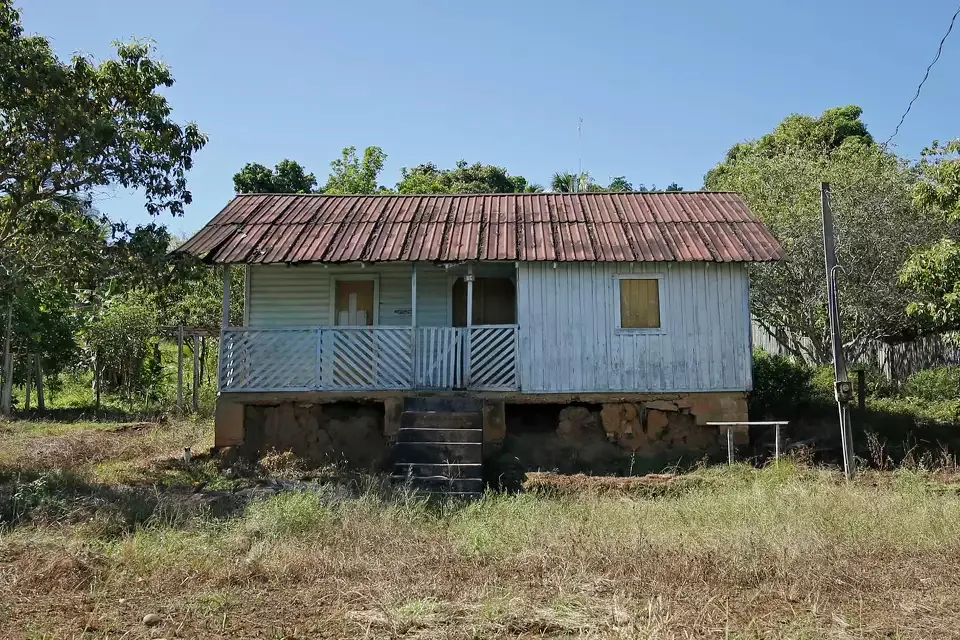
The ending is less dramatic than the legend. The town did not empty overnight. The land passed to the federal government and was handed to the Ministry of Agriculture, which ran facilities there from the 1950s into the late 1970s. Former rubber tappers’ houses went to families of ministry employees, and squatters moved into the American bungalows. For decades the population stayed small, with one source giving only about 90 residents at a low point.
What still stands
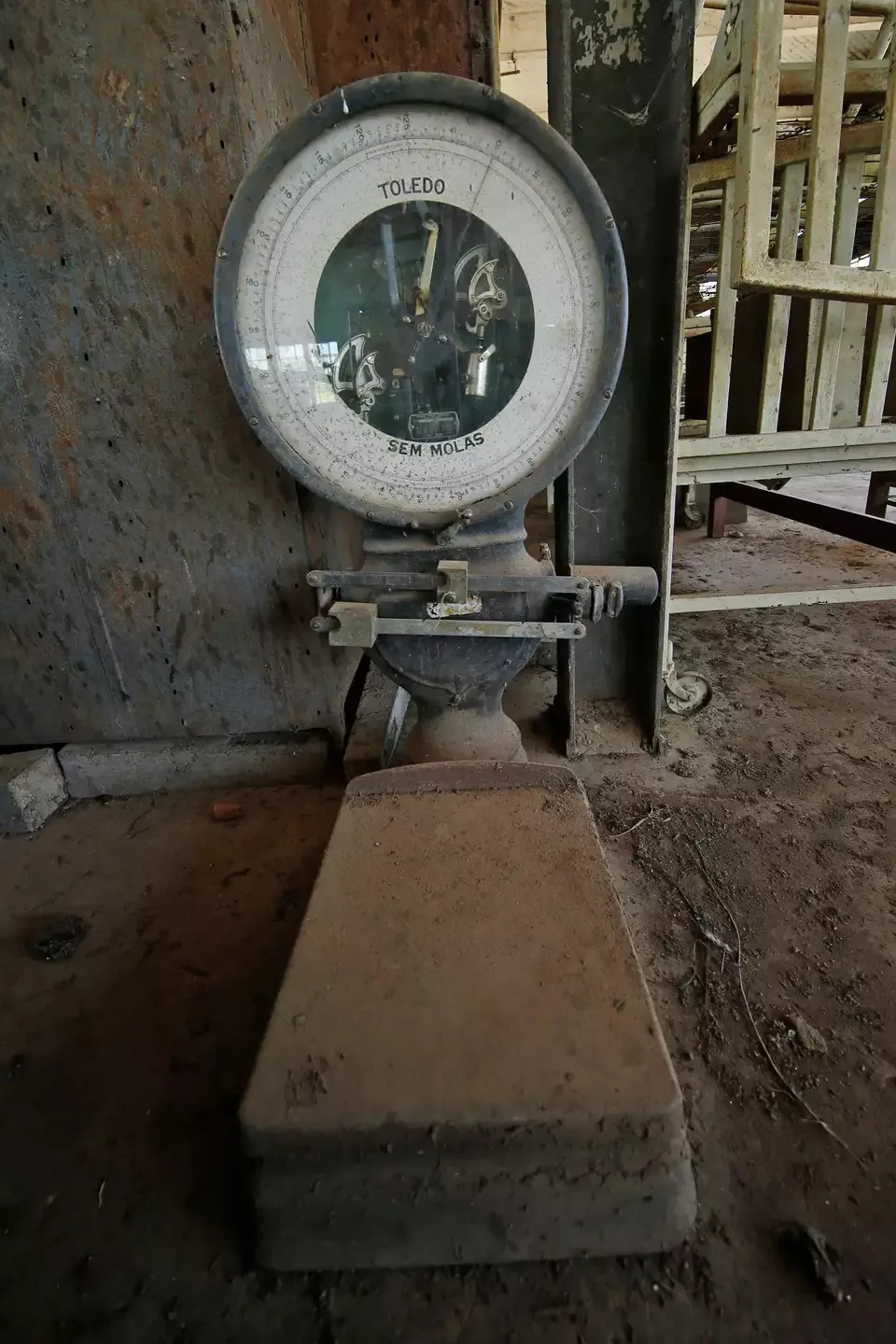
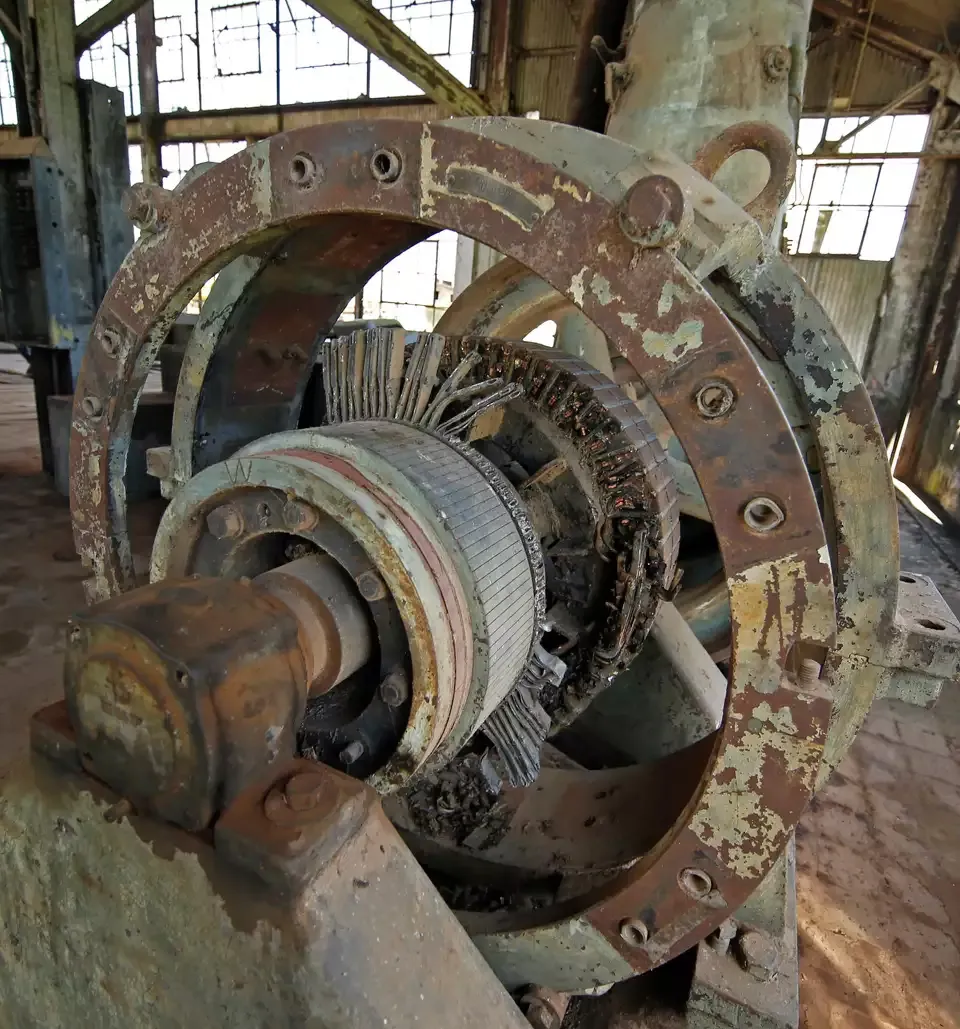
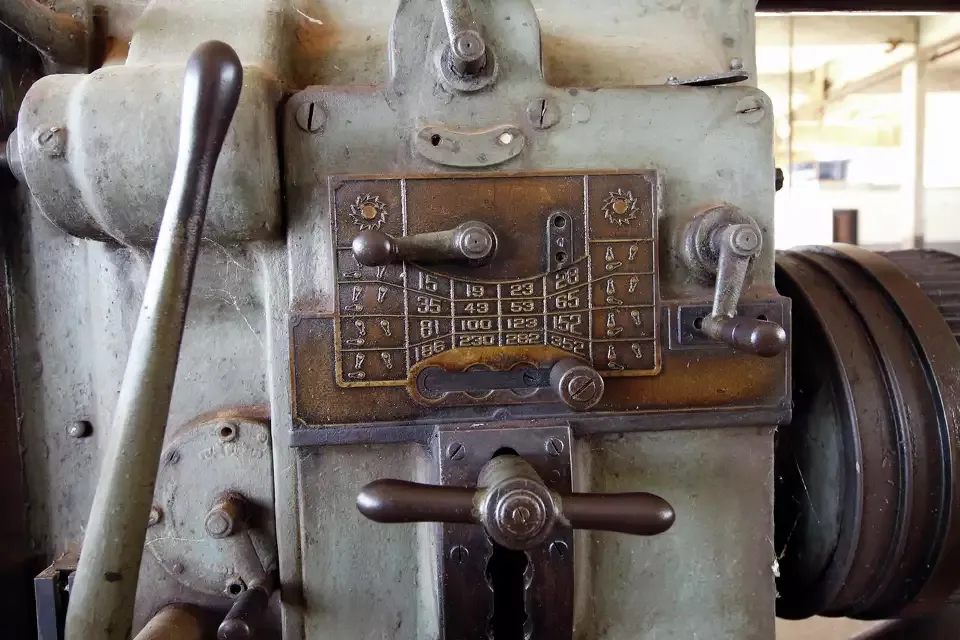
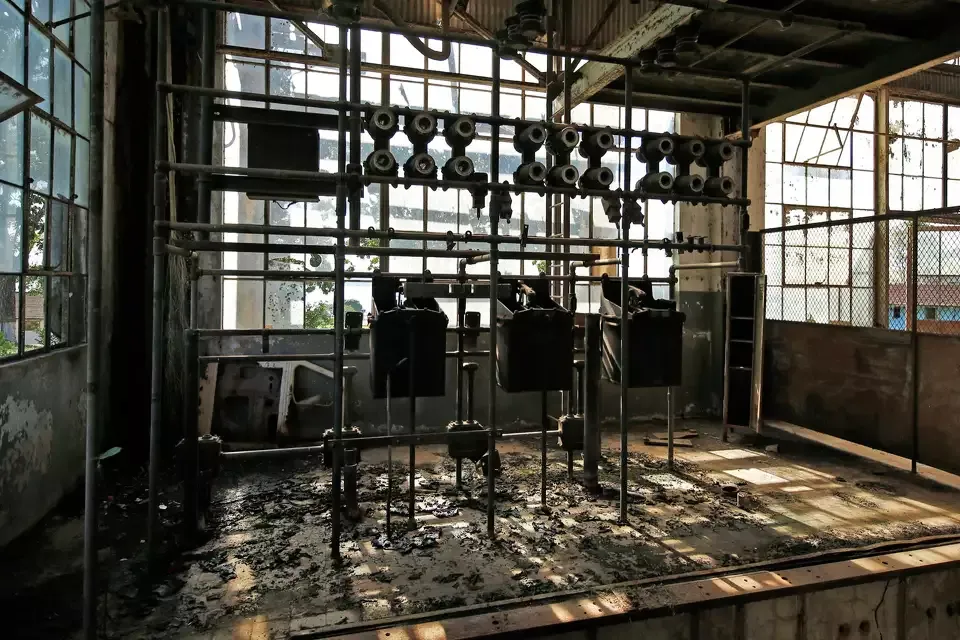
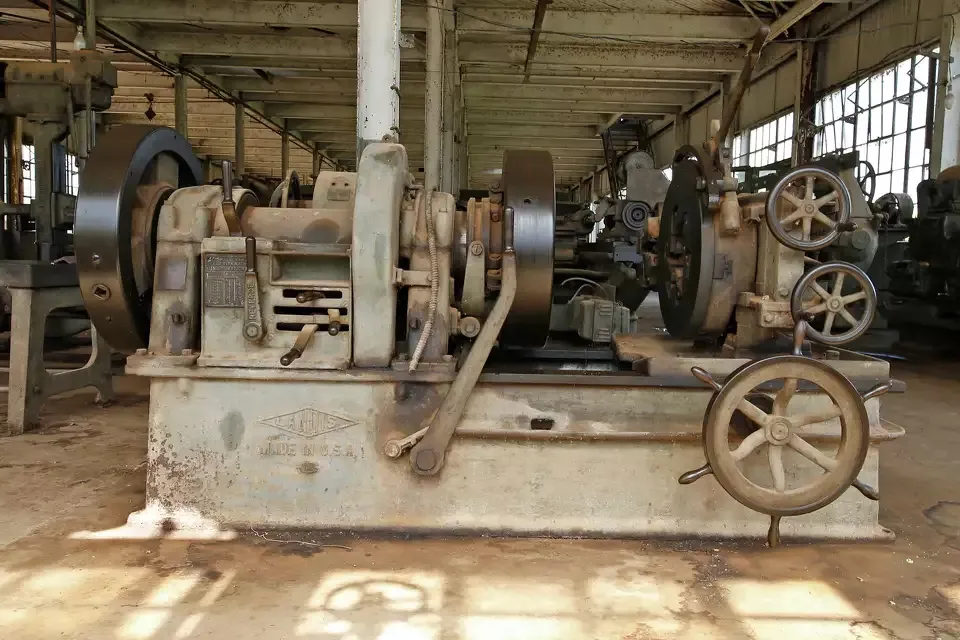
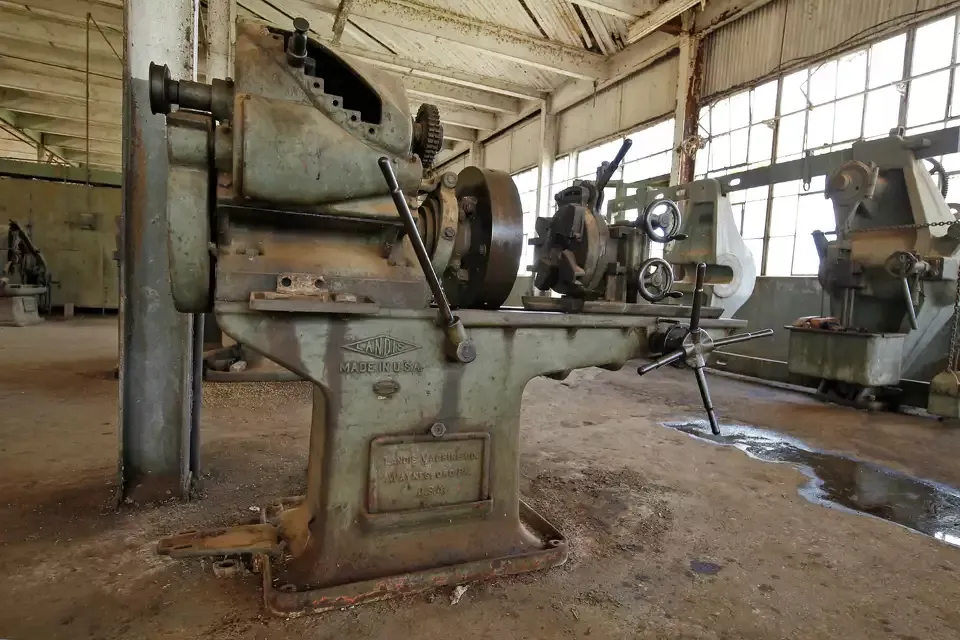
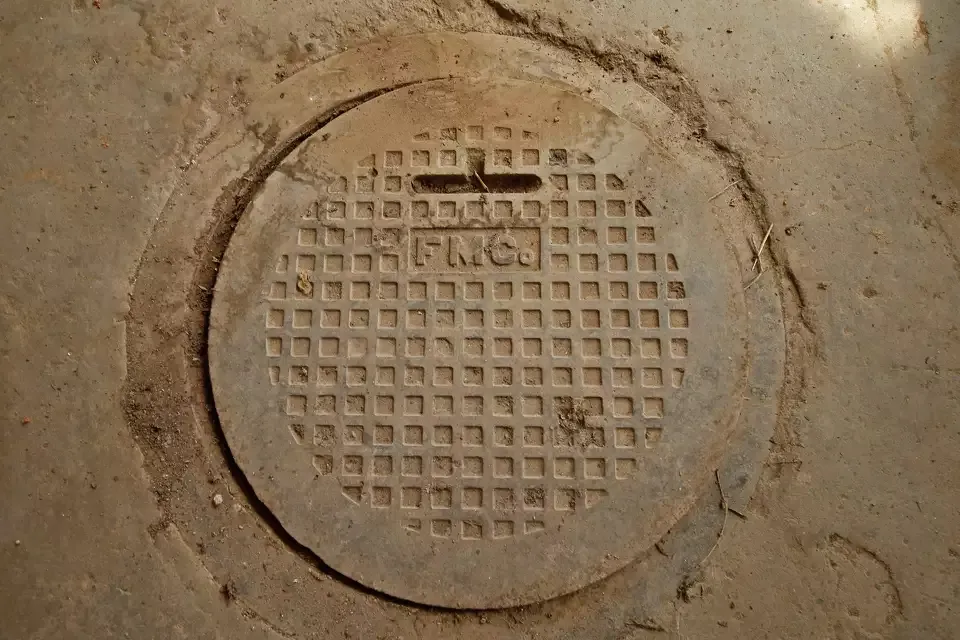
A surprising amount survived. The water tower, the sawmill and the generator building are still there, and the three-storey workshop still holds machinery and relics, including hospital beds, cafeteria items and an old X-ray machine. The second floor is used to process seeds, and oil from the seeds has rotted the boards in places so that parts have collapsed. The old power and steam works is now a garage for boat and car repairs.
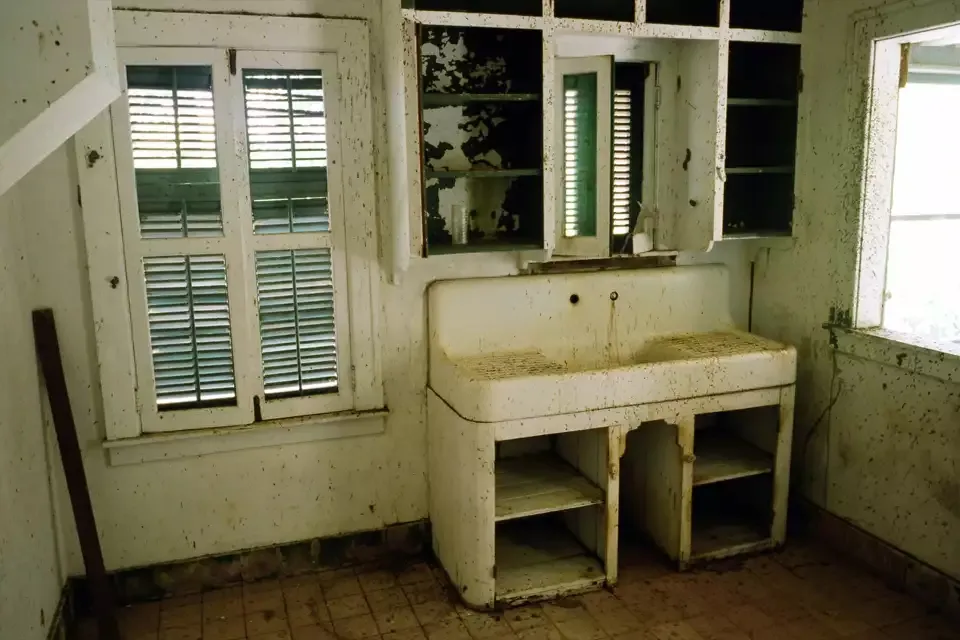
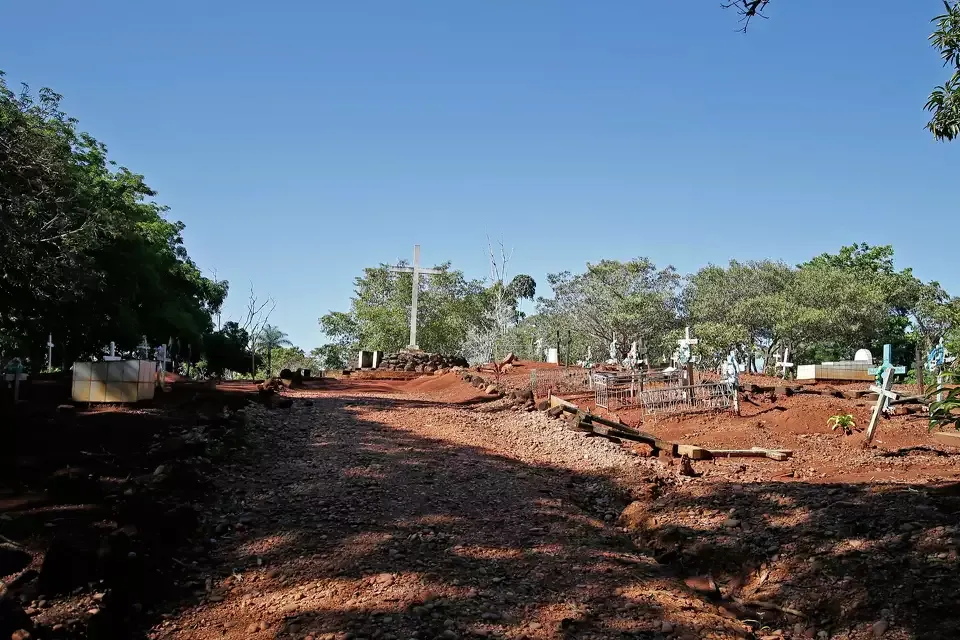
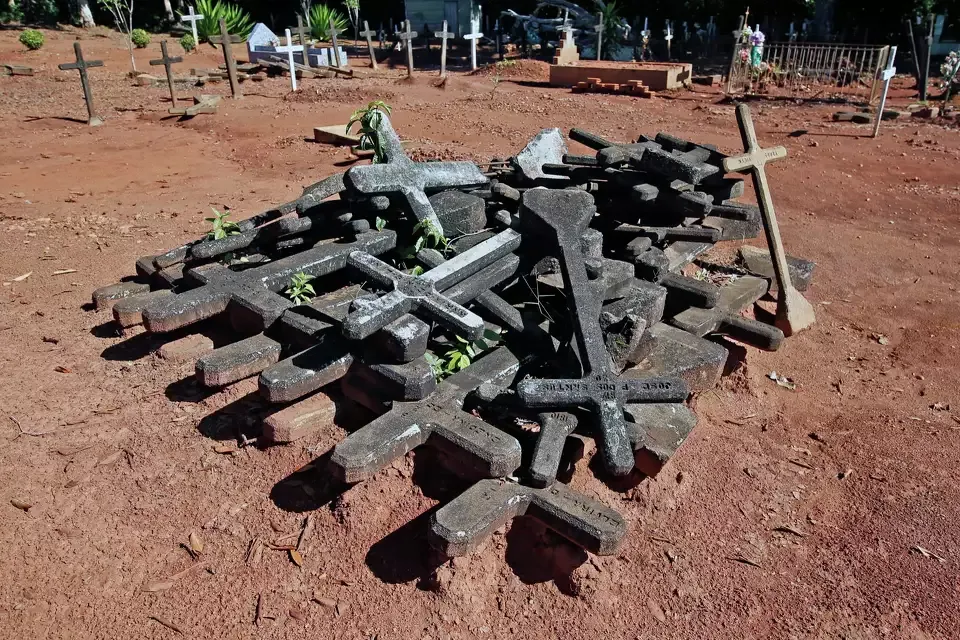
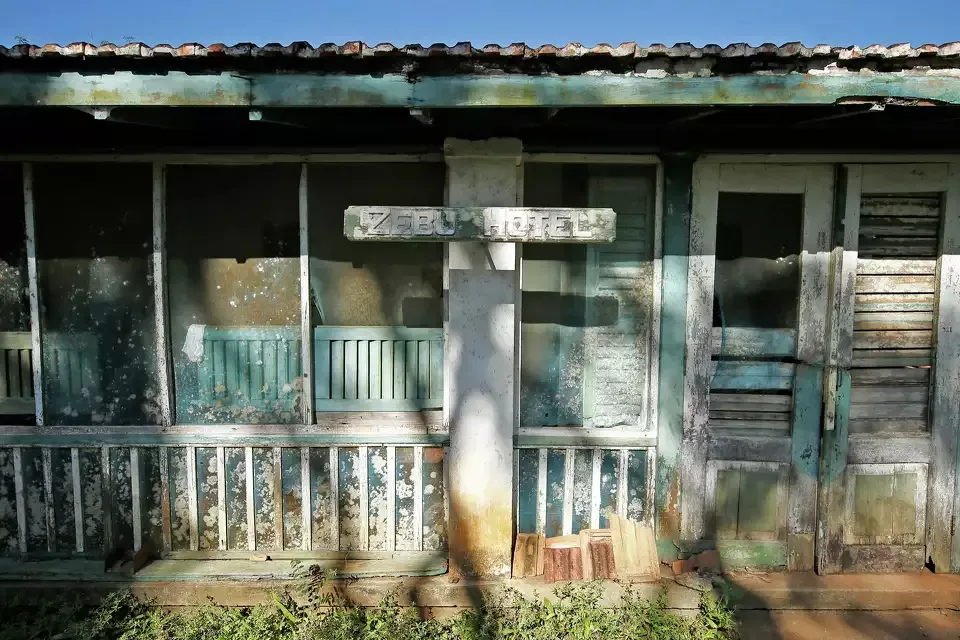
Some losses are recent. The hospital was stripped by looters in the late 2000s, and a scare about radioactive material left inside brought the authorities in to remove it. A fire in 2012 destroyed much of the remaining furniture, and thieves took metal equipment. A recent visitor reports that the cinema has been demolished, and the golf course has long since gone back to the forest. Light fittings and fire hydrants can still be found under the vines.
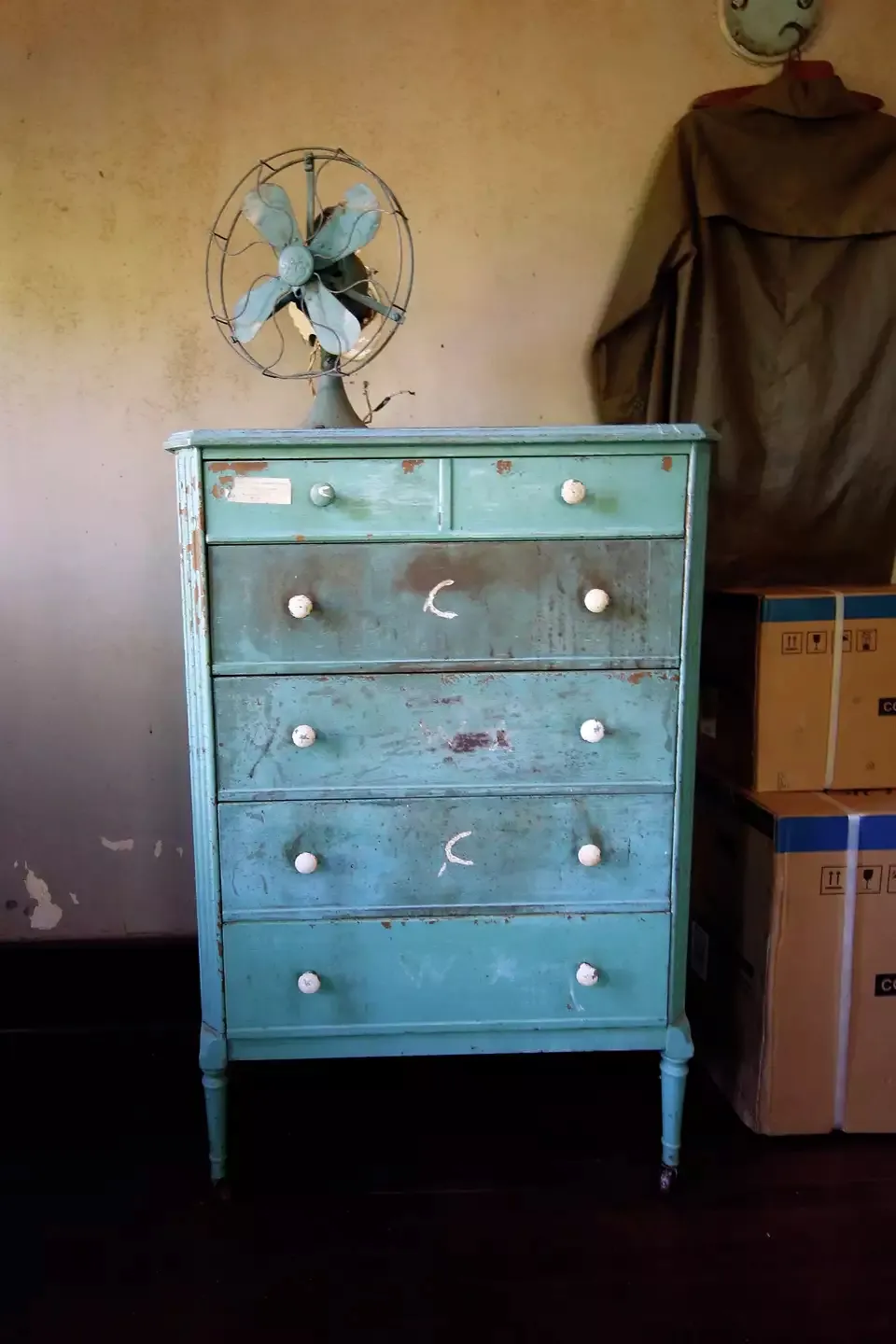
Many houses are in use. Some keep their original floorboards and furniture, a few are lived in by the descendants of the executives’ staff, and others are being rebuilt in masonry because the wood is hard to maintain. Water is still pumped from the river, but the old pipework is ageing and spare parts are hard to find.
Living in Fordlândia now
The population figures differ. Around 2,000 people is the usual number in reporting from 2020 and later, while a figure of about 3,000 for 2017 appears in an encyclopaedia entry. There are sources that say the town began to grow again in the 2000s.
Daily life is shaped by distance. Serious medical care means a boat trip to Santarém, which one report puts at six hours or more. The regional economy has turned to soybeans and cattle, which offer few local jobs. A young resident told a reporter that few visitors come and that the lack of opportunities makes her want to leave. A historic drought in 2023 caused hardship, and in November of that year smoke from fires lit for deforestation filled the air.
Some residents have a different view. Edilson de Araujo Branco, who was born in the Ford-era hospital, said that people were making the most of what the company left behind. A woman living in a former executive house with a vegetable plot and chickens called it a blessing. A retired man in his seventies sees himself as a guardian of the town’s history. The common thread is that the town is theirs.
The fight over heritage
Whether and how to protect Fordlândia has been argued over for decades. A request to list the complex as national heritage, known in Brazil as tombamento, has been before the federal heritage agency Iphan since 1990. A 2015 report said the process was nearly complete, and a 2022 report said no decision had been made. In May 2024 Iphan’s advisory council rejected federal listing.
The residents themselves are divided. Listing could bring recognition and tourism, but it could also mean restrictions on altering their homes, and it could attract day-trippers rather than guests. Many houses belong to the federal government, and the occupants have no formal title, so some fear eviction. Researchers note that a listing of a living urban site will probably never be unanimous.
The courts have now stepped in. According to the federal prosecutors’ office, a federal court in a case brought by the prosecutors ordered the federal government, Iphan, the state of Pará and the municipality of Aveiro to recover and conserve the historic complex, reported on 29 May 2026. The judge found that the duty to preserve does not depend on formal listing, citing the Brazilian constitution and evidence from expert reports, a public hearing and a judicial inspection in 2021.
The order sets deadlines. Within 90 days an updated survey of the buildings must be produced, covering the hospital, the industrial warehouses, the port warehouse, the American Village houses, the convent, the Henry Ford school, the cinema and the workers’ villages. Within 120 days the remaining properties must be registered as federal property, and within 180 days a recovery plan must be submitted, with costs, funding and emergency measures for the buildings most at risk. Daily fines of 10,000 reais for the federal government and Iphan and 5,000 reais for the state and the municipality apply if they fail. Residents and the public defender’s office are to take part, including on the question of regularising the houses.
The judgment also notes that the state and the municipality signed a preservation agreement in 2010 and then did little, and that the municipality carried out works without Iphan’s approval. Because the deadlines run from the ruling, the first of them has probably passed by now, so check the prosecutors’ or Iphan’s pages for the current position.
Reading it honestly
Fordlândia is easy to turn into a parable about arrogance, and parts of that are fair. Ford had no tropical agricultural knowledge, ignored what local people knew, and built a town that tried to change how workers ate, drank, danced and rested. One architect and historian describes the story as being about the limits of a certain rationalisation of the world.
It is also easy to repeat claims that are weaker than they look. The idea that Ford never had his company audited, or that he hired men straight from prison, appears in popular write-ups without a source. The loss figures, the date Fordlândia closed and the size of the original grant are all given differently in different places. And the neat story of an abandoned ghost town ignores the people who live there.
What is clear is the pattern. A powerful company decided on a plan far away, treated the place as an empty space to be organised, and learned too late that the place already had its own rules. The trees knew better than the managers, and so did the workers.
Visiting
Fordlândia is reached from Santarém, a city on the Amazon at the mouth of the Tapajós. Travel times in the sources vary a great deal. A boat trip up the river is described as taking about a day and a half in one account, and about four hours in another, which probably reflects different boats and different seasons. A road route has also been described: south from Santarém along the BR-163 for about 220 kilometres, west along the Trans-Amazonian Highway for about 70 kilometres, and then north on a dirt road for about 45 kilometres, taking six to seven hours in one traveller’s experience.
The village is lived in, so there is no ticket office. One traveller was asked to check in at the gate of the municipal depot, where the workshop and water tower stand, and was given permission to look around the next morning. The upper floors of the big workshop were judged unsafe. Residents are used to journalists, historians and curious travellers. One source mentions a local hotel run by a woman who has lived in the town since 2009.
Visitors should treat it as a place where people live. Ask before photographing homes and keep out of buildings that show signs of collapse. Ask a Santarém operator what is possible before you plan.
Conclusion
Fordlândia was supposed to prove that a company could build a better town in the Amazon than the Amazon had built for itself. It lasted less than twenty years as a corporate project, never delivered the rubber it was built for, and is better remembered for the Breaking Pans riot than for anything it produced.
What survives is stranger and more human than the story of the failure. A Michigan-style water tower stands above a Brazilian river port, descendants of the workers live in the managers’ houses, and a court has told four public bodies to look after a place that has been left to look after itself. The sources disagree on many figures, from the size of the grant to the sale price, but they agree on the shape of the story. It is a reminder that the traces of a failed plan can outlast the plan, and that the people who stay behind get to decide what the place means.
Did you know?
- Henry Ford never visited Fordlândia.
- The concession was dated 21 July 1927, and the first expedition left for the Amazon in August 1928.
- Ford's company was to pay 9 per cent of profits, with 7 per cent going to the Brazilian government and 2 per cent to local municipalities.
- Wild rubber trees grow scattered in the forest, but Fordlândia planted them in dense rows, which helped blight and pests spread.
- The town's 50 m water tower was reportedly built in Michigan and shipped to the Amazon.
- Workers smuggled alcohol into town, and one source says some of it was hidden in watermelons.
- The December 1930 riot is known in Brazil as the Quebra-Panelas, or Breaking Pans.
- Weir obtained 2,046 buds from high-yielding Far Eastern trees for the second plantation at Belterra.
- In 1942 the plantations produced 750 tons of latex, against the 38,000 tons Ford needed each year.
- Ford sold Fordlândia and Belterra to the Brazilian government in December 1945 for about 250,000 dollars.
- The 1944 Disney film The Amazon Awakens called Fordlândia a model community in the wilderness.
- The old Ford power and steam works is now a boat and car repair garage.
- A request to list the town as national heritage has been before Iphan since 1990.