A fairground in the forest
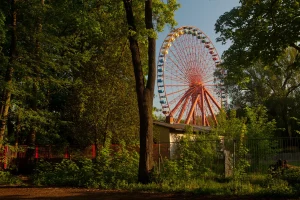
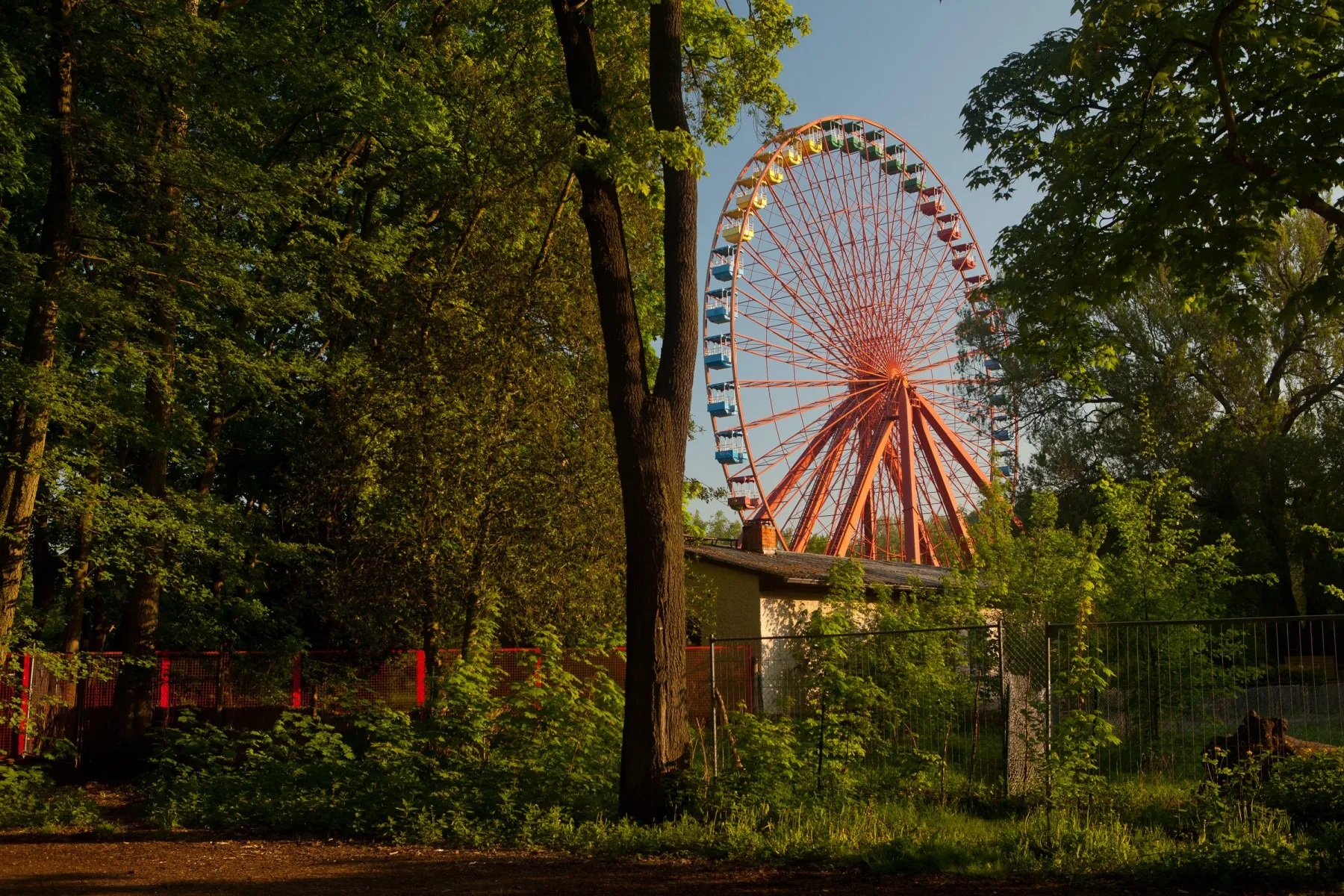
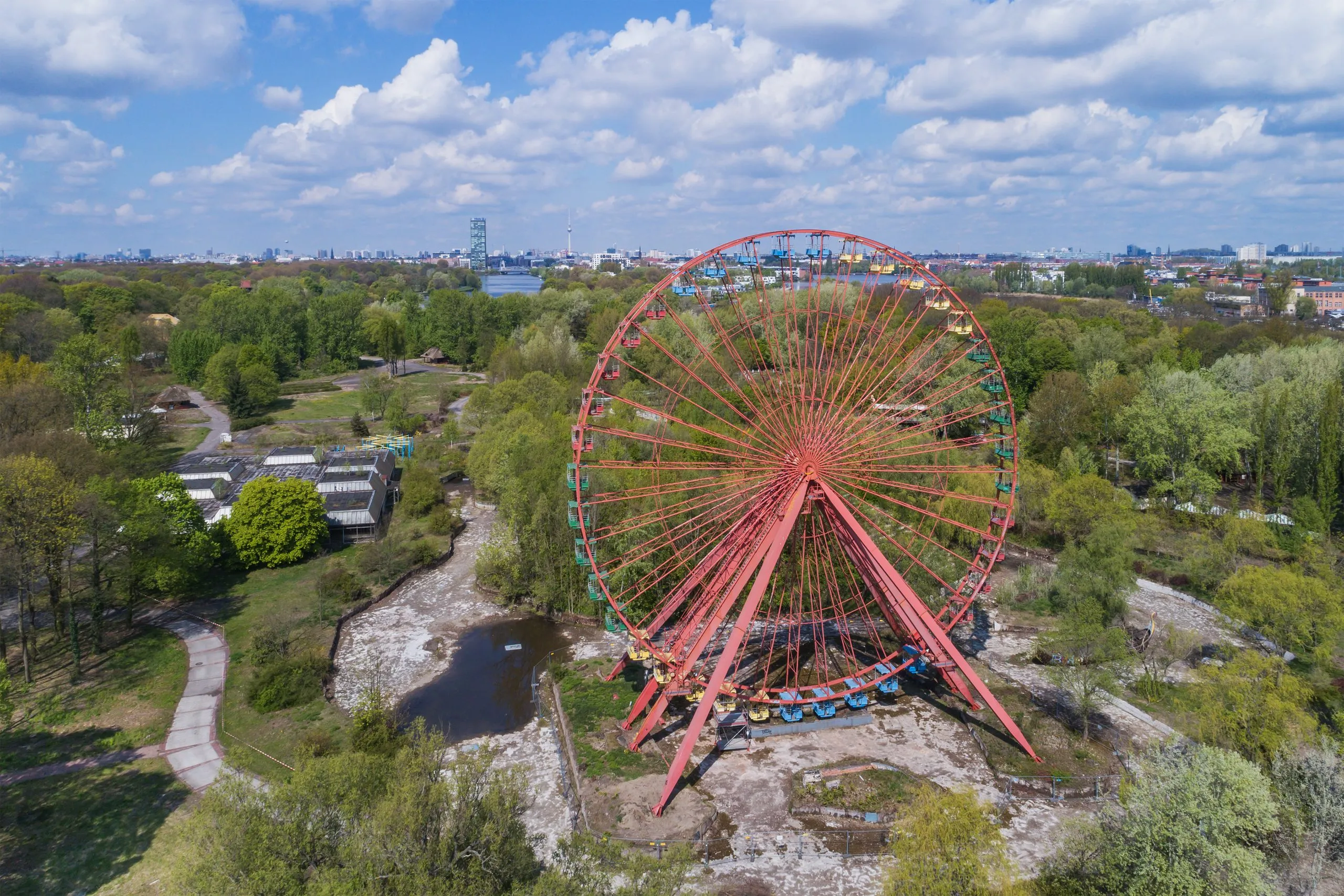
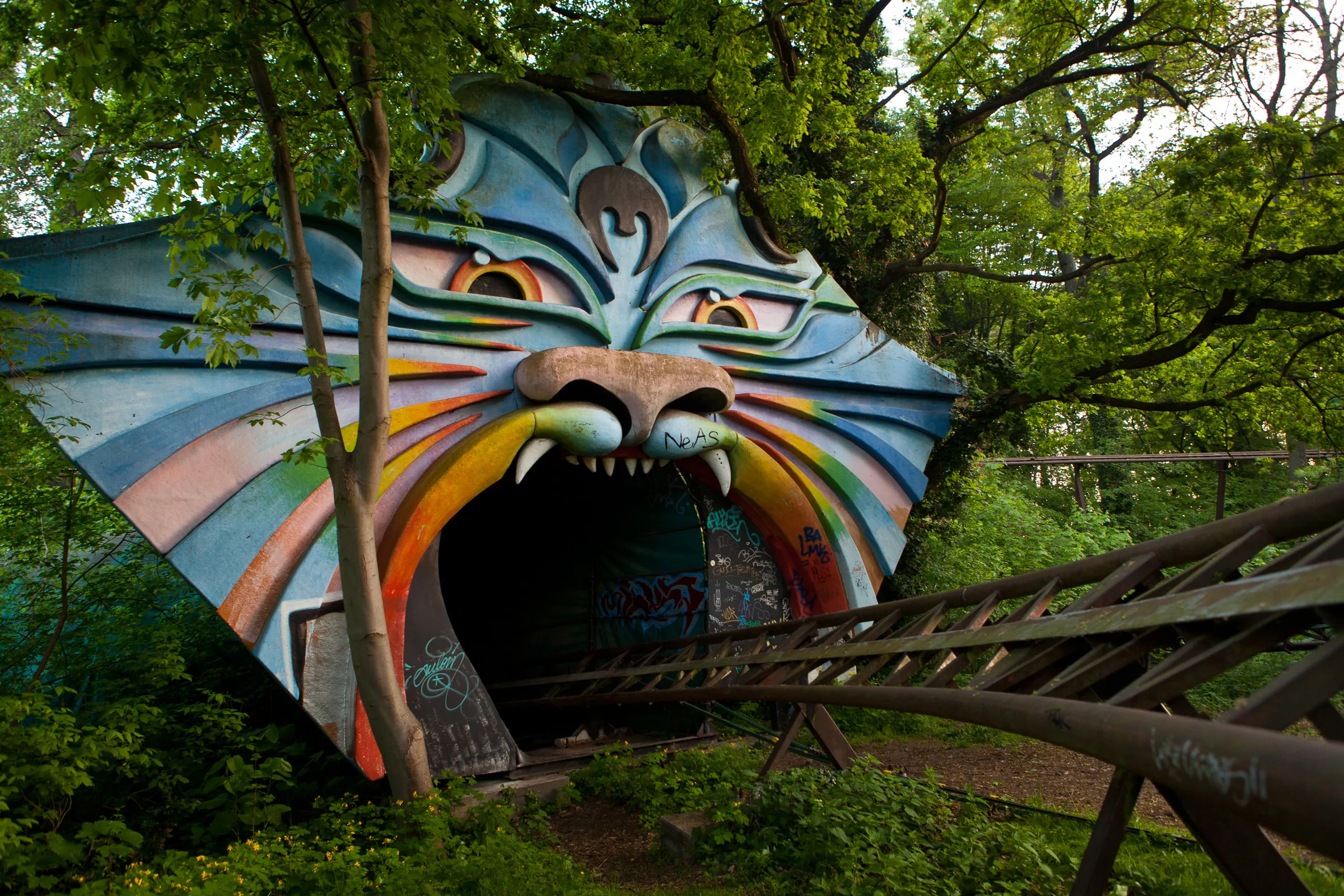
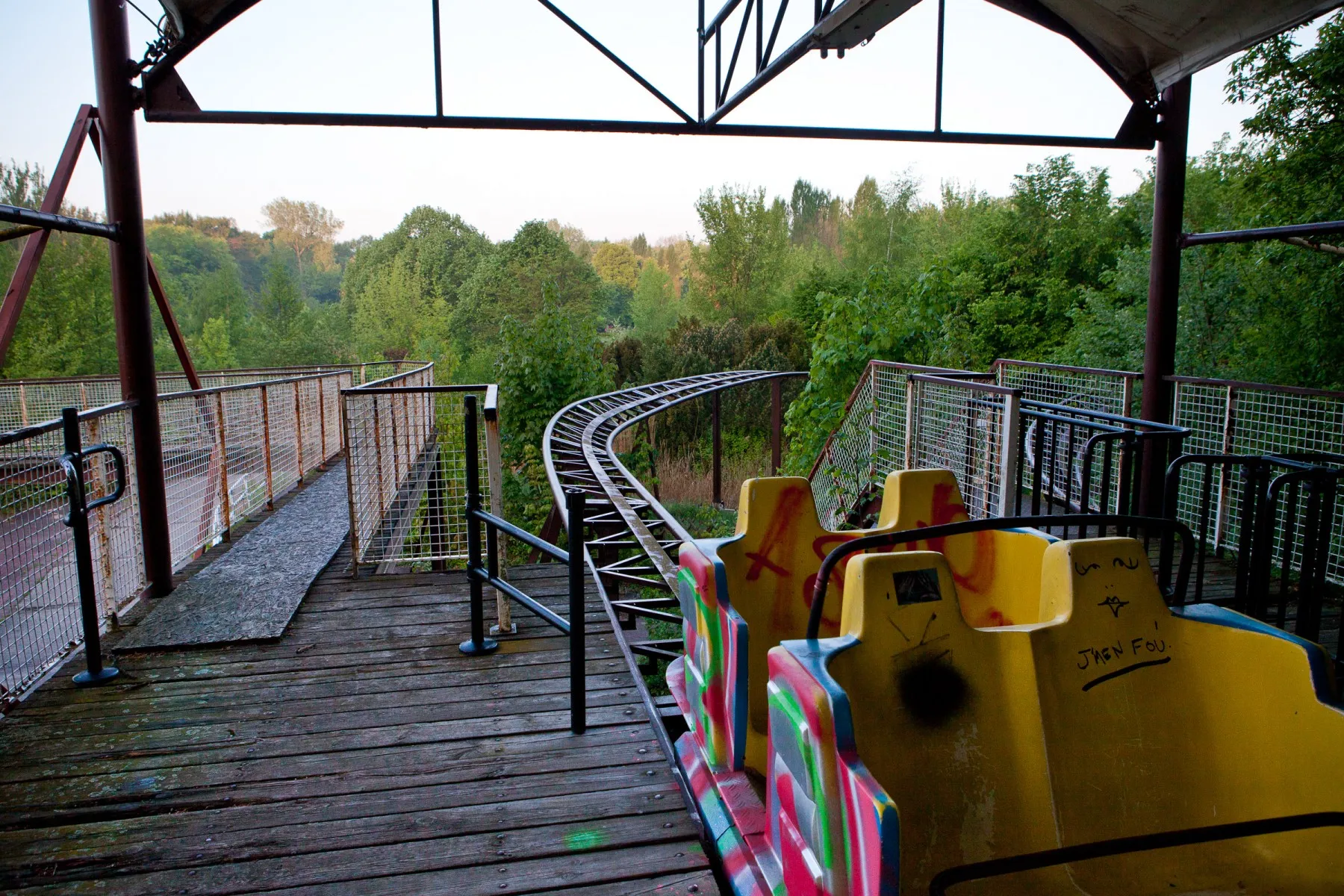
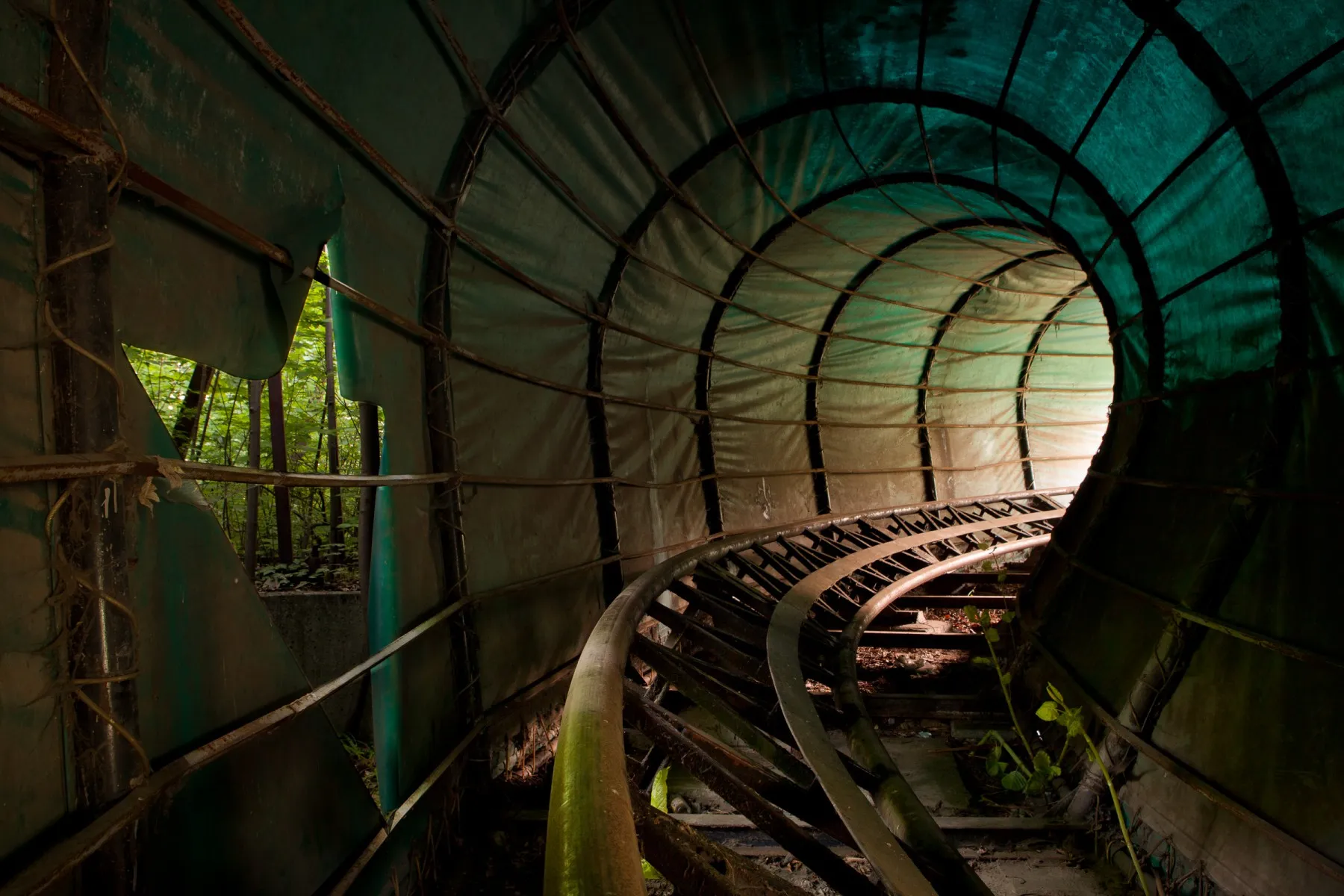
In the Plänterwald, a forest on the south-eastern edge of Berlin, there is a fairground that has been silent for more than twenty years. For a while the rides were still there: a Ferris wheel standing above the trees, a roller coaster rusting on its track, plastic dinosaurs half hidden in the undergrowth. It gained a cult following among urban explorers.
Spreepark, as it was called after reunification, is a rare example of a place that was abandoned and is now being given a second life. It has had three lives already: as a state-run culture park in East Germany, as a private theme park in the 1990s, and as a ruin. This article follows each of them, and the story of the family whose name became attached to its downfall.
Kulturpark Plänterwald, 1969
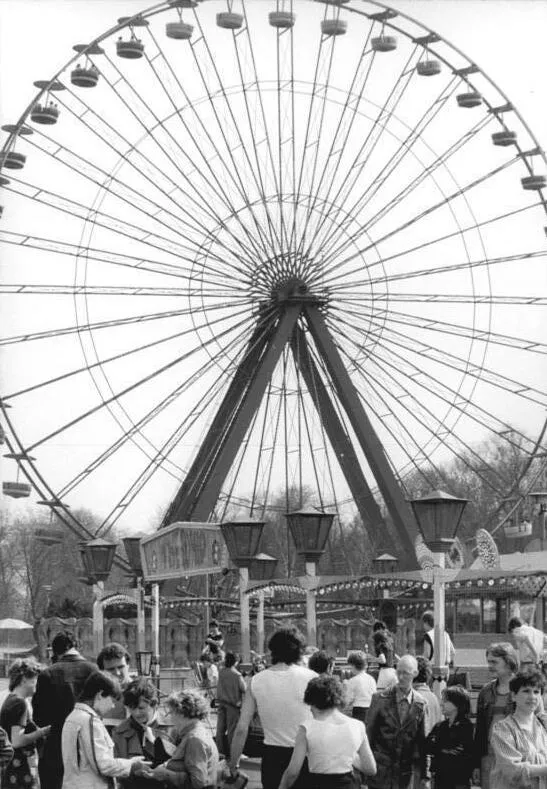
The park opened on 4 October 1969, just before the German Democratic Republic’s 20th birthday, as VEB Kulturpark Plänterwald. Berliners called it Kulti. It was East Germany’s only permanent amusement park, and one source goes further and says it was the only permanent amusement park in either East or West Berlin, though that claim is not firmly sourced.
It covered 29.5 hectares on the north side of the Plänterwald, next to the Spree. Some sources give a smaller figure of about 25 hectares. At its peak it drew 1.7 million visitors a year. Its landmark was a Ferris wheel. The original wheel was 40 metres high with 36 cabins, which could carry 216 people. In 1989, to mark the GDR’s 40th anniversary, a new wheel was built, 5 metres taller at 45 metres, with 40 gondolas. The Berlin Wall fell little more than a month after the new wheel began to turn.
The park also had a restaurant called the Fresswürfel.
Privatisation in 1991
After reunification the park was in the hands of Berlin’s city authorities, who put it up for privatisation in 1991. Seven applicants competed for the contract. The winner was Spreepark Berlin GmbH, a company linked to Norbert Witte, a showman from a family of travelling fairground operators in Hamburg. One account says the lease was held in the name of his wife, Pia, and that the details were finalised about six years later.
The Wittes renamed the park Spreepark and reopened it in 1992. They planned a major investment. One source says 40 million Deutschmarks had been spent by 1997, half of it borrowed, and that they expected 1.8 million visitors a year.
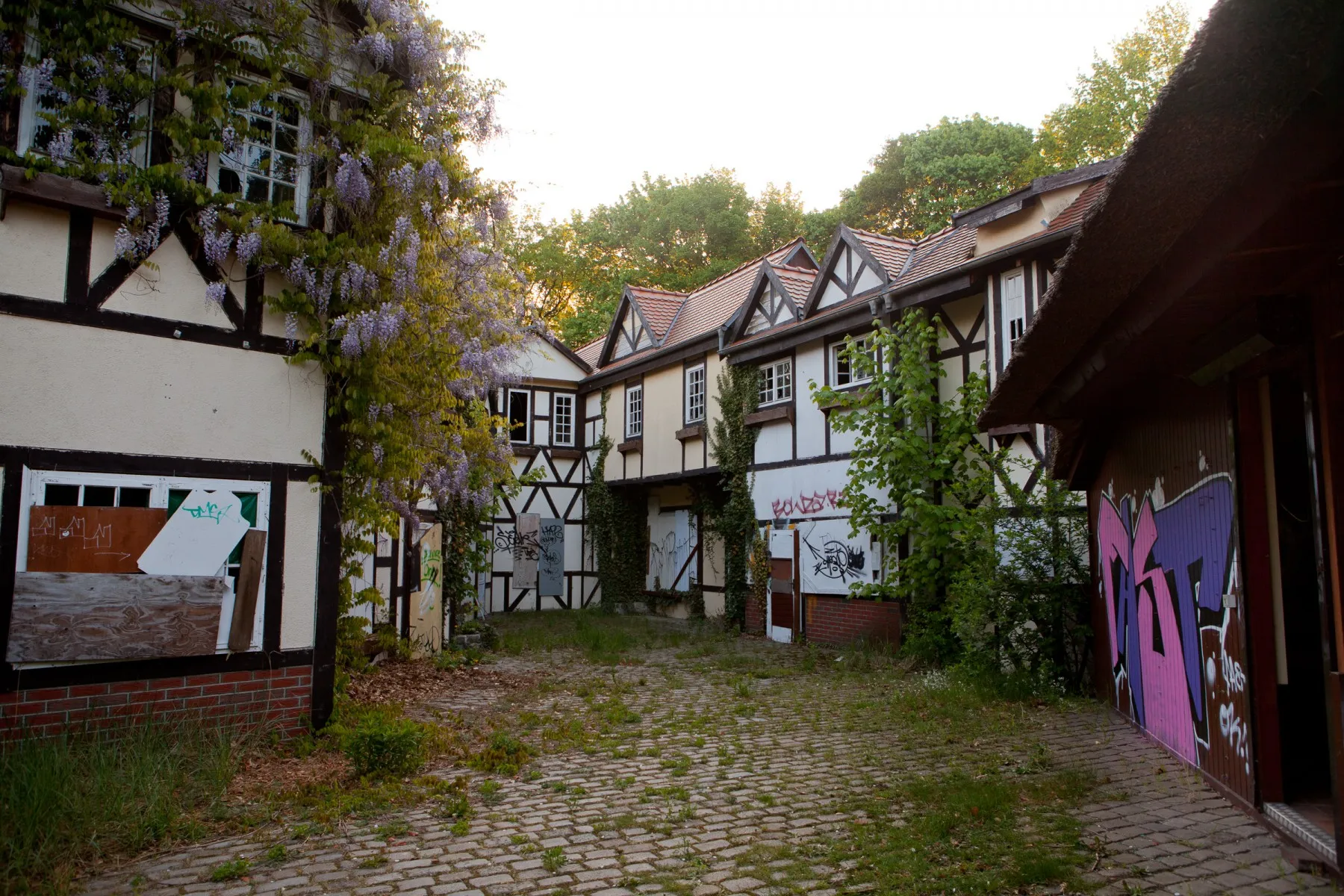
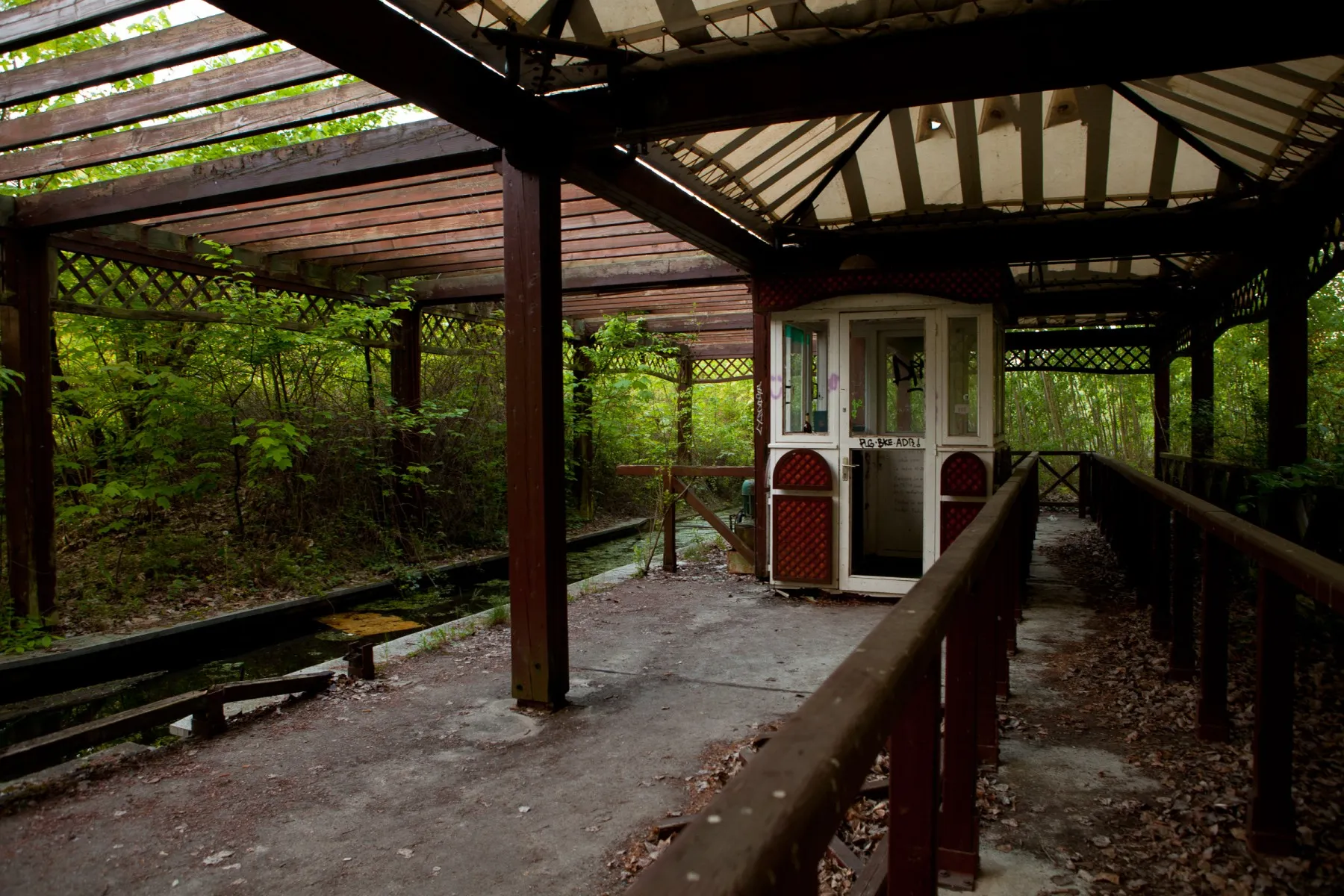
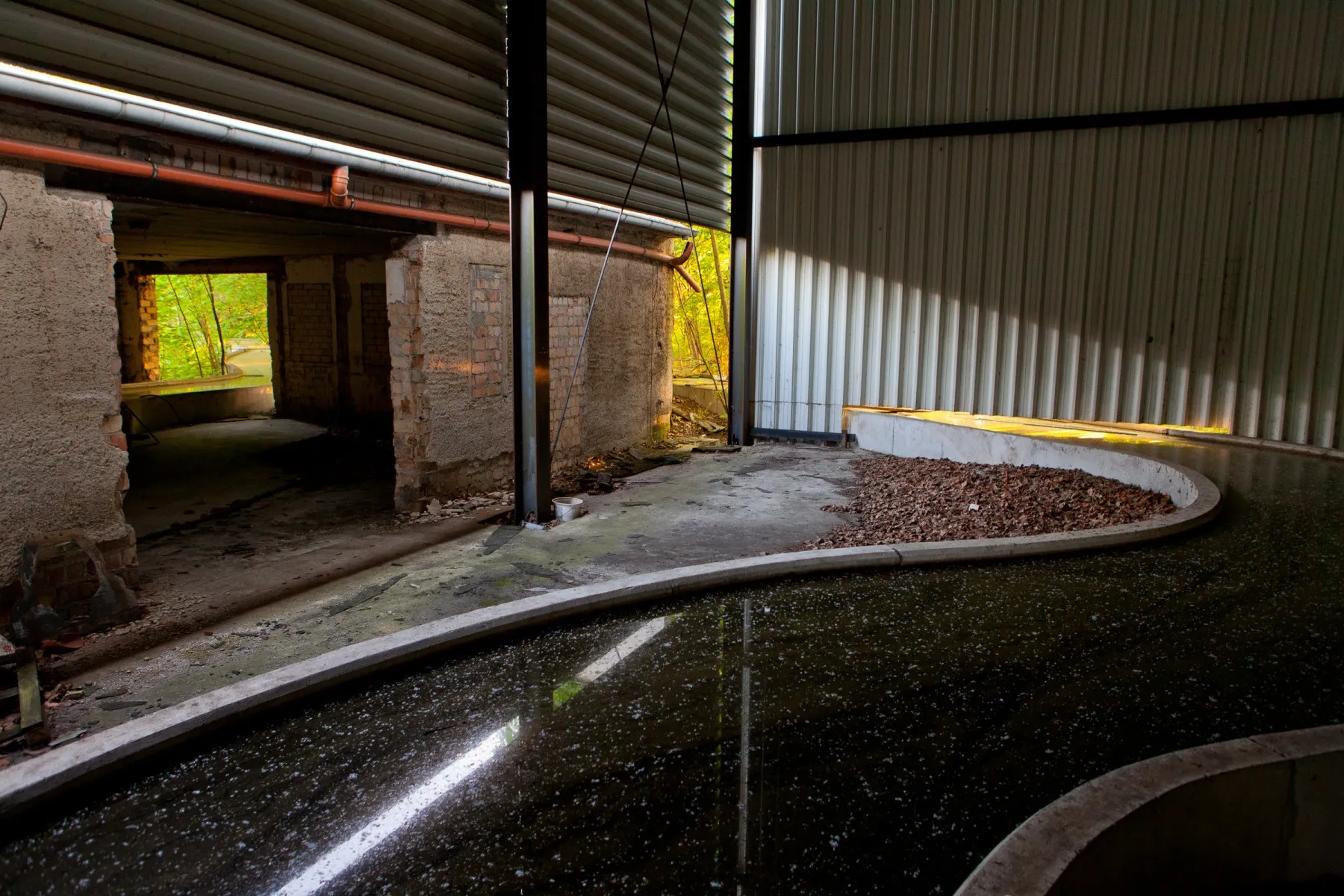
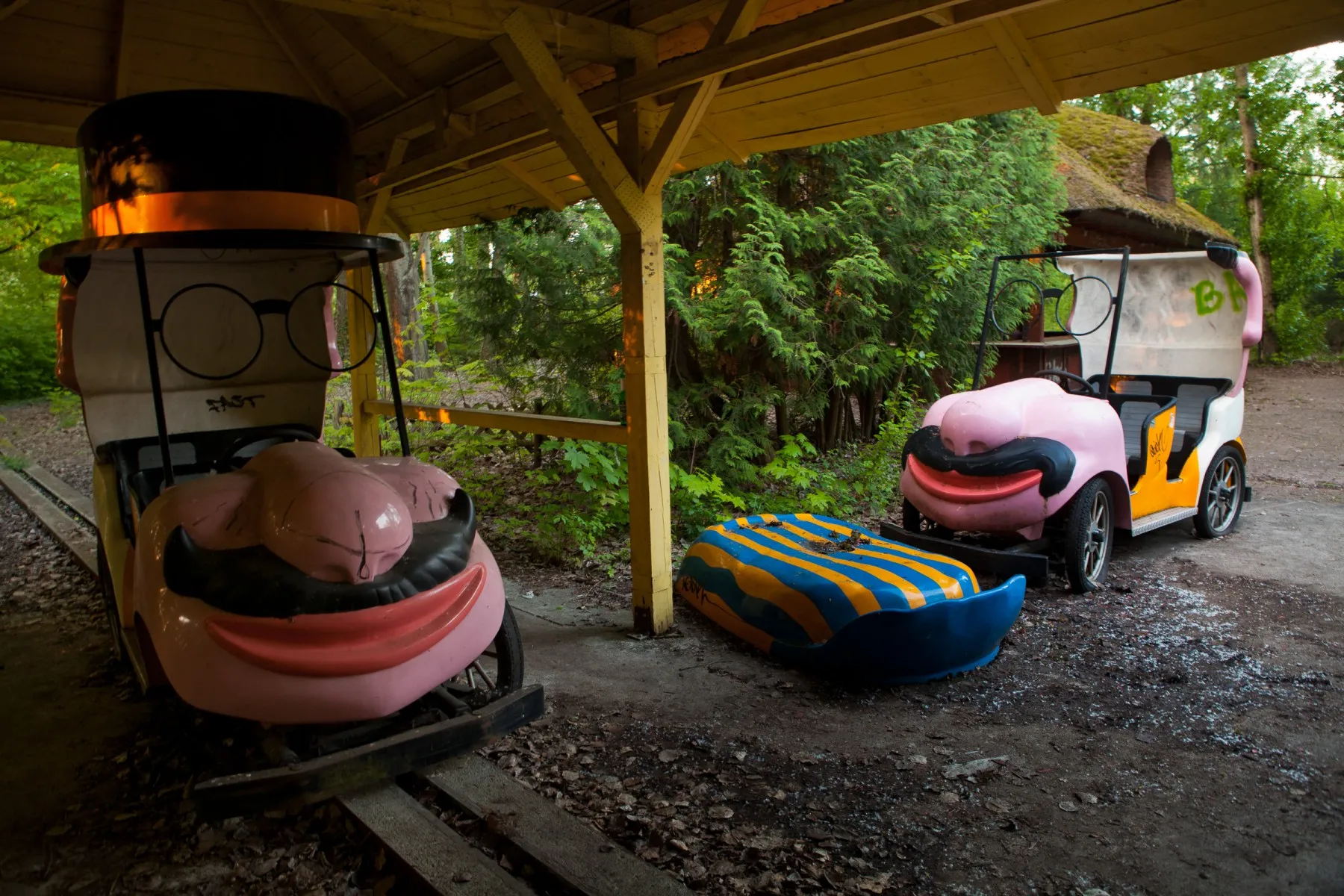
The park changed a lot. The asphalt around the Ferris wheel was replaced by grass and a water landscape. Rides were bought from the bankrupt Mirapolis park near Paris, including the Spreeblitz roller coaster, which was bought in 1992 and reached speeds of about 45 kilometres per hour, and the Chapeau Claque hat railway. Other additions included a Grand Canyon white-water ride, opened in 1995, where riders dropped from a 14-metre hill, swan boats on the canals, which opened in 1994, and Monte Carlo Drive, with petrol-powered replicas of American dream cars. A Wild West town and an English village were built. Life-size dinosaur figures from the Mirapolis estate were part of what one writer calls the park’s hodgepodge of attractions.
The company also switched to a flat entry fee, which covered all the rides: 29 Deutschmarks for adults and 27 for children.
Decline and closure
Visitor numbers peaked at about 1.5 million in 1993, according to one account, and then declined. Debts started to grow from 1999, and the admission fee went up to 30 Deutschmarks. Sources point to several causes: a shortage of parking, rising prices, disputes with the authorities, and the fact that the city had designated the area a nature reserve, which blocked the building of more parking. By 2001 the number of visitors was about 400,000.
The dates of the end differ between sources. One gives 4 November 2001 as the day the park closed. Spreepark GmbH announced its insolvency in 2001, the Senate decided to close the park in January 2002, and the formal insolvency was declared in August 2002. The park has been closed to the public since 2002. The debts are reported as 11 million euros in two sources and about 15 million in another.
Peru and the cocaine case
On 18 January 2002, Norbert Witte and his family moved to Lima, Peru. They took six rides with them in 20 containers: the Fliegender Teppich (Flying Carpet), Butterfly, Spider, Baby-Flug, Wild River and Jet Star. The stated aim was to open a new park there, called Luna Park. That project also failed.
Cocaine was found hidden in the masts of the Flying Carpet. The sources agree on the broad outline but disagree on most of the details. The weight is given as 167, 180 or 181 kilograms, and one source values it at about 14 million pounds and another at about 15 million euros. One source says the drugs were meant for Germany, and another says they were headed to Norway. Norbert Witte was sentenced, in 2003 or 2004, to seven or eight years, according to two sources, or 4.5 years in total in another, and one source says he was released after four years. His son Marcel was sentenced in Peru, in October 2006, and the sentence is given as 20 years in some sources and 13 years in others. One account says Marcel was moved from Lima’s Sarita Colonia prison to Moabit in Berlin in 2016.
One source says police and Berliners were unaware of the smuggling while the park was still running, and that the closure was partly due to Witte’s criminal activities and partly to weak visitor numbers.
The derelict years
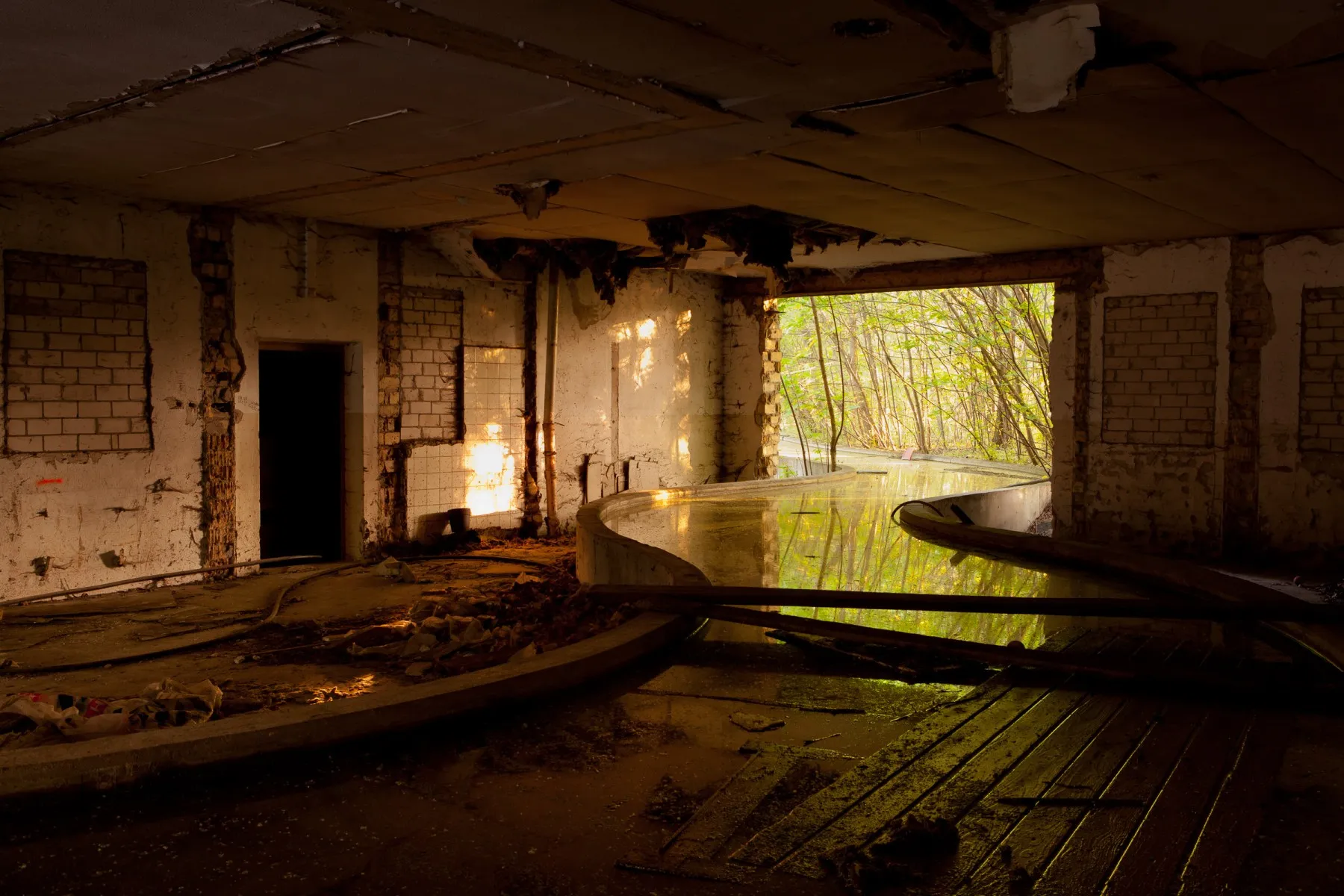
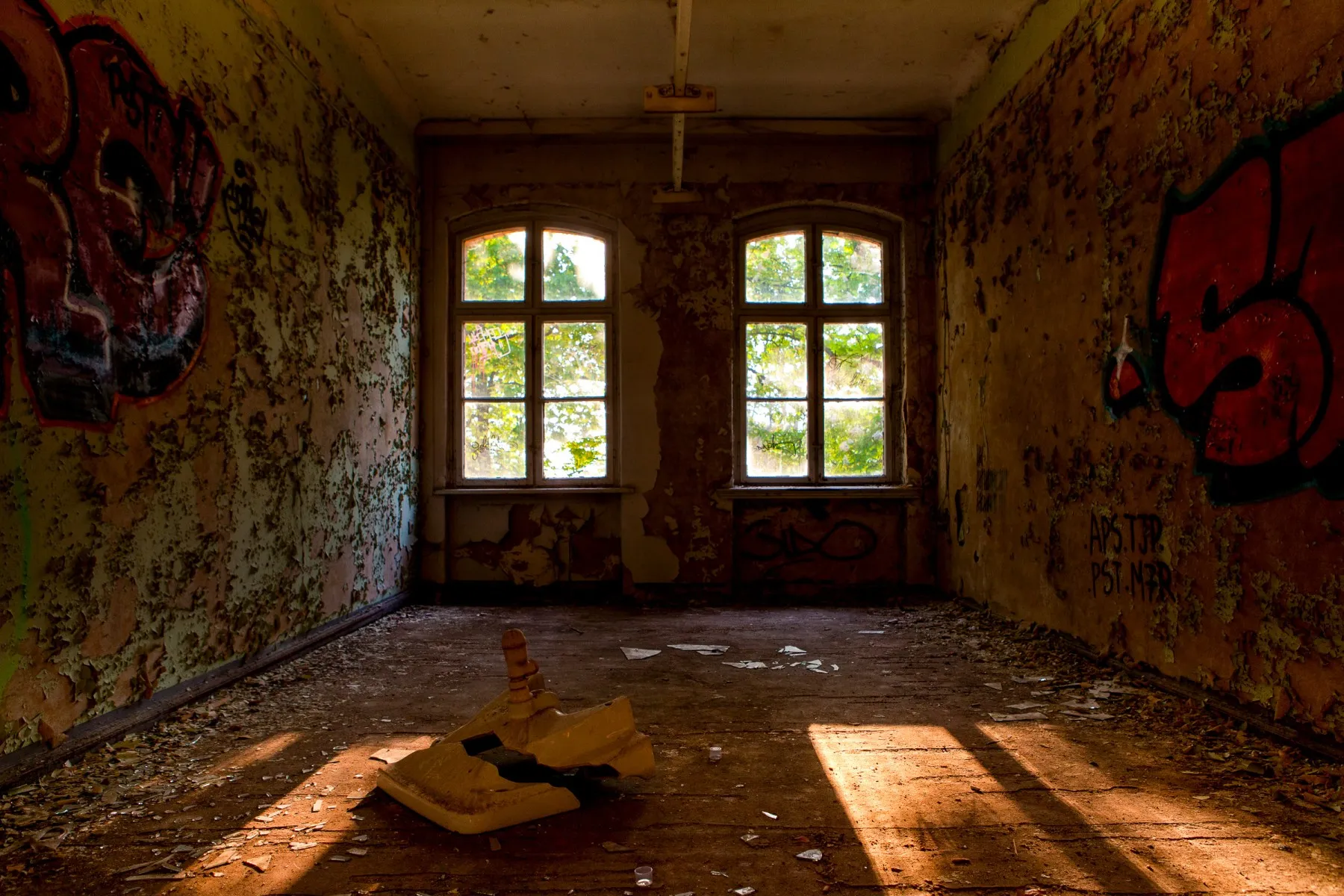
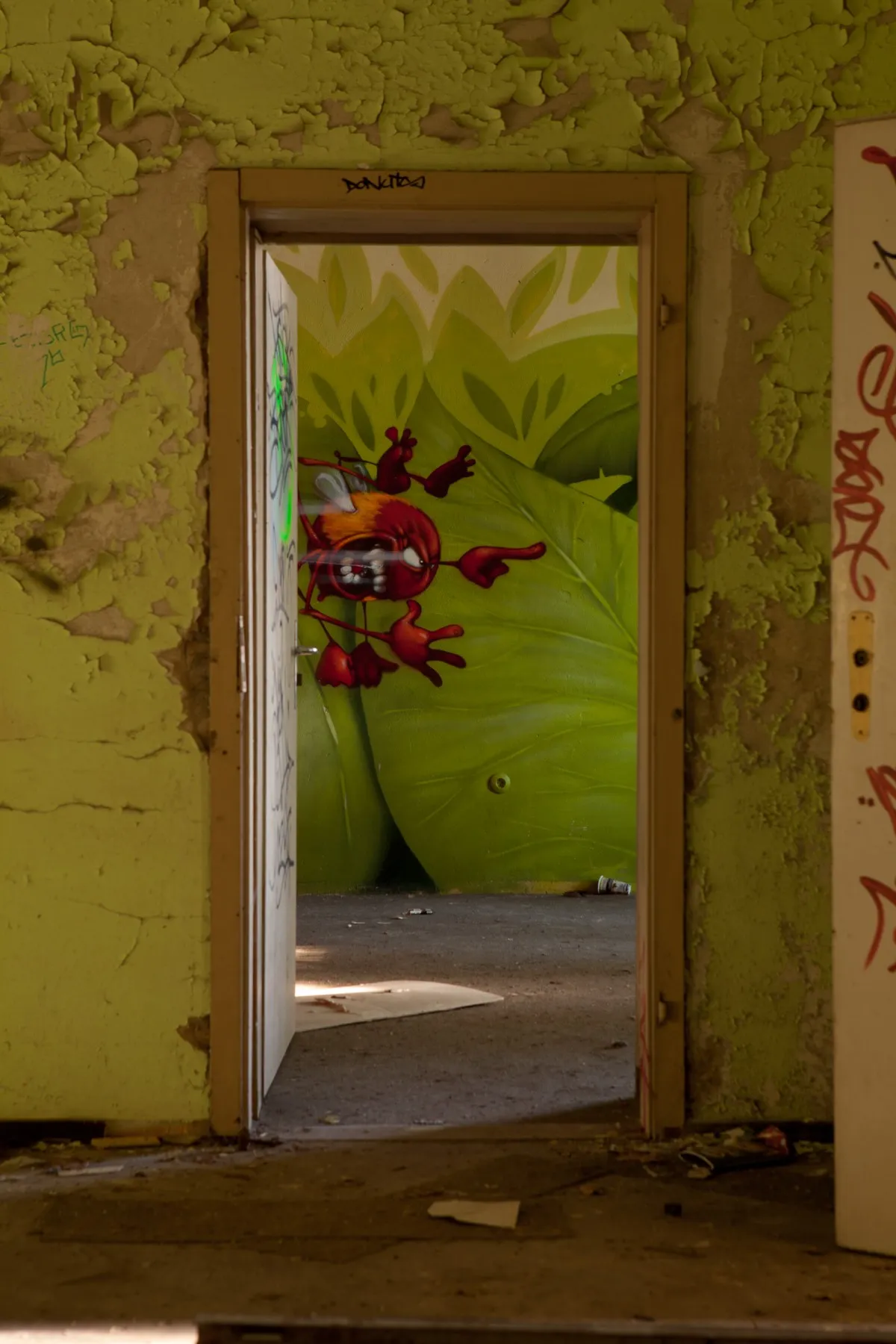
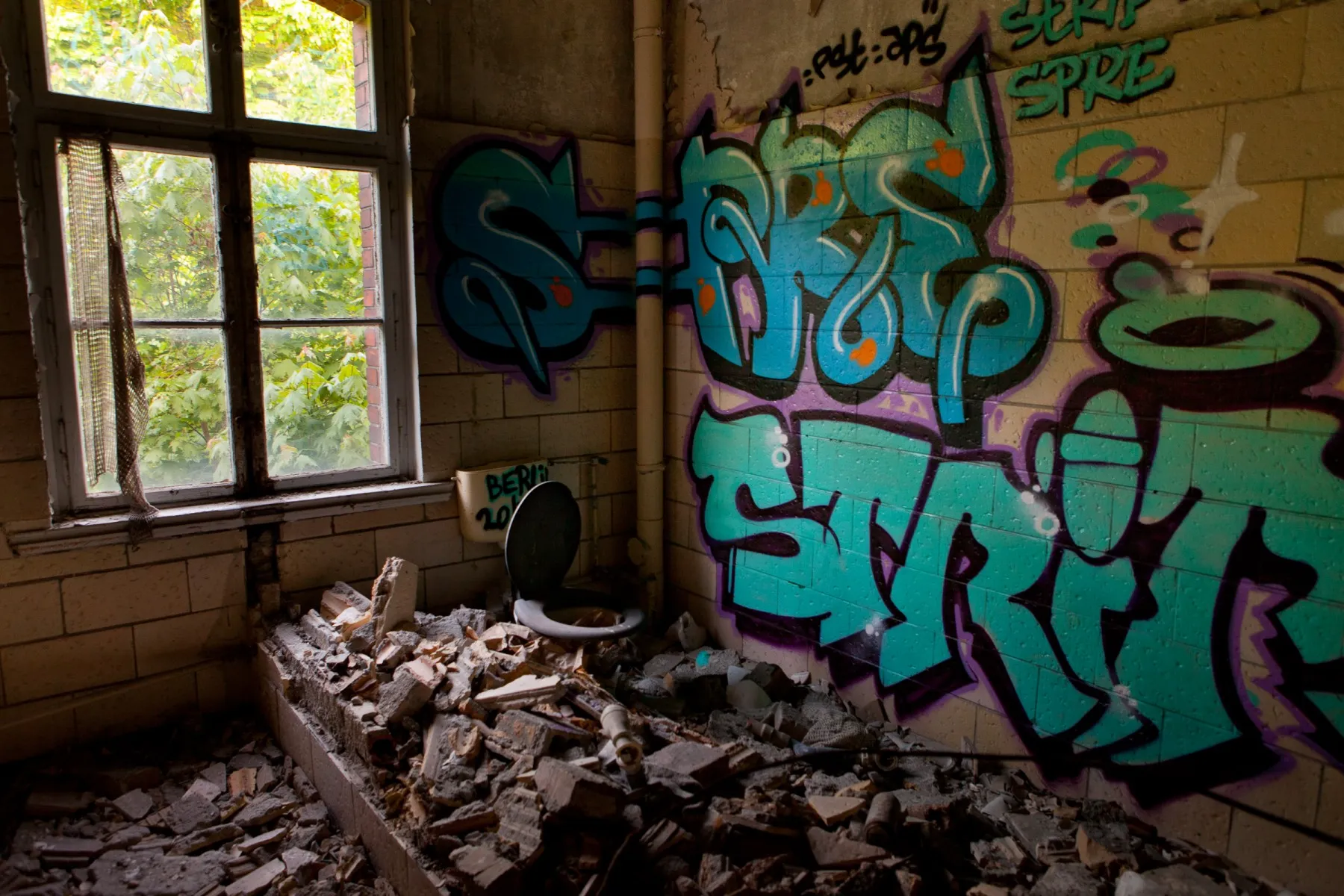
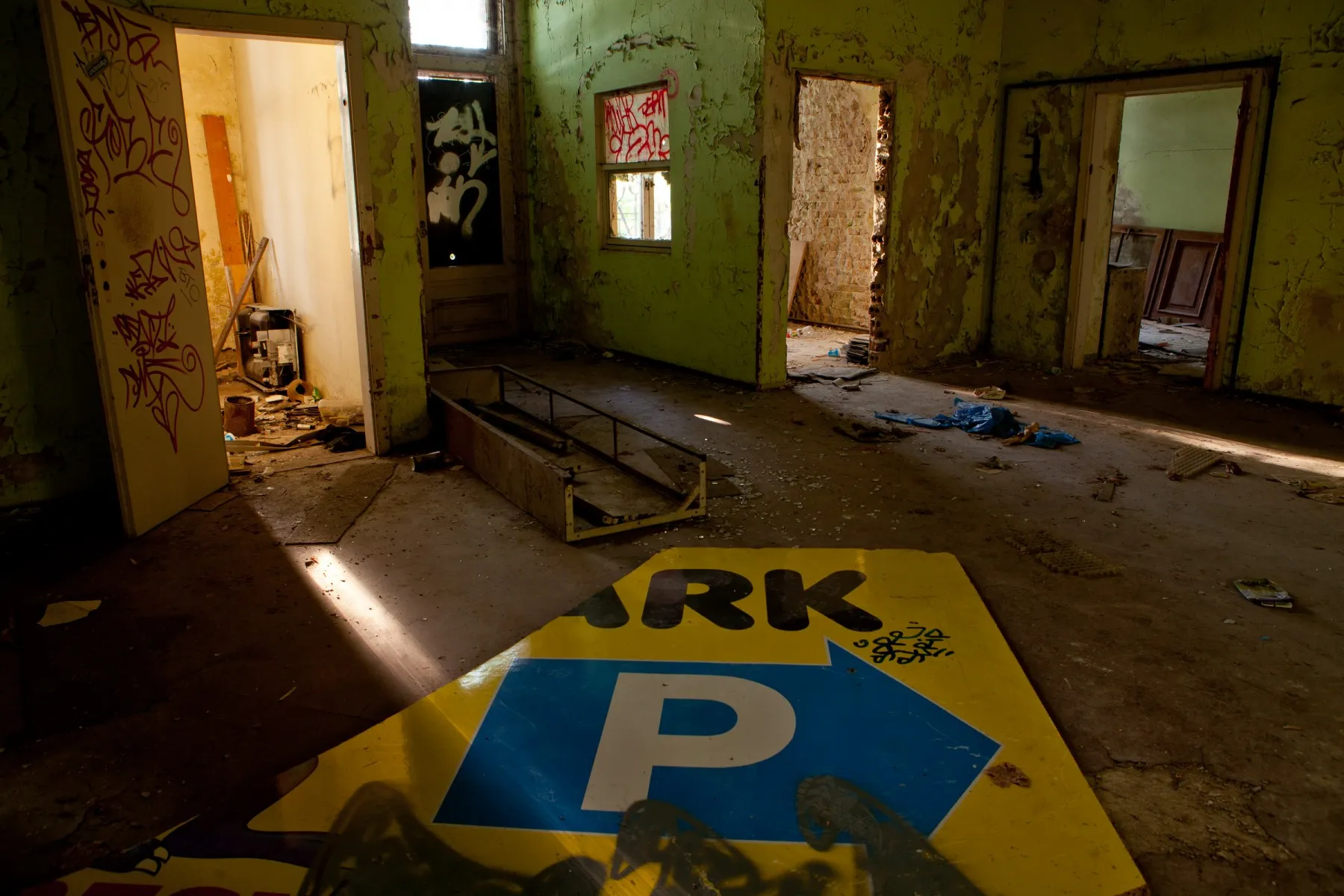
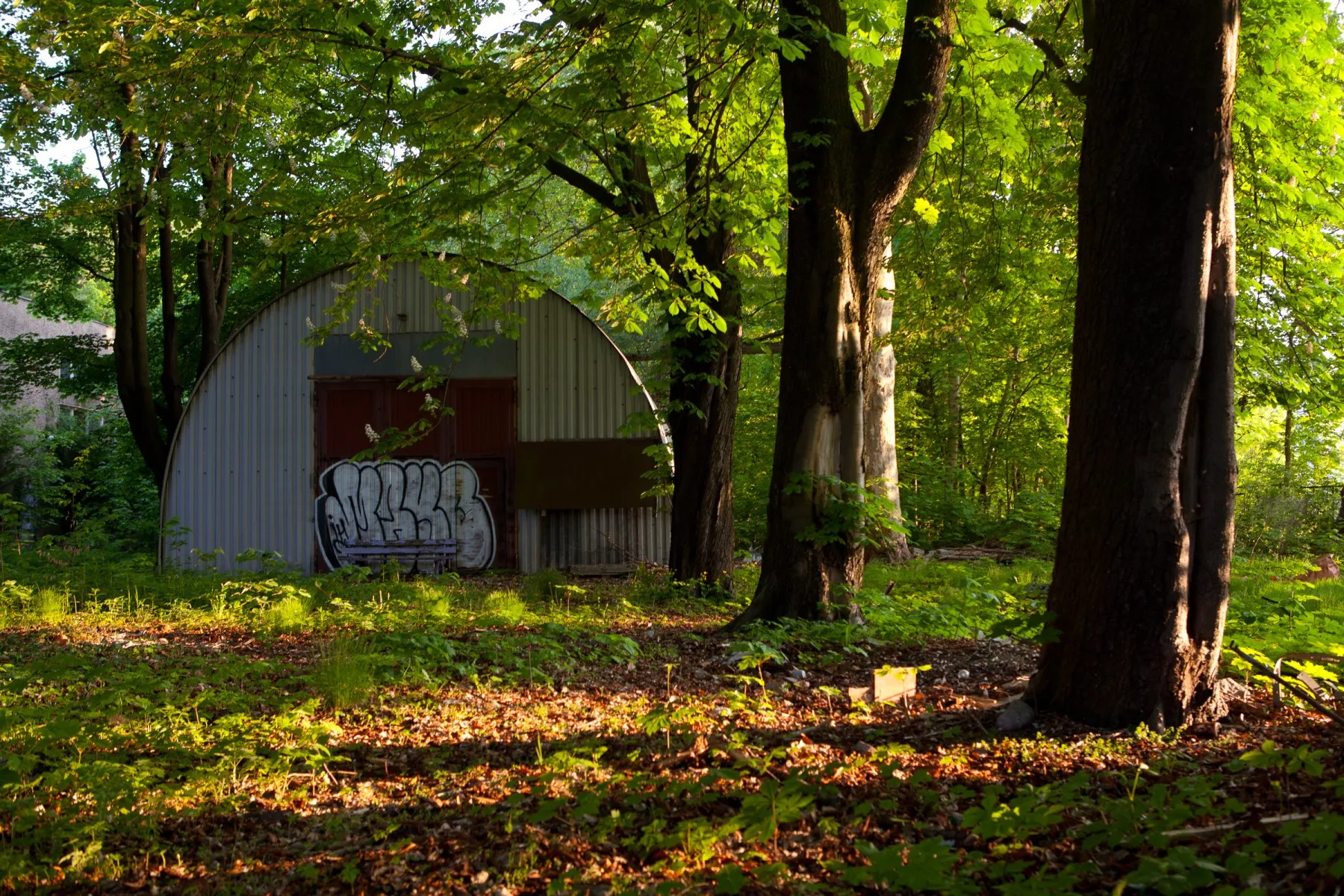
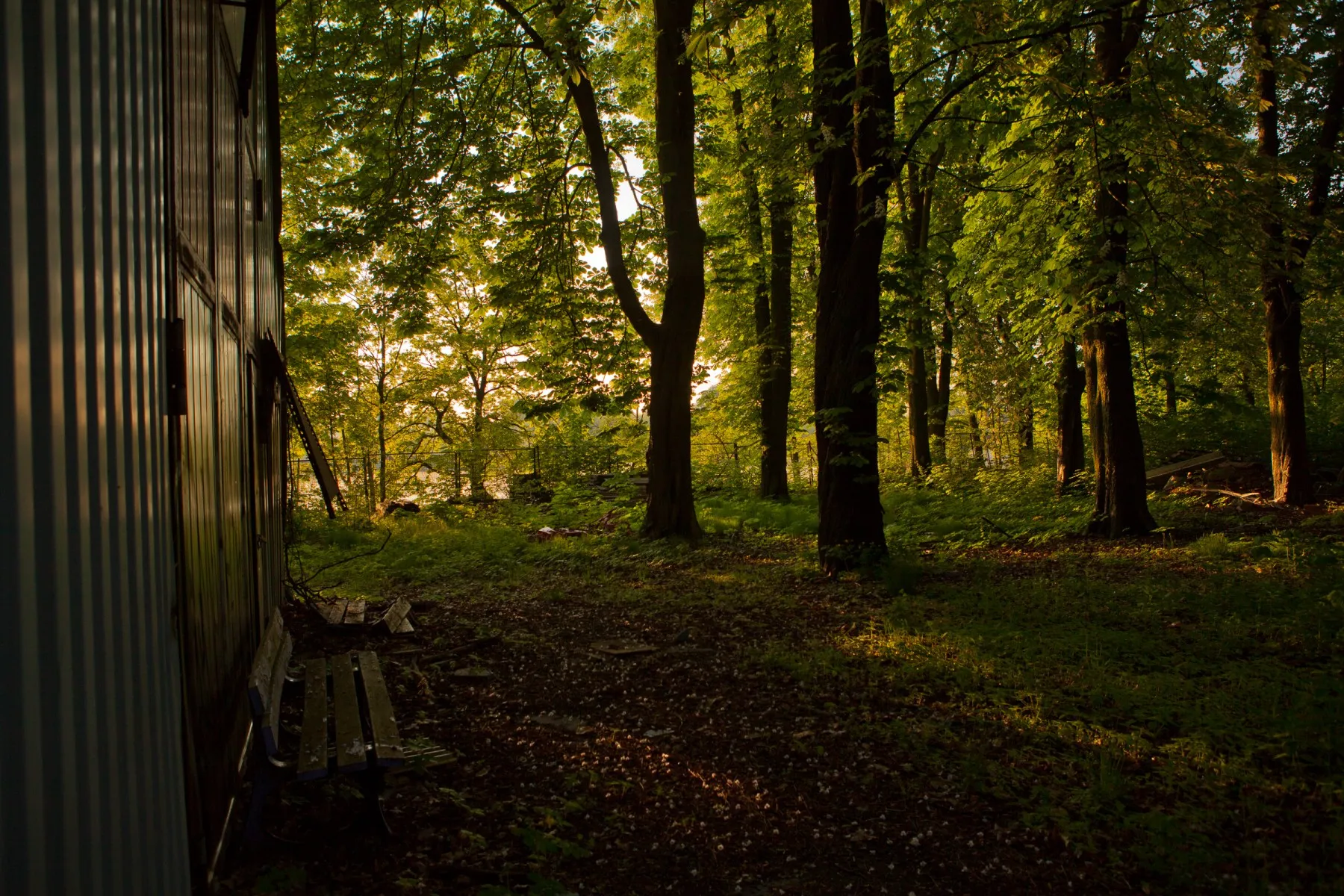
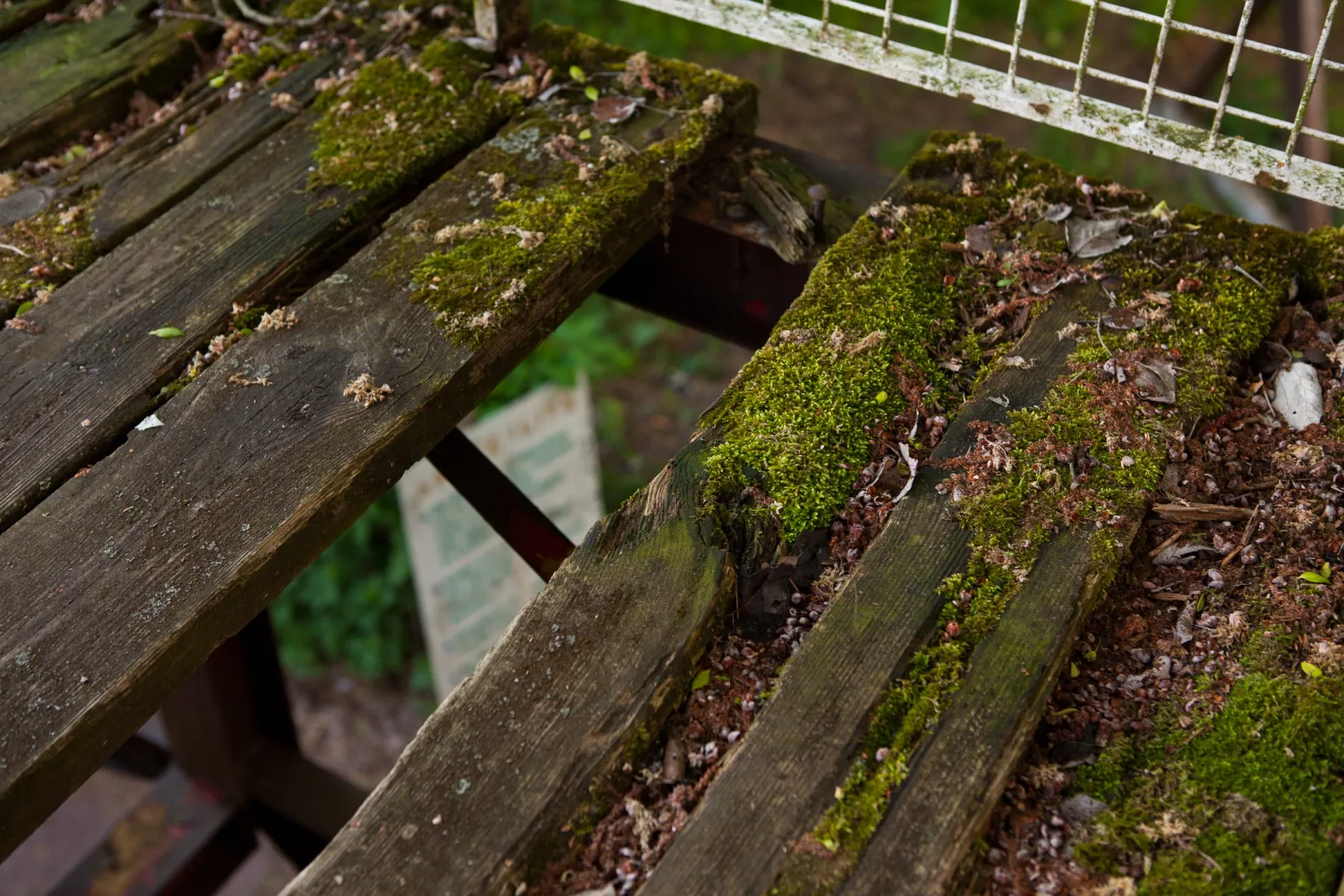
After 2002, the park was left to decay. Rides rusted, buildings were boarded up, and plants took over. Keeping the site secured and maintained reportedly cost about 1 million euros a year. Between 2002 and 2015, several companies tried to buy it.
From 2009 to 2014, guided tours were run, mostly at weekends. One writer who went in October 2013 describes a two-hour tour with about 50 visitors, led by Sabrina Witte, the daughter of the former owner, with a café and a snack cart that helped to pay for repairs. The last of these tours was on 27 April 2014.
The park attracted film-makers. Scenes from the film Hanna were shot there, and the finale uses the main sites. A music video for the band Sizarr was shot there in 2011. In 2013, a 90-year-old woman broke in and had to be rescued from the Ferris wheel.
Back to the city
In July 2013, a Berlin concert promoter bid nearly 2.5 million euros at an auction, above the asking price of 1.62 million, but the auction was abruptly withdrawn. The park had earlier been listed on eBay. According to one source, the State of Berlin acquired the rights to the insolvent company’s estate in February 2014, and in March 2014 the city bought the park back for just over 2 million euros through its property fund, after creditors agreed to write off their losses. The city took over on 30 April 2014. The Wittes left, and Norbert had been living in a caravan on the site. The lease requires amusement or recreational use until 2061.
Disaster followed. On 10 August 2014, two fires about 200 metres apart merged, and major parts of the park burned. Arson was suspected. The fire destroyed the Old England area, about 5,000 square metres. The fence was replaced, and security was increased, with guards and dogs. In 2014, the mammoth and some of the dinosaurs also disappeared. By the summer of 2022, no dinosaurs were left on site, and only three of the originals are expected to come back, two of them without heads, though anonymous donors returned their heads.
Grün Berlin GmbH, a company owned by the City of Berlin, was chosen to develop the site. The sources date its takeover to December 2015 or to 2016. In November 2015, the finance senator, Matthias Kollatz-Ahnen, described a minimalist concept. A plan combining cultural and ecological uses was presented in 2018.
Open days and tours
Guided tours of what remained started again in 2019, from 30 March, on Saturdays, Sundays and public holidays at 11:00, 13:00 and 15:00, from 5 euros. They sold out quickly. On 14 and 15 September 2019, from 12:00 to 18:00, the park took part in the Open Spreepark Days. Visitors could see it in its partly abandoned state. Security patrols the site around the clock, and a watchdog is there at night.
The reopening date has slipped more than once: one source says it was originally due in 2016, and another timed it for the park’s 50th anniversary in 2019. By August 2024 one source describes the site as a fenced construction site where all the derelict attractions had been removed.
The rebuilding
Spreepark is being redeveloped as a place for culture, leisure and recreation. The 45-metre Ferris wheel, which was dismantled in 2021, has been refurbished and reassembled after about 20 years of disuse, with its 40 gondolas, and it has passed a safety inspection. The Eierhäuschen, the historic restaurant on the river, has been restored and will house exhibition and residency rooms. The damaged English-village block will be replaced by a large timber building that looks like a circus tent, and a new jetty will have ferry connections.
The plans do not include roller coasters or fun rides. Grün Berlin has said the roller coaster cars will not run again. The cost is reported as 126 million euros, with the first major building work beginning in 2019. The reopening is announced for spring 2027. Grün Berlin describes the aim in these terms.
A public open space will once again be created between Treptower Park and Baumschulenweg.
Grün Berlin GmbH, the company developing Spreepark
A separate art space runs guided tours of the Eierhäuschen once a month, and tours of the construction site were scheduled to resume from April 2026.
Visiting Spreepark
At the time of writing, the park is not open for general visits. The address is Kiehnwerderallee 1-3, 12437 Berlin. Anyone interested should look at the programme of tours, because the options change from season to season. The nearest S-Bahn station is Plänterwald, on the S8 and S9 lines. A solar catamaran on the Spree, the Grüne Spreefahrt, stops at the landing stage by the Eierhäuschen.
The fence around the construction site is not a good place to look for a way in. Trespassing is policed, and the site is an active building site, with heavy machinery and unsafe structures. If you want to see what is left, book a tour.
Conclusion
Spreepark is an abandoned place that did not stay abandoned. For almost a decade it was a ruin with a famous silhouette, and a story that mixed a popular park, a failed business and a smuggling case. Now it is a building site with a refurbished Ferris wheel, and the city says it will be open again in spring 2027.
It will not be the same park. The roller coasters will not return, the dinosaurs are mostly gone, and the aim is a public space for culture, not a fairground.
Did you know?
- Spreepark opened on 4 October 1969 as VEB Kulturpark Plänterwald, and Berliners called it Kulti.
- The original Ferris wheel was 40 metres high with 36 cabins, and the one built in 1989 was 45 metres with 40 gondolas.
- Peak attendance in GDR times was about 1.7 million visitors a year.
- After 1991 the park charged a flat fee of 29 Deutschmarks for adults and 27 for children, covering all rides.
- The Spreeblitz roller coaster was bought in 1992 from the bankrupt French park Mirapolis.
- Visitor numbers fell from about 1.5 million in 1993 to about 400,000 in 2001.
- Norbert Witte left for Lima on 18 January 2002 with six rides in 20 containers.
- Cocaine was hidden in the masts of the Flying Carpet ride, and the sources put the weight at 167 to 181 kilograms.
- Berlin bought the park back in March 2014 for just over 2 million euros.
- On 10 August 2014, arson destroyed the 5,000 square metre Old England area.
- By summer 2022, no dinosaurs were left on site.
- The refurbished Ferris wheel has passed its safety inspection, and the reopening is planned for spring 2027.
- The reopening is expected to cost 126 million euros.