

A resort town in the pines
Otwock lies about 23 kilometres south-east of Warsaw, on the edge of a belt of pine forest. For centuries it was a modest settlement, and it only began to grow in the second half of the nineteenth century. The change came with the railway. The line from Warsaw opened in 1877, and the town soon filled with sanatoria, boarding houses and villas. Visitors came for the air and the quiet, and the writer Władysław Reymont is said to have written part of his novel The Peasants there. Otwock became a town in 1916.
It also became a largely Jewish town. In the early 1920s, about 5,400 of its 8,500 residents were Jews. By the German invasion in 1939, there were roughly 13,500 Jews among about 24,000 inhabitants, many of them staying in the town for health cures. It was in this setting, a place built around the idea of rest and treatment, that one of the most unusual hospitals in Poland was established.
The society and the gift
In 1906, a group of Jewish doctors and public figures formed a society to care for poor Jews with nervous and mental illnesses. Its founders included the neurologists Adam Wizel, Samuel Goldflam and Ludwik Bregman, together with the doctor Majer Rudstein, the engineer Adolf Weisblat and the judge Arnold Szpinak. The society described its project as the first social institution for the mentally ill, meaning one built to care for poor patients rather than to make a profit.
The money for the land came from a donor. Zofia Endelman gave her jewellery to the cause, and the hospital was named after her: Zofiówka means roughly “Sophie’s place”. The society bought about 30 morgs of forested land, which is roughly 17 hectares, and the first building was completed in 1908. Its full name was the Institution for Nervously and Mentally Ill Jews, Zofiówka.
The pavilions
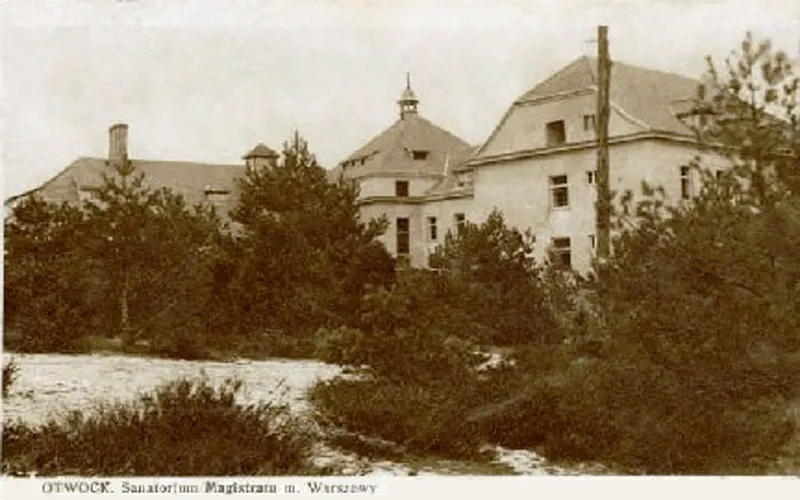
The hospital was not one large block but a group of pavilions set in a park, a layout common to hospitals of the period. The plans for the first building were drawn by the engineer Henryk Stifelman, and Weisblat managed the construction.
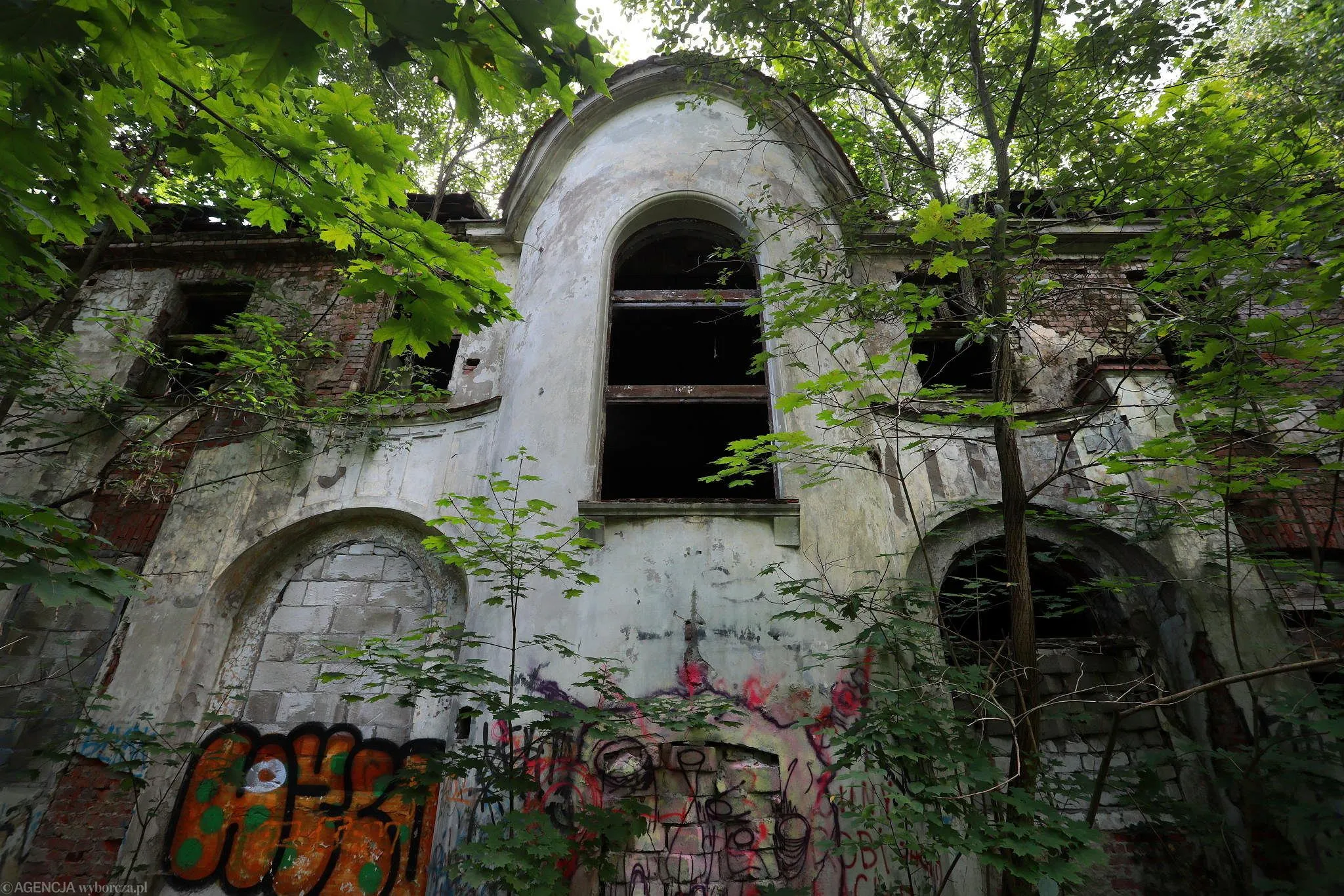
The men’s pavilion of 1908 had two storeys. On the ground floor were large halls used as a dining room and day room, a waiting room for visitors, and a pantry. Upstairs were three dormitories, each with 10 to 15 beds and a bed for a nurse, together with two isolation rooms for agitated patients, a doctor’s room and a room for a warder. The women’s pavilion followed in 1910, paid for by a donor named Herman Poznański. It was a single-storey building, about a hundred steps away from the men’s, with two large bedrooms joined by arcades. A further pavilion with 60 beds opened in 1926, financed by a loan from the town authorities. By the late 1930s the hospital had 275 beds. One Polish cultural source says it could treat nearly 300 patients at once.
How the hospital worked
Zofiówka mainly took in patients who were calm and still able to do some work. Most of them paid nothing, and their treatment was funded by the society or by Jewish communities. Only a few were paid for by their families. The idea was to give work and routine a place in the cure, and patients took part in garden work and other tasks, with the aim of preparing them to return to society where possible.
The first director was Samuel Goldflam, a leading Polish neurologist and a pioneer in the microscopic study of the nervous system. Later directors included Jakub Frostig, who ran the hospital from 1932 to 1938 and is remembered as the pioneer of insulin therapy for schizophrenia in Poland, before he left for the United States shortly before the war. He was s쳮ded by Włodzimierz Kaufman, with Stefan Miller as his deputy. For many of its patients, it was the only care they could have afforded.
Inside the ghetto
After the German invasion in September 1939, Otwock was brought under the General Government. The German authorities decided to create a ghetto in the town, and sources give different dates for its creation. Orders to set one up were received in September 1940, a moving order was issued on 4 November 1940, and Zofiówka was inside the ghetto area by 1 December 1940. Other accounts say the ghetto was created on 15 January 1941. After June 1941, no one was allowed to leave, officially because of a typhoid epidemic.
For Zofiówka, the consequences were severe. Patients could not be discharged, and psychiatric patients from other parts of Poland continued to be sent to the hospital. The building became overcrowded while food, fuel and medicine ran short. One study, drawing on the work of Holocaust historians, records that of 406 patients, 210 died of hunger, infection and cold between 1 June and 16 November 1941.
The ghetto at Otwock had an unusual side. It remained a place where a few people could still pay for a “rest cure”, and their fees helped to subsidise the hospital. Adam Czerniaków, the head of the Warsaw ghetto’s Jewish council, visited the town and the hospital in 1940, and is reported to have spent weekends there. A contemporary diarist wrote that only the wealthy could afford the stay, and that many in the ghettos wanted to go. Those details sit alongside the figures above, and they show how unequal life in the ghettos was.
19 August 1942
The Otwock ghetto was liquidated on 19 August 1942. On that day about 7,000 of its Jews were put on trains to Treblinka. At Zofiówka, German forces and Trawniki auxiliaries gathered the patients and staff together. Estimates of the number shot at the hospital range from about 100 to 140. One Polish source on Jewish heritage gives 108 patients and three doctors. Others were taken away to Treblinka with the rest of the ghetto. Some of the staff took their own lives, and accounts differ on the fates of the individual doctors, including the directors. The few patients who escaped were, according to one account, handed back to the Germans by local residents.
Among the dead, according to some sources, was Adela Tuwim, the mother of the poet Julian Tuwim, who had been a patient at the hospital before the war. The hospital that Jewish doctors had built to care for the most vulnerable members of their community ended its history as a place of mass murder, and most of the people who had worked in it, or been cared for in it, did not survive.
The Lebensborn plan
After the killings the buildings were taken over for a different purpose. In 1943, the German authorities planned to establish a Lebensborn centre, part of the SS programme for “racially valuable” mothers and children. Plans mention a home for around 100 mothers and 150 children, with a maternity ward, a nursery and an orphanage, and a link to the policy of taking Polish children for adoption by German families.
Here the sources disagree. Some, including English-language accounts, say that the site served as a Lebensborn home. Others, including local Jewish heritage sources, say that the plan was drawn up but never carried out. What can be said is that the Germans intended to use the empty hospital in this way, and that the use was bound up with the policy of “Germanising” Polish children. It is a reminder that the story of the site did not end in August 1942.
After the war
When the Germans retreated in 1944, the Red Army took over the site. In June 1946, the buildings were handed to the Otwock authorities. After renovation they were used as a socialist training centre and then as the Central School of ZMP Activists, run by the communist youth organisation. In 1955 and 1956, an anti-tuberculosis sanatorium named after Stefan Okrzeja opened there, with 250 beds, for patients over 15, and it included a secondary school where patients could take their school-leaving exams. In 1967, it was merged into a larger sanatorium and treated adults with pulmonary tuberculosis.
Psychiatry came back in 1985, when the site became a branch of the neuropsychiatric health care complex in Zagórze and opened a school for young patients. A ward for young drug addicts was added in 1995. The hospital was closed in the 1990s: some sources give the mid-1990s, while others say that the buildings have stood empty since 1998. The services moved to Zagórze and the park was left to grow over.
A ruin in the forest
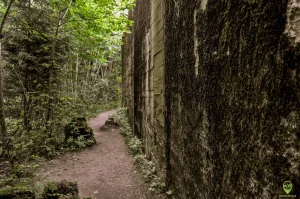
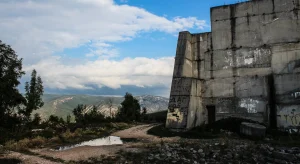
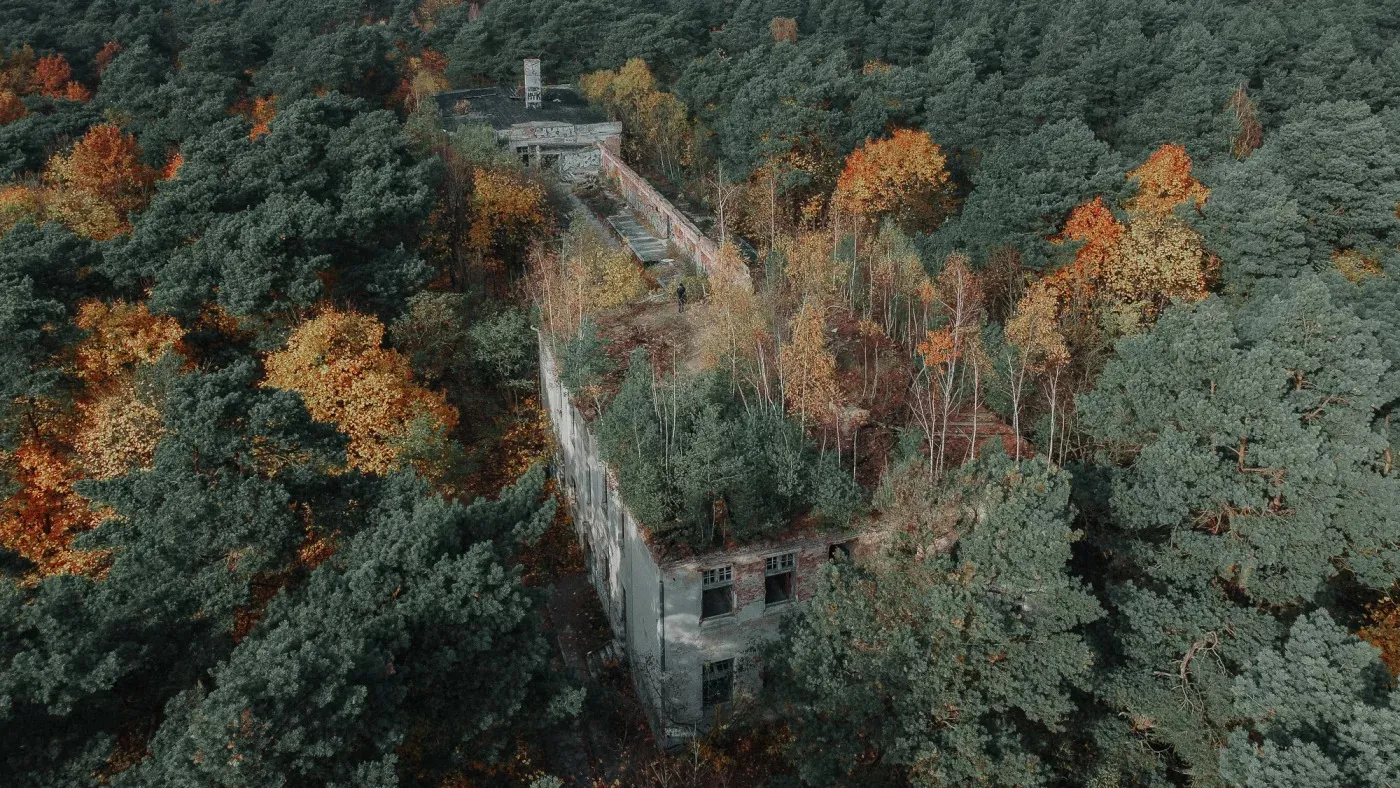
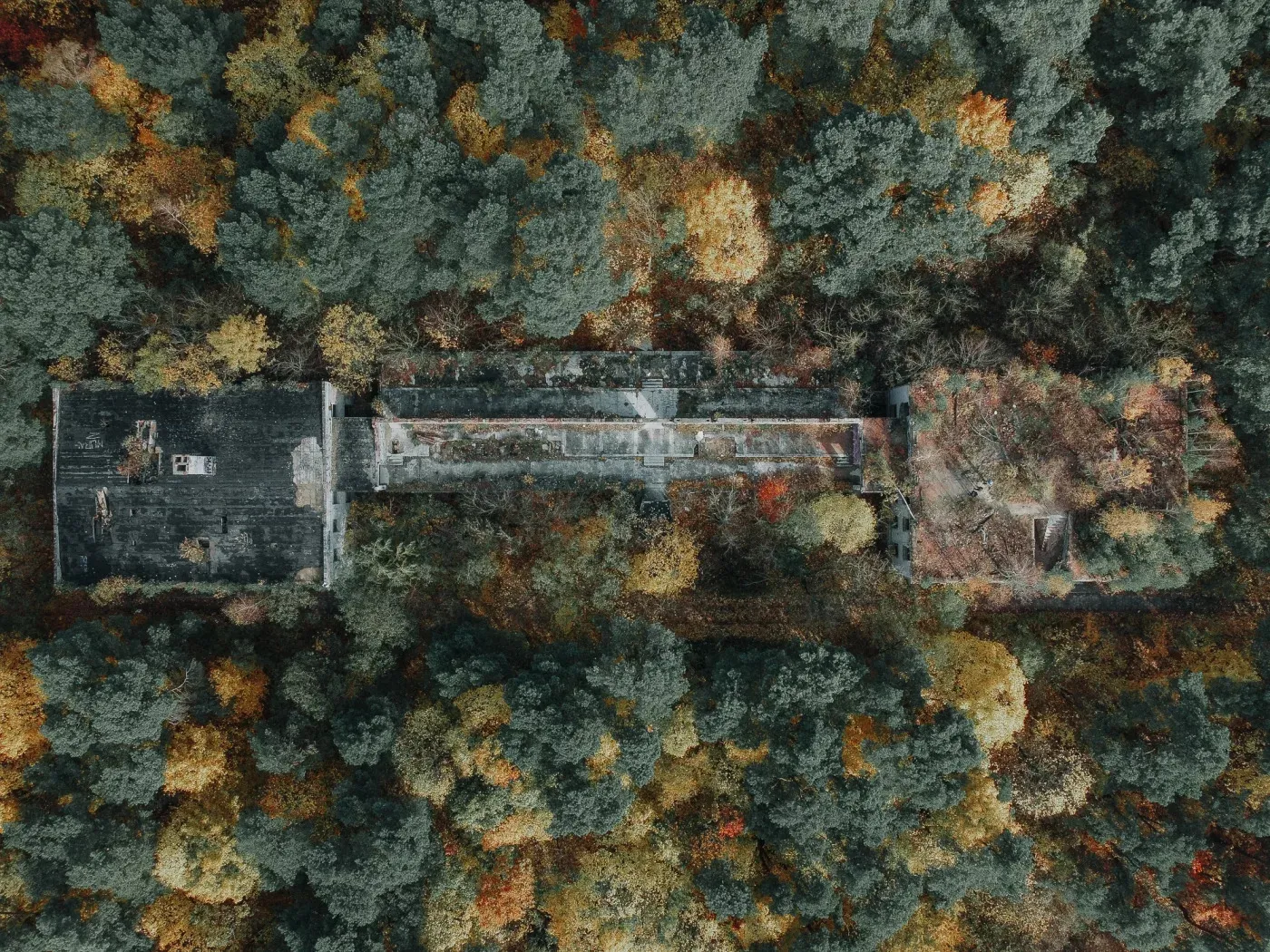
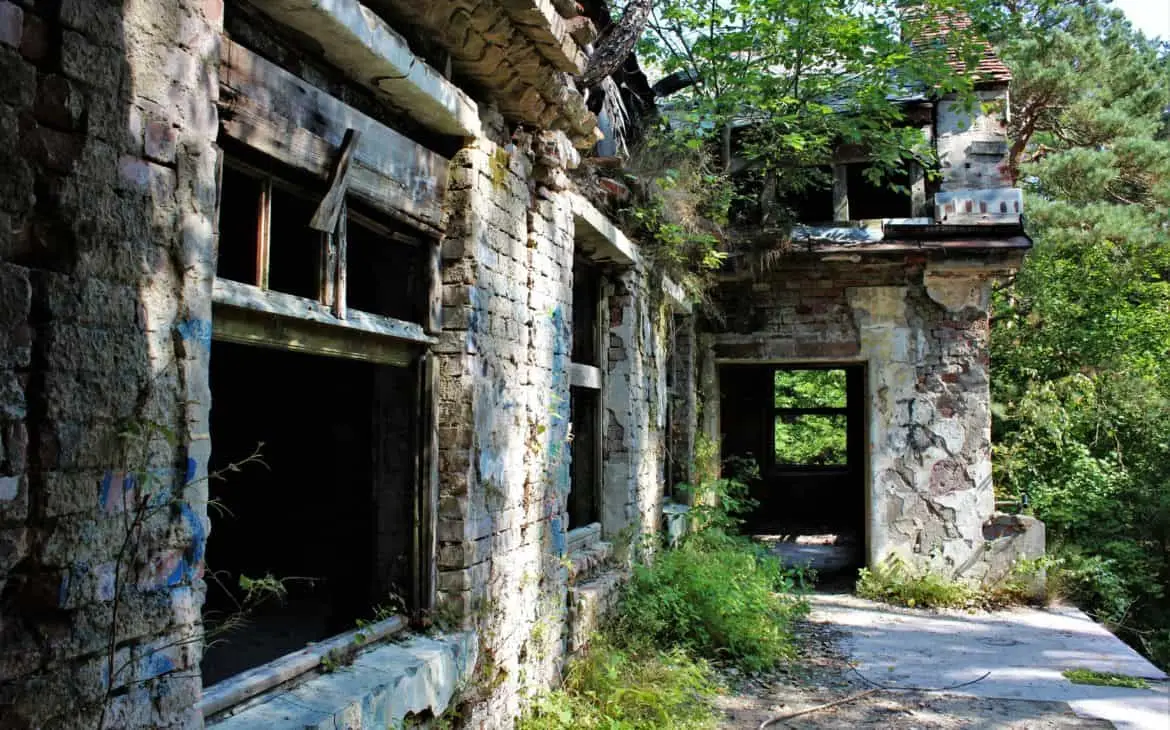
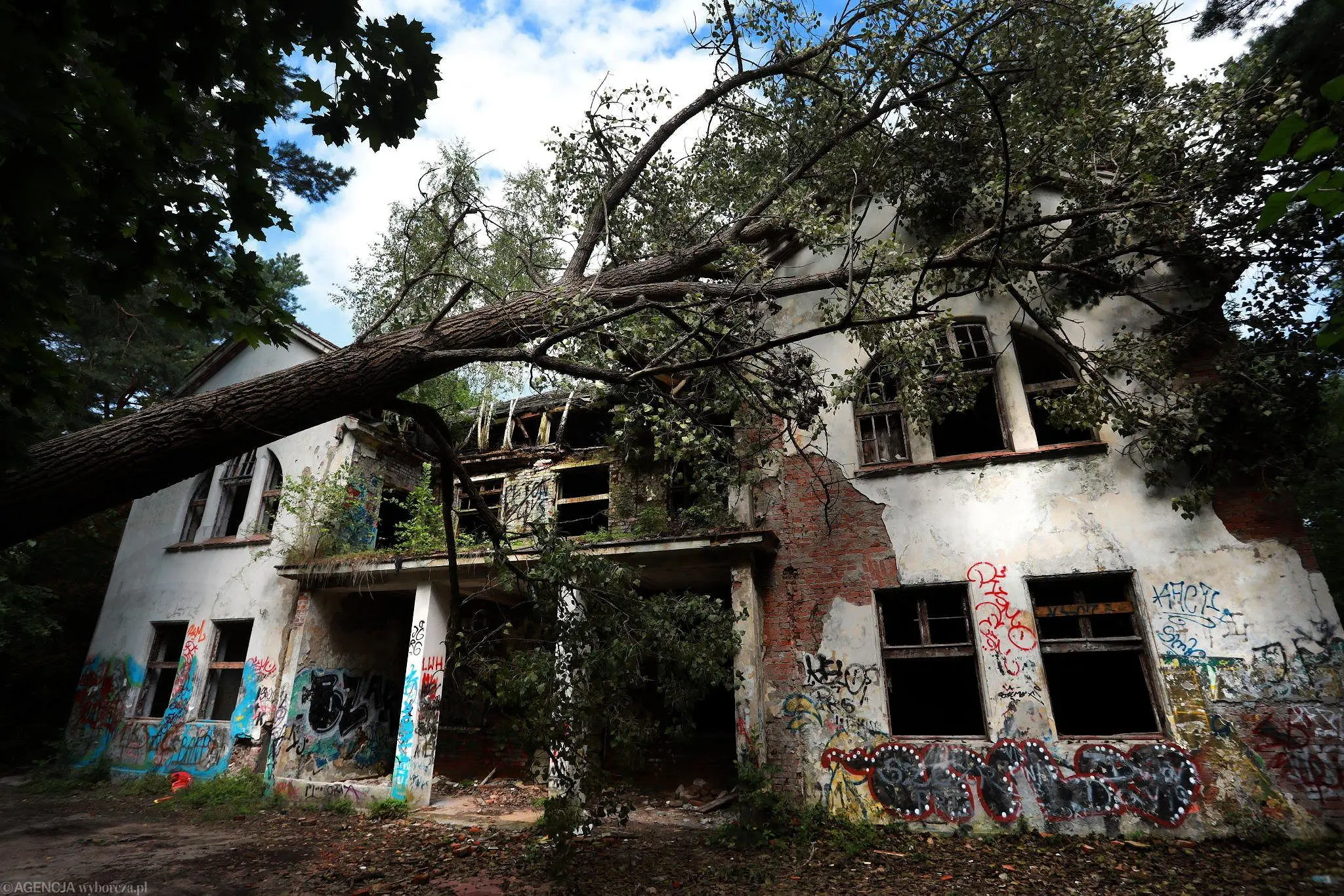
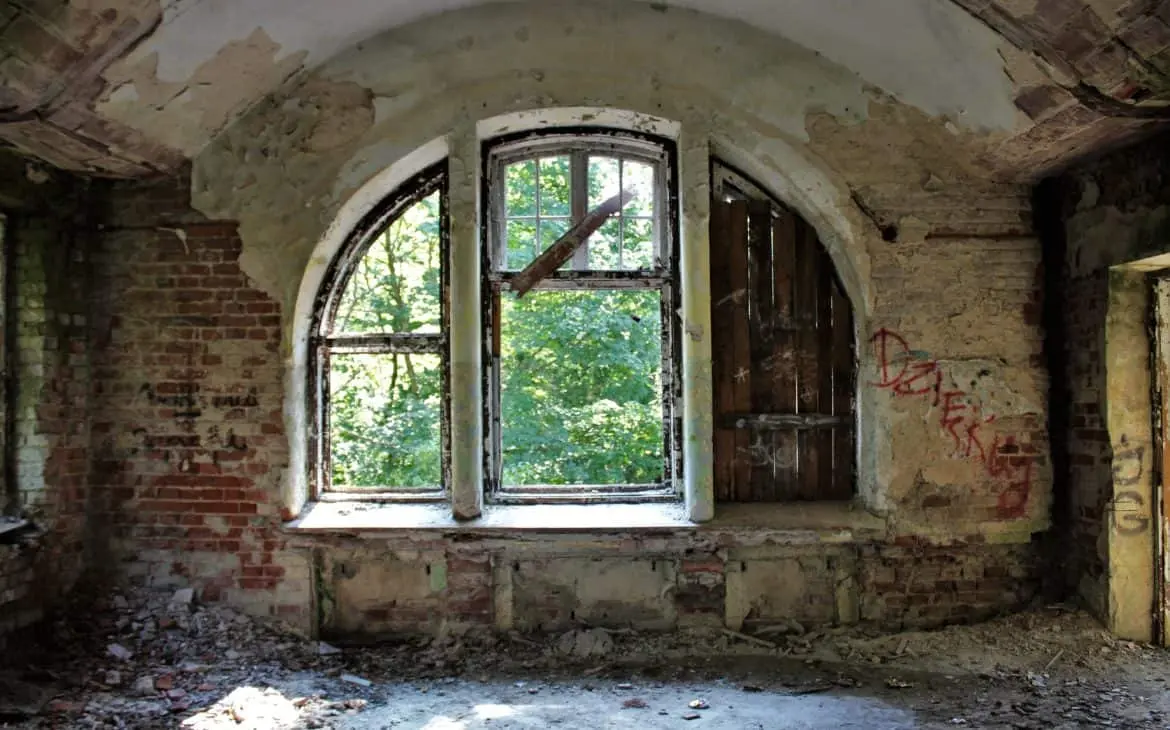
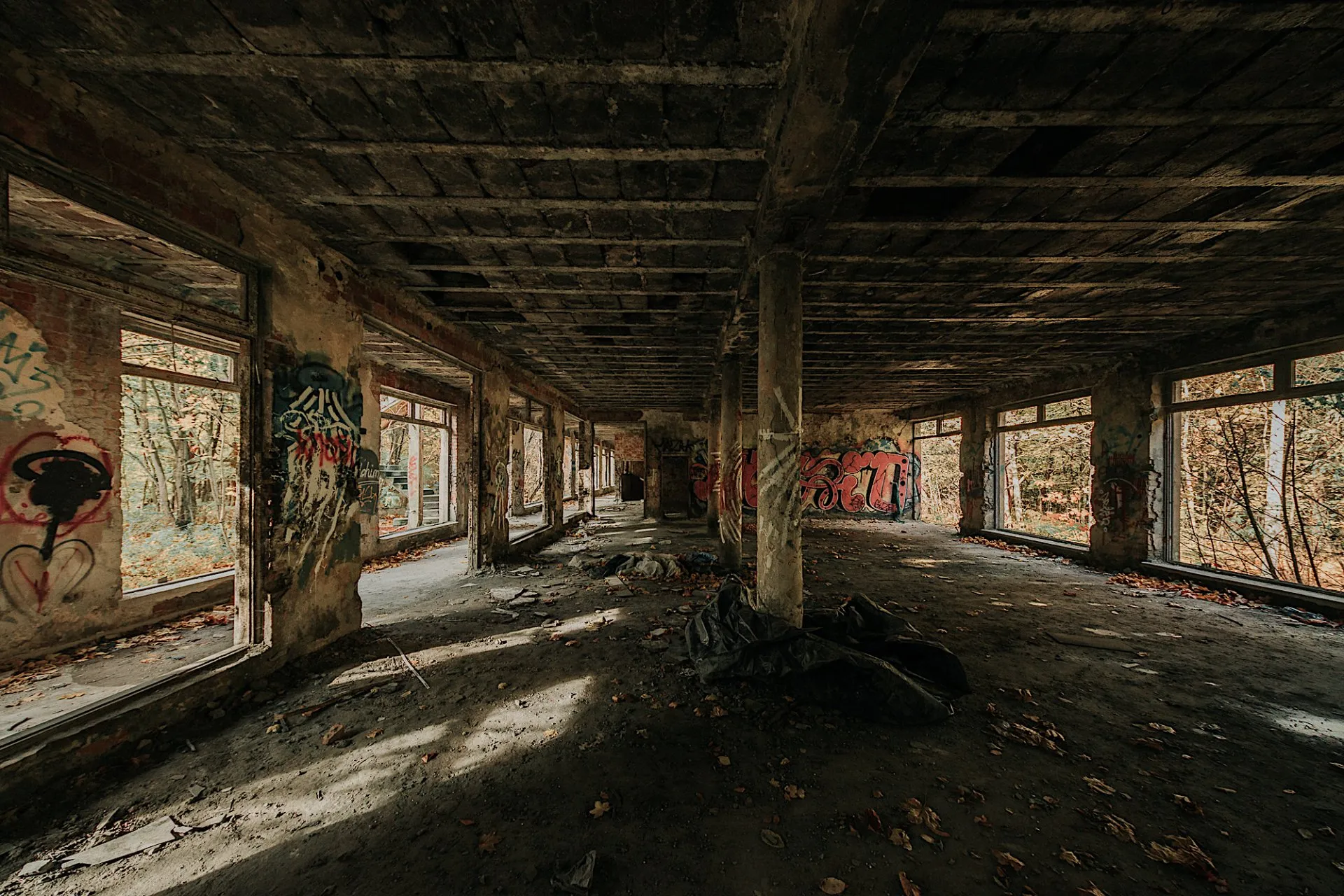
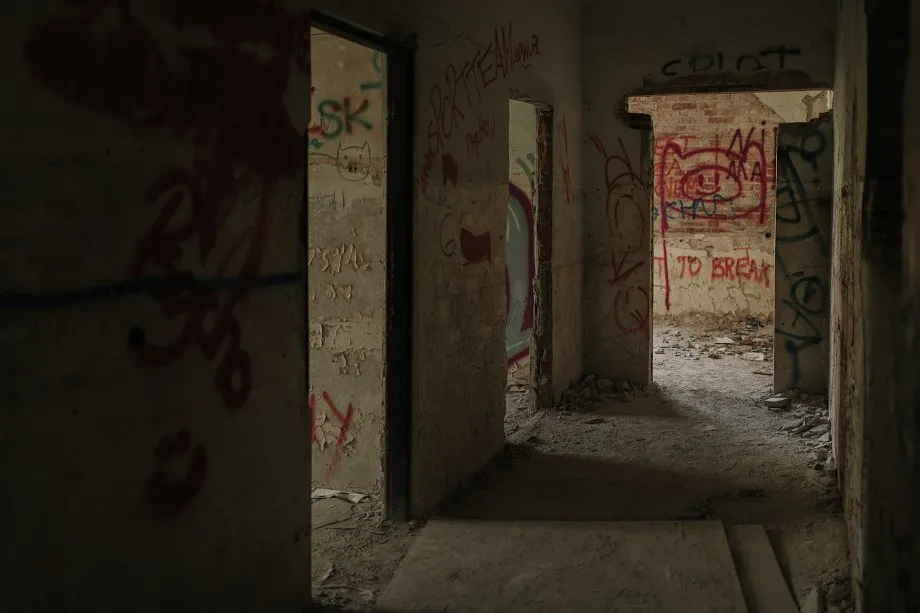
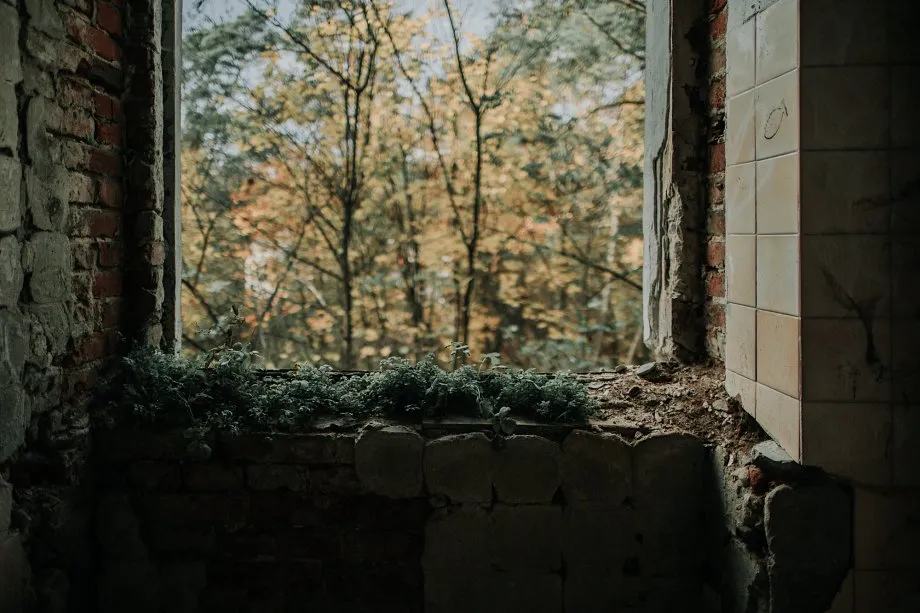
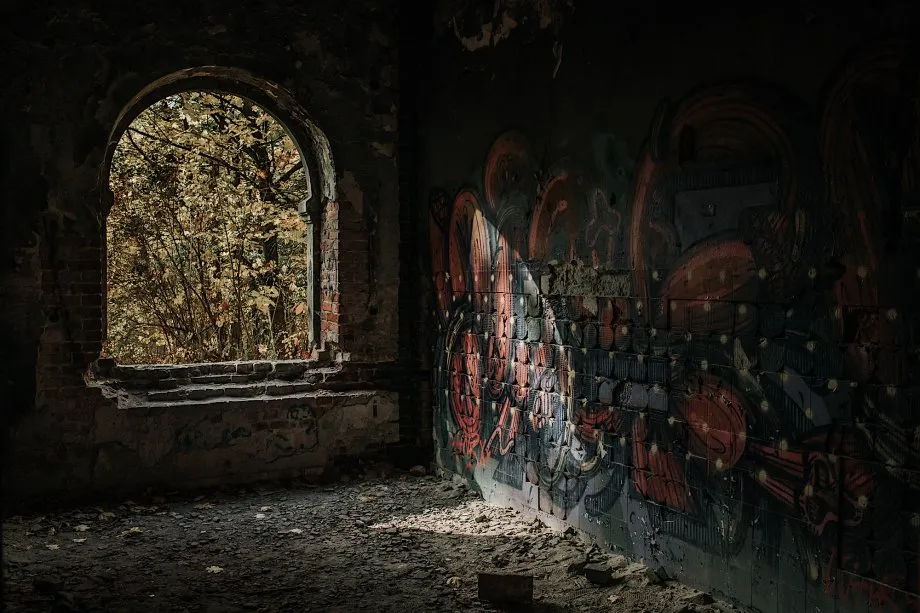
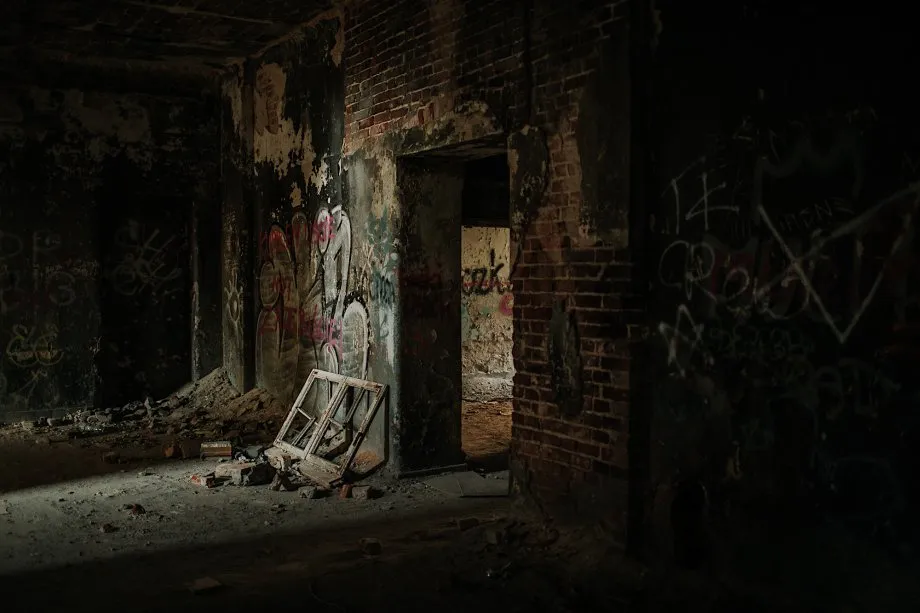
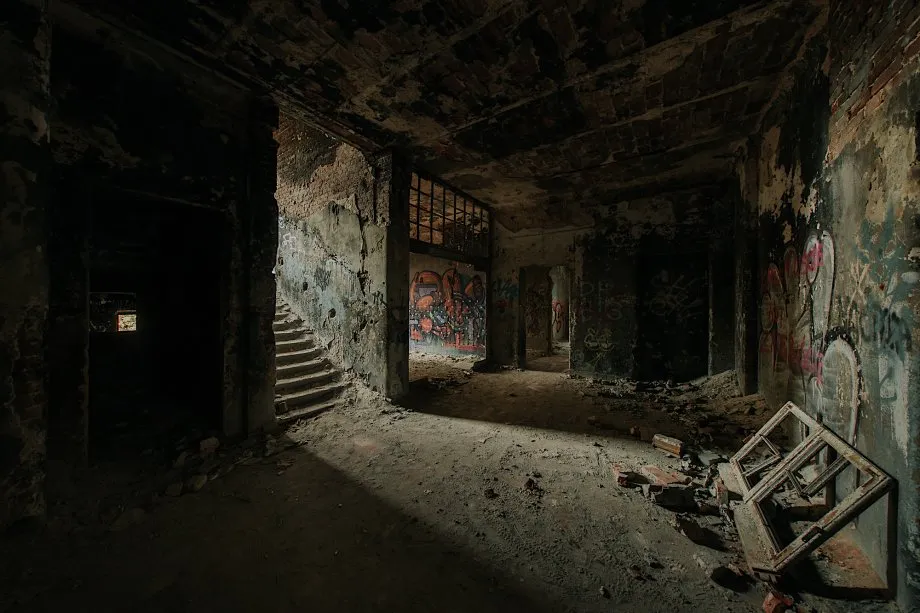
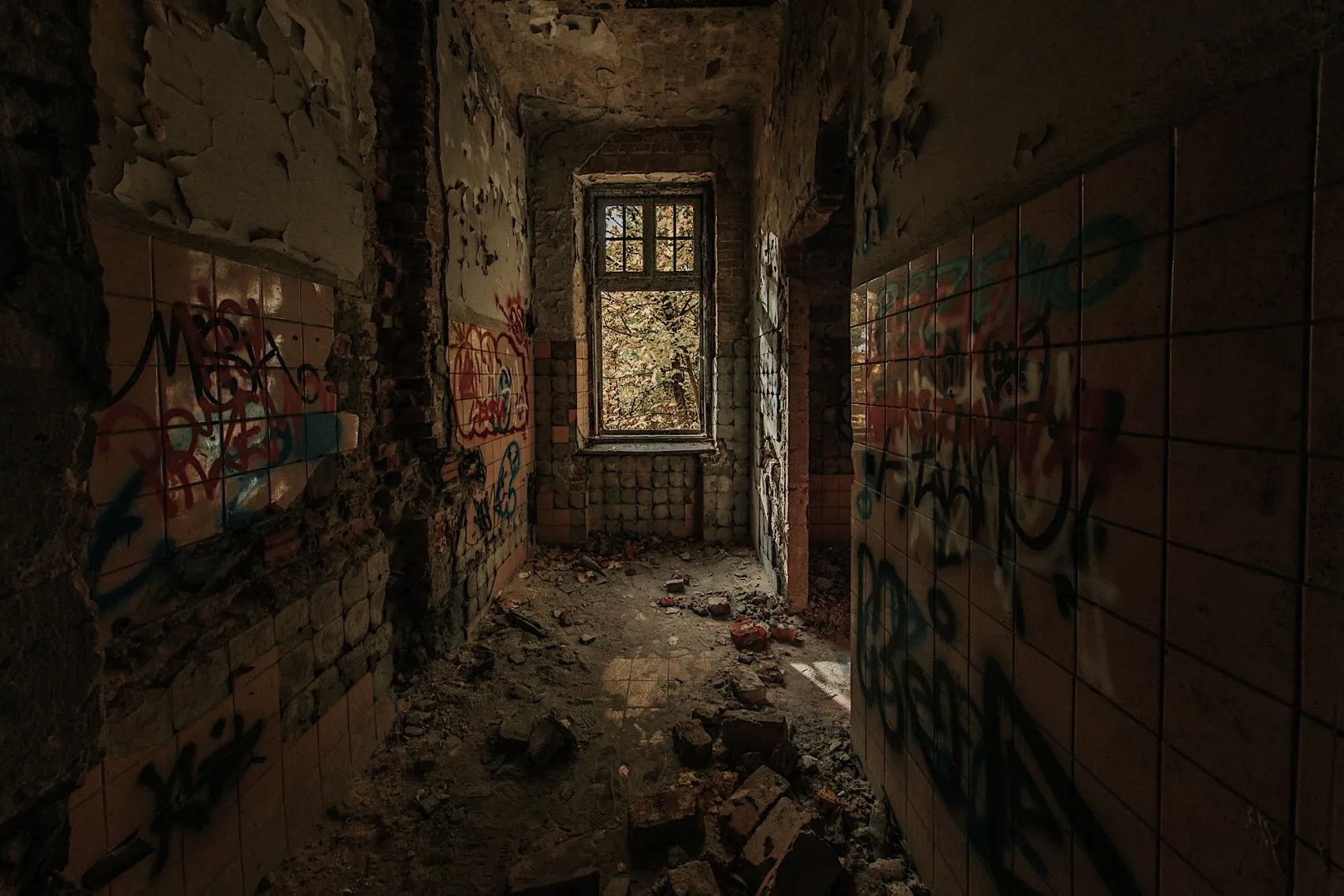
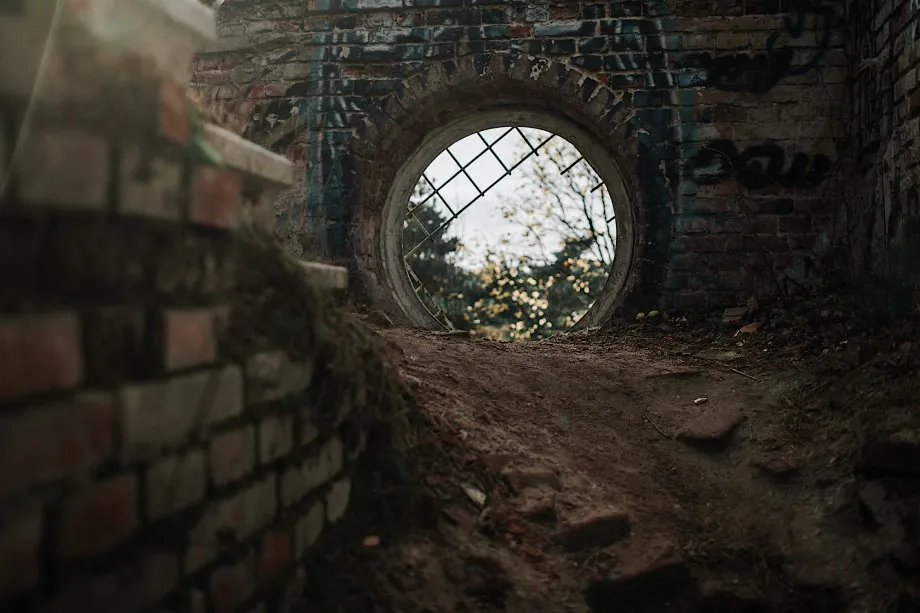
Today Zofiówka stands at ul. Kochanowskiego 10/16, among trees in the forests of Otwock. Nothing of value remains inside. The windows are empty, the plaster is peeling and the walls are covered with graffiti, and the surviving buildings are being slowly taken over by vegetation. Visitors of all kinds come, from photographers and walkers to paintballers, and the site has a reputation among people interested in abandoned places.
The question of who owns it has still not been settled. According to Polish press reports, the property belongs to the State Treasury and is managed by the Otwock county office and the Mazovian regional government, while the Jewish Religious Community in Warsaw has filed a claim for the site that was still waiting for a court decision. Local sources describe no restoration plans, and a local guide quoted in the press has worried that private ownership might bring the same fate as the former synagogue in Otwock, which was returned to the Jewish community and then sold to a developer. Check current news before relying on any of this, because the position may have changed.
Local ghost stories about the hospital circulate widely, but they are unsourced, and the guide quoted in the same report says he does not believe them. The real history of the site is grim enough without them.
The video that made it famous
For a new generation, Zofiówka became known through an internet mystery. In May 2015 a short black-and-white film appeared online titled 11B-X-1371. It showed a masked figure in a plague doctor’s costume standing in a derelict room with a blinking light in its palm, to a buzzing soundtrack. Viewers tried to decode hidden messages in it, and theories ranged from a prank to a marketing campaign. A Polish internet user then matched the room’s windows and graffiti to Zofiówka, and the location was identified.
Several months later, a US citizen living in Poland, Parker Warner Wright, said that he had made the film as an art project, and a sequel, 11B-3-1369, appeared on 1 January 2016. The video had no connection with the hospital’s history. It does show how a site of real suffering can be turned into a backdrop, and how quickly that can happen.
Conclusion
Zofiówka was a hospital before it was a ruin. For thirty-four years it offered free care to people with mental illness who had nowhere else to go, run by doctors who believed that work, routine and green space could help them. In 1940 it was enclosed within a ghetto, and in 1942 it became a place of killing. After the war it was used for training, for tuberculosis and again for psychiatry, and then it was left to rot, with its ownership argued over for decades.
The buildings may not last much longer. The history will, if it is told properly: not as a haunted house or a film set, but as the story of a hospital that cared for people society had abandoned, and of what was done to its patients and its staff.
Did you know?
- The hospital was named after Zofia Endelman, who gave her jewellery to buy the land. Patients mostly paid nothing, and calm patients who could work were given tasks in the garden as part of their treatment.
- The women's pavilion of 1910 was built about a hundred steps from the men's pavilion and joined its bedrooms with arcades.
- Of 406 patients recorded in the Otwock ghetto in 1941, 210 died in under six months.
- About 7,000 of Otwock's Jews were deported to Treblinka on the day the ghetto was liquidated, 19 August 1942.
- A viral 2015 video, 11B-X-1371, was filmed in the ruins and made the place known worldwide.