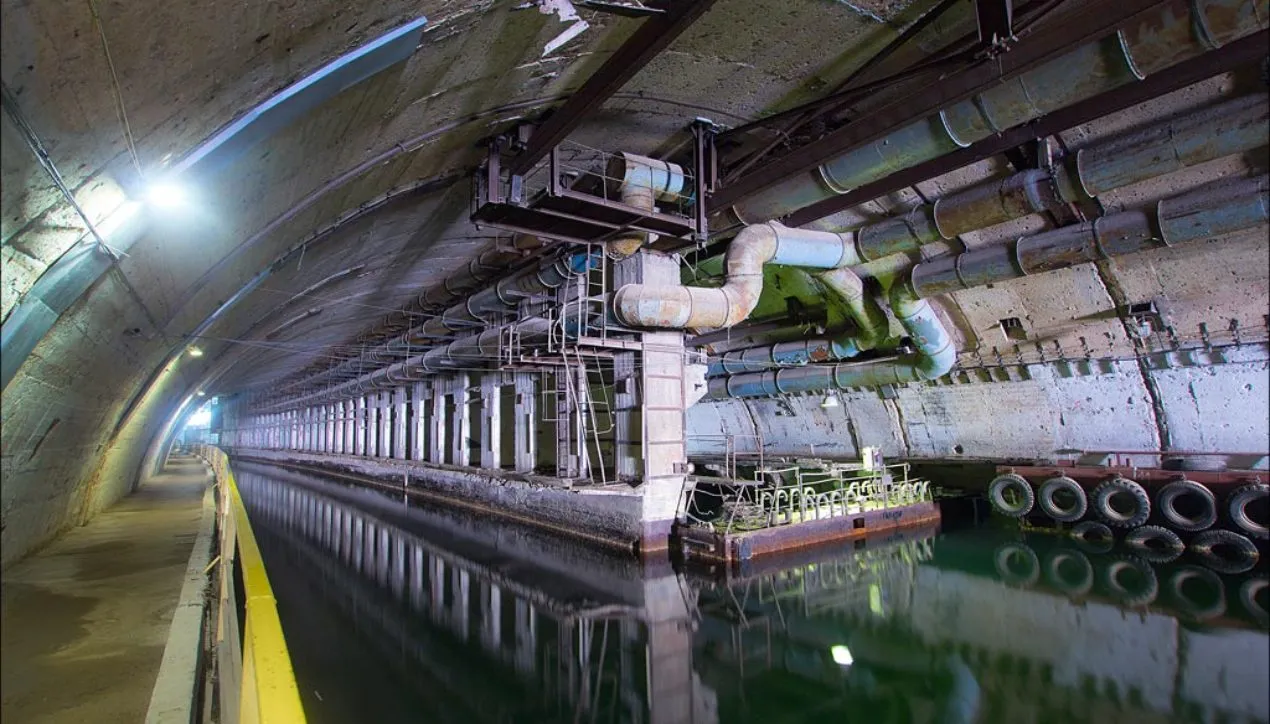
Balaklava Submarine Base: Crimea’s Nuclear-Proof Submarine Tunnel
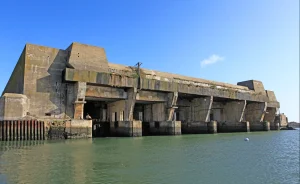
Cut into a mountain beside a narrow Crimean bay, Balaklava's secret submarine base was built to survive a nuclear strike and is now a museum.


Cut into a mountain beside a narrow Crimean bay, Balaklava's secret submarine base was built to survive a nuclear strike and is now a museum.
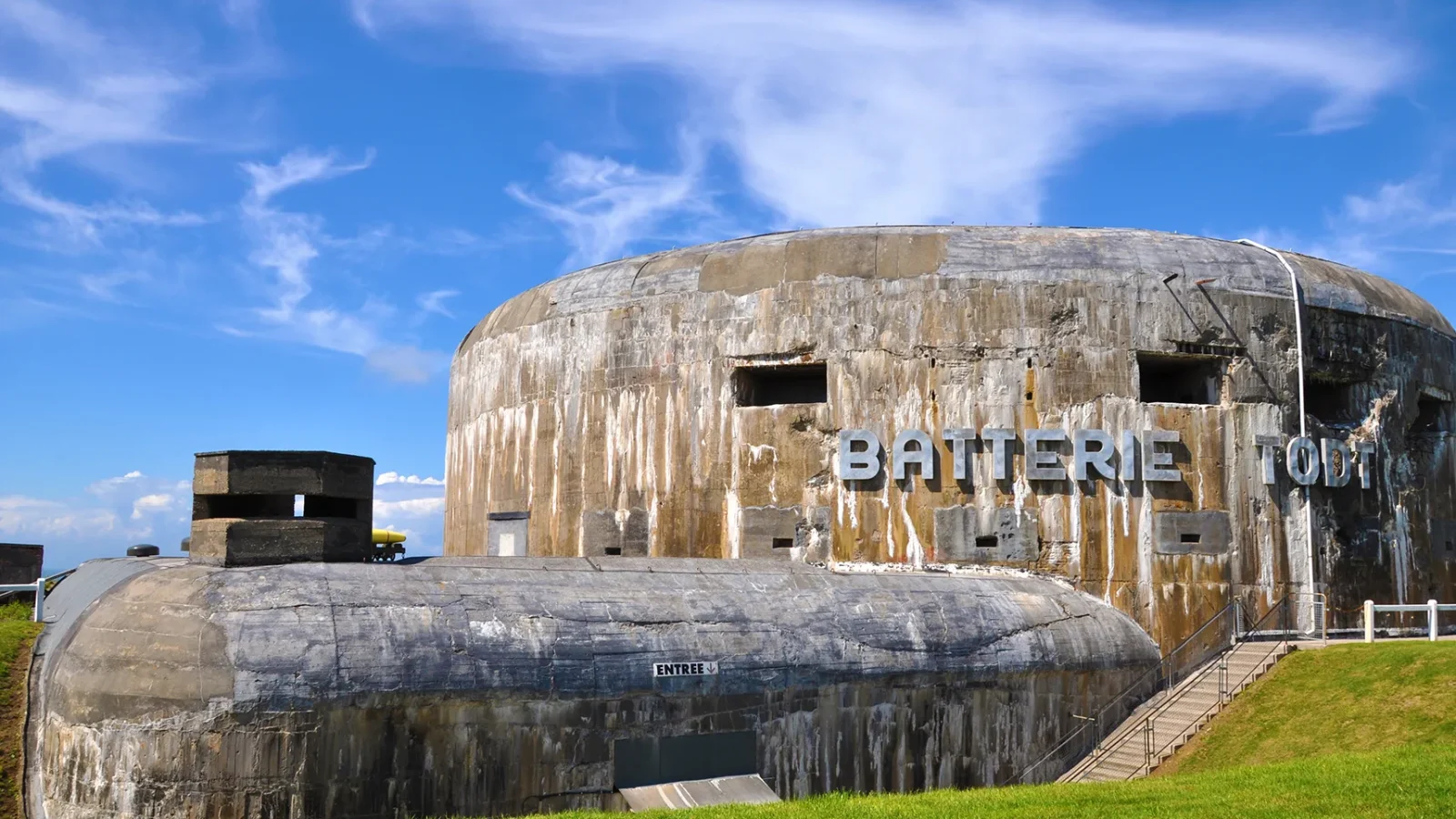
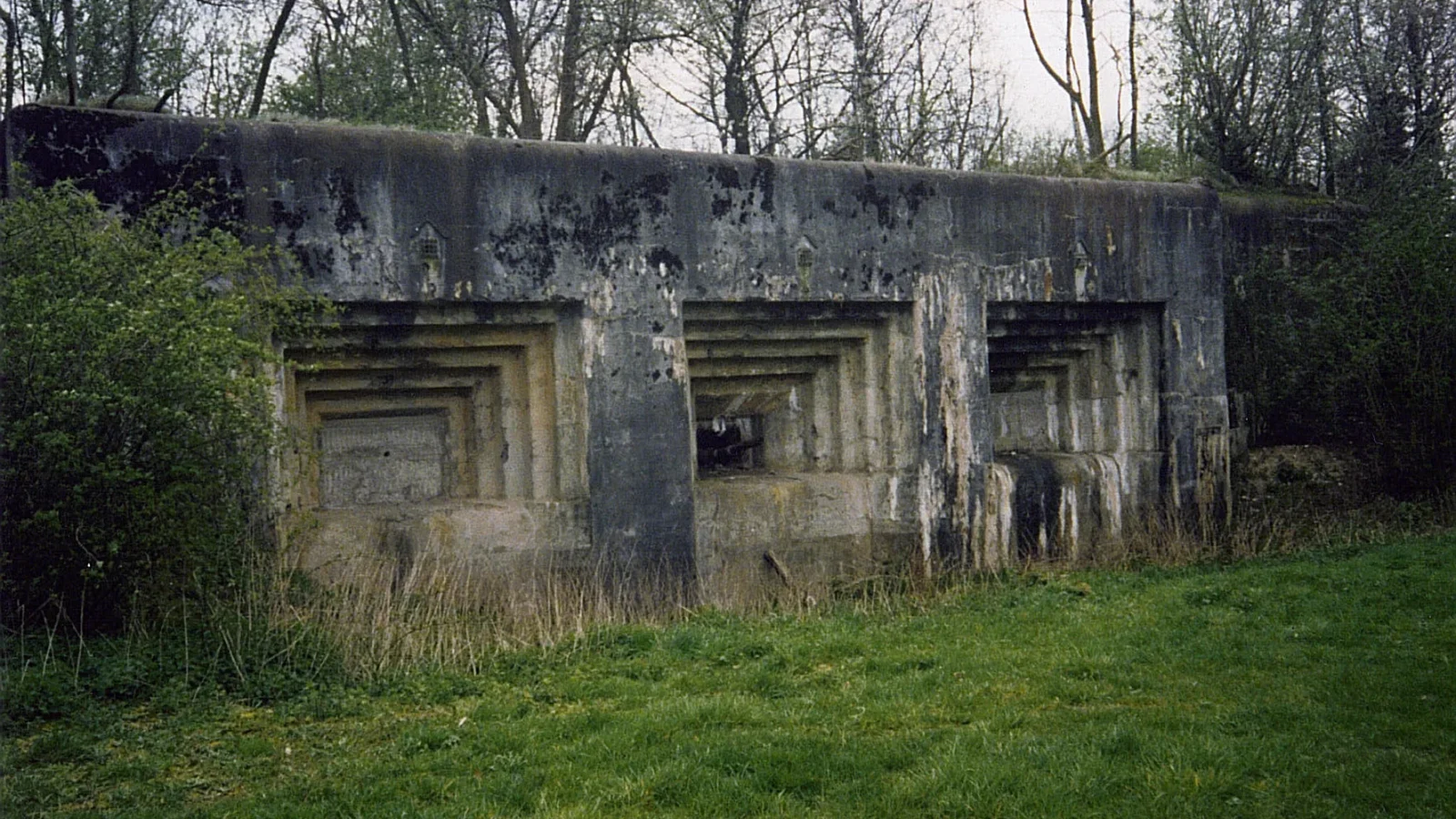
On the cliffs near Cap Gris-Nez, four huge concrete casemates once held German naval guns that could hit the English coast. One of them is now a museum, and the rest still stand in the fields.
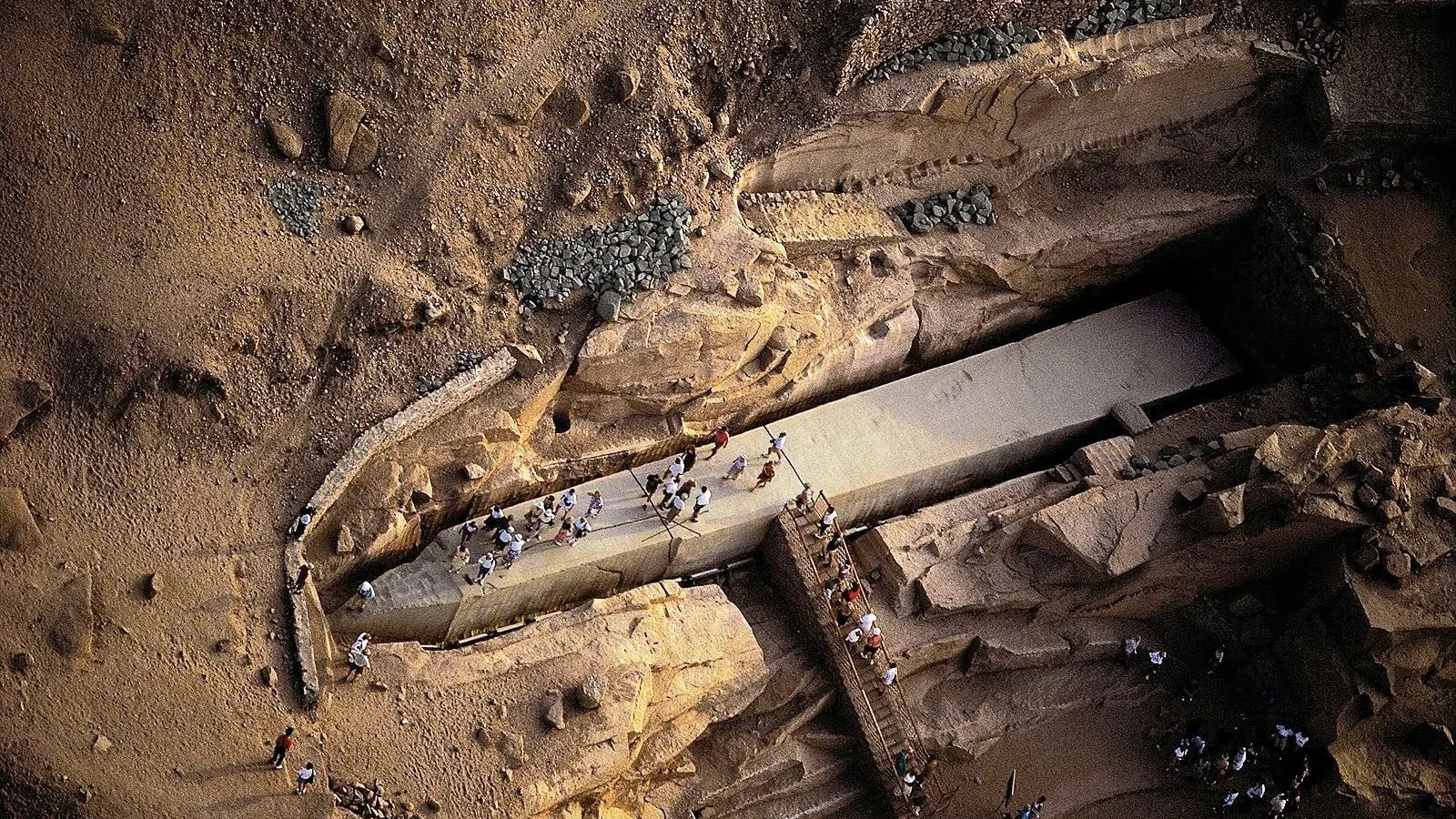
In a granite quarry at Aswan lies the largest obelisk the ancient Egyptians ever attempted. Cracks appeared before it could be freed from the bedrock, and it has been lying there ever since.
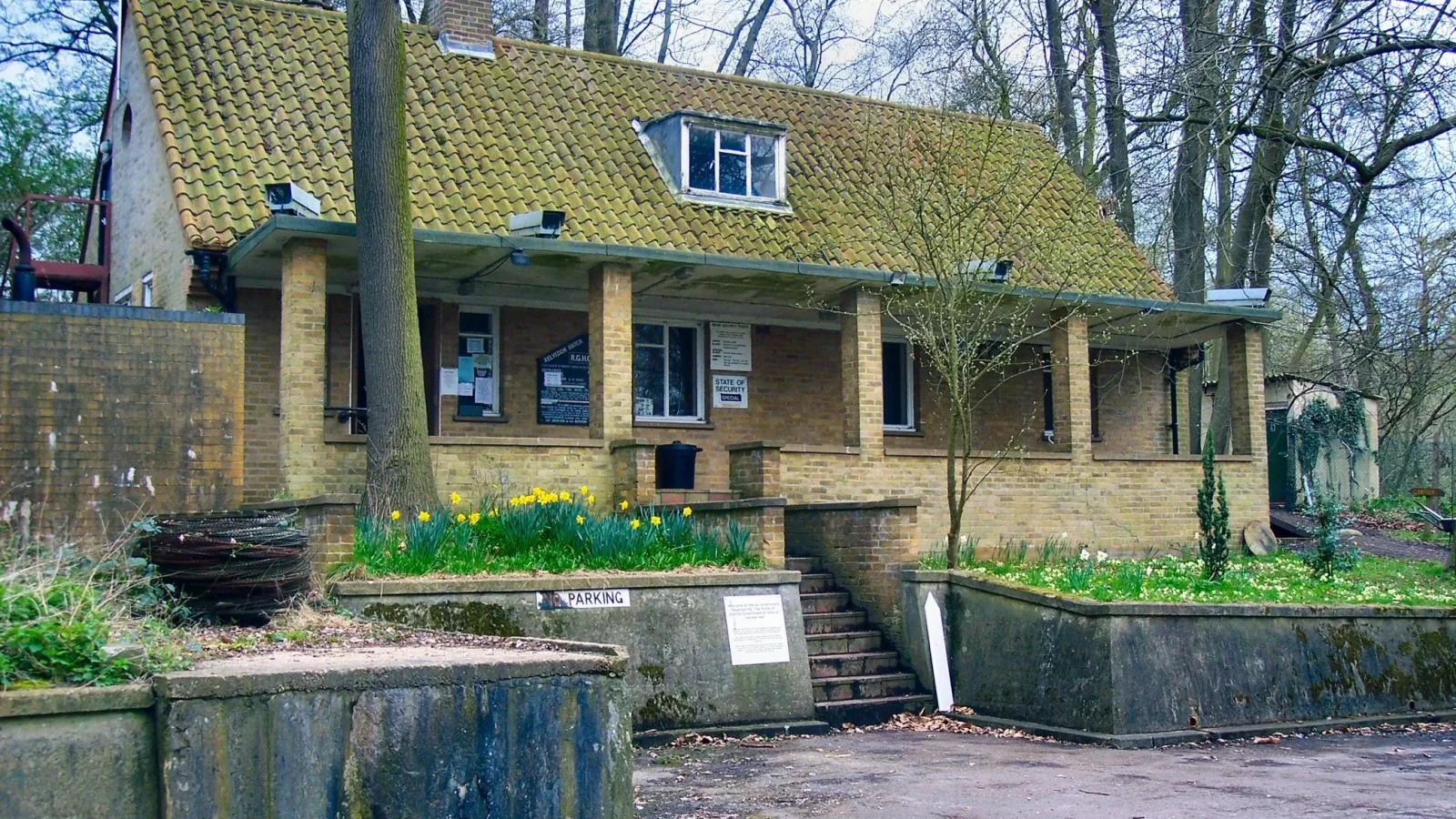
Behind an ordinary-looking bungalow in the Essex countryside, a 100-yard tunnel leads down to a three-level bunker about 125 feet underground. Built in 1952 as an RAF command centre, it became a regional government headquarters for a nuclear war, and is now a museum.
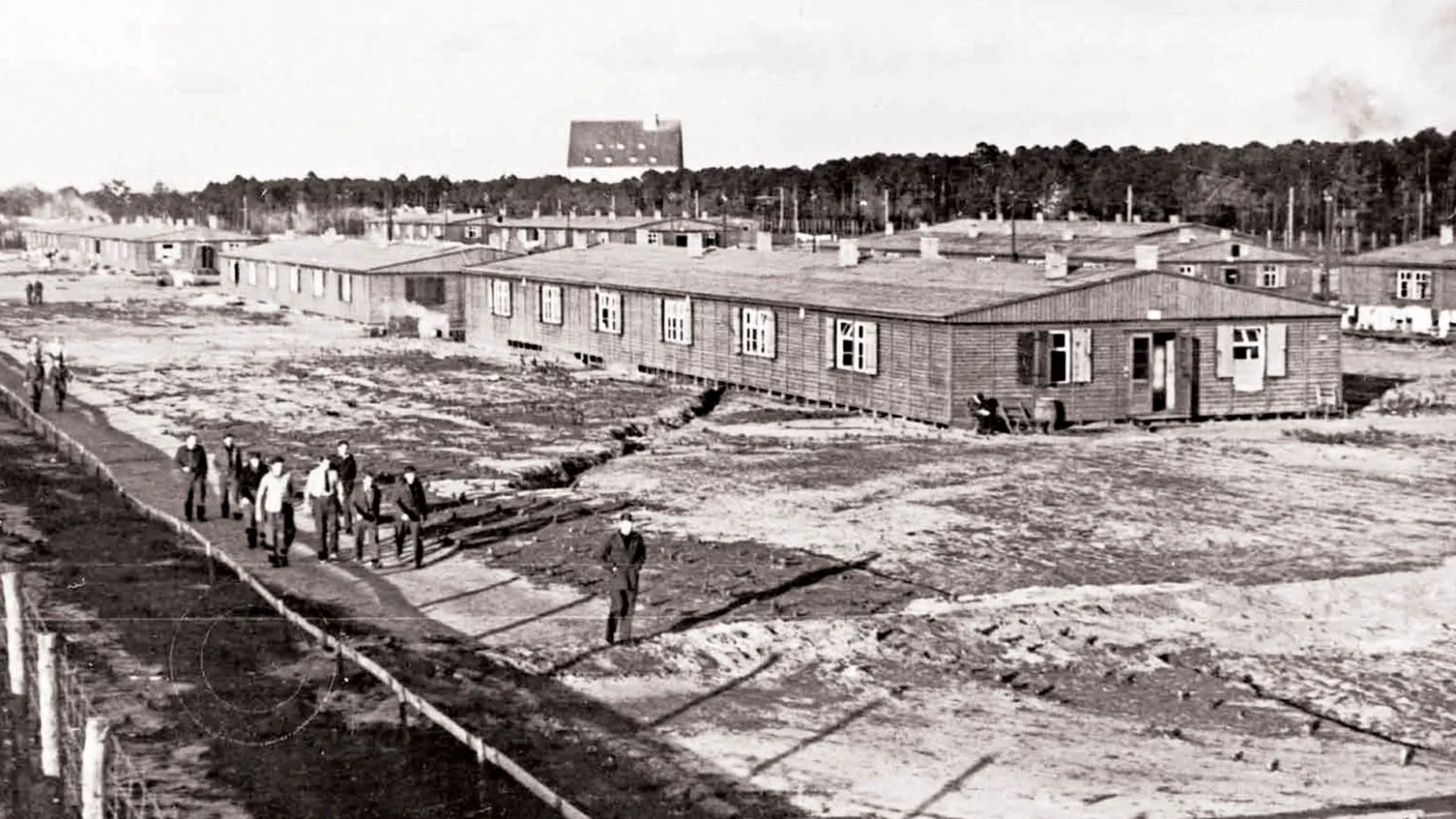
In March 1944, 76 Allied airmen crawled out of a tunnel beneath a German prison camp in Lower Silesia. Three reached home. Fifty were murdered on Hitler's orders. Today the camp site at Żagań is a museum and memorial.
In the early hours of 10 May 1940, German paratroopers landed gliders on the roof of Belgium's greatest fortress and disabled its guns with hollow-charge explosives. The fort surrendered the next day. Today it is a museum, with a stretch of its tunnels open to visitors.
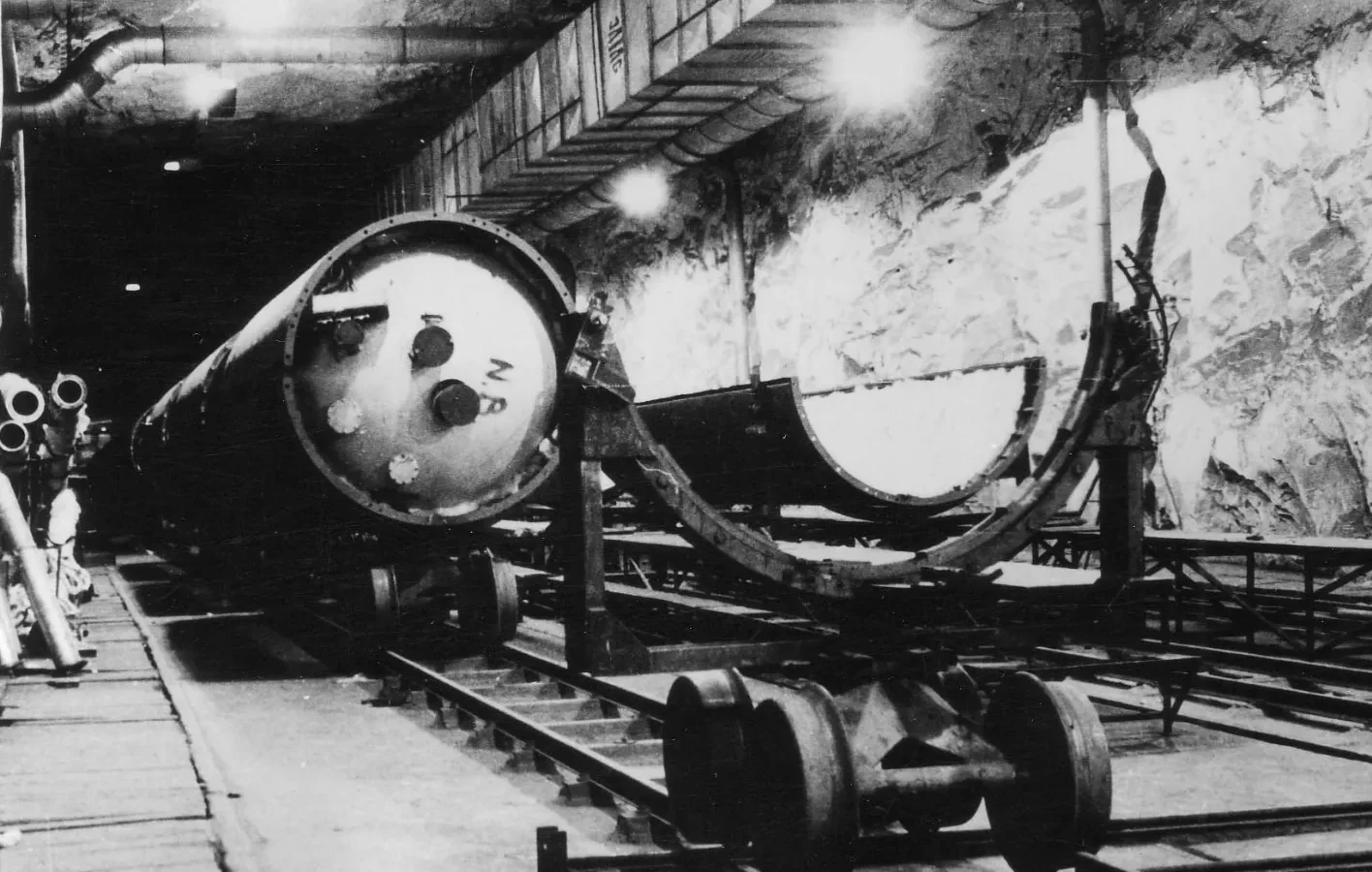
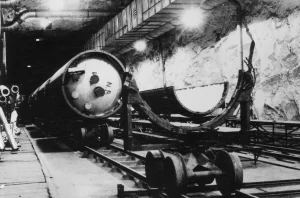
Inside the Kohnstein hill near Nordhausen, the SS and German industry built the V-2 rocket with concentration camp labour. About 60,000 people passed through the Mittelbau-Dora camps, and at least a third did not survive. Part of the tunnel system can be visited on a guided tour.
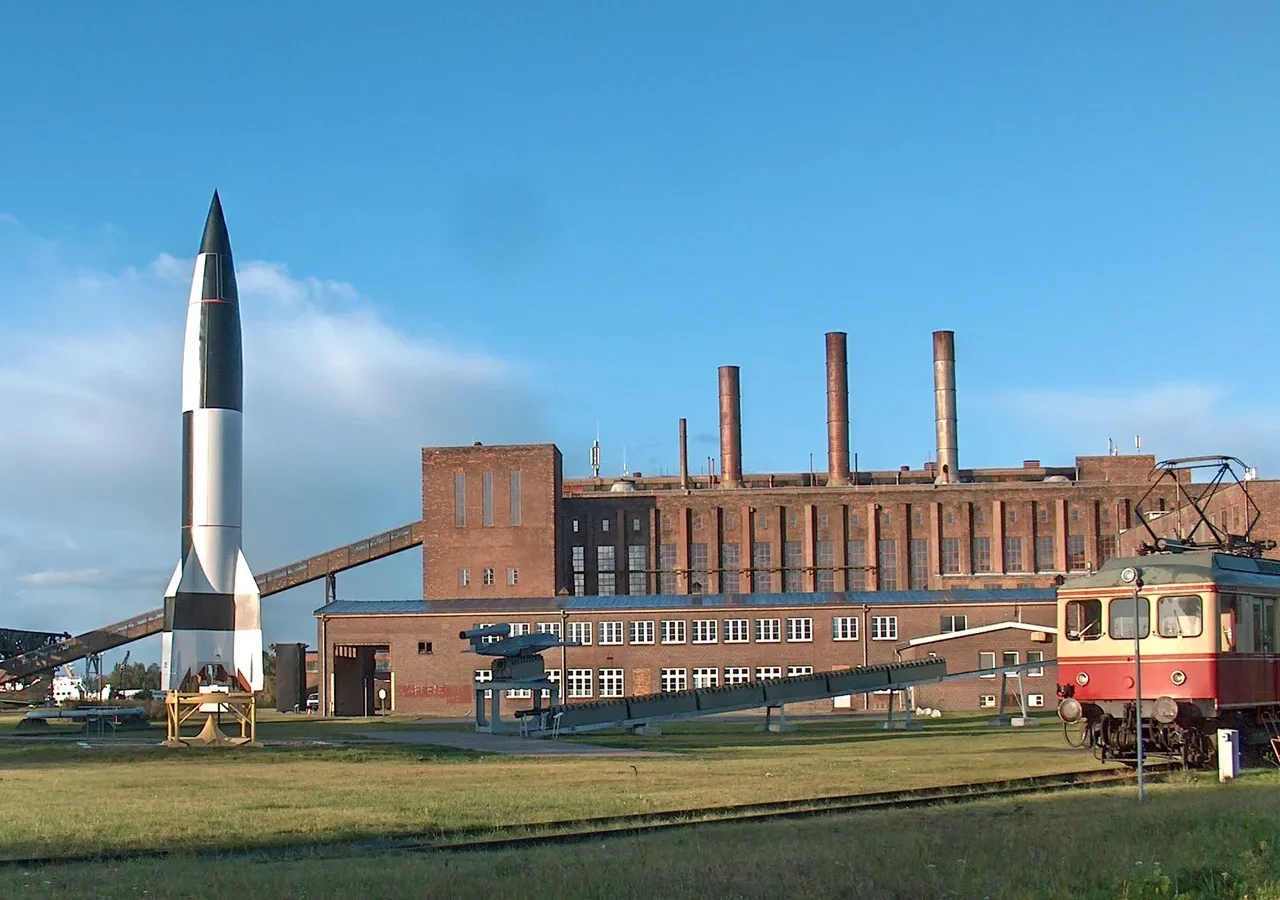
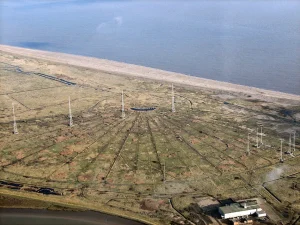
On a sandy peninsula of the Baltic, German engineers built the world's first long-range ballistic missile, using forced labour to do it. The RAF bombed the site in 1943, the Soviets took what was left in 1945, and today a museum sits in its old power station.
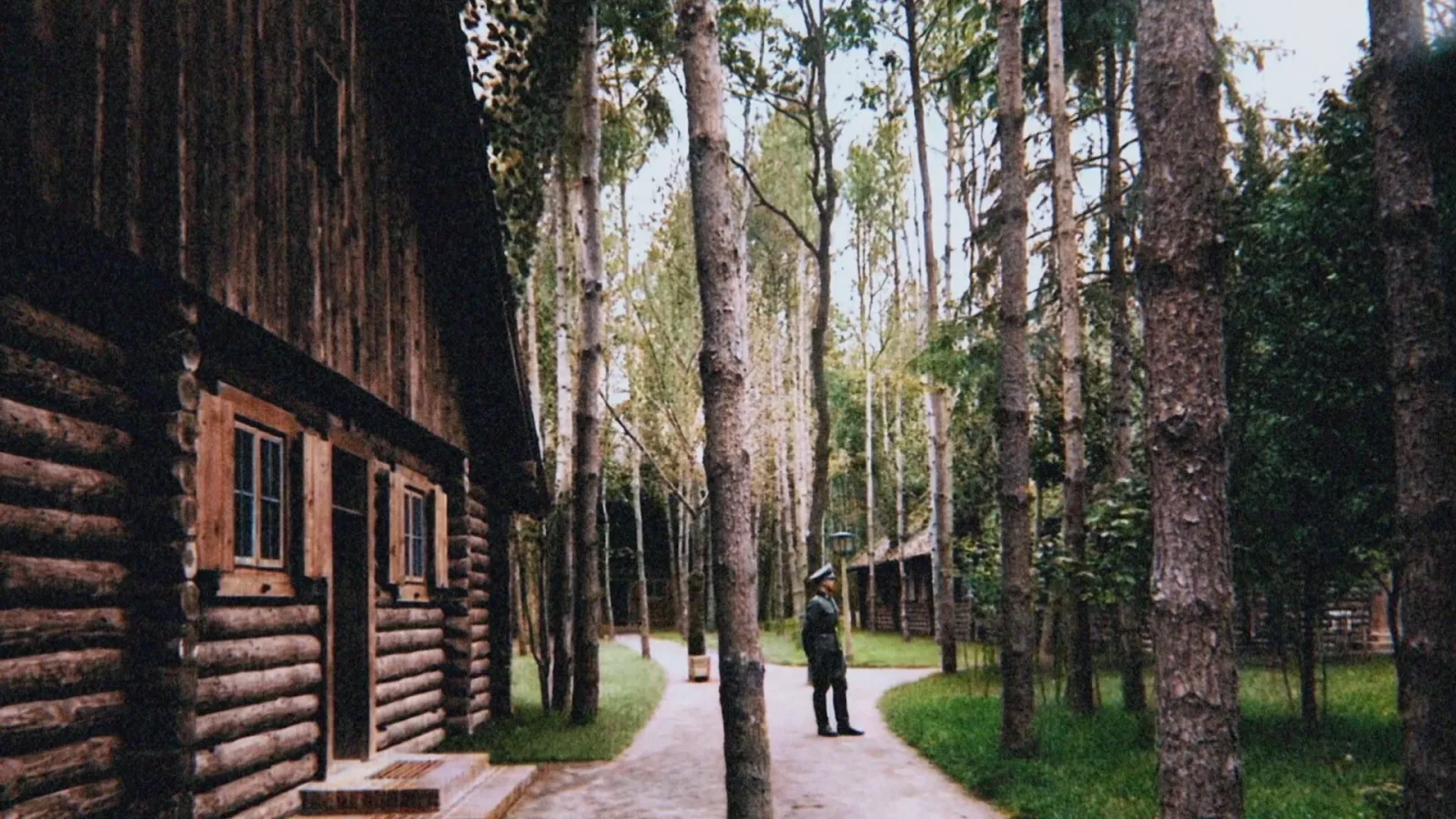
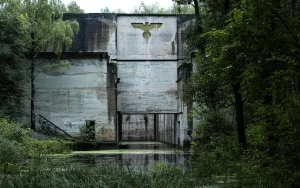
Hitler spent months in a pine forest near Vinnytsia in 1942 and 1943, the closest he ever lived to the front. The Germans blew it up when they left, and what is left is a swimming pool and concrete rubble.