A spit of shingle and secrets
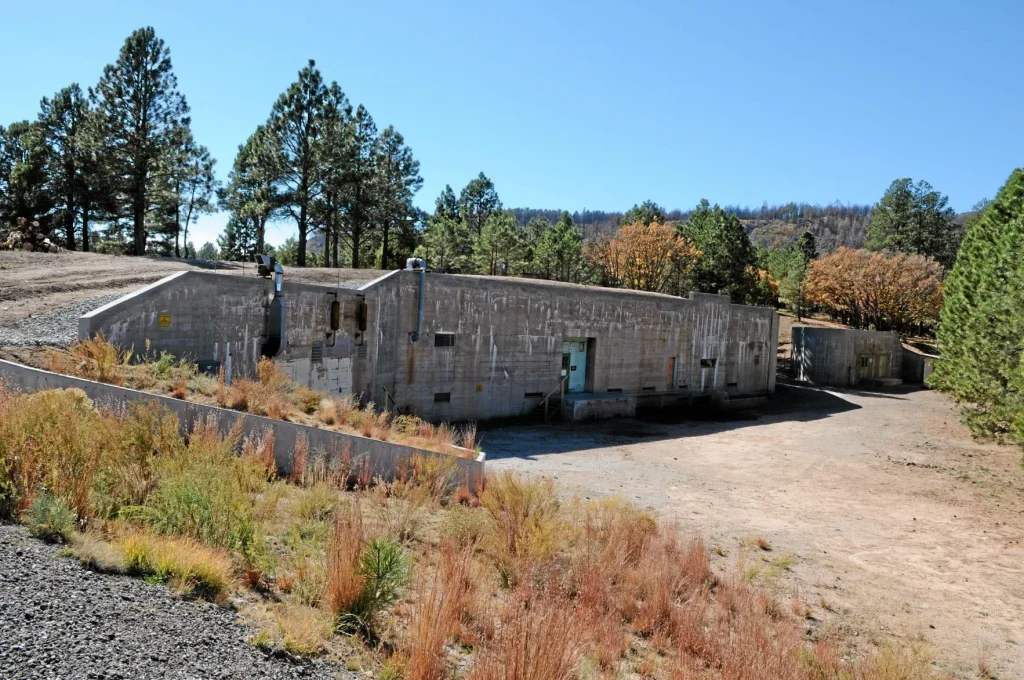
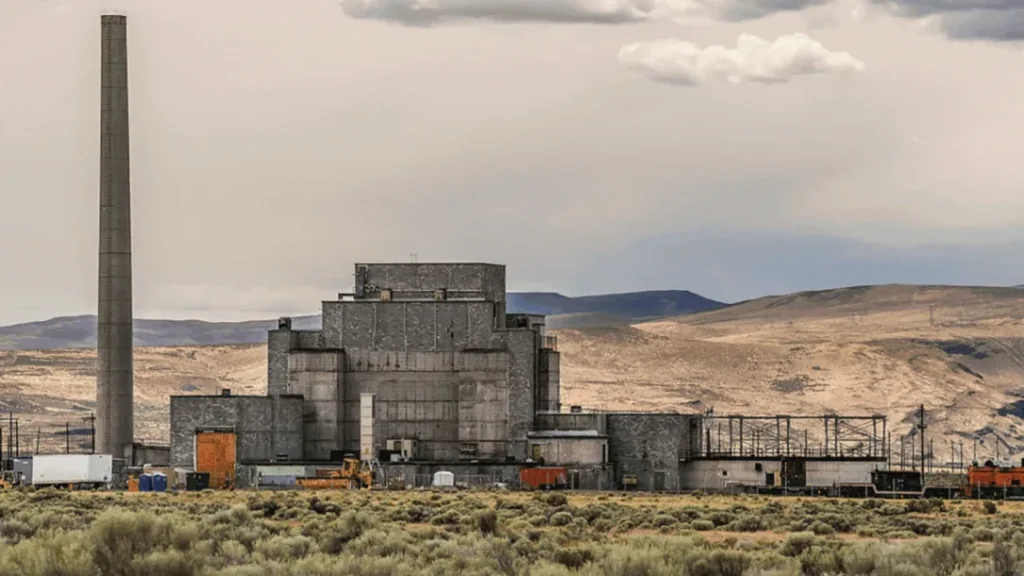
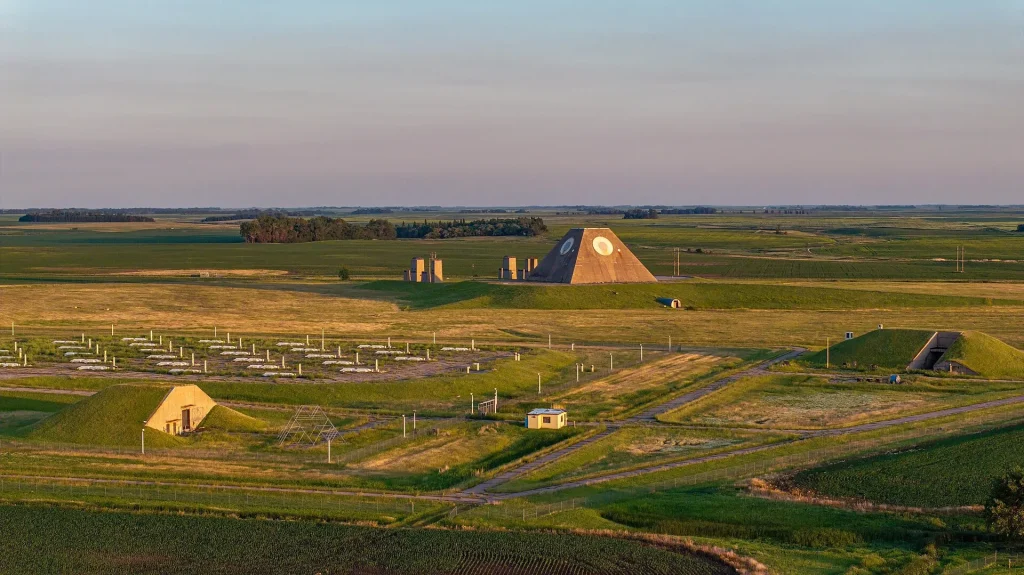
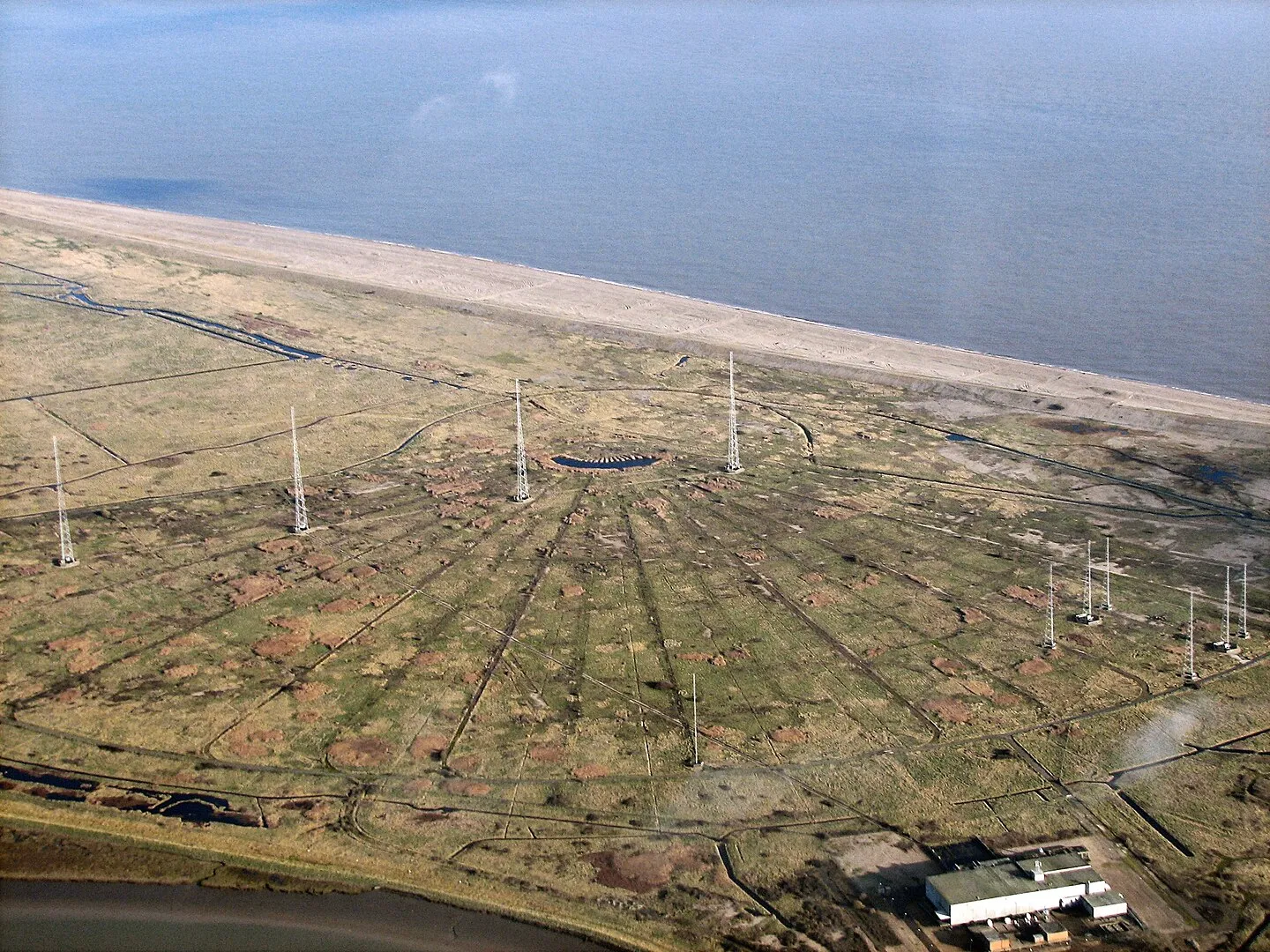
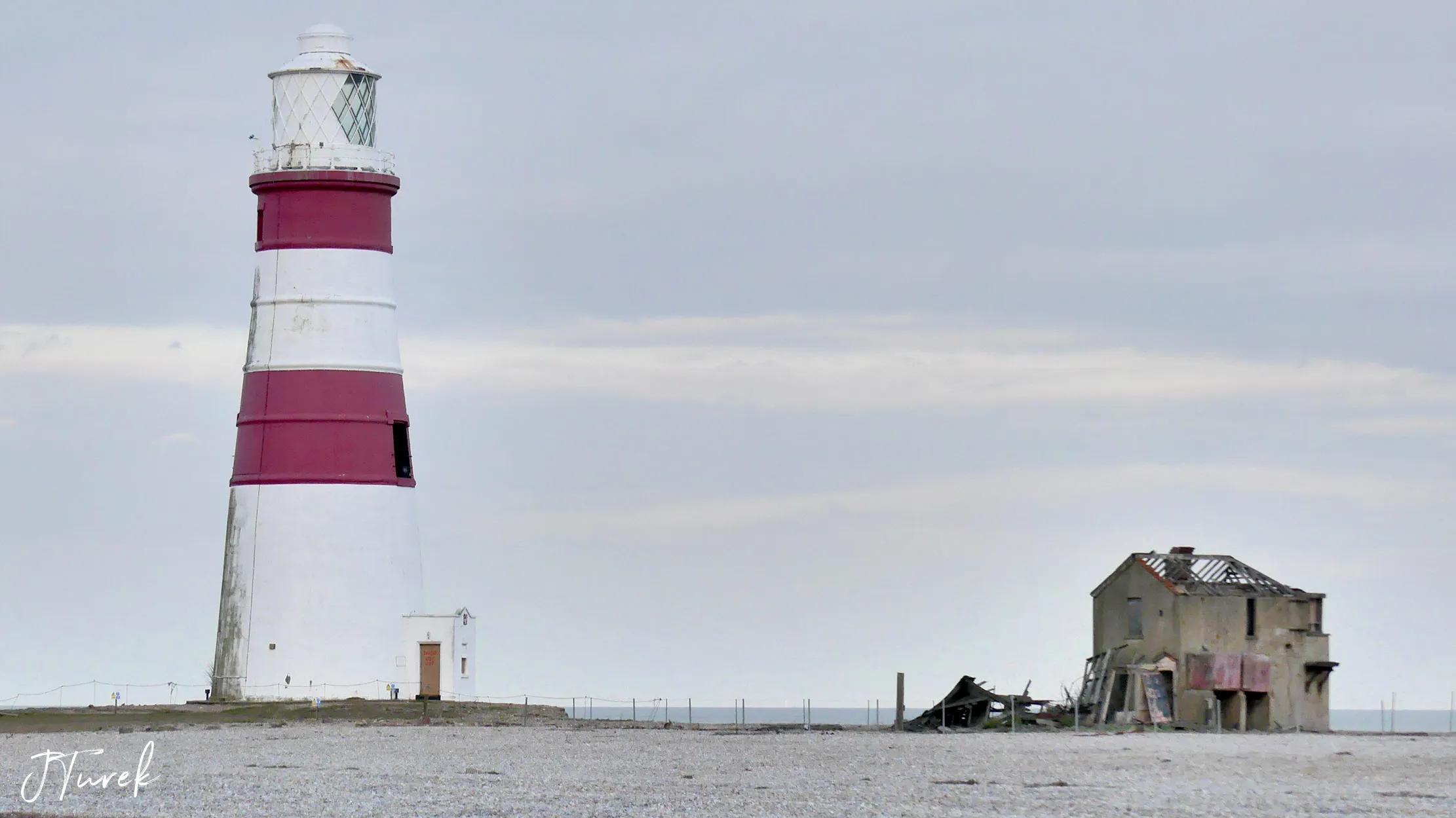
Orford Ness is a long finger of shingle on the Suffolk coast, about 10 miles (16 kilometres) from end to end. It is separated from the mainland by the River Alde, and it is described as Europe’s largest vegetated shingle spit. For most of the twentieth century it was also one of Britain’s most secret places. The Ministry of Defence ran trials on it during both World Wars and the Cold War, among them early radar experiments in the 1930s by the team of Robert Watson-Watt, which then moved to nearby Bawdsey Manor and developed the Chain Home radar system. The Atomic Weapons Research Establishment later tested weapon components there, in laboratories built between 1953 and 1966.
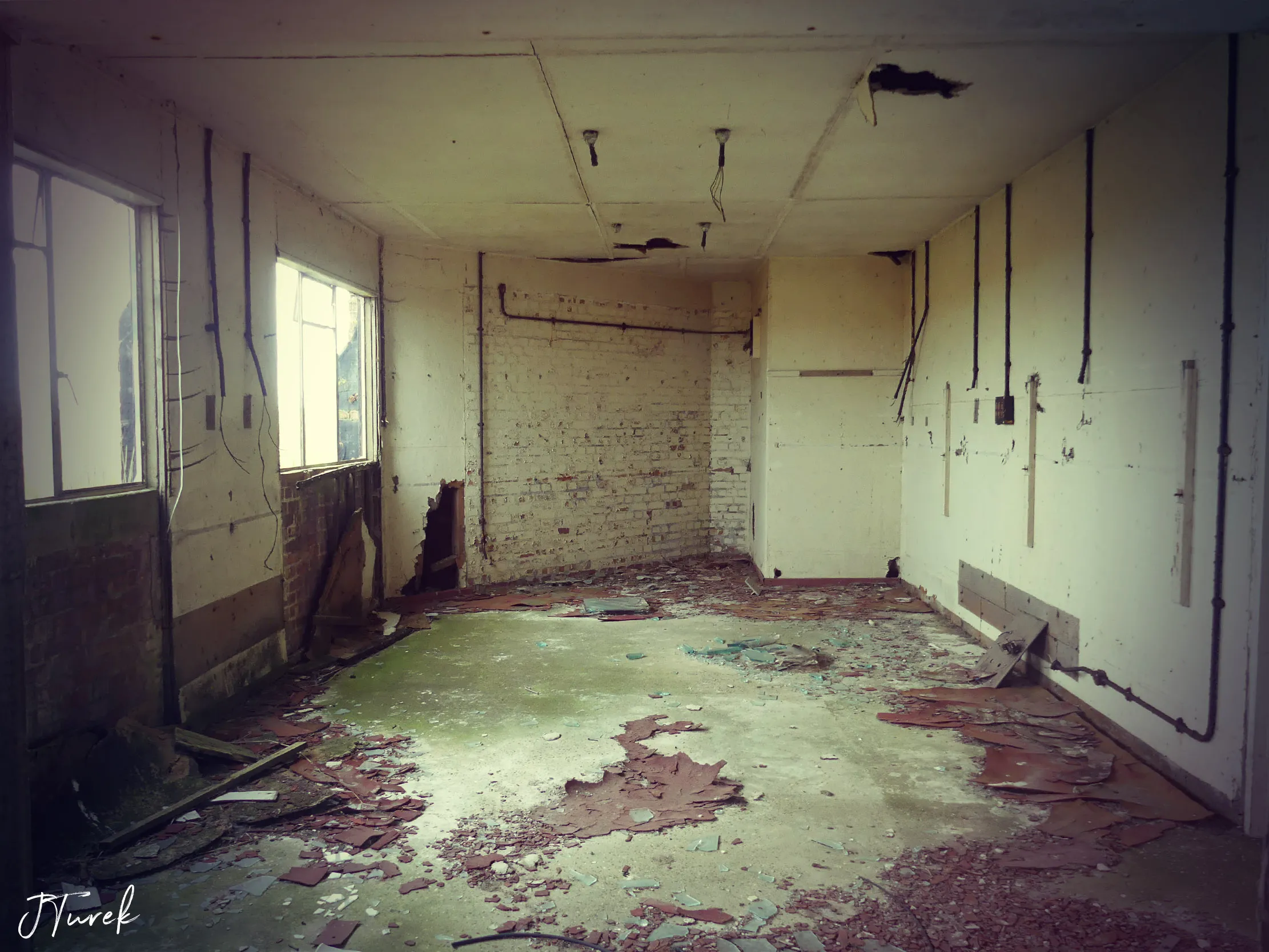
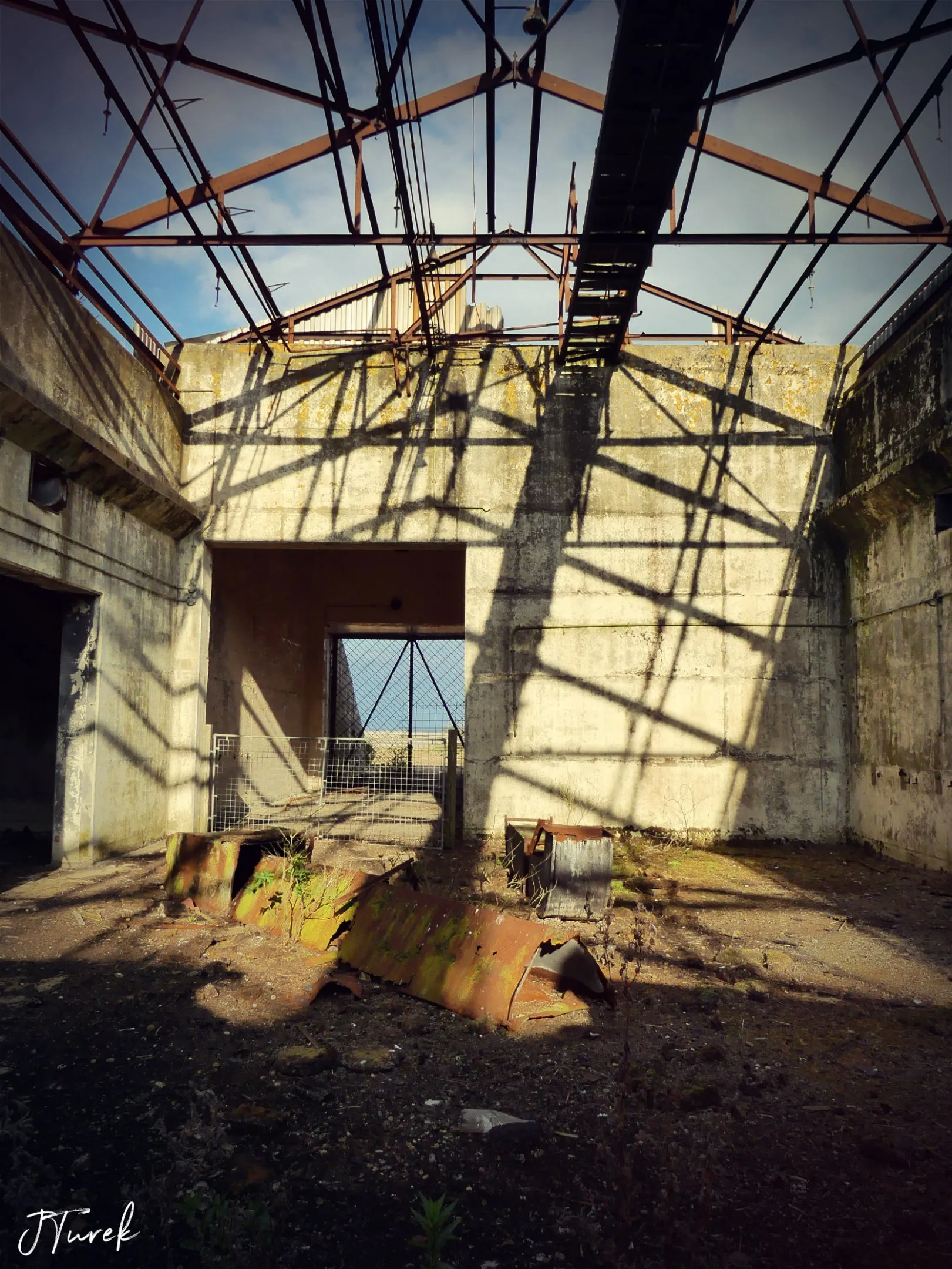
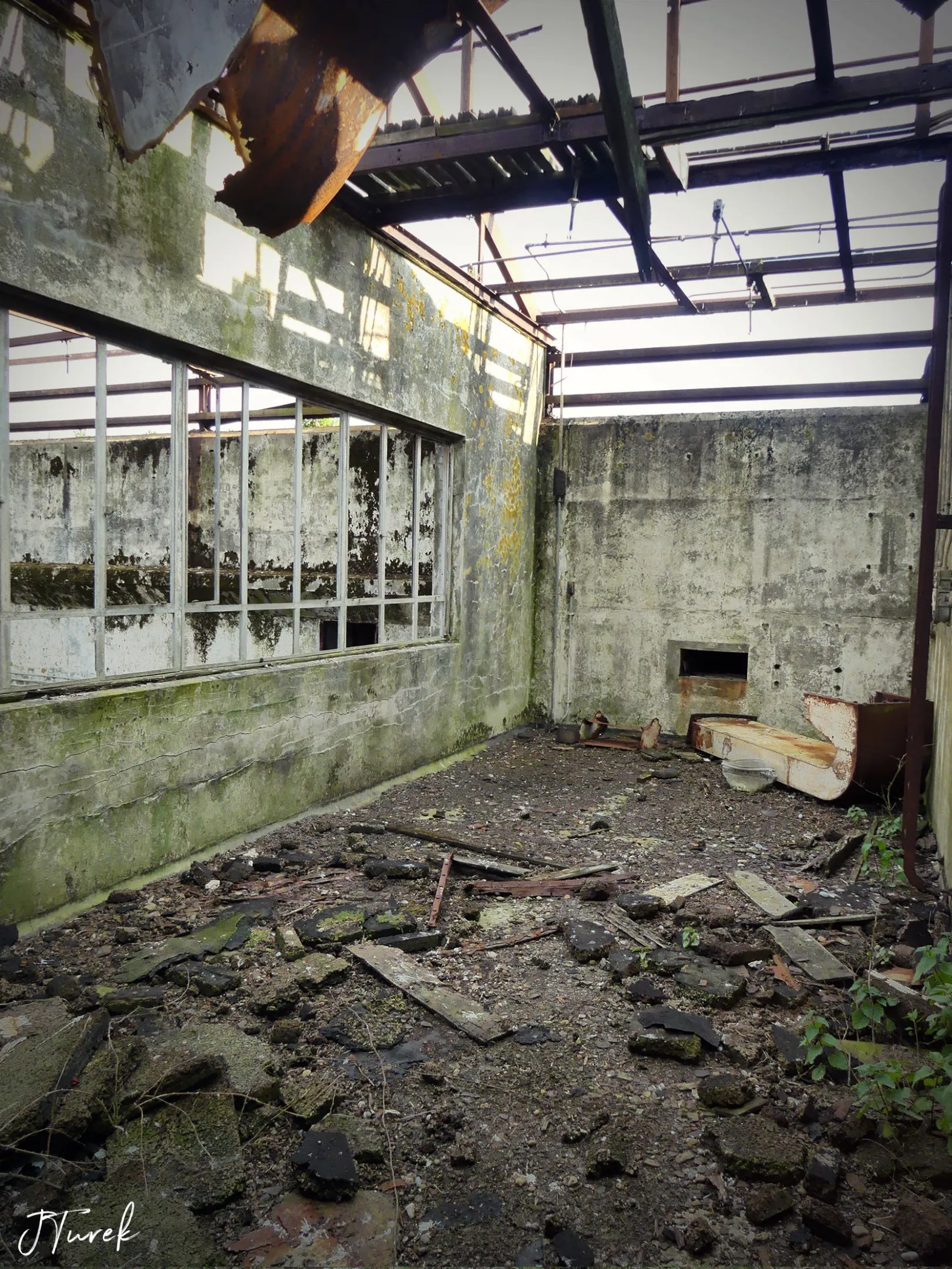
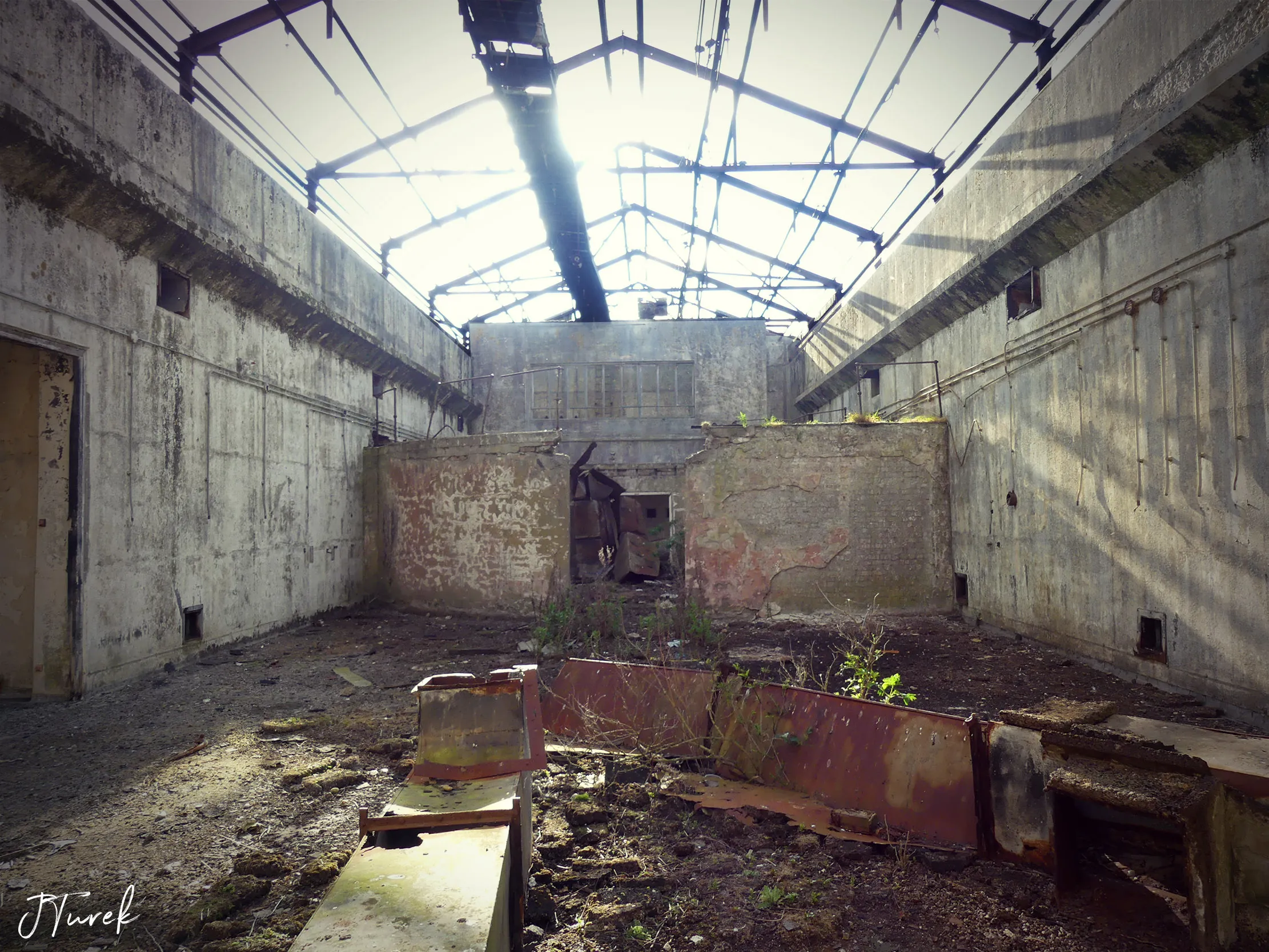
The radio masts are a late chapter in that story. They stand on a site that was built for something else.
Cobra Mist: the radar that never worked
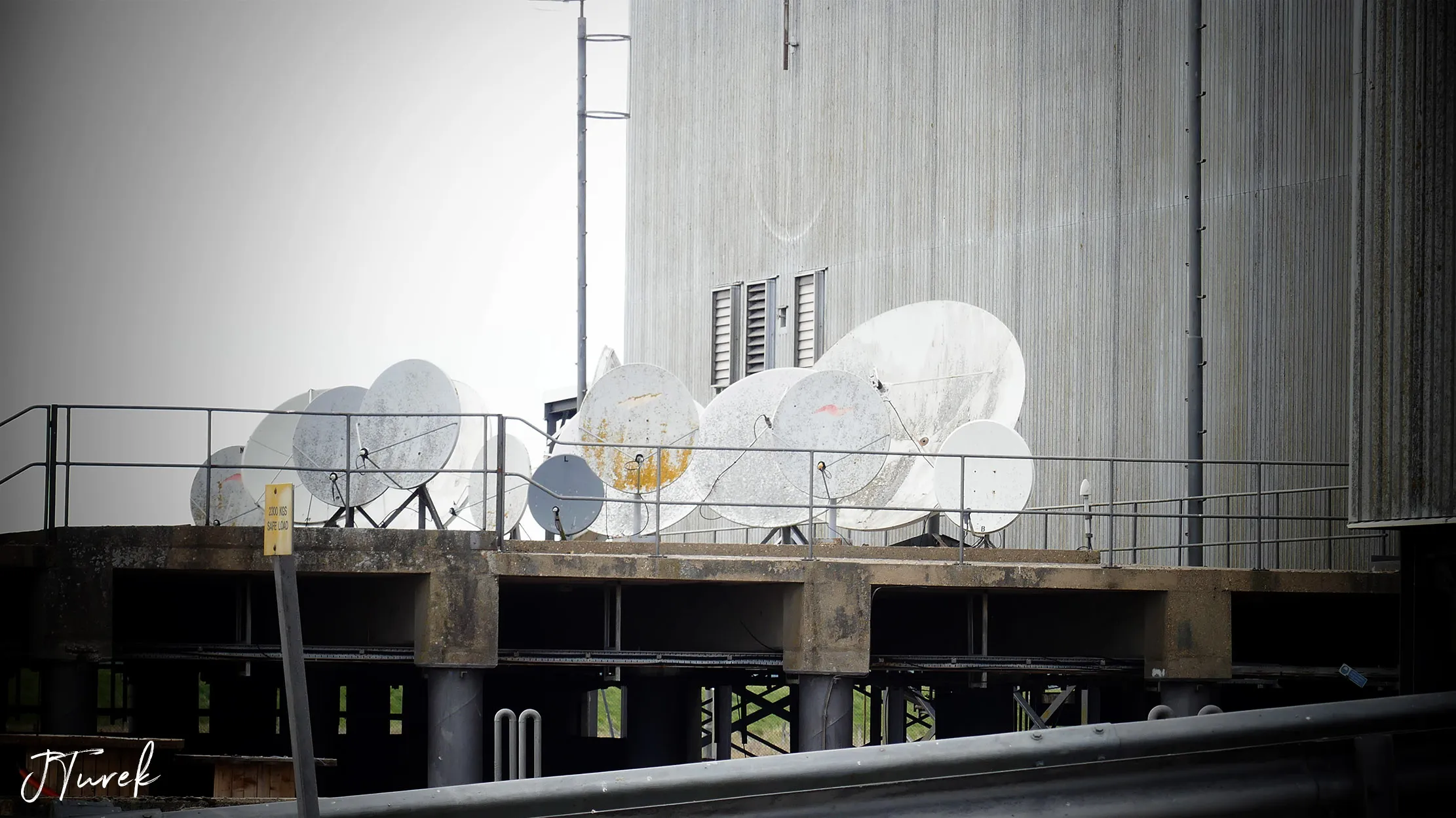
The story of the Orfordness Transmitting Station begins with a radar. Cobra Mist was an experimental over-the-horizon radar, an Anglo-American project also known as AN/FPS-95 or System 441a. The United States Air Force had planned to put it in Turkey, where it could cover much of the western Soviet Union, but Turkey refused to host it. Britain offered a site in Suffolk instead. From there the radar could look at most of Eastern Europe and the western Soviet Union, including missile launches from Plesetsk.
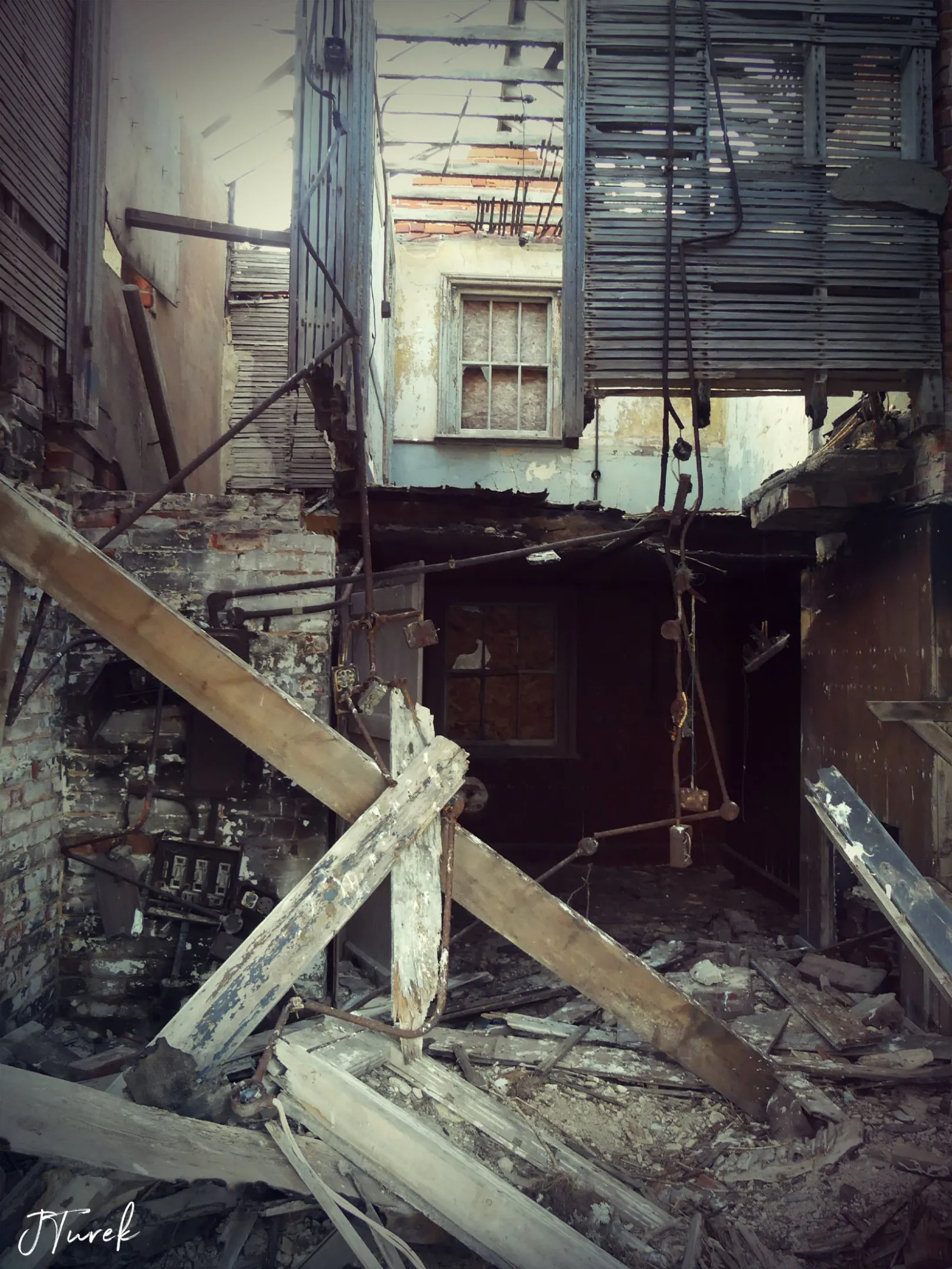
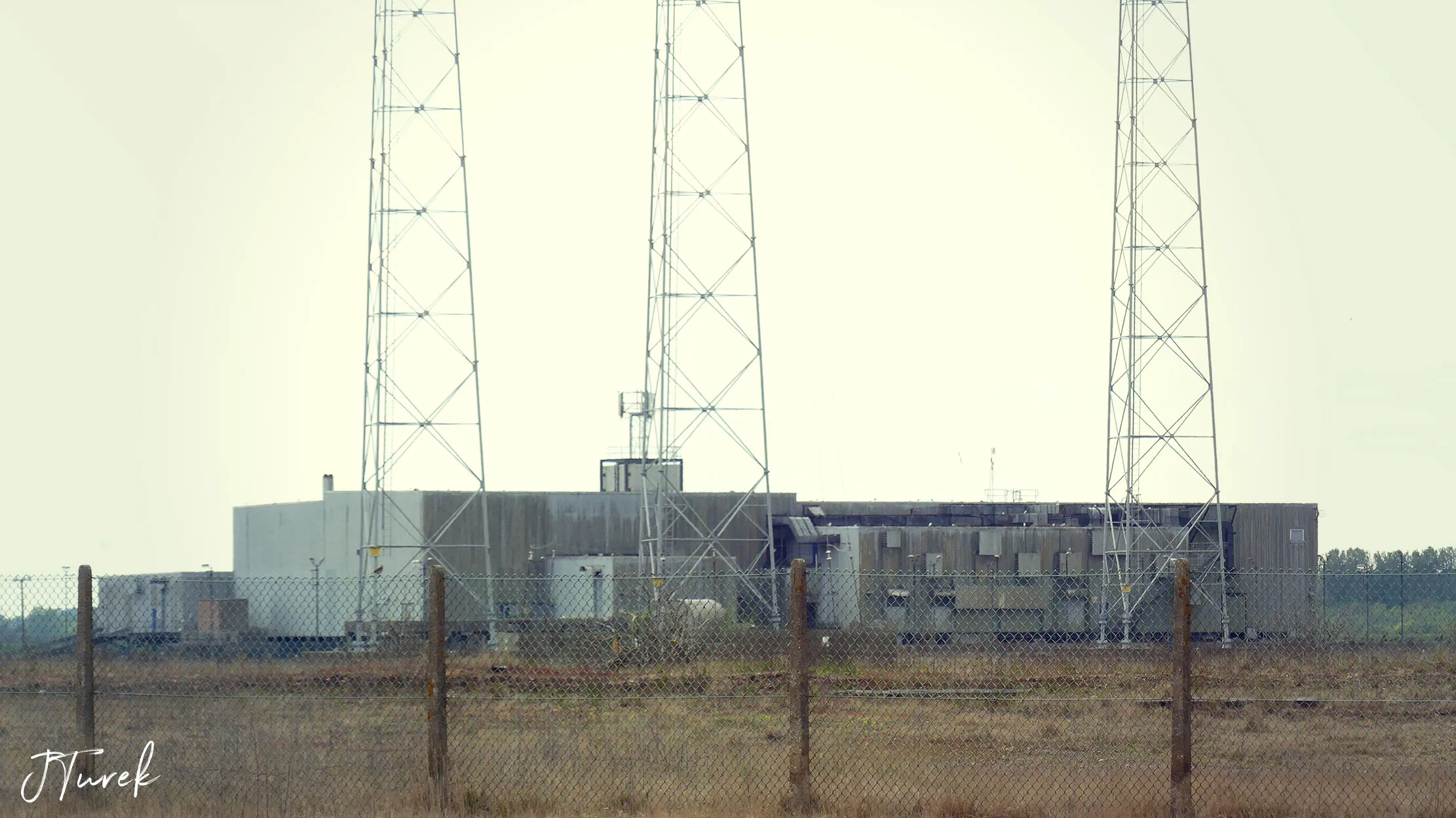
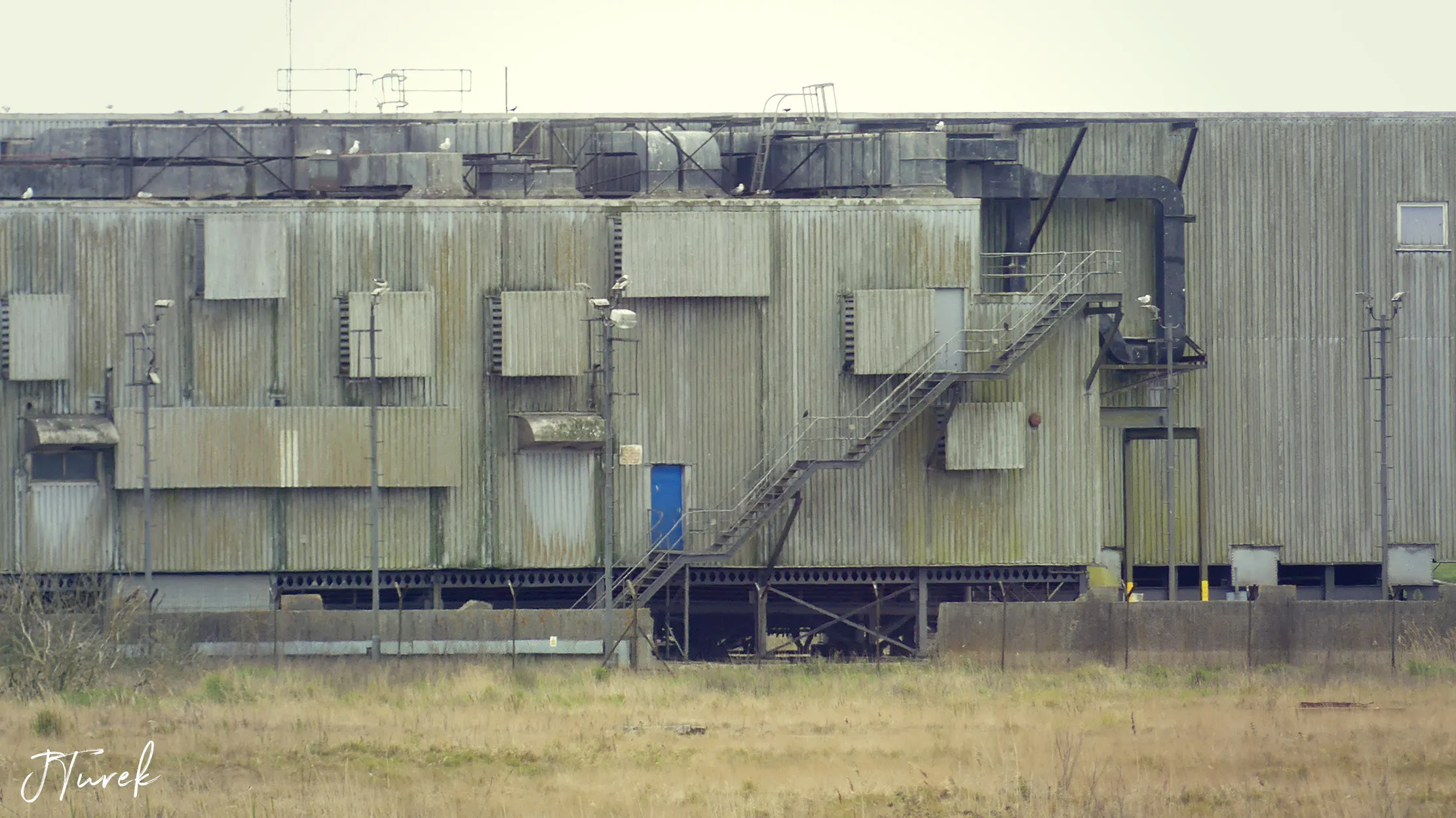
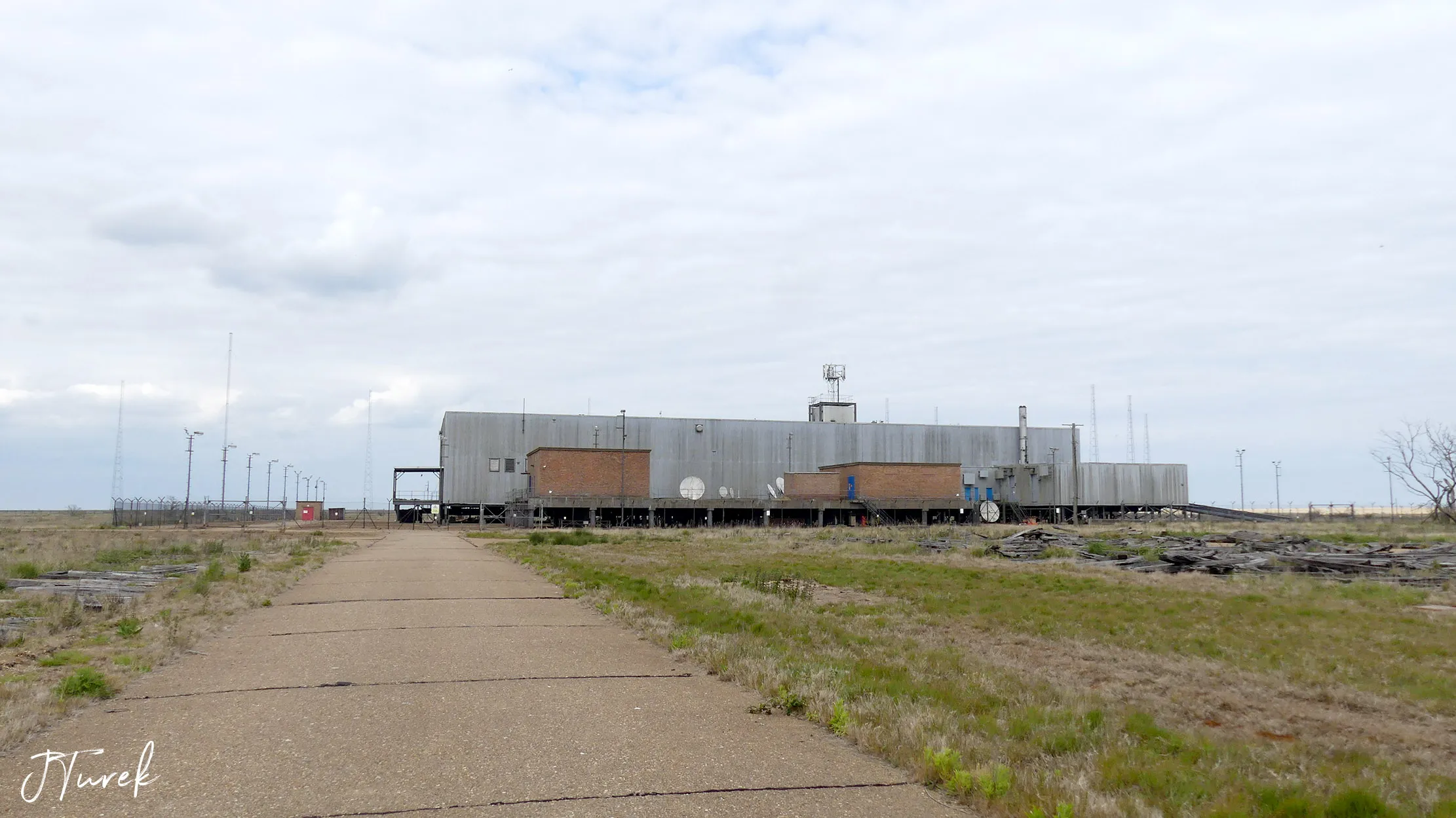
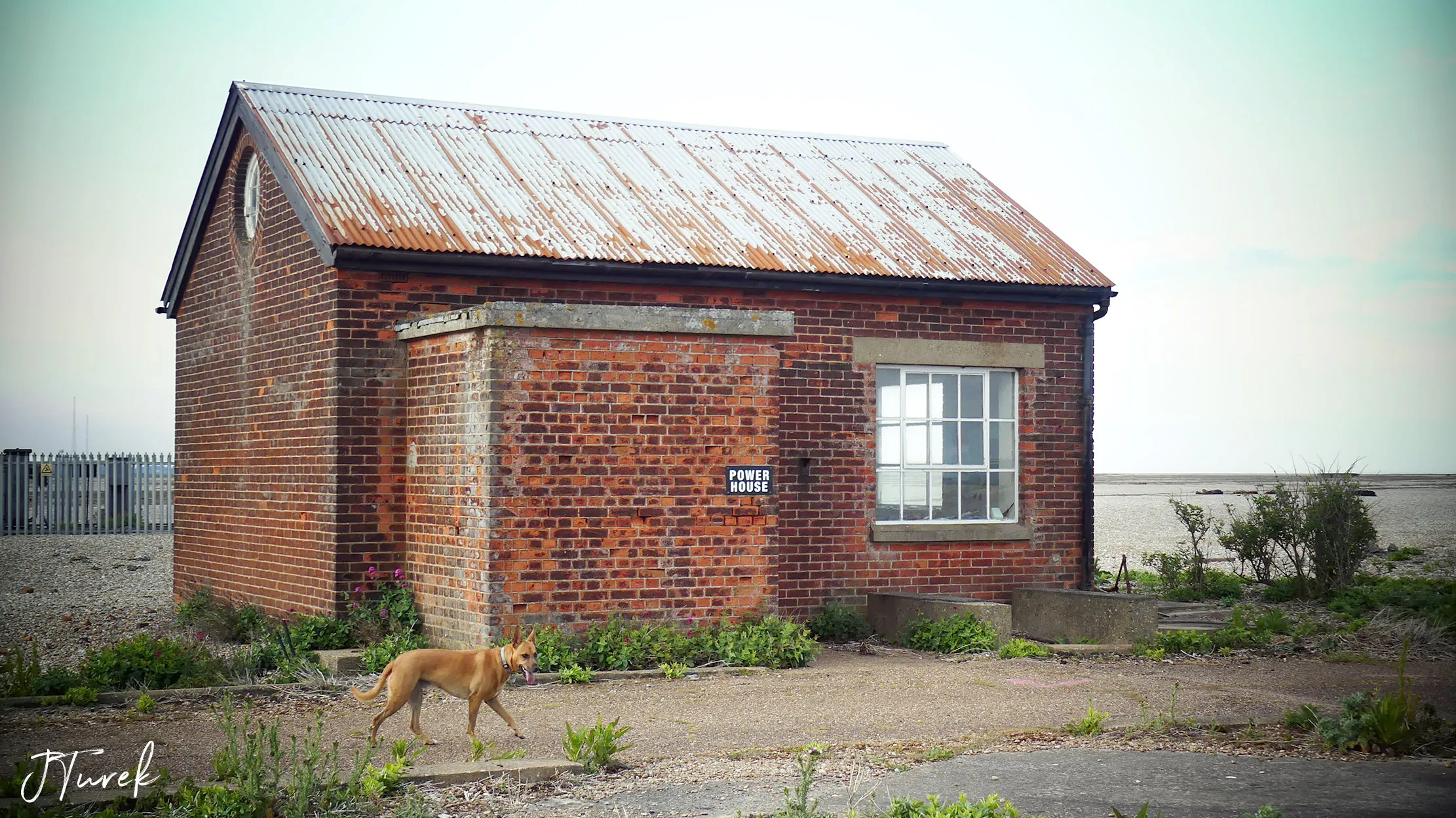
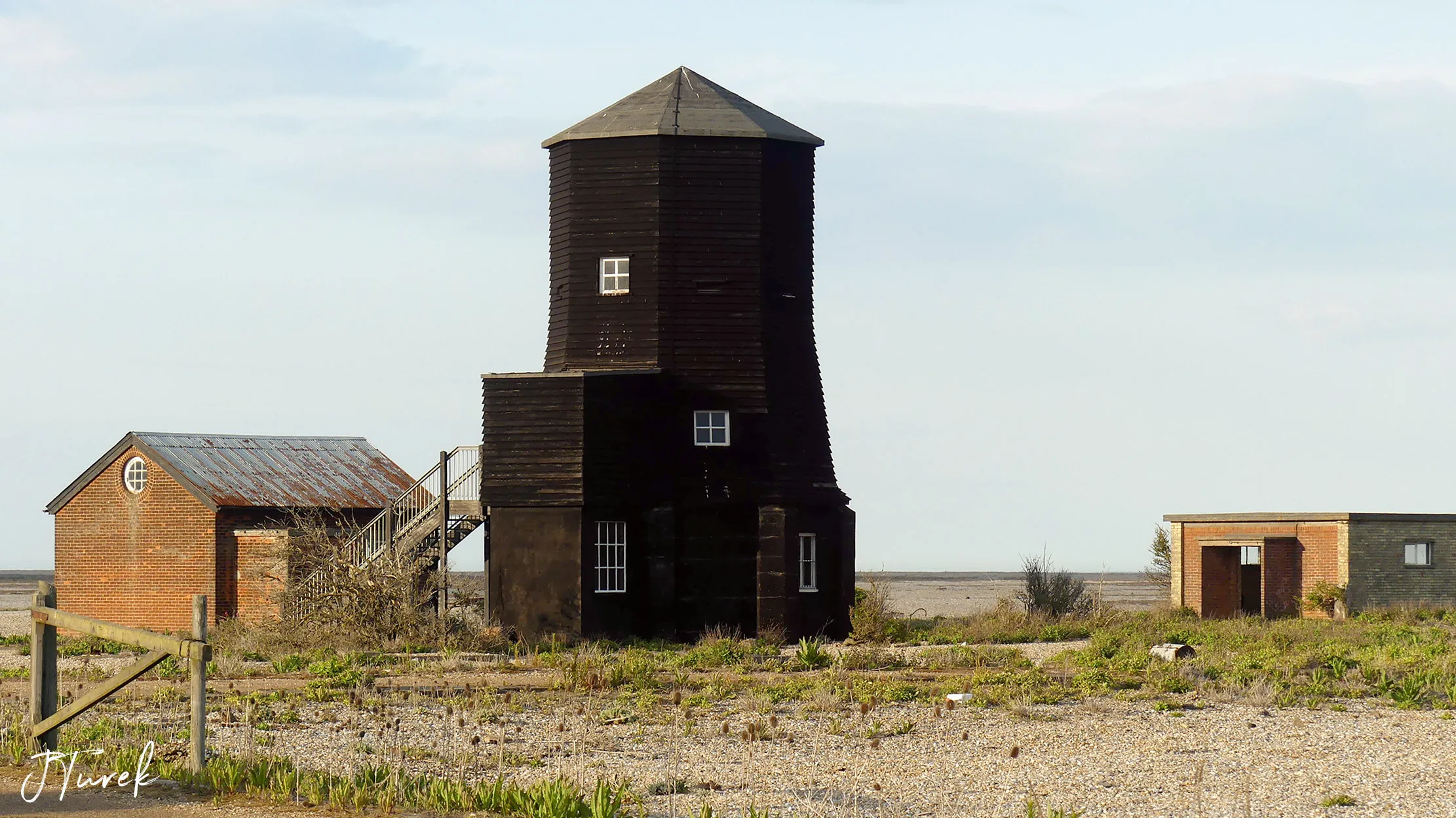
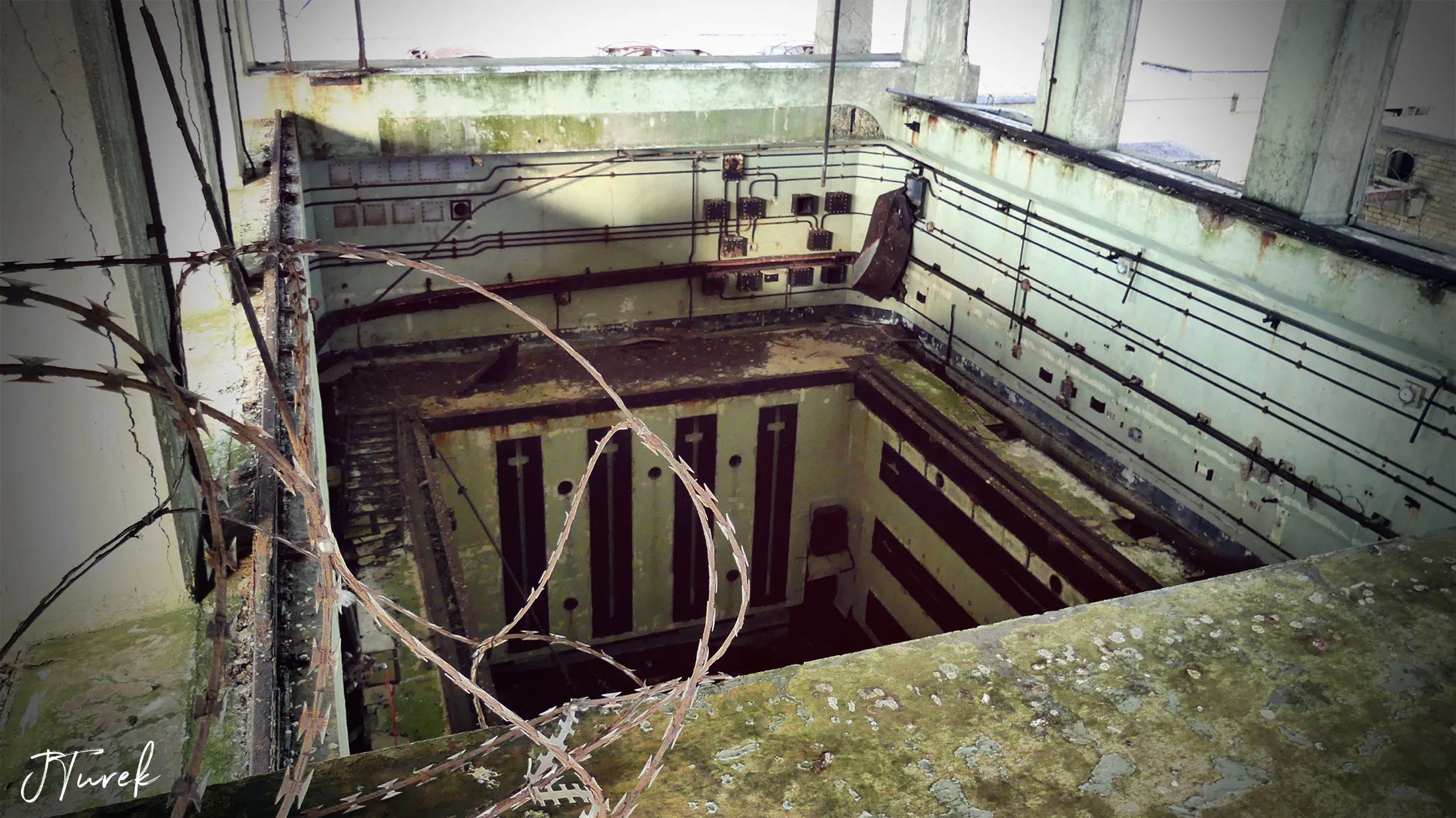
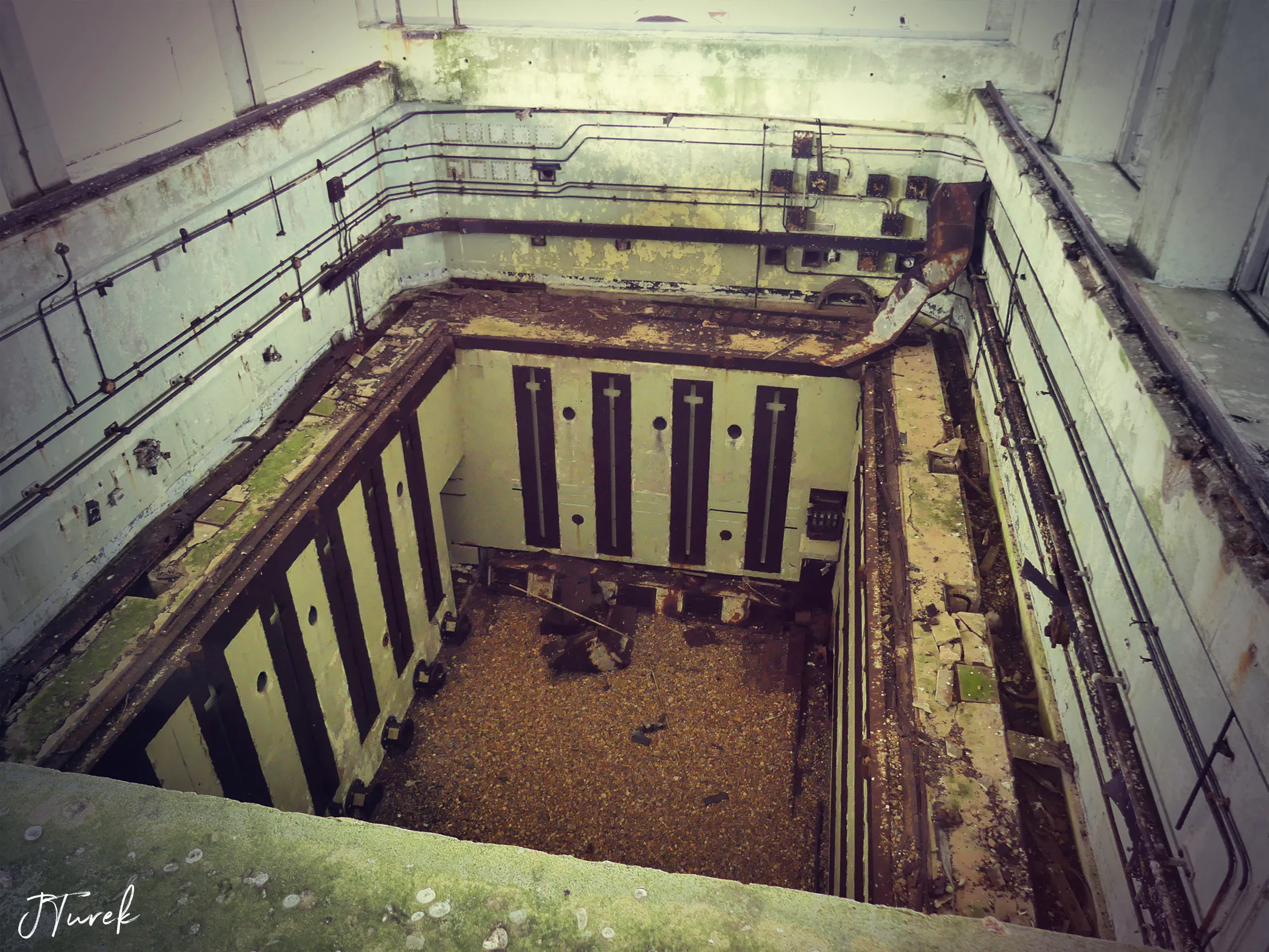
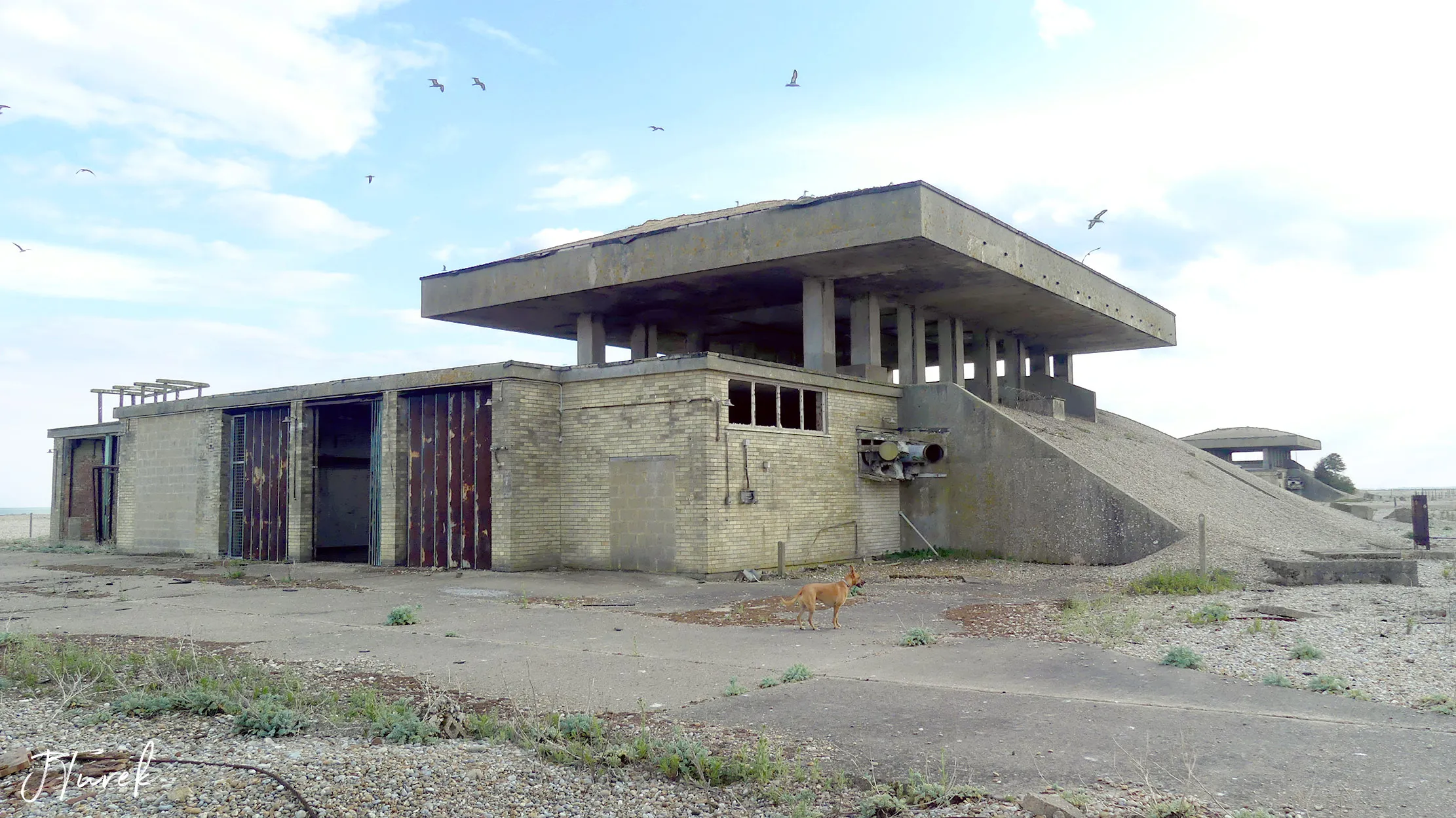
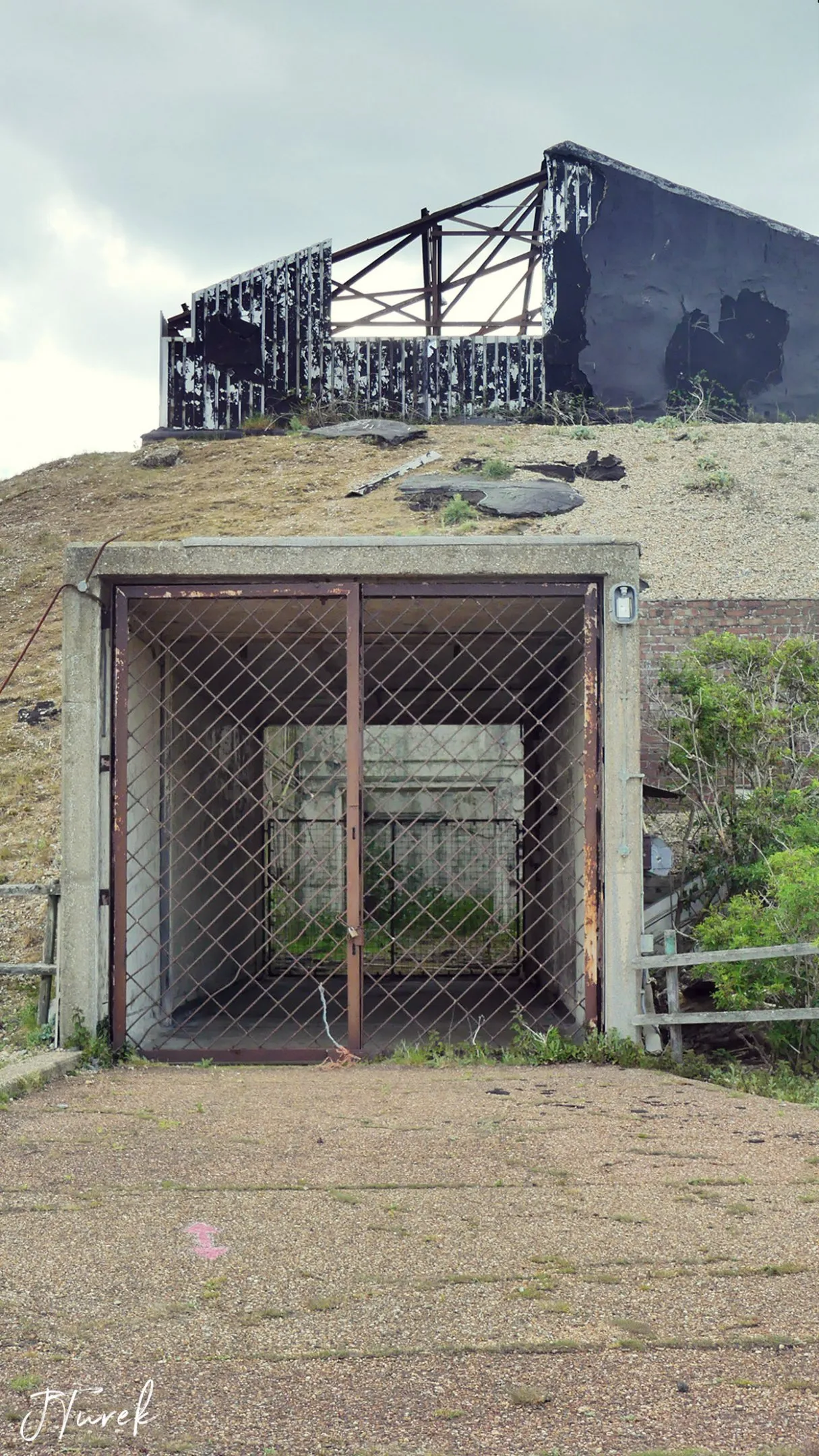
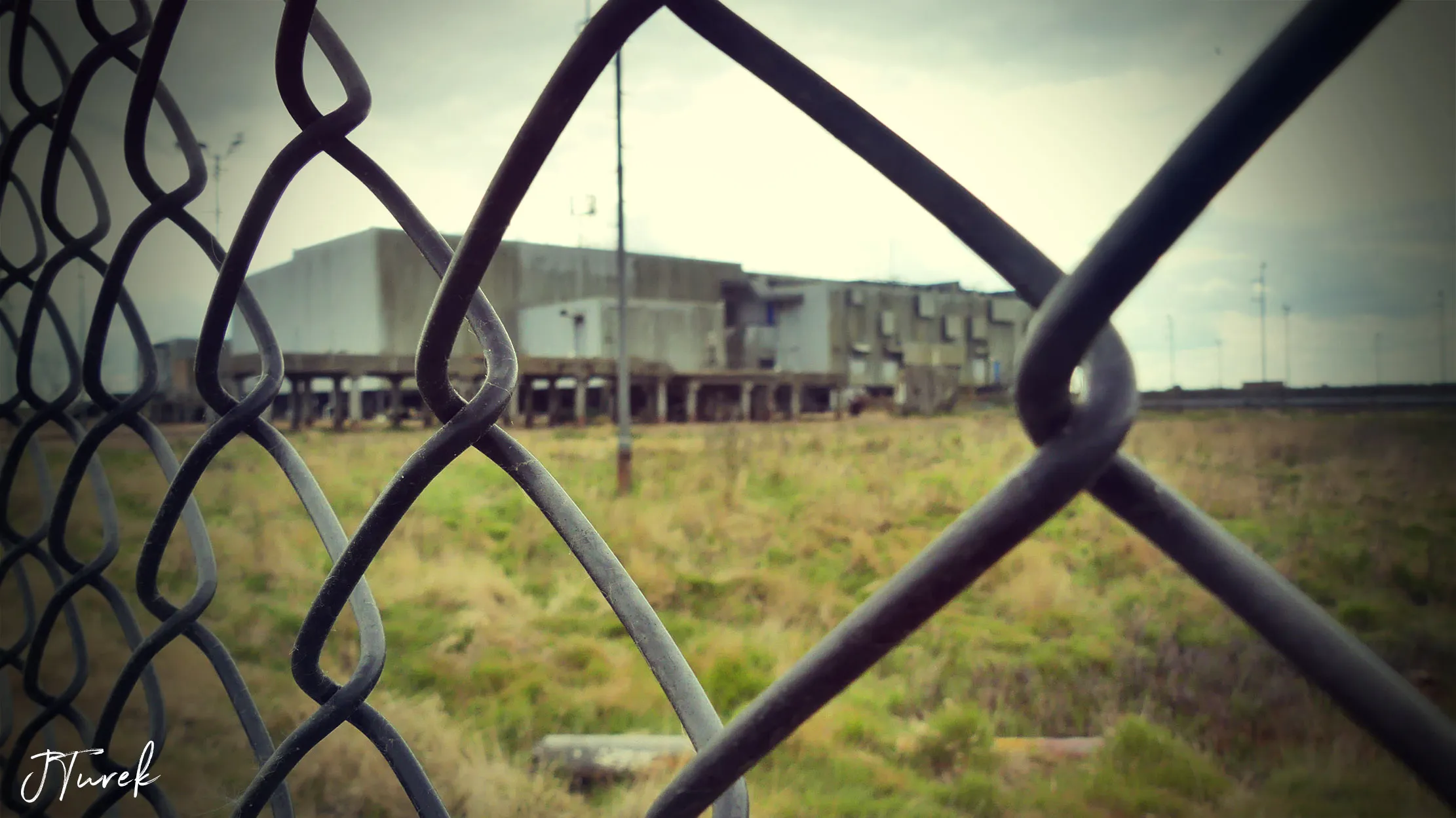
RCA won the contract late in 1966, and construction began in mid-1967. Many of the buildings were raised on short stilts, because the site lay below a previously recorded maximum water height. The site was completed on 10 July 1971, and testing began a week later. The specification was ambitious. The radar had a peak power of up to 10 megawatts, compared with about 500 kilowatts for the most powerful commercial radio stations, and a receiving antenna made of 18 strings, each 620 metres long. Its range was between about 500 and 2,000 nautical miles, using one bounce off the ionosphere.
It did not work. Testing in early 1972 found unexplained noise that shifted the frequency of signals, and the system often reported missile launches regardless of where it was pointing. A panel led by SRI International tested the system from January to May 1973 and found no convincing cause. Equipment faults were ruled out and the distortion occurred only over land, although deliberate electronic countermeasures were not ruled out. The panel concluded that better receivers could make it operational but only marginally useful. The Air Force shut it down on 30 June 1973. The project never operated in a real role, and its cost is estimated at 100 to 150 million US dollars.
From radar to radio
In 1975 the Foreign and Commonwealth Office’s Communications Engineering Department, formerly the Diplomatic Wireless Service, took over the site, moving into the former radar building. It installed a 50 kilowatt medium-wave transmitter.
From 1978, the site shared BBC medium-wave duties to Europe with the Crowborough station in Sussex. When Crowborough closed in September 1982, Orfordness took on all of them. In 1986 the BBC took over the running of the site, while the Foreign Office kept ownership.
The Cold War sound of Orford Ness
This is the part of the story that gives the site its Cold War character. Two frequencies were used.
The first, 1296 kHz, carried BBC programmes in Eastern European languages in the evenings and early mornings. Its directional aerial, built in 1978, was beamed east at 96 degrees to give night-time coverage of Poland, Czechoslovakia, Hungary and the western USSR, which were key target areas for the BBC throughout the Cold War. Once the Cold War ended and the BBC could relay its programmes on FM inside those countries, the Eastern European service was phased out.
The second, 648 kHz, carried the BBC World Service in English around the clock from September 1982 until March 2011. From 1987, a tailored service known as BBC 648 also carried French and German programmes. The French service ended in 1995 and the German in 1999.
Because the aerials were directional, with limited radiation westward, reception in the United Kingdom itself was poor or absent. The exceptions were parts of south-east England, including London, and East Anglia. The signal was meant for the continent.
Masts and machines
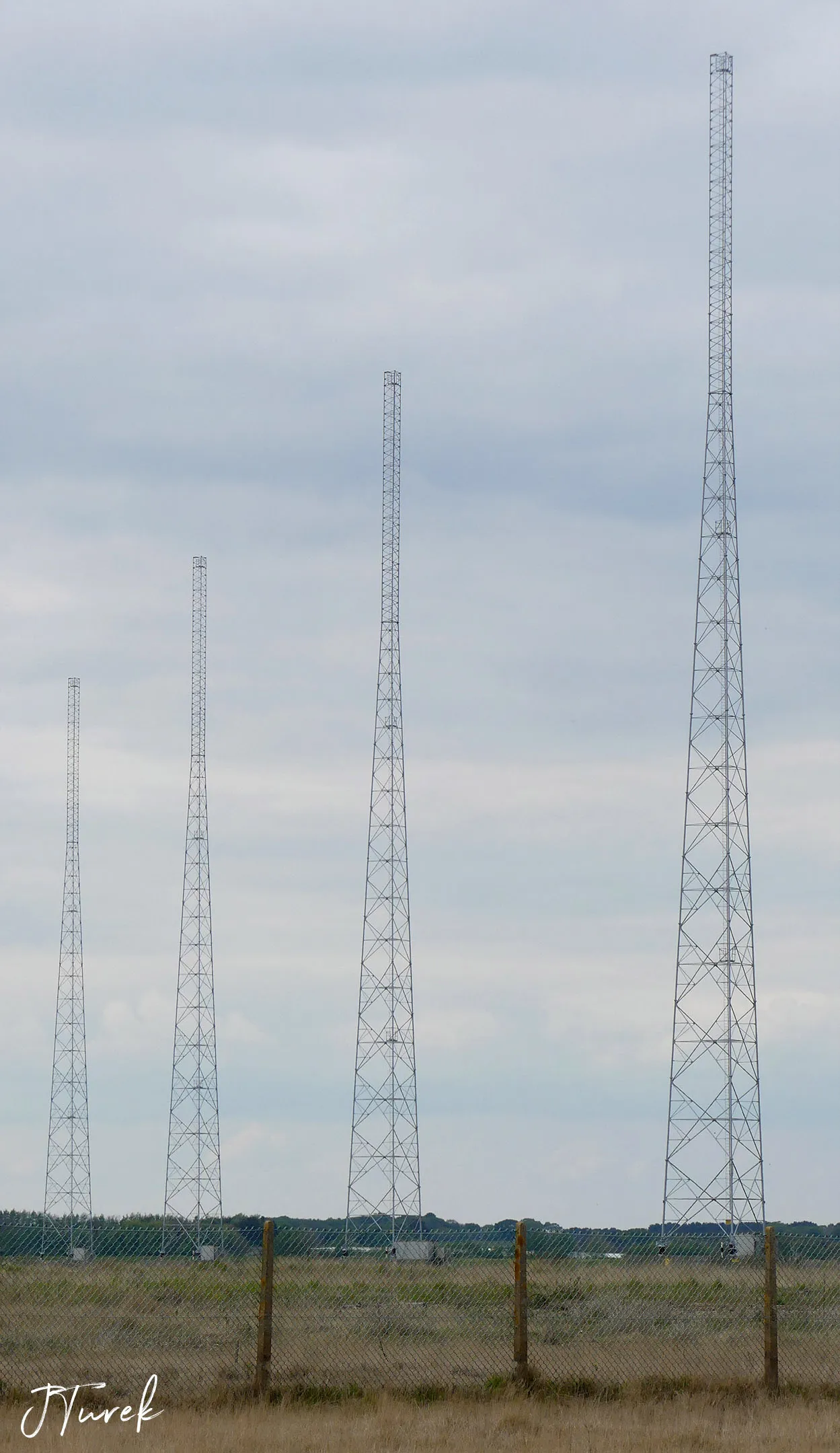
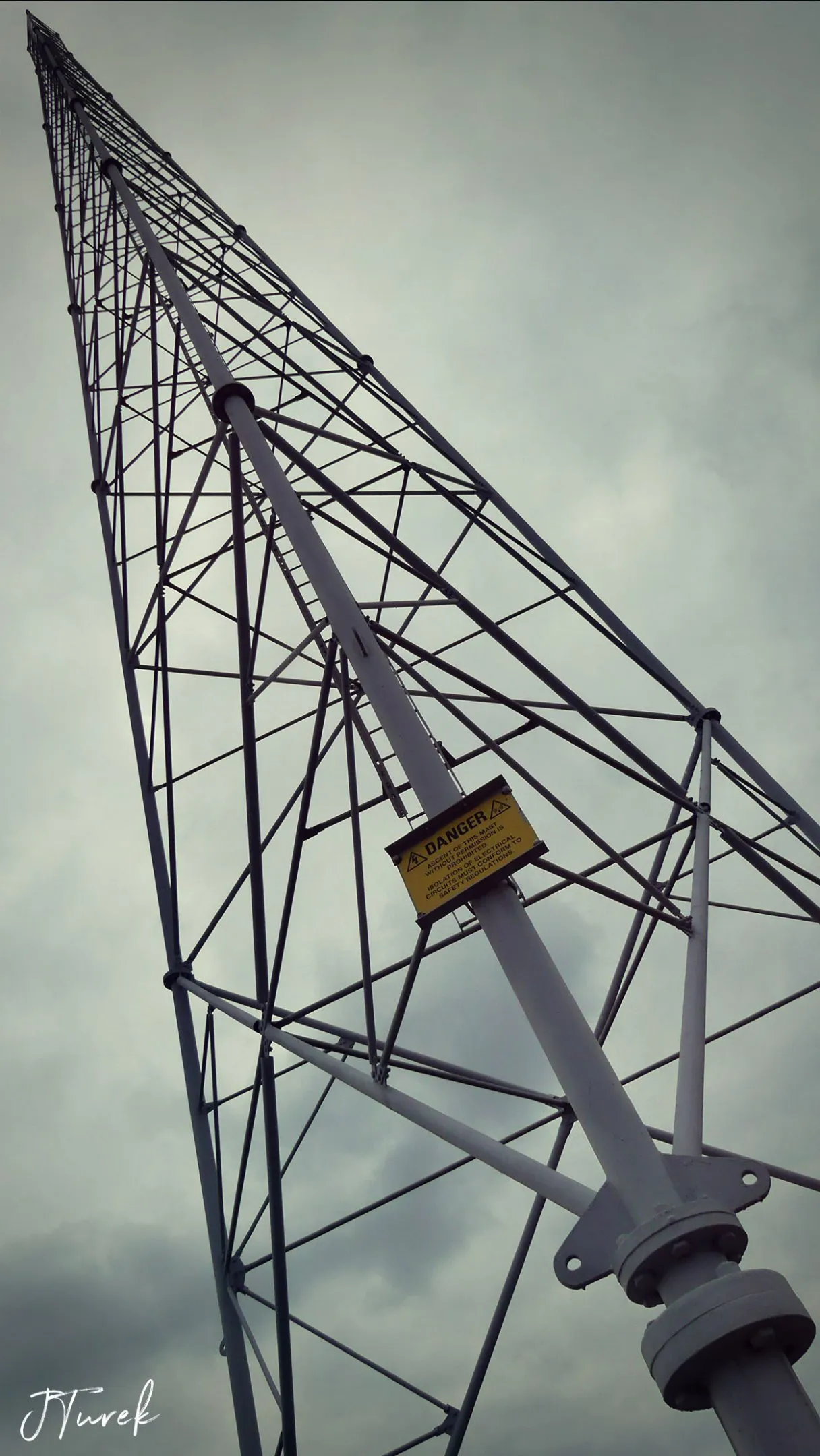
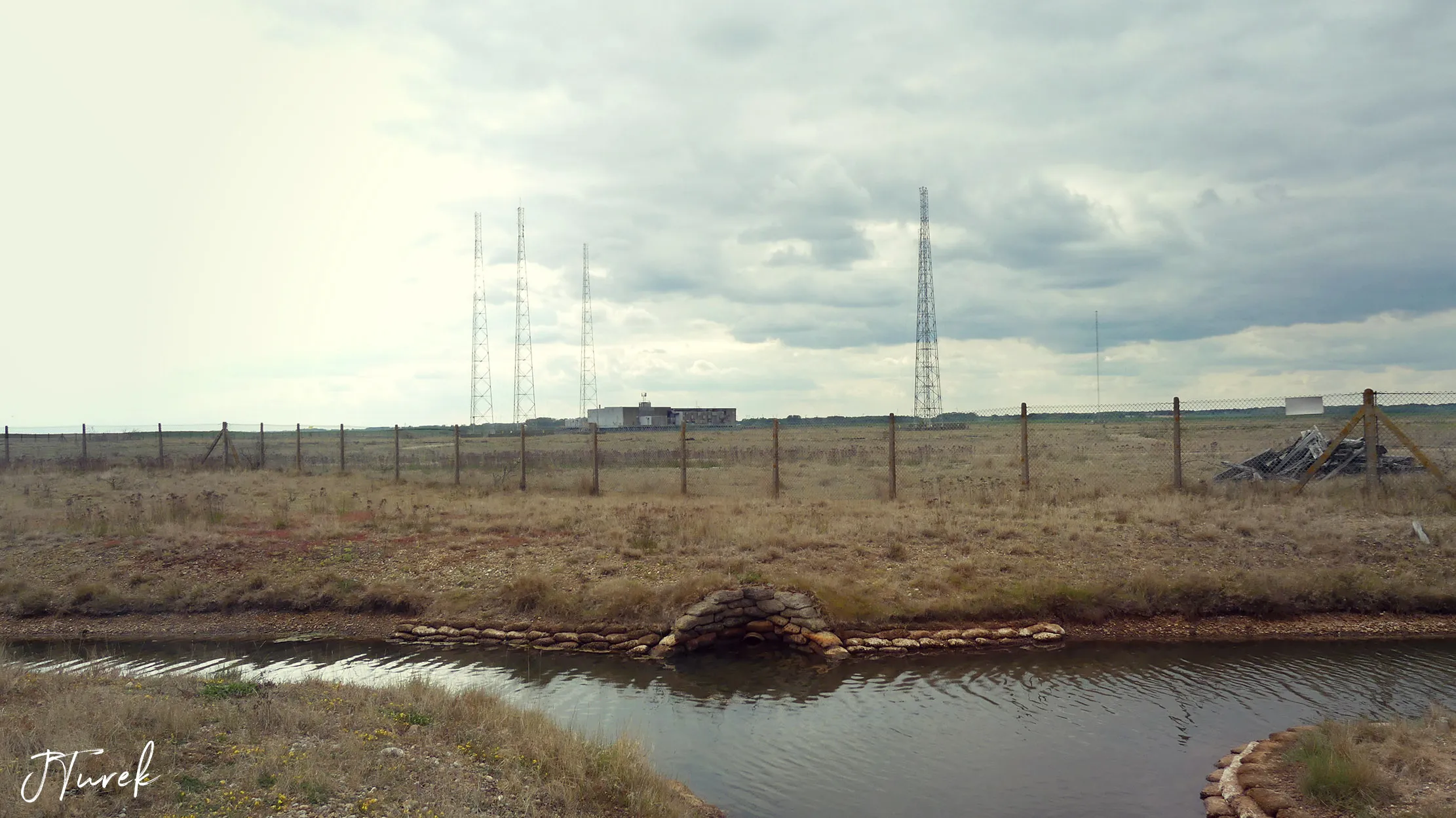
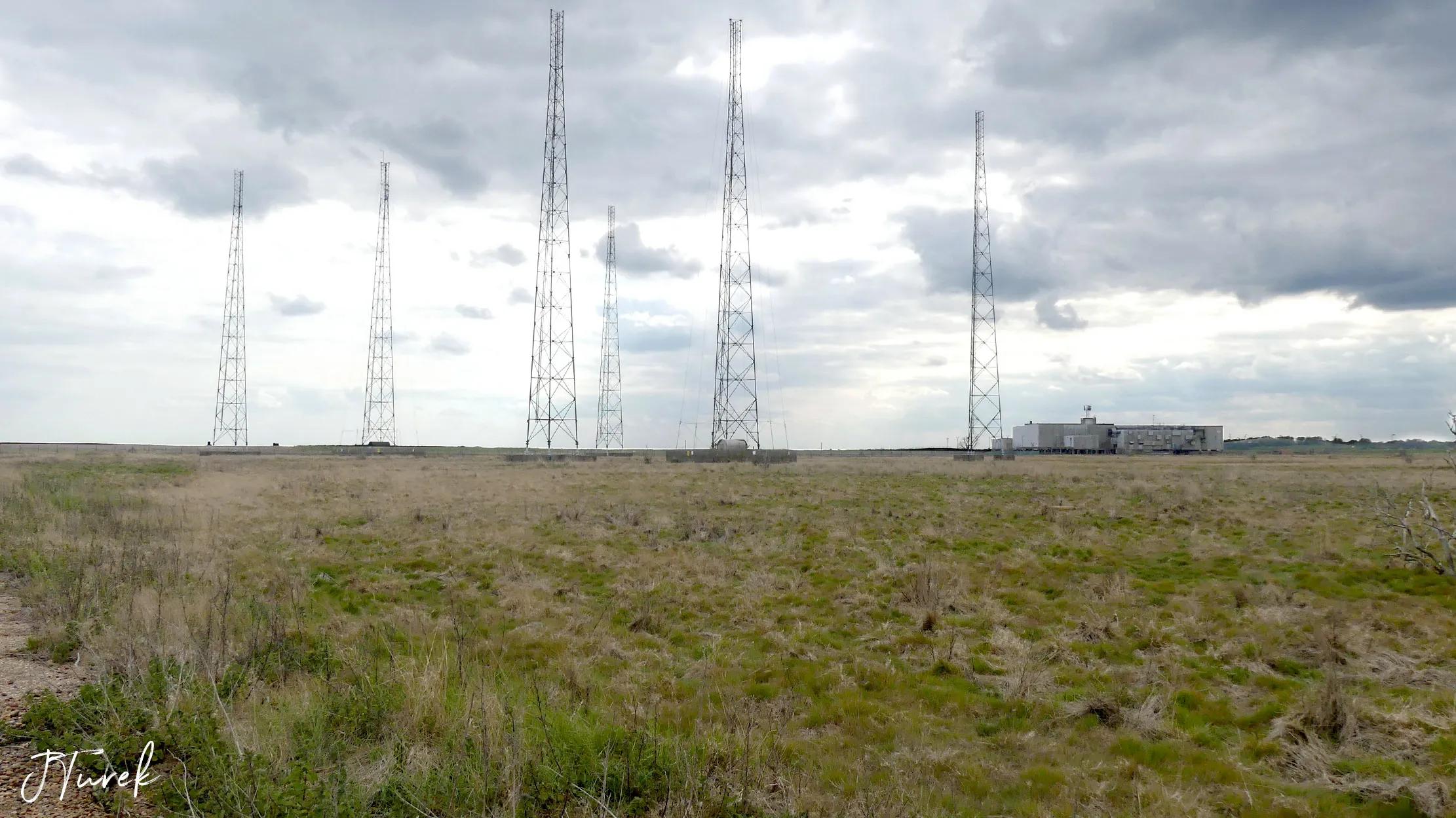
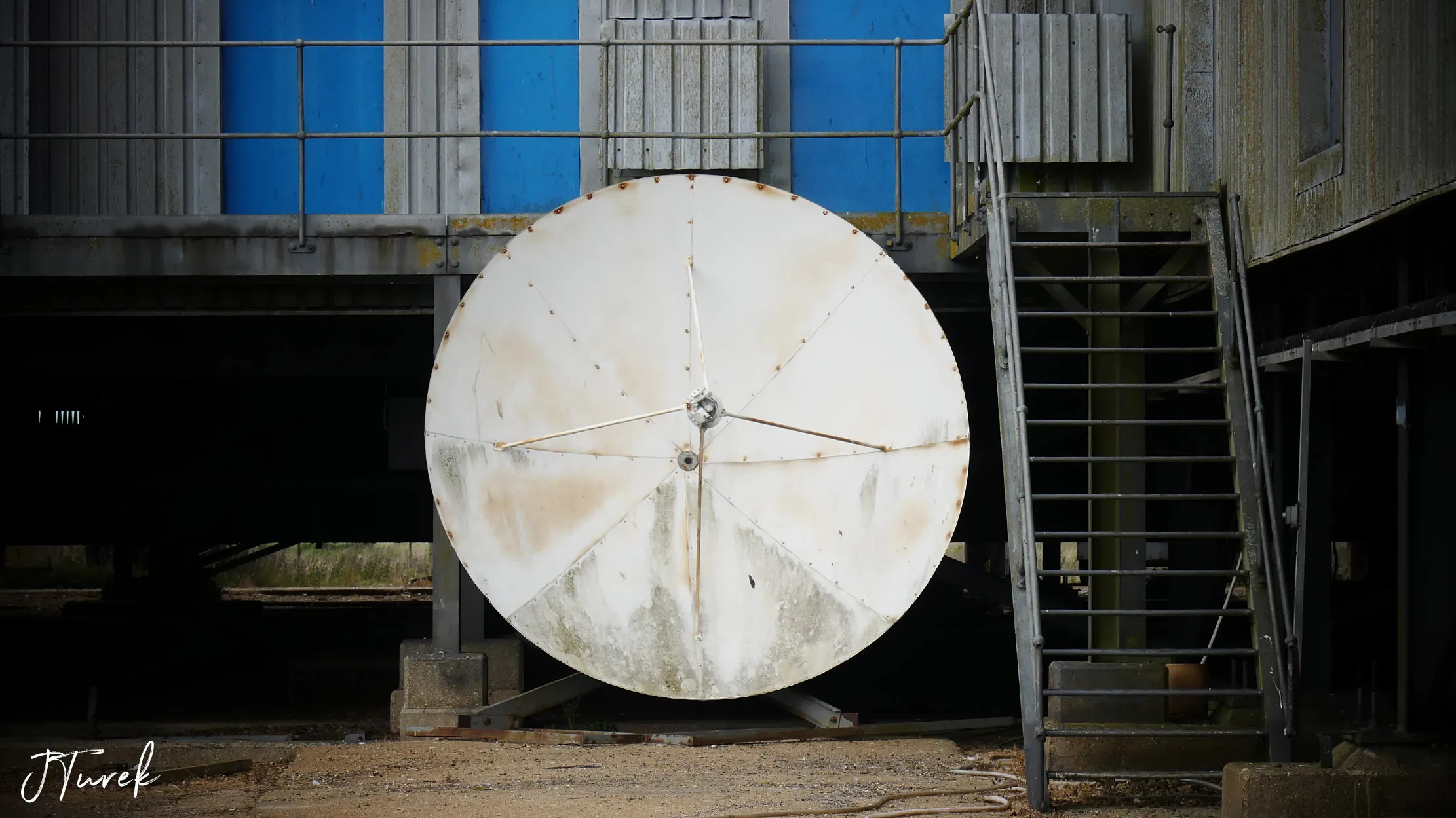
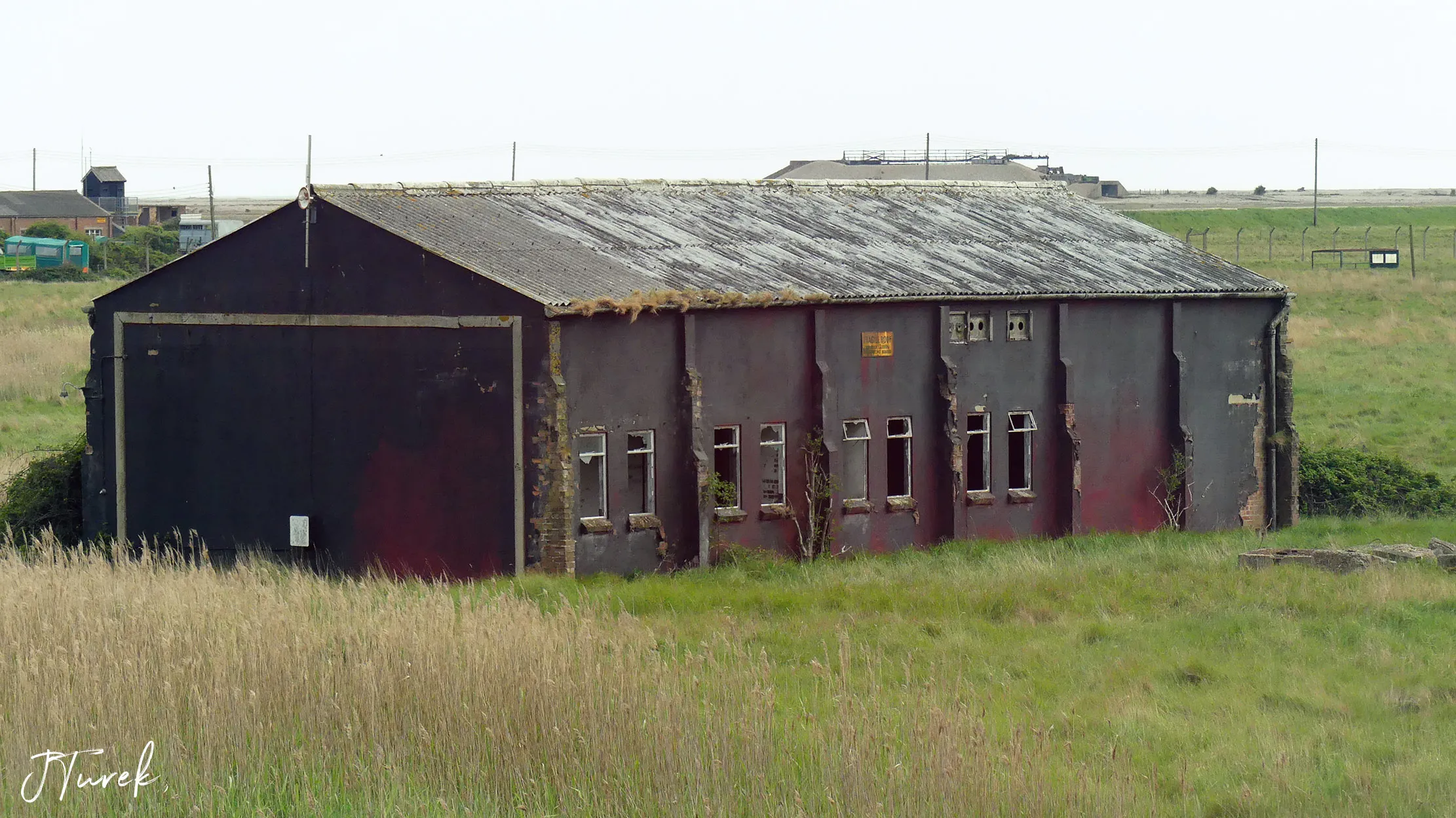
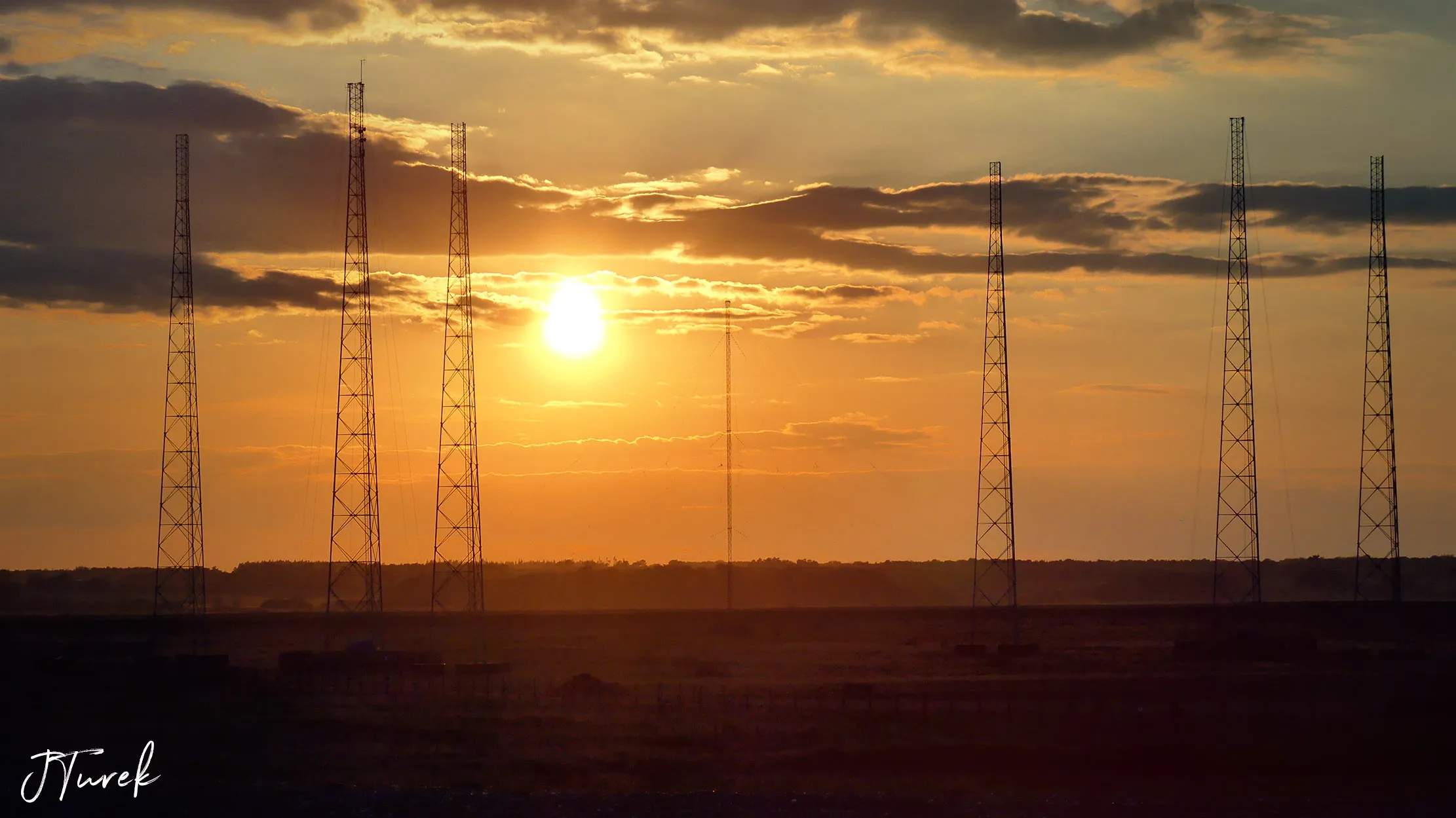
The site was built around its aerials. The 648 kHz array is five triangular steel lattice towers, each 106.7 metres, or 350 feet, tall and insulated at the base, put up in 1981 and 1982 and beamed at 131 degrees, to the south-east. The 1296 kHz array, erected in 1978, is six lattice towers in two rows of three. Only the middle tower of each row was driven, and the others acted as reflectors and directors. A separate omni-directional mast for 648 kHz, limited to 250 kilowatts, was added in 1983.
The transmitters were large. The main set was an AEG-Telefunken S4006 with a maximum output of 600 kilowatts, used with dynamic carrier control on 648 kHz. Two Doherty 250 kilowatt units that had come from Crowborough could be combined to give 500 kilowatts on one frequency. A 200 kilowatt Nautel unit was commissioned in 2003 for 1296 kHz, and typically ran at about 35 kilowatts for digital DRM broadcasts. The original 50 kilowatt unit from 1975 returned to service after the storm of October 1987. Registration listings gave 500 kilowatts as the maximum for both frequencies, which is lower than the S4006’s rated output.
Privatisation and the end of the BBC years
The site passed through a series of owners after 1986. In 1997 it was bought by Merlin Communications International, a company formed by former BBC engineers. Merlin was acquired in 2001 by VT Group and renamed, and in 2010 the site was bought by Babcock International Group.
Other broadcasters hired the transmitters. A Dutch station took 1296 kHz from 2001, the BBC World Service used it for limited digital DRM broadcasts between 2003 and 2012, and in 2008 an EU-funded English programme called Network Europe aired on it for half an hour a day. After fires at Dutch FM transmitter sites on 15 July 2011, Dutch Radio 1 briefly used 648 kHz in the summer of 2011.
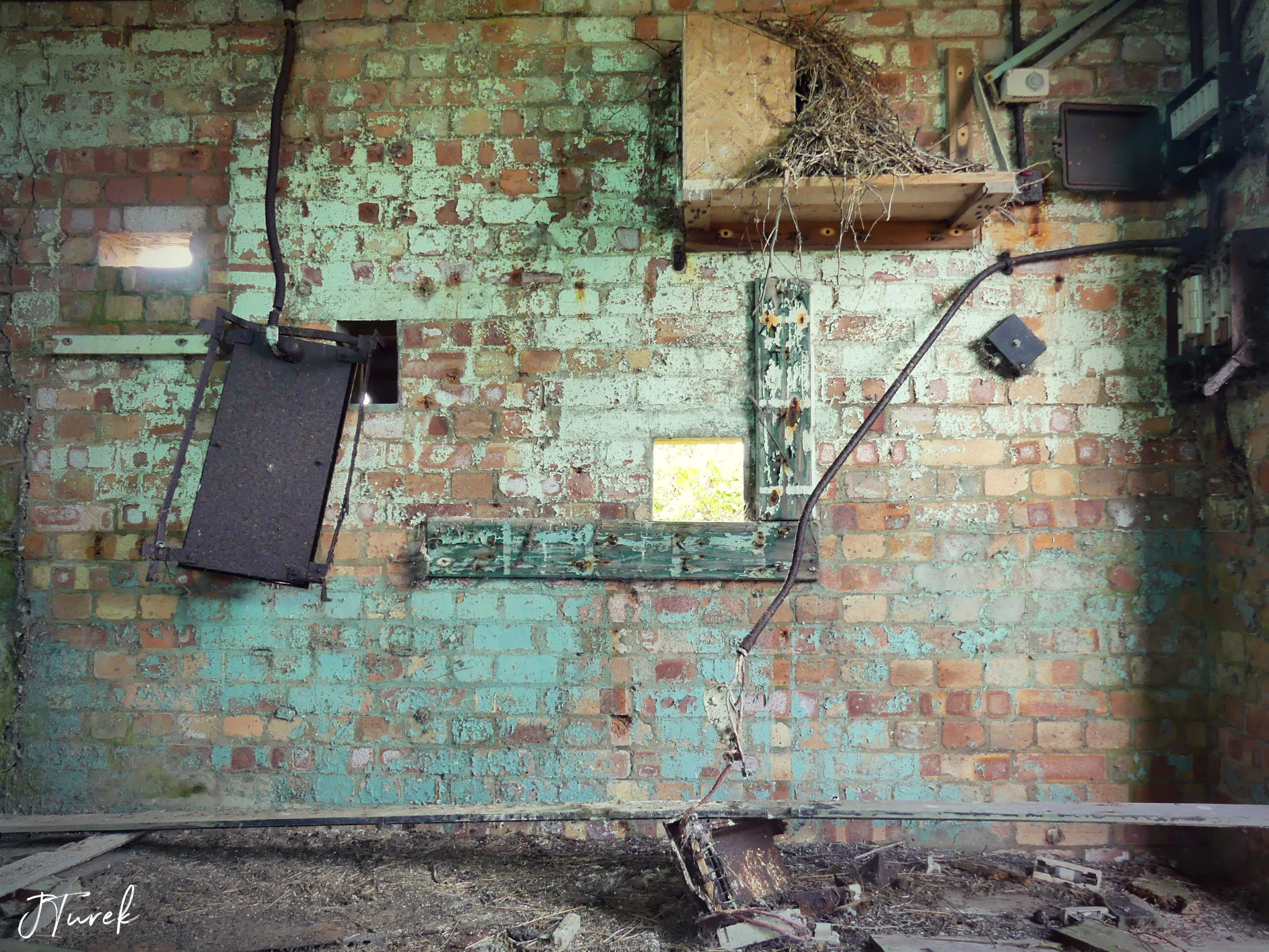
The BBC’s own use ended first. Budget cuts stopped the World Service on 648 kHz at midnight on 27 March 2011. A last 24-hour broadcast by a Dutch station on 10 and 11 May 2012 closed the station after more than thirty years. In October 2012 Ofcom withdrew Babcock’s authorisation to use 648 kHz. Babcock removed all the transmitter equipment before selling the site. Even so, in August 2016 all three aerial systems were still standing.
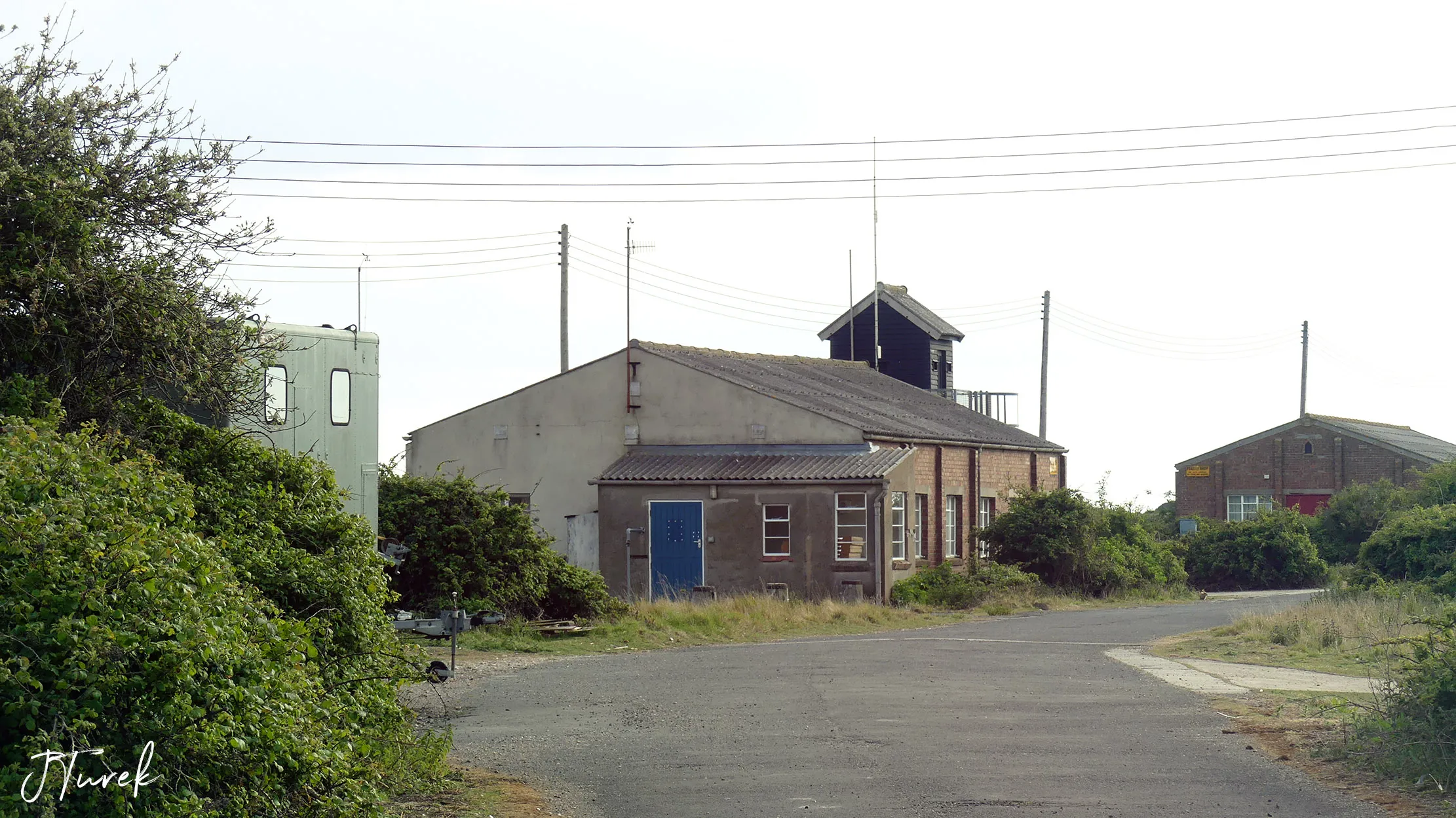
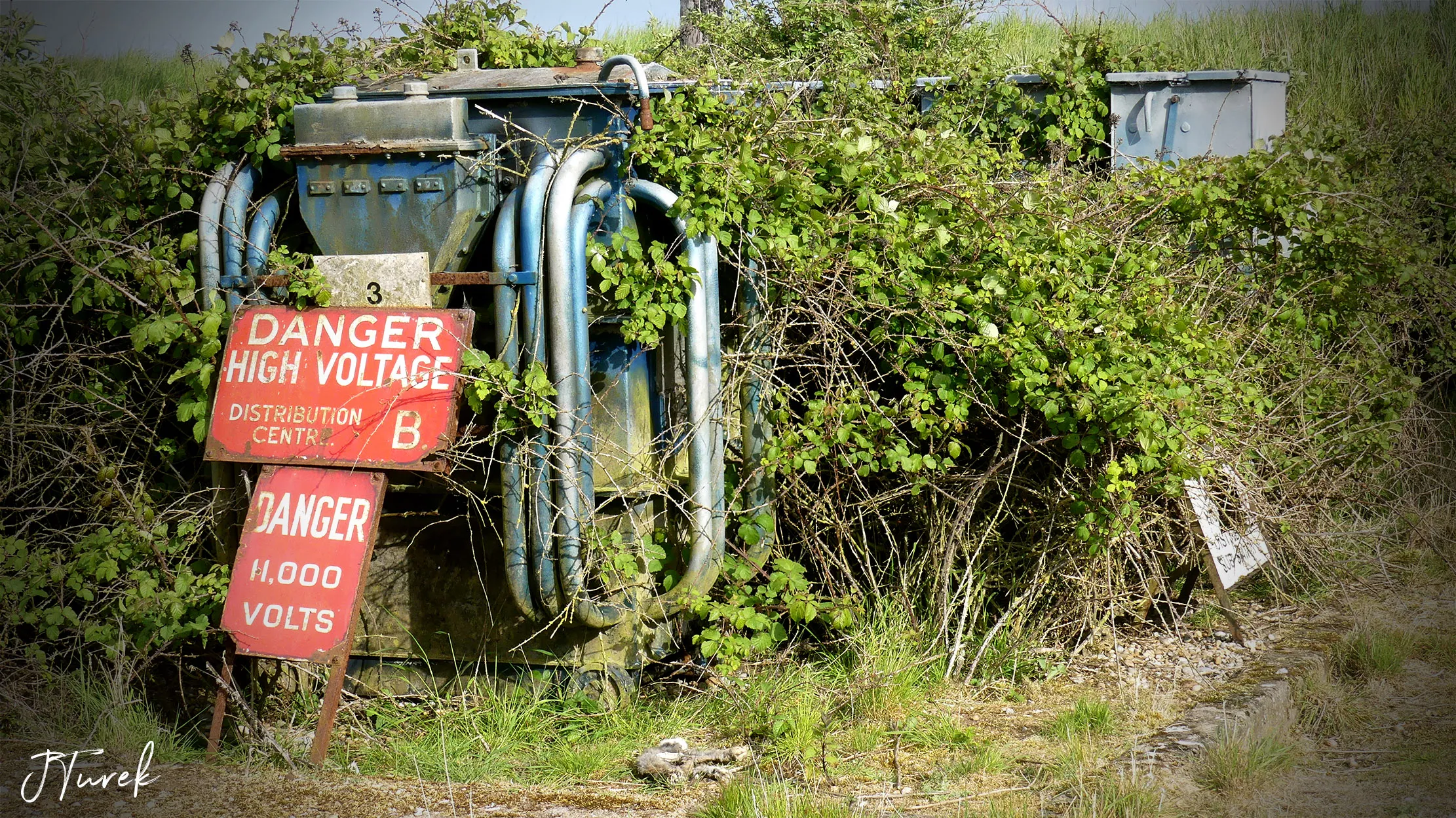
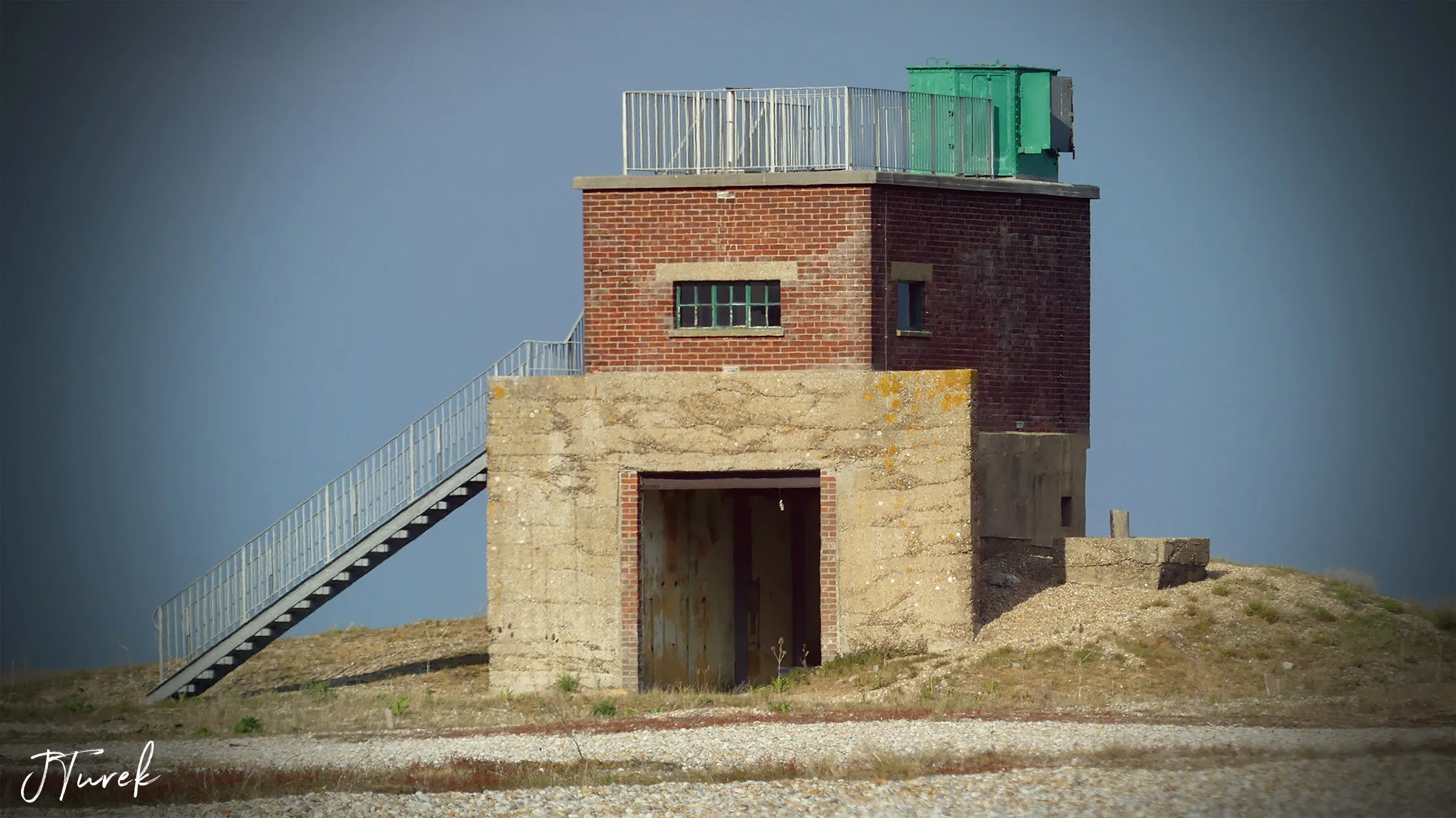
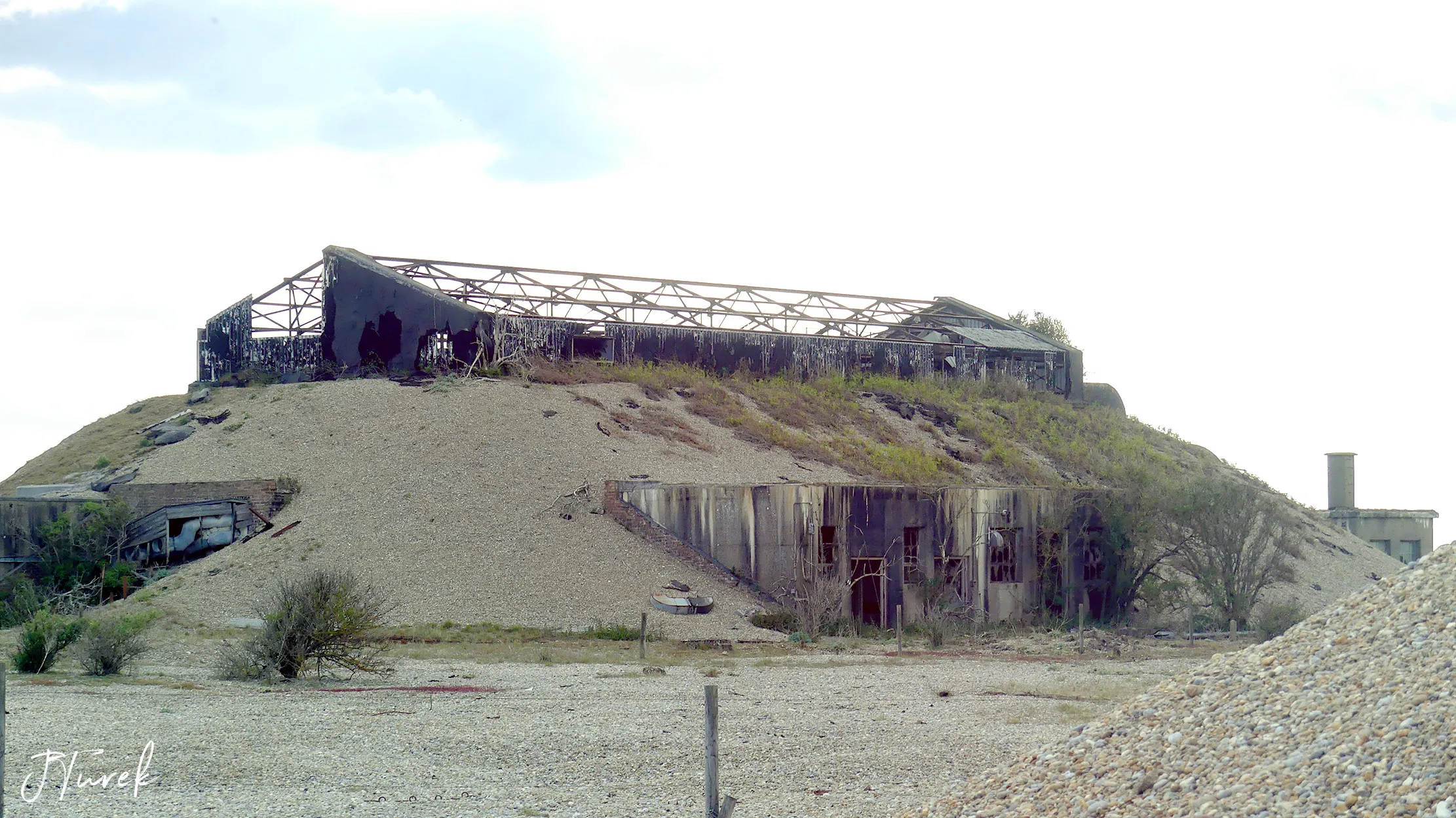
Radio Caroline and the site today
In August 2015 the site was acquired by a privately owned company, Cobra Mist Limited. In May 2017 Ofcom licensed Radio Caroline on 648 kHz, and Cobra Mist agreed to let it use the omni-directional mast. Test transmissions began in November 2017, and the full service started on 22 December 2017. Its intended coverage is smaller than that of the original station.
The company shares its name with the radar. The sources do not say whether it has any other link with the original project.
Visiting Orford Ness
The transmitting station stands on the Ness, and the Ness itself can be visited, but with conditions. The National Trust owns it and runs it as the Orford Ness National Nature Reserve. Access is strictly controlled, to protect fragile habitats and because of residual danger from its military past. Visitors can only reach it by the National Trust ferry from Orford Quay, on open days, which are on weekends from April to October with extra days in July and August. Some footpaths close in spring to protect ground-nesting birds.
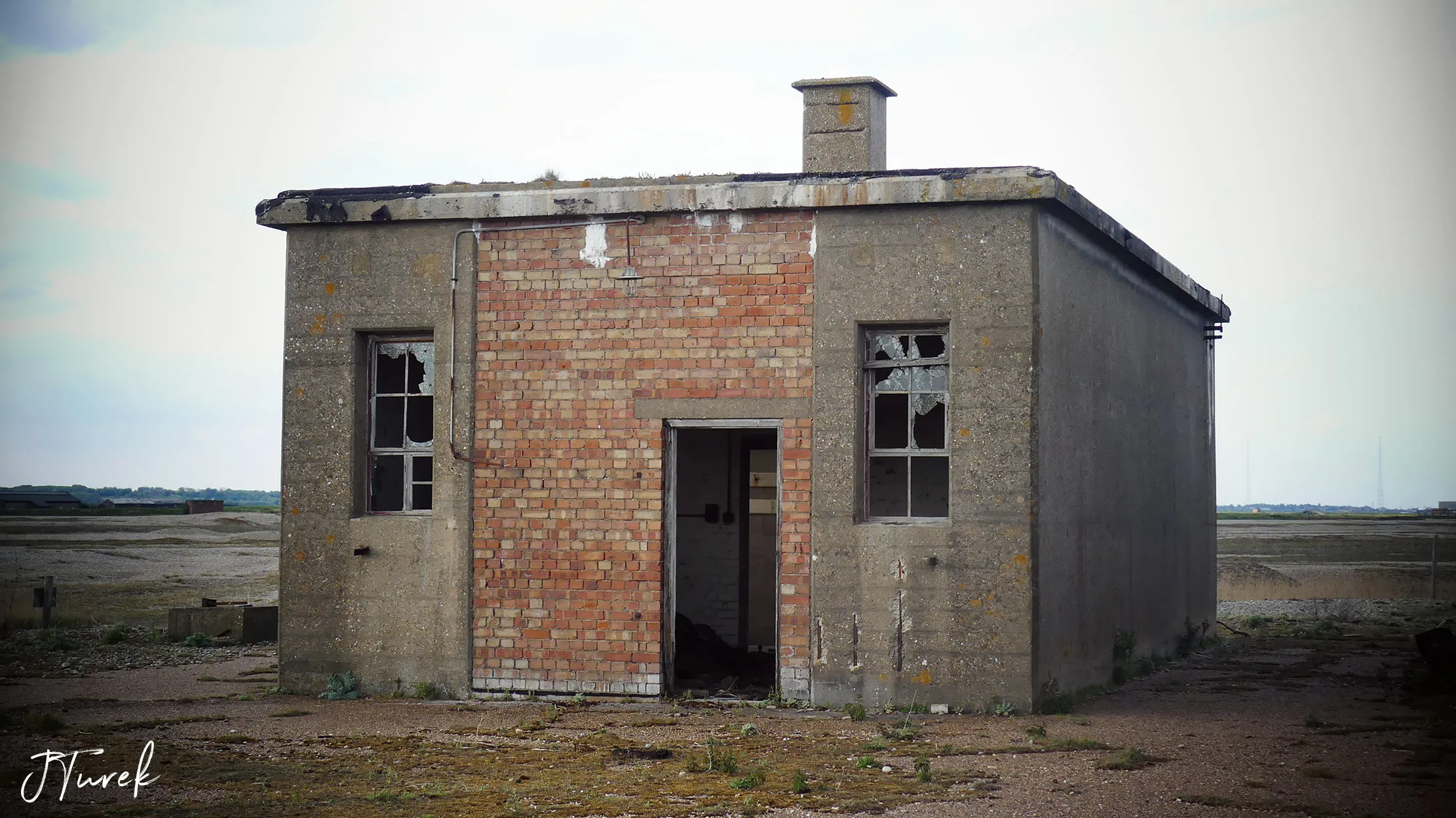
The sources do not say whether the transmitting station can be seen on a visit. They give its owner as a private company, so treat it as private land. The concrete pagodas of the atomic weapons research site are visible from Orford Quay. Check the current rules and dates with the National Trust before you plan anything.
Conclusion
The Orfordness Transmitting Station is a case of one Cold War project inheriting another’s buildings. A radar built to watch the Soviet Union failed because of mysterious noise, and a few years later the same site was used to send British radio east. The masts that carried the BBC World Service to Europe for nearly thirty years are still there and the site is on air again, now as the home of Radio Caroline.
It is a quieter kind of Cold War place than a bunker or a missile base. Its tool was a signal on the medium wave, and its audience was listeners in Eastern Europe.
Did you know?
- The site was built for Cobra Mist, a radar with a peak power of up to 10 megawatts.
- Cobra Mist was shut down on 30 June 1973, having never worked as intended.
- Many of the radar's buildings were raised on short stilts because the site was below a recorded maximum water height.
- The 648 kHz array uses five lattice towers, each 106.7 metres (350 feet) tall.
- The BBC World Service in English ran on 648 kHz from September 1982 until 27 March 2011.
- A 1296 kHz aerial beamed east at 96 degrees to reach Poland, Czechoslovakia, Hungary and the western USSR.
- The main transmitter, an AEG-Telefunken S4006, was rated at 600 kilowatts.
- Radio Caroline began full service on 648 kHz from the site on 22 December 2017.
- The 1930s radar experiments on Orford Ness were led by Robert Watson-Watt's team.
- Orford Ness is described as Europe's largest vegetated shingle spit.