A town at the end of the road
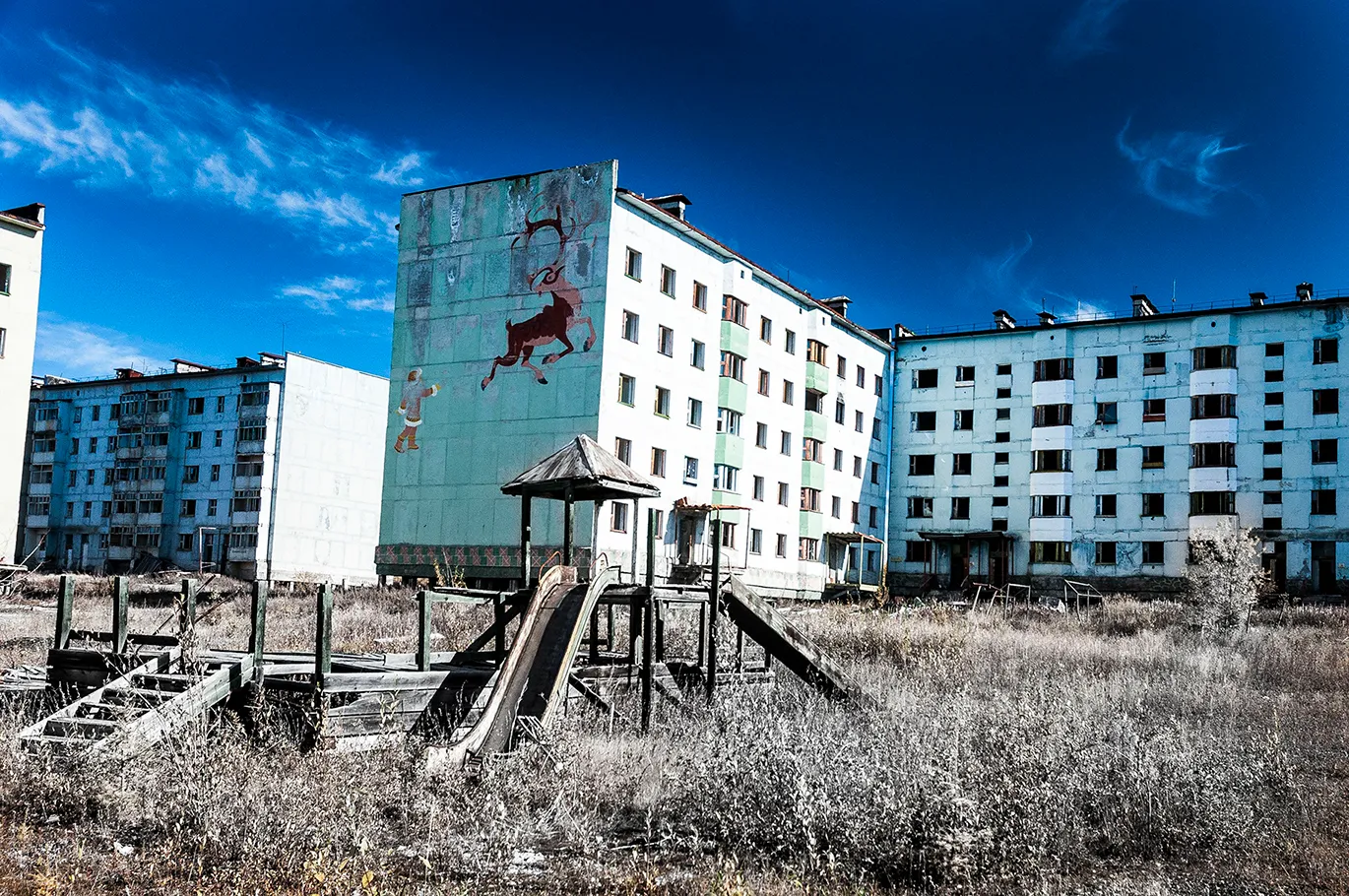
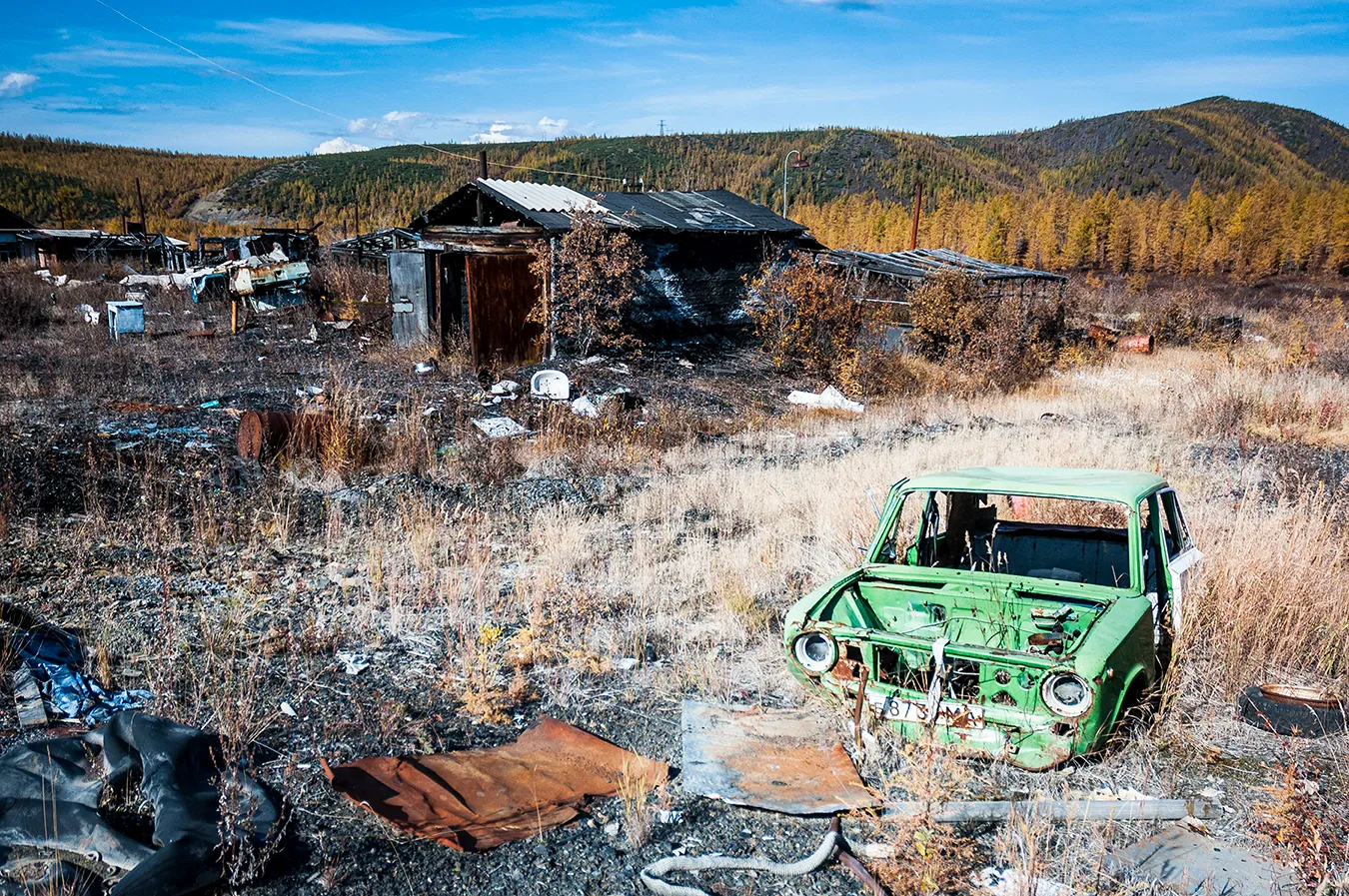
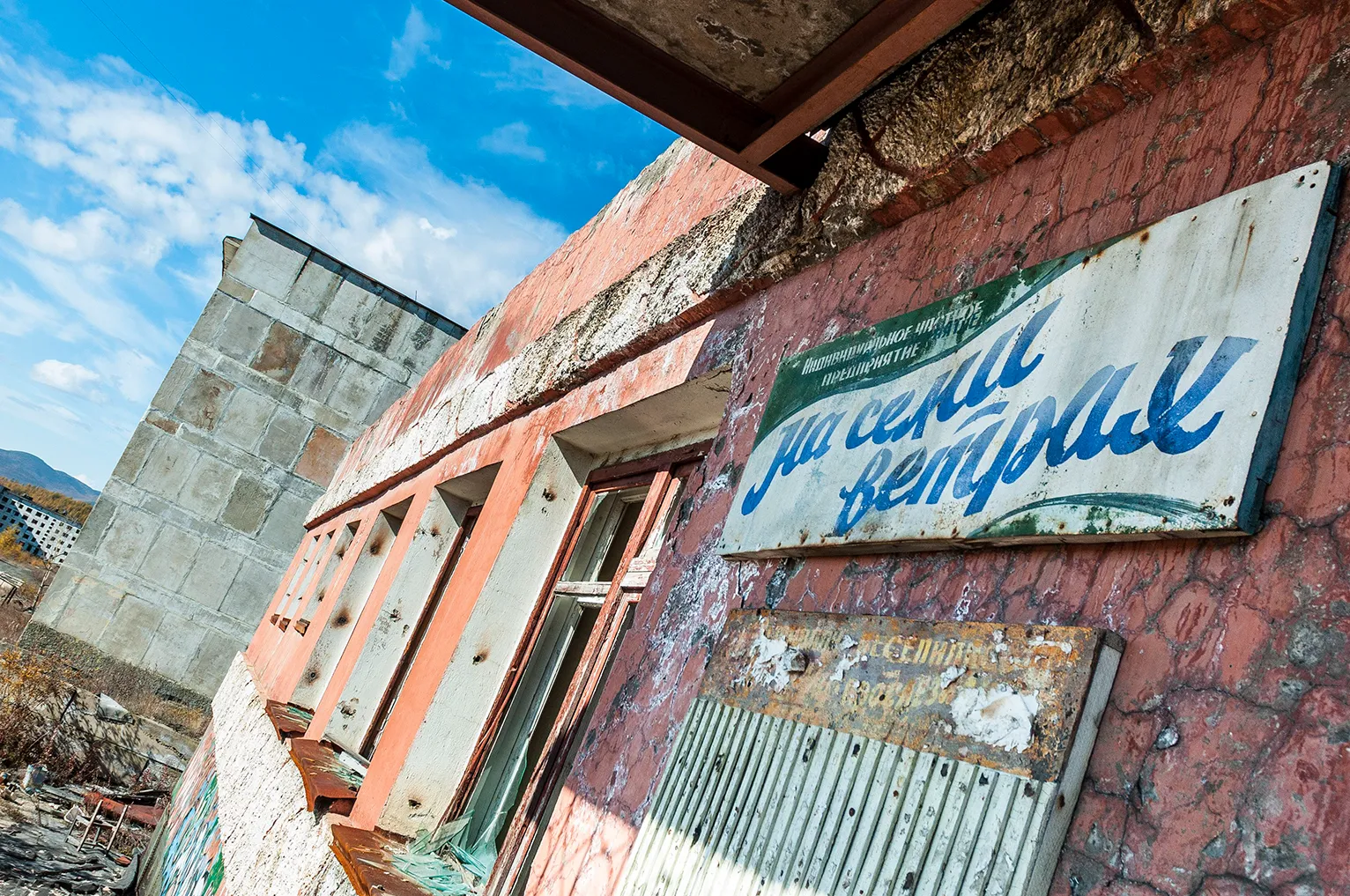
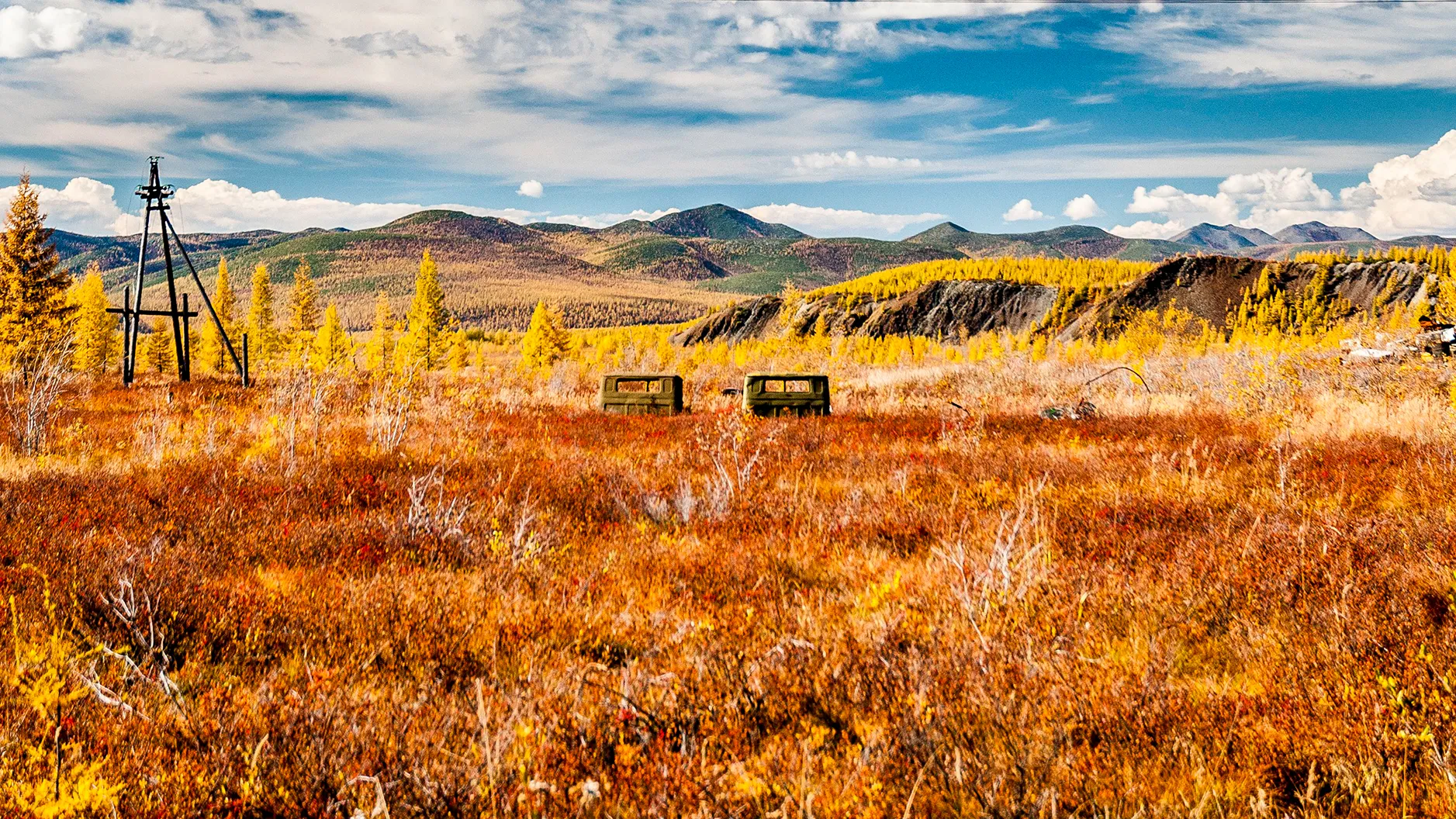
Drive north from Magadan along the highway that crosses the Kolyma region, and after about 730 kilometres, in the Ayan-Yuryakh river valley, you reach a cluster of apartment blocks standing alone in the landscape. Rusted playground frames lean over empty courtyards. Street lamps tilt at odd angles, and half-wrecked cars sit where their owners left them. This is Kadykchan, and for a few decades it was a bustling town of several thousand people.
The name comes from the Evenki language and means a small gorge or narrow pass. A looser translation, “Valley of Death”, is sometimes quoted on Russian blogs. It is a dramatic rendering, but it fits the story of the region, which is one of the most notorious of the Soviet Gulag.
A town for the Arkagala coal
The Kolyma region was opened up in the 1930s by the Dalstroi construction trust, which ran its own prison-camp system, Sevvostlag, set up in April 1932 to supply labour for gold mines and roads. The number of prisoners in Sevvostlag reached a recorded peak of 190,309 on 1 January 1940. Susuman, the nearest town, began as a gold-mining centre in 1937, and a geologist named Vronsky is credited with discovering the Arkagala coal deposit. Gold needed power, and power needed coal.
The coal mines at Kadykchan and Arkagala were already worked by camp prisoners in 1940, and the formal settlement of Kadykchan is dated to 1943, during the Second World War. Prisoners built both the mine and the town. One of them was Varlam Shalamov, the author of Kolyma Tales, whose biography records that he worked in the coal mines of the Kadykchan and Arkagala camps from August 1940 to December 1942, before he was moved on to the punishment camp at Dzhelgala. His stories became one of the most important accounts of the camps, and many of them were written about Kolyma places like this one.
The coal was of high quality and was mined underground at depths of up to about 400 metres. It went to the Arkagala power station, which started preparing its site in 1950 and ran its first turbine on 13 January 1955. The station, in turn, supplied electricity to a large part of the Magadan region, so the mine was valuable. In 1964 Kadykchan was given the status of an urban-type settlement.
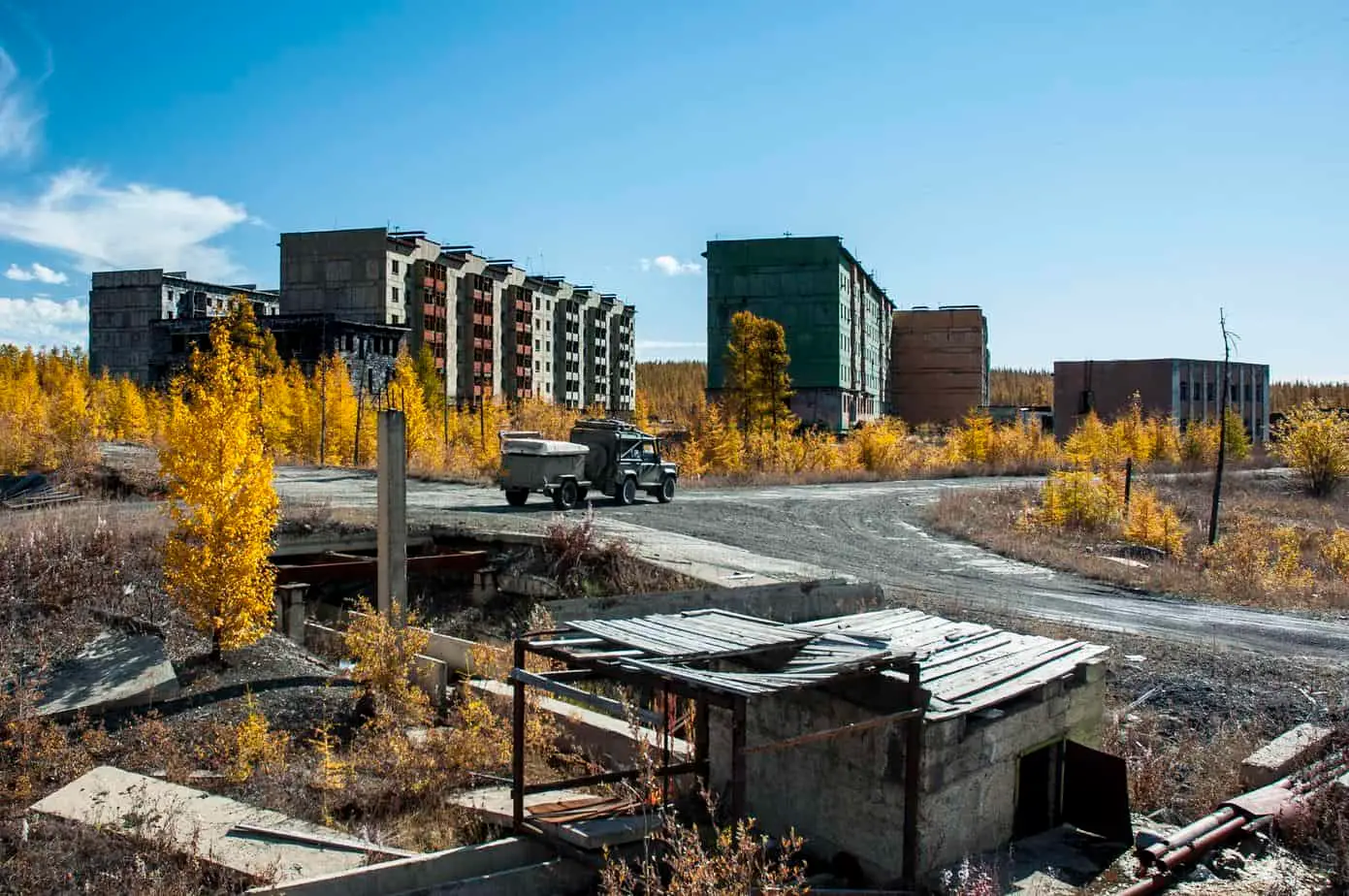
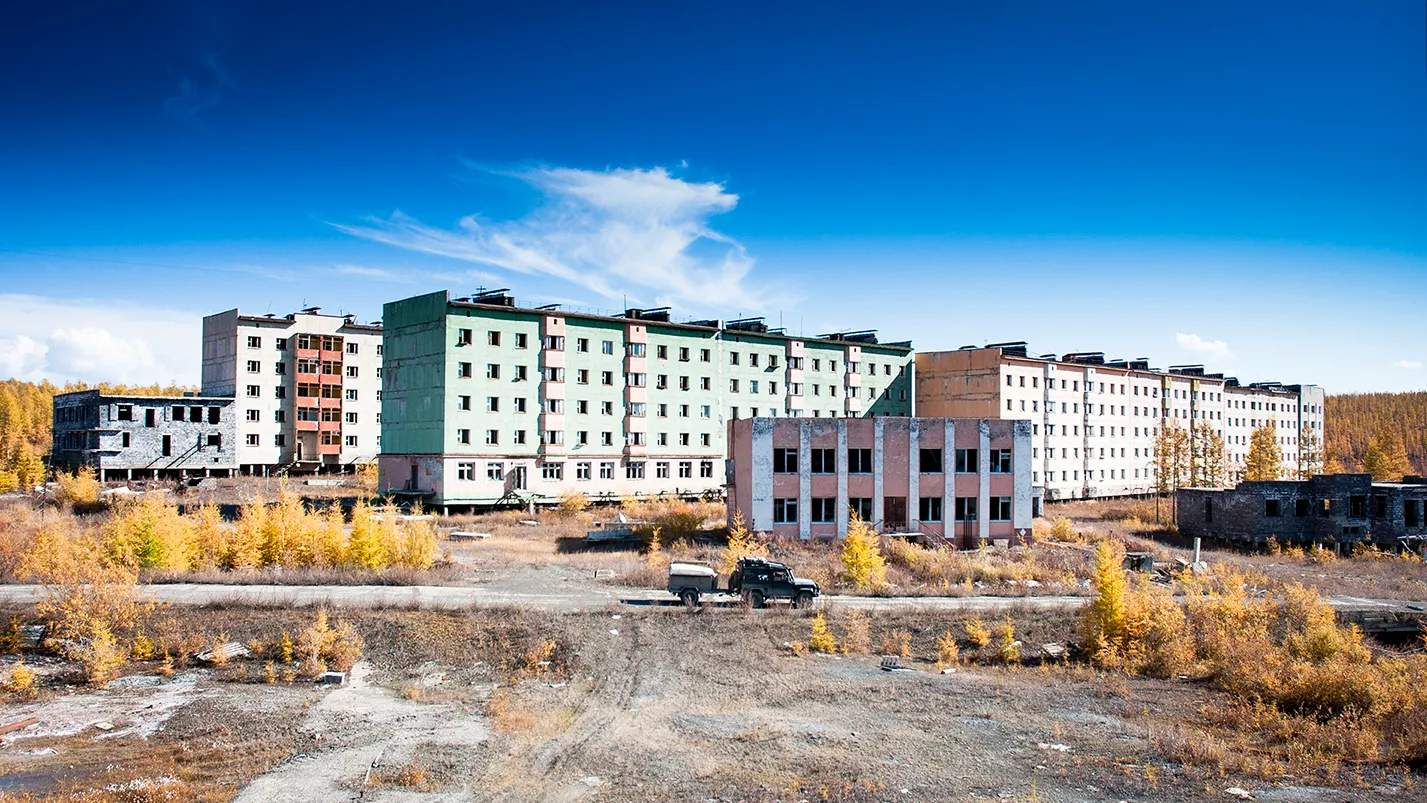
The town grew in stages, and locals divided it into Old, New and Newest Kadykchan. Old Kadykchan was nearest the highway. New Kadykchan surrounded the main mine, No. 10, known as the Kadykchanskaya. Newest Kadykchan, two to four kilometres away, became the main residential area, with the five-storey blocks that survive today. A second mine, No. 7, nicknamed “the Semyorka”, lay to the east. Some of the older districts were used for allotments, greenhouses and pig farms.
Life in Soviet Kadykchan
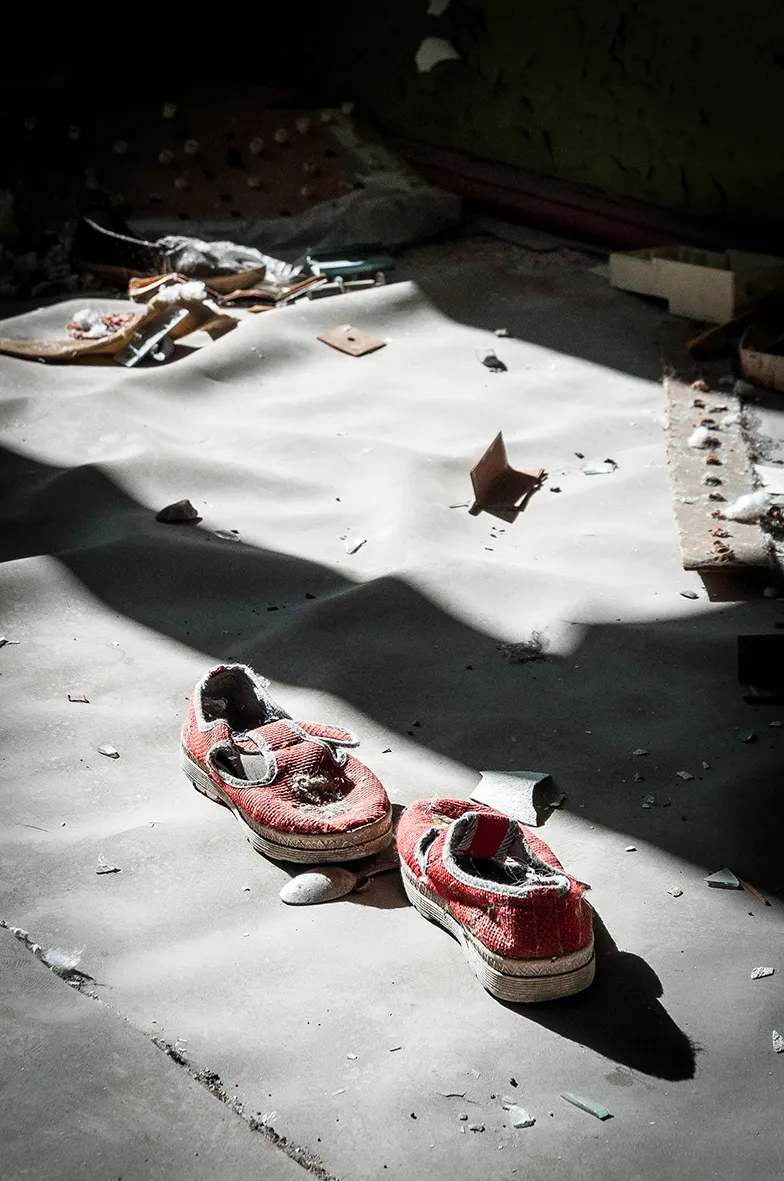
After Stalin’s death in 1953 the camps were wound down, and many former prisoners stayed on as free workers, joined by miners recruited from across the Soviet Union with promises of housing and good pay. A former resident remembers it as a good place to live until the 1990s. The town had two schools, a palace of culture, a cinema, a sports complex, a hospital and working services, and the state subsidised food and goods for this remote corner of the country. Families raised children here, and by the 1980s Kadykchan was a normal Soviet industrial town, a long way from the camp it had begun as.
How many people lived here
The figures are uneven. Census numbers show 3,378 people in 1970, 4,764 in 1979 and 5,794 in 1989. One source gives 10,270 for January 1986, and another says the town had almost 6,000 before the 1996 explosion. The sources do not agree on the peak. After 1989 the numbers fall rapidly, to 875 in 2002 and 227 in 2007.
The explosion
Kadykchan survived the end of the Soviet Union because the power station still needed coal. In the 1990s, however, the economics changed, and a town in the middle of nowhere, 65 kilometres from the nearest regional centre, became difficult to justify. One mine, No. 7, was abandoned around 1992.
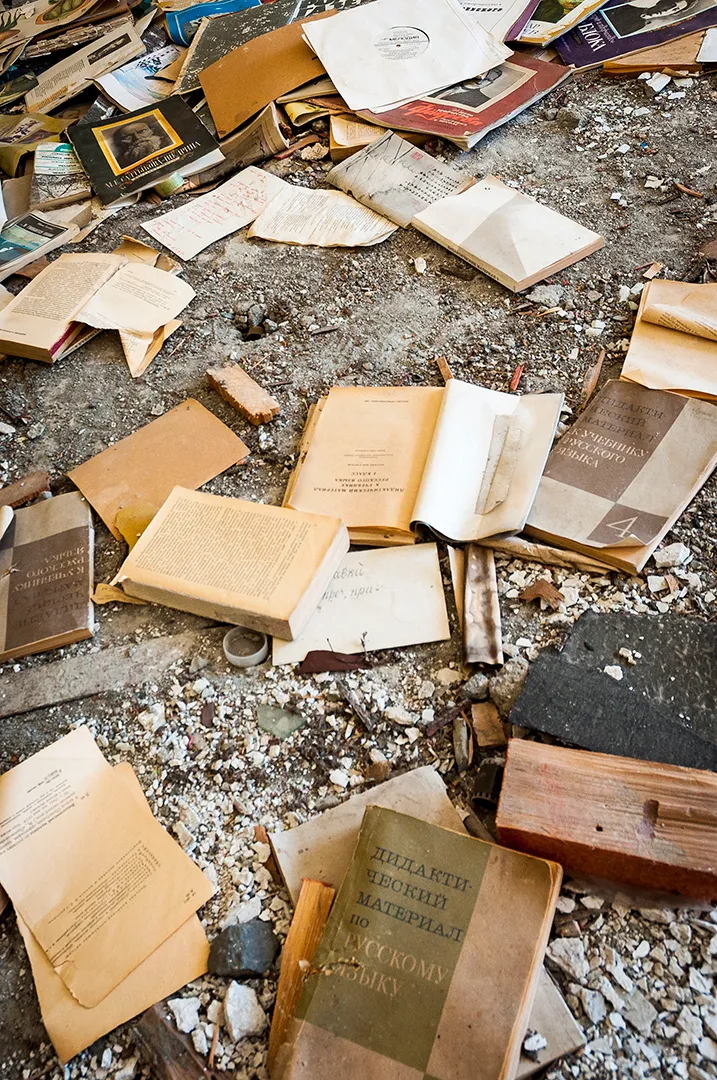
On 15 November 1996 an explosion at the main mine killed six people. A commission came to the town, and the mine was closed. The commission also decided that the town should be resettled. Each resident was offered between 80,000 and 120,000 rubles, depending on years of service, to leave. Many accepted and left quickly, taking only their most valuable belongings and leaving furniture and books in the flats.
The last residents
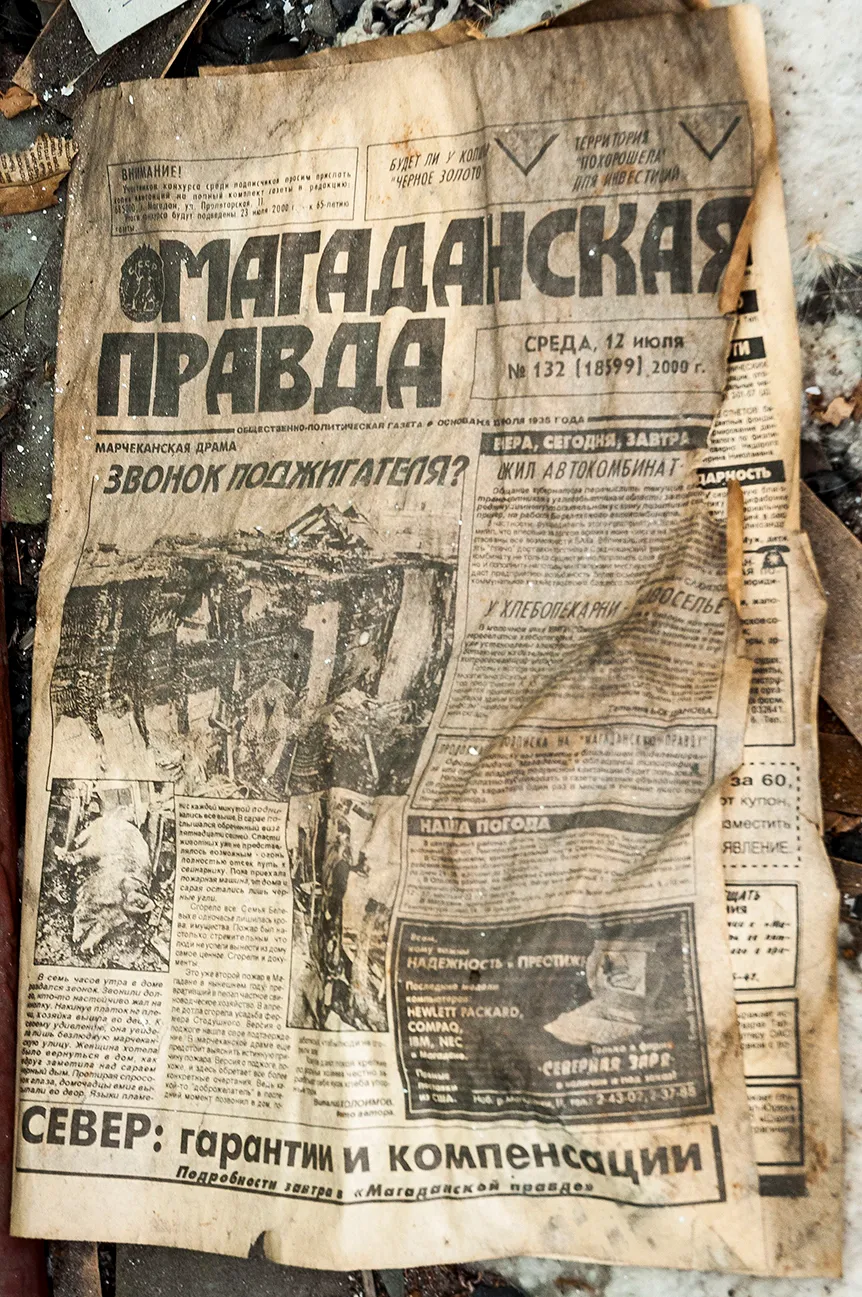
Not everyone went. About 200 people stayed on, according to some accounts. In 2001 the remaining houses were mothballed and cut off from heating and electricity. A few streets were still inhabited that year, among them Lenin Street, Builders Street, School Street and South Street, together with a single house on Mira Street that held a clinic and the utility services. One account says that a coal conveyor at the boiler house failed in January 2003, the heating mains froze at around minus 50 degrees Celsius, and the regional authorities decided it was too expensive to repair. Another source says the settlement was declared “non-perspective” under a regional law of 4 April 2003. The two accounts may describe the same decision.
By 2010 the census counted nobody. Other reports give a handful of residents. A blogger who visited named Yuri Opolonsky, a former miner who collected scrap metal and gave informal tours, as one of the last two. By 2012 one report finds only an elderly man with two dogs. Russian Wikipedia lists four people in 2021.
What remains
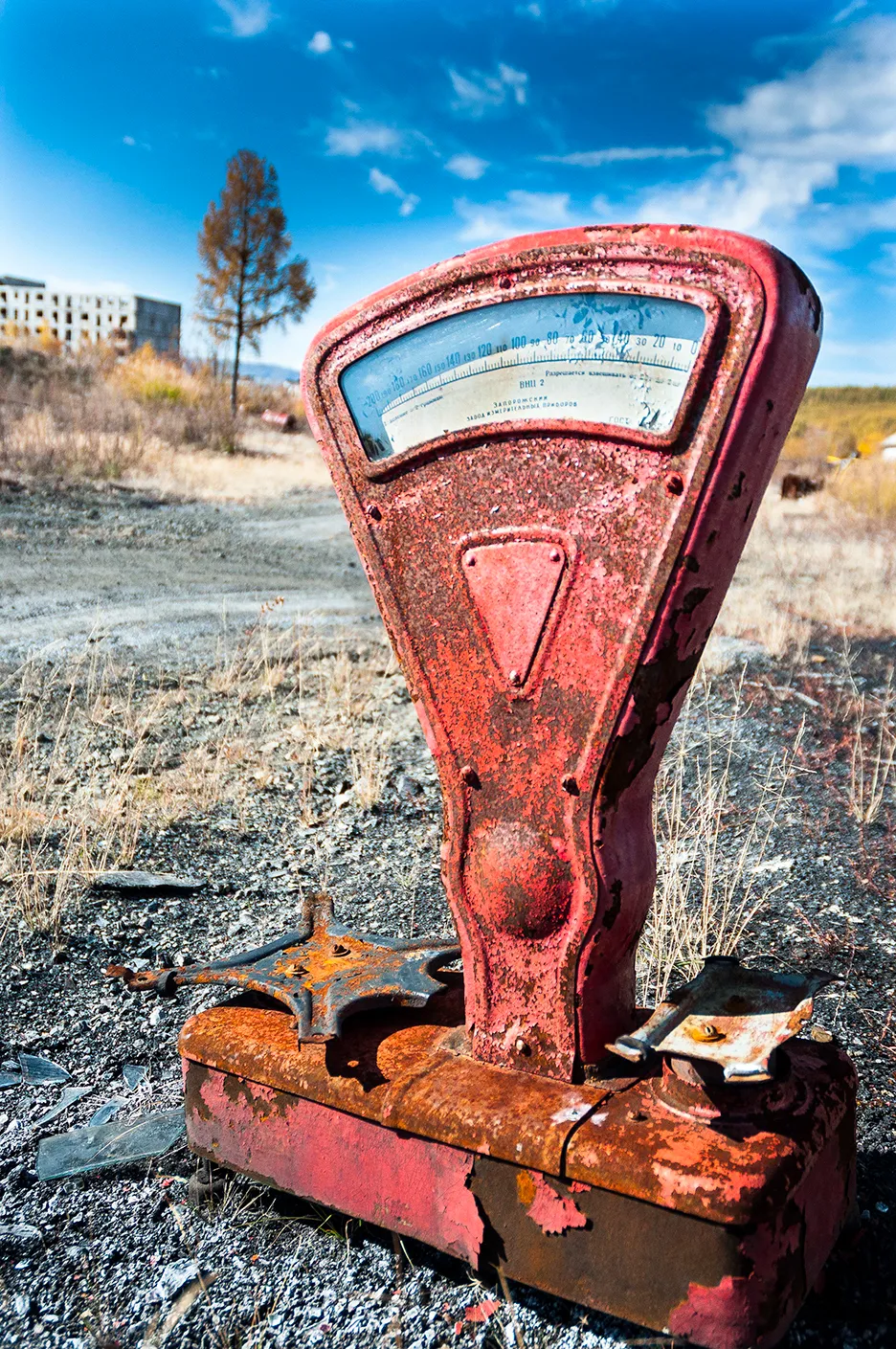
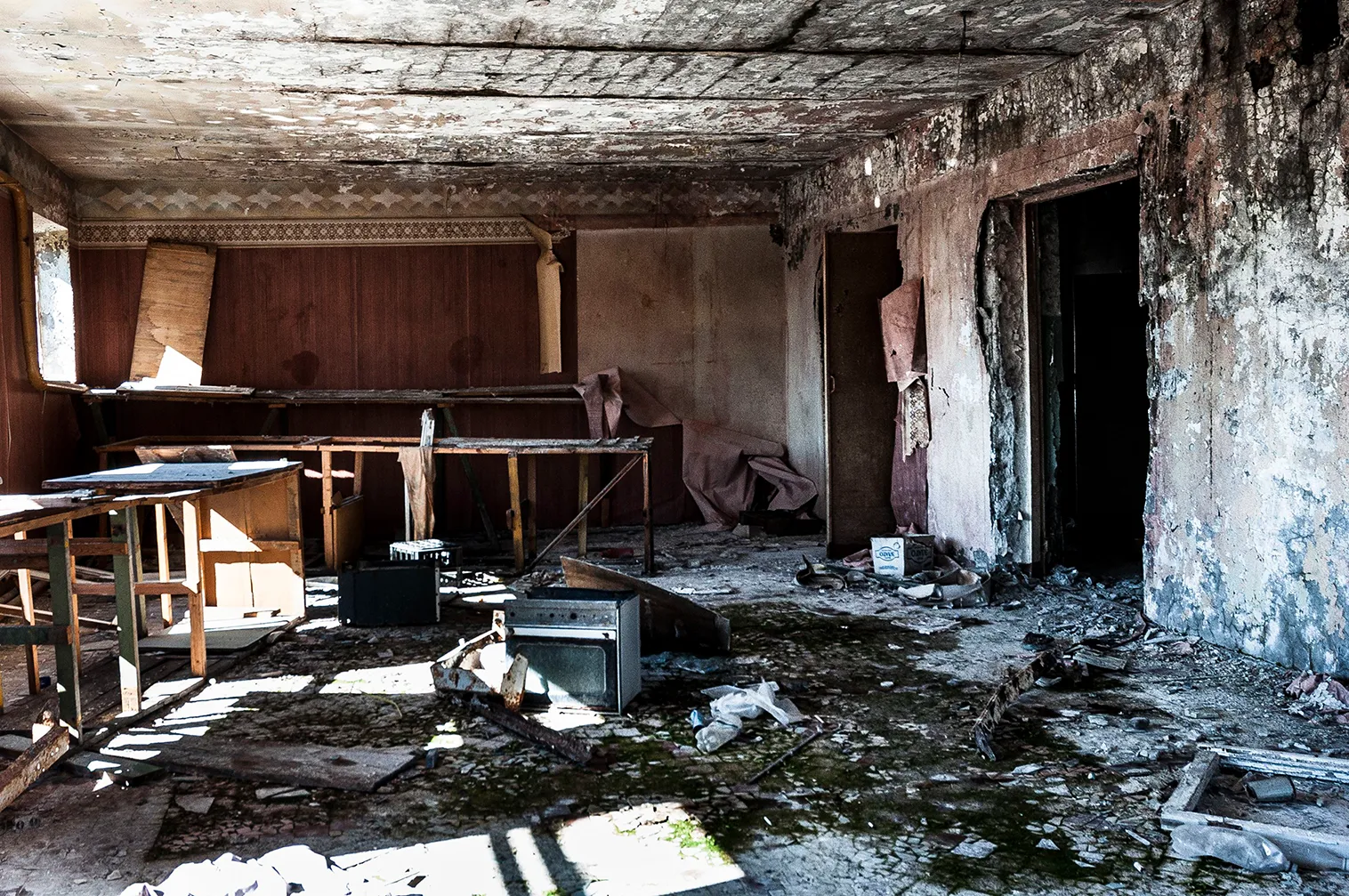
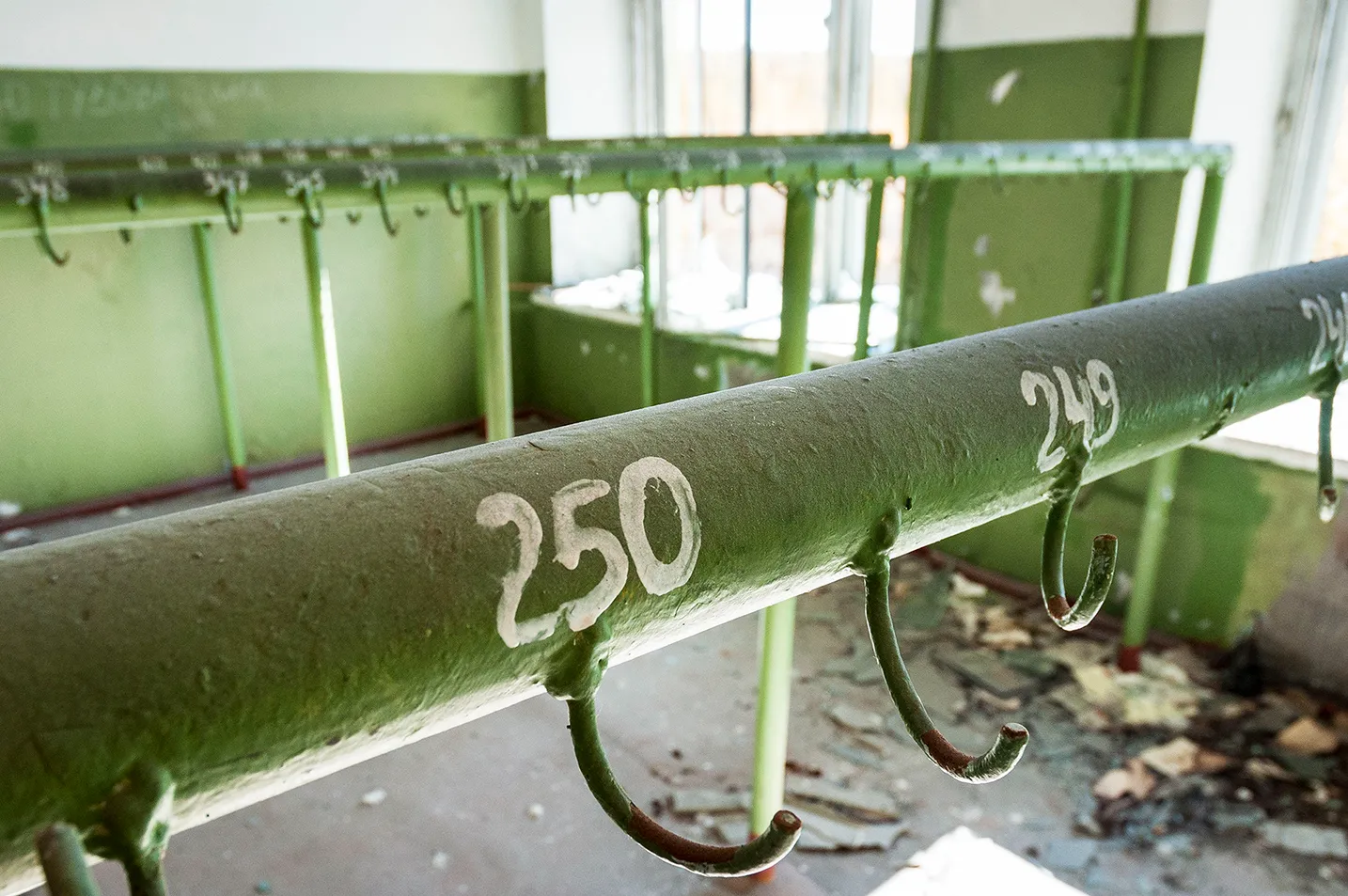
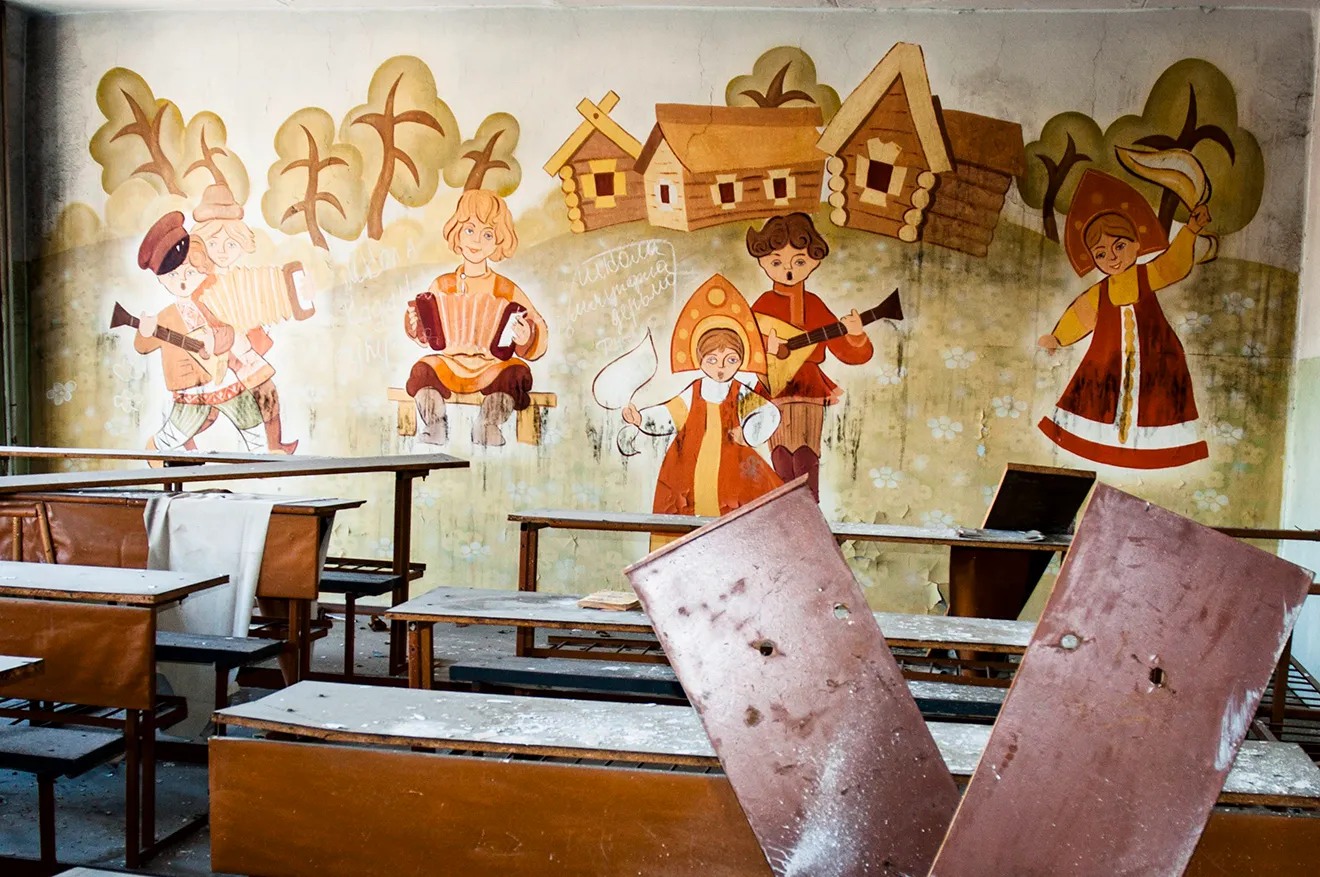
Kadykchan is a ghost town in the usual sense. There are empty apartment blocks, a half-built administration building, a shop, a cinema and a central square with a Lenin monument. Books, furniture and stoves are still in some flats, and cars are still in garages, though many have been stripped. Visitors describe an eerie, oppressive atmosphere, which is one reason few people go.
Visiting
Kadykchan is in a remote region with severe winters. The nearest town is Susuman, and there is no help or fuel nearby. Temperatures in the area have been reported as low as minus 50 degrees Celsius. The buildings are derelict, and heavy snow and rot make floors and roofs unsafe. The town lies near the Kolyma highway, but few travellers stop. If you want to see it without the risk, there are many photographs and travel accounts online, mostly in Russian.
Conclusion
Kadykchan was built by people who had no choice, for a purpose that disappeared. The prisoners who dug its mine and raised its first houses were not volunteers, and the families who later made lives there were abandoned for reasons of cost. What is left, the five-storey blocks, is the plainest possible evidence of how a state can make a town and then, just as easily, stop needing it.
Did you know?
- The Kadykchan mines were worked by camp prisoners in 1940, and the settlement was founded in 1943.
- Its name is Evenki for a small gorge, though blogs often translate it as "Valley of Death".
- The main mine went down to about 400 metres.
- The coal supplied the Arkagala power station, whose first turbine ran on 13 January 1955.
- Varlam Shalamov, author of Kolyma Tales, worked in the Kadykchan and Arkagala coal mines from 1940 to 1942.
- The town was divided into Old, New and Newest Kadykchan.
- An explosion on 15 November 1996 killed six miners.
- Residents were offered 80,000 to 120,000 rubles each to leave.
- In 2001 only a few streets and a clinic house were still in use.
- By the 2010 census, the population was officially zero.