At the head of Billefjorden
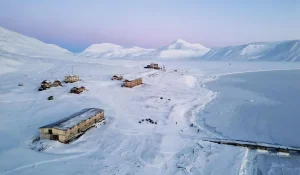
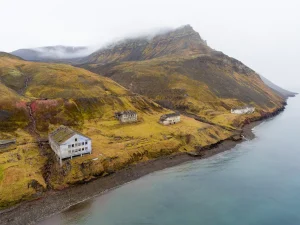
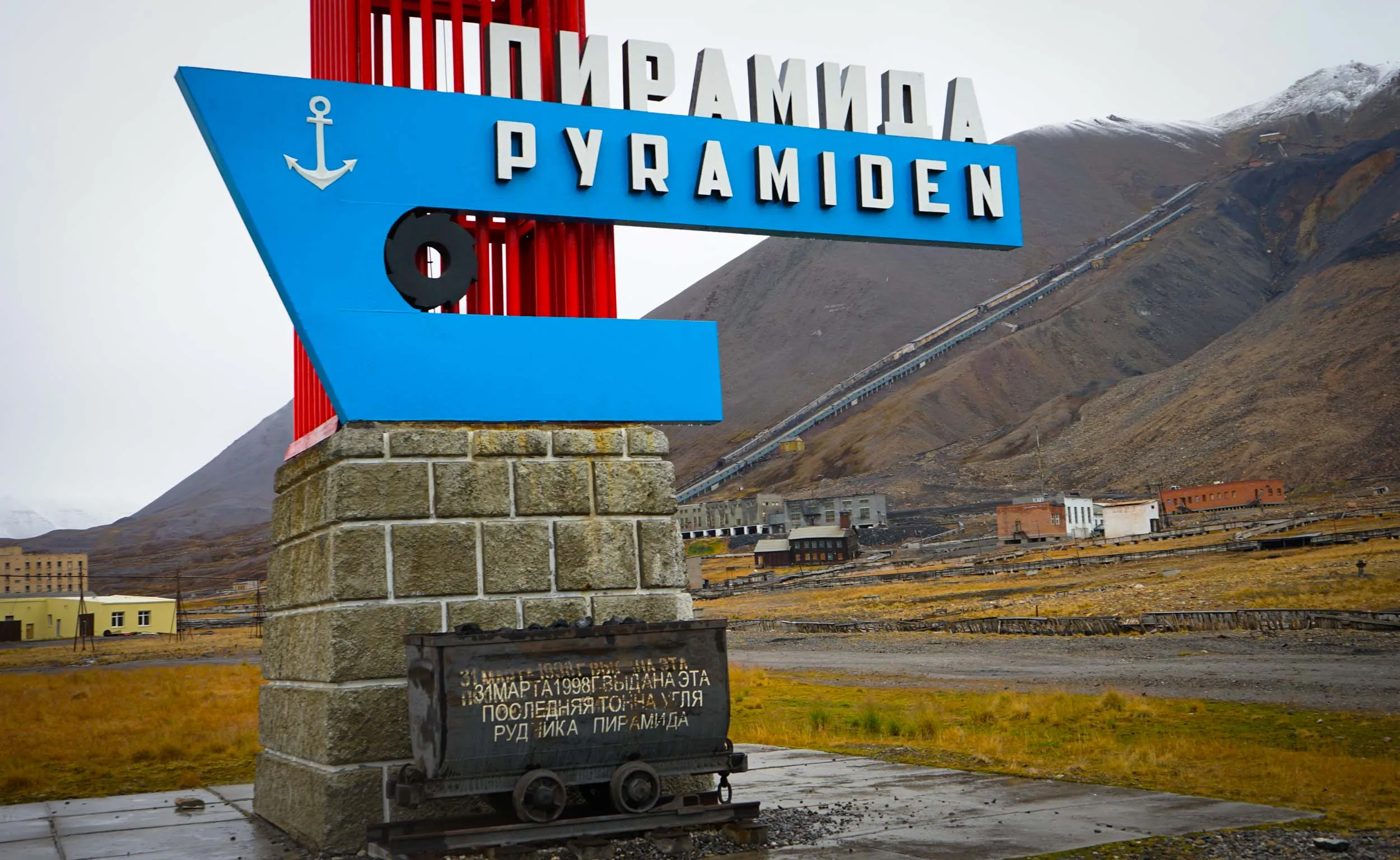
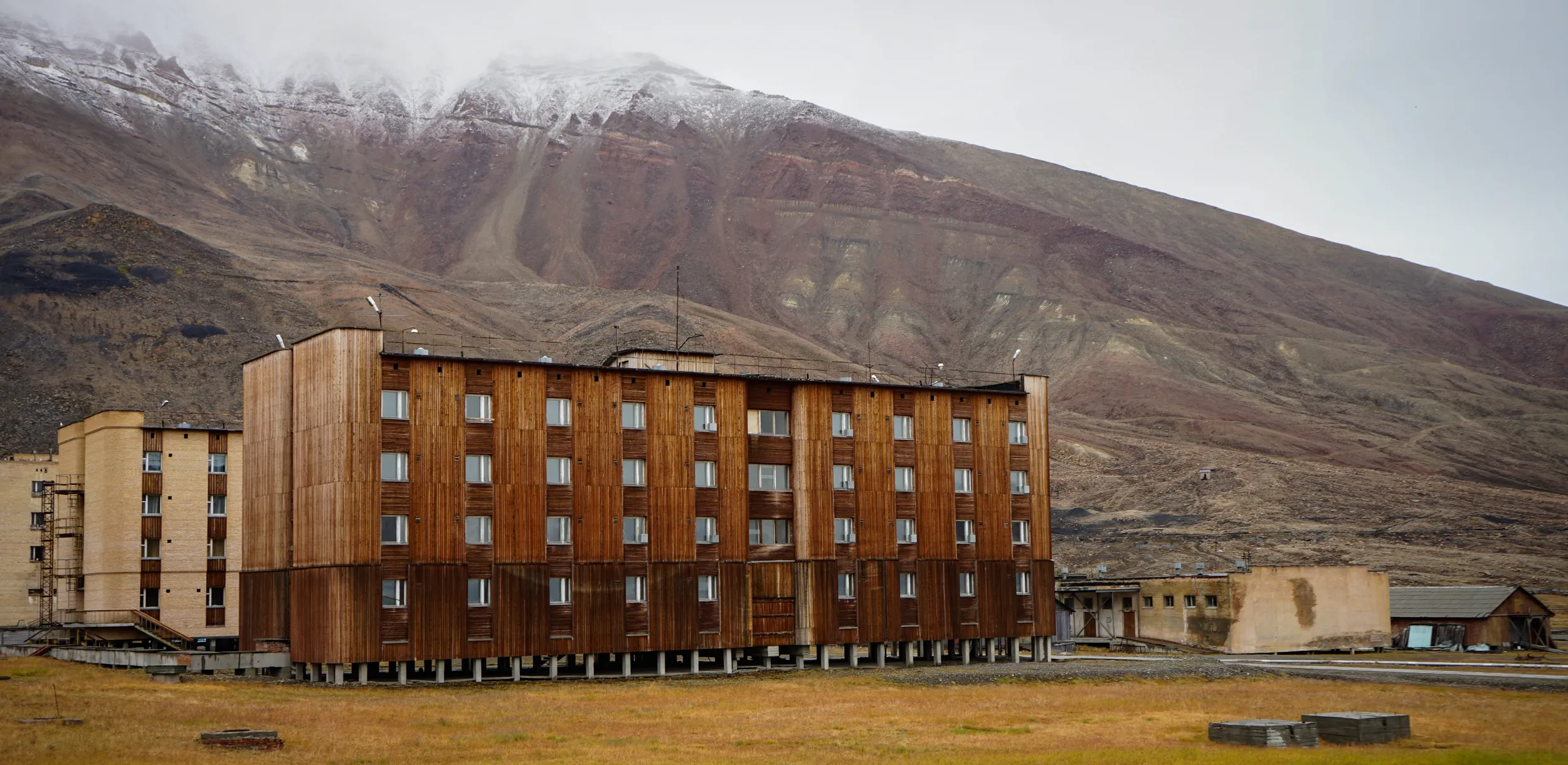
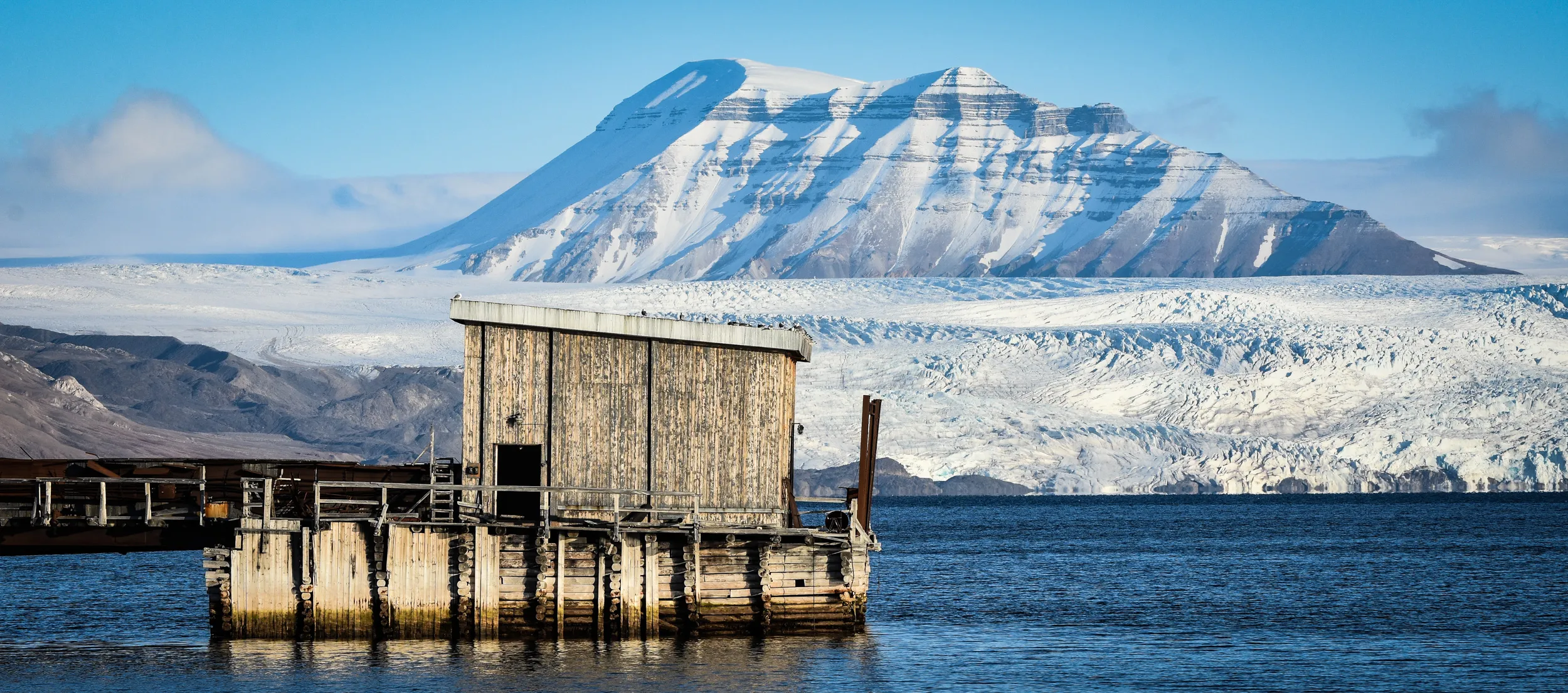
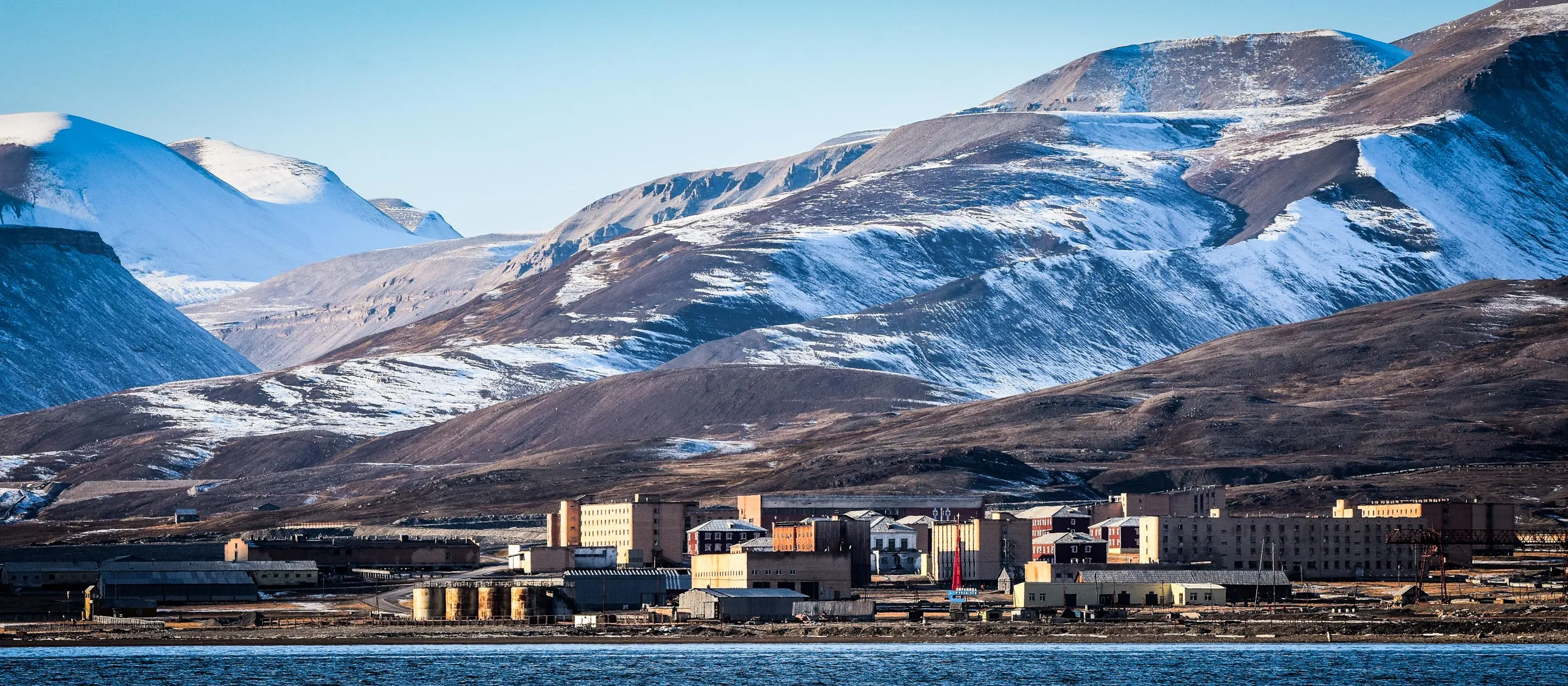
Pyramiden sits on the island of Spitsbergen, in the Svalbard archipelago, which belongs to Norway. It lies at 78 degrees 39 minutes north, 16 degrees 19 minutes east, at the foot of Billefjorden and below the pyramid-shaped mountain that gave the town its name. It is about 50 kilometres north of Longyearbyen, with Barentsburg about 100 kilometres to the south-west and Ny-Ålesund about 100 kilometres to the west.
The settlement belongs to a Russian owner on Norwegian land. The Russian state mining company Arktikugol owns it, as it does Barentsburg. The Norwegian cultural-heritage database KulturNav adds that the settlement came under the Governor of Svalbard and that the Svalbard Treaty of 1920 applied to economic activities there.
Swedish beginnings, Soviet purchase
Sweden founded the settlement in 1910. Secret Atlas adds that the Swedes found coal there in that year but never mined it on a large scale. Most sources agree that the Swedes sold it to the Soviet Union in 1927, and we use that date, though one Czech travel blog says 1932. Related steps are dated differently again: the photography site PH Museum has the Soviet Union acquiring mining rights to the Pyramiden and Barentsburg coalfields in 1936, and says Trust Arktikugol was founded in 1931 and took over the mining.
The operator was Trust Arktikugol, owned by the Soviet state. One story, found in a single source, says Pyramiden escaped a German attack on Longyearbyen, Barentsburg and Grumant in 1943 because ice blocked ships from reaching it. We have not seen it confirmed elsewhere.
The showcase town
Pyramiden’s best years came under the Soviet Union. In the 1970s and 1980s it was a showcase town for the communist regime, with more than a thousand residents, and living standards were said to be the highest in the Arctic. Mining peaked between 1970 and 1980. Many of the people were Ukrainian, among them experienced miners from the Donbas region and staff from Volyn.
Population figures differ. Most sources put it at a little over 1,000 at its height in the 1980s. One, Wikipedia, alone gives about 2,500 inhabitants in the 1950s, and no other source we used supports that number, so we treat about 1,000 as the usual figure and the 2,500 as an outlier.
The coal output is given for the later part of the town’s life. Up to nine million tonnes were extracted between 1955 and 1998, though that is one estimate and not a precise total.
What the town had
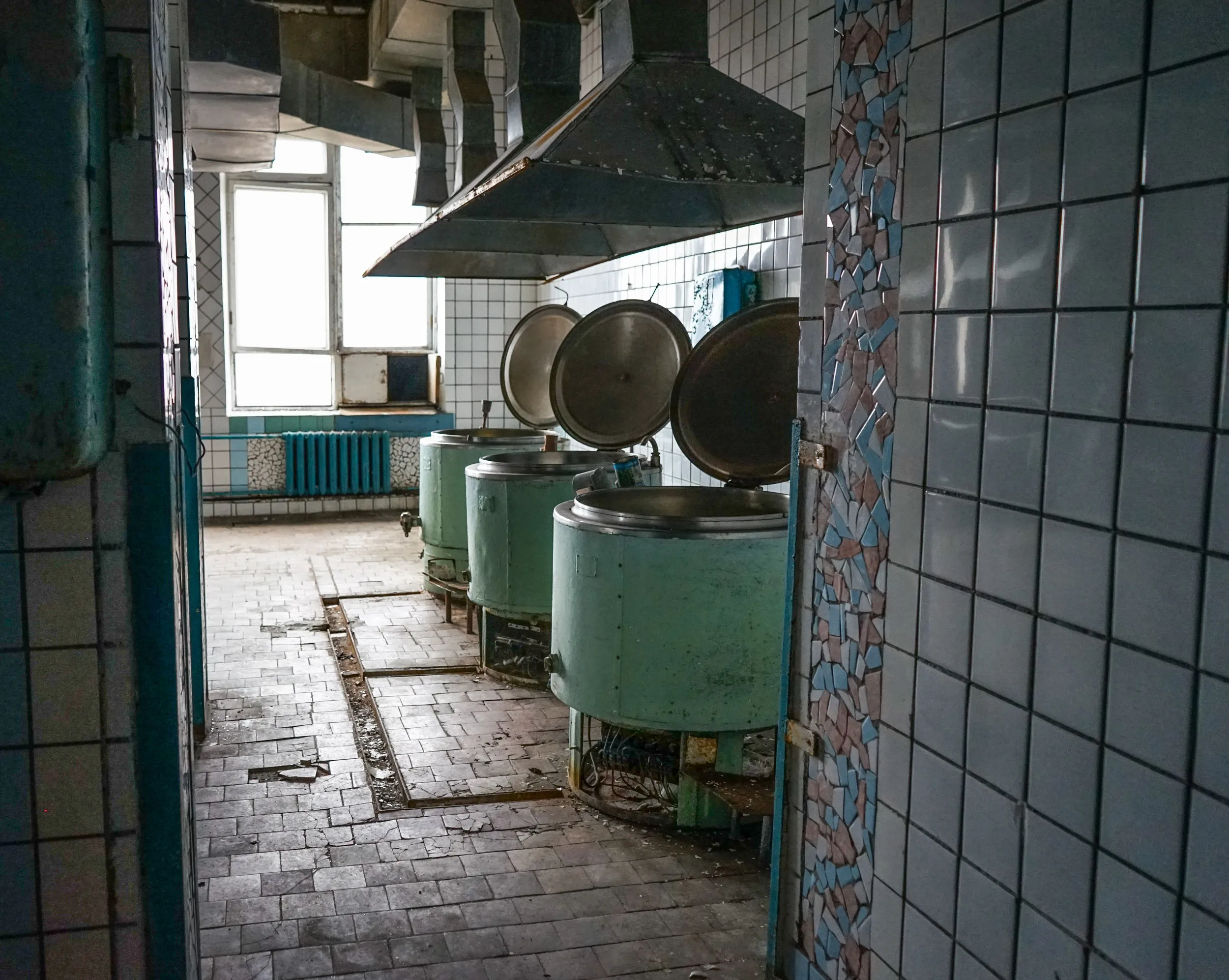
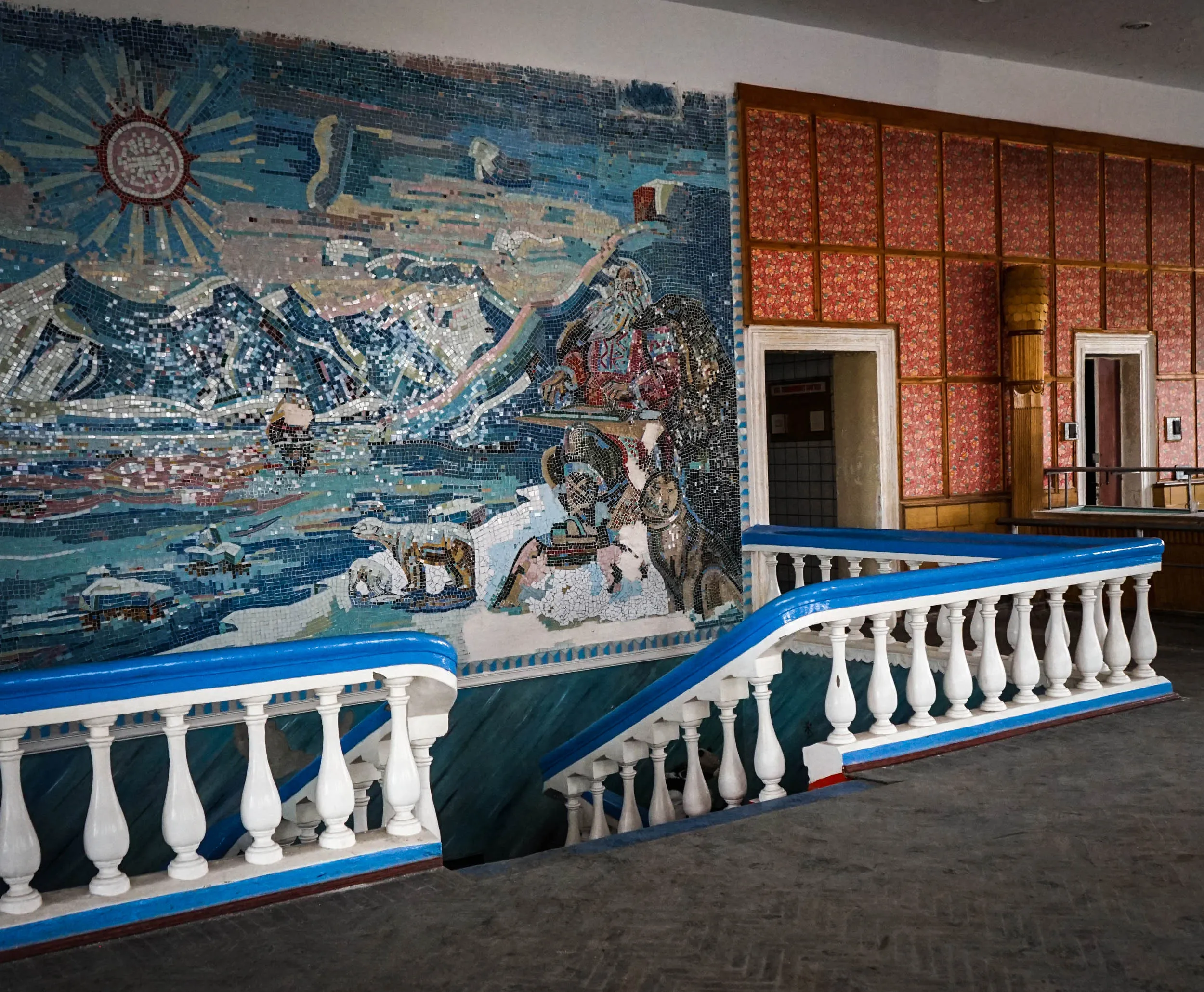
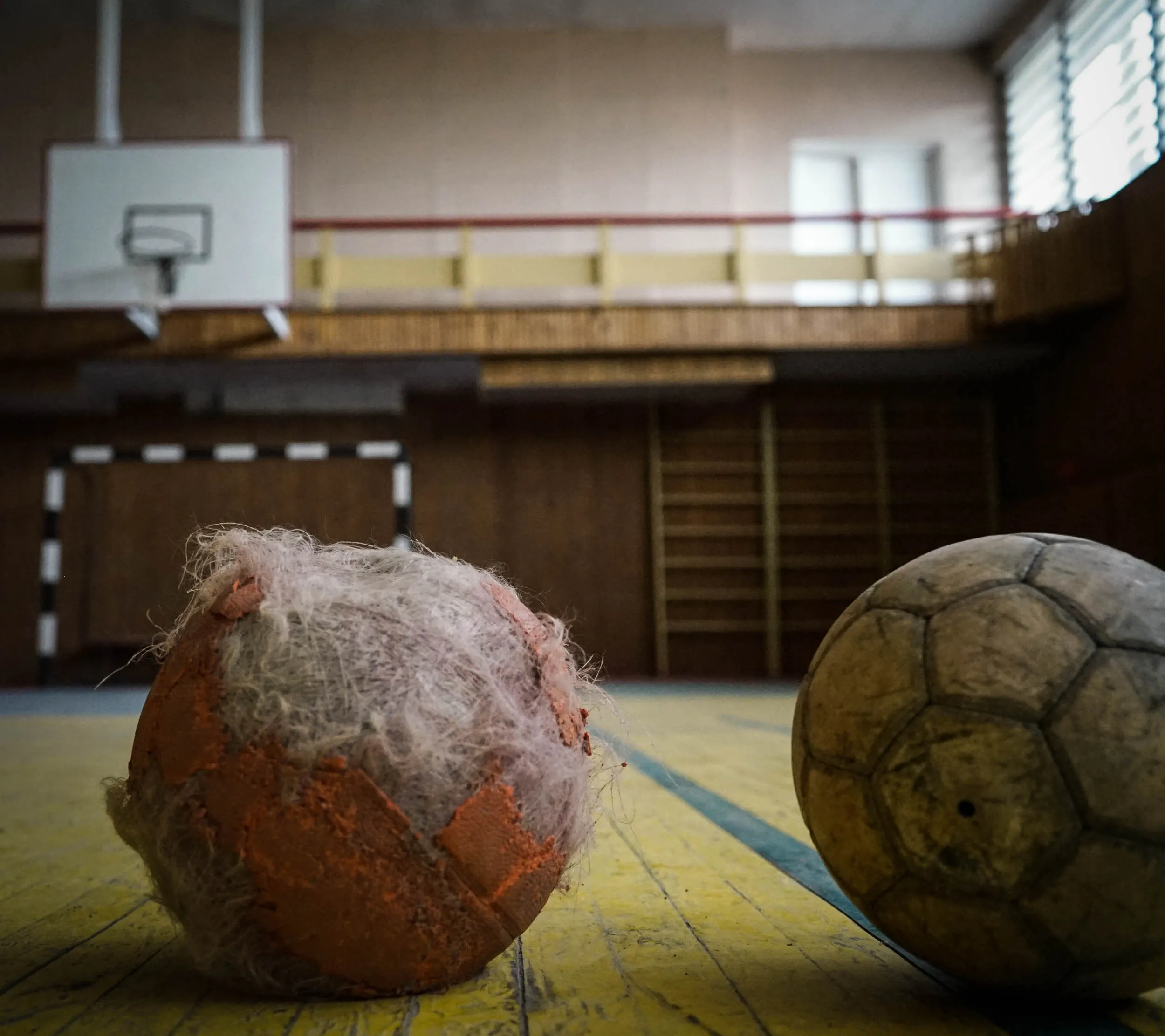
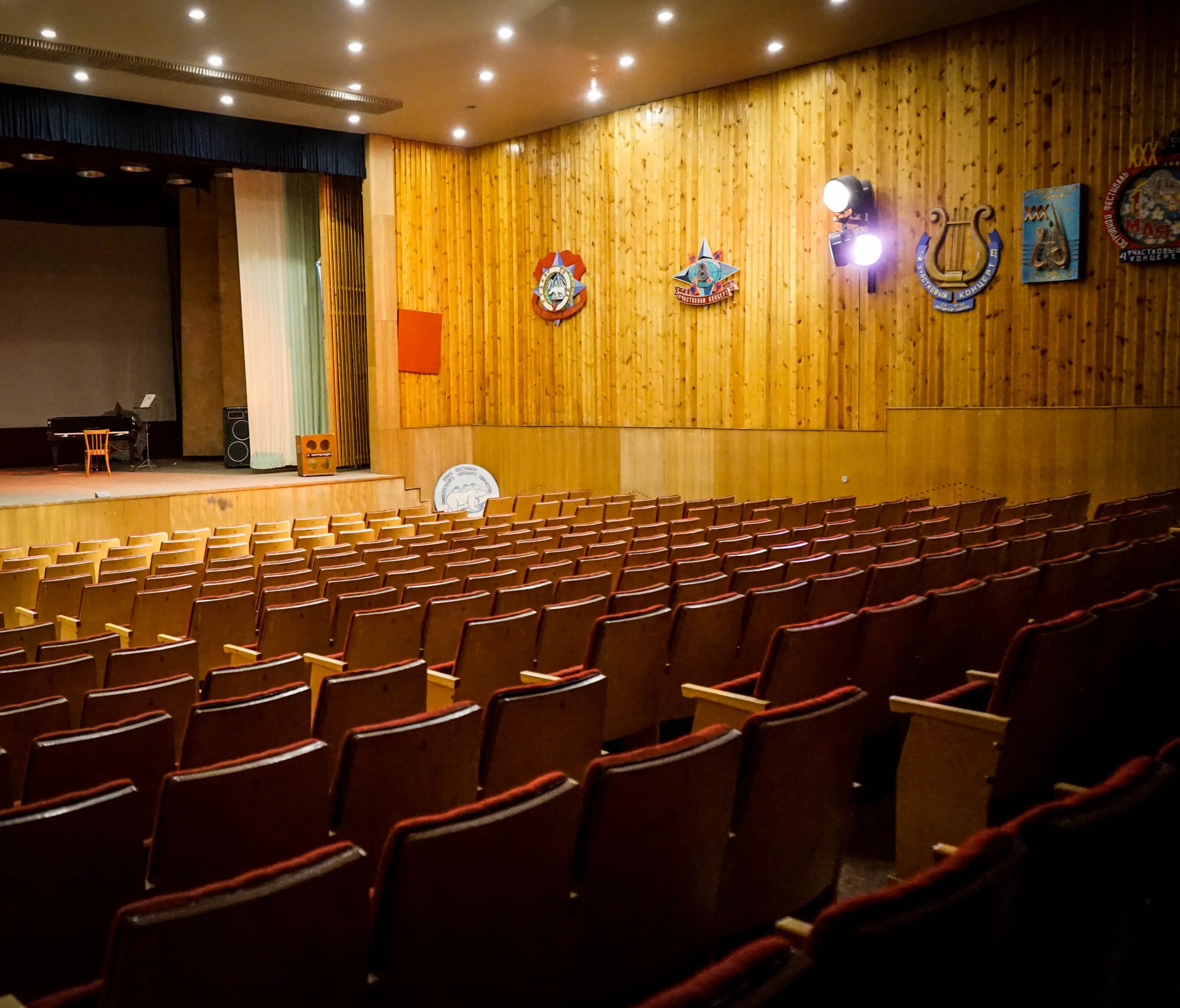
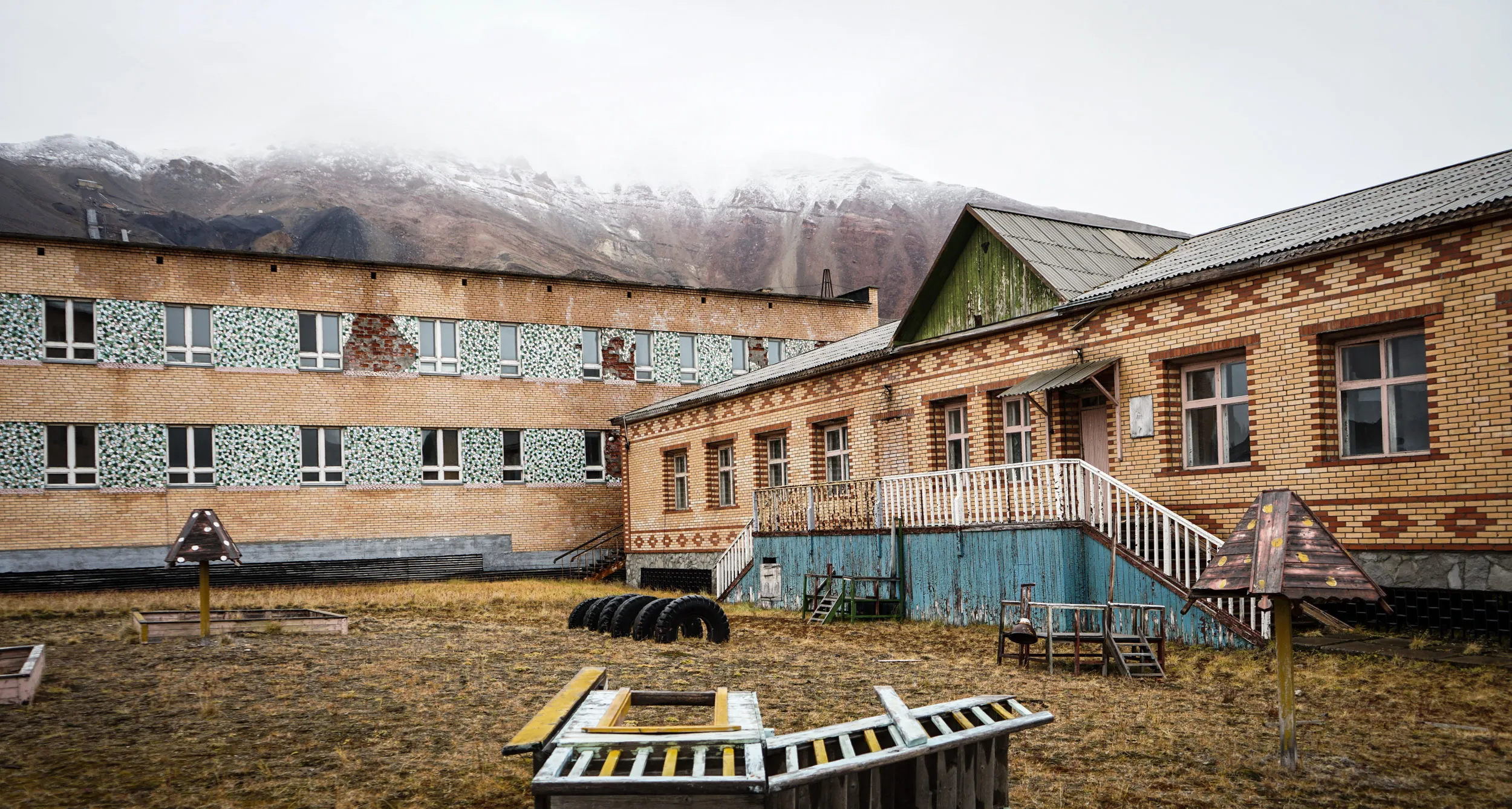
The facilities were extensive for a settlement so far north. There was a cultural centre with a theatre, library and art and music studios, a sports complex, a 24-hour cantina and a primary school. Other accounts add a hospital, a cinema, a saltwater swimming pool, a petrol station, a greenhouse and farm, a kindergarten, a hotel and a restaurant. Heated greenhouses and livestock fed part of the town, and a piano still stands on the stage of the cultural centre’s concert hall.
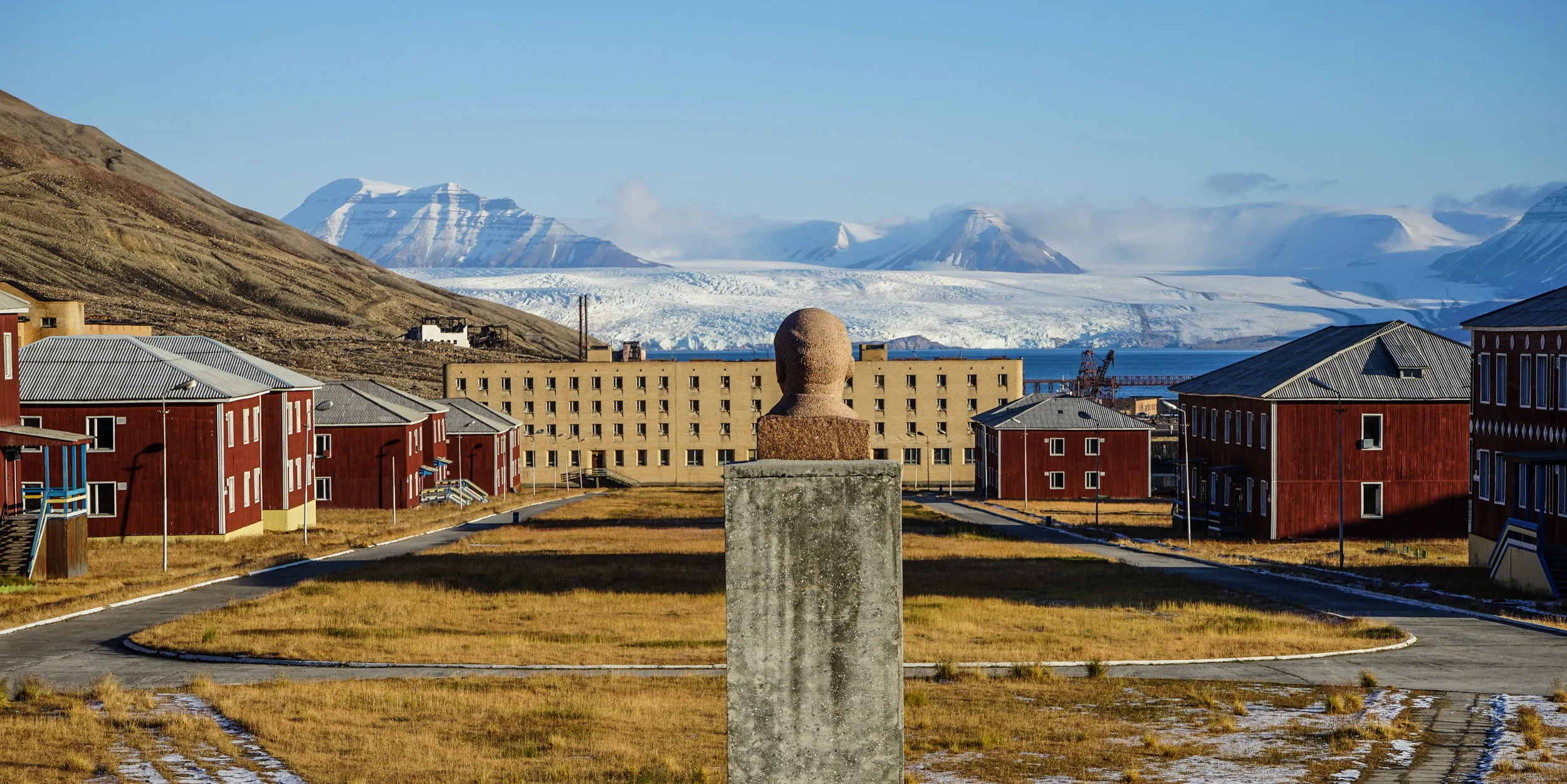
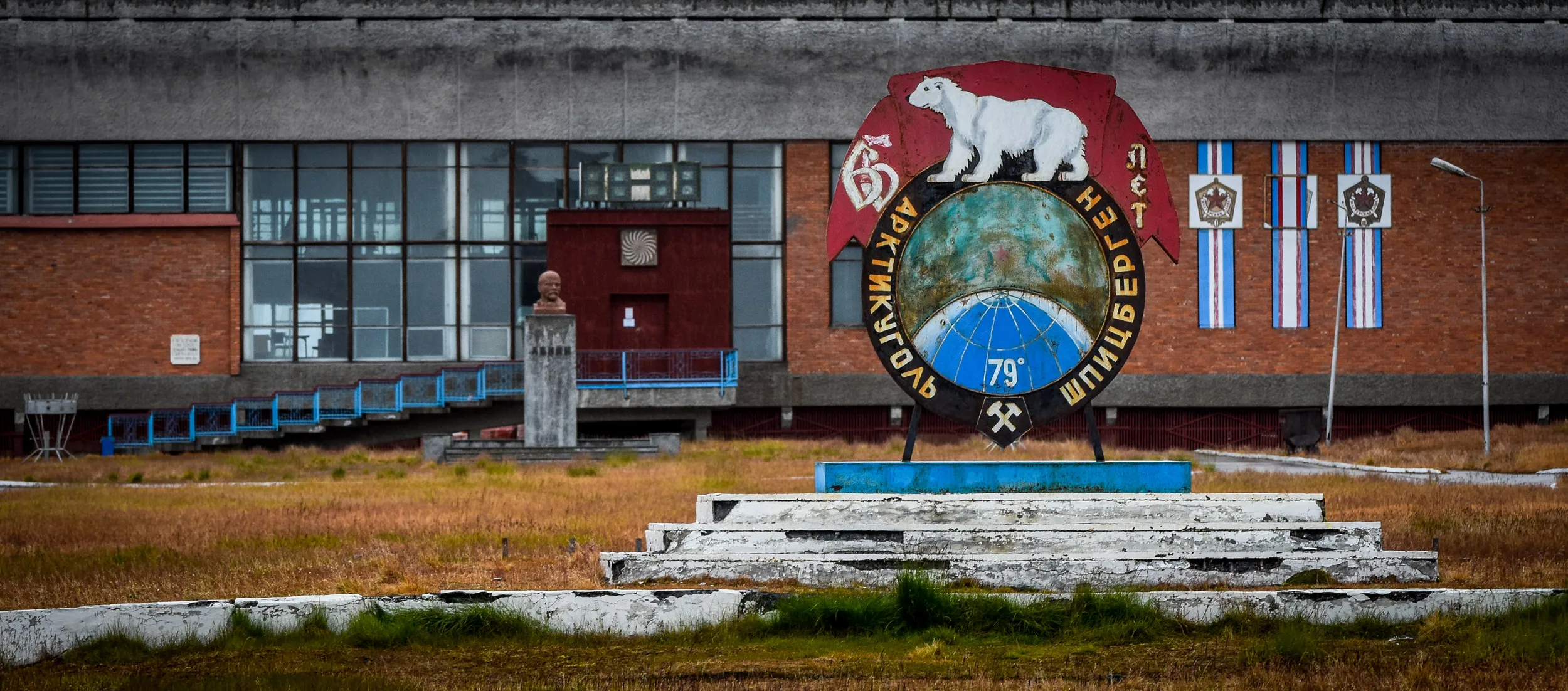
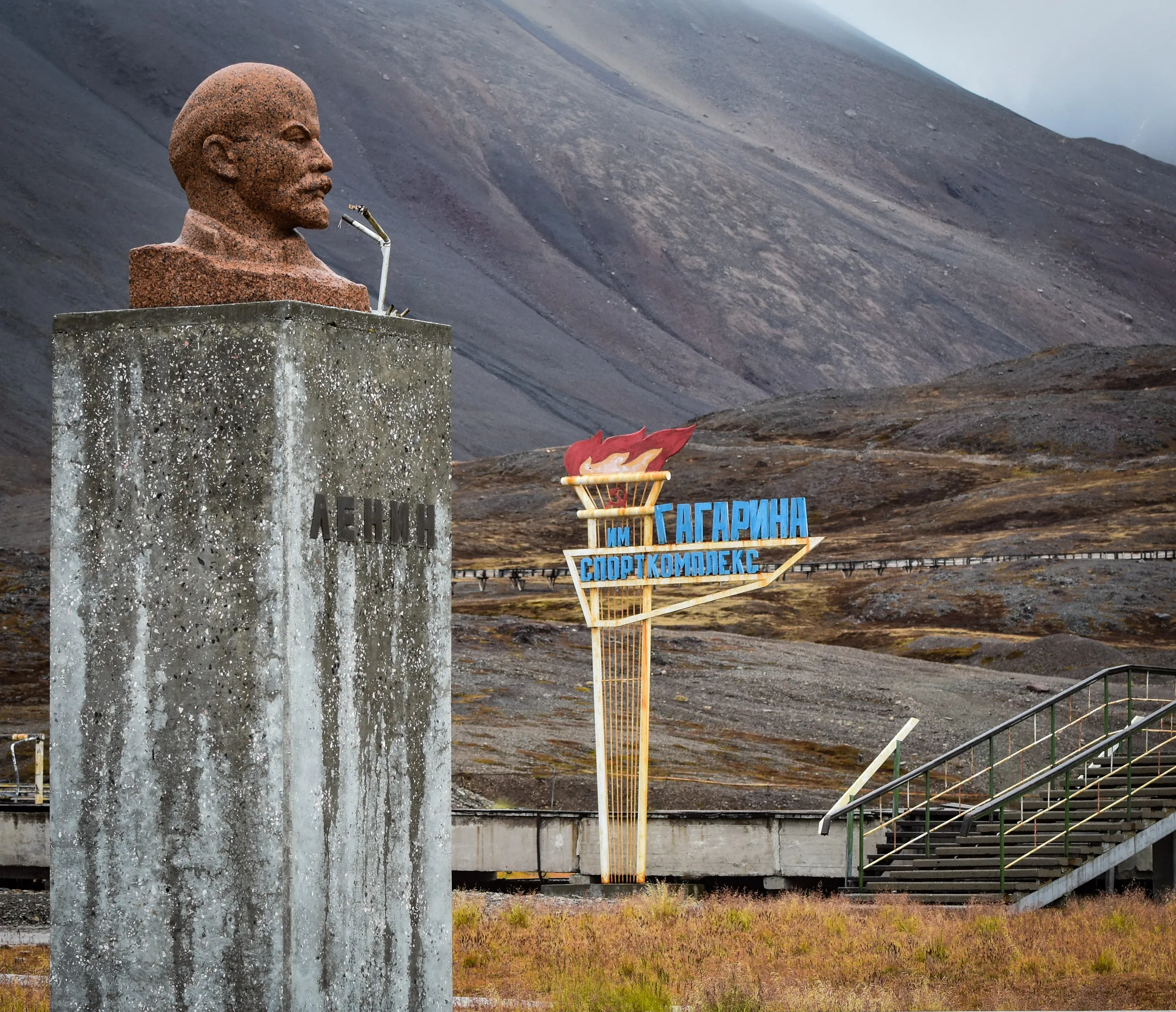
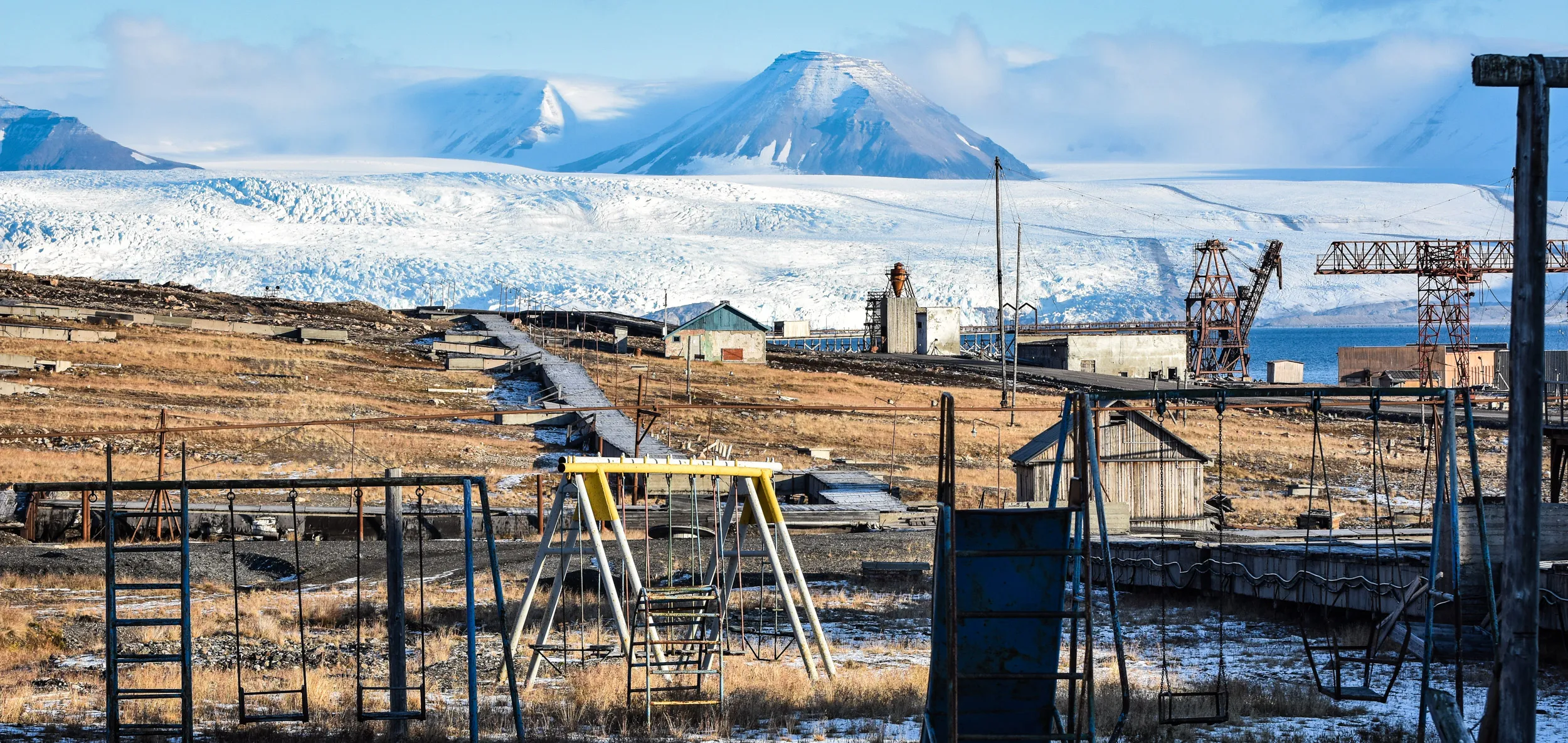
The best-known landmark is a bust of Lenin, described as the northernmost monument to Lenin in the world. It faces the Nordenskiöldbreen glacier. Several accounts say the grass around it was imported from Siberia, a detail that is repeated more often than it is evidenced.
Decline, and a plane crash
The end of the Soviet Union brought financial trouble. After the dissolution in 1991 the finances of Arktikugol worsened, and economic decline followed the collapse of the Soviet state. Visit Svalbard gives three causes of the closure: falling coal prices, difficult extraction, and a plane crash.
The crash happened on 29 August 1996. A Tupolev Tu-154 carrying miners and their families hit Mount Operafjellet near Longyearbyen on its approach to Svalbard Airport, and all 141 people aboard were killed. It was a charter flight for Arktikugol, run by Vnukovo Airlines, and it is described as the worst aviation disaster in Norway’s history. The sources do not say how many of the dead came from Pyramiden itself.
Closure in 1998
The last coal was extracted on 31 March 1998. Some sources say Arktikugol ended mining in April 1998, which may refer to the formal closing rather than the last day of coal. By one count that came after 53 years of continuous operation. The last permanent resident left on 10 October 1998.
How many people were left is unclear. One guide says about 600 Russians and Ukrainians spent the last winter there, while another says around 300 workers remained when the last coal was extracted. These may describe different months, and neither explains the gap.
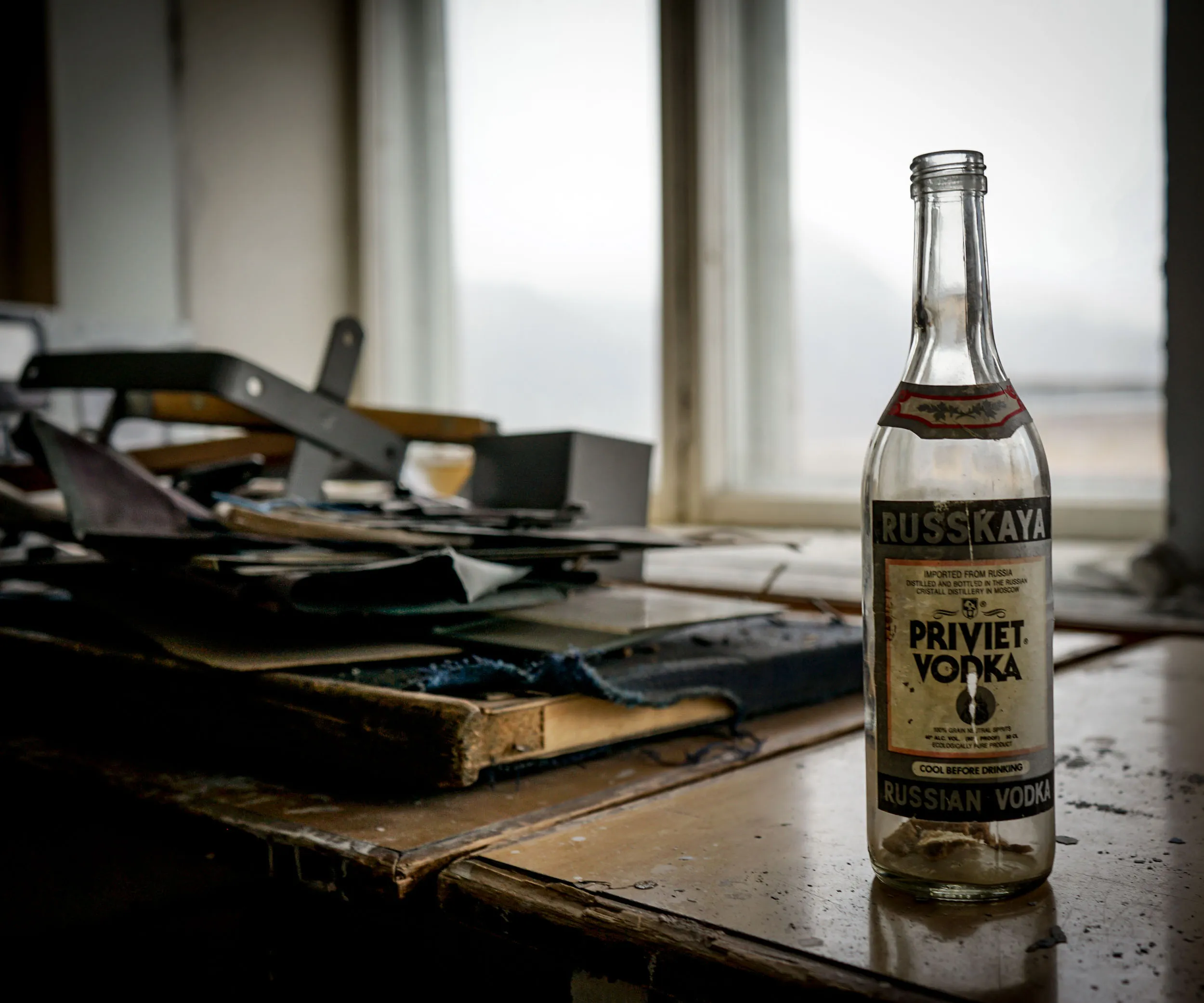
The town is often described as abandoned overnight, but residents left over a period of months in 1998. They locked their apartments and went, and abandoned glasses and food cans suggest a hasty evacuation. Some workers stayed in Svalbard to work in Barentsburg, and others returned to Russia.
One explanation for why Pyramiden closed and Barentsburg did not is that Pyramiden’s coal was nearly depleted and the town lies about 100 km inside Billefjorden, away from the open ocean, while Barentsburg has an ice-free port and a Russian consulate. That is one writer’s explanation, not a statement from the company.
A town left as it was
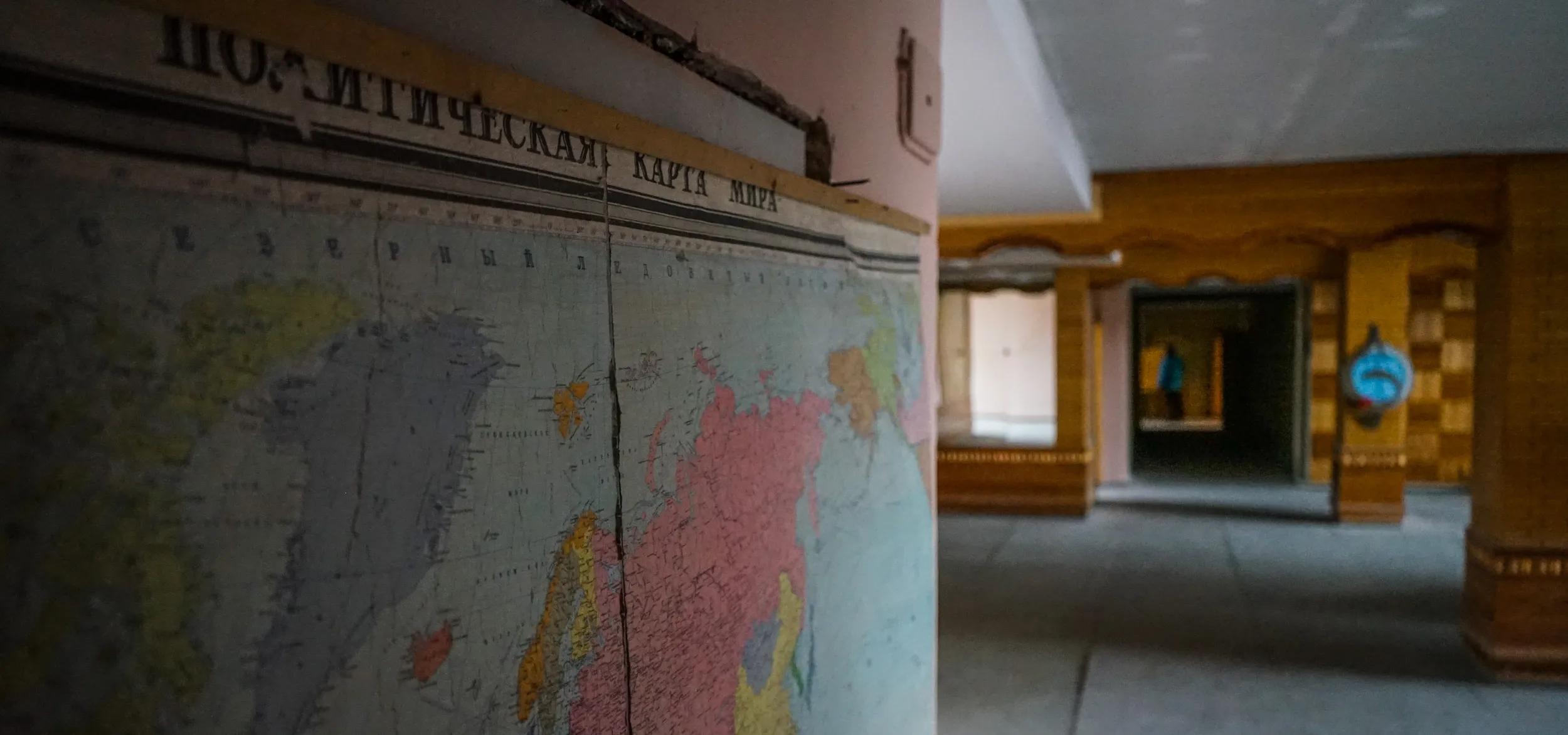
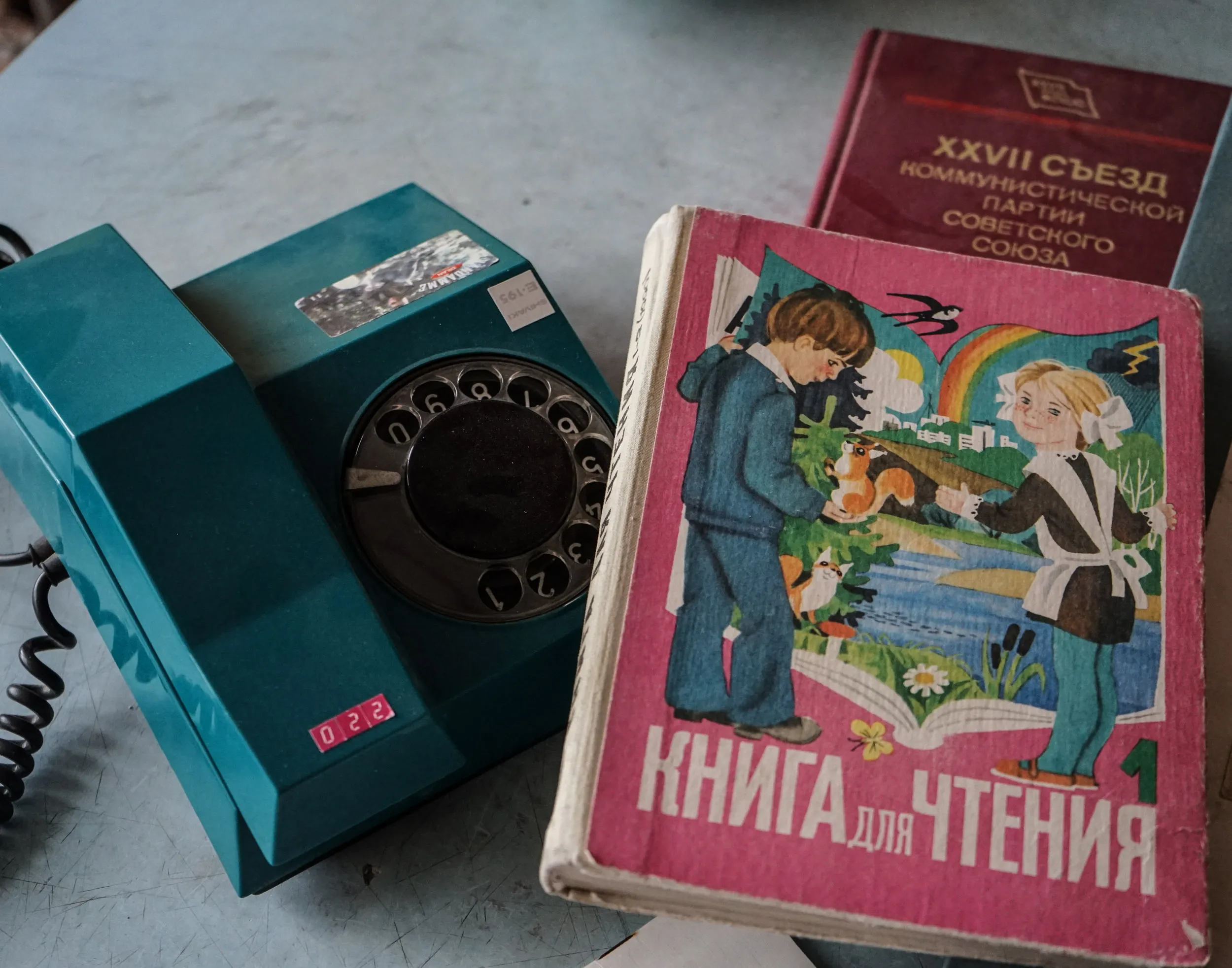
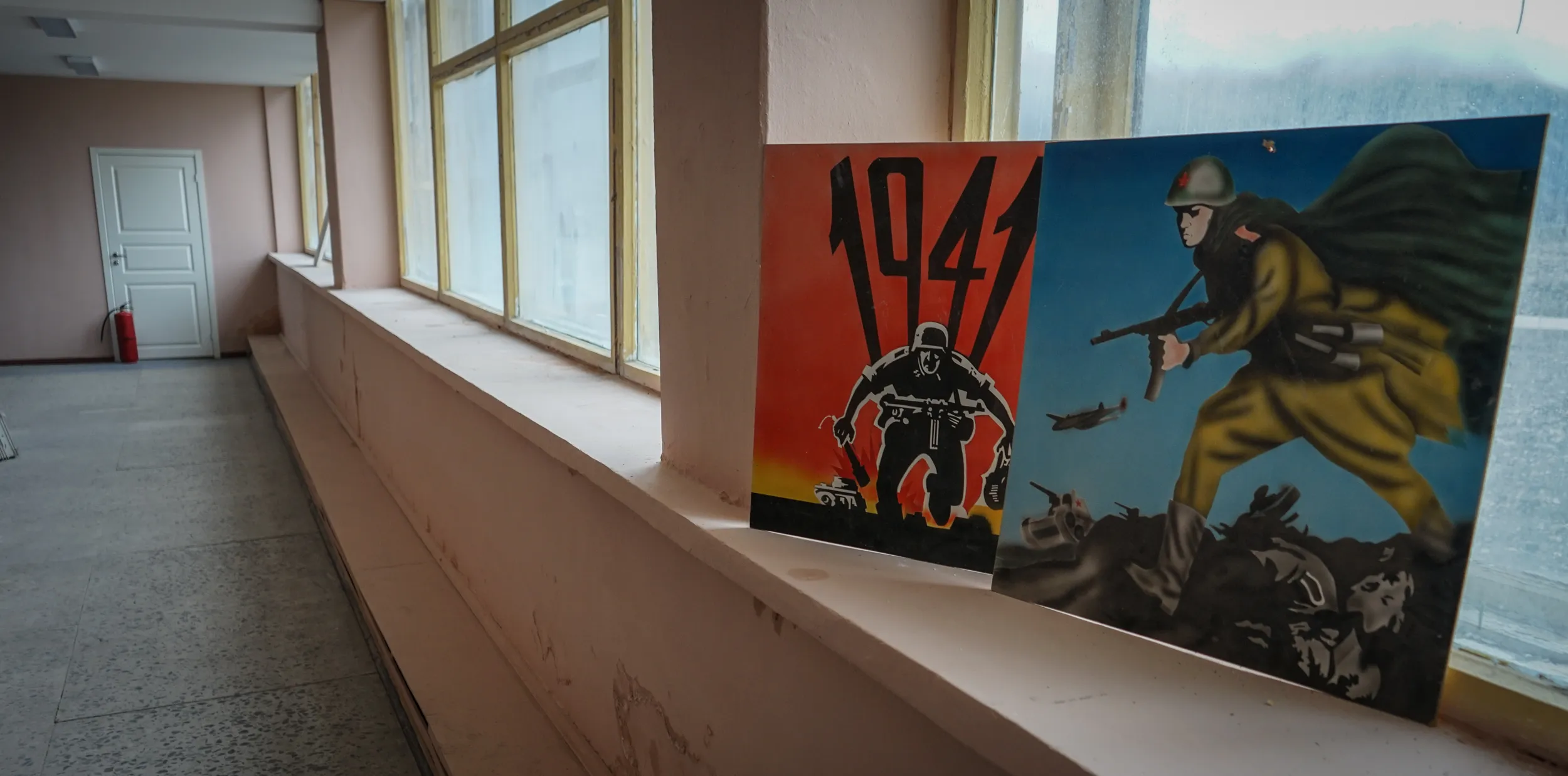
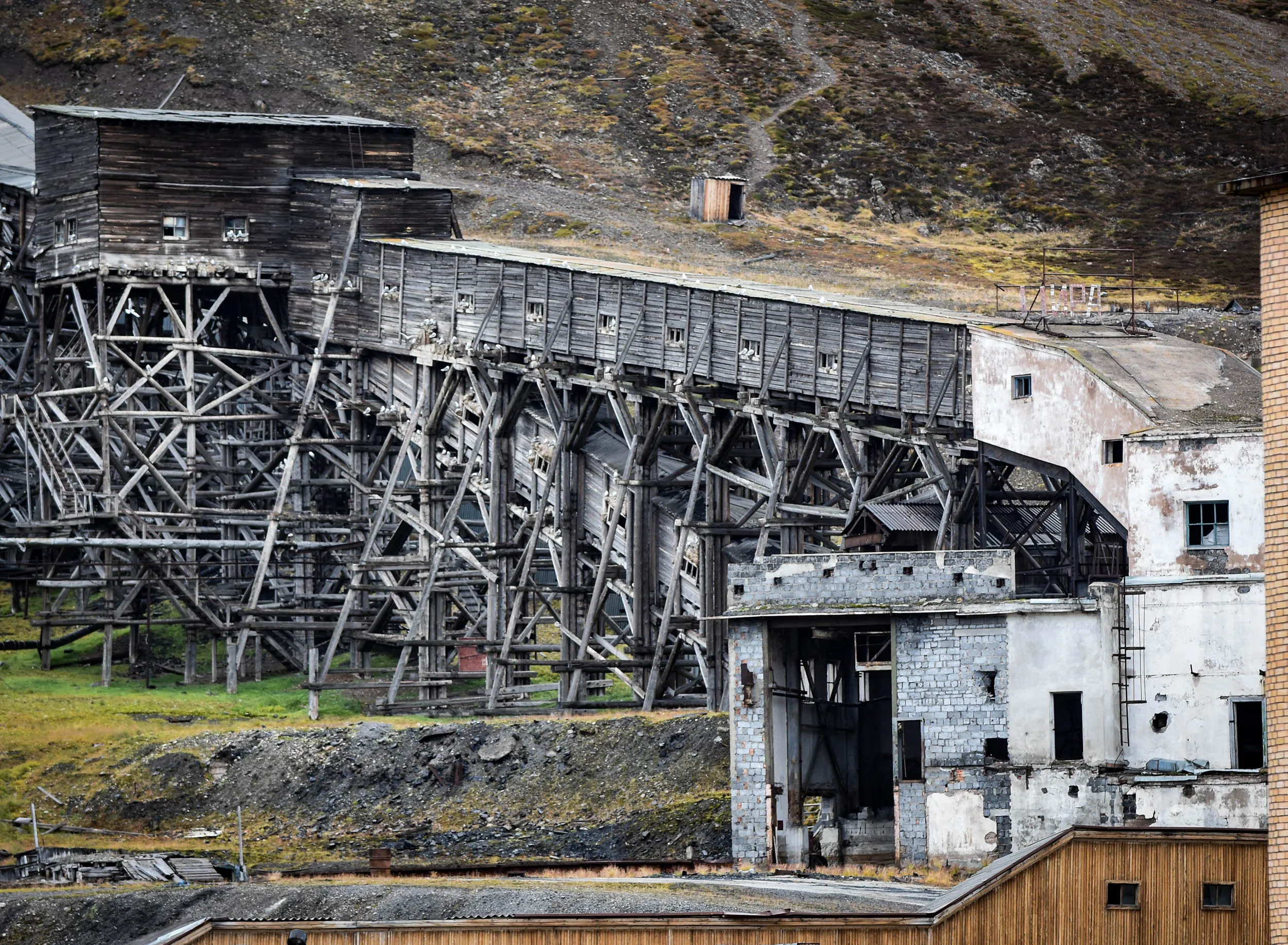
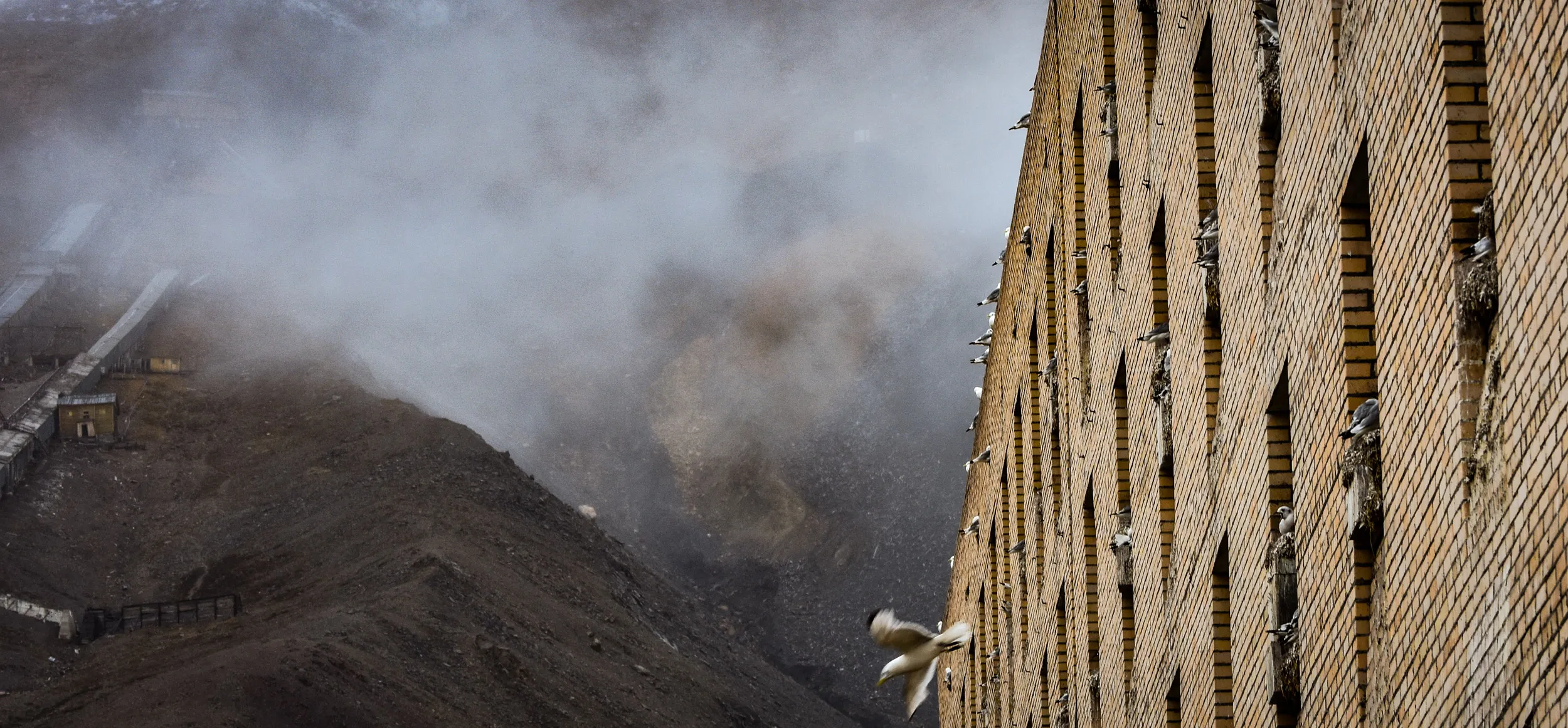
The cold has done much of the preserving. Many buildings remain much as residents left them, with cups on tables, newspaper clippings on walls and skis in the hallways. Photographers describe dying plants on windowsills, stacked dishes, furniture in place and boots outside rooms. Vandalism, break-ins and theft of Soviet-era antiques have been the main threats since 1998, along with plain neglect.
The town stood deserted until about 2008, when plans were made to turn it into a tourist destination, though renovation work is dated to 2007 in some sources. Arktikugol renovated the Tulip Hotel, and several sources say it reopened in 2013. The hotel’s name is written Tulpan in one source and Tulip in the others. In 2012 Aleksandr Romanovsky became the first person to return to live there, serving as caretaker.
The hotel, the museum and the cinema
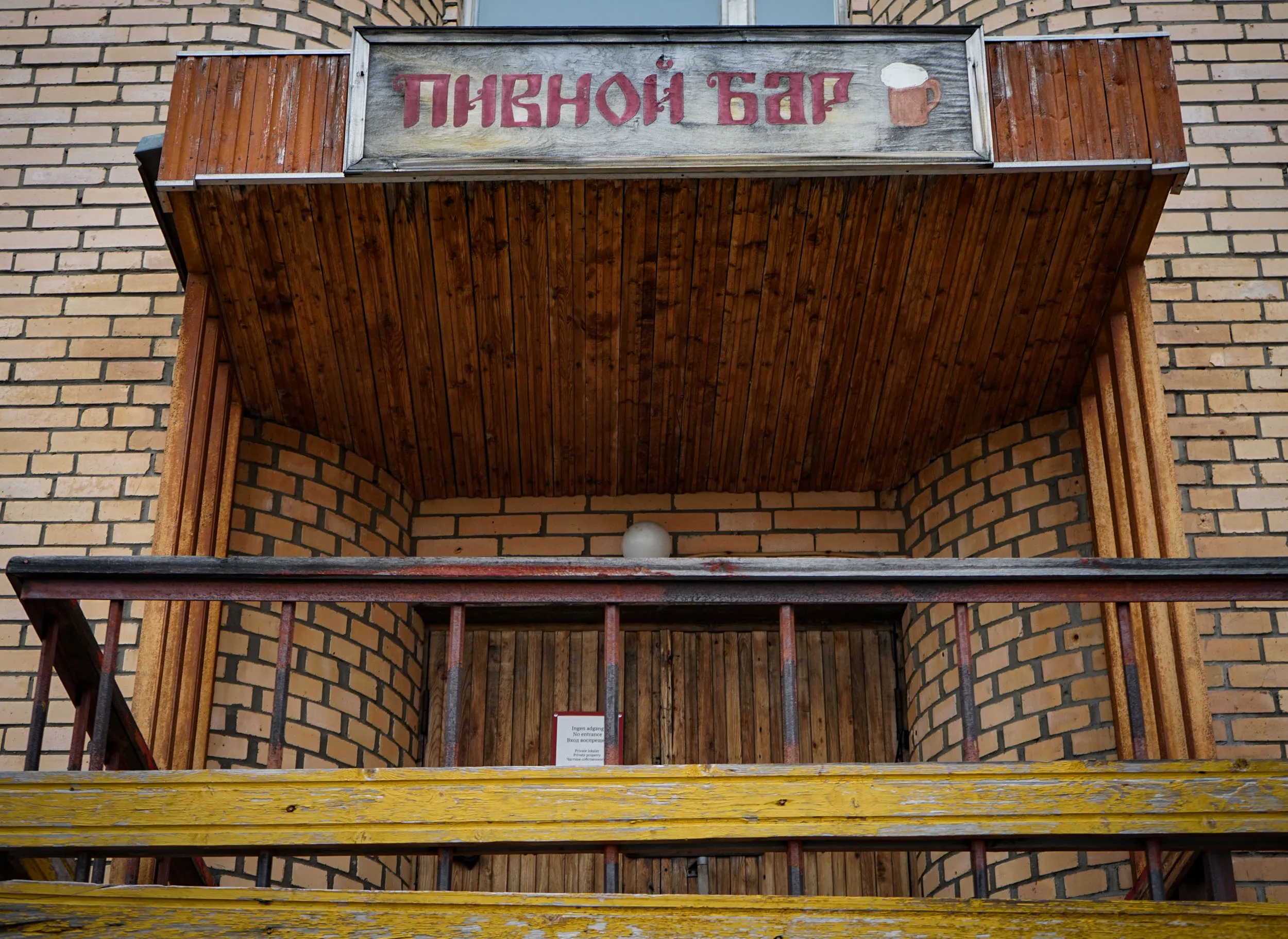
Only the hotel and the cultural centre still function, with a small crew of Arktikugol staff handling maintenance and hospitality. There is no internet or television, and hotel bookings are made by satellite phone. KulturNav describes a small museum in the hotel with taxidermied polar wildlife, geological samples, a few Pomor archaeological artefacts, information on the coal industry and Soviet memorabilia, sharing a room next to the hotel bar with a souvenir shop and a post office.
The cinema has been restored, with an archive of over 1,000 Soviet films, and the world’s northernmost film festival was held there on 27 August 2019 to mark 100 years of Soviet cinema. The town also has the northernmost swimming pool. In 2022 Russia announced new investment plans for Pyramiden and Barentsburg. The number of residents is small, and the figures do not line up: 6 in the summer of 2016, 20 to 30 in summer and 1 to 3 in winter in a source from 2026, and 10 to 20 seasonal staff in summer in another. They describe different years and are not directly comparable.
Rules and heritage
Visitors are bound by rules. Everything dating from before 1946 is protected heritage and removing items is not allowed, independent entry into abandoned buildings is forbidden, and drone flights are banned in national parks and reserves. Guides take groups into the cultural centre, pool and canteen. The Arctic Travel Company Grumant, a division of Arktikugol, maintains the site.
Polar bears set the main safety rule. Visitors must go with a guide who carries a rifle, and exploring alone is not allowed. Since 2025 boats must also stay at least 300 metres from polar bears.
After 2022
Russia’s invasion of Ukraine changed who visits. Visit Svalbard removed all tours and offers connected to Russian state-owned companies in Svalbard from its platforms, and most operators have stopped offering trips to Russian-owned settlements. Norwegian tour operators that still go there, following a boycott of Russian state services, offer trips with no spending on site.
Arktikugol says it is cleaning up. In a TASS report of 28 May, the company’s director general, Ildar Neverov, said it expected to remove more scrap metal from Spitsbergen in the 2026 season with volunteers from a project called Clean Arctic, that Barentsburg would come first, and that work might be organised at Pyramiden in the future. About 300 tons of scrap had been removed in one navigation season. TASS gives the company’s coal output as 120,000 tons a year and its landholding as 251 square kilometres, which are figures for Arktikugol as a whole.
One travel blog also reports that Norwegian authorities found serious environmental failings, mainly leaks from old fuel tanks, and that Trust Arktikugol received an ultimatum to fix them by October 2026 or face large fines and possible reductions in operations. That is one source, and it is not clear that the deadline applies to Pyramiden as opposed to the company’s other settlements, so check it against the Governor of Svalbard’s statements.
Visiting
Visits are guided. Boats run from Longyearbyen in summer, with trips costing roughly 2,800 to 3,900 Norwegian kroner, from late May to October. In winter the trips are multi-day snowmobile journeys, usually from March to early May; they take 8 to 10 hours and usually run for three days with two nights in Pyramiden. July and August are the best months, with ice mostly gone and 24-hour light. A helicopter route to Pyramiden Heliport is also listed. Check which operators currently offer trips, because many have stopped.
Conclusion
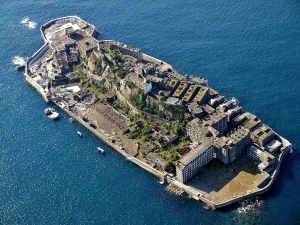
Pyramiden was a Soviet town on Norwegian land: founded by Swedes, bought in 1927, run for decades by a state company and emptied in 1998. The sources agree on the shape of that story and differ on the details, such as the year of the Soviet purchase and the number of people at the end. Its survival is partly an accident of climate and partly a decision. Arktikugol keeps a small crew there, and Norwegian rules protect anything from before 1946. What happens next is tied to the politics of Russia and Norway on Svalbard as much as to the buildings. Hashima, Buzludzha and Varosha are other places on Remnant Earth that were left by the events that made them.
Did you know?
- Pyramiden takes its name from the pyramid-shaped mountain above it.
- Sweden founded the settlement in 1910, and the Soviet Union bought it in 1927.
- Up to nine million tonnes of coal were extracted between 1955 and 1998, by one estimate.
- The grass around the Lenin bust is said to have been brought from Siberia.
- One account says Pyramiden survived a 1943 German attack on other Svalbard settlements because ice blocked ships from reaching it.
- A Tupolev Tu-154 crash on 29 August 1996 killed all 141 people on board.
- The last coal was extracted on 31 March 1998 and the last permanent resident left on 10 October 1998.
- The cinema's archive holds over 1,000 Soviet films.
- Aleksandr Romanovsky became the first person to return to live in Pyramiden, in 2012.
- Hotel bookings are made by satellite phone.
- Everything dating from before 1946 is protected, and nothing may be removed.
- Visit Svalbard removed tours linked to Russian state-owned companies after Russia's invasion of Ukraine.