Operation Typhoon: The German Drive on Moscow, 1941
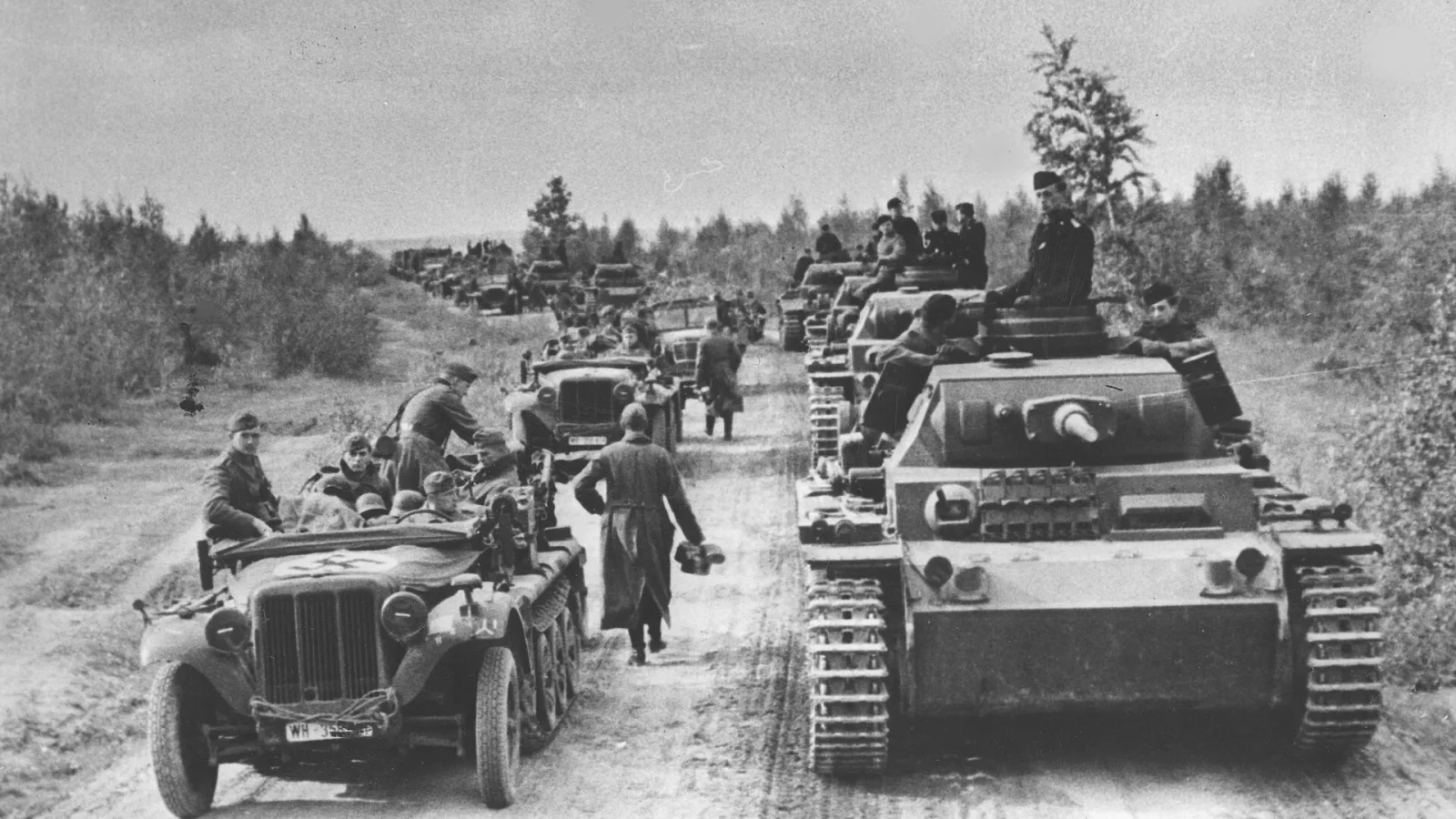
In October 1941 two million Germans trapped half a million Soviet soldiers at Vyazma and pushed to within 30 km of the Kremlin. Mud, frost and a Siberian reserve stopped them.



In October 1941 two million Germans trapped half a million Soviet soldiers at Vyazma and pushed to within 30 km of the Kremlin. Mud, frost and a Siberian reserve stopped them.
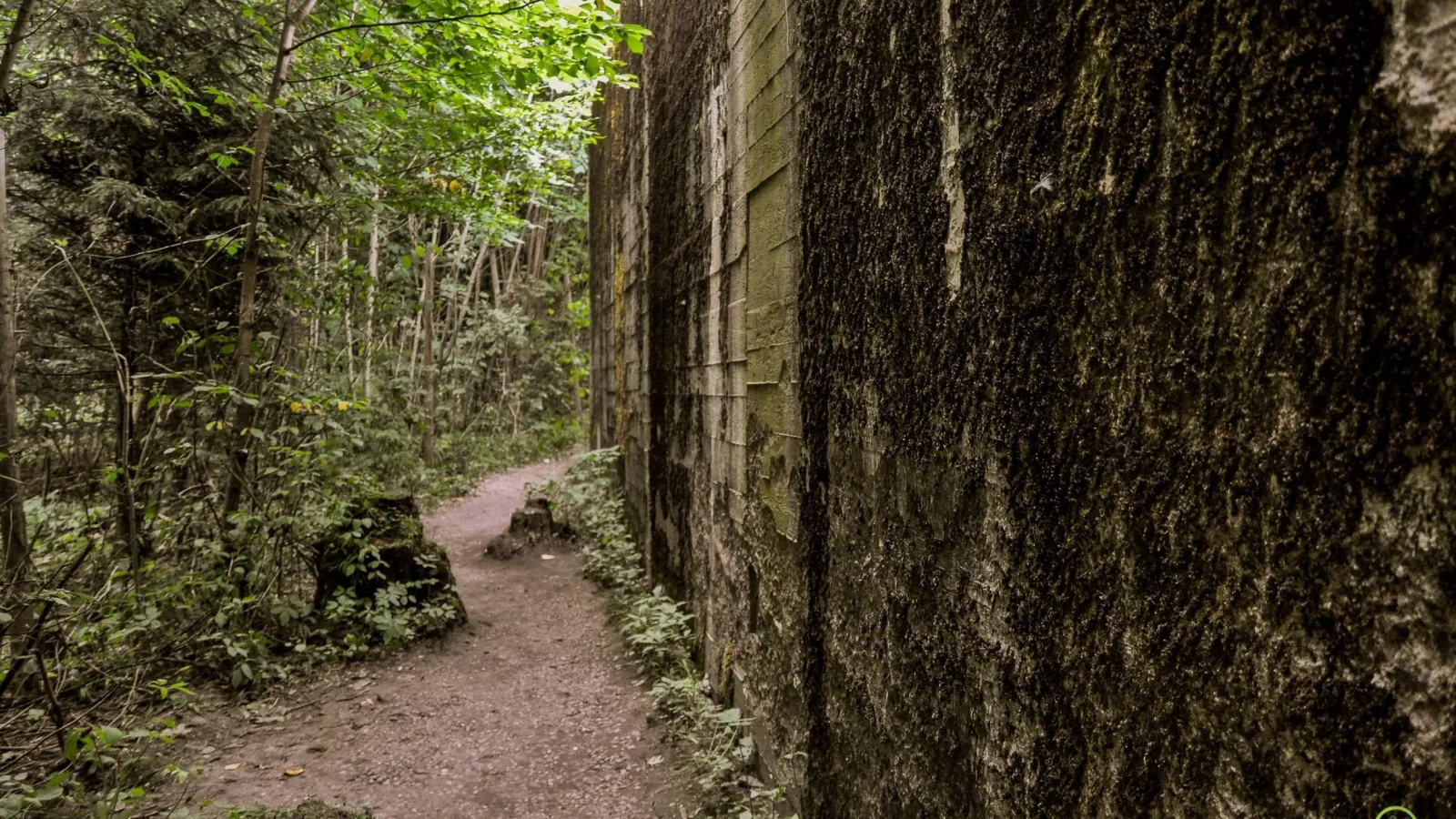
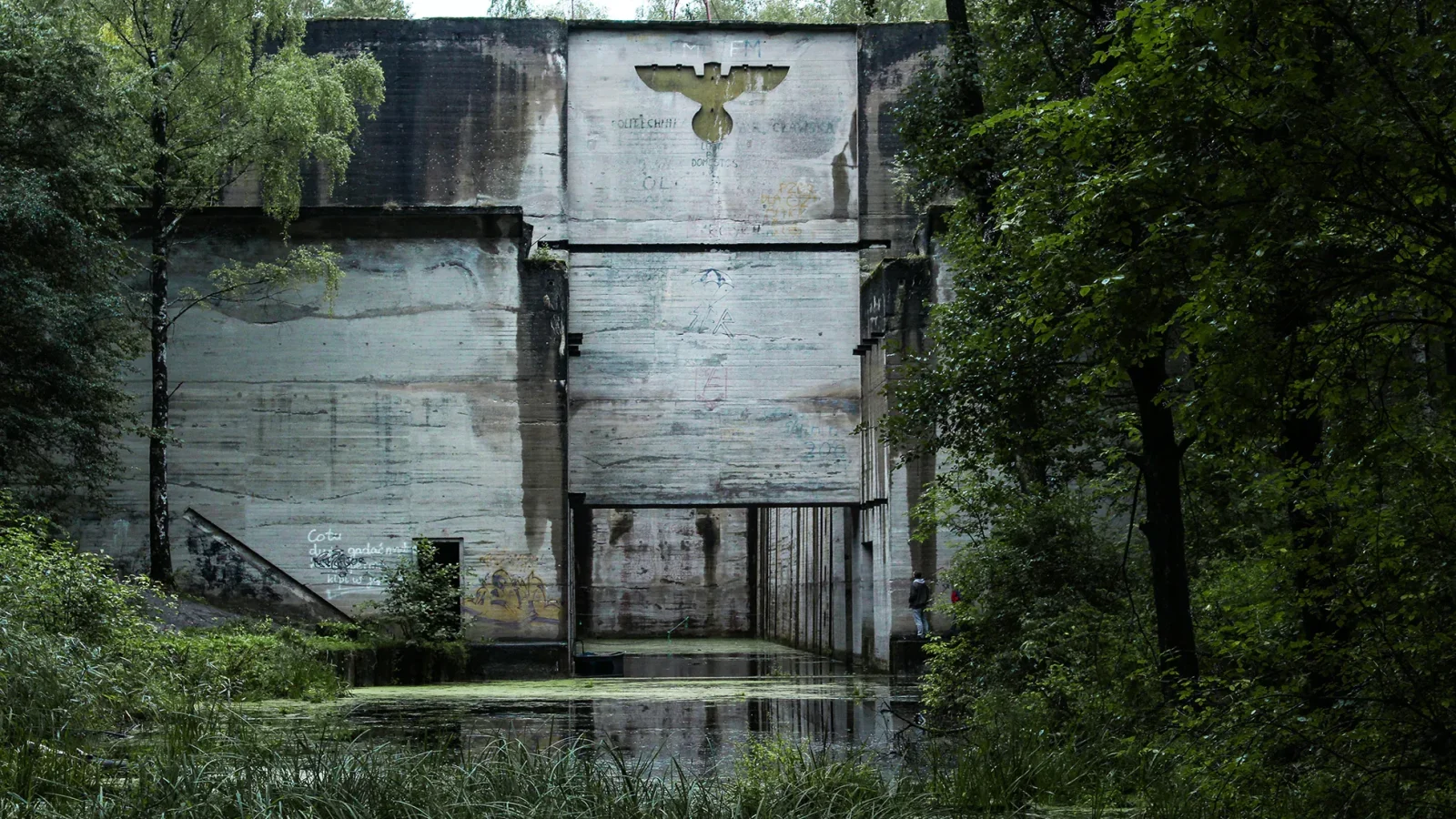
Twenty kilometres from the Wolf's Lair, the German army built a hidden town of more than 200 structures. The Germans never blew it up, so the concrete is still there.
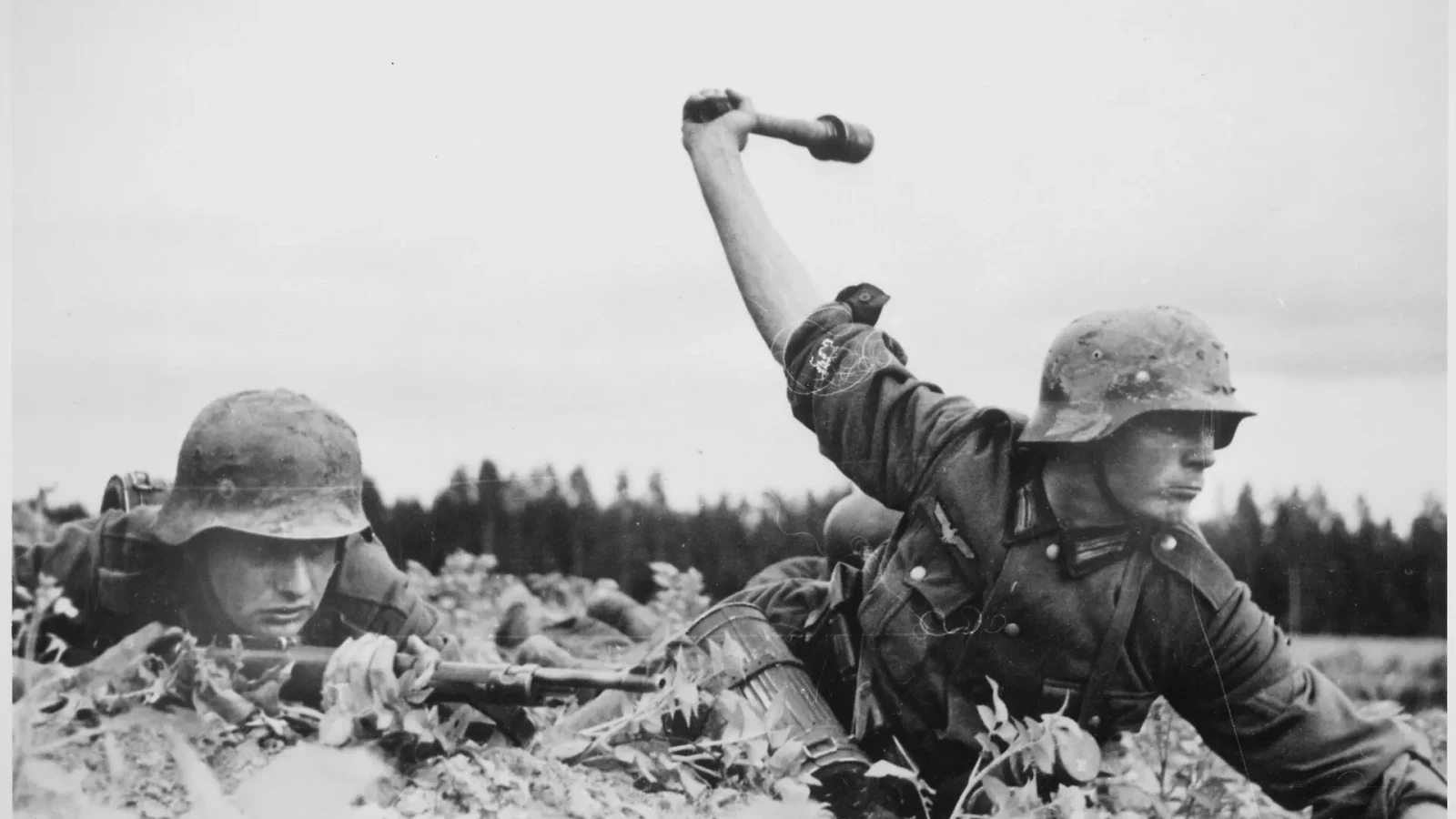
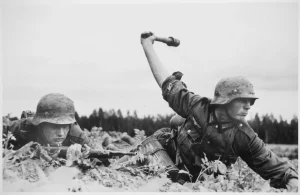
On 22 June 1941, more than three million Axis troops crossed the Soviet frontier. By December a German reconnaissance unit stood 30 km from Moscow, but the war of annihilation they had begun was far from won.
A camouflaged bunker town in the Masurian woods, where Hitler spent more than 800 days, survived a bomb on 20 July 1944 and was blown up by his own army as the Red Army closed in.
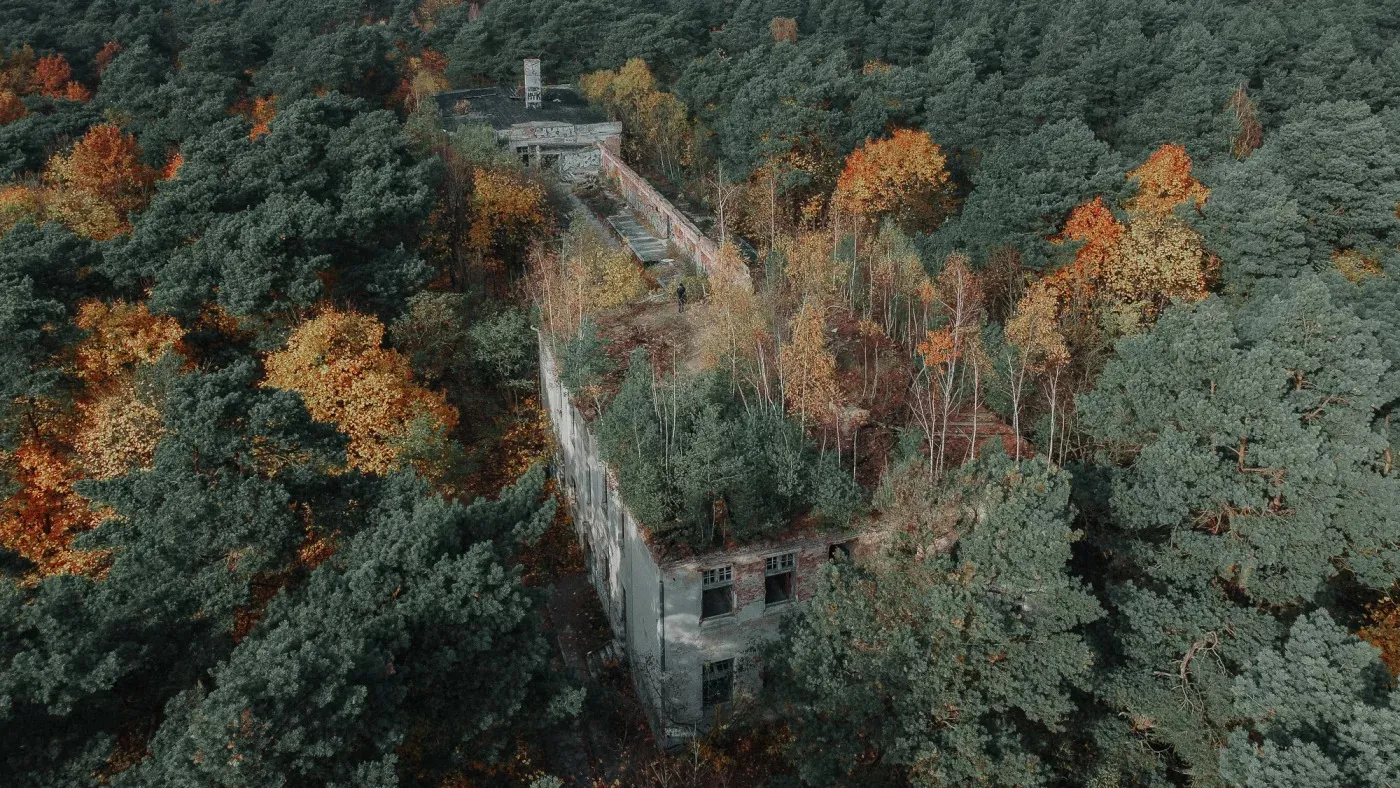
Founded in 1908 as a free hospital for poor Jewish patients, Zofiówka was emptied by the Germans on 19 August 1942 and has stood in ruins in the forests of Otwock ever since.
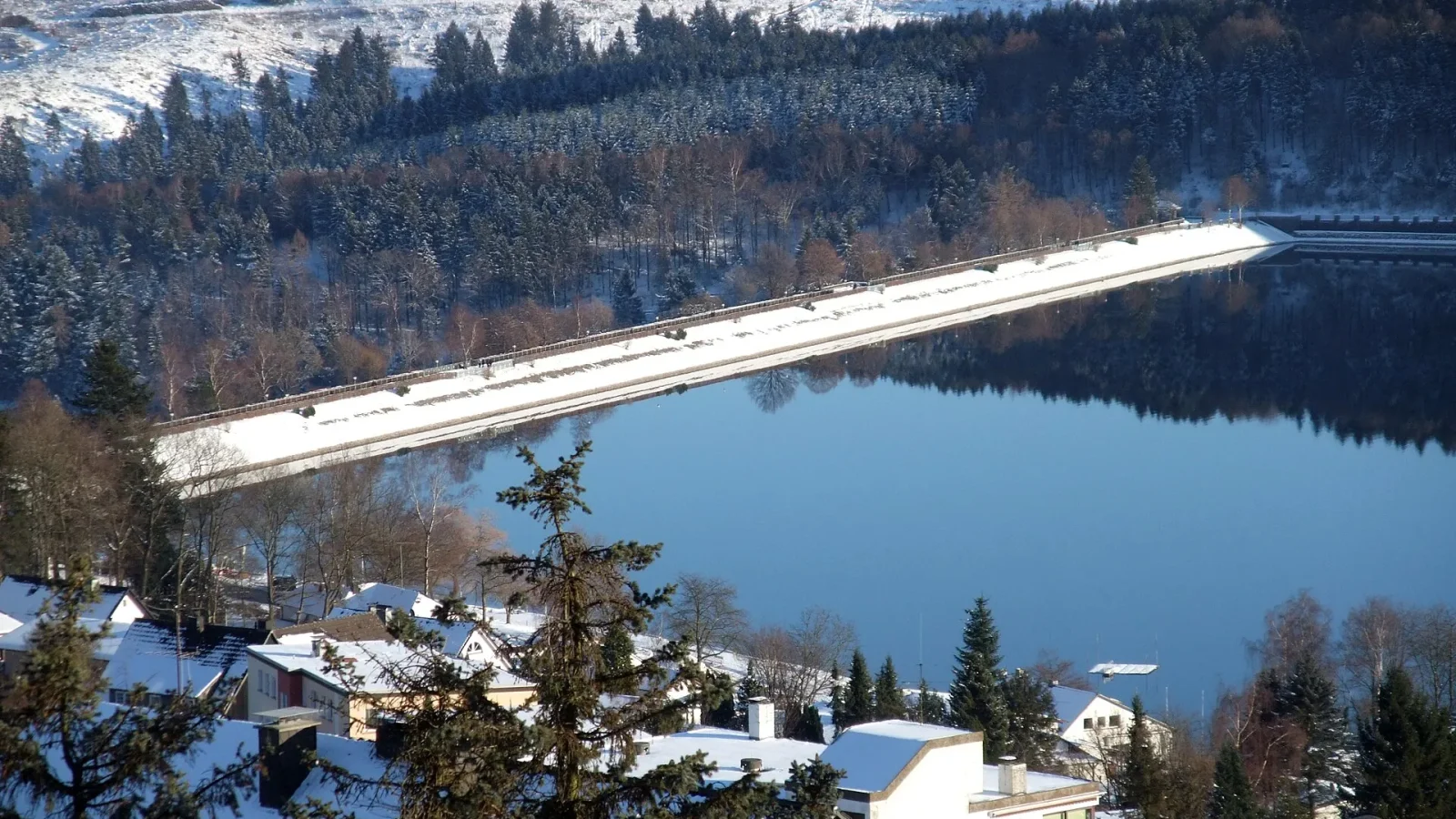
An earth dam with a concrete heart that survived the bouncing bombs in 1943, a Tallboy in 1944 and, in 1959, a live five-tonne bomb found at the bottom of its drained lake.
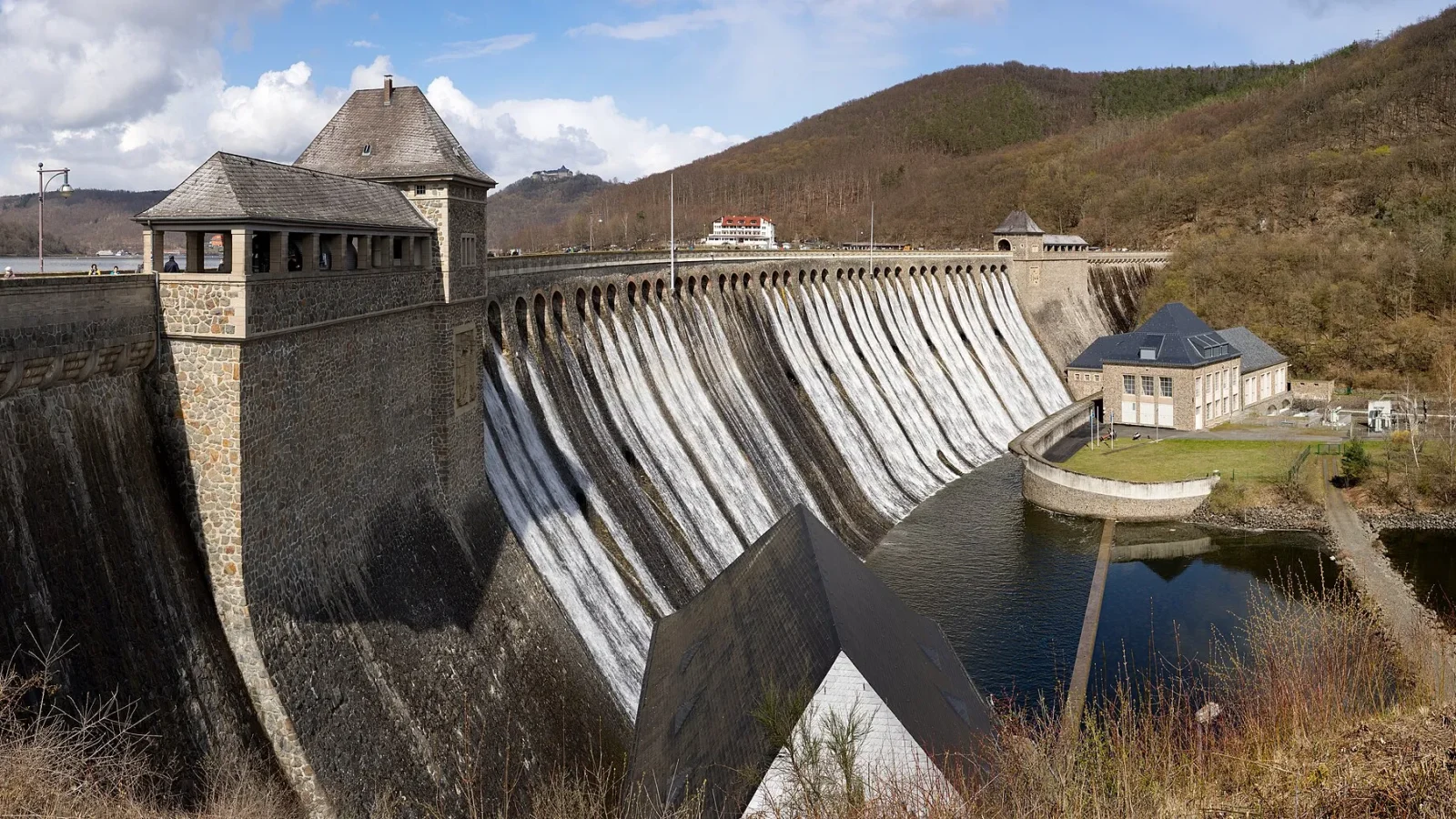
A Kaiser-era dam in the hills of Hesse, three villages beneath its lake and a gap blasted open in the early hours of 17 May 1943.
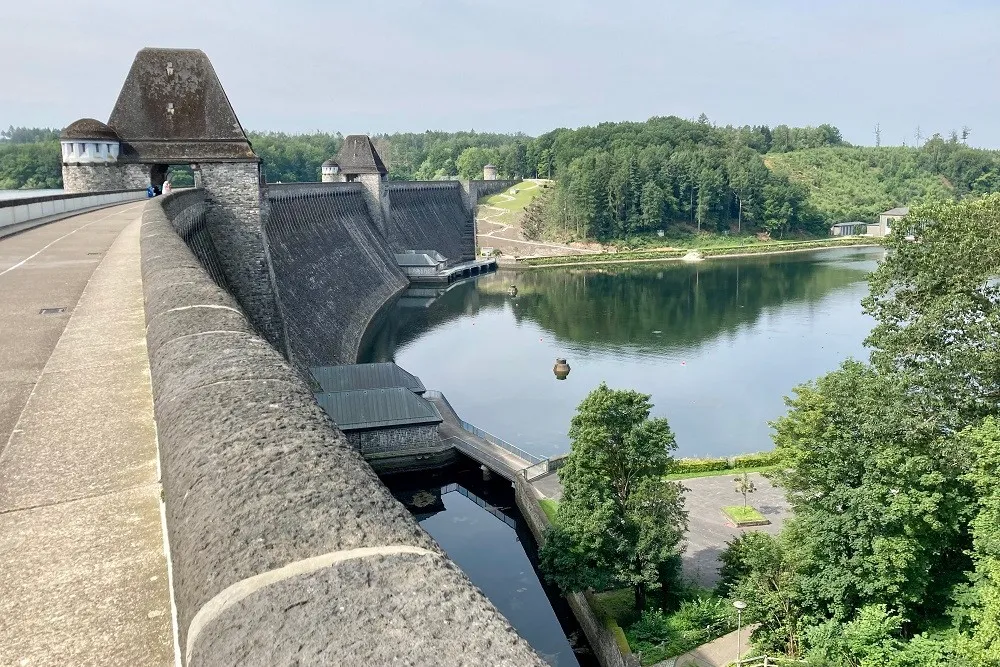
A Kaiser-era wall of quarry stone that held back the Ruhr's water for 30 years, was breached in minutes on 17 May 1943 and was closed again within four months.
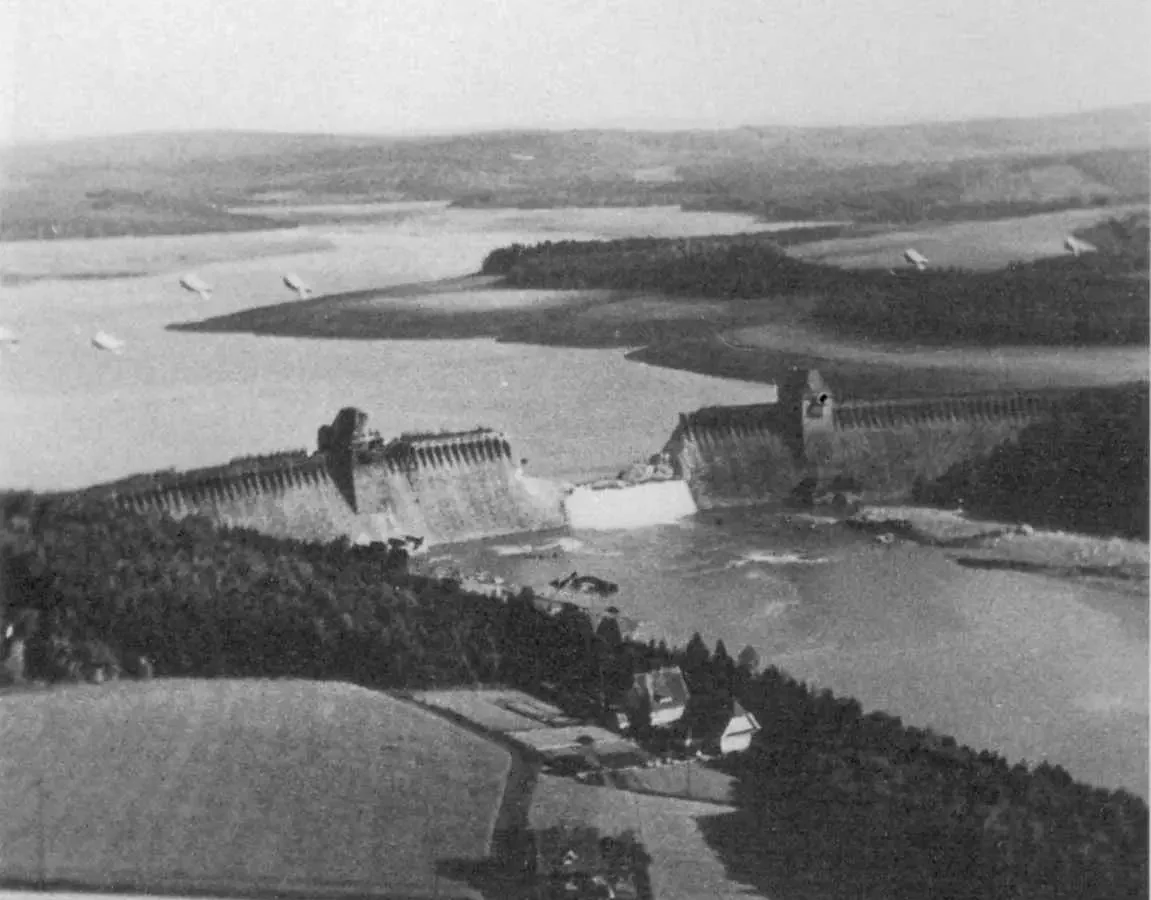
Nineteen Lancasters, a bomb that bounced across the water and one night in May 1943: how 617 Squadron breached the Möhne and Eder dams, and what the raid really achieved.
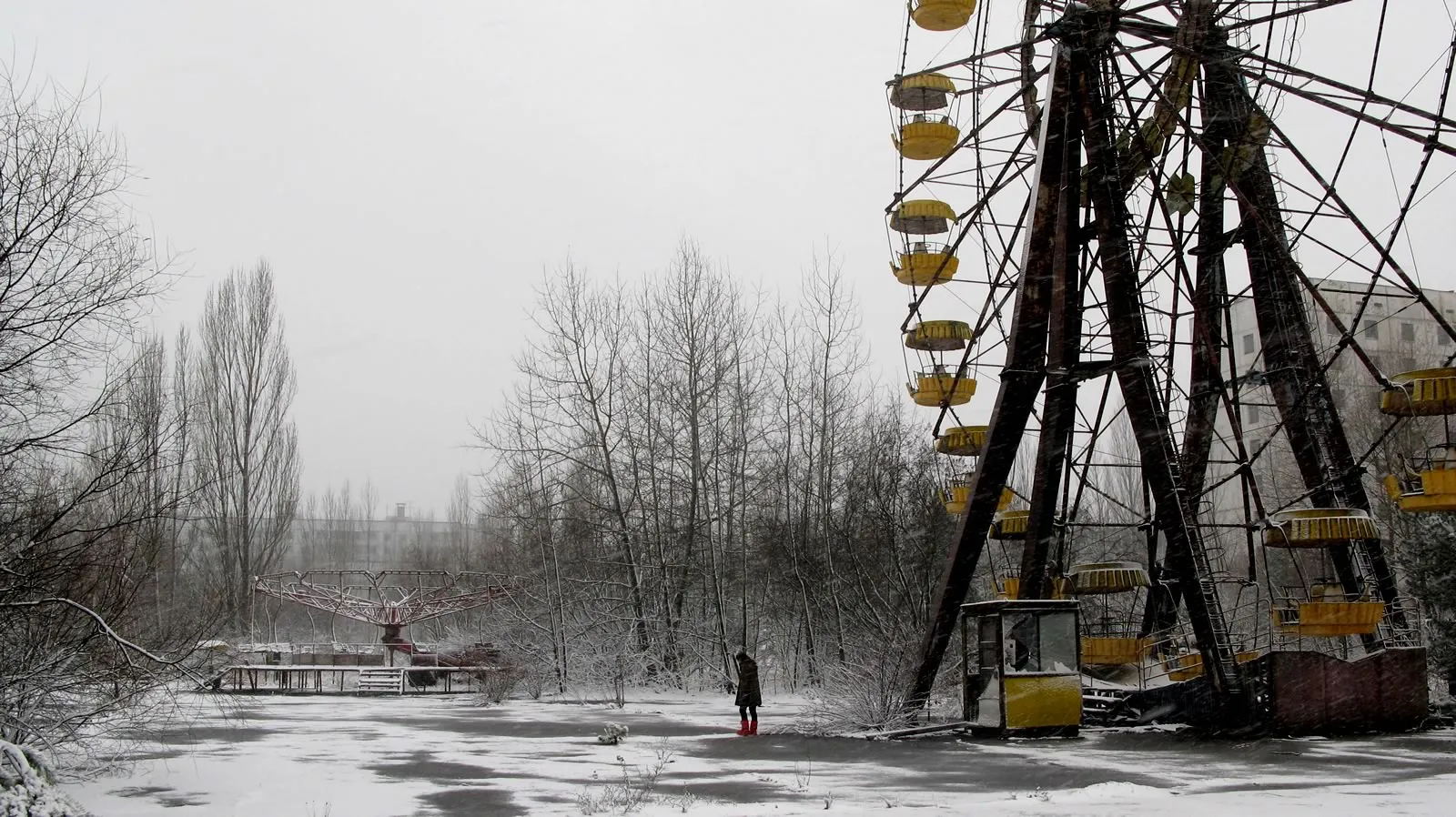
A model Soviet city of about 49,000 people, emptied in a single afternoon in April 1986 and never resettled.