The night nobody fired a shot
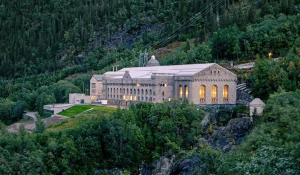
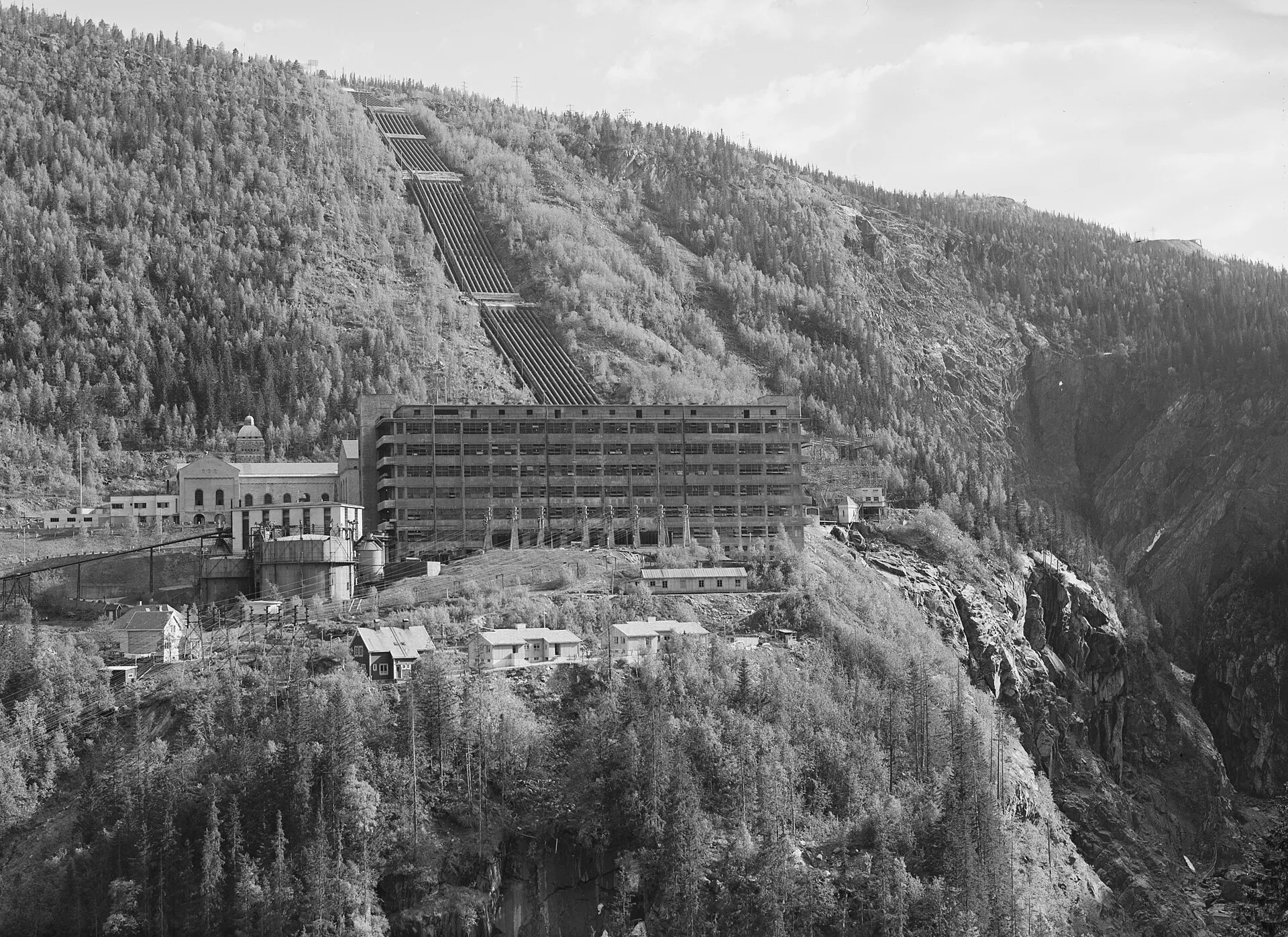
At the bottom of the Måna gorge in the last days of February 1943, nine men on skis stood looking up at a cliff they would have to climb in the dark, with a German garrison above them and a plant whose output had been worrying planners in London for years.
They did not carry a plan for a battle. They carried a plan for silence. The raid that followed, on the night of 27–28 February, was a sequence of small, quiet things: a descent, an icy crossing, a climb, a tunnel for cables, a window, a Norwegian caretaker who proved only too willing to cooperate. The only loud thing was the explosion, and that came after the men were already on their way out.
The British SOE later described it as the most successful act of sabotage of the war. That judgement has been argued over, as you will see in the final sections, but nobody disputes the daring of it. This is a record of how six Norwegians, helped by four more who were already living on the mountain, got into one of the best-guarded industrial sites in occupied Europe and got out again.
What heavy water had to do with a bomb
To understand why anyone would ski across a mountain plateau in February to blow up a chemical plant, you need one idea from nuclear physics. A chain reaction in uranium only works if neutrons are slowed down to the right speed. The material that does the slowing is called a moderator. Ordinary water slows neutrons but also swallows many of them, so a reactor moderated with it needs enriched uranium, which is very hard to make. Heavy water, in which the hydrogen atoms are the heavier isotope deuterium, slows neutrons just as well but absorbs far fewer, which lets a reactor run on natural uranium.
By 1941, German physicists had decided that heavy water was the practical route to a working reactor. Graphite would have done the job, but their tests had been thrown off by impurities in the graphite samples, and they had written it off. That left heavy water, and that left Norway.
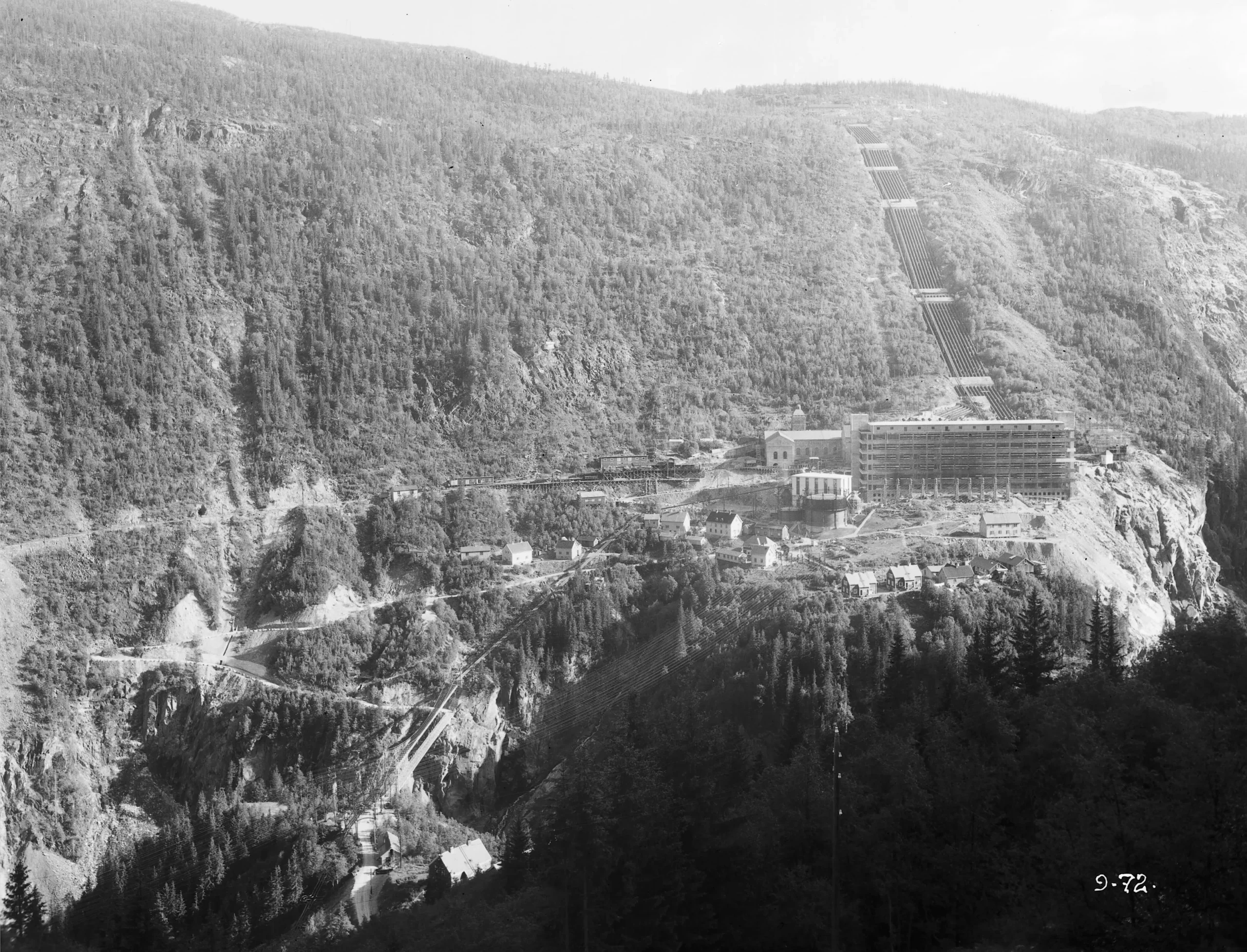
Norsk Hydro’s Vemork plant had been producing heavy water since 1934, and it was the only place producing it at industrial scale. Allied scientists could not know how far German research had gone. What they knew was that the one scarce material their enemy would need was being made in a single building, in a country the enemy now ruled. A reactor is not a bomb, and the Germans were in fact a long way from either, but in 1942 that was not something London could be sure of.
So the choice was simple, even if the means were not: deny the Germans the heavy water, or accept the risk.
Two attempts before the one that worked
Gunnerside was not the first plan. It was the third move in a sequence that had already cost lives, and it was designed with that failure in front of it.
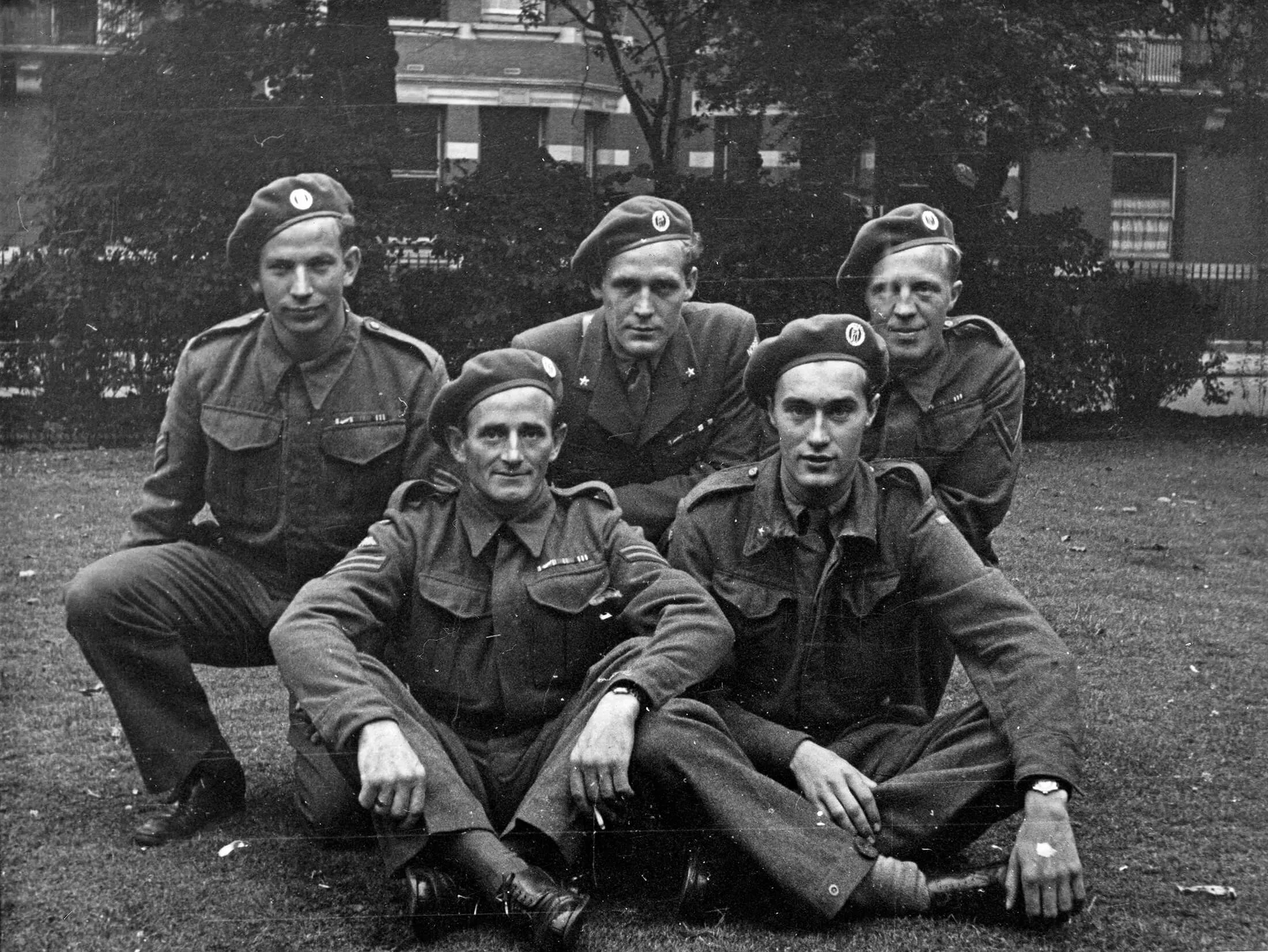
Grouse, October 1942. On 18 October 1942, four Norwegian commandos of Kompani Linge parachuted onto the Hardangervidda, the huge, treeless plateau above Vemork. Their job was reconnaissance: to set up an advance base, make radio contact with Britain, prepare landing zones and gather detail on the plant. The leader was Jens-Anton Poulsson, a young second lieutenant; the others were Arne Kjelstrup, Knut Haugland and Claus Helberg. Haugland was the radio operator. Once contact was made, they identified themselves with a code phrase, and the line to London opened.
Freshman, November 1942. The British plan was to follow up quickly with a larger force. On 19 November, two Halifax bombers each towing a Horsa glider set out from Scotland carrying British engineers. Both gliders failed to arrive. One Halifax flew into a mountain, killing all seven men aboard, and its glider crashed nearby. The second glider came down after its tow rope broke, with the navigation beacon that should have guided the force failing to help. Survivors were captured, interrogated and executed. Freshman alerted the Germans, who tightened security at Vemork, and cost the Allies the lives of the men concerned.
The lesson London drew was that a large force flown in from outside was too risky. A small team of Norwegians, who knew the country, could ski, and could live in the mountains, was the alternative. And the four Grouse men were already there, spending a harsh winter on the plateau, waiting to be reinforced.
The six who went in
The Gunnerside team was recruited from Norwegians who had escaped to Britain and joined Kompani Linge, the commando unit that trained under the SOE. The leader, Joachim Rønneberg, was 23 and had reached Scotland by small boat in 1941 after escaping from occupied Norway. He chose his men himself, and he chose for skiing, fitness and temperament as much as for fighting skill.
| Name | Born | Role on the night |
|---|---|---|
| Joachim Rønneberg | 1919 | Leader; went into the plant with the demolition party |
| Fredrik Kayser | 1918 | Demolition party; protected Rønneberg during the explosion |
| Birger Strømsheim | 1911 | Demolition party; carried and placed the explosives |
| Kasper Idland | 1918 | Demolition party; guarded Strømsheim while he worked |
| Knut Haukelid | 1911 | Second in command; led the covering party |
| Hans Storhaug | 1915 | Covering party; lookout during the explosion |
The team trained in Britain, rehearsing demolition work and winter movement, and went over the plan using information about the plant that engineers and contacts had sent out of Norway. Leif Tronstad, the Norwegian scientist who had helped design the heavy-water plant, advised on the target and the plan.
On the mountain, the Grouse men were to guide them and provide the covering force. They had been living in rough huts for months. Their knowledge of the plateau, the weather and the approaches to the plant would decide whether the plan survived the first week.
Dropped on the wrong mountain
The six men parachuted into Norway on 16 February 1943. Things did not go as planned. The drop, in poor weather, scattered them away from the point where the Grouse men were waiting, and the team had to find its own way through blizzard conditions on the plateau. Some days passed before the two groups met. When they did, the Grouse team joined the new arrivals, and the combined party of ten settled into a base to prepare.
The days that followed were spent in discussion and in scouting. The plateau is among the harshest terrain in Europe for winter travel: open, exposed, with weather that closes in without warning. The party had to ration food, avoid German patrols and decide how to approach a target that was only a few kilometres away but separated from them by a deep gorge.
The plan that emerged was a compromise between daring and sense. The bridge, the obvious route, was guarded. The gorge was the alternative. Claus Helberg, who had been scouting for the Grouse team, had identified a crossing point where the party could descend, ford the river and scale the far wall. It was steep, it was icy and it was not going to be easy. But it was a way to reach the railway line that serves the plant, and the railway was far less closely watched than the bridge.
They chose a night, and they waited for it to arrive: 27 February.
The night of 27–28 February, step by step
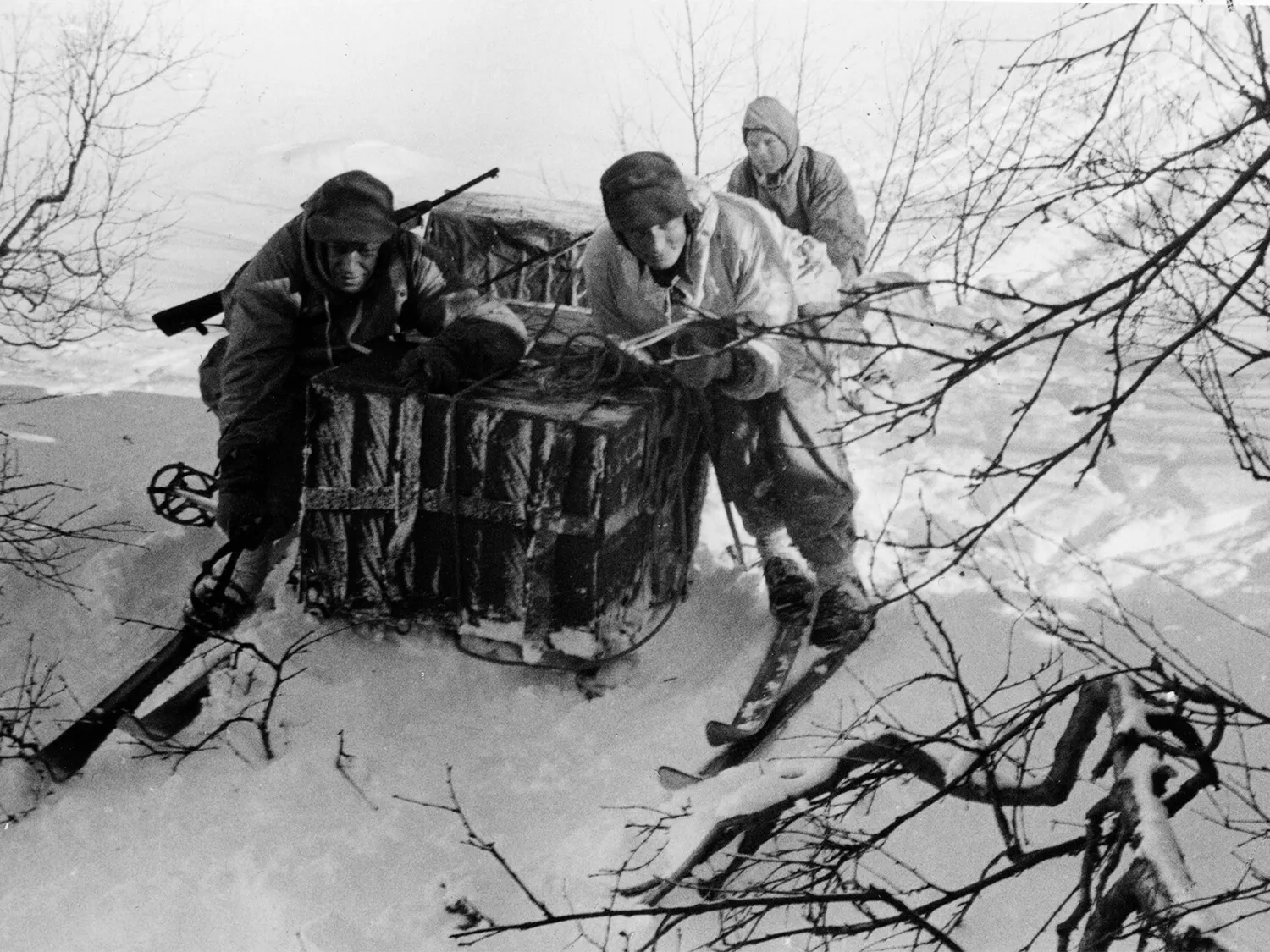
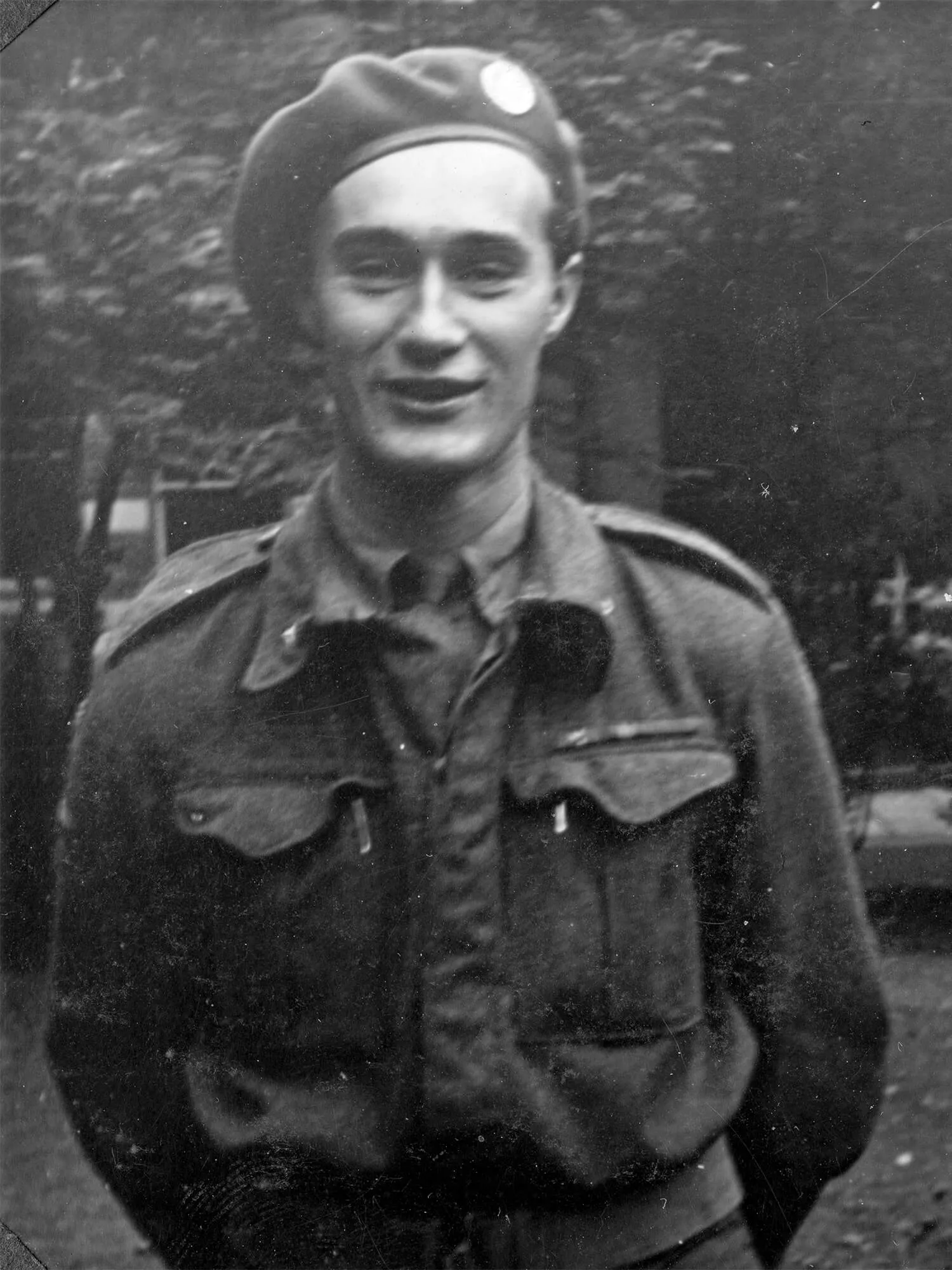
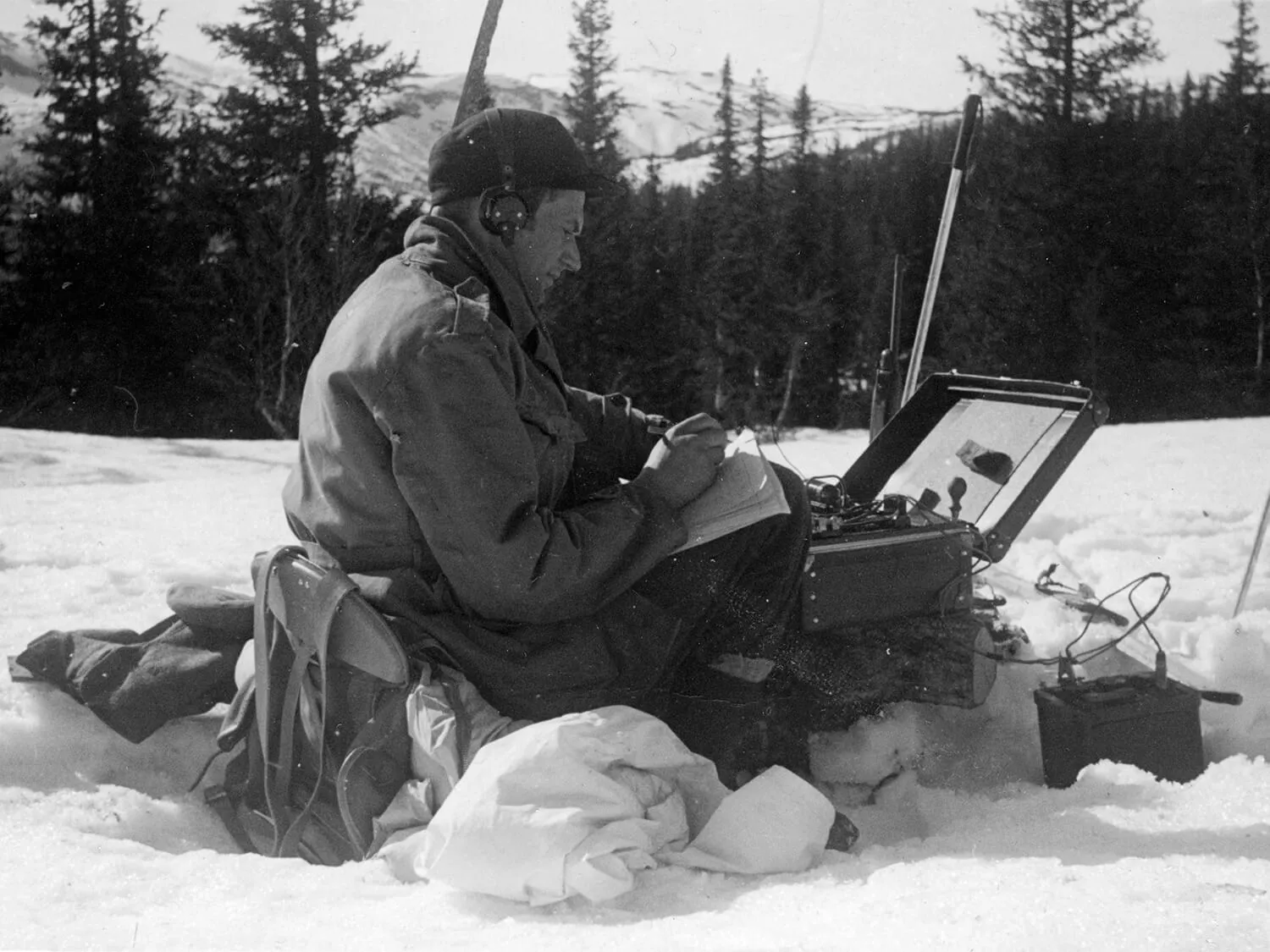
The party that set out was nine strong, dressed in white camouflage snowsuits over British Army uniforms. They split into two groups for the work ahead. The demolition party was Rønneberg, Kayser, Strømsheim and Idland. The covering party, led by Haukelid, included Storhaug and Grouse men such as Helberg and Kjelstrup, and its job was to protect the way in and out. Knut Haugland, the Grouse radio operator, kept the mountain’s radio link going.
- The descent. The nine descended into the Måna gorge, crossed the icy river and climbed the steep far wall. Accounts put the climb at about half an hour, and it brought them out near the railway line serving the plant.
- The approach. They followed the line to the plant. The works were lit, fenced and patrolled, but security at the plant had weakened over the winter. The covering party took up position and the demolition party moved in.
- The way in. The four demolition men found a way into the basement through a cable tunnel and a window. The first person they encountered was a Norwegian caretaker, Johansen, who was inside the high-concentration room. He was held at gunpoint, and accounts say he was entirely willing to cooperate.
- The charges. Rønneberg’s party set explosive charges against the base of the heavy-water electrolysis cells: reports describe a total of 18 cells and one-foot-long plastic charges. They set short fuses, reported as 30 seconds, so the men had time to leave but the Germans could not defuse the charges.
- The fuses. With the charges set, the fuses were lit and the four men withdrew from the room.
- The explosion. The charges went off, wrecking the cells and releasing the heavy water they held. The raiders were already on their way out, and began the climb back towards the gorge as the Germans started to react.
- A signature. One British Thompson submachine gun was left behind on purpose, to suggest the raid had been carried out by British troops and not by local Norwegians.
Not a shot was fired, and the plant was out of action.
Escape across the mountains
The raiders slipped away before the Germans understood what had happened, and then the real danger began. Around 3,000 German troops were sent to search the plateau and its approaches. The commandos had a long way to go and no easy road to safety.
The group split up. Five men, led by Rønneberg, set out for neutral Sweden on skis. They crossed several hundred kilometres of mountain country in a journey that took about two weeks, sleeping rough, living on their rations and avoiding anywhere a patrol might look. Accounts of the distance vary, from about 320 kilometres to more than 400, depending on how the route is measured. All of them reached Sweden safely.
The others stayed behind. Knut Haukelid remained in Norway, where he would later reappear in the story of the SF Hydro, and some of the Grouse men continued to operate on the plateau, which kept up pressure on the Germans and gave London a presence on the ground.
Rønneberg later recalled the moment after the explosion, sitting with his men under a clear sky as the sun rose over the plateau: tired, happy and silent. The Germans’ own commander in Norway, General Nikolaus von Falkenhorst, reportedly called the raid “the most splendid coup”.
What happened next
The raid did not end the story, and it is worth being straight about that. The wrecked cells and the lost heavy water were a heavy blow, but the plant itself was repaired. By April 1943 the Germans had it working again, with extra security in the form of mines, floodlights and more guards, and heavy-water production resumed by about May.
That is why the campaign continued. Allied planners worried that Vemork would be restored and expanded, and in November 1943 the United States Army Air Forces attacked the plant and surrounding industry. The assault involved 143 B-17 bombers dropping 711 bombs, followed by a smaller force of B-24s on the following days. Most bombs missed, and the heavy-water section survived, but the raid killed Norwegian civilians and pers귭 the Germans that Vemork could not be protected. They decided to move the remaining heavy water, and the equipment to make it, to Germany.
That decision gave Knut Haukelid, who had stayed in Norway, his chance. On 20 February 1944, the railway ferry SF Hydro was carrying barrels of heavy water across Lake Tinn on the first leg of the journey. Haukelid and a colleague, Rolf Sørlie, had fixed plastic explosive to the hull. The ship went down in deep water, and the heavy water went with it. But the sinking also cost 14 Norwegian lives, along with four German soldiers; 29 people survived. In the early 1990s, when the wreck was surveyed, about 600 kilograms of heavy water was found still aboard.
In the longer run, the German nuclear programme never came close to building a reactor, let alone a bomb. How much of that is down to the sabotage of Vemork is a question historians still debate.
Myths, films and what the evidence says
The raid is so dramatic that it has been retold many times, and some of the retellings have drifted from the record.
It was not a battle. In the 1965 film The Heroes of Telemark, the story is told as an action movie with fights and chases. In reality the raid was quiet by design, and not a shot was fired. A more faithful dramatisation is the Norwegian–Danish–British television series The Heavy Water War (2015), which follows the people involved more closely.
It did not stop the bomb on its own. Gunnerside is sometimes presented as the event that denied Hitler an atomic bomb. The truth is more modest and more interesting. German research was never close to a weapon. The plant was repaired within about two months, and further operations were needed to deal with the remaining heavy water. Historians describe the raid as a qualified success: a brilliant operation that delayed and complicated German plans, but not the sole reason they failed.
Civilians paid a price too. The raid itself killed no Norwegians, but later steps in the same campaign did: the November 1943 bombing killed civilians in Rjukan, and the sinking of the SF Hydro killed 14 Norwegians as well as four German soldiers.
Details vary between accounts. Distances, dates and counts differ from source to source: the raid is dated to 27 February in some accounts and to the night of 27–28 February in others; the escape is given as roughly 320 to more than 400 kilometres; and the number of cells destroyed is commonly given as 18. Where this article is uncertain, it says so.
Why it still matters
Gunnerside matters for what it shows about how small, well-prepared teams can change a strategic picture without a battle. It was planned by a scientist who understood the target, executed by men who knew the terrain, and made possible by workers and engineers inside the plant who told London what was inside. Not one of the raiders died.
It also matters because the place is still there. You can stand in the same gorge, walk the route they took, and see the hall where the cells once stood. Joachim Rønneberg, the leader, lived to be 99 and spent his later years giving lectures about the resistance. He died on 21 October 2018, the last of the men who went in.
Did you know?
- Rønneberg was 23 when he led the raid, the youngest man on the team.
- Not a single shot was fired on the night of the raid.
- Knut Haugland, the Grouse radio operator, later joined Thor Heyerdahl's Kon-Tiki expedition.
- The raid left a Thompson submachine gun behind on purpose, to point to the British.
- Two barrels of heavy water recovered from the SF Hydro wreck are now on display: one at Vemork and one at the National WWII Museum in New Orleans.