A fleet that could not afford to lose its head
By the late 1970s the Soviet Black Sea Fleet was a major force, based in Sevastopol on the Crimean coast. Its commanders also knew what the Cold War had made clear to every military on both sides: in a war between the superpowers, the biggest headquarters would be among the first things hit. A fleet with no command is just a collection of ships.
The answer was a reserve command post, known in Russian by the abbreviation ZKP. If the main headquarters in Sevastopol was destroyed or cut off, the fleet’s leaders would move to a second one that could keep working during and after a nuclear attack. Object 221 was that second headquarters. Some accounts link the plan to the American war plan known as “Drop Shot”, which assumed about a dozen nuclear strikes on Sevastopol and its surroundings. That link comes from secondhand accounts, but it explains the thinking: the safest place for the Black Sea Fleet’s command was inside a mountain.
It had several names. Officially it was the Reserve Command Post of the Black Sea Fleet, or Object 221. Documents and explorers also call it Alsu-2, after Alsu, the local tract of land it was built on, and the locals know the entrance as “Nora”, the Russian word for a burrow.
The mountain
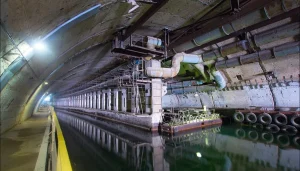
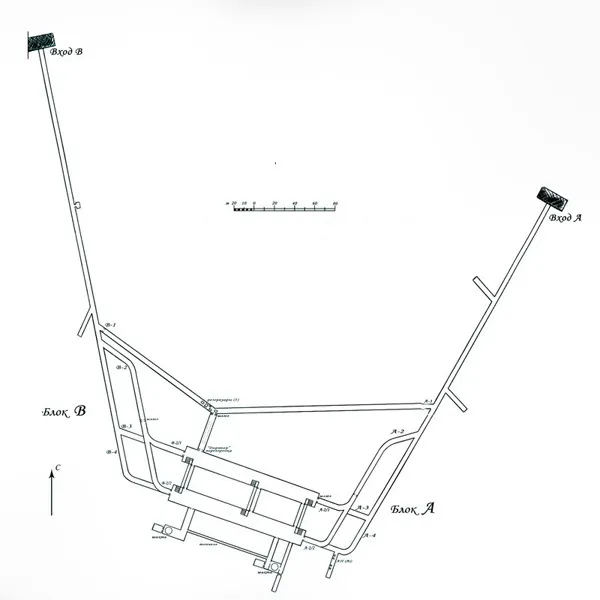
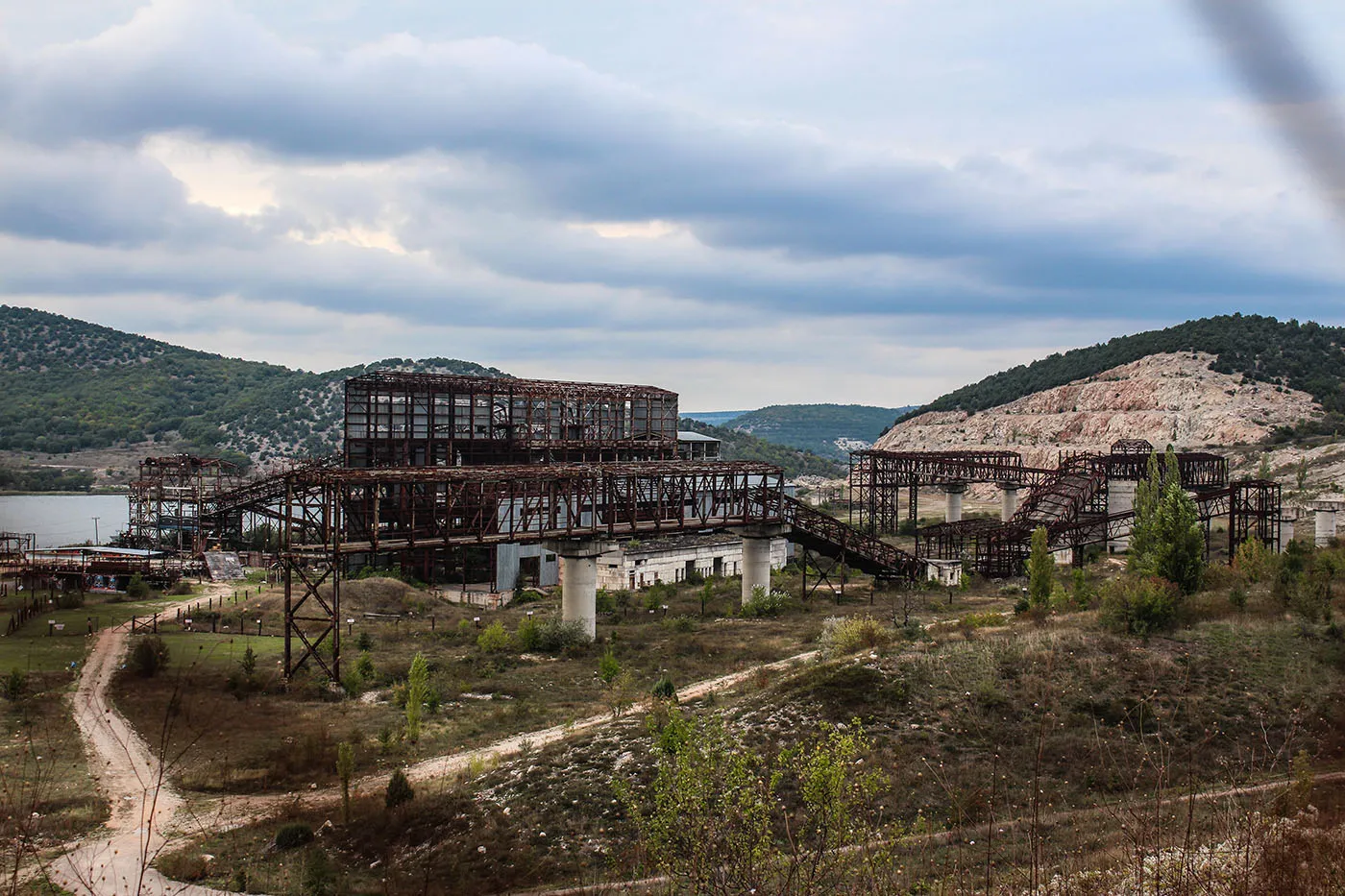
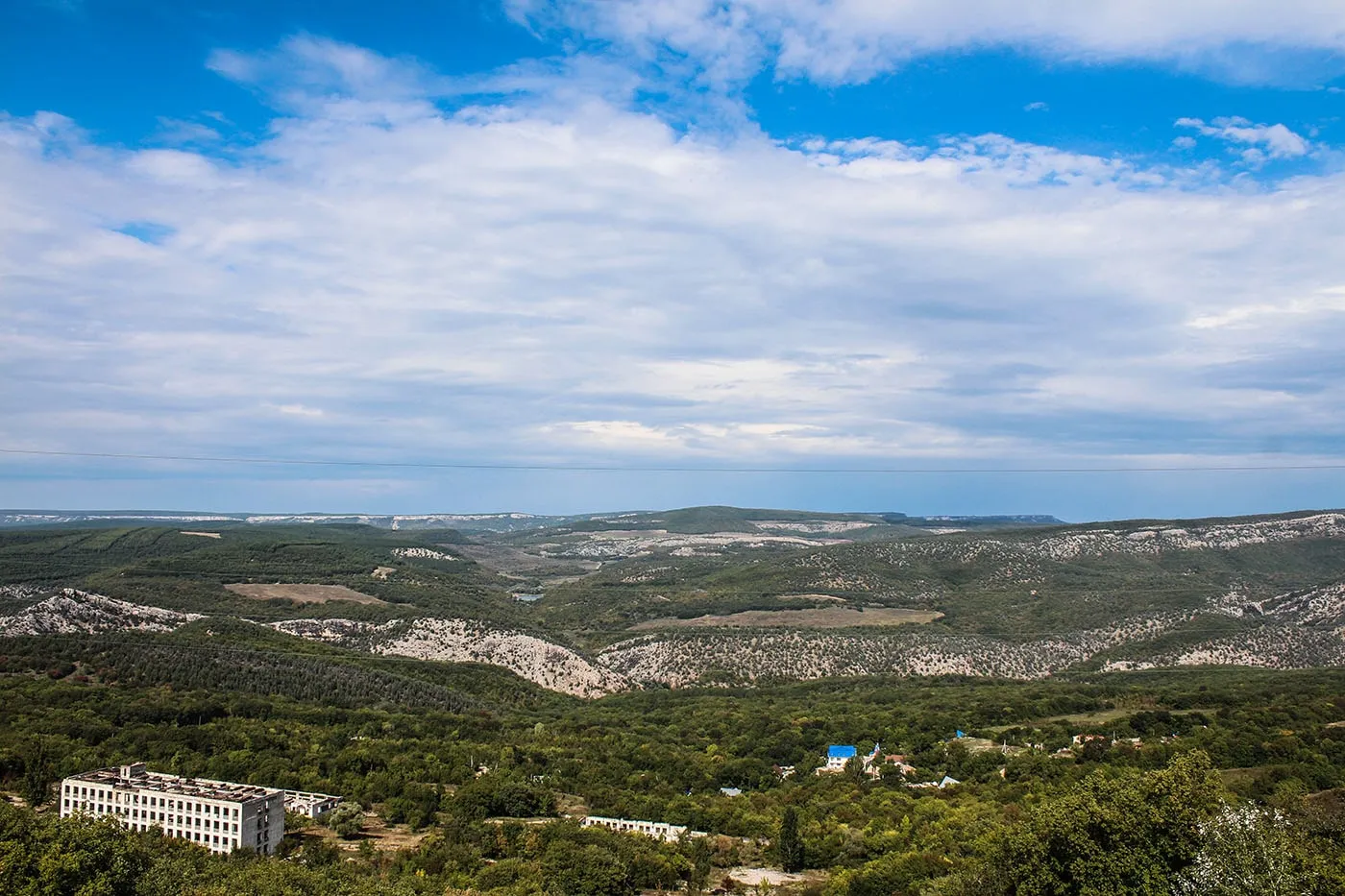
The chosen site was Mount Mishen, a 495-metre height in the hills between Balaklava and the resort village of Foros. The name means “Target” in Russian, and the mountain has other local names too, including Shaan-Kaya or Nishan-Kaya. The command post sits on its eastern slope near the village of Morozovka, which is also known as Alsu, within reach of the highway that links Sevastopol with Yalta. It is in the same range of hills as the Balaklava submarine base, which the Soviet Navy had hidden in another mountain two decades earlier.
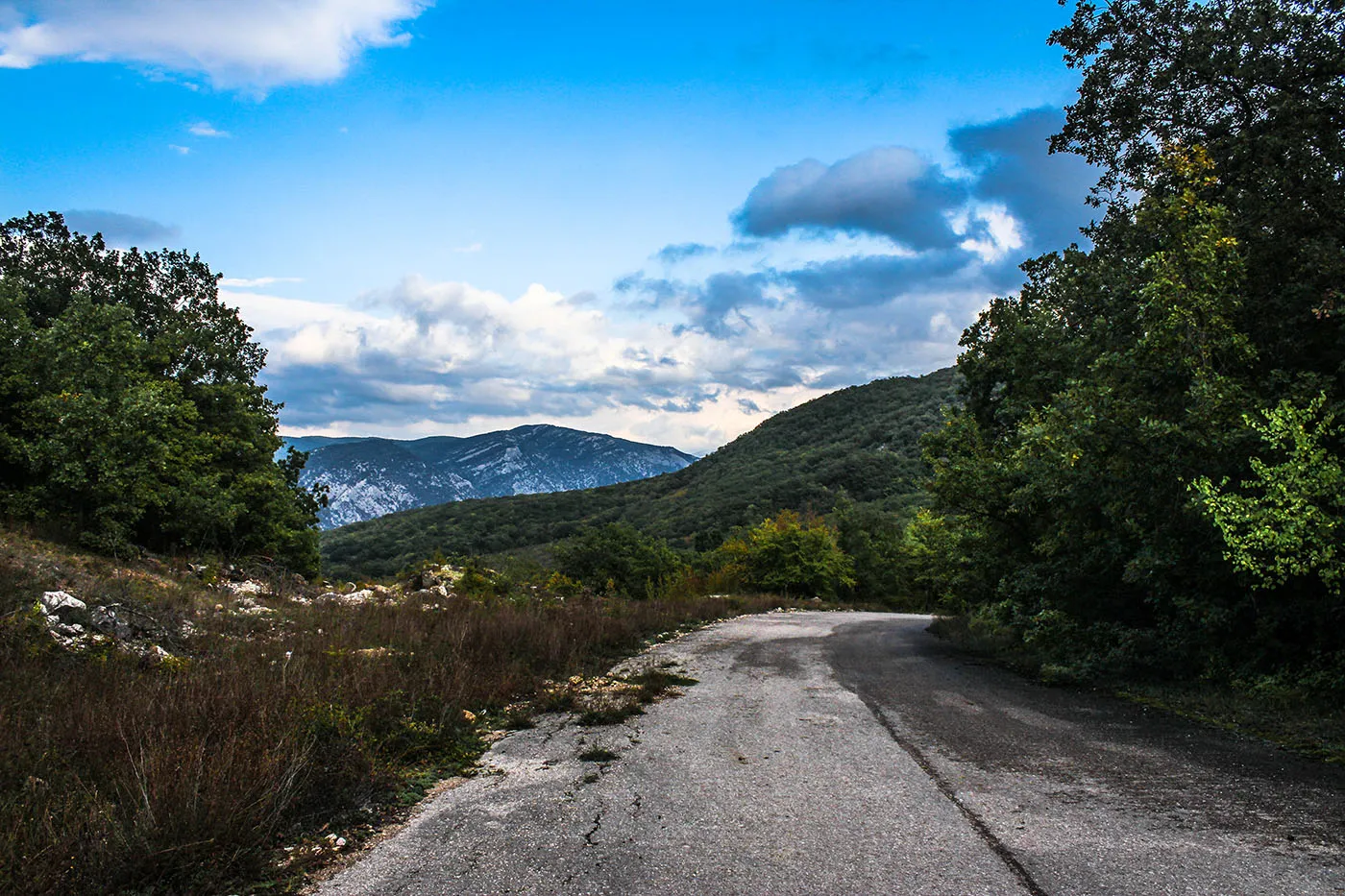
Mishen had what the planners needed: solid rock, a high summit for antennas, and a quiet valley with a road. Above the chambers, the design called for about 180 metres of rock.
Building in secret
One account says the decision to build was taken in 1976, and construction started in 1977 under strict secrecy. Nearly all sources agree on the 1977 start. The main excavation is said to have been complete by 1987, and the work then moved to fitting out the interior, a process that was far from finished when the money ran out.
The disguise was part of the design. The site was presented to outsiders as a stone quarry, and one account says a crushing plant ran there for about ten years, which explained the lorries, the noise and the dust. The workers talked about going to “work at the quarry”. The skilled work was done by specialists, and the heavy digging was done by conscripts from a special mining battalion. A military town with barracks and a canteen was built nearby for the personnel. One account names a Major Yuri Revva as supervising the secret work on the design of the corridors.
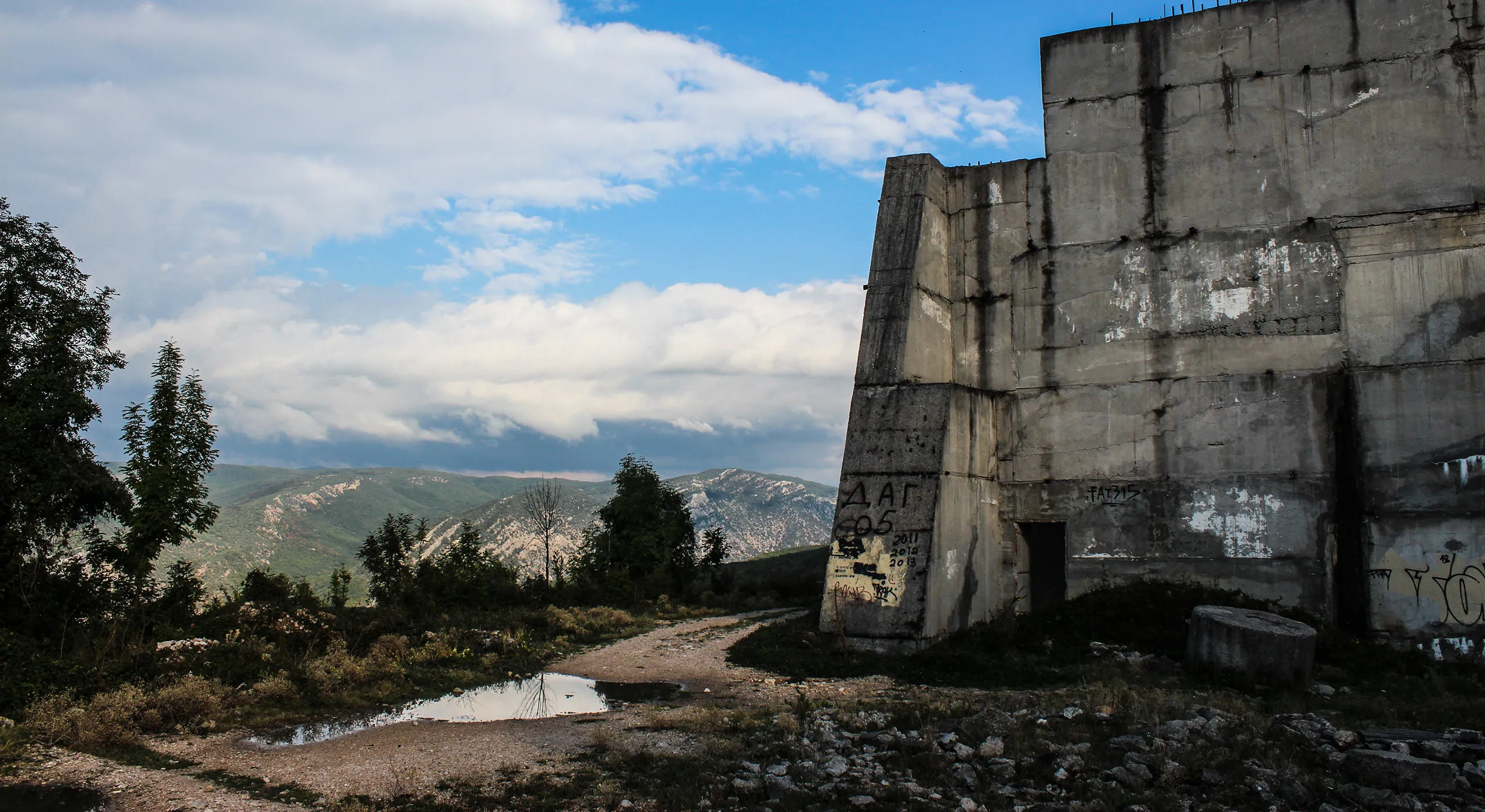
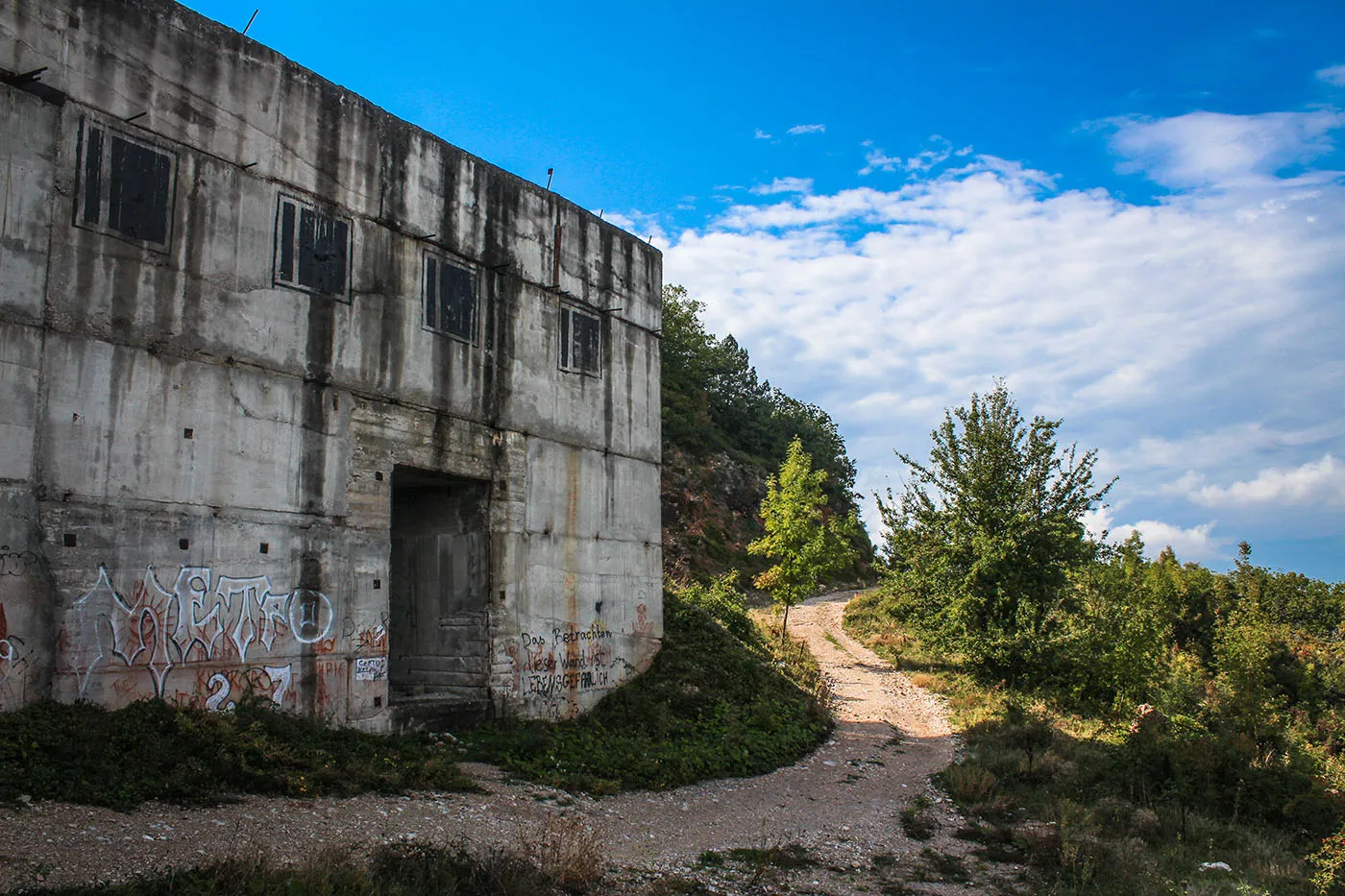
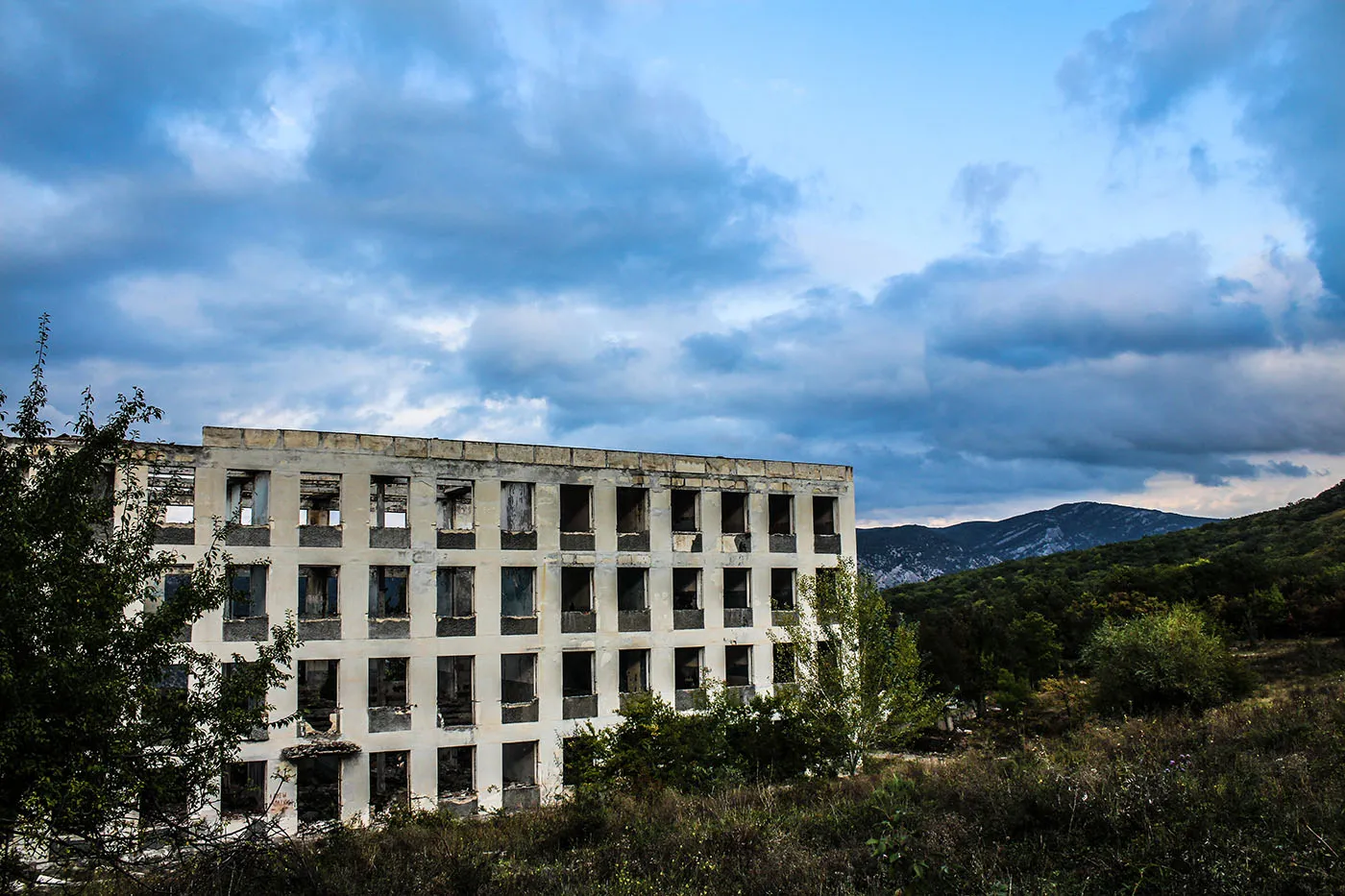
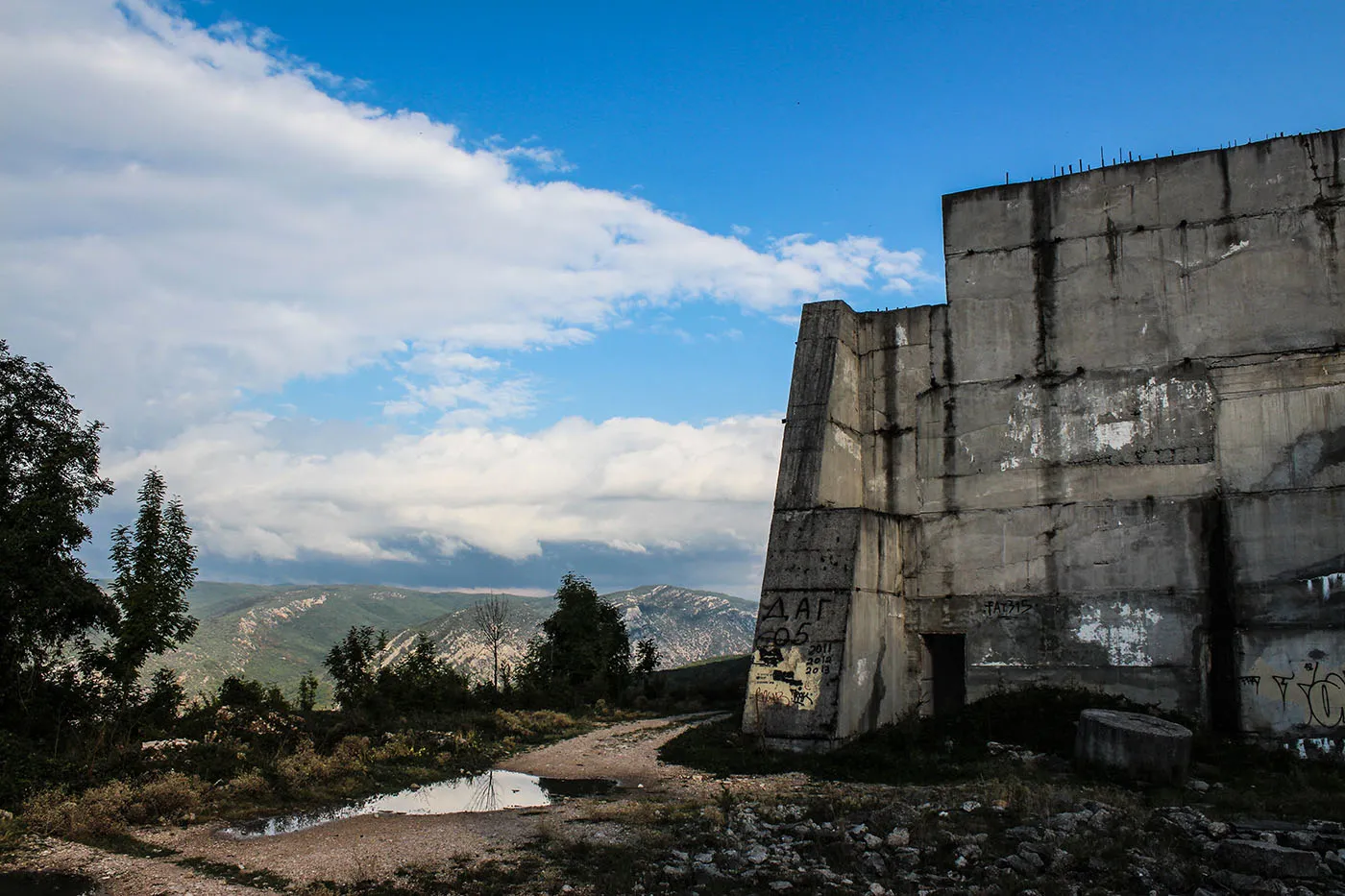
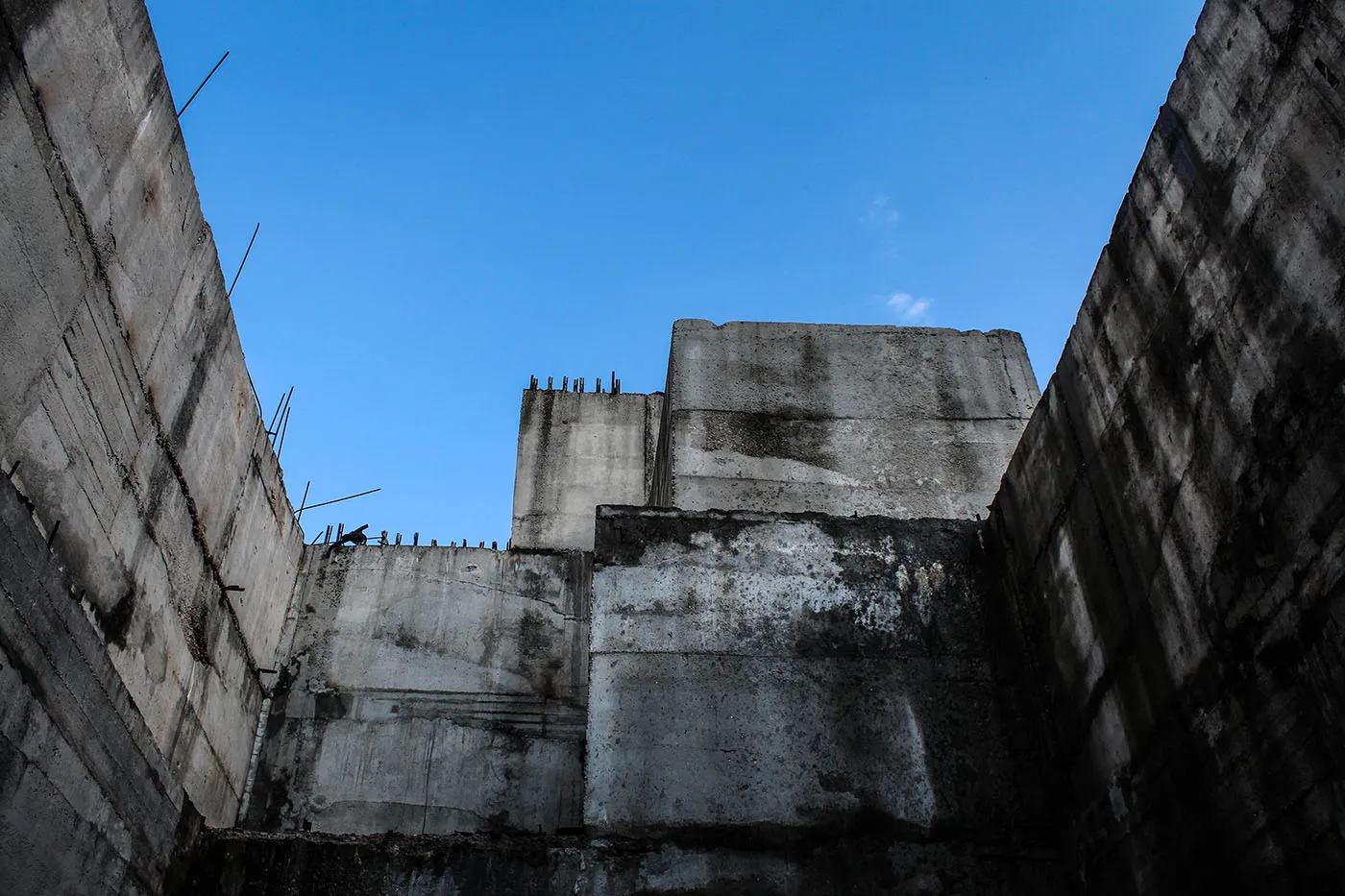
Where the tunnels met the surface, the entrances were hidden in plain sight. They were built to look like two-storey houses, with windows painted on the walls and trees planted around them to screen them from the road and from satellites. According to one account, false roads and beehives were added as well. Near the road stands an unfinished four-storey concrete block described as housing for the construction workers. Other accounts suspect it was a decoy, built to draw attention, and perhaps bombs, away from the real entrances.
Inside the design
Sources vary in their numbers, and the project was secret, so the exact figures were never published. The broad picture is consistent.
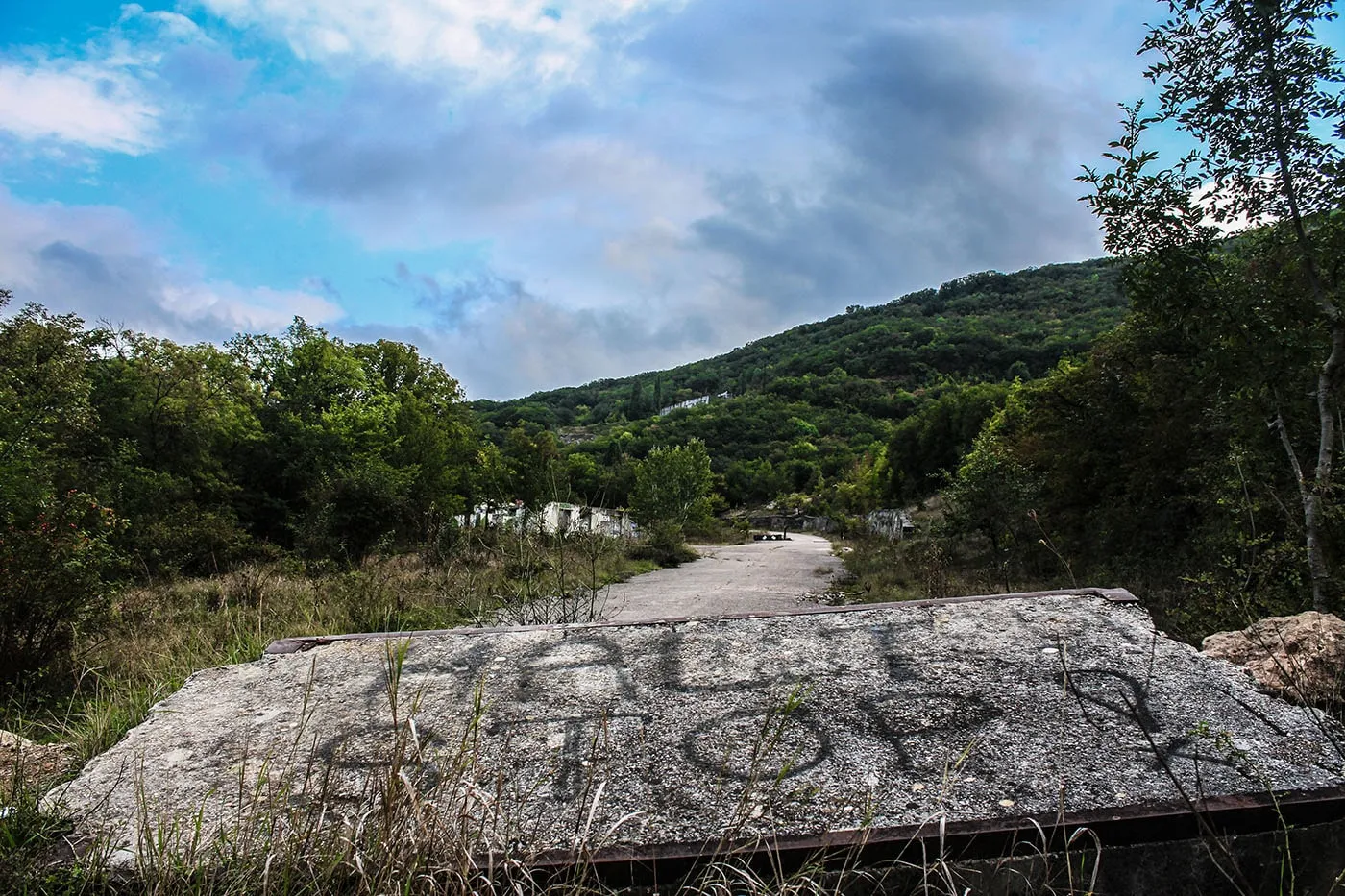
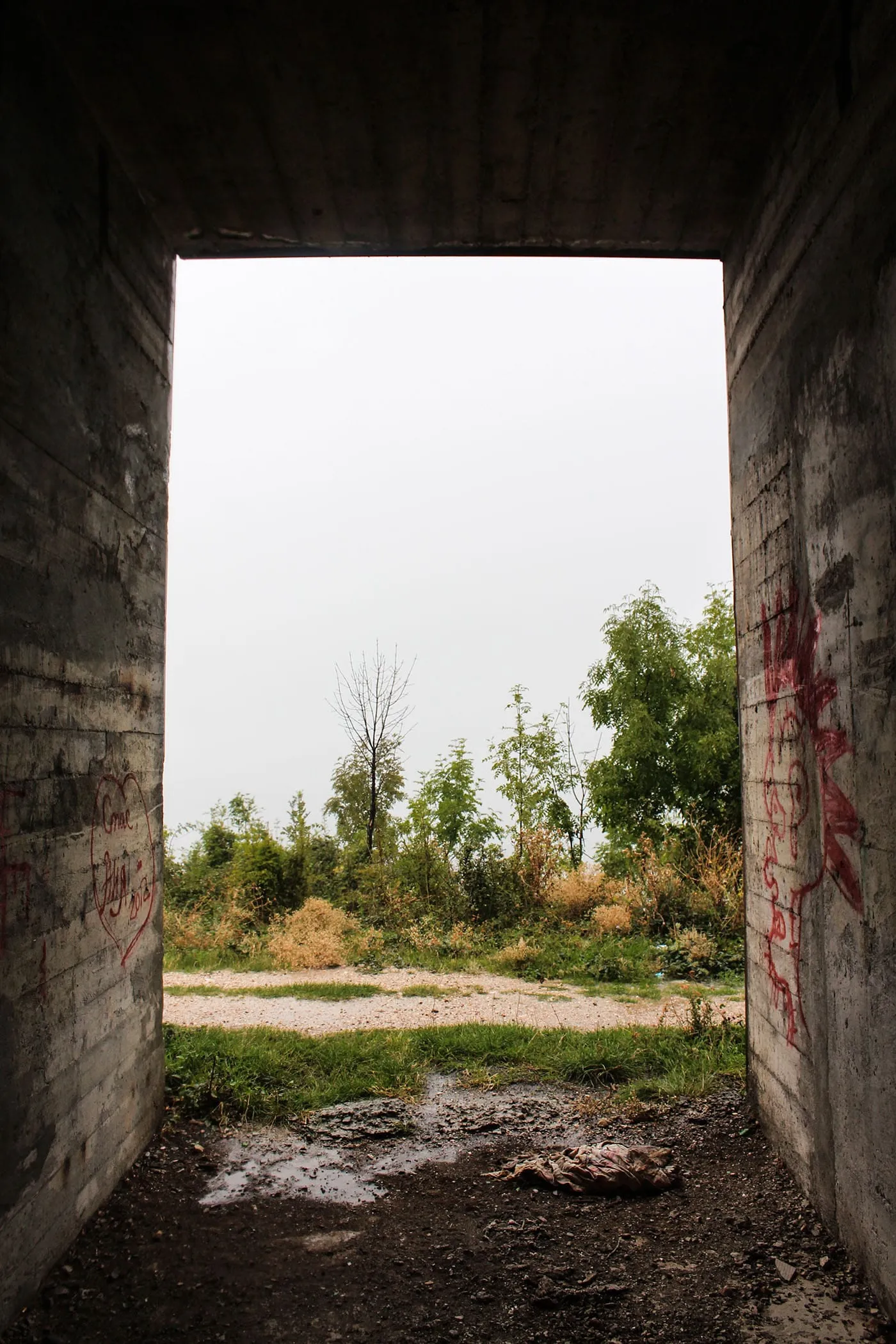
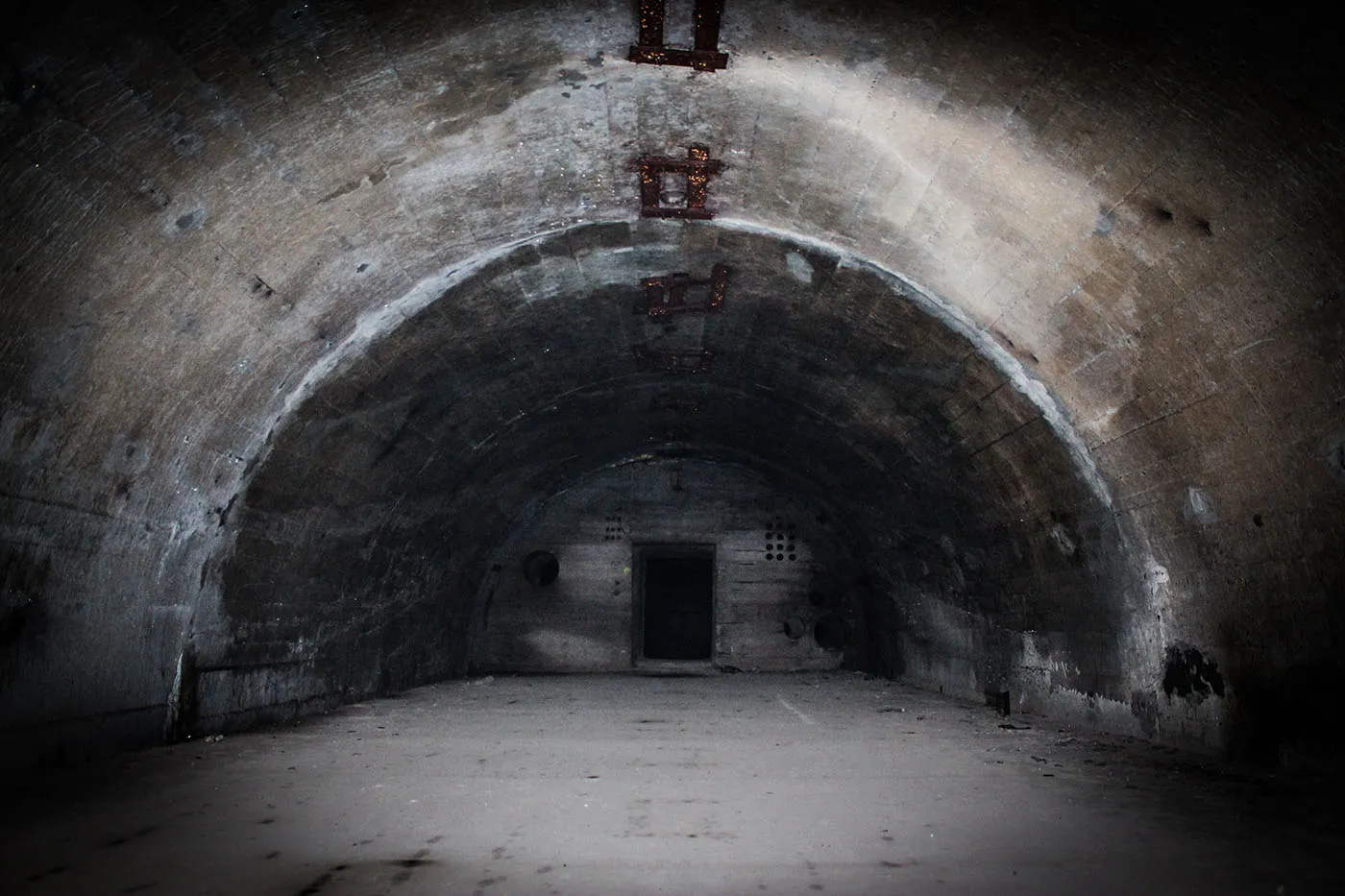
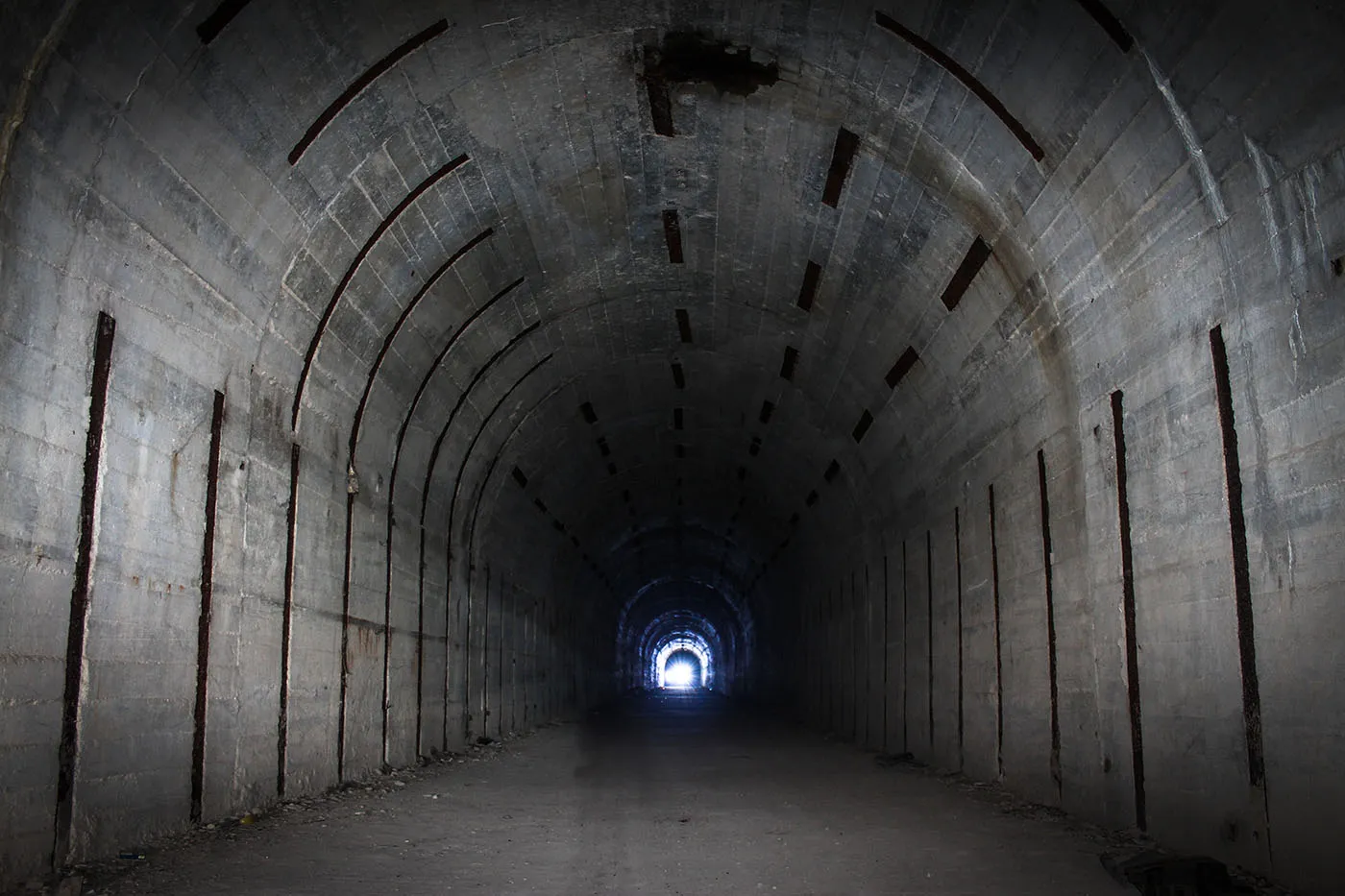
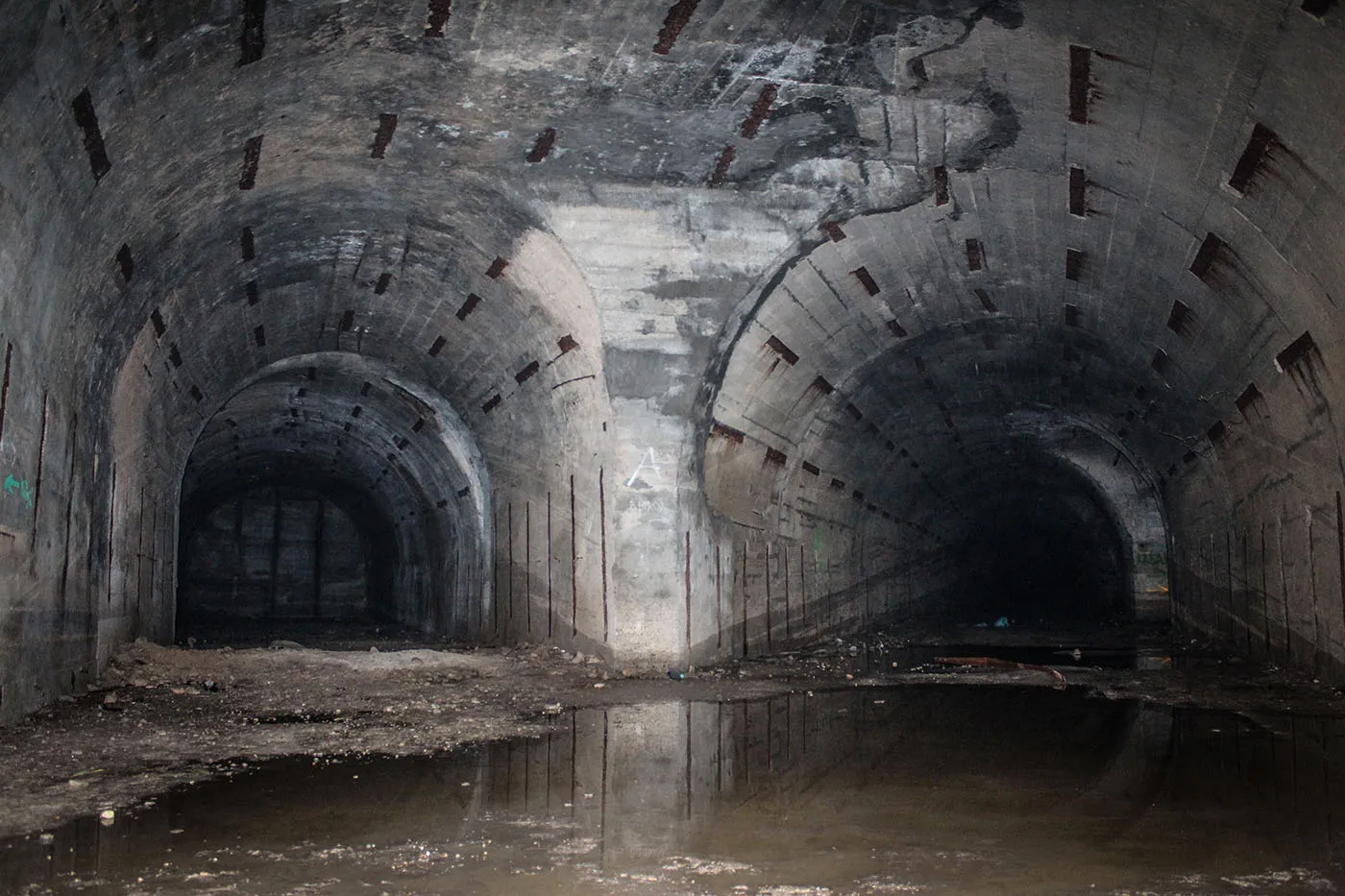
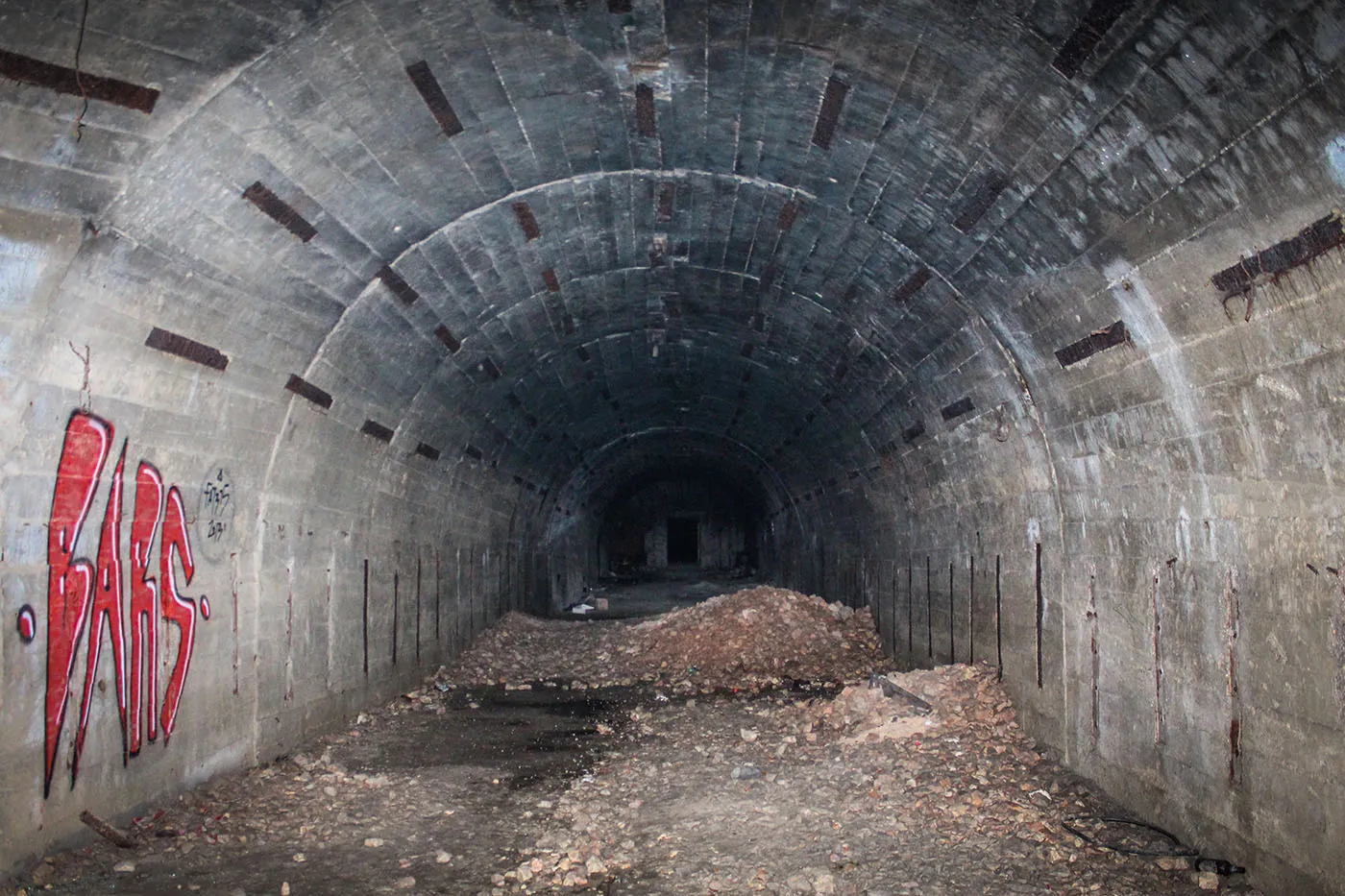
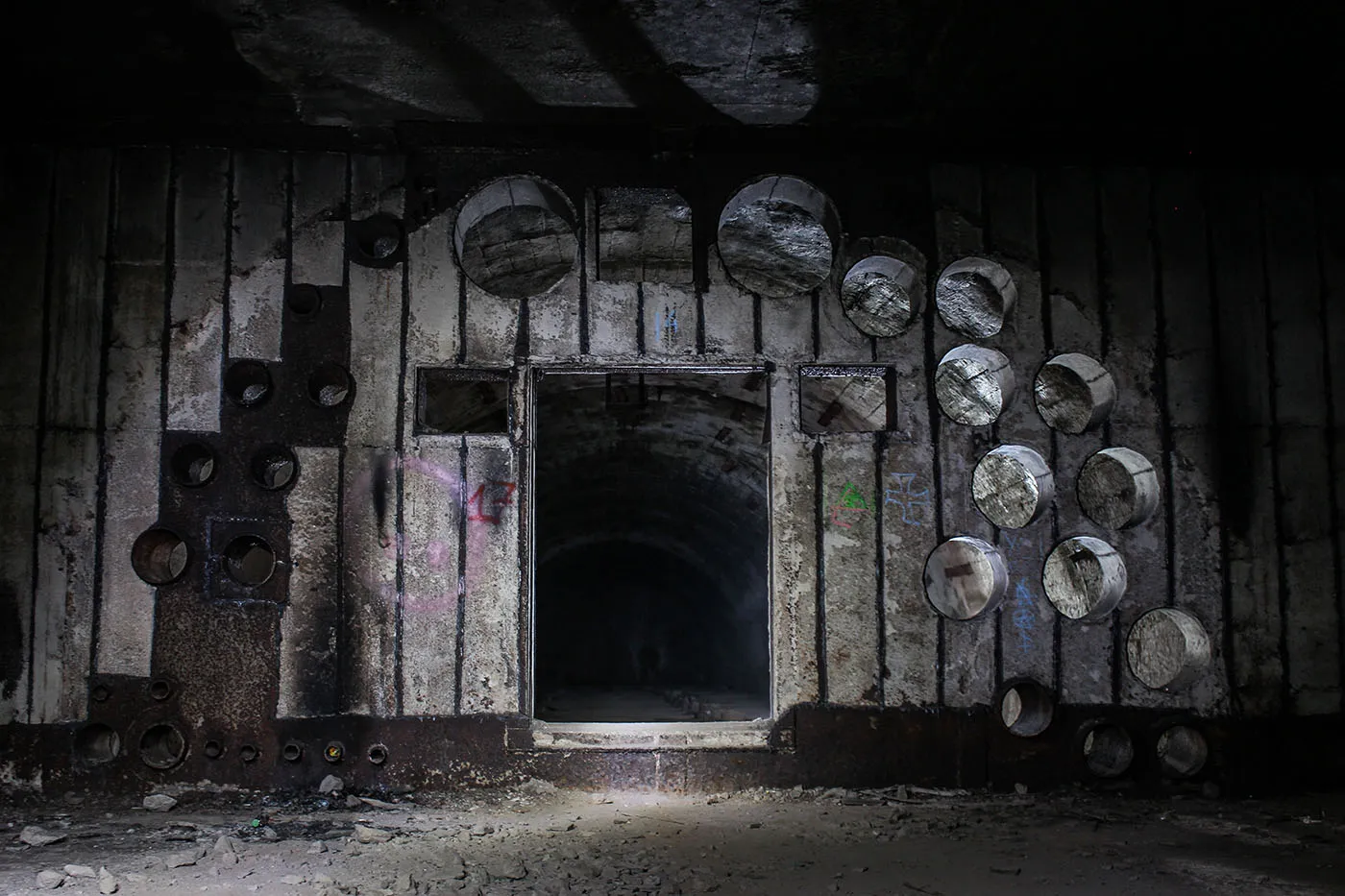
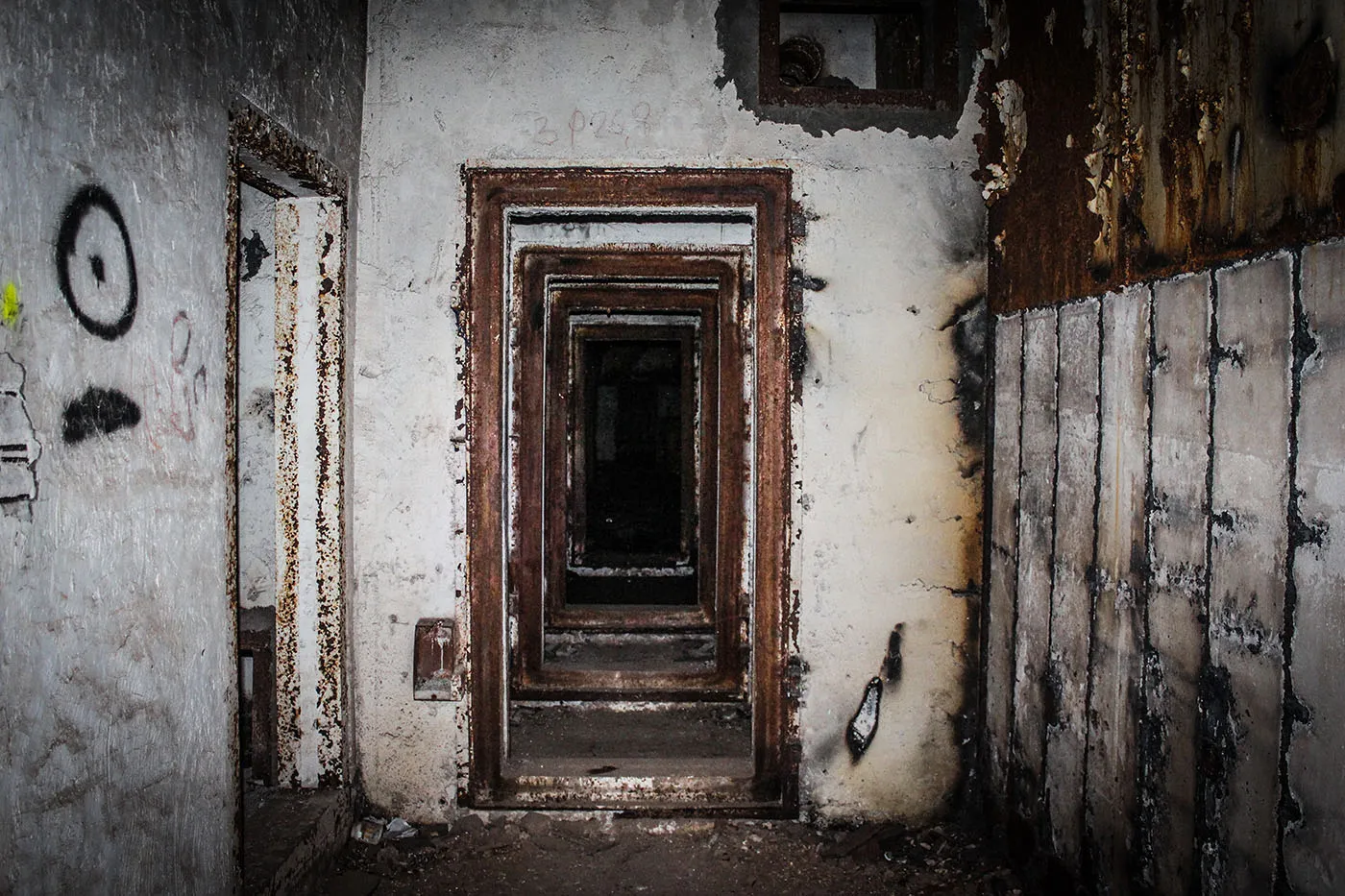
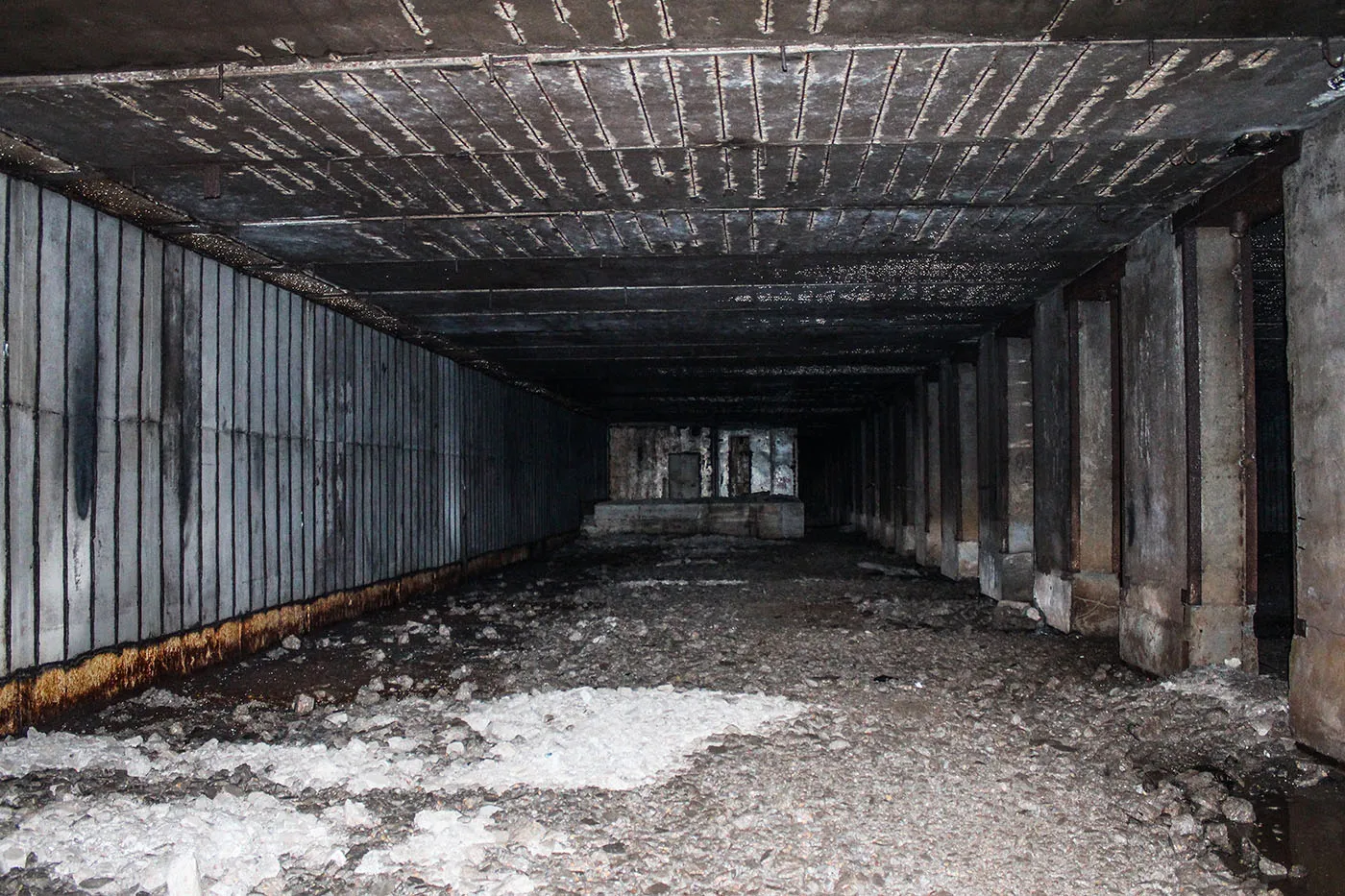
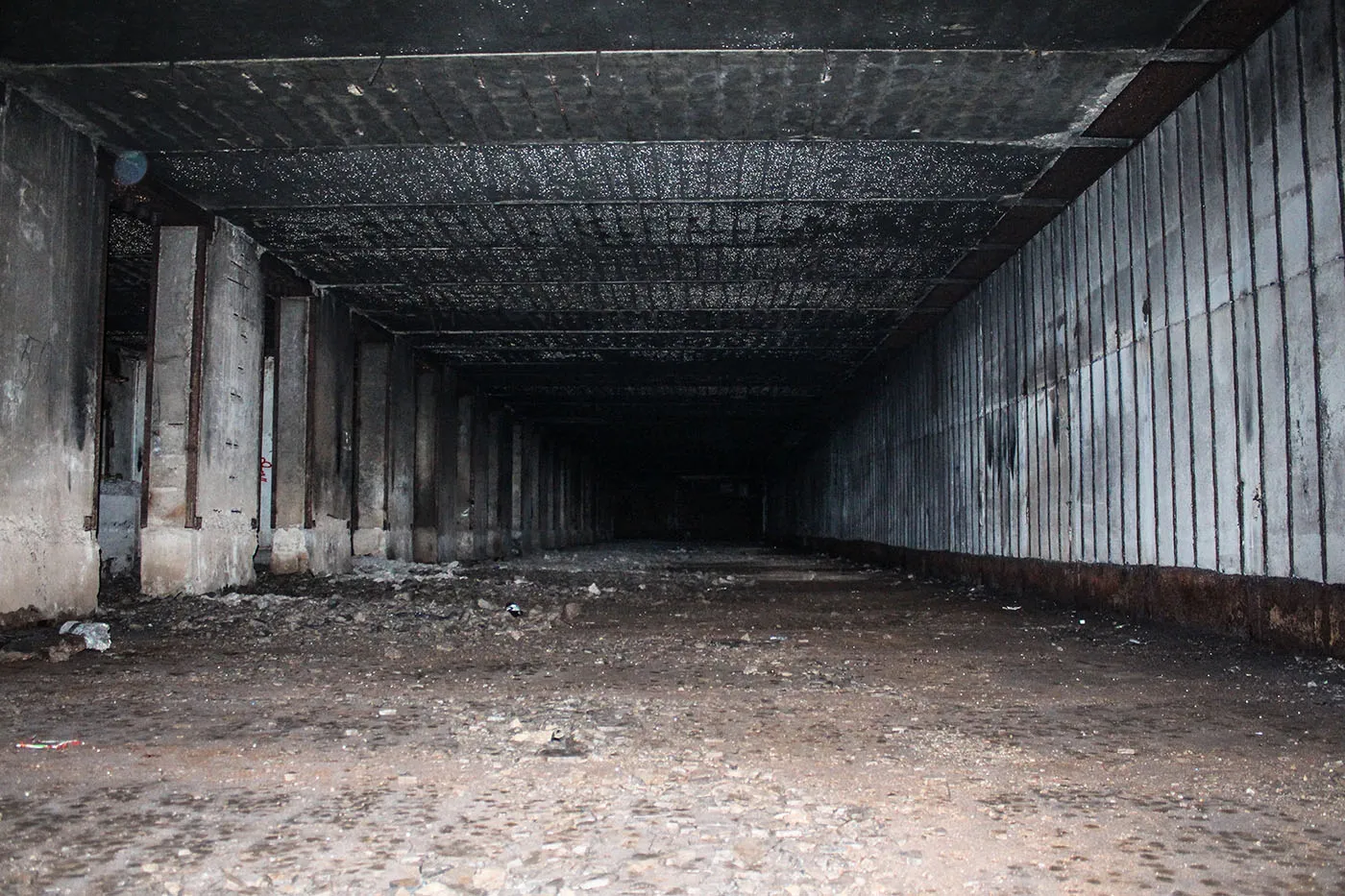
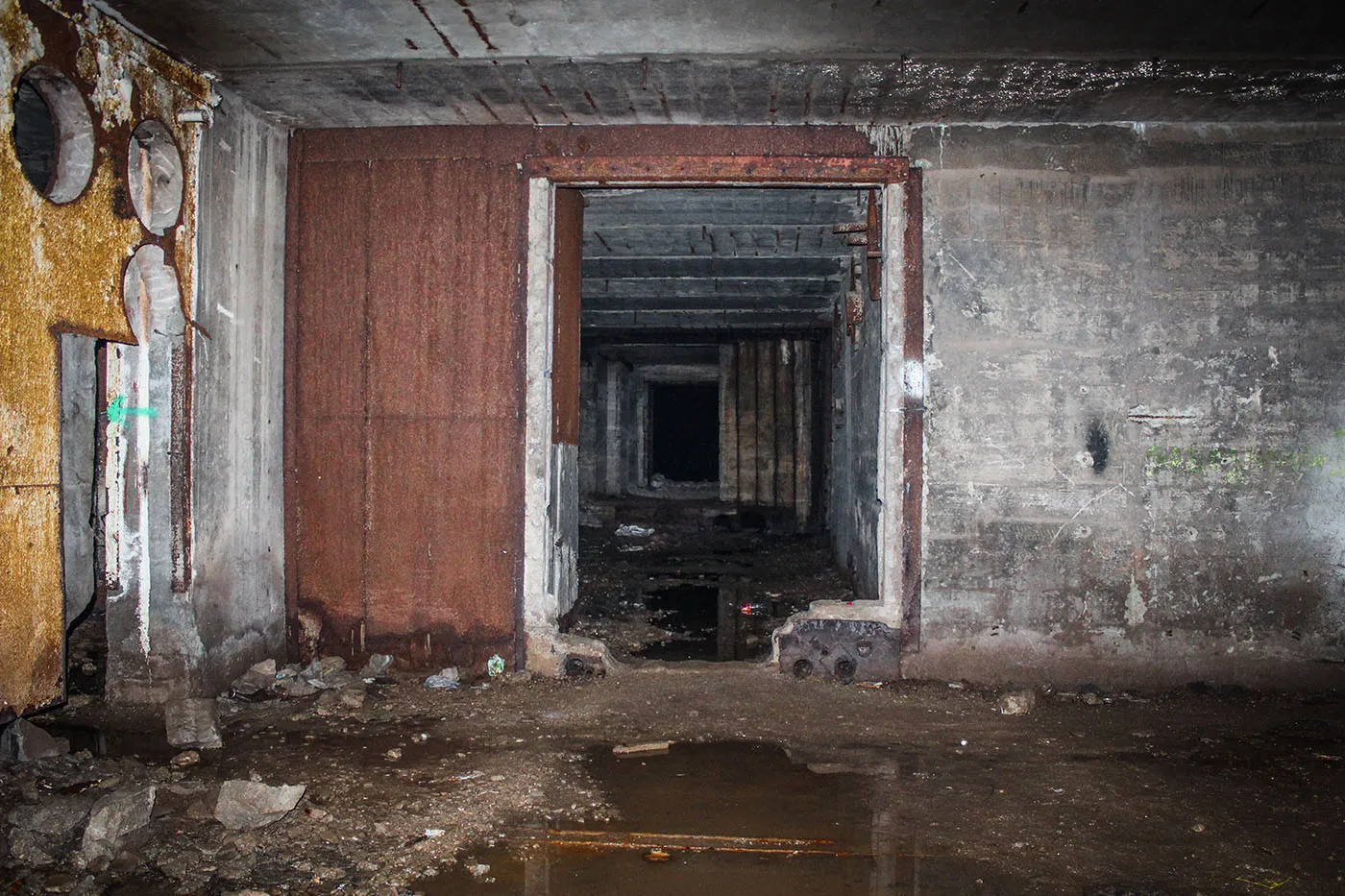
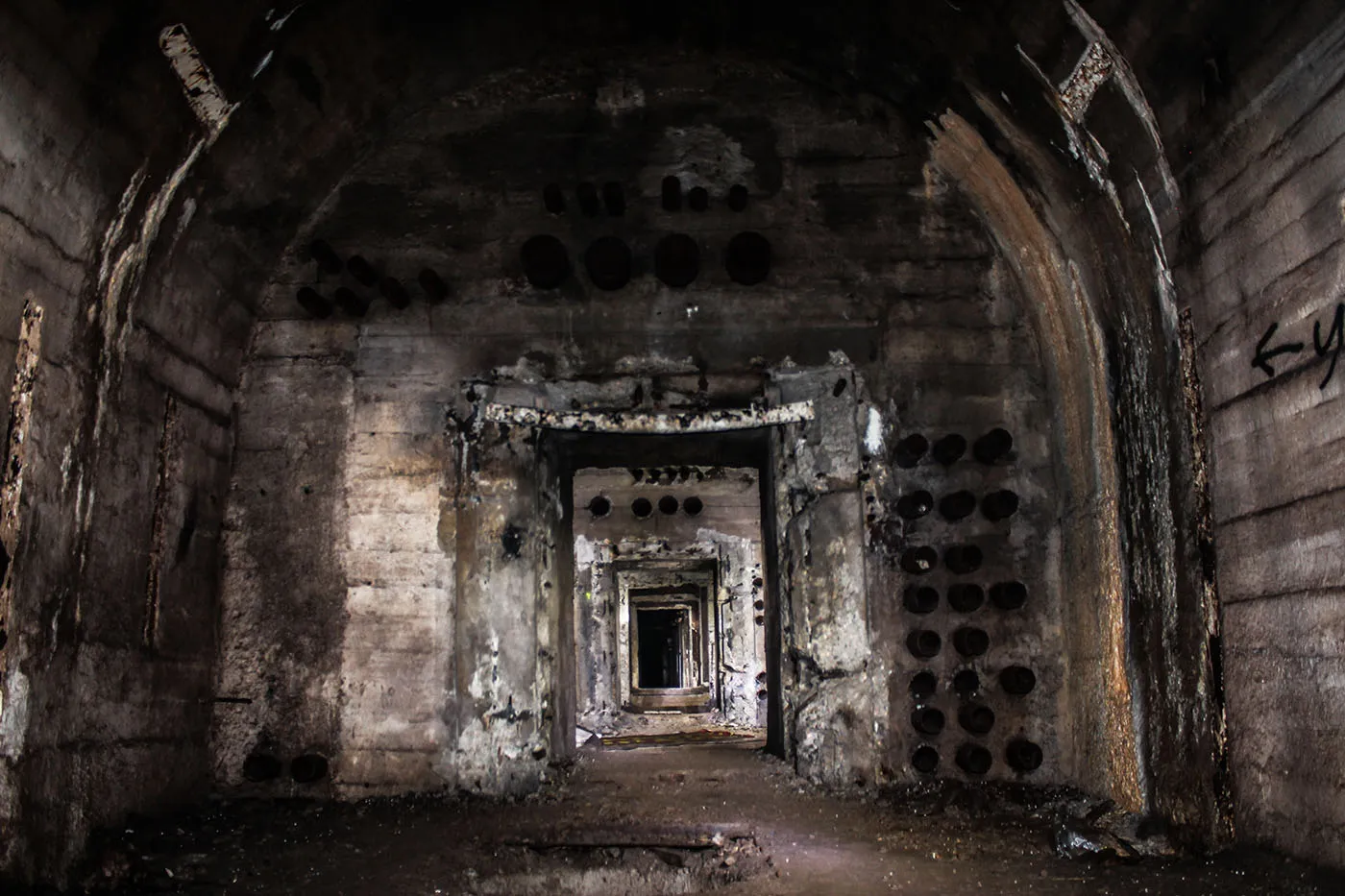
Two long tunnels, each about 500 metres, were cut into the mountain, wide enough for heavy trucks such as the KamAZ. One source gives them a section about 16 metres high and 16 metres wide. They meet at a sharp angle and open onto two entrances roughly 650 metres apart, each closed by massive blast doors and a series of airlocks. Behind the tunnels lies the heart of the complex: a three to four storey underground block, with corridors, utility galleries and large chambers, designed to link floors with lifts. The total floor area is given as roughly 17,500 to 22,000 square metres, which led several sources to call it the largest underground structure in Crimea.
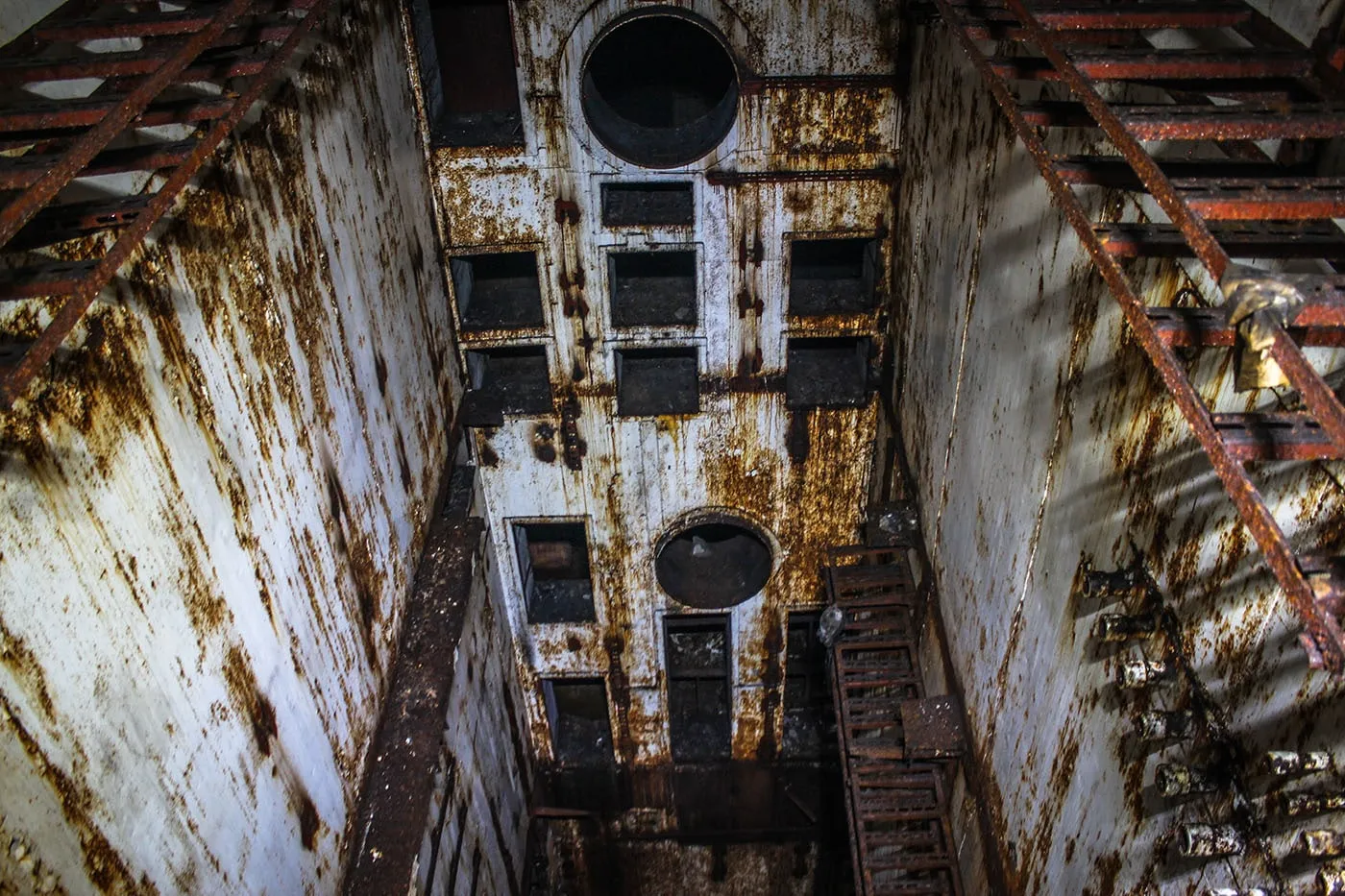
Two vertical shafts, each about 4.5 metres across and 180 to 182 metres long, rise through the rock to the summit. They were meant to carry cables and waveguides up to a platform for antennas, and they carry spiral stairs. At the top they are capped with concrete structures containing airlock chambers. They were the post’s link to the outside world.
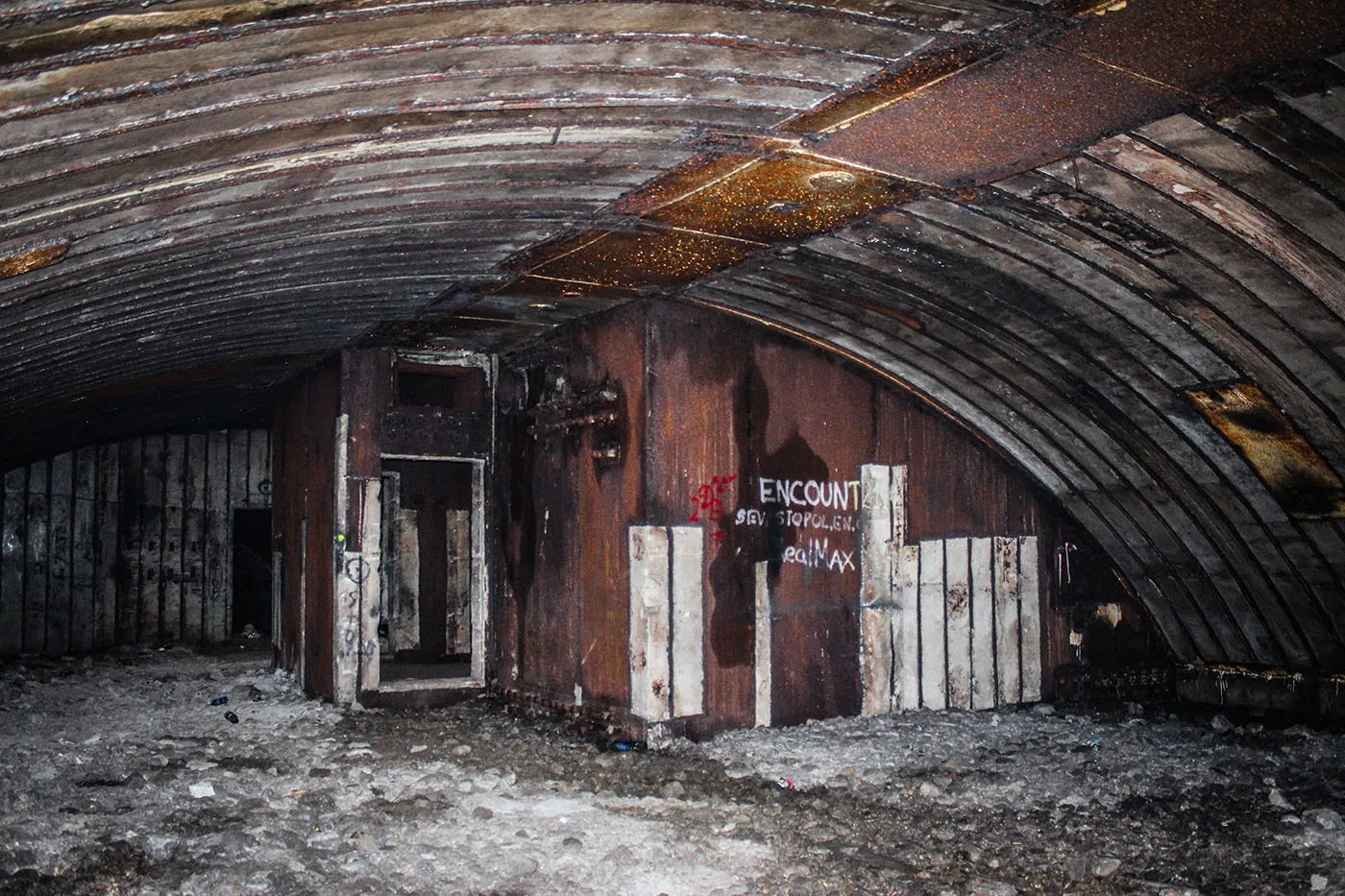
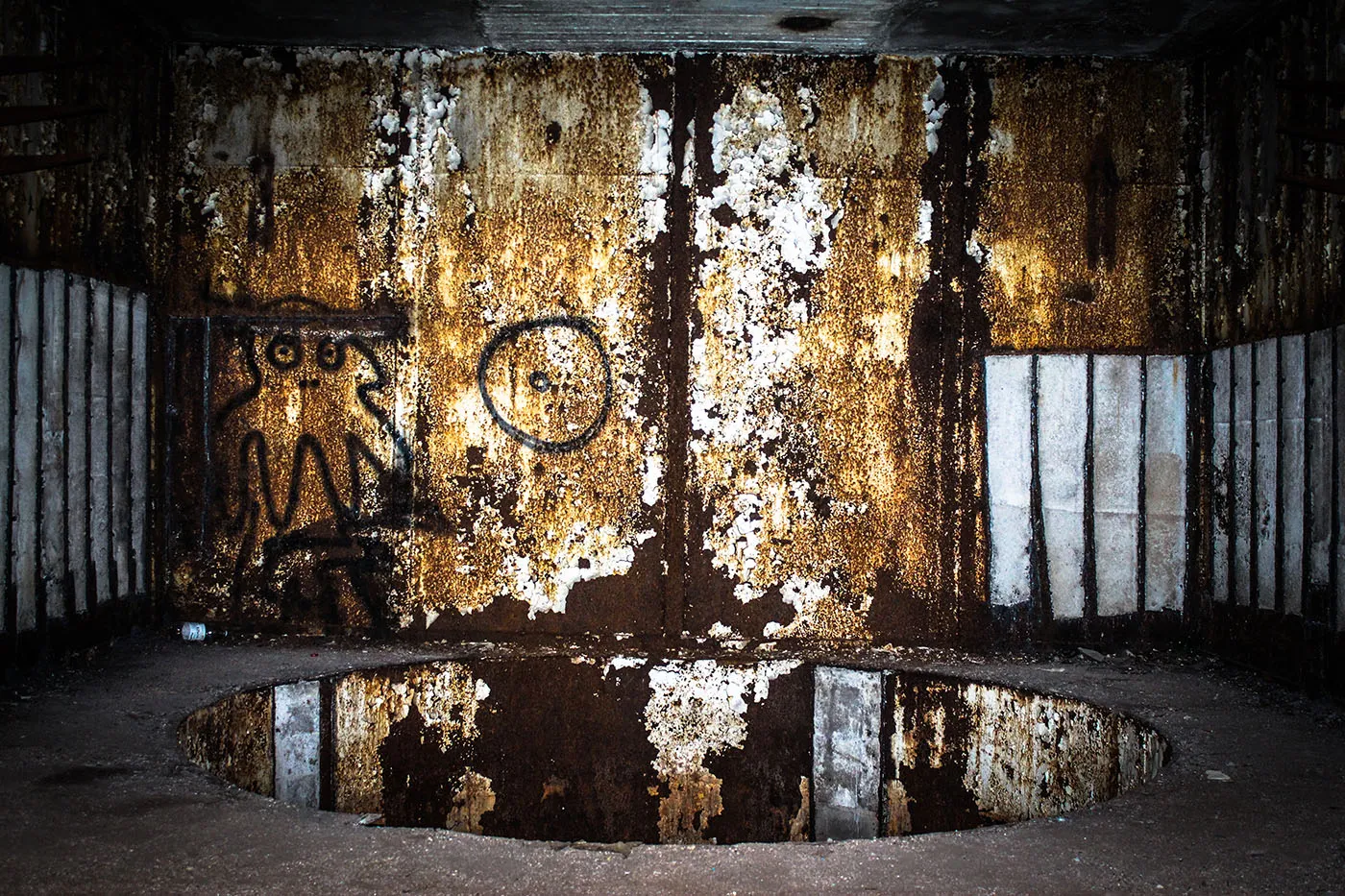
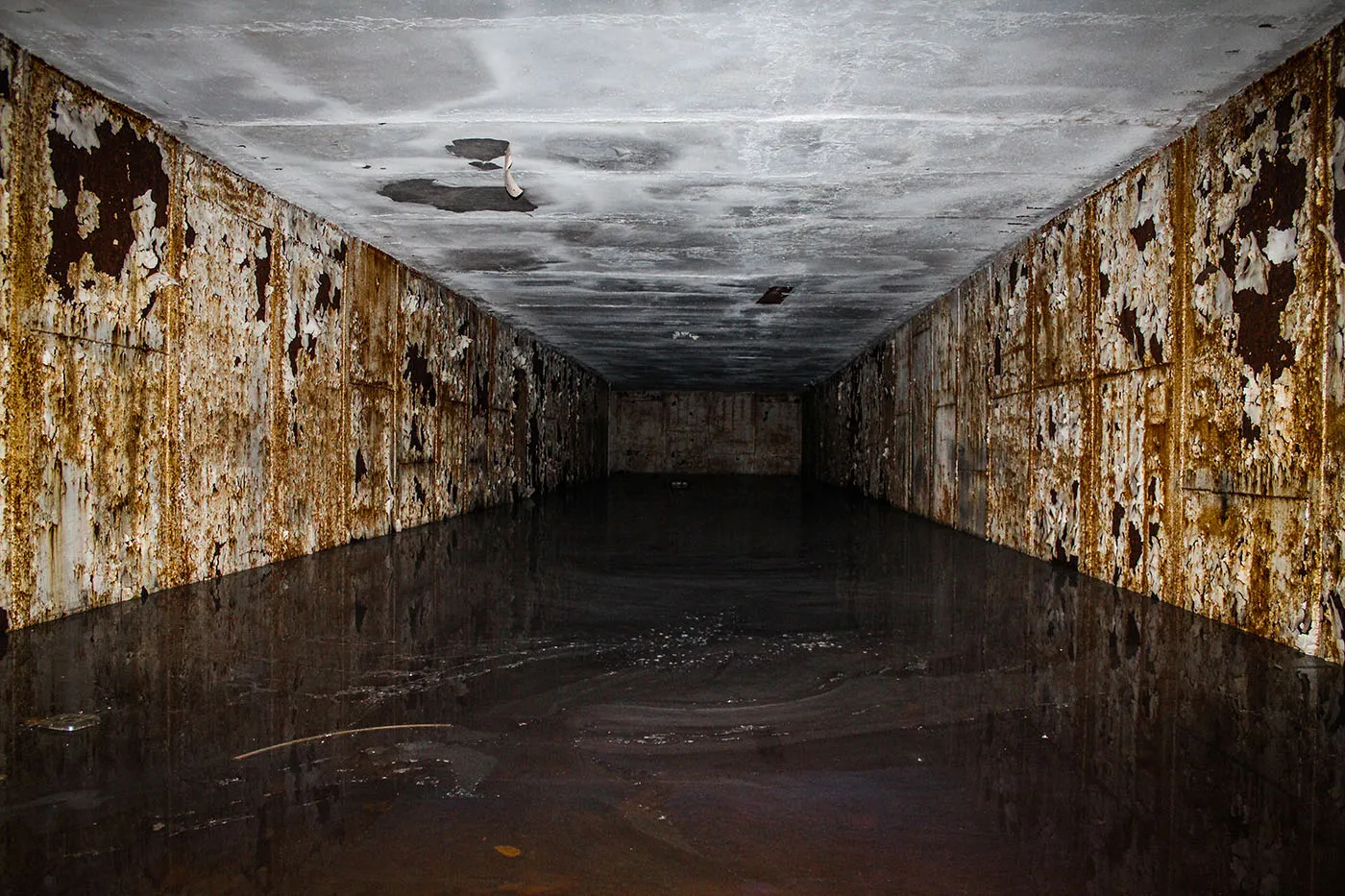
The complex was to be self-sufficient. It had its own drainage, ventilation with air filters, and a large water reservoir about 100 metres long. One explorer found curved metal-lined roofs and said the design was meant to guard against the electromagnetic pulse of a nuclear explosion. There was also supposed to be a reactor to power it. Reports differ: some accounts describe a nuclear power plant as planned, and two explorers who found the reactor chamber describe the reactor well as empty, rusted and flooded, which suggests the reactor was never fitted. How many people it was meant to hold is not recorded. Figures from hearsay range from hundreds to several thousand, and the stories say they would be able to live on their own for years.
The end of the Soviet project
In the late 1980s the Cold War was ending and the Soviet economy was falling apart. Sources disagree about exactly when work stopped. One says 1989, several say 1992, and others simply say the project ended with the Soviet Union. They broadly agree that it was nearly done, with estimates of 80 to 90% complete, or more than 90% in some accounts. Huge sums had been spent, and the Black Sea Fleet’s reserve headquarters would never be used.
Crimea became part of independent Ukraine, which declared itself nuclear-free. A command post designed to survive a nuclear war now sat on Ukrainian land, in a country that did not want it. The Ukrainian military guarded it for a time. One source says the guards left in 1992, and others say a unit stayed until 2005, when it was disbanded.
Stripped to the concrete
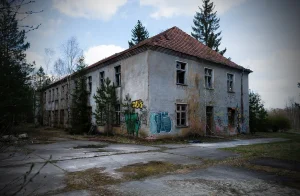
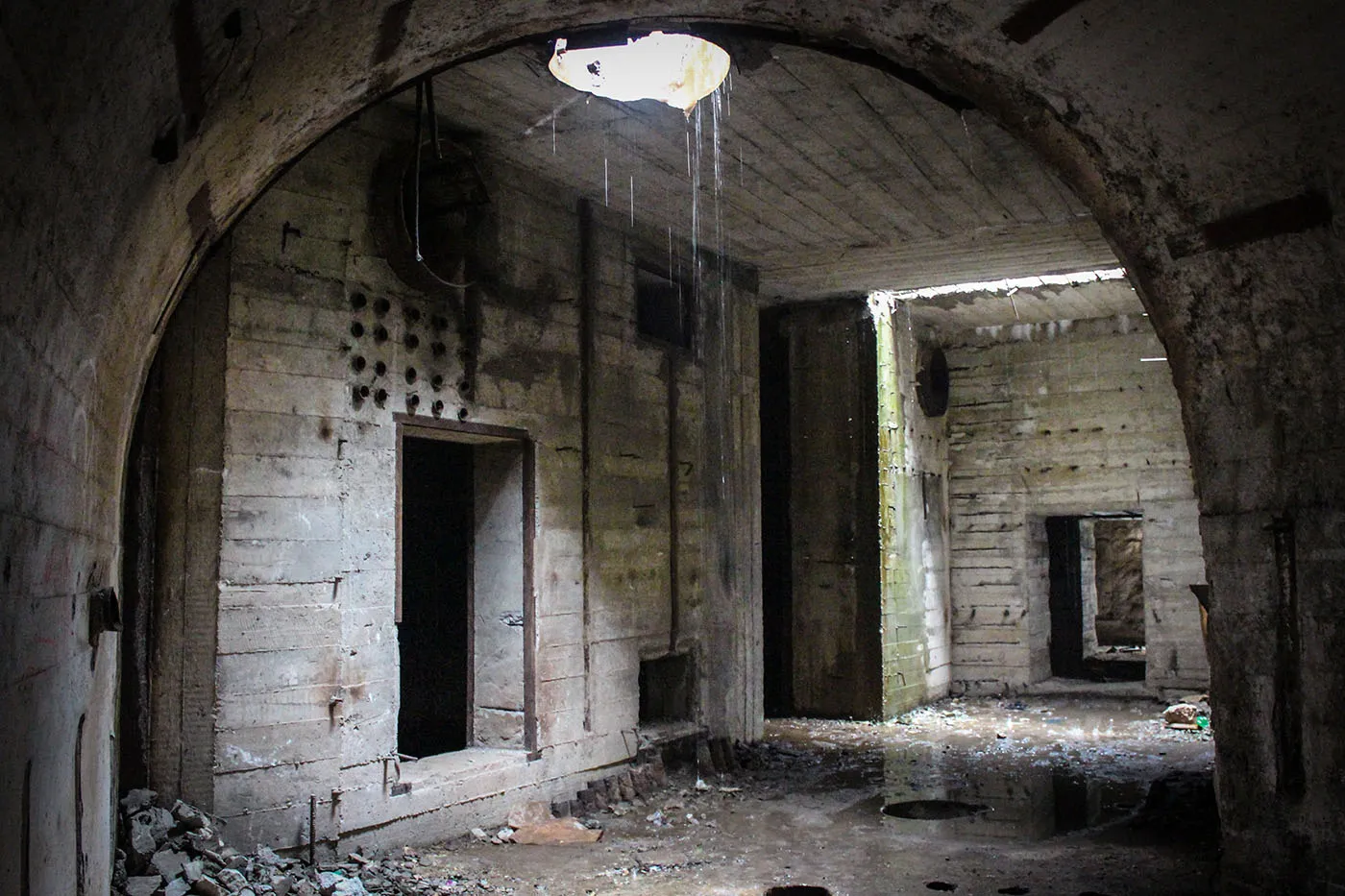
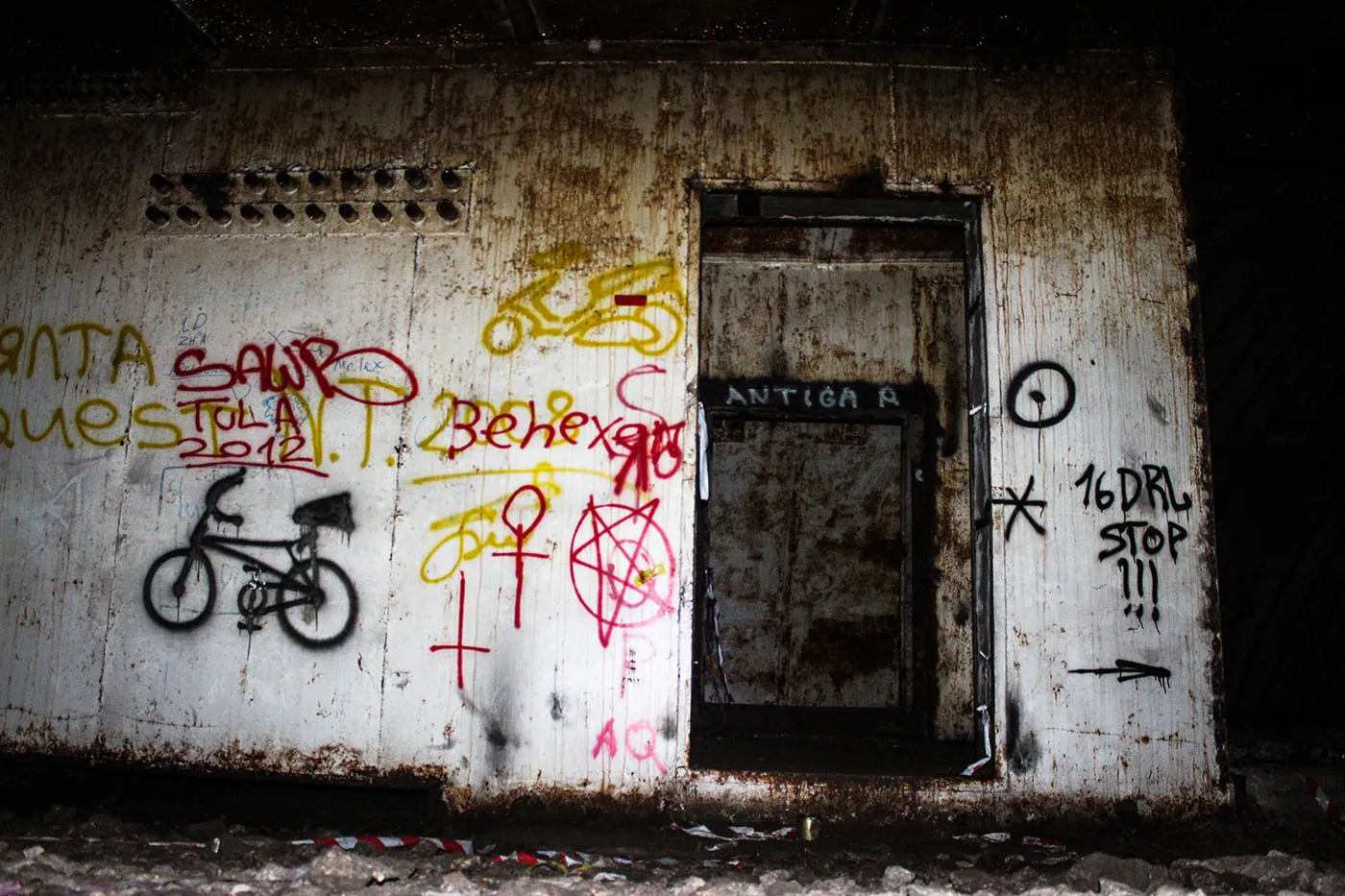
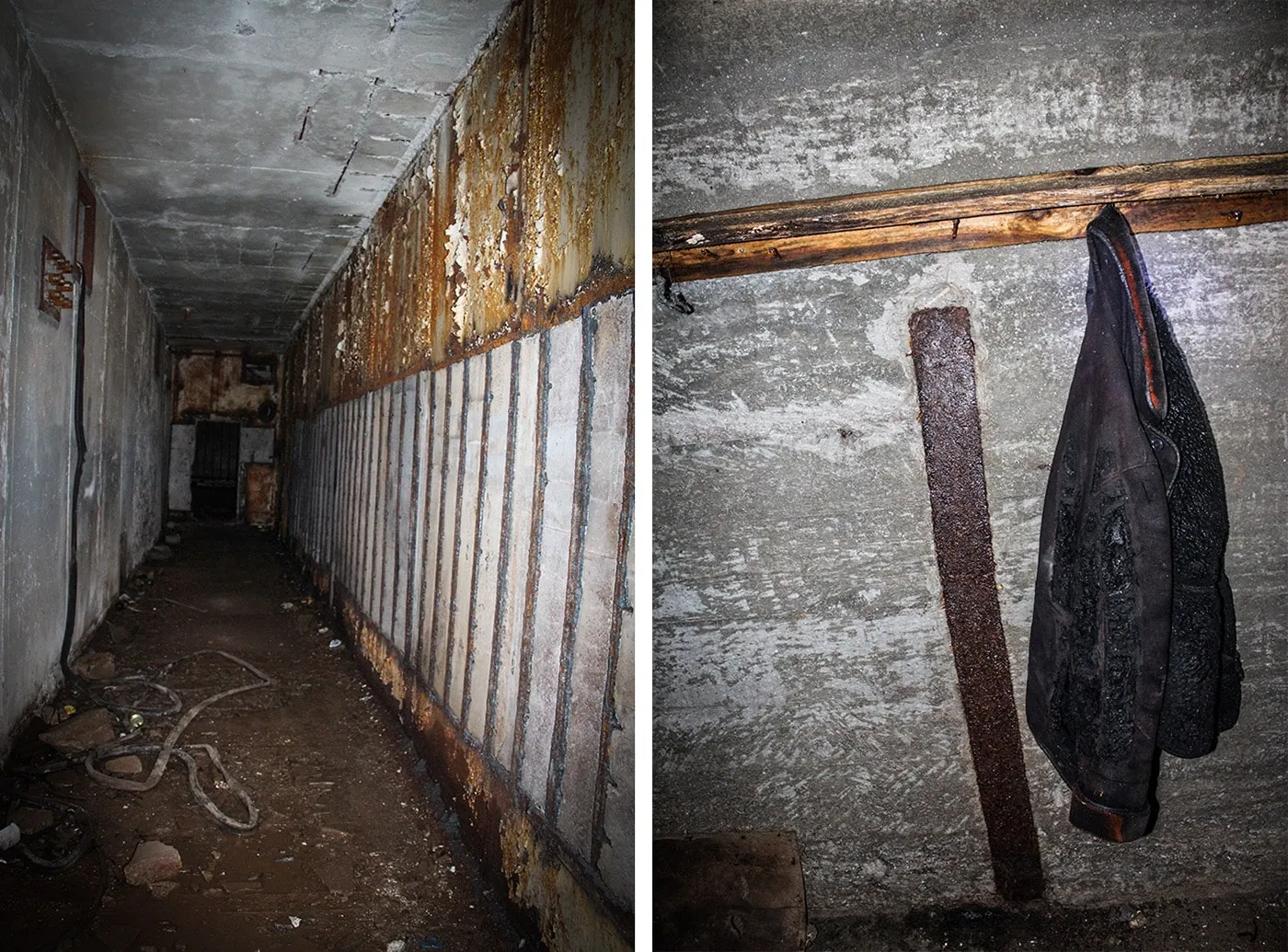
When the guards went, the scavengers came. The site was full of metal: cables, pipes, armoured doors and fittings. Over the years, almost everything was taken. By the time explorers arrived, the interior was concrete and rust. Local stories say a gang bought the site cheaply, sold what could be sold and left, and that scrap hunters cut up the rest. The military town around it fell into ruin, and one account says its buildings are now used for paintball.
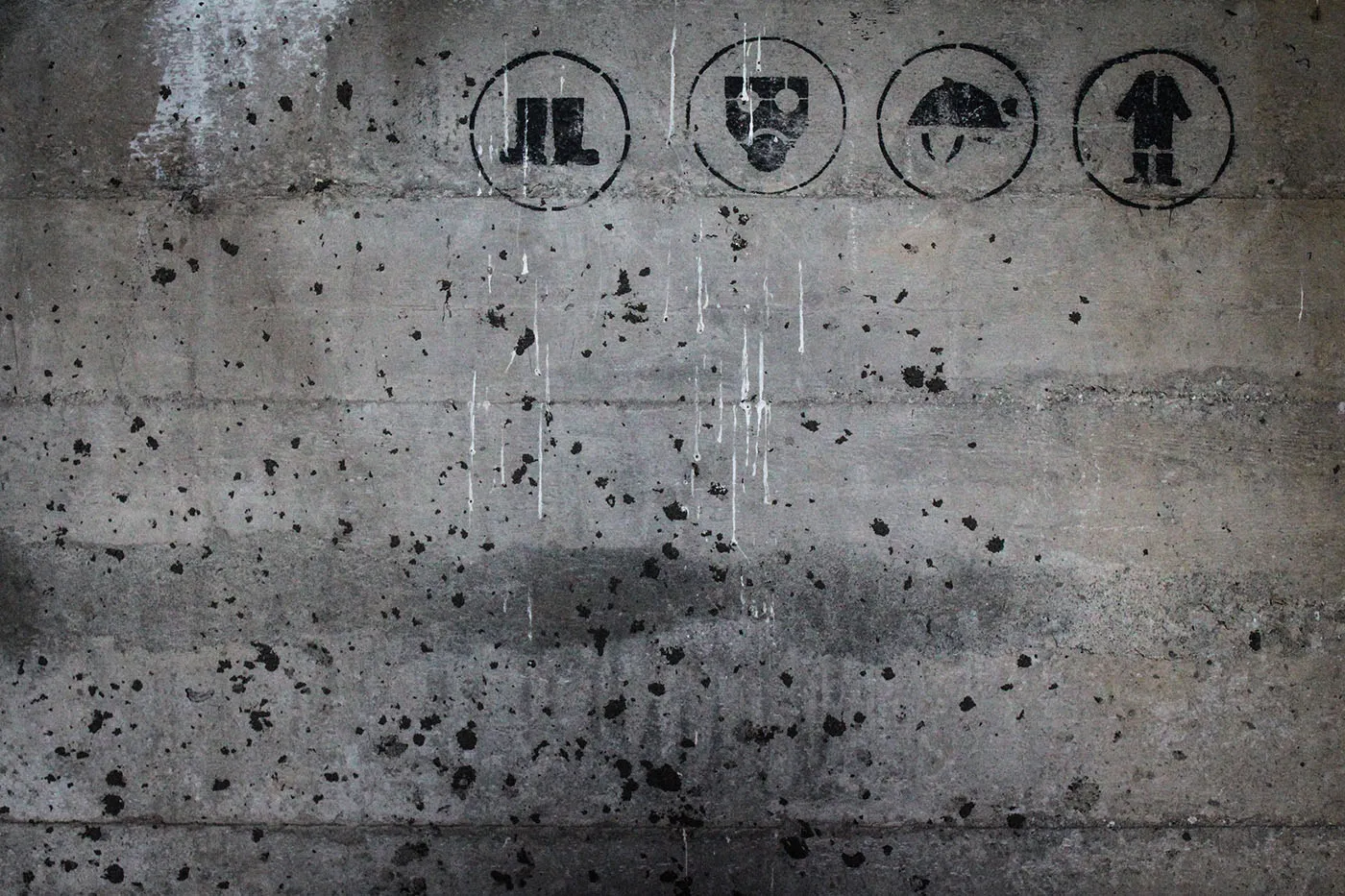
The site became a famous destination for urban explorers. An English explorer who visited in September 2013 spent five to six hours underground and described a maze of corridors with bulkheads, a stairwell that dropped through three floors, a vehicle ramp that was still intact, and the empty reactor well. Inside it was around 8 degrees Celsius while it was 28 outside. In places the lowest level was flooded. Another explorer reported broken asbestos on the floors, rusty nails, and holes that had been smashed through the floor slabs, covered over with plastic and gravel, so that a careless step meant a fall of several floors. In Russian accounts, the humidity, the dark and the risk of getting lost are the main dangers. The same explorer wrote that the dust could be so thick that torchlight formed a solid beam.
Since 2014
Russia took control of Crimea in 2014, an annexation that most countries do not recognise. What has happened at Object 221 since then is unclear, and the information comes mostly from local witnesses and activists.
Local reports say work began on the site in autumn 2020. A photographer who visited in November 2020 found the old checkpoint cleaned, painted and fitted with a barrier, together with cleared ground, military trucks, a mobile generator and cables running into the entrance. In 2021 local media reported a barrier and closed access, and satellite images show two new helipads near the site. In 2023 social media posts claimed that there were guards, lighting and marines inside, but the news outlet Krym.Realii said it could not confirm them.
In November 2024, the Ukrainian partisan movement ATESh said on Telegram that Russian forces were using the post, with trenches, a checkpoint with armed patrols, a camouflaged armoured vehicle and cleared forest around it. It gave coordinates for the checkpoint and called the site a “legitimate target”. This is a claim from one side and it has not been independently confirmed.
Krym.Realii noted that completing the bunker would cost billions of roubles, possibly tens of billions, and take years, and thought that unlikely when Sevastopol already has many bunkers. It listed more modest possibilities, such as using the tunnels to store ammunition or equipment, or hiding missile systems. Those are the author’s analysis rather than reported facts.
Visiting
For years Object 221 was one of the easiest Cold War bunkers to reach in Crimea. Explorers came by road to Morozovka, walked up past the cemetery and the ruined military town, and entered through either portal. That is no longer an option. The site is now reported to be closed behind a barrier and a checkpoint, in occupied territory and a war zone, and the bunker itself is dangerous. Many governments advise against travel to Crimea.
Conclusion
Object 221 was designed for the worst day of the Cold War, when the first strike would come and the fleet’s leaders would need somewhere to go. That day never came, and the state that ordered the bunker disappeared before the work was done. It was then emptied, flooded and explored, and has recently been drawn back into the politics of the region. It still has the one thing its builders wanted: nobody can easily get in.
Did you know?
- Object 221 is also known as Alsu-2, and locals call its entrance "Nora".
- The mountain it was built into is called Mishen, which means "Target" in Russian.
- About 180 metres of rock lies above the main chambers.
- Its two ventilation shafts are roughly 180 metres long and 4.5 metres across.
- The entrances were disguised as two-storey houses with windows painted on the walls.
- The project was presented as a stone quarry, with a crushing plant as cover.
- The heavy digging was done by conscripts from a special mining battalion.
- The reactor well is empty and rusted, so the reactor was probably never fitted.
- One explorer measured about 8 degrees Celsius inside while it was 28 outside.
- Two new helipads have appeared next to the unfinished command post.