Coles Bay Mining Settlement: The Abandoned Soviet Coal Port of Svalbard
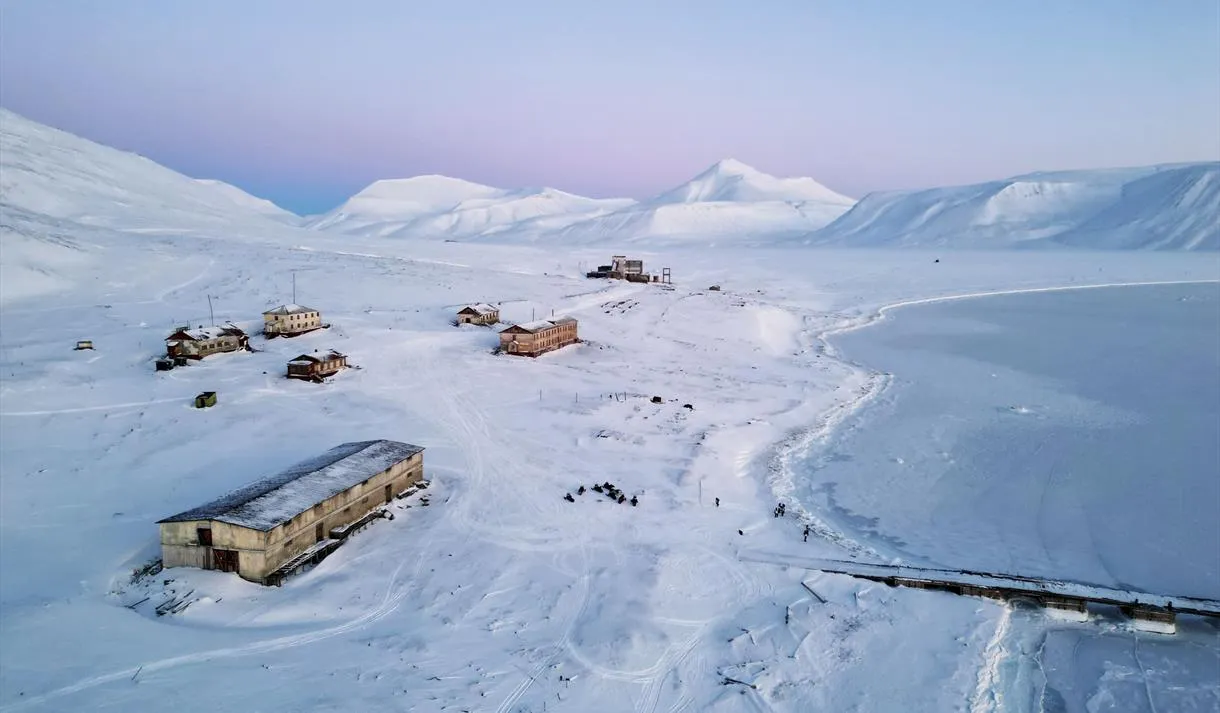
On the shore of Isfjorden, Colesbukta was the shipping end of a Soviet coal chain, and its ruins, a cabin museum and a lonely cemetery are still there.


On the shore of Isfjorden, Colesbukta was the shipping end of a Soviet coal chain, and its ruins, a cabin museum and a lonely cemetery are still there.
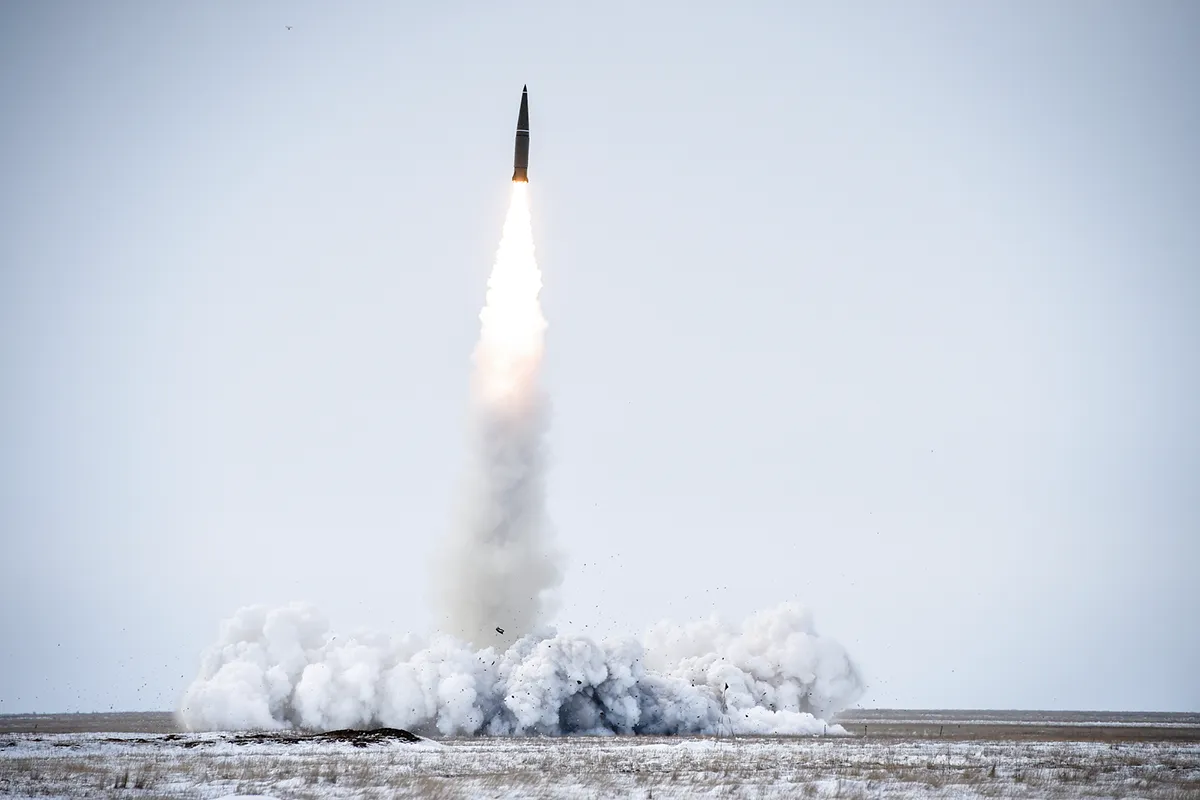
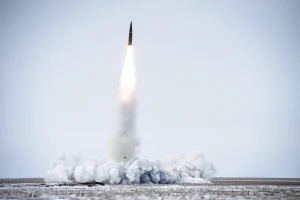
On the steppe of Astrakhan Oblast, Kapustin Yar launched the Soviet Union's first ballistic missile in 1947 and went on to test its rockets, nuclear warheads and satellite launchers. It is still a military range.
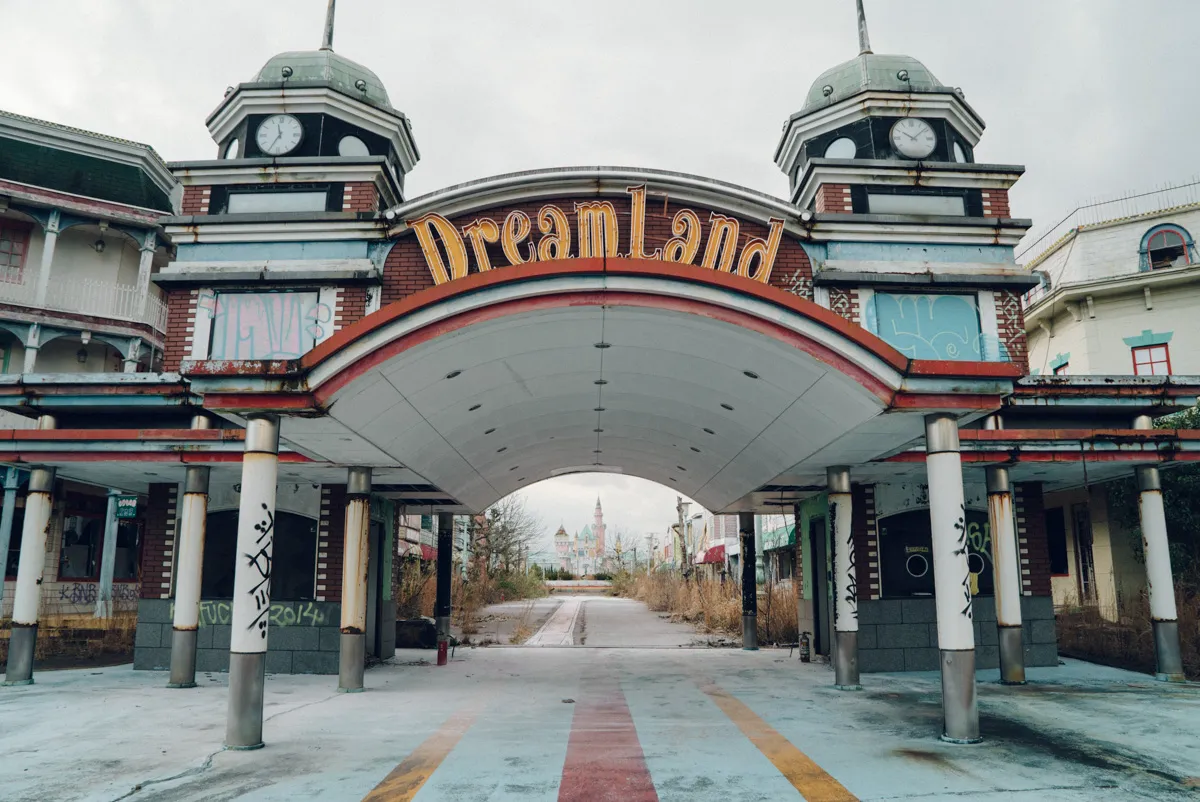
In 1961 a Japanese showman built his own Disneyland in Nara, complete with a castle, a Matterhorn and a Main Street. For forty-five years it thrilled families, then it sat empty and overgrown for a decade before the bulldozers arrived.
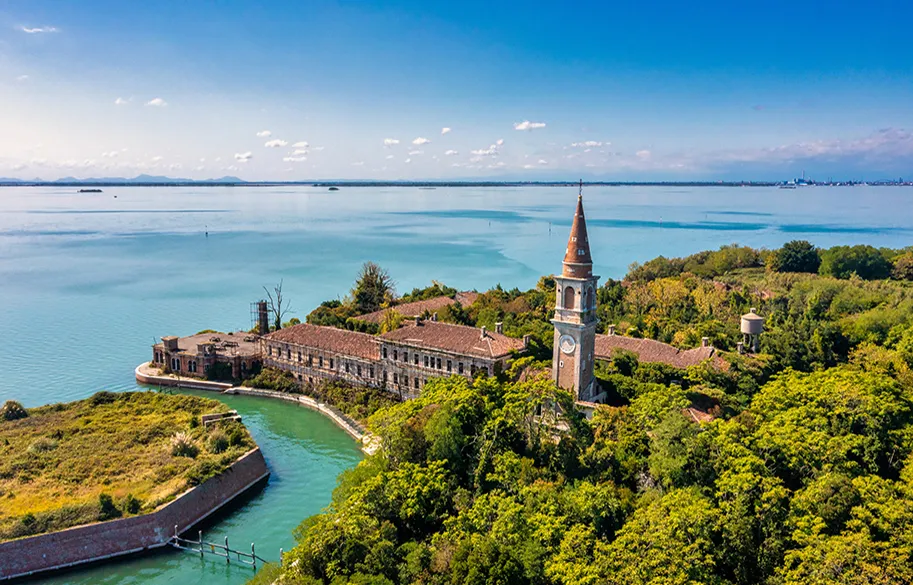
Between Venice and the Lido, a small island once held plague ships, then a hospital and nursing home. It now stands empty, and the ghost stories told about it are much bigger than the documented history.
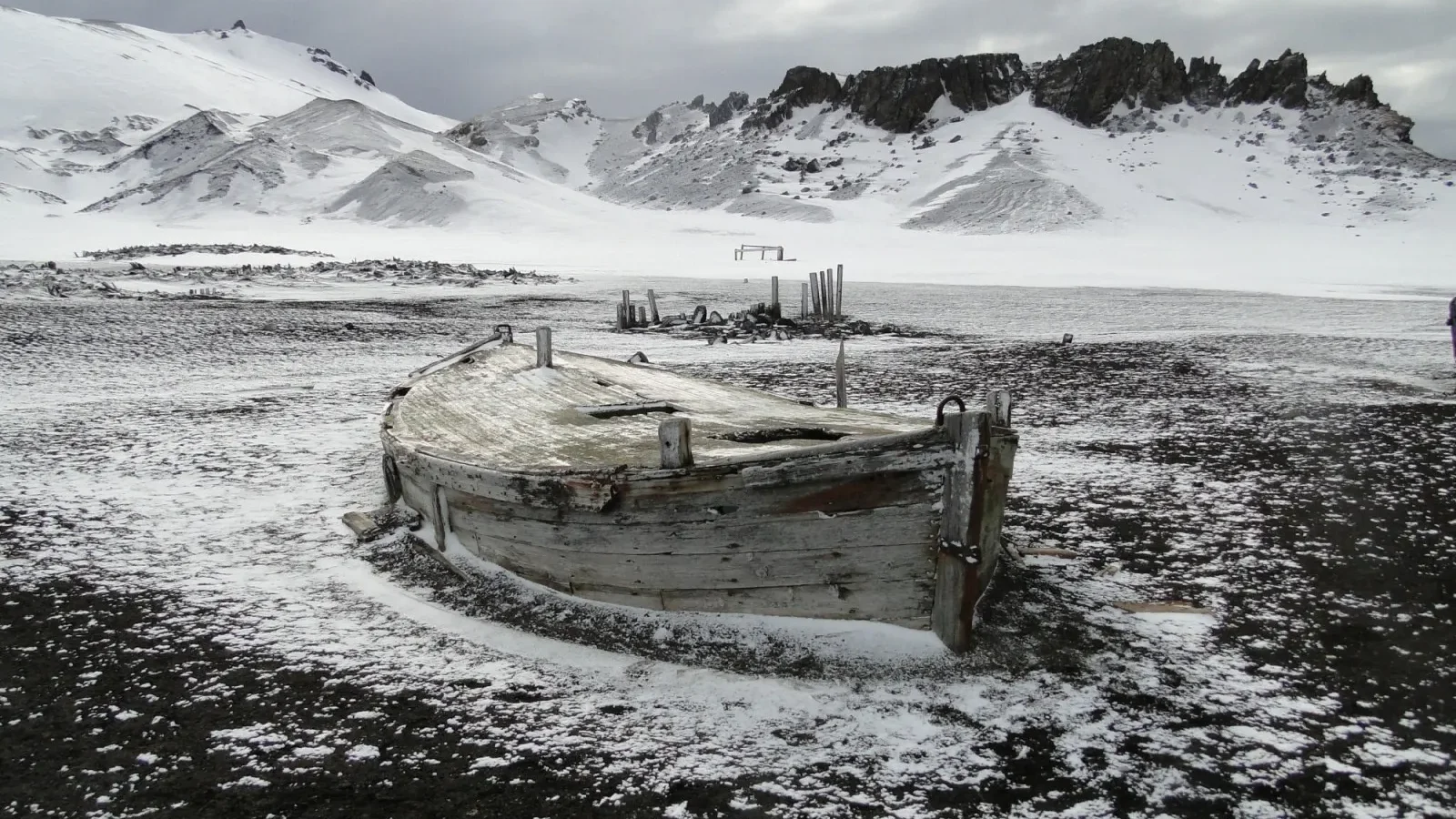
Inside the flooded crater of an active volcano in Antarctica, rusting oil tanks, an aircraft hangar and a cemetery mark where whalers, then scientists, tried to make a home.
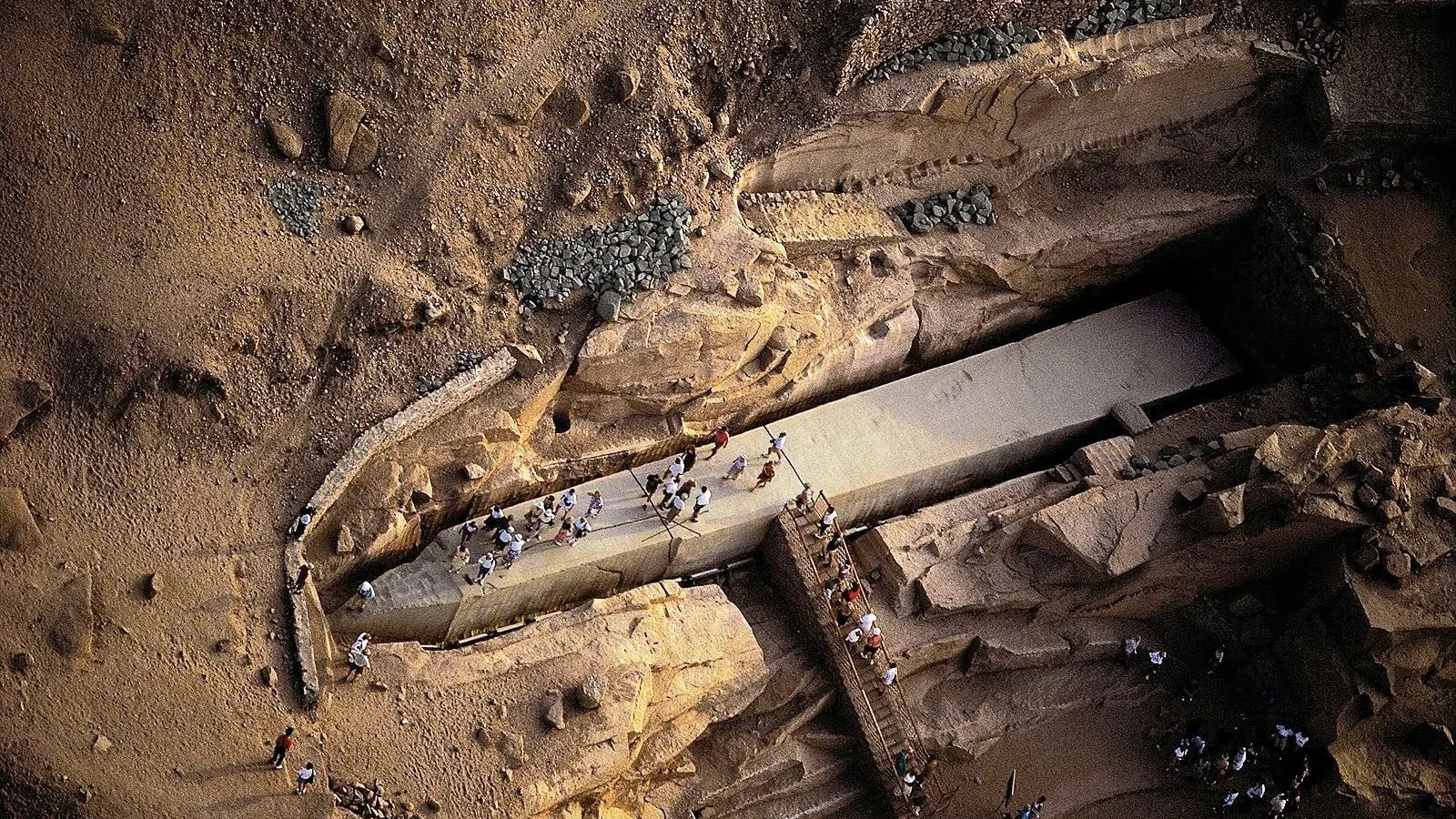
In a granite quarry at Aswan lies the largest obelisk the ancient Egyptians ever attempted. Cracks appeared before it could be freed from the bedrock, and it has been lying there ever since.
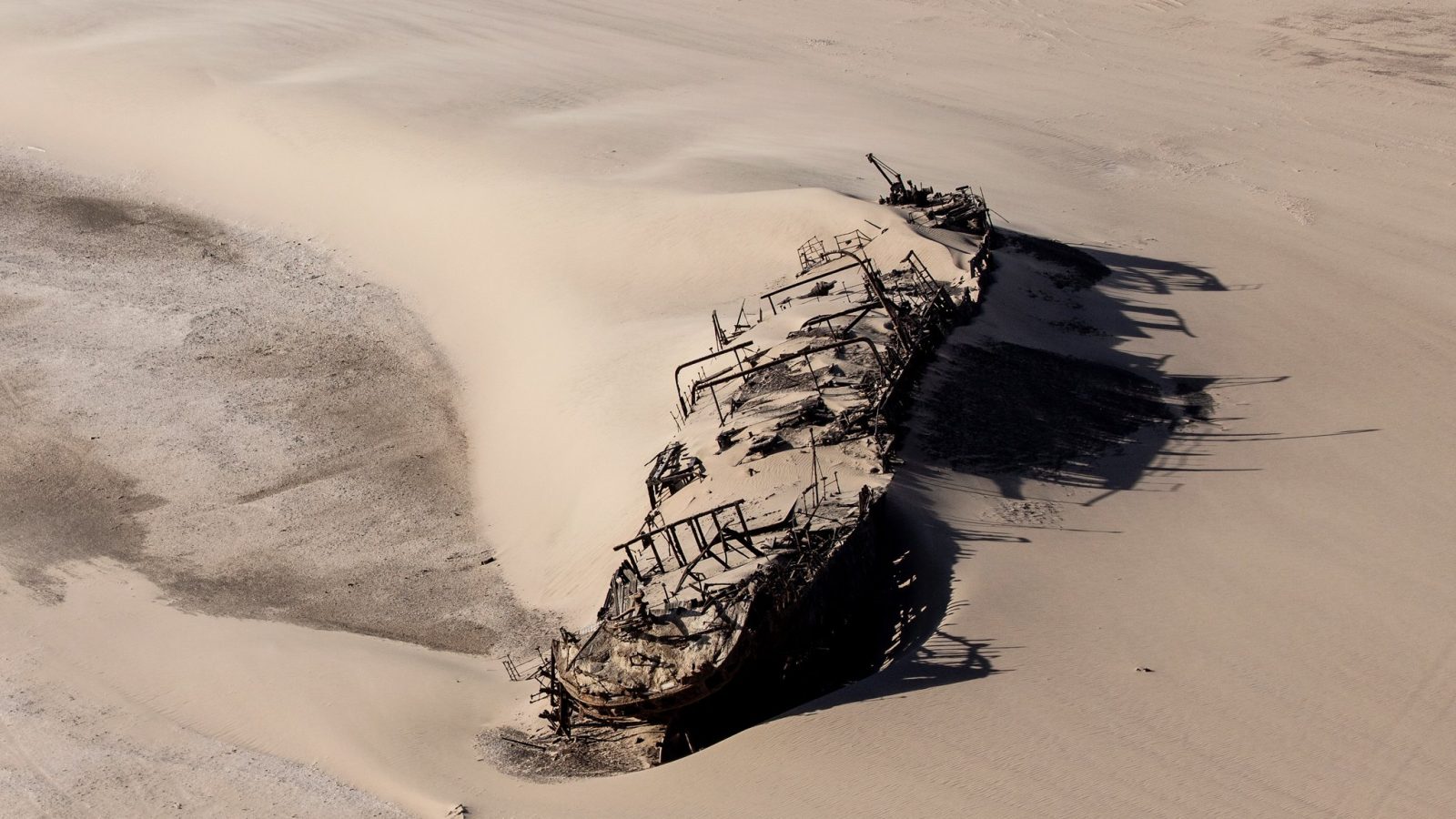
A German steamer that ran aground in the fog in 1909 now sits in the sand of Namibia's desert coast, hundreds of metres from the sea it once sailed.
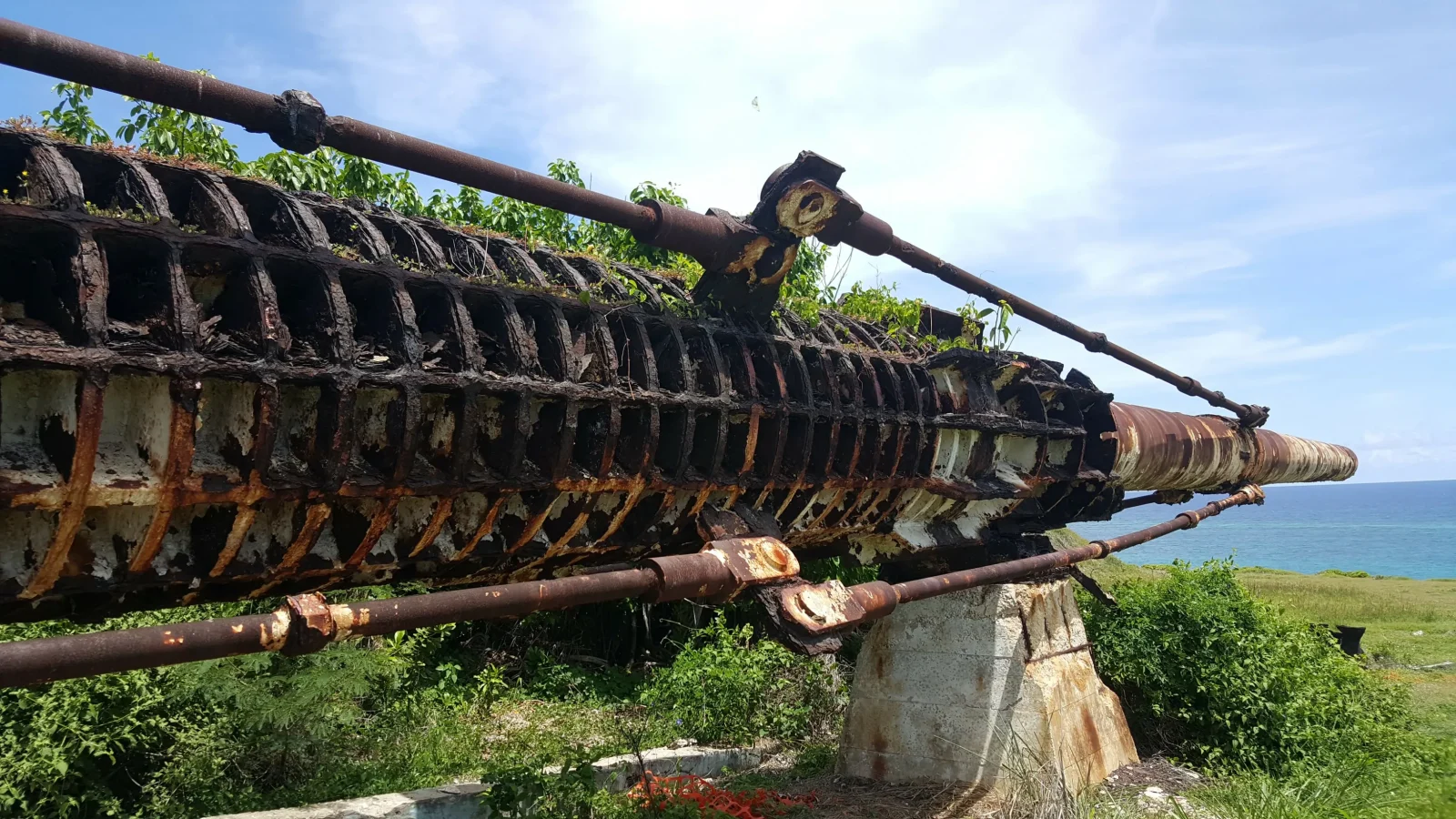
In the 1960s a Canadian engineer bolted two 16-inch naval gun barrels together on the coast of Barbados and fired projectiles more than 90 kilometres into the sky. The project was shut down in 1967, and the gun is still there, rusting.
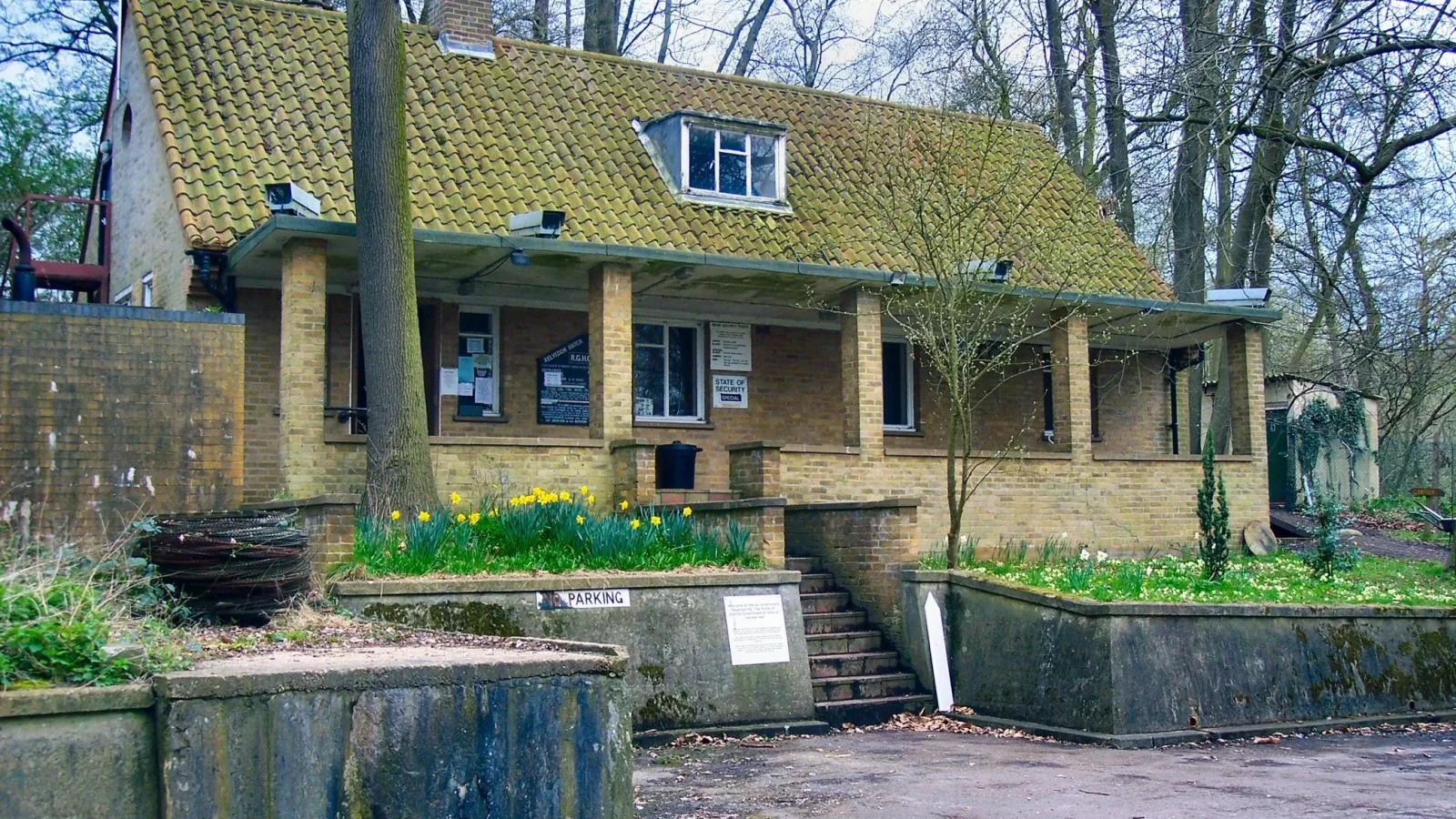
Behind an ordinary-looking bungalow in the Essex countryside, a 100-yard tunnel leads down to a three-level bunker about 125 feet underground. Built in 1952 as an RAF command centre, it became a regional government headquarters for a nuclear war, and is now a museum.
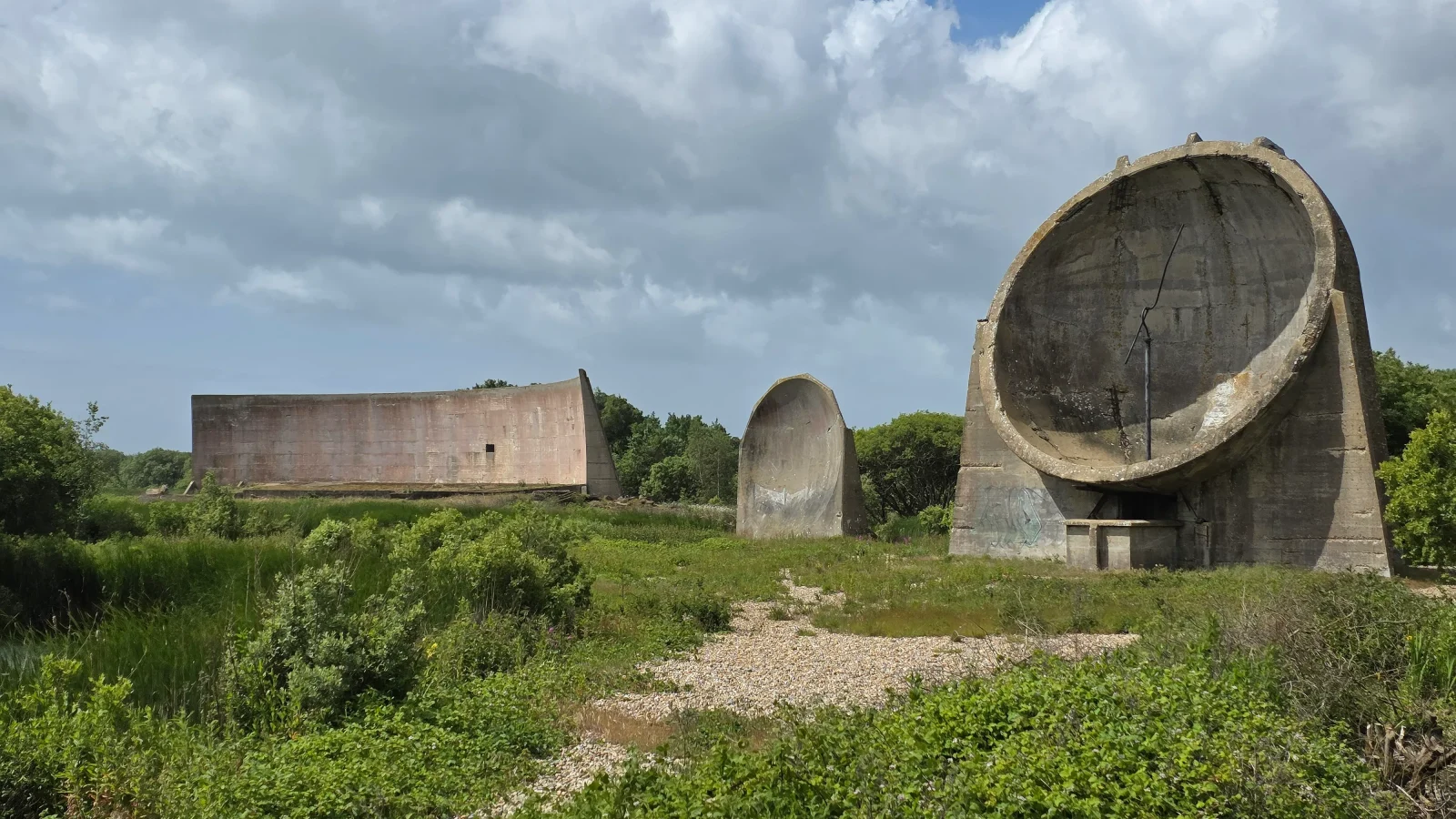
Before radar, Britain tried to hear the enemy coming. From the First World War to the early 1930s, concrete dishes and walls on the Kent coast gathered the sound of aircraft engines over the Channel. The best preserved stand on an island in a gravel pit near Dungeness.
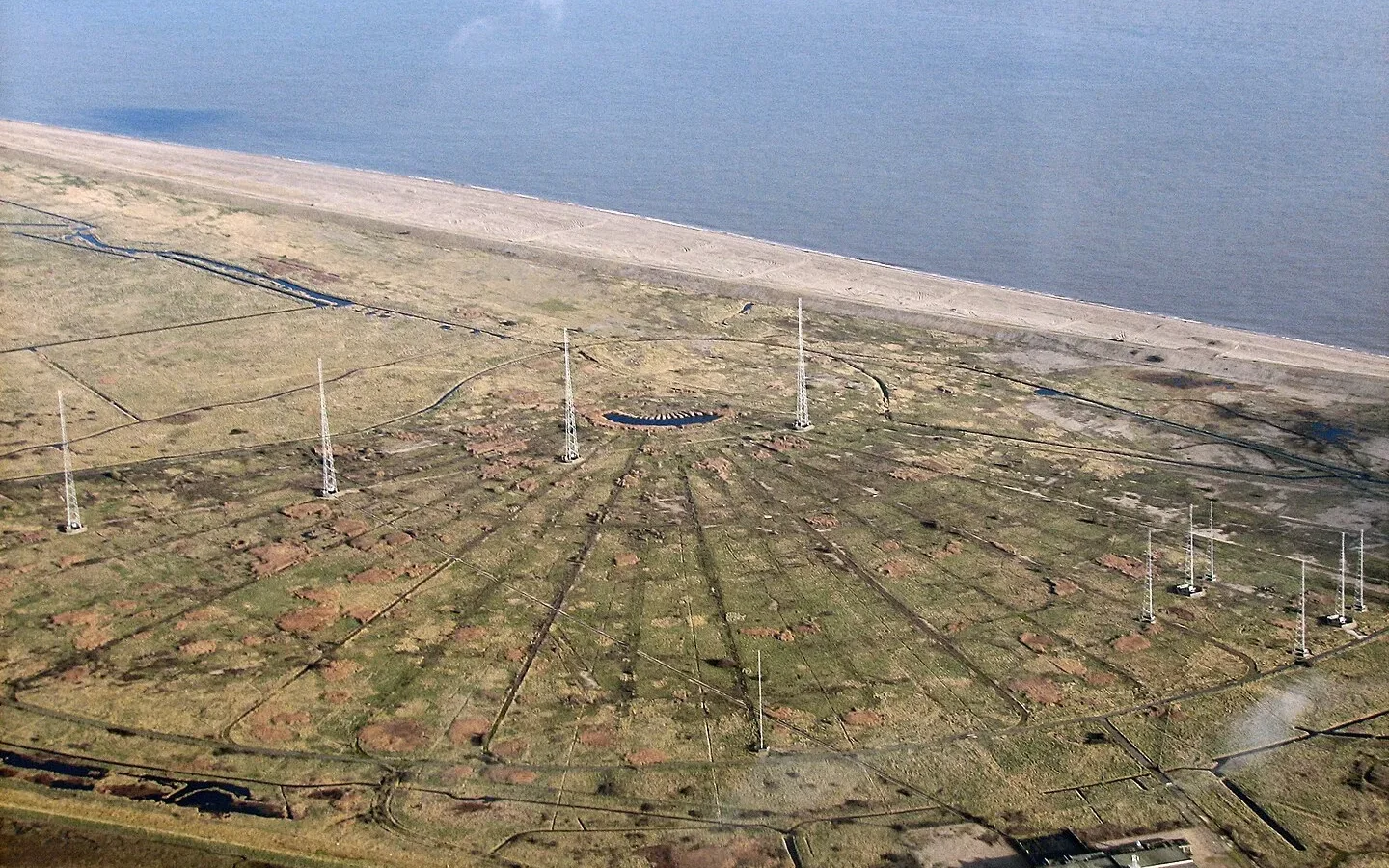
Built in the late 1960s for a secret US-British radar that never worked, the buildings on Orford Ness were given a second life as a giant medium-wave transmitter. For nearly thirty years its masts carried the BBC World Service across Europe, and now the same site broadcasts Radio Caroline.
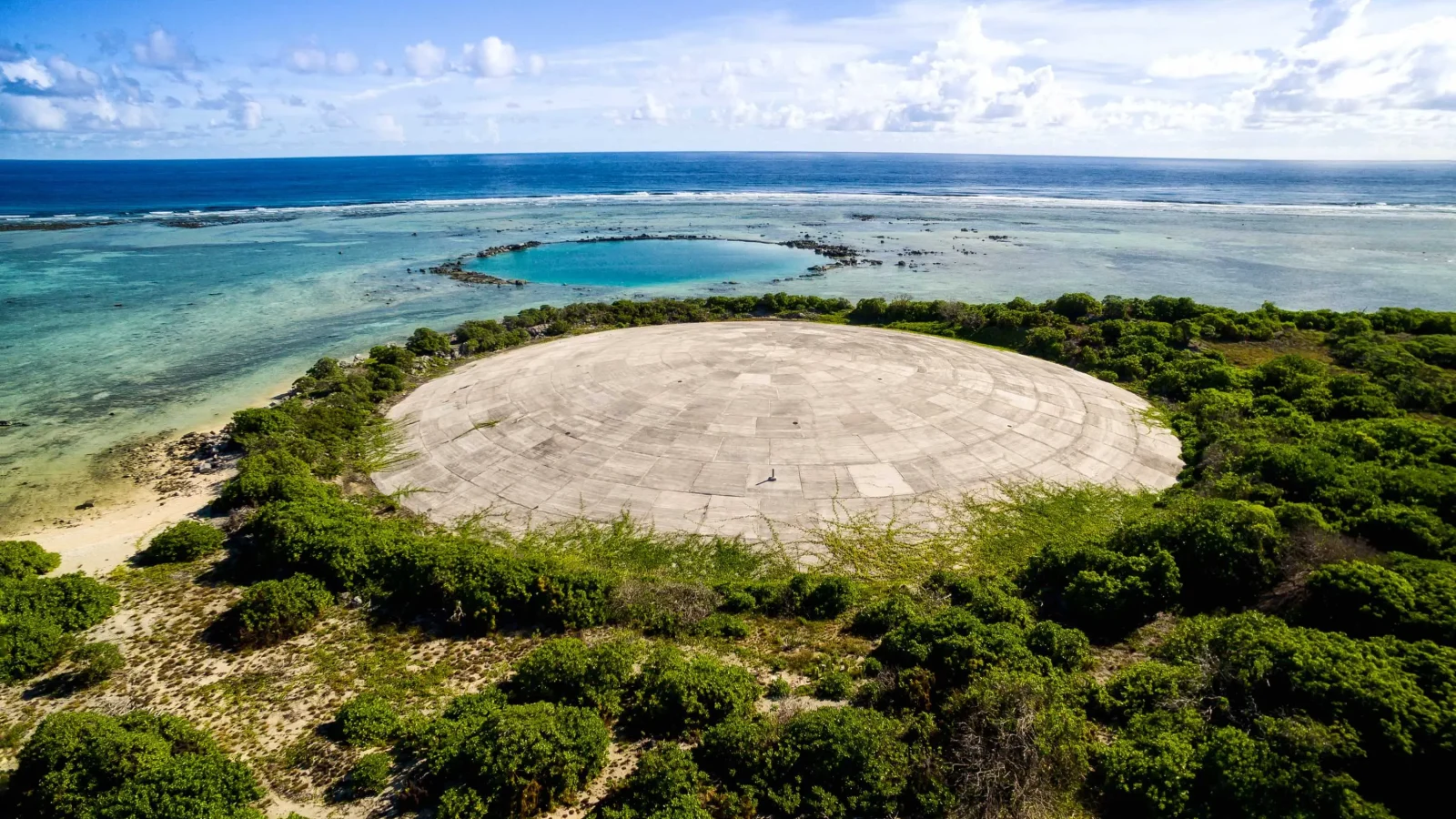
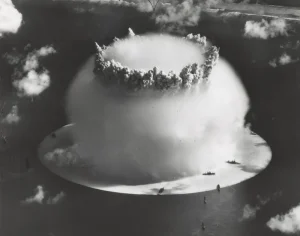
On a Pacific island in the Marshall Islands, a concrete dome 115 metres wide covers a crater left by a 1958 US nuclear test, filled with contaminated soil and debris from the whole atoll. It was built by about 4,000 servicemen between 1977 and 1980, it has no floor liner, and the sea is rising around it.
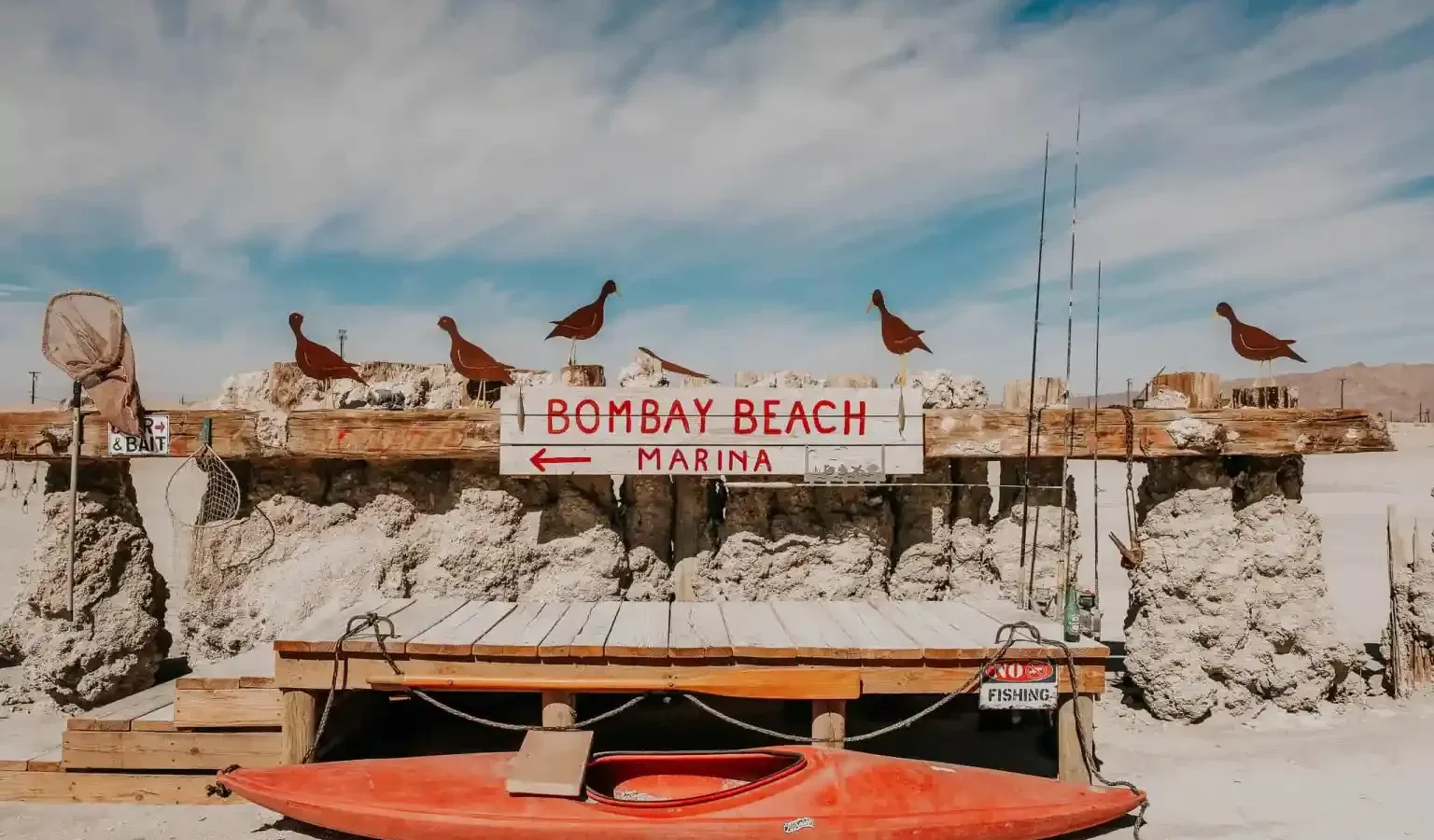
In the 1950s and 1960s Bombay Beach was a lively beach resort on the shore of California's Salton Sea. Floods, rising salt and dying fish emptied it out. Today a few hundred people live below sea level in a town of rust, sculpture and a bar that keeps the keys to the art.
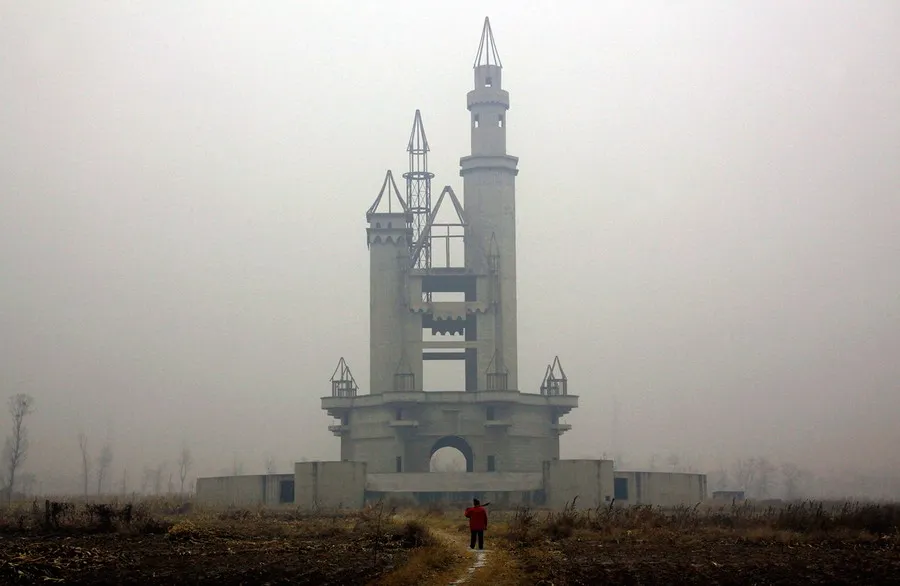
In 1998 a developer announced the largest amusement park in Asia in a village north-west of Beijing. A fairy-tale castle went up, and then everything stopped. Farmers planted corn among the ruins until the site was torn down in 2013.
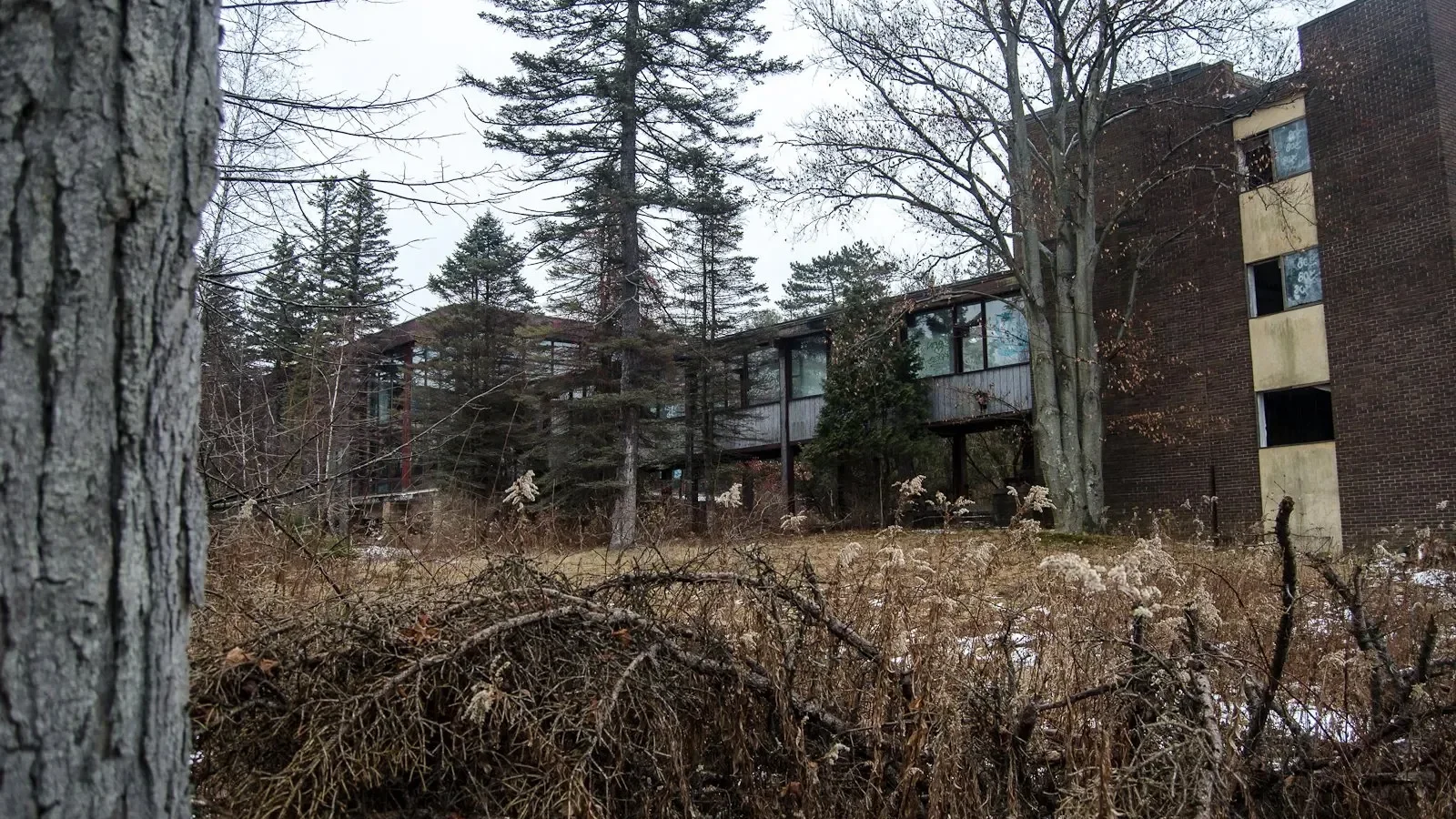
A farmhouse that took in boarders in the 1910s grew into a 35-building Catskills resort with its own airstrip and post office. It closed in 1986, was torn down in 2018, and its land has now been sold for another resort.
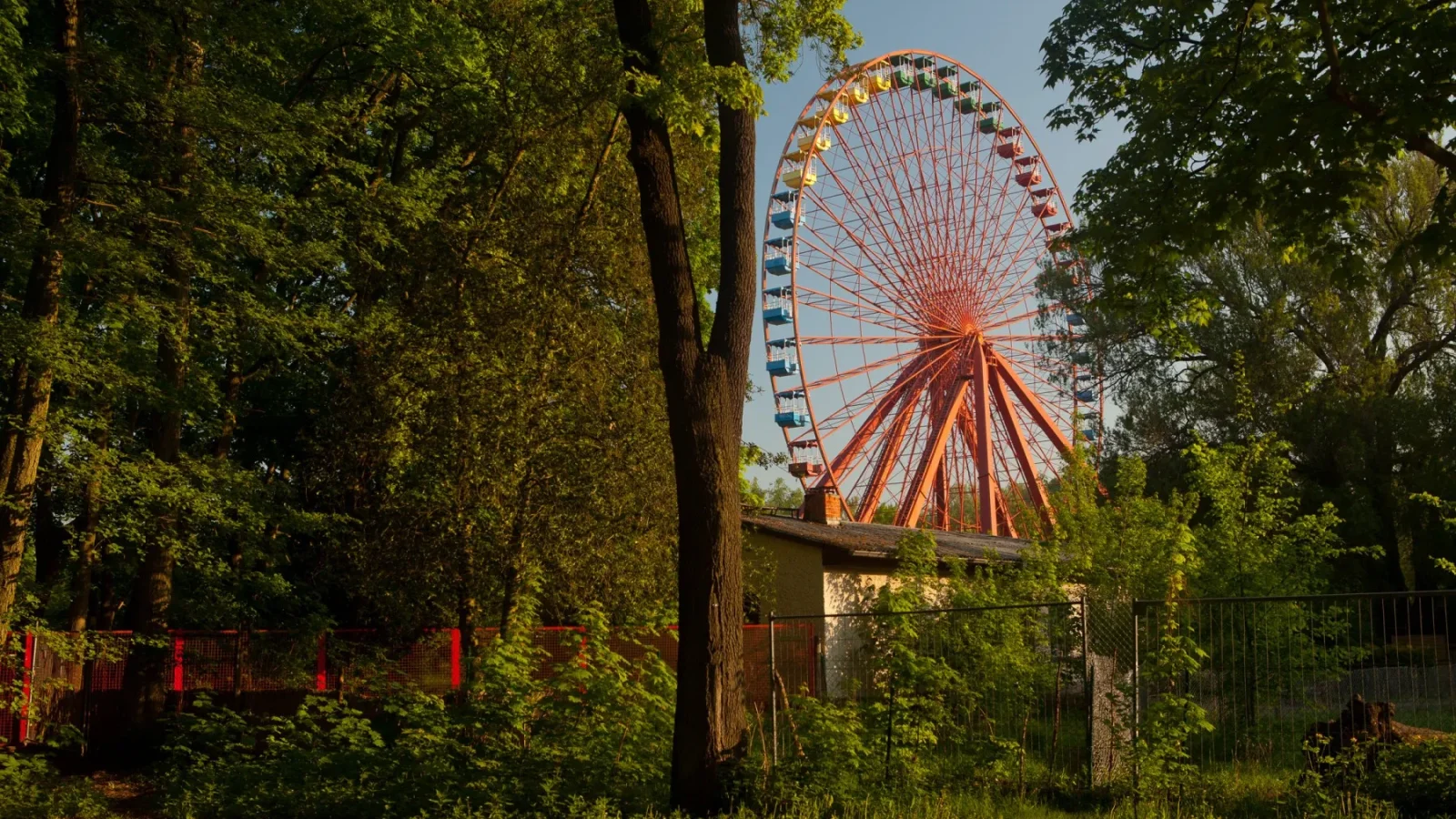
East Germany's only permanent amusement park closed in 2001–2002 after its visitor numbers collapsed, and its owner left for Peru. For more than a decade its Ferris wheel and dinosaurs rusted in the Plänterwald, and now the park is being rebuilt.
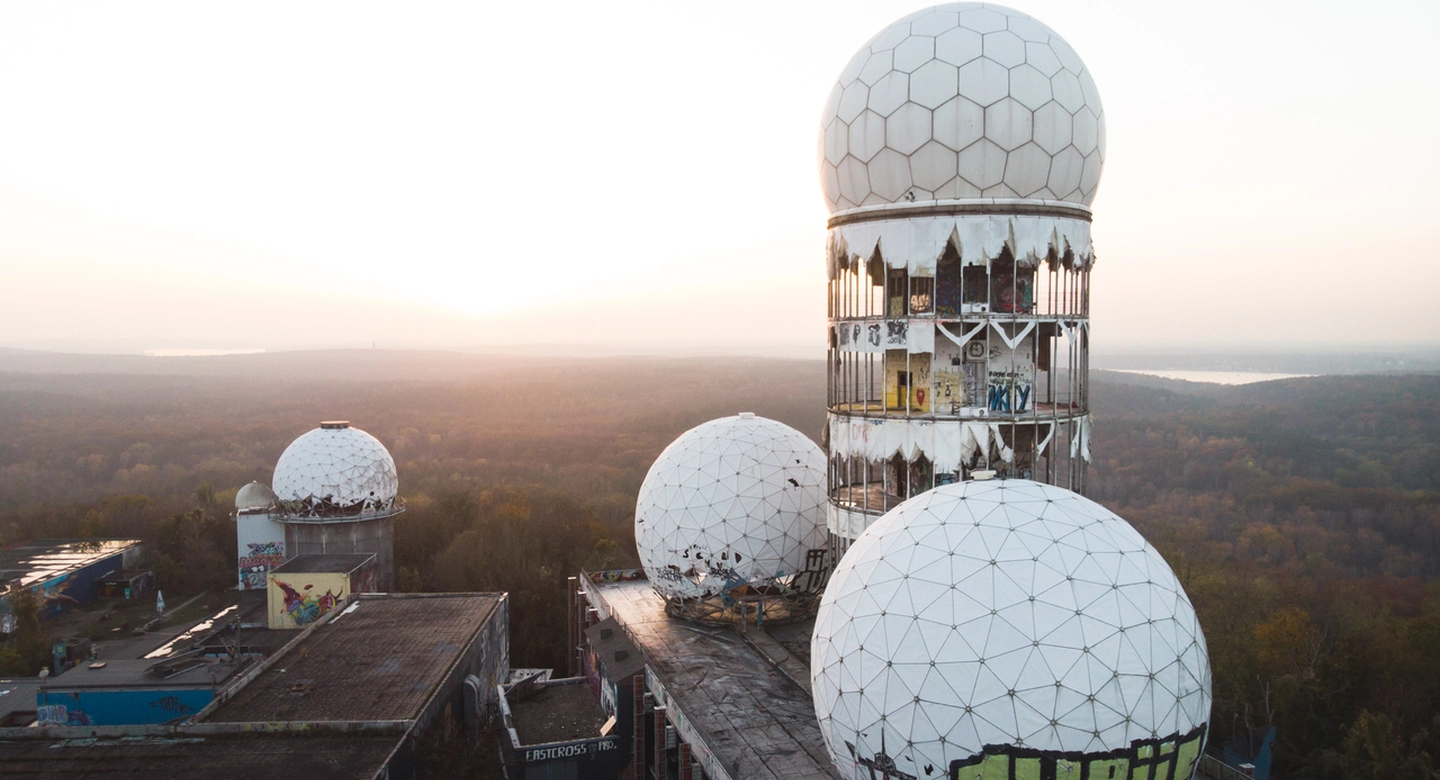
Teufelsberg is a hill built from the ruins of Berlin, over the shell of an unfinished Nazi college. On top, American and British listeners spent the Cold War eavesdropping on the East. Today its white domes are covered in graffiti.
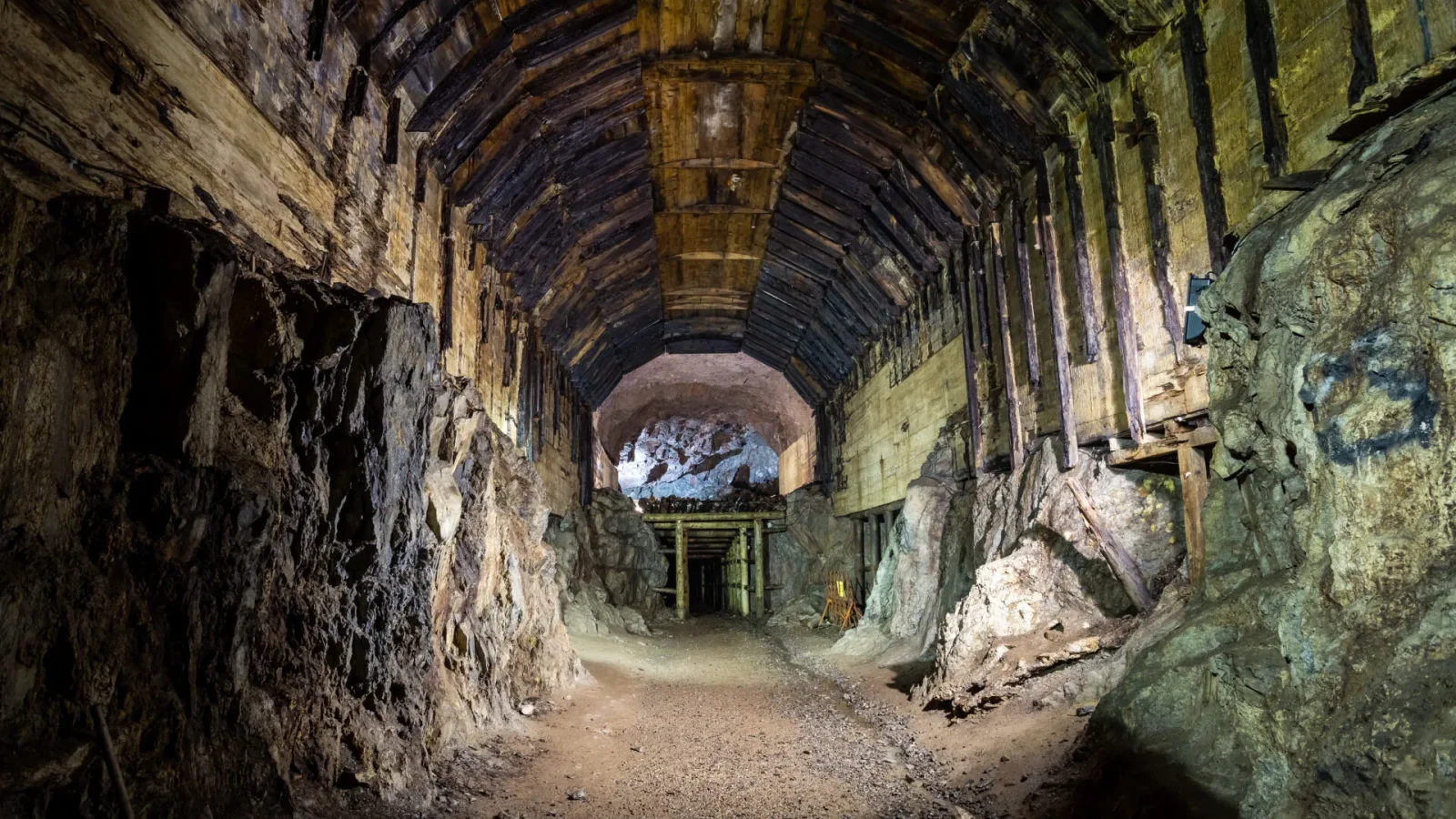
Between 1943 and 1945 the Nazis dug into the gneiss of the Owl Mountains in Lower Silesia, using thousands of forced labourers to build seven underground sites. Nobody knows for sure what Project Riese, the Giant, was meant to be.
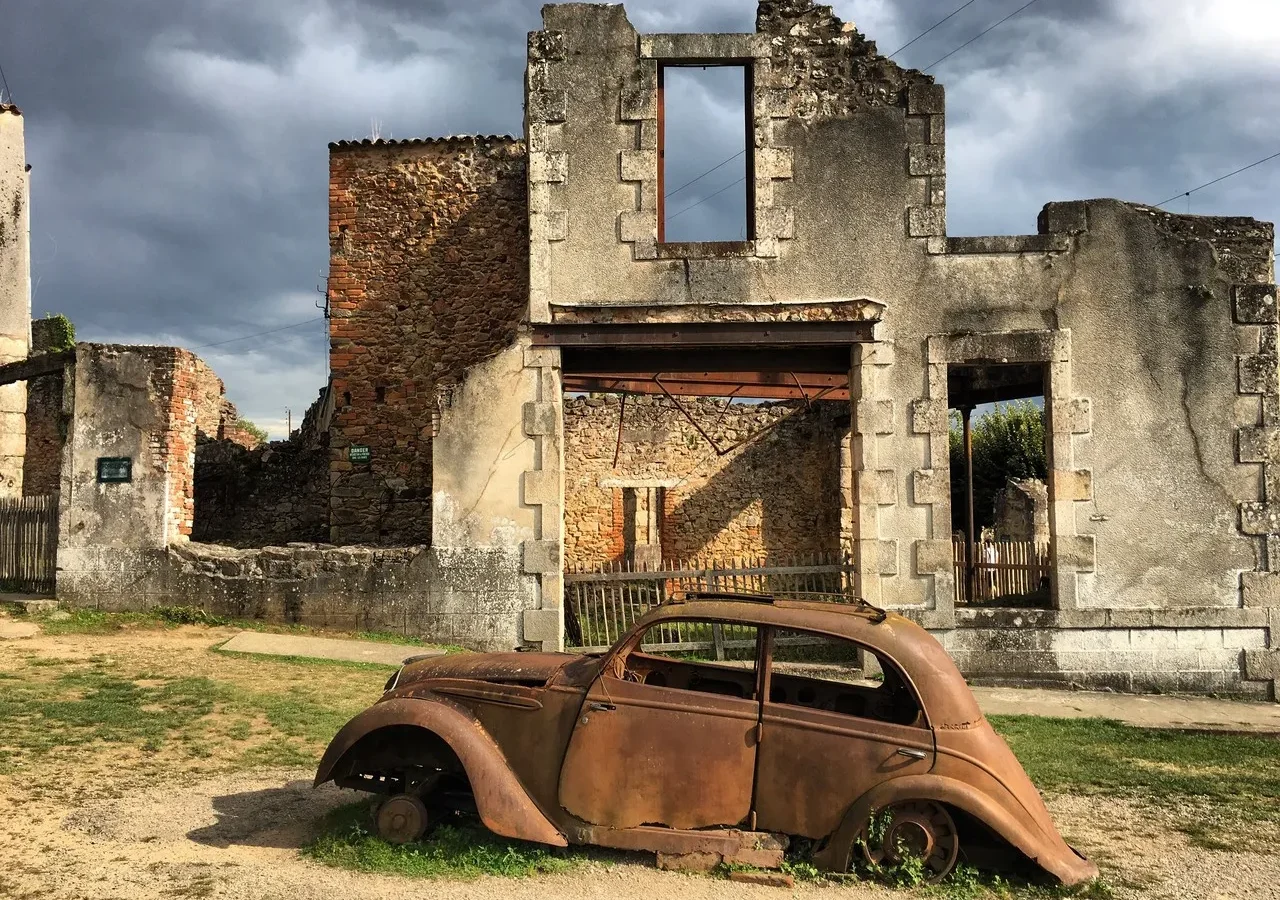
On 10 June 1944, four days after D-Day, a Waffen-SS company killed 642 people in a quiet village in west-central France and burned it. The ruins have never been rebuilt, and visitors still walk its streets beside the tram rails.
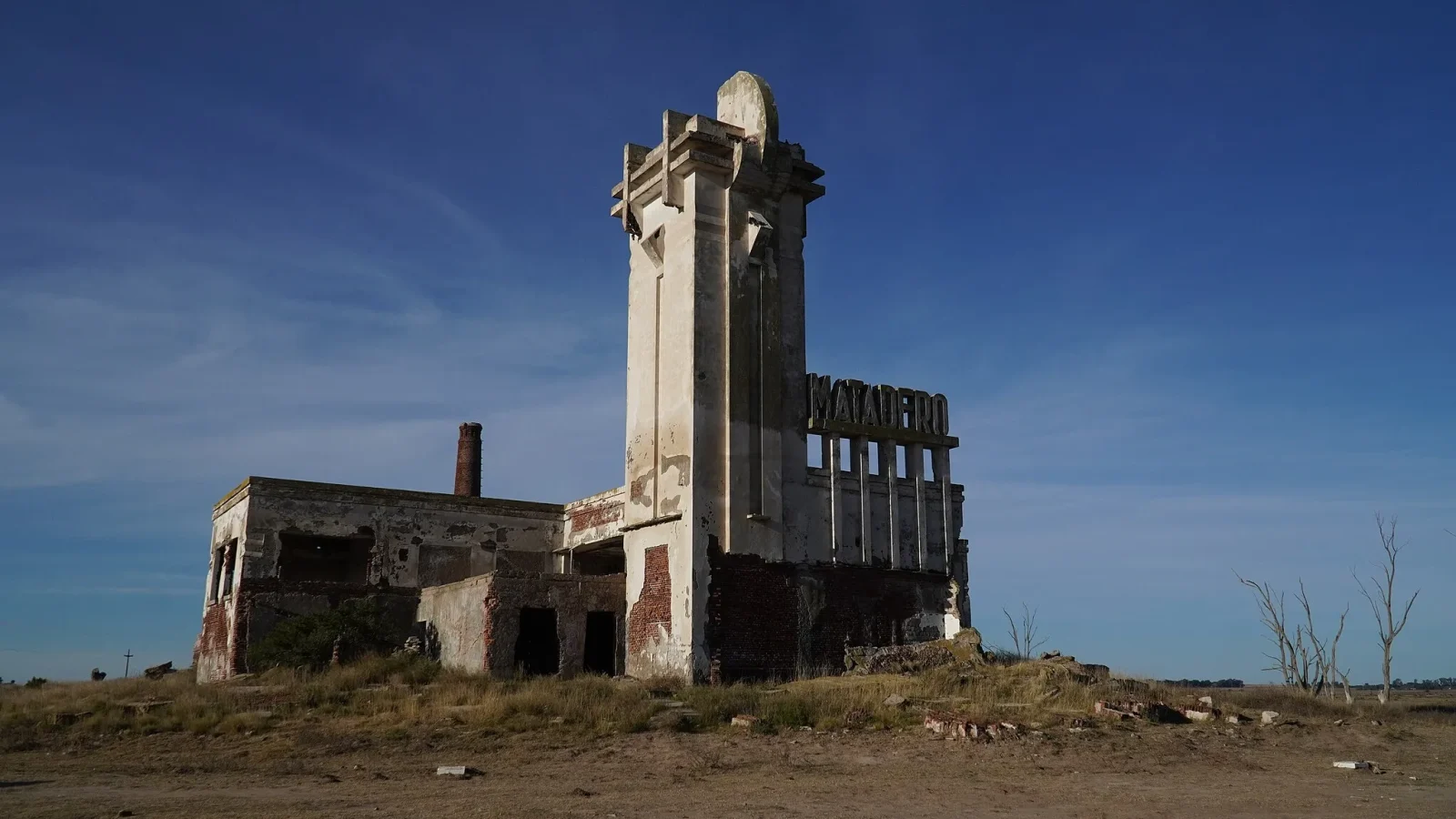
Villa Epecuén was a seaside-style resort with no sea, built on the shore of a lake saltier than the ocean. In November 1985 the water broke through the defences, and the town stayed under it for about twenty-five years. When it came back into view, it was white with salt.
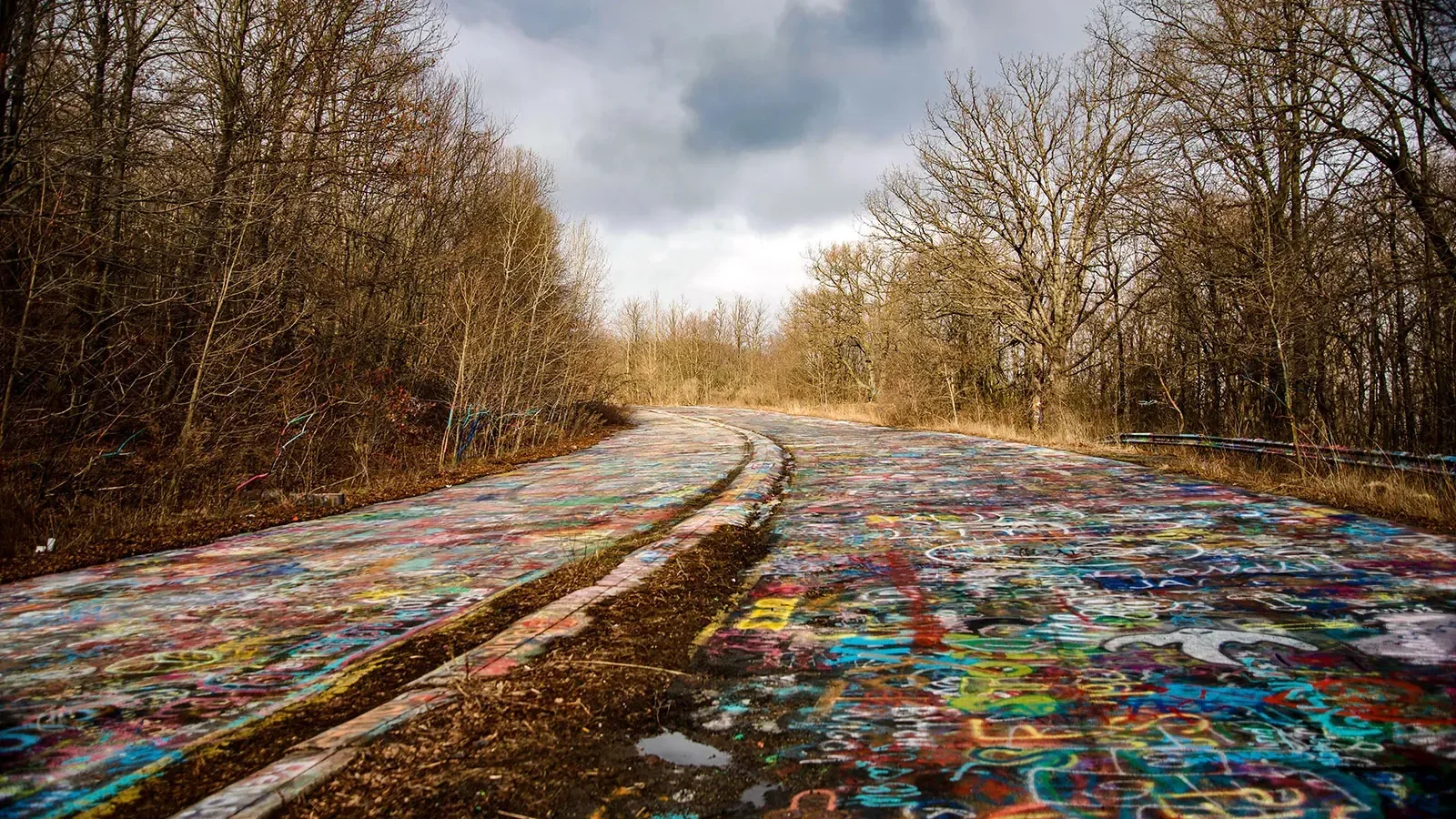
In 1962 a clean-up of the town dump set a coal seam alight. More than six decades later it is still burning under Centralia, Pennsylvania, a coal town that once had 27 saloons and now has a handful of residents, a church, four cemeteries and a street map with no one on it.
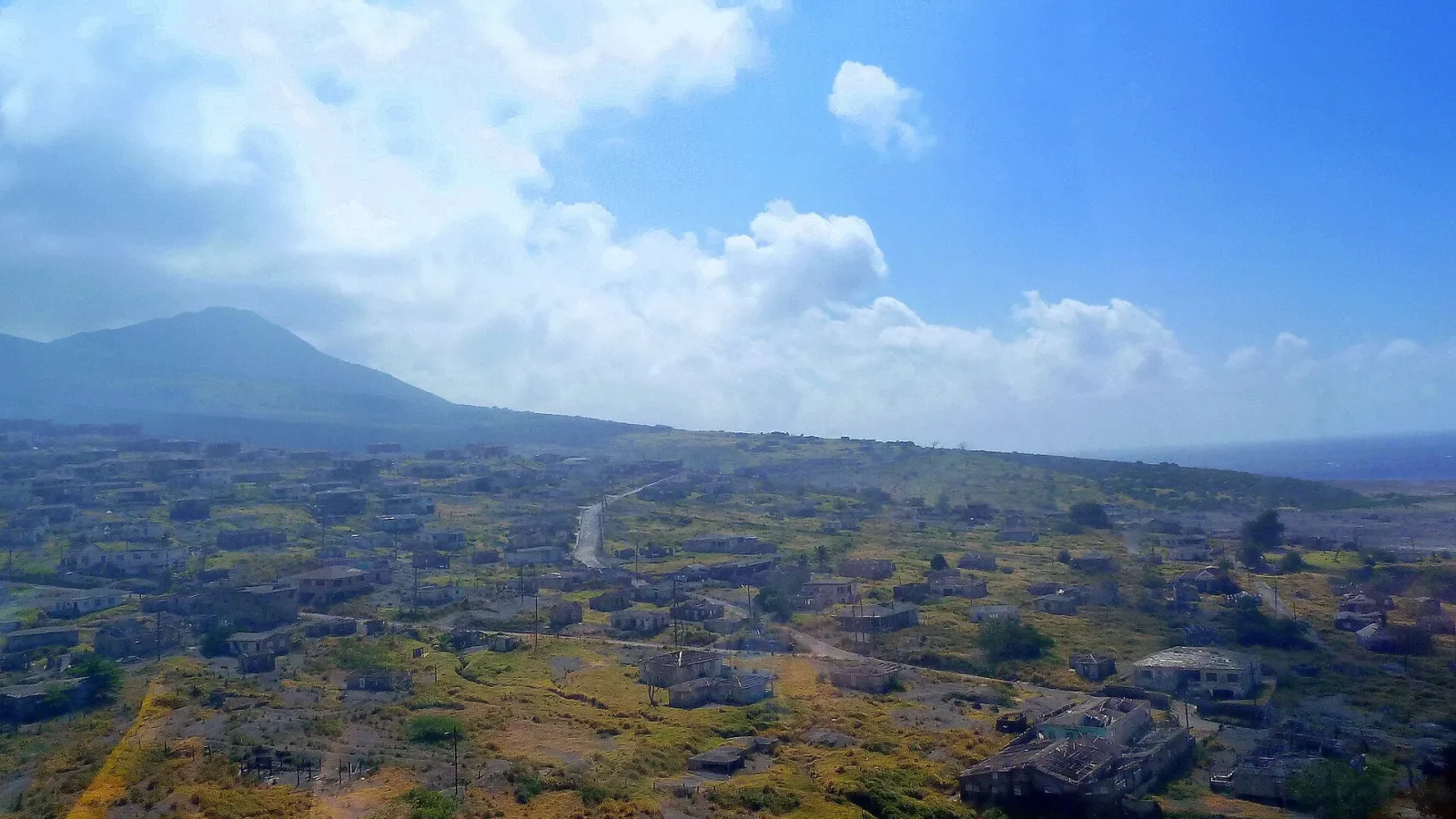
For more than three centuries Plymouth was the door to Montserrat. Then the Soufrière Hills volcano woke up, and between 1995 and 1997 the capital was emptied, scorched and buried. It is still the official capital, and still has no residents.
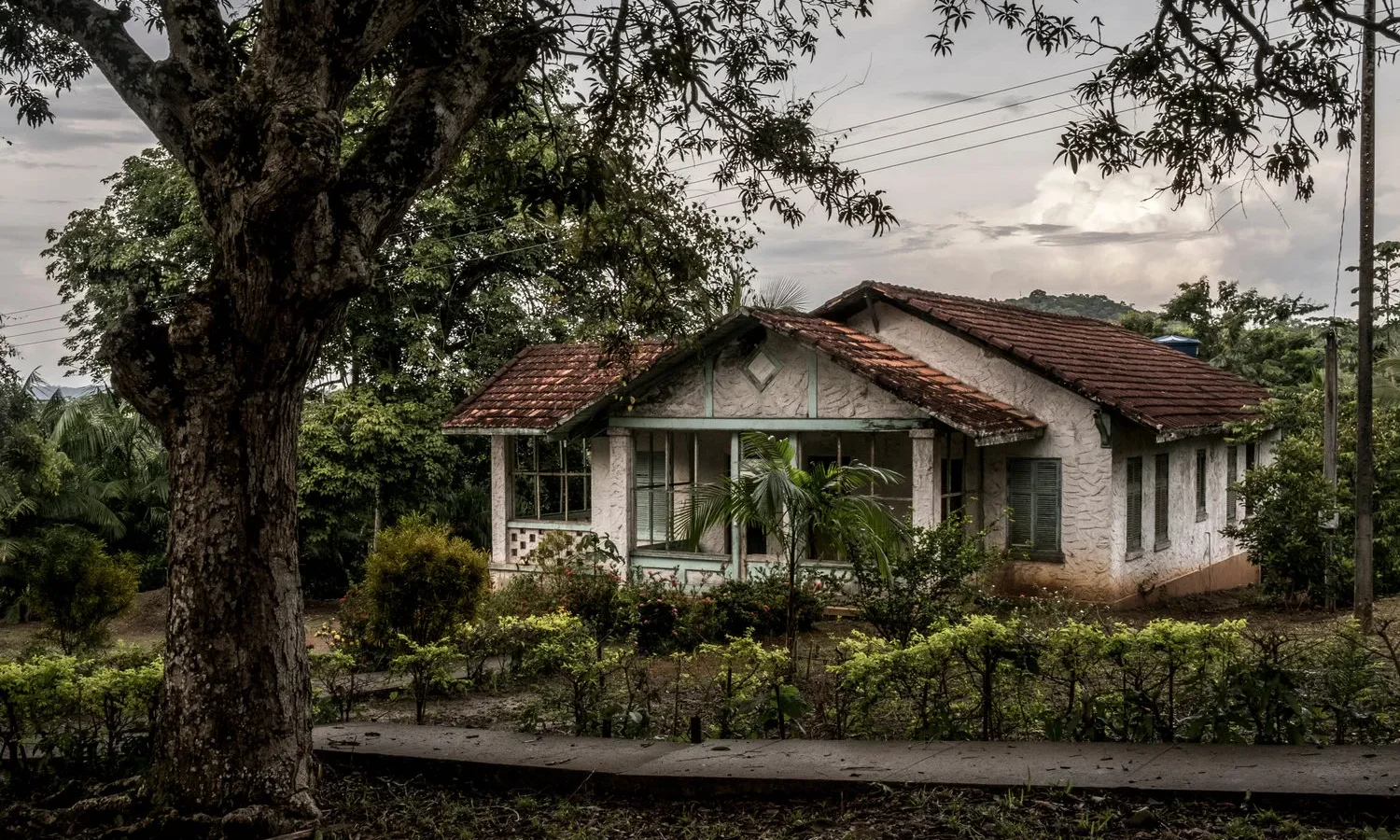
Henry Ford never saw it, yet he built a Michigan-style town on the Tapajós River to grow his own rubber. The trees failed, the workers rebelled, and the houses are now lived in by the descendants of the people he hired.
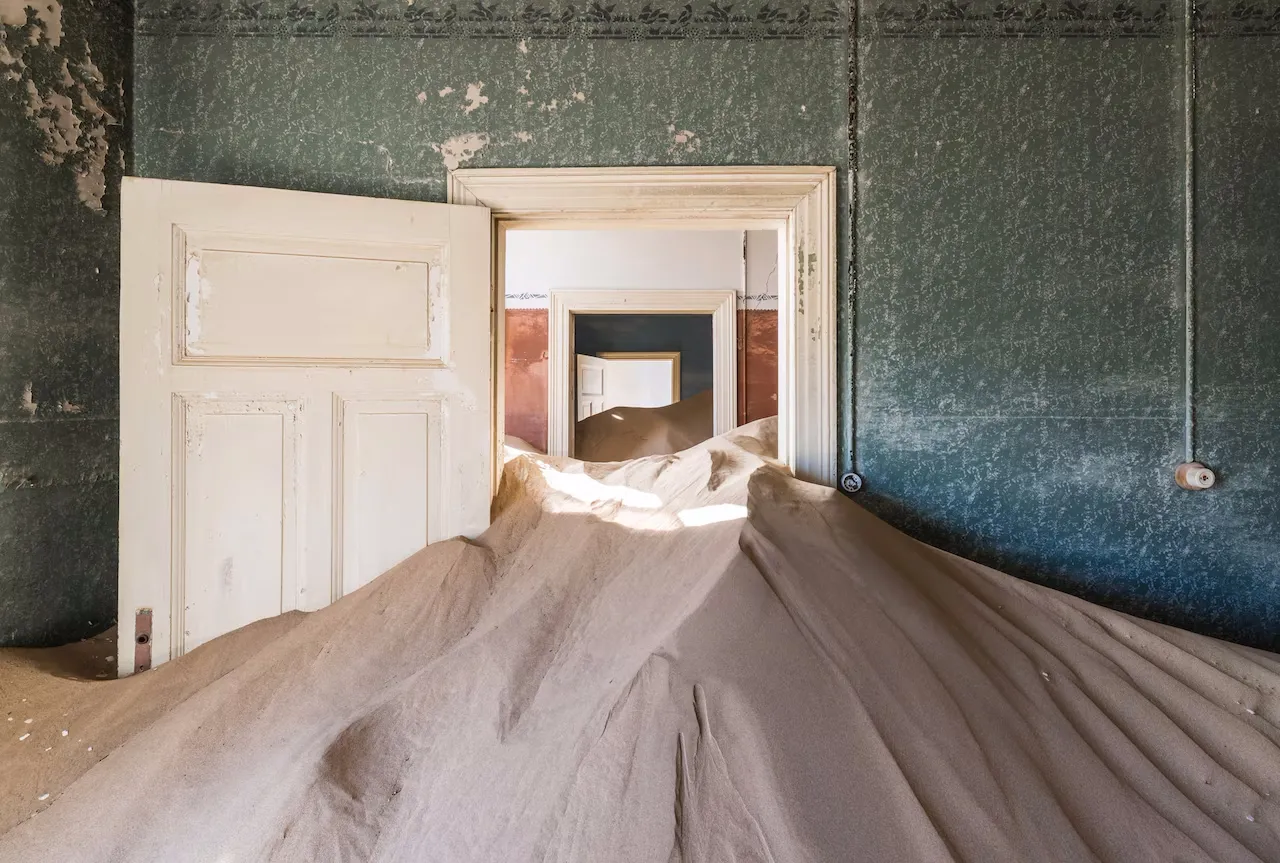
A railway worker picked up a stone in the sand in 1908, and within a few years a German-style town of ballrooms, ice and champagne stood in the Namib. The diamonds moved south, the people followed, and the dunes now fill the houses.