Skip to content

Posts

Places

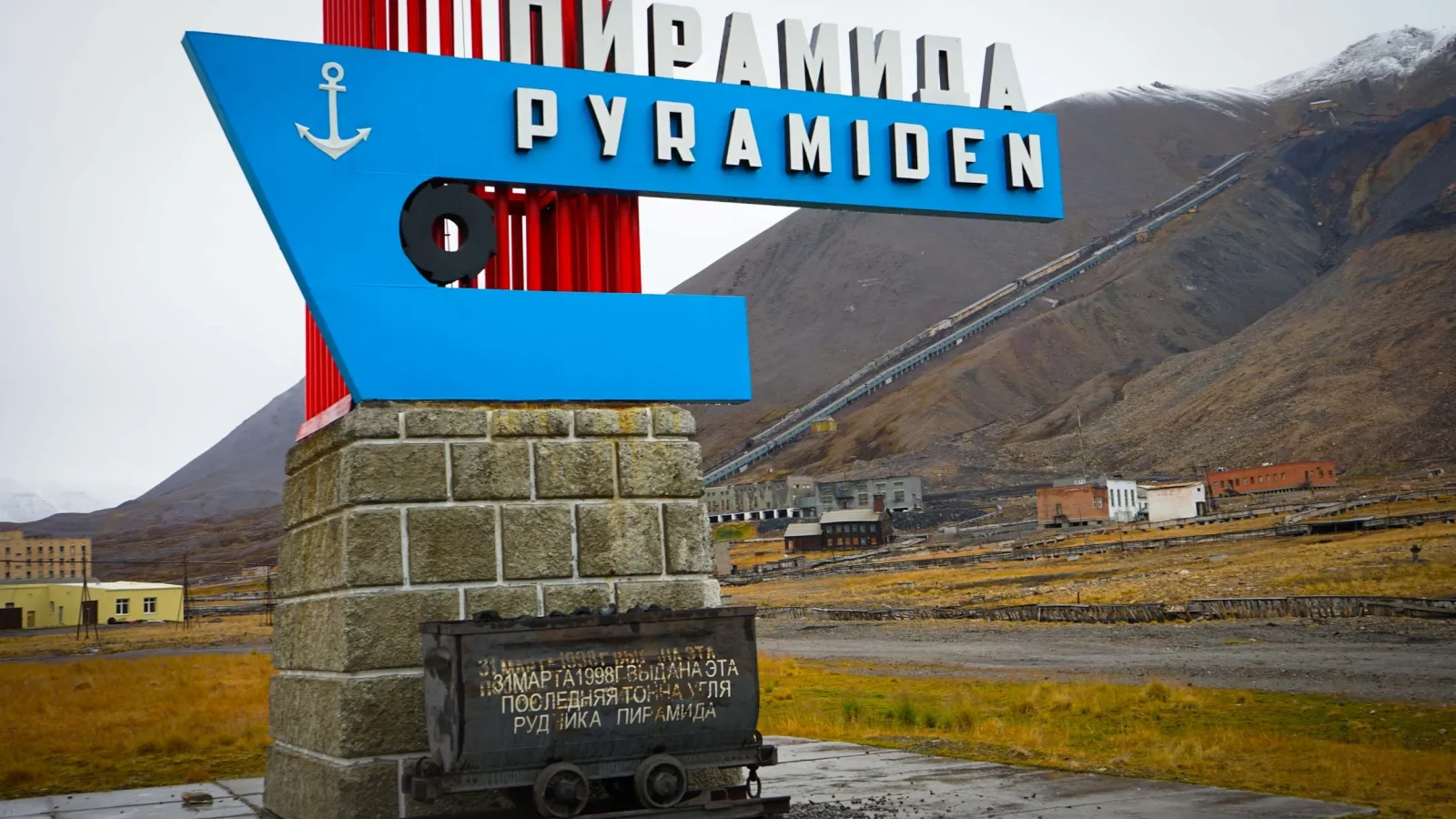
Pyramiden: The Soviet Coal Town at 78 Degrees North

Founded by Swedes in 1910 and sold to the Soviet Union in 1927, Pyramiden was a showcase mining town on Spitsbergen with more than a thousand residents. Mining ended on 31 March 1998, the people left within months, and the cold has kept the town almost as they left it.

Places

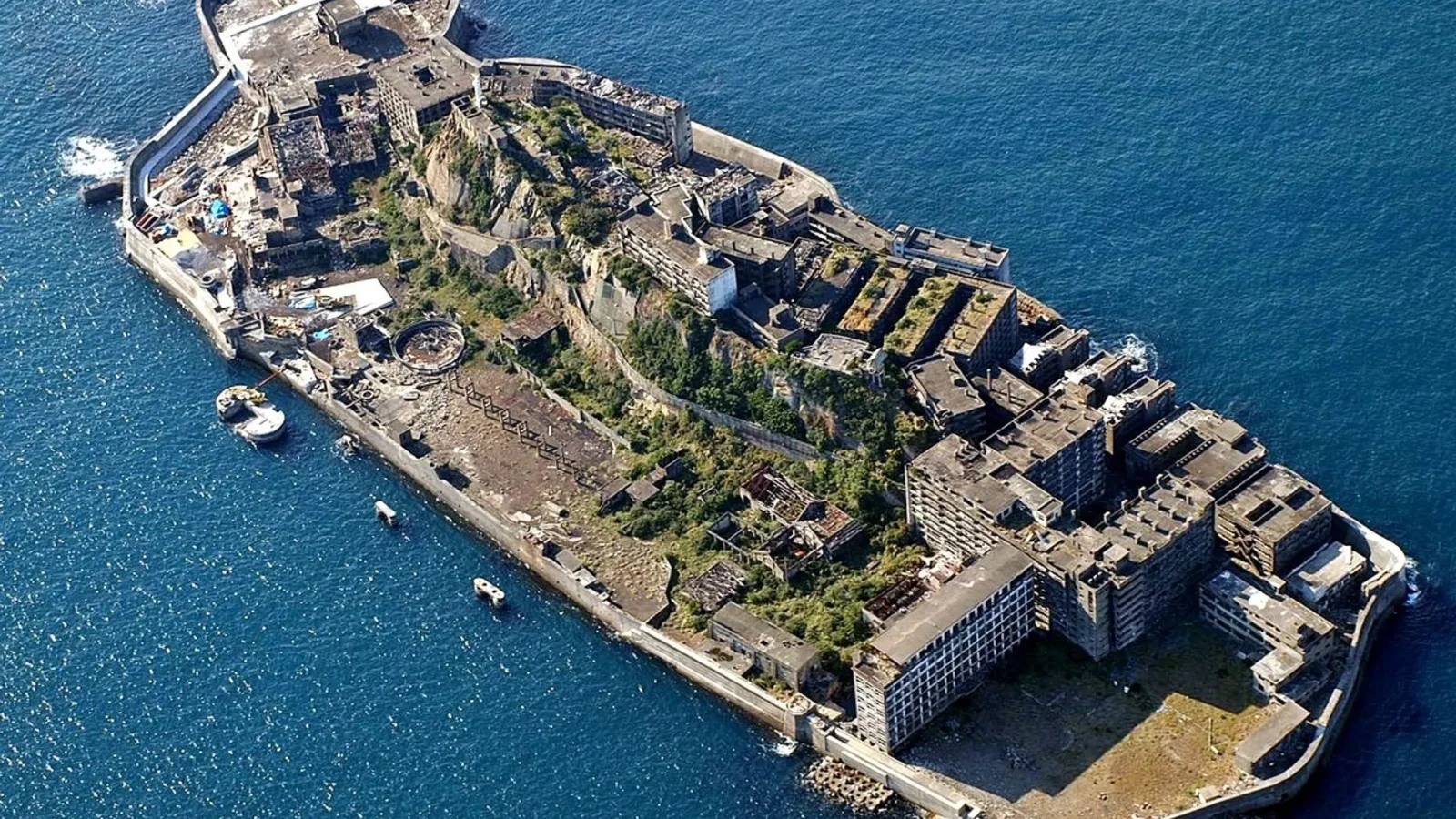
Hashima (Gunkanjima): The Concrete Coal Island Off Nagasaki

Hashima is a six-hectare rock off Nagasaki that held 5,259 people at its 1959 peak, packed into concrete apartment blocks around an undersea coal mine. Mitsubishi closed the mine in January 1974 and the island was emptied by April. It is now a World Heritage site, and its wartime forced-labour history is still disputed.

Places

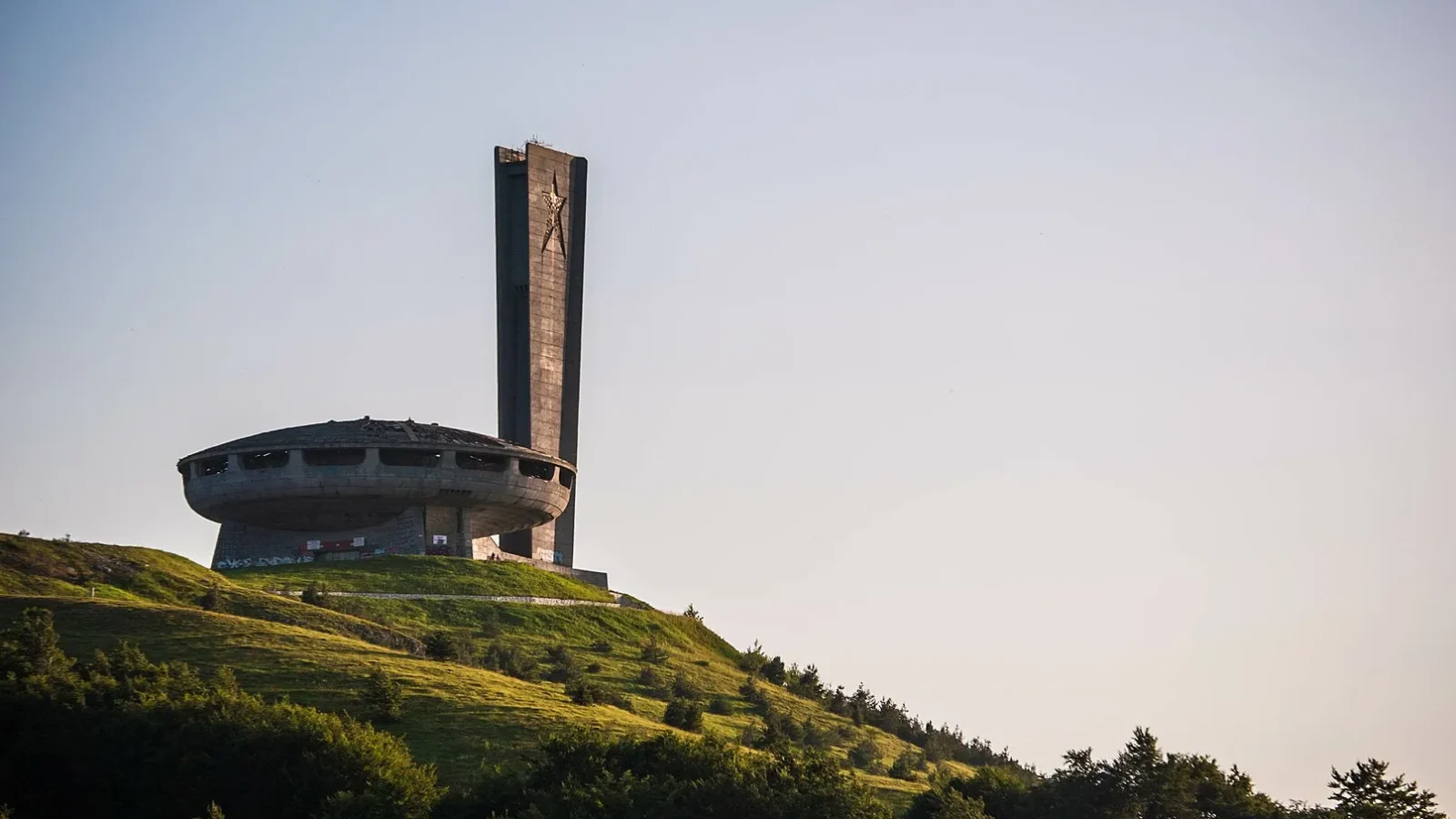
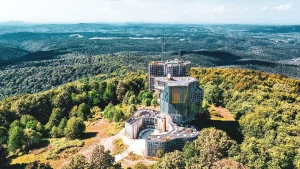
Buzludzha: The Communist Party Monument on a Bulgarian Mountain Peak

Opened in 1981 on a peak in the Balkan Mountains, the Buzludzha monument was built by public subscription as the House-Monument of the Bulgarian Communist Party. Its regime fell eight years later. The saucer-shaped hall has been stripped, weathered and, since 2018, closed, while conservators work to save its mosaics.

Places

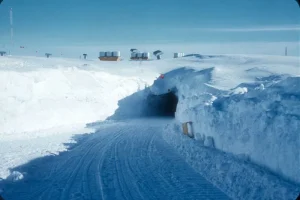
Camp Century: The Cold War City Under the Greenland Ice

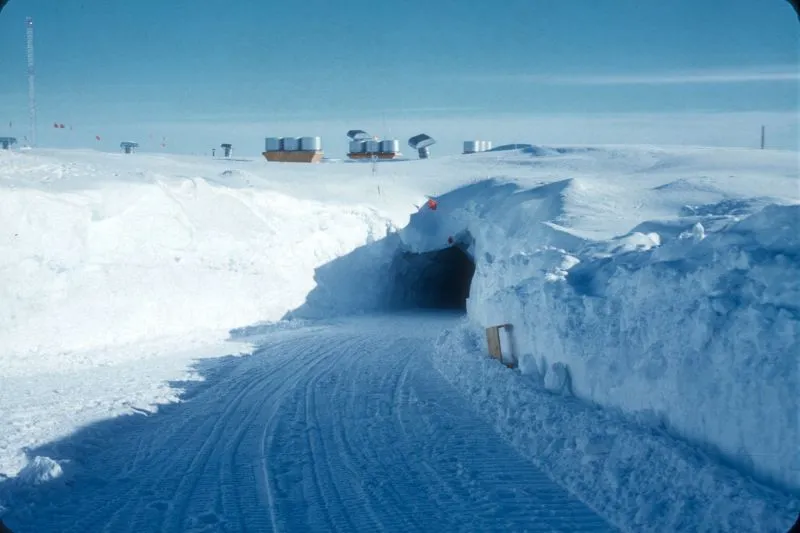
In 1959 the US Army began cutting tunnels into the Greenland ice sheet and built a nuclear-powered camp for up to 200 people. Publicly it was an Arctic research station. Secretly it was a test for a plan to hide hundreds of missiles under the ice. The moving ice defeated it, and the camp was abandoned, leaving waste buried in the snow.

Places

Bikini Atoll: The Pacific Reef That Became a Nuclear Test Site

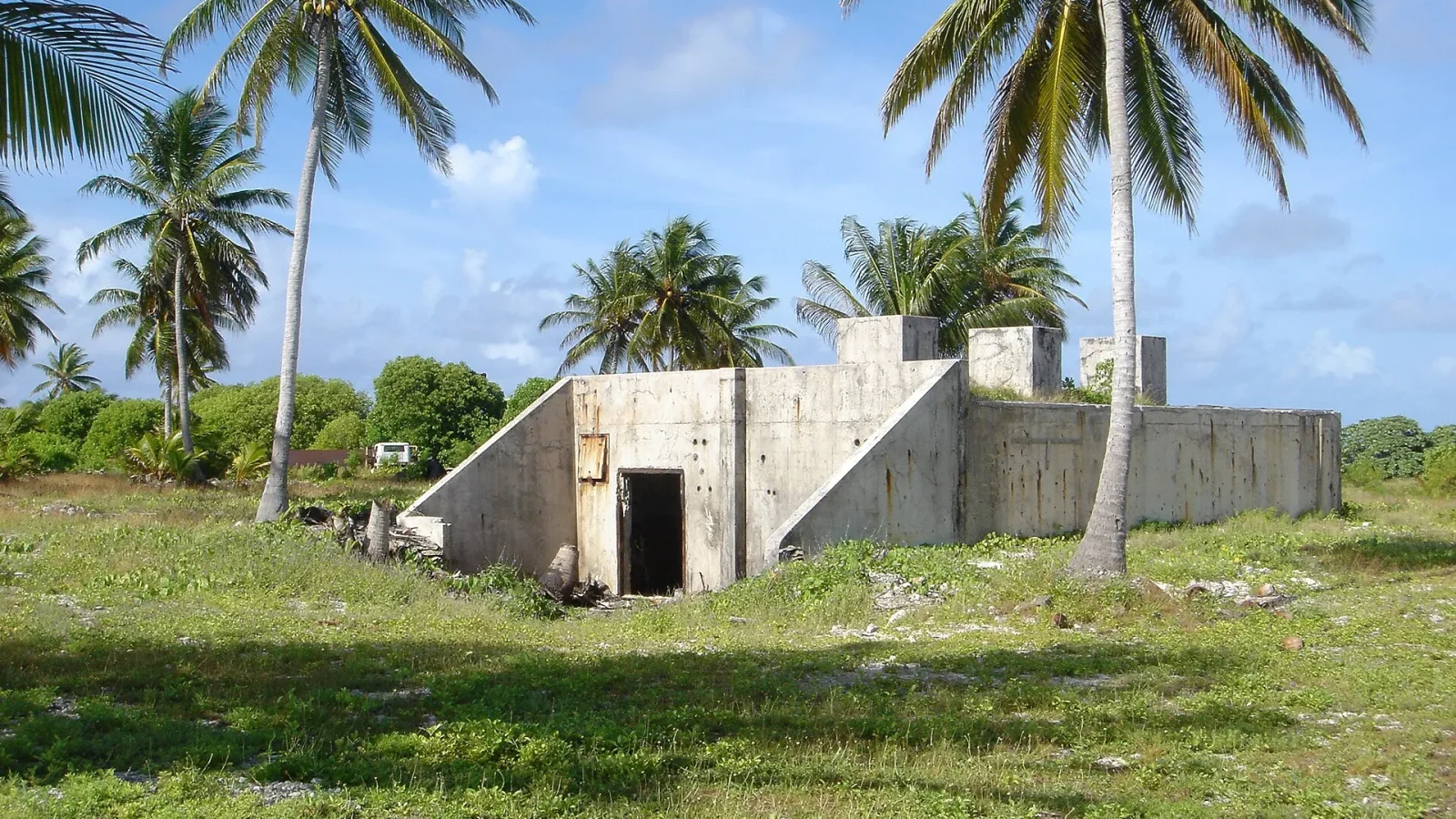
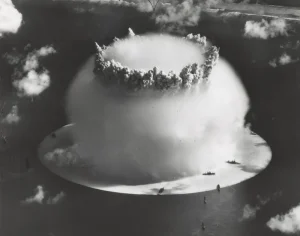
In March 1946 the United States moved the 167 people of Bikini Atoll to another reef so it could test nuclear weapons. Twenty-three devices were fired there by 1958, including the 15-megaton Castle Bravo. The people have not resettled, and the lagoon is now a World Heritage site and a wreck-diving destination for technical divers.

Places

Pointe du Hoc: The Cliff the Rangers Climbed on D-Day

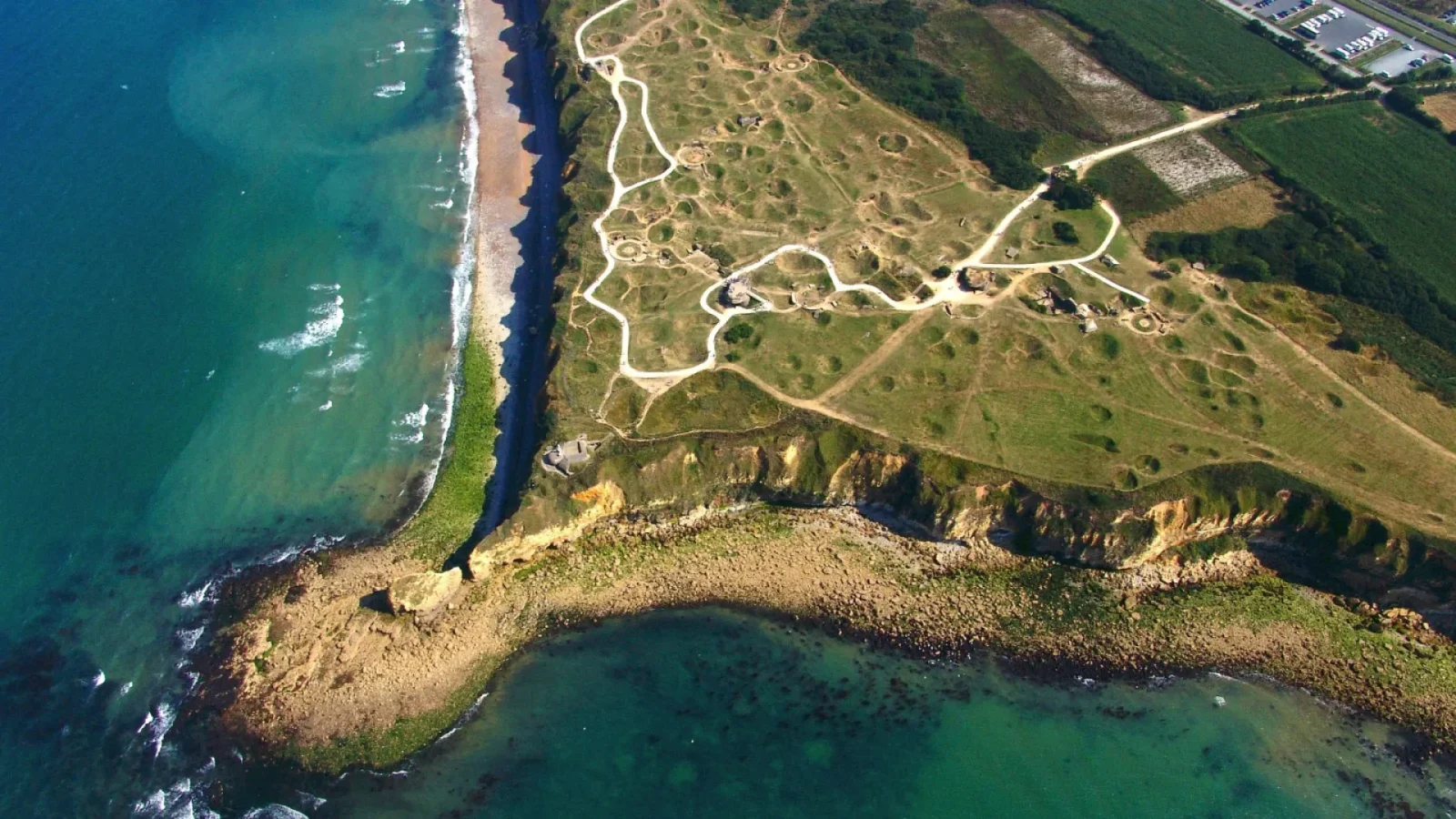
On the morning of 6 June 1944, 225 U.S. Rangers climbed a 30-metre cliff in Normandy under fire to capture a German gun battery. The guns were not in their casemates. Today the cratered headland is a memorial site, and a restoration project is under way to protect it from erosion.