Dozens of ships under a still lagoon
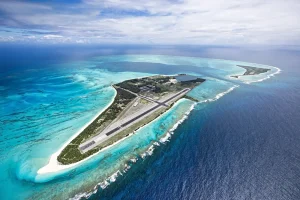
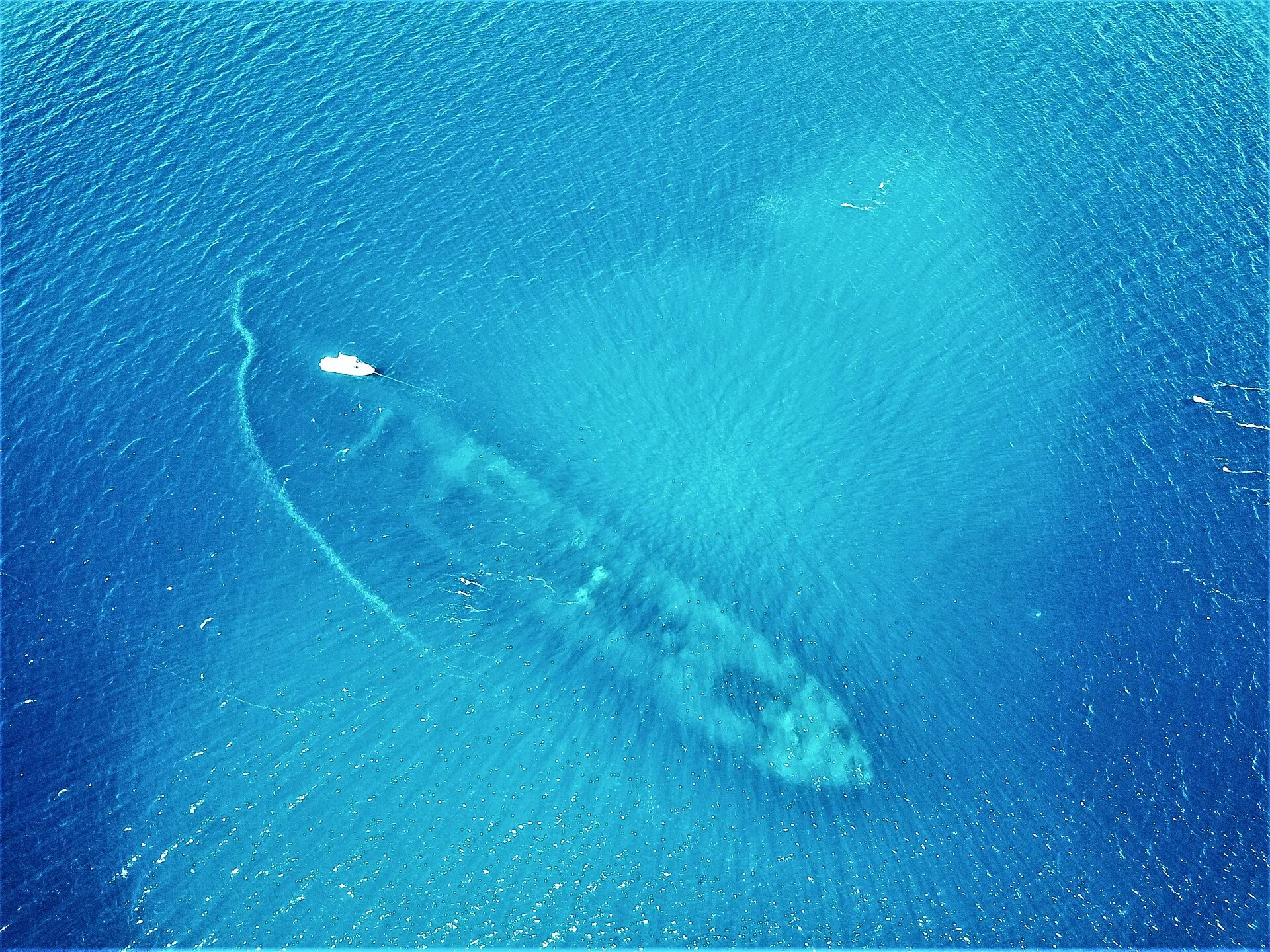
Float over the right patch of Chuuk Lagoon on a calm day and the water gives very little away. It is warm, clear and blue, with a few small islands on the horizon and the pale line of the reef breaking the swell in the distance. Then a diver drops through the blue and the outline of a ship appears below, encrusted with coral and lying exactly where it came to rest on a February morning in 1944.
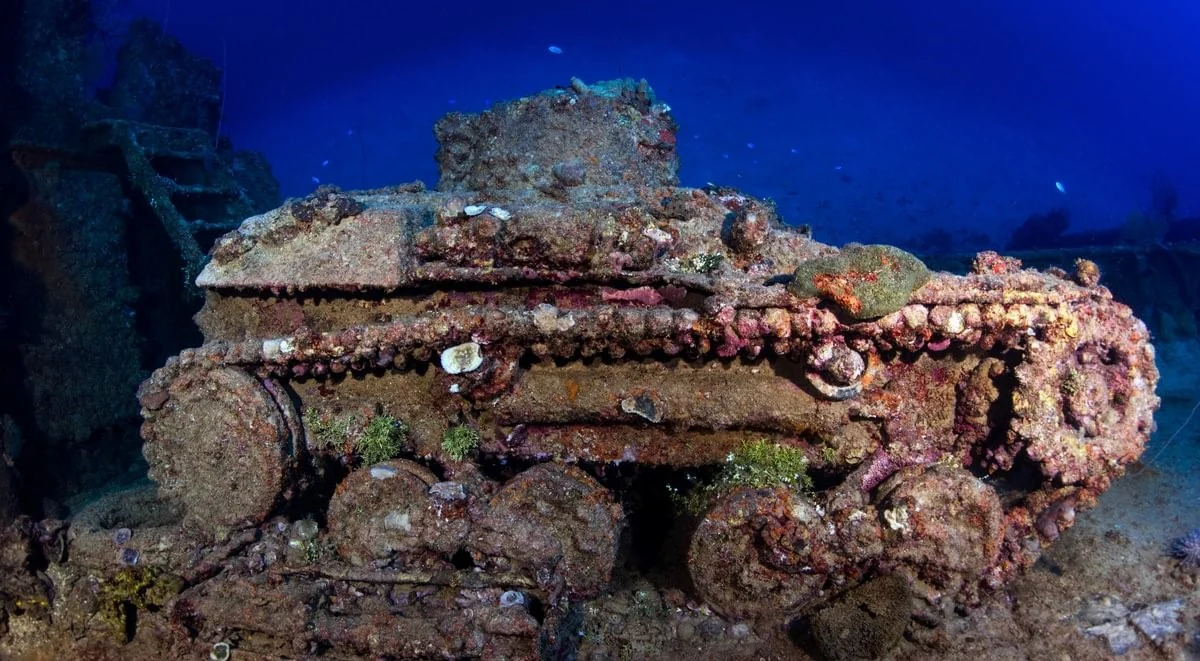
That is the odd quality of Truk. It is one of the few places in the world where the wreckage of a naval base sits more or less intact on the seabed, loaded with the cargo it was carrying when it sank. Tanks, trucks, torpedoes, gas masks and personal belongings are still in the holds. And the people who live on the islands above did not ask for any of it to be there.
For about thirty years after the war hardly anyone dived the wrecks. Then a Chuukese diver, a French film crew and a handful of curious explorers started identifying them one by one, and the lagoon became known worldwide. This is the story of how it came to be a graveyard of ships, what happened to the people who lived on its islands, and why the ghost fleet is now a problem as well as a monument.
A reef the size of a county
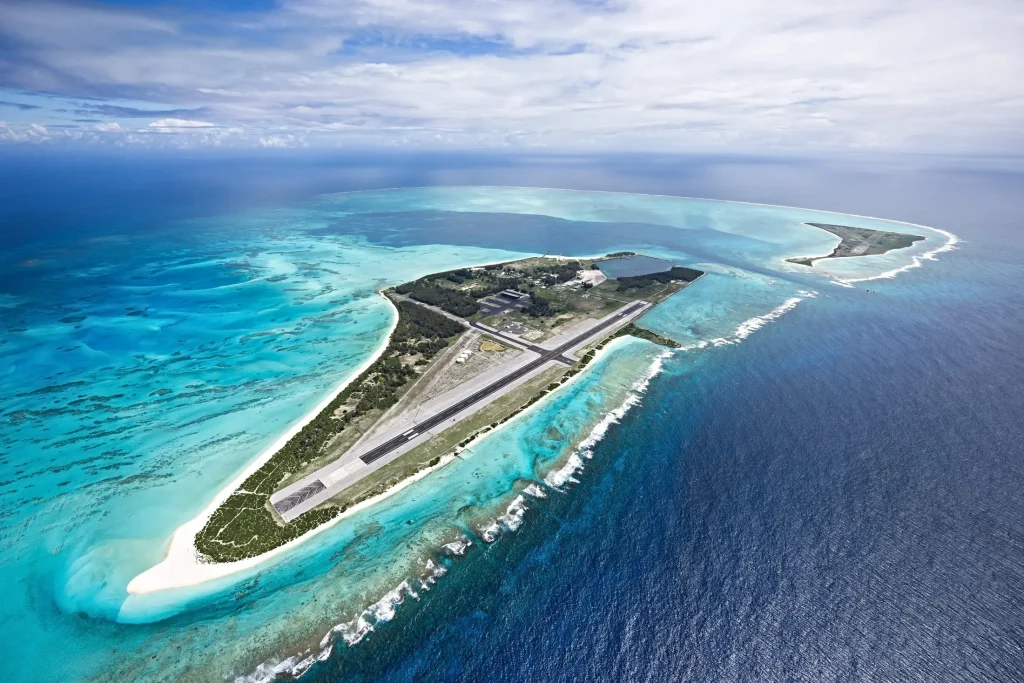
The lagoon is larger than most visitors expect. Its protective reef runs for about 225 km, enclosing roughly 2,130 square kilometres of water that measures about 79 km across by 50 km. Eleven main islands rise inside it, along with dozens of smaller ones, and more small islands sit on the reef itself. All together the dry land adds up to only about 93 square kilometres, and the highest point is 443 metres. The lagoon floor falls to about 300 feet (90 metres) at its deepest, which puts every wreck within reach of a diver with enough training.
At the 2010 census the islands held about 36,000 people, and the town of Weno, once called Moen, has around 13,700. People have lived here for a very long time. Settlement on Fefan and Weno goes back to the first or second century BC, and the population spread widely across the lagoon from about the fourteenth century AD.
Europeans arrived in the sixteenth century. The Spanish navigator Saavedra sighted the islands in 1528, and another Spanish expedition under Arellano visited on 15 January 1565. Spain claimed the Carolines in name only, and Germany bought the islands in 1899. Japan seized them in October 1914, early in the First World War, and kept them under a League of Nations mandate, the South Seas Mandate, until 1945. For about twenty years the islands had a civilian administration. In 1934 the military took over.
The name has changed too. “Truk” comes from a version of the local name recorded in the German period, and earlier European charts used names such as Hogoleu and Lugulus. Chuuk, the spelling closer to the local pronunciation, was officially readopted in the mid-1980s on most accounts and in 1990 on others. Both names are in use, and older books and many dive guides still say Truk.
The fortress that was never quite a fortress
Japan began turning Truk into a naval base in the 1930s. On 15 November 1939 the Fourth Fleet, under Admiral Katagiri Eikichi, set up its base here with the Chitose as flagship. When the Pacific War began, Truk became the forward anchorage for operations in the South Pacific, and in July 1942 it became the main base of the Combined Fleet.
Admiral Isoroku Yamamoto arrived in August 1942 and ran the fleet from the battleship Yamato while she lay in the lagoon. He was shot down and killed in April 1943, and his successor, Admiral Mineichi Koga, made the new battleship Musashi his flagship. For most of the next year the Combined Fleet’s heavy ships were based here, in a lagoon deep and wide enough to hold them.
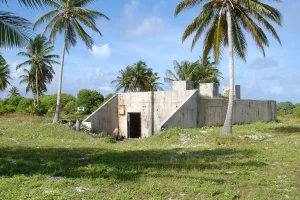
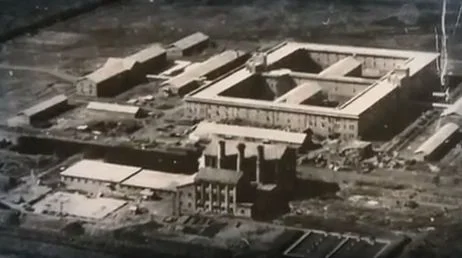
The shore establishment grew with the fleet. The Japanese built five airstrips, seaplane bases, a torpedo boat station, submarine repair shops and a communications centre, and put the administrative centre on the island of Tonoas, which they called Dublon. Counts of the garrison vary. One gives 27,856 navy personnel and 16,737 army troops, about 44,600 in all. Another counts more than 15,000 troops ashore after the raids, once the ships and many of the men had gone.
Americans came to call Truk the “Gibraltar of the Pacific”, and the name stuck, but it overstates the case. Japan had relied mainly on its warships and aircraft to defend the lagoon, not on fixed defences, and serious fortification only began in the second half of 1943. The defences eventually included more than eighty 25 mm and 12 cm guns, and later nets, mines and rocket launchers. The radar could not pick up low-flying aircraft. It was a very busy harbour, and a very valuable one, but it was not an impregnable one.
The fleet that slipped away
The war moved on in 1943 and early 1944. American forces advanced through the Marshall Islands, and Truk began to look exposed. The heavy ships left before the Americans came. Admiral Koga took the Musashi out by 10 February 1944, bound for Palau and the home islands, and other heavy units went with the fleet’s main body.
They left behind a harbour full of merchant ships, tankers, small warships and supply vessels, along with a large air garrison whose crews, on the key morning, were partly on shore leave.
The operation was code-named Hailstone. It was led by Admiral Raymond Spruance, with Vice Admiral Marc Mitscher commanding Task Force 58, the fast carrier force. Five fleet carriers and four light carriers took part, carrying more than 500 aircraft.
The morning of 17 February
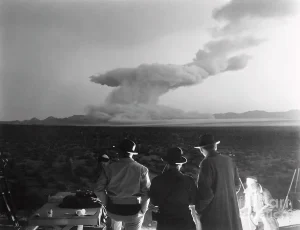
The main strike came about ninety minutes before daybreak on 17 February 1944. The Japanese had no air patrol up, because the air flotillas had been given shore leave, and the radar could not detect low flyers. The Zeros that got into the air were beaten by the Hellcats, and in the first hours most Japanese fighter resistance was broken.
Dive bombers and torpedo planes followed, hitting runways, hangars and fuel stores and then the ships in the lagoon. The ammunition ship Aikoku Maru was hit and exploded. By one account she had 945 people aboard. About 17,000 tons of fuel were destroyed across the anchorage.
The strikes continued through the day and into the next. The sailors and airmen who were killed in them were of a navy a long way from home, and many of them are still aboard the ships in which they died.
Surface action and a night torpedo
Spruance took command of a surface group, Task Group 50.9, built around the battleships New Jersey and Iowa and the cruisers Minneapolis and New Orleans. Its job was to catch ships trying to leave the lagoon. It sank the destroyer Maikaze, the auxiliary Shonan Maru and the light cruiser Katori, and a second destroyer, the Nowaki, escaped. It was the only occasion in the war on which the Iowa and New Jersey fired their main guns at ships.
That night a single Japanese twin-engine bomber, a Rikko (G4M), found the carrier Intrepid and put a torpedo into her. Eleven men were killed. The Intrepid returned to the United States for repairs and was back in action in August 1944. It was almost the only serious damage the Americans suffered on a raid that cost them about 25 aircraft and about 40 lives, 29 of them aircrew and 11 the sailors killed on the Intrepid.
What the raid cost
The numbers differ, as they do for almost every raid on this scale, but the outline is clear. In one detailed count, twelve warships were sunk, including two light cruisers and four destroyers, along with 32 merchant ships. Other sources say “more than 45” ships, “over 50” or “about 60”, depending on what is counted. Japanese aircraft losses are given as about 250 to 275, and as high as 300 in some sources, most of them destroyed on the ground.
Japanese deaths are harder to pin down. One source gives 4,500 or more and another about 7,000, and a Japanese official history, in one place, puts army deaths from a single convoy at about 700. Records on the Japanese side were incomplete. About 600 more were casualties ashore.
In Tokyo the effects reached the top of the command. Vice Admiral Kobayashi, the Fourth Fleet’s commander, was relieved on 19 February. Two days later the Army and Navy chiefs of staff, Sugiyama and Nagano, were dismissed, and Prime Minister Tojo took more of the high command into his own hands. By the end of April Truk had been removed from the Absolute National Defense Zone, the inner perimeter Japan had decided it must hold. Some accounts also link the loss of fuel and shipping at Truk to the fuel shortages that constrained the Japanese fleet at the Battle of Leyte Gulf later that year.
Bypassed and starved
Truk was never invaded. Instead it was bombed, neutralised and bypassed. Heavy bombers flew about 3,700 sorties over the lagoon between March and September 1944, and Task Force 58 came back on 29 and 30 April for a second raid. On 4 April the Japanese submarine I-169 sank in a diving accident inside the lagoon. Divers heard tapping from inside the hull, and a rescue attempt failed. A British naval force attacked the islands again in June 1945, in Operation Inmate.
The garrison, meanwhile, was running out of food. Rations were cut to 30 per cent of the normal level by December 1944, and by March 1945 the troops were living largely on sweet potatoes. They took what the islanders had.
The garrison surrendered aboard the cruiser USS Portland on 2 September 1945, and the men were sent back to Japan in November and December.
The people who lived in the target
The Chuukese were not part of this war by choice. Under the Japanese they were put to work on military construction, and in the last years of the war they went hungry. Kimiuo Aisek, born on Dublon in 1927, was seventeen when the carriers came. He later described the Japanese occupation in the early years as relatively tolerable. The raid changed that. He watched it from a cave, and he remembered it beginning before dawn and lasting two days.
The bombs came down like heavy rain.
Kimiuo Aisek, 1996, recalling the February 1944 raid
What came next was starvation. Food was confiscated, labour was compulsory, and the islands, which had never had much to spare, were stripped. Aisek’s son Gradvin put the larger point simply in a later interview: “No one had ever heard of us before the war.” For the Chuukese, the war was something that arrived from outside and left them to live with the consequences, from the hunger of 1944 and 1945 to the wrecks and fuel that are still in the water.
Finding the fleet
The wrecks lay almost undisturbed for about thirty years. The turn came in the 1960s, when the fisheries department ran a programme to control crown-of-thorns starfish on the reefs and trained local men to dive. Kimiuo Aisek learned to dive on that programme, and in the course of that work he found the Yamagiri Maru, the first of the wrecks to be rediscovered by a local.
In 1969 a French expedition led by Philippe Cousteau spent weeks in the lagoon, working from a local boat, Sequo’s Hopeful, and the resulting film, Lagoon of Lost Ships, was shown on American television on 14 May 1971. It was the first time many viewers had seen what lay below Truk, and it recorded the remains of hundreds of soldiers on the Aikoku Maru. Some of the depths and drama in the film were edited for effect, so later divers treat the figures it gives with caution.
Other explorers followed. An American diver, Sam Redford, began searching in 1972 with declassified American records, and found the San Francisco Maru, the Aikoku Maru and the Amagisan Maru. The underwater filmmaker Al Giddings pers귭 Aisek to open a dive shop, the Blue Lagoon, around 1973. By the end of the 1970s about thirty wrecks were known. In the mid-1980s Aisek and the German diver Klaus Lindemann searched the lagoon together and found sixteen more. The destroyer Fumitsuki, the last major wreck to turn up, was found in 1987. In 1976 the Truk Lagoon Underwater Fleet had already been added to the United States National Register of Historic Places.
Many wrecks hold human remains, and Japan has returned some of them to families in Japan. On 17 February 1994, fifty years to the day after the raid, the diver Larry McLean placed memorial monuments on the Aikoku Maru and the Fujikawa Maru. Kimiuo Aisek died on 4 January 2001, aged 73, and was buried on Tonoas.
A museum of many rooms
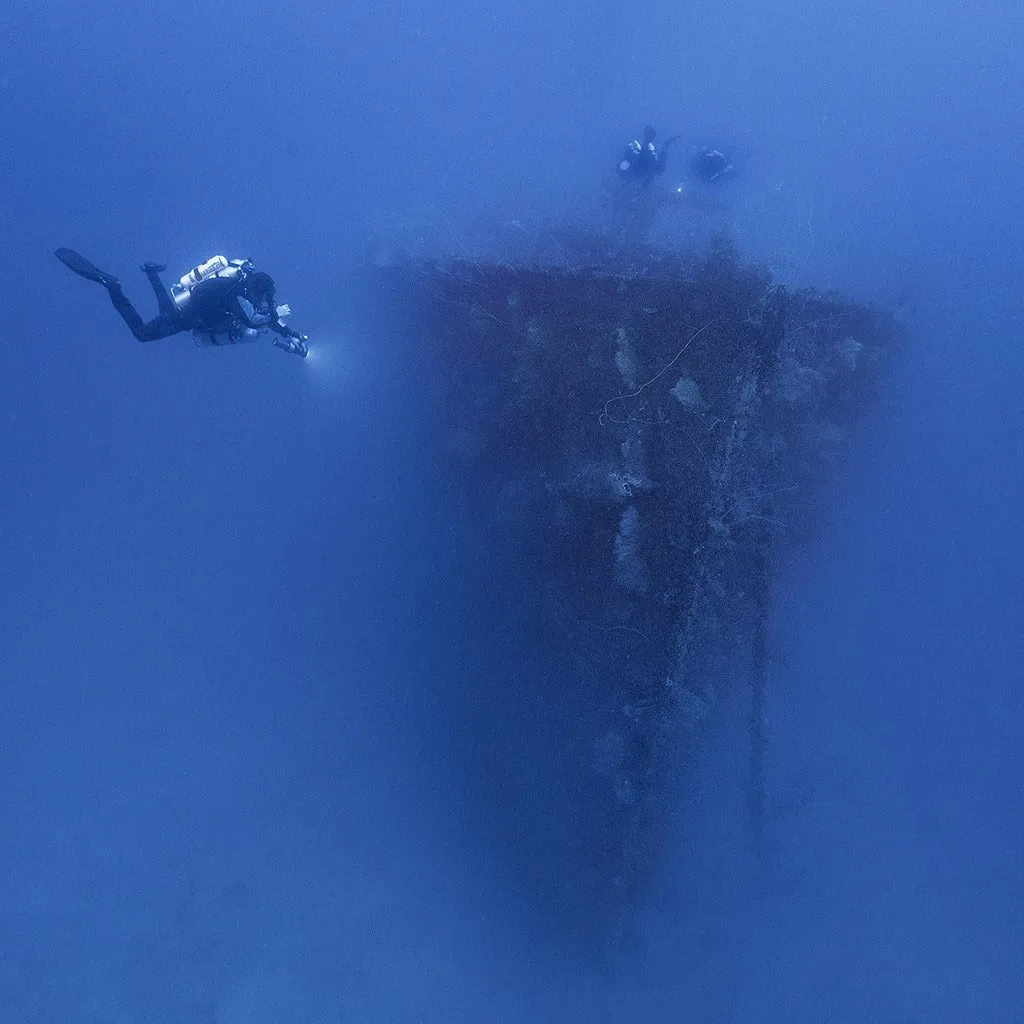
Truk’s wrecks differ from most wreck sites in one important way: many of them are within reach of ordinary divers. Visibility is typically 50 to 100 feet or more, the water stays in the low 80s Fahrenheit, and a number of the best-known ships lie in water from about 30 to 40 metres deep. About 44 ships and several aircraft have been located and can be dived.
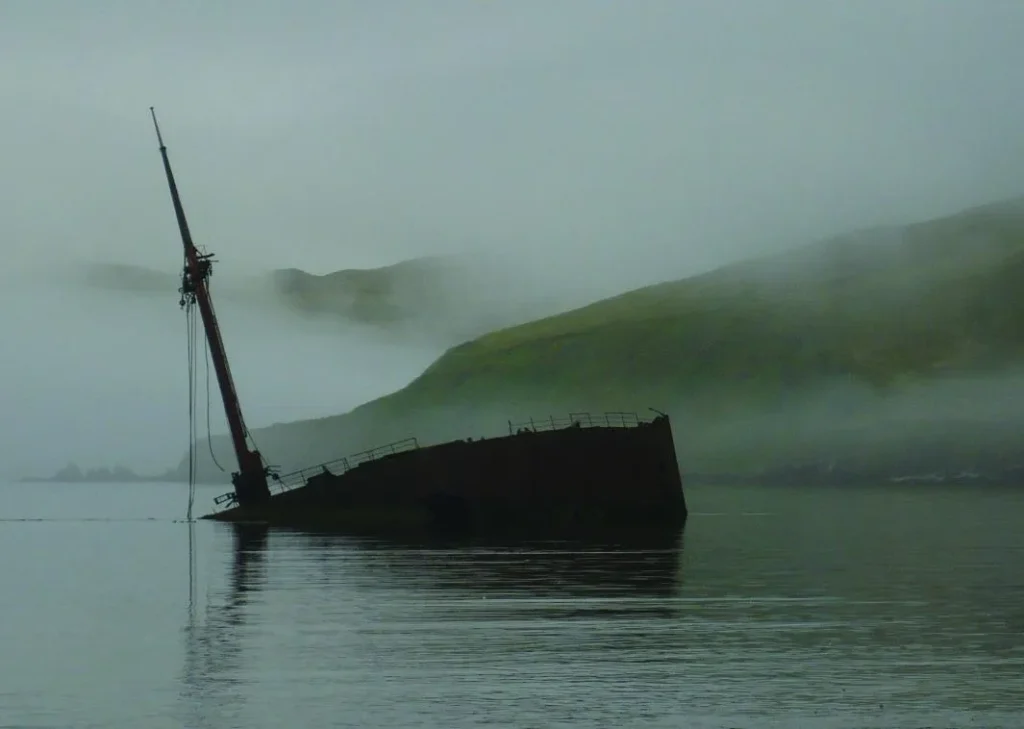
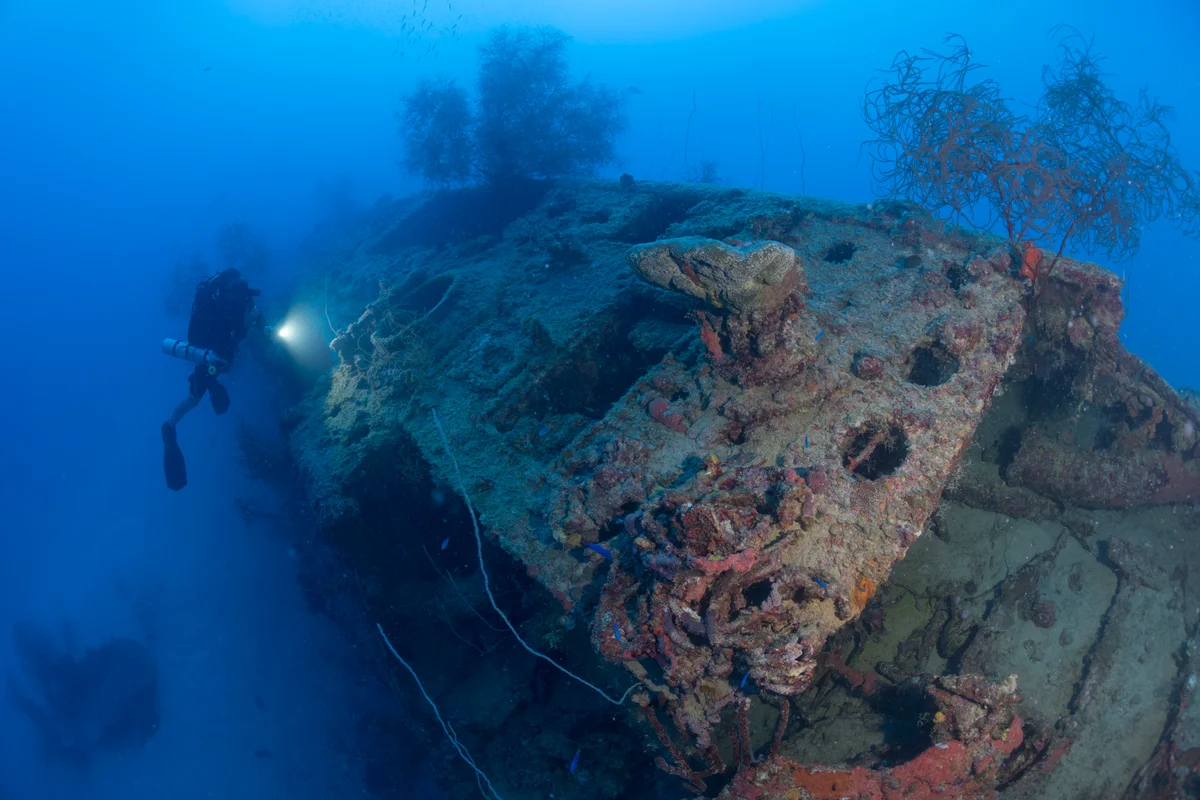
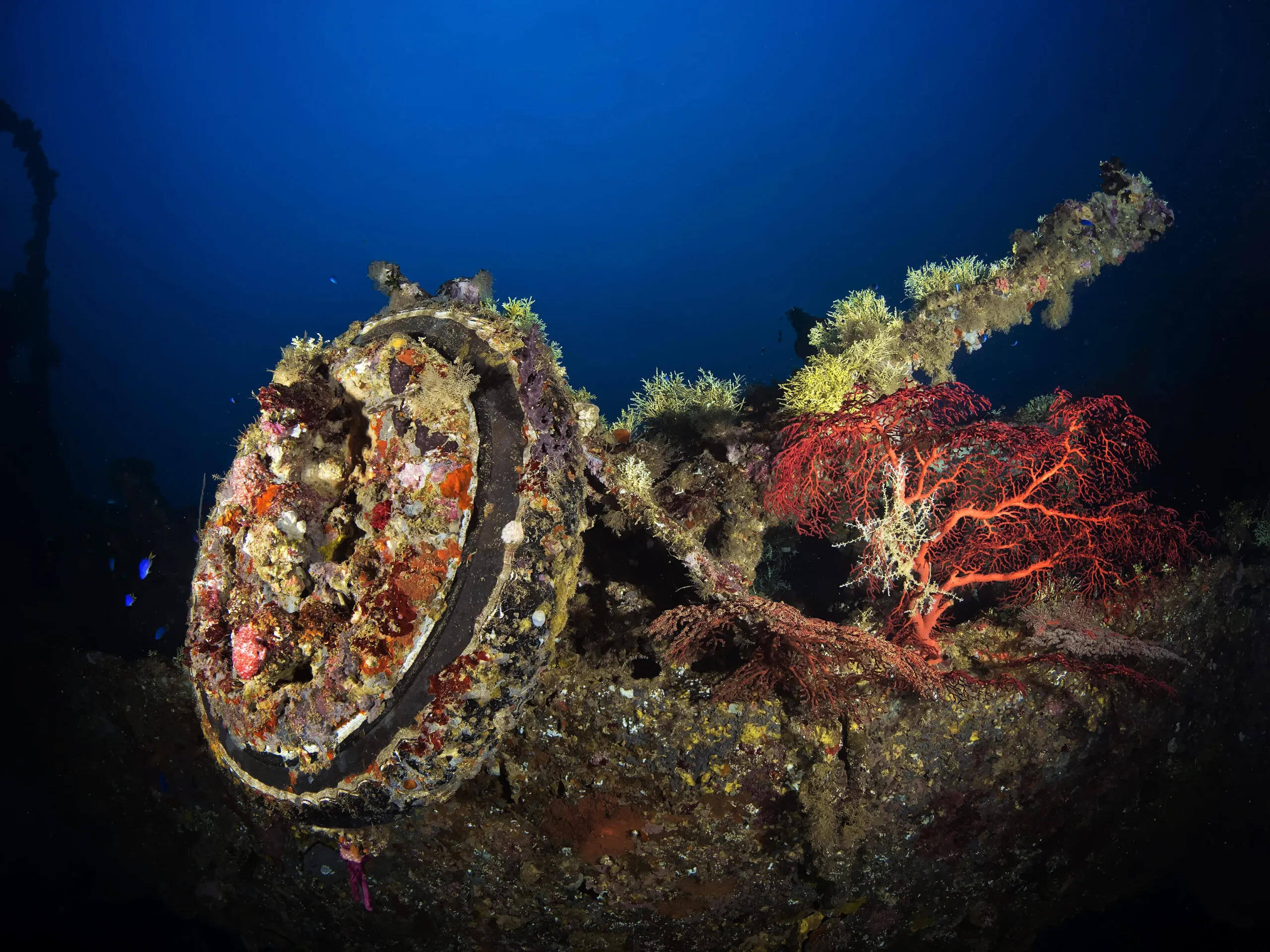
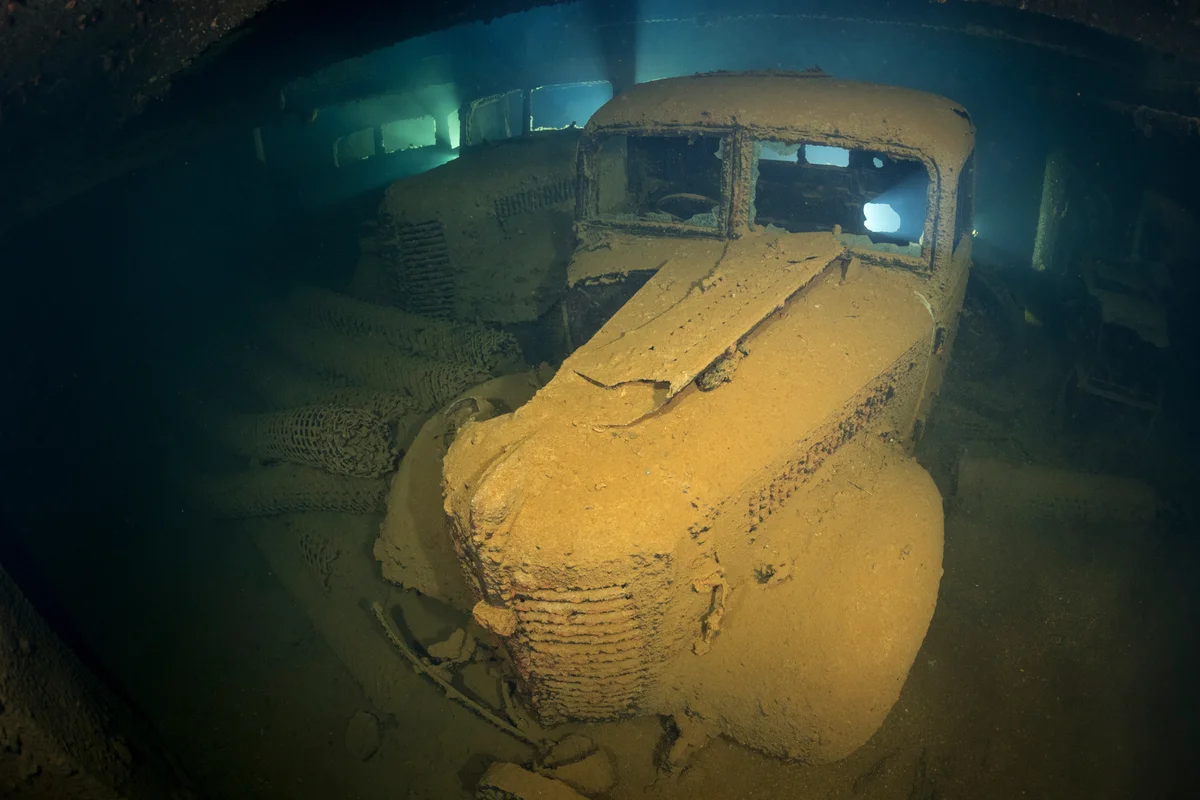
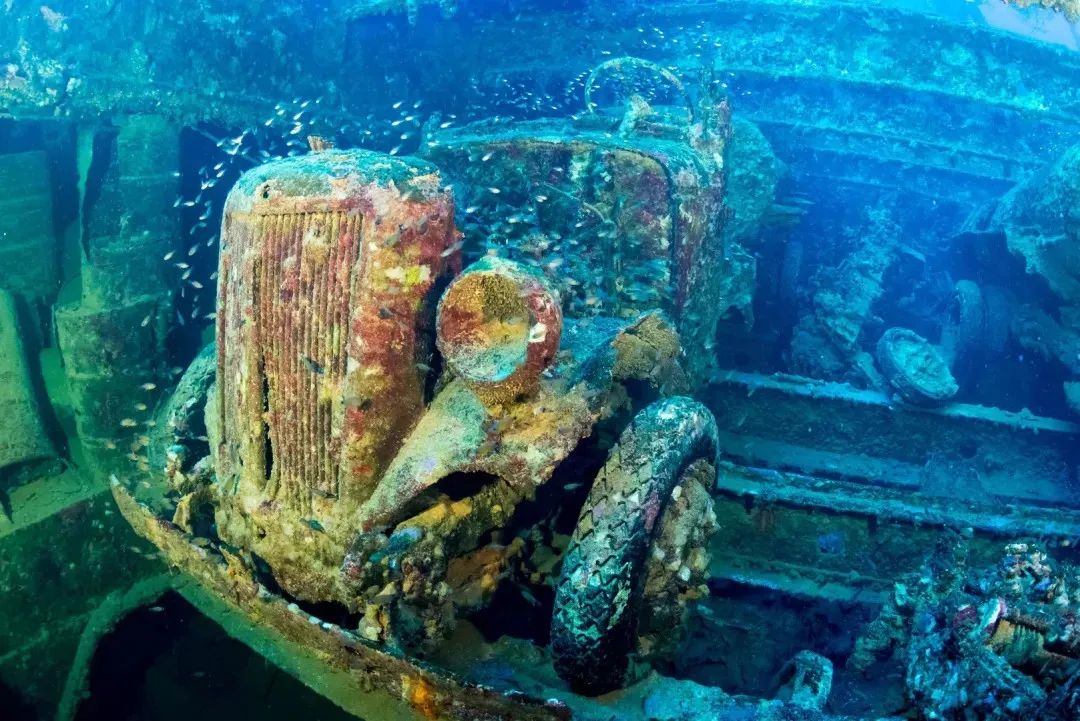
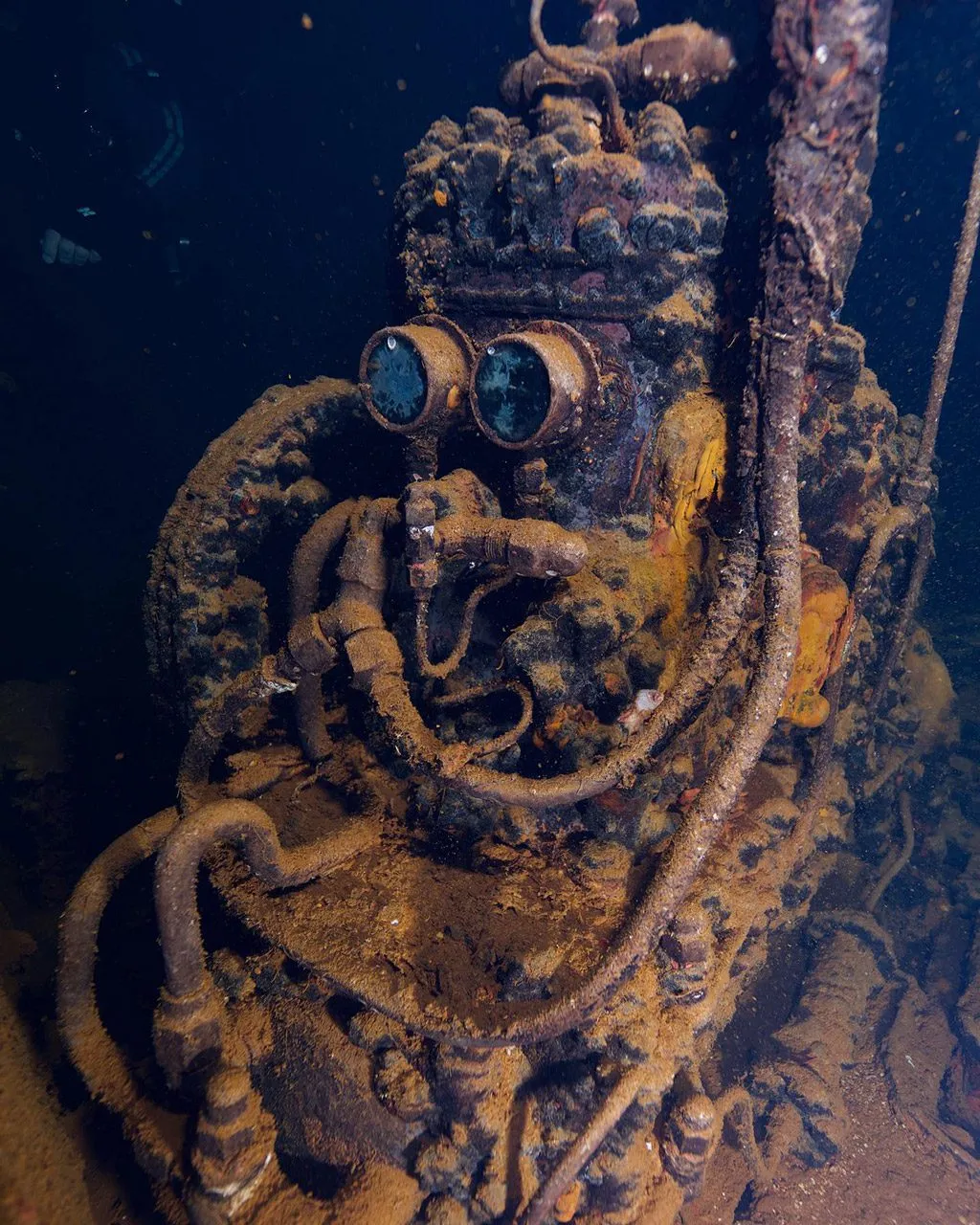
The Fujikawa Maru, a freighter about 437 feet long, lies between roughly 12 and 35 metres down by the depths given in one guide, with Zero fighters still in the hold. The tanker Shinkoku Maru, a ship of about 10,020 tons lying at about 40 metres, has an intact engine room and infirmary, with an operating table and human bones still there. The Heian Maru carries long-lance torpedoes in its lower hold. On the Yamagiri Maru, which lies between about 30 and 120 feet, 14-inch shells are stowed in the fifth hold, and a skull is fused to a bulkhead. The Kiyosumi Maru, some 450 feet long, lies on her port side at about 30 metres with a torpedo hole in her hull. The Nippo Maru has an anti-aircraft gun and tanks, and the Hoki Maru has bulldozers and trucks. The Rio de Janeiro Maru is shallow, and the Fujisan Maru lies between about 115 and 200 feet. The San Francisco Maru, known as the Ghost Ship, lies at 50 to 64 metres with tanks and depth charges aboard, which puts her in the realm of technical divers, as does the Aikoku Maru, at more than 50 metres.
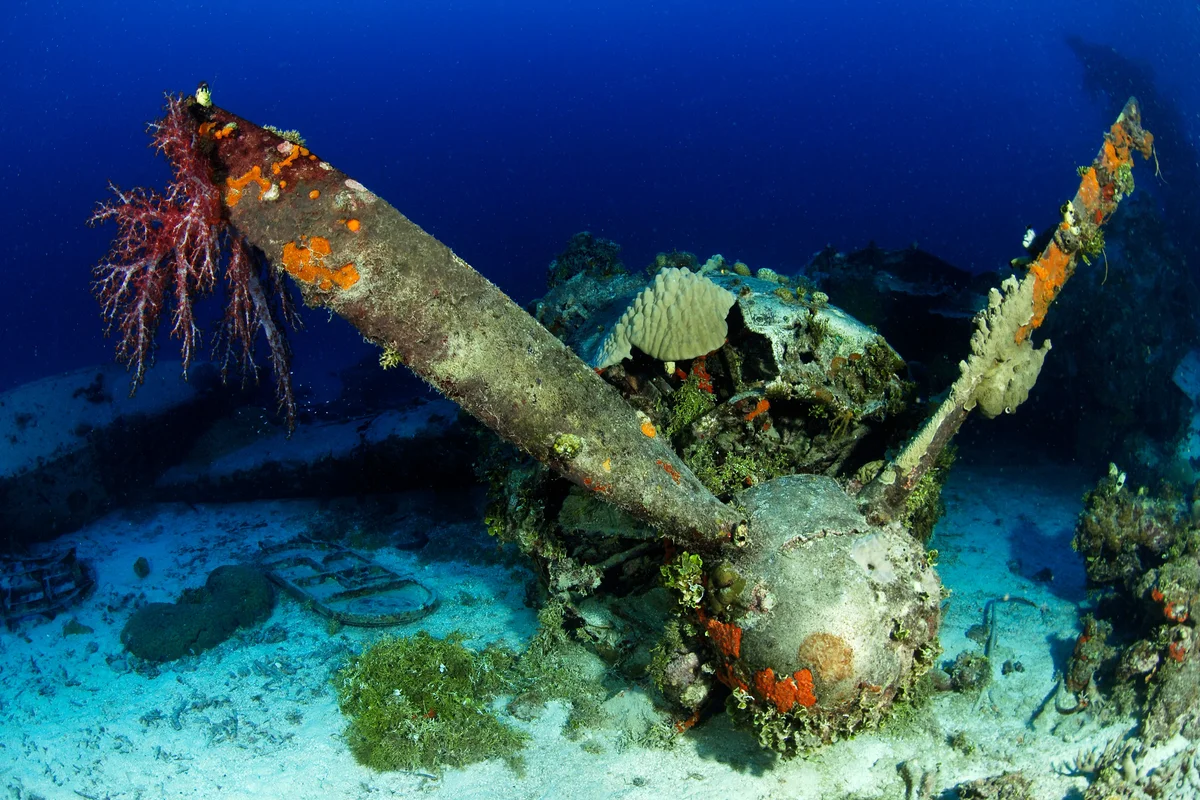
The destroyer Fumitsuki lies at about 125 feet. The submarine I-169 lies at around 150 feet and is described by one author as the only Japanese fleet submarine that can be dived. Aircraft lie in the lagoon too, including Zeros, an H8K2 flying boat of the type the Allies called Emily, and Judy and Jill carrier aircraft.
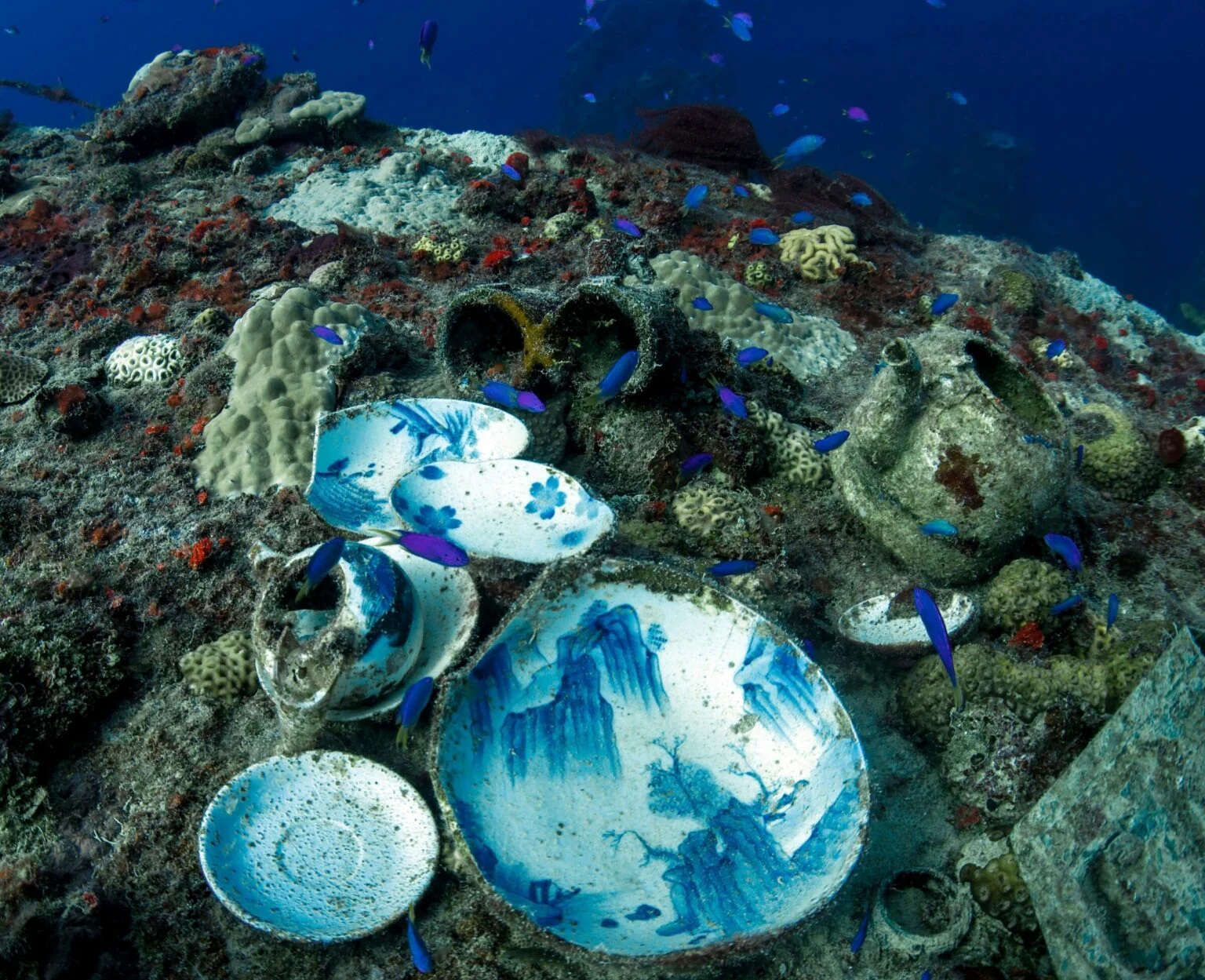
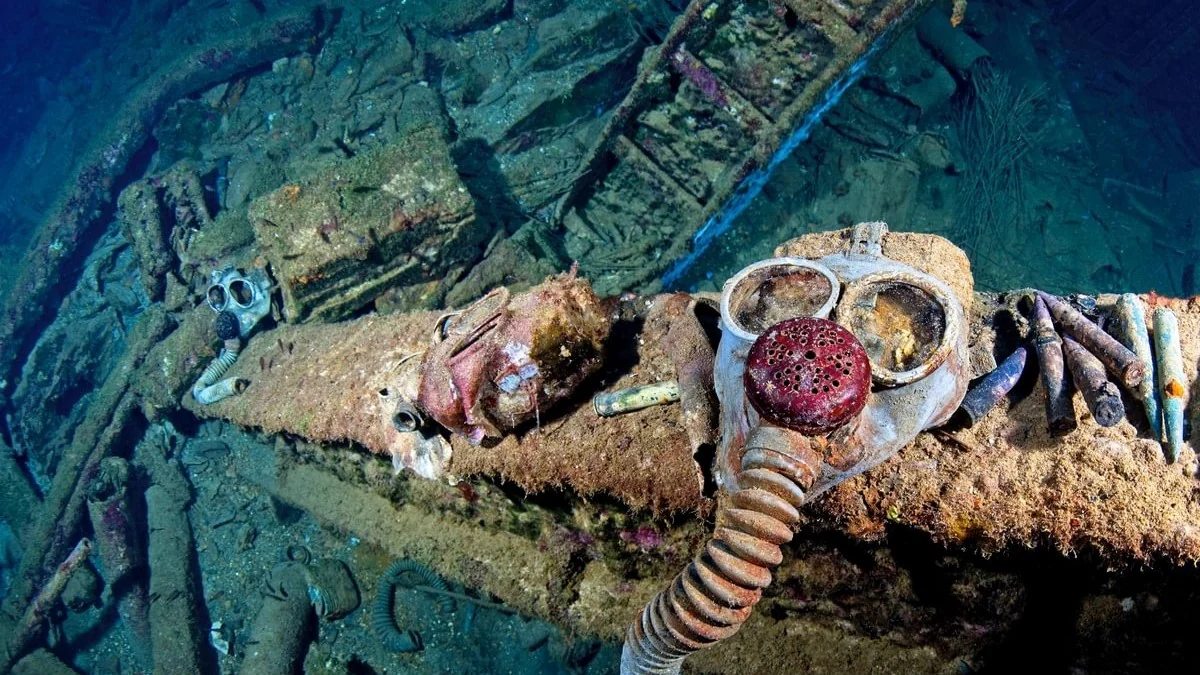
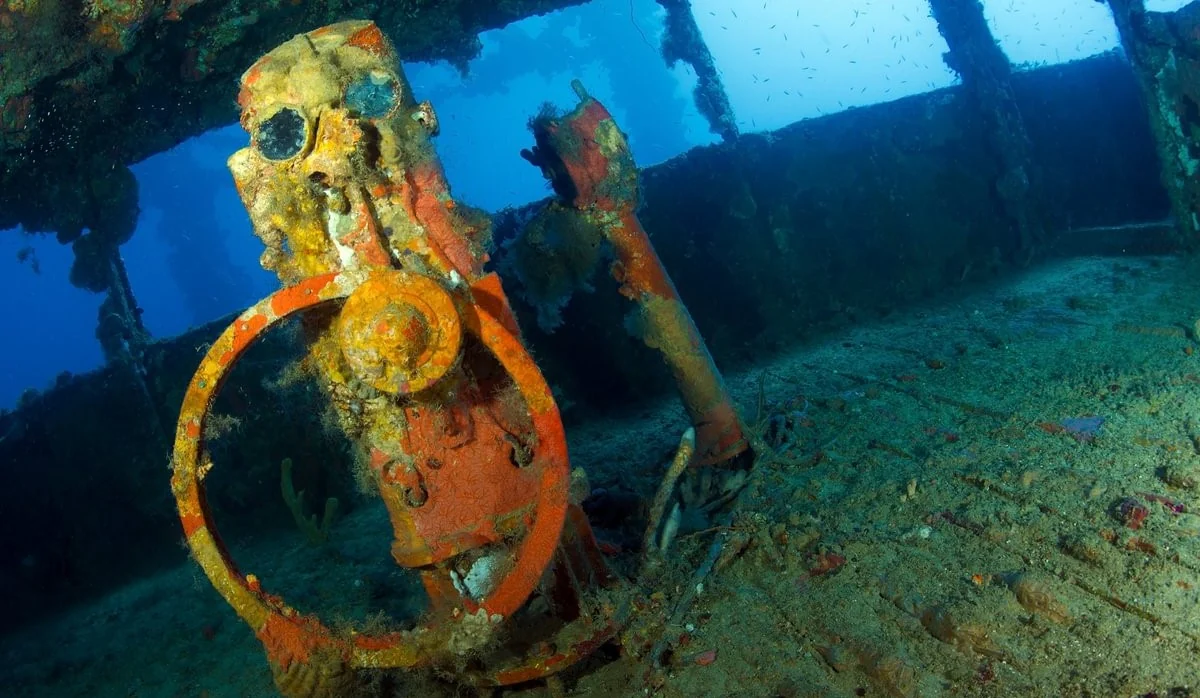
Across the lagoon the cargoes read like an inventory of the Japanese garrison: tanks, railway cars, motorcycles, torpedoes, mines, bombs and gas masks, along with the personal items of the crews. Time has turned the hulls into reefs, though the lagoon has fewer large fish than it should, a lack some attribute in part to wartime dynamite fishing.
None of this is gentle. The wrecks are war graves. Silt fills the engine rooms, bulkheads have collapsed, caustic fuels leak, and old munitions are decaying. Deep wrecks call for extended-range training. Chuuk law protects everything on the ships, and removing artefacts or remains can bring fines and jail.
The oil clock
The wrecks have another problem, and it gets worse every year: they still hold fuel. The ships went down in 1944 with oil in their tanks, and decades of salt water are eating through the steel. In 2007 oil from the Hoyo Maru, a tanker of 8,691 tons, washed ashore on one of the islands in layers up to 7 cm deep. A 2011 report by Australia’s ABC compared the potential for a spill to the Exxon Valdez disaster.
Japan has taken the lead on the response. The Japan Mine Action Service, funded by Japan’s Ministry of Foreign Affairs, has been pumping oil out of the wrecks since 2017. About 60,000 litres had been recovered by 2024, including 21,214 litres since June 2024 alone. Fifteen ships have been named as priority targets. The Kiyosumi Maru by herself may hold more than 60,000 litres. On 27 August 2024 the United States and Japan issued a joint statement on the effort, and Australia’s Major Projects Foundation, led by Dr Matt Carter and working with the Secretariat of the Pacific Regional Environment Programme, has surveyed wrecks with Australian government funding. About twenty of the foundation’s sixty high-priority wrecks are in Chuuk.
Nobody knows exactly how much oil remains. The worst-case estimates run to more than 100 million litres, and the real figure depends on which ships still hold fuel. The problem is global: a 2023 assessment by the IUCN counted more than 8,500 potentially polluting wrecks worldwide, holding about 22.7 billion litres, with some 3,800 of them in the Pacific.
For Chuuk the stakes are local. Fish are a main source of food and income, and about half of any spilled oil would sink to the seabed and coat the coral. Peter Aten of the Chuuk Historic Preservation Office has said the people of Chuuk “did not ask for these ships to be sunk here.” Bradford Mori of the Chuuk Environmental Agency has described a spill as a threat to the health and well-being of every community in the state.
Where the accounts differ
For all the attention Truk gets, it is a place of loose numbers. The raid appears with 40, 45, 50 or 60 ships sunk, depending on whether auxiliaries and small craft are counted. The Japanese death toll is 4,500 in one source and about 7,000 in another. The garrison is about 44,600 or somewhere over 15,000, depending on the date. Wreck counts run from 44 diveable ships to more than 50. Depths vary from guide to guide, because a ship lying on its side covers a range, and old film exaggerated them. The lagoon’s area is 2,130 square kilometres in one source and 500 square miles in another, which is smaller, and the year the name Chuuk returned depends on the account.
The sensible way to read all of this is to trust the outline and treat each figure as an estimate.
Visiting
Chuuk is a real destination but not an easy one. Chuuk International Airport is on Weno and is served by United Airlines. In September 2018 an Air Niugini jet landed short of the runway, and one of the 47 people aboard died, a reminder that services here are small and can be unpredictable. Most visitors come to dive, and dive operators on Weno run the boats.
The standard wrecks suit recreational divers, but the deeper ones need extended-range training and equipment. Ordnance is still aboard many ships. Never touch it, and never take anything, however small. Treat the ships as the graves they are: keep away from any remains, mind the silt, and do not enter a wreck without the right training.
Beyond the diving, the people of Chuuk are the best guides to what the lagoon means to them. Check the current entry rules, flights and boat services before travelling.
Conclusion
Truk was supposed to be a fortress and ended as a graveyard. The Japanese navy built its main forward base inside a ring of coral, filled it with ships, and then withdrew the best of them days before the carriers arrived. What remained was a harbour of cargo ships and aircraft that the Americans destroyed in two days, at very little cost to themselves.
What stays with us is how little of that story belonged to the people who lived there. The Chuukese were put to work, bombed and starved by a war that came from outside, and they kept the lagoon afterwards, with the wrecks and the oil. A local man found the ships, divers came, and the lagoon became a place of pilgrimage. Now the same hulls that made Chuuk famous are rusting through. Whether the next chapter is a clean-up or a spill depends on how quickly the fuel is taken out, and on whether the countries whose war this was still feel responsible for it.
Did you know?
- Chuuk Lagoon is about 79 km across and enclosed by a reef some 225 km around.
- Japan's Fourth Fleet set up its base at Truk on 15 November 1939.
- Admiral Yamamoto ran the Combined Fleet from the battleship Yamato while she lay at Truk.
- The Combined Fleet's flagship Musashi left Truk by 10 February 1944, a week before the American raid.
- During the raid the Iowa and New Jersey fired their main guns at ships for the only time in the war.
- The wrecks were left almost untouched for about thirty years after the war.
- Kimiuo Aisek, born on Dublon in 1927, found the Yamagiri Maru and helped open Truk's first dive shop.
- Jacques Cousteau's film Lagoon of Lost Ships aired in the United States on 14 May 1971.
- Divers memorialised the dead on the Aikoku Maru and Fujikawa Maru on 17 February 1994, fifty years after the raid.
- Japanese-funded teams have pumped about 60,000 litres of oil out of the wrecks since 2017.