
A disaster with a sea behind it
Dunkirk has been told so often as a story of triumph that it is easy to forget it began as a catastrophe. When Germany invaded Belgium, the Netherlands and France on 10 May 1940, the Allied plan assumed that the British and French armies would meet the enemy in Belgium and hold. Instead the German armoured spearhead went through the Ardennes, reached the Channel coast and cut the Allied armies in two. The British Expeditionary Force, the BEF, was in the north, with the French First Army and what remained of the Belgian forces, and the way south was closed.
Churchill called it a colossal military disaster, and we think it is worth starting there, because the legend, which is not untrue, has a way of drowning out the fact. The men who came off the beaches had lost a battle. They had also lost nearly everything they carried into it. The achievement of Operation Dynamo was not to avoid defeat. It was to save the people from it.
The road to the sea
The timeline is short and brutal. On 17 May, Churchill learned in Paris that the French had no strategic reserves. On 19 May, General Lord Gort, the BEF commander, met the French general Billotte and learned that there were no French troops between the Germans and the sea. He began to consider a withdrawal through Dunkirk, the last port still open. The next day, 20 May, the Admiralty began arranging small vessels and Vice Admiral Bertram Ramsay began planning from Dover.
The days that followed were a string of failures and half-answers. A counter-attack at Arras on 21 May failed. On 22 May, Churchill pressed for an attack to the south, the plan associated with the French general Weygand, which turned out to be impossible. On 24 May, Boulogne fell. On 25 May, Gort withdrew behind the Lys Canal on his own initiative. And on 26 May, Calais surrendered.
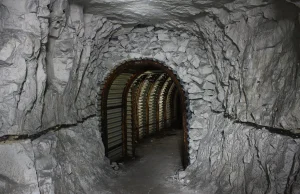
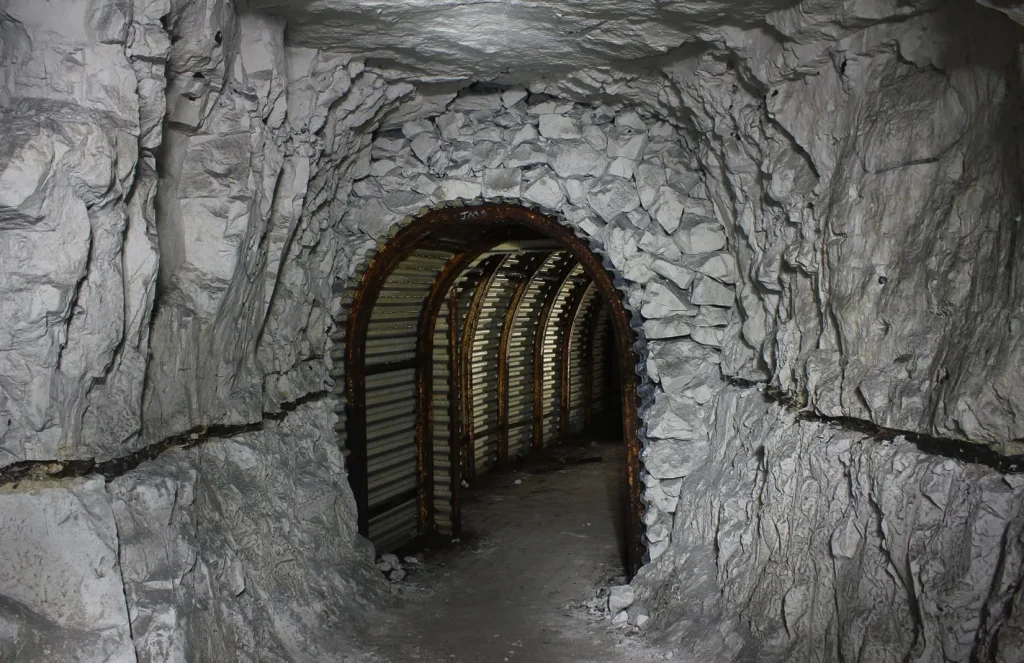
That same evening, just before 7 p.m., Churchill ordered Operation Dynamo to begin. It had been planned for a week in the underground headquarters at Dover that we describe in our post on the Dover Castle tunnels. The original aim was modest by the standards of what followed: to bring off about 45,000 men in two days, after which the Germans were expected to close the pocket. Some 28,000 men are said to have left already while the operation was still being organised.
The halt order
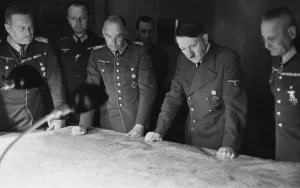
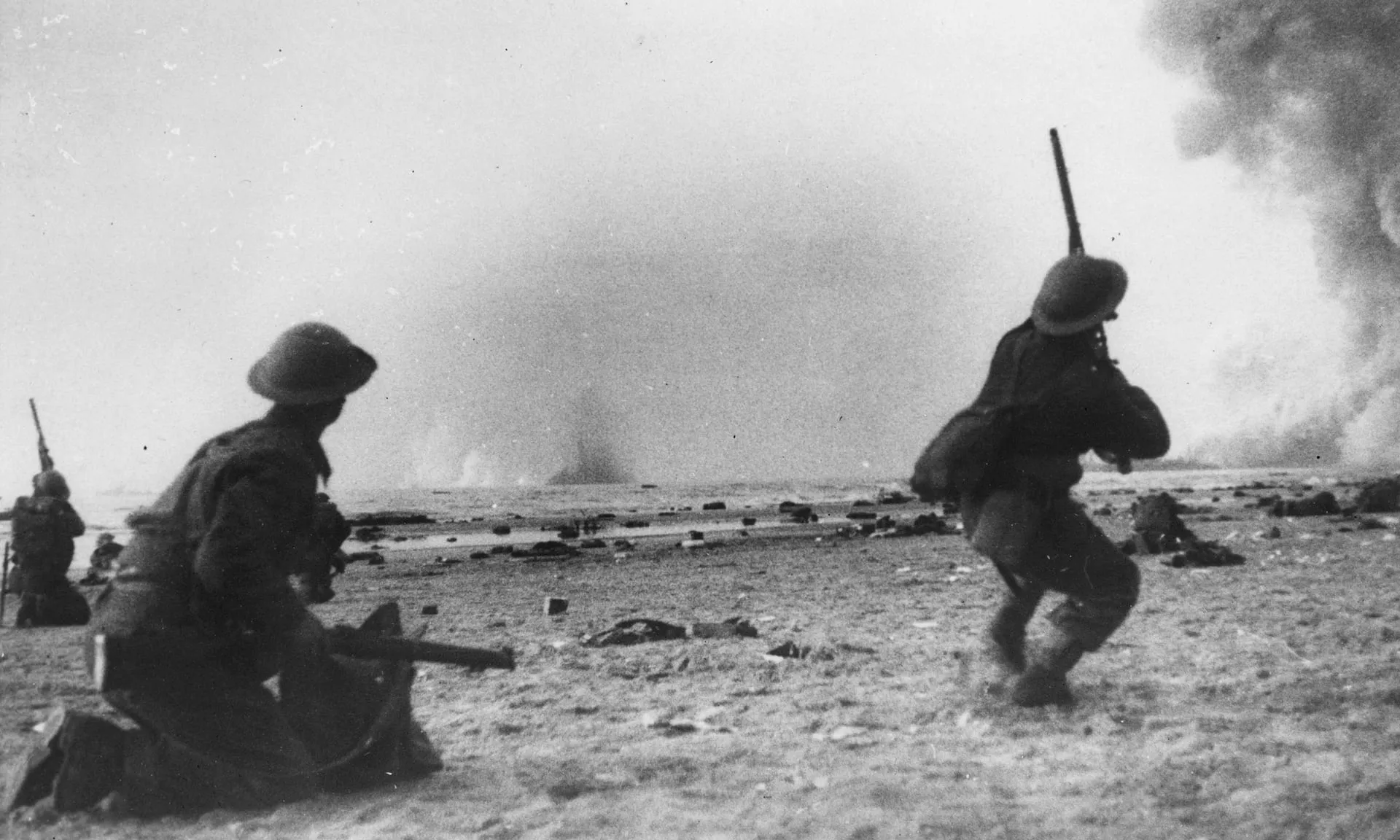
One of the most argued-over episodes of the campaign is the German order to stop. German armour had reached the Aa Canal, about 12 miles from Dunkirk, on 24 May. A halt was imposed, and it remained in force for roughly two days. Who gave the order, and exactly when, is disputed. One version has General von Kleist ordering a pause on 23 May, with Field Marshal von Rundstedt reinforcing it; another has Rundstedt issuing it and Hitler confirming it during a visit to Army Group A on 24 May. General Halder, the army chief of staff, is said to have tried to cancel it, and Hitler to have overruled him. The halt was lifted late on 26 May, and the panzers moved again the next day.
The reasons are disputed too. The explanations put forward include concern over tank losses and the need to keep armour fit for the campaign against the rest of France, fear of a counter-attack, and Göring’s promise that the Luftwaffe could finish the job from the air. Some writers claimed that Hitler deliberately let the British escape, hoping for a settlement. That story is almost certainly false, and the more convincing reading is that responsibility was shared among Hitler, Göring and Rundstedt and his generals. The generals who commanded the armour were furious. Guderian was left speechless and later called it the most disastrous decision of the war.
What matters for our story is the effect. The pause is widely seen as having bought the defenders time to organise the Dunkirk perimeter, which ran along canals and through swampy ground unsuited to tanks, before the main German assault arrived.
27 May: the first day
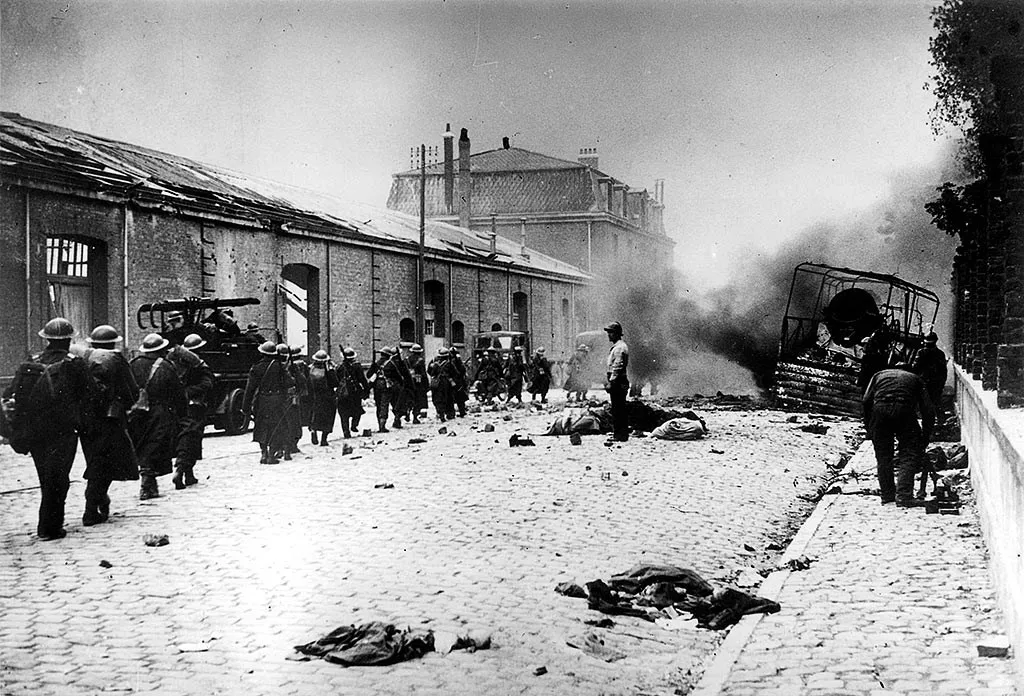
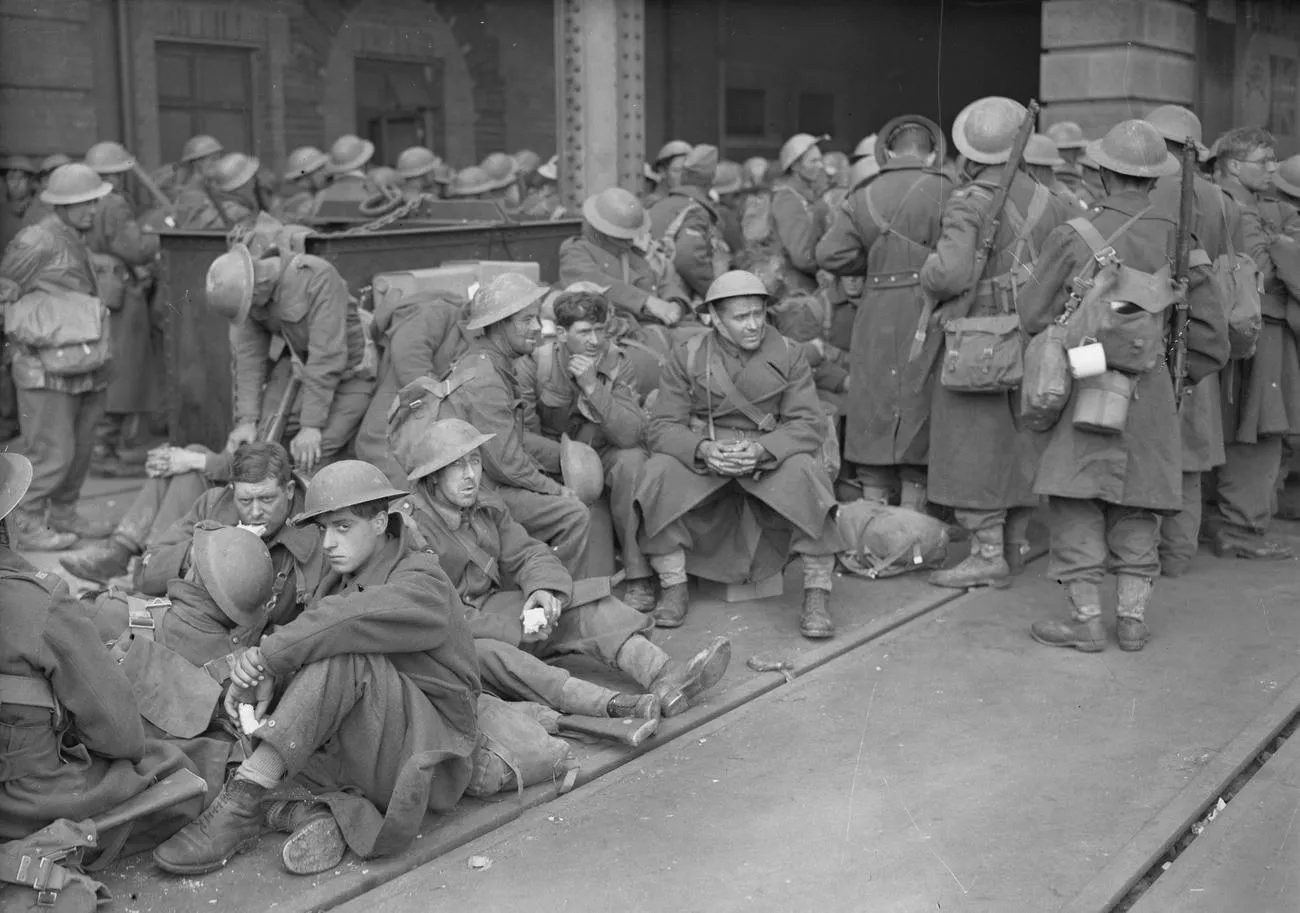
The first full day of lifting, 27 May, produced a modest result: 7,669 men. One cruiser, eight destroyers and 26 other craft were active. The port of Dunkirk had been bombed so heavily that it was nearly unusable, and the Luftwaffe came over that day in force, killing about 1,000 civilians, perhaps a third of the town’s remaining population. The RAF flew in support and lost 14 aircraft by one count. The numbers were far below what was needed. If lifting had continued at that rate, the army would not have got away.
Elsewhere that day there was fighting, and killing, along the line the BEF was defending. At Le Paradis, 97 men of the Royal Norfolk Regiment were shot after surrendering to troops of the SS Totenkopf division, and only two survived. At Wormhoudt, a rearguard led by Captain James Lynn was overrun and the survivors were massacred. We mention these because they are part of what the evacuation was protecting the army from, and part of what the men who held the perimeter faced.
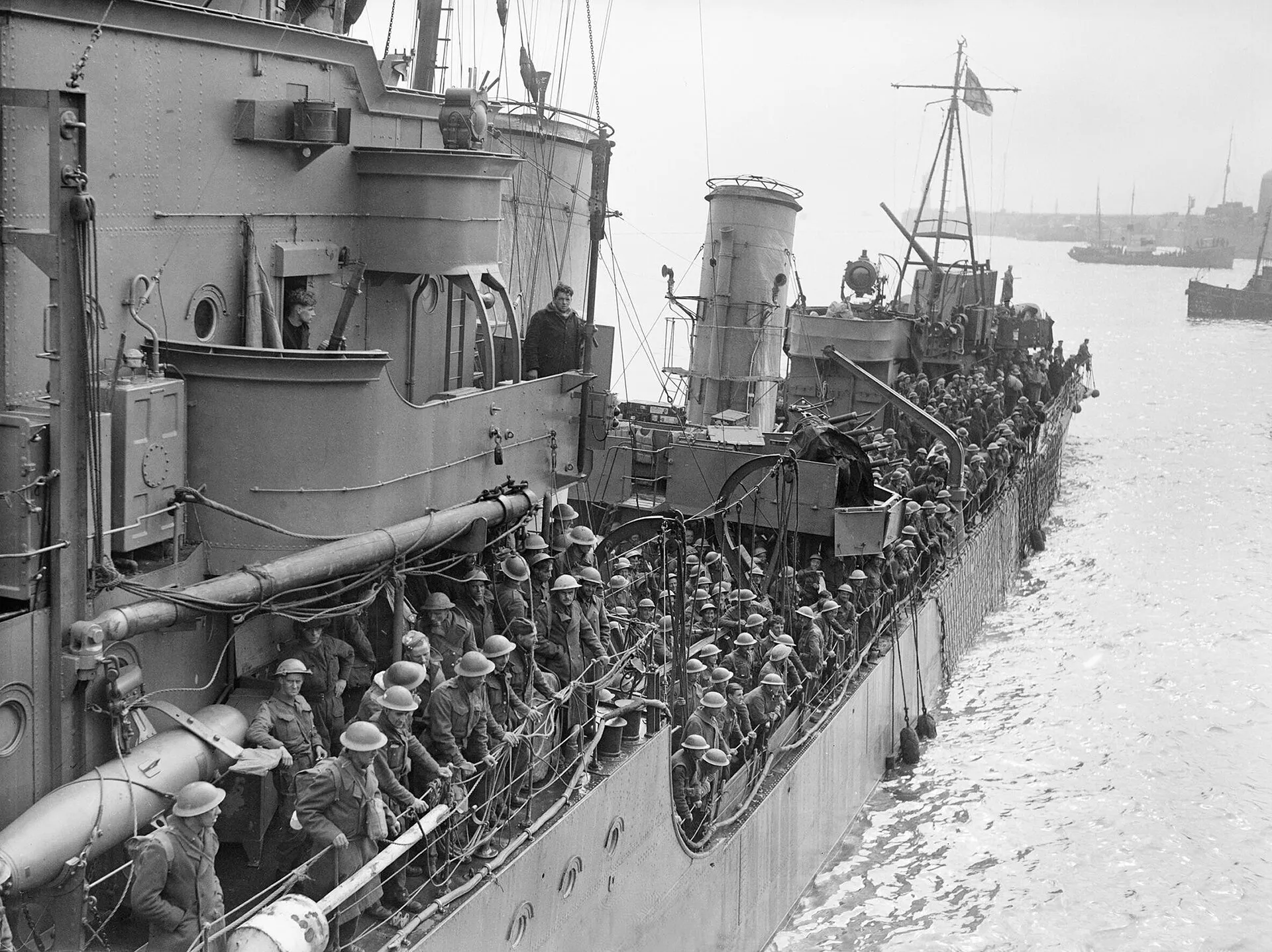
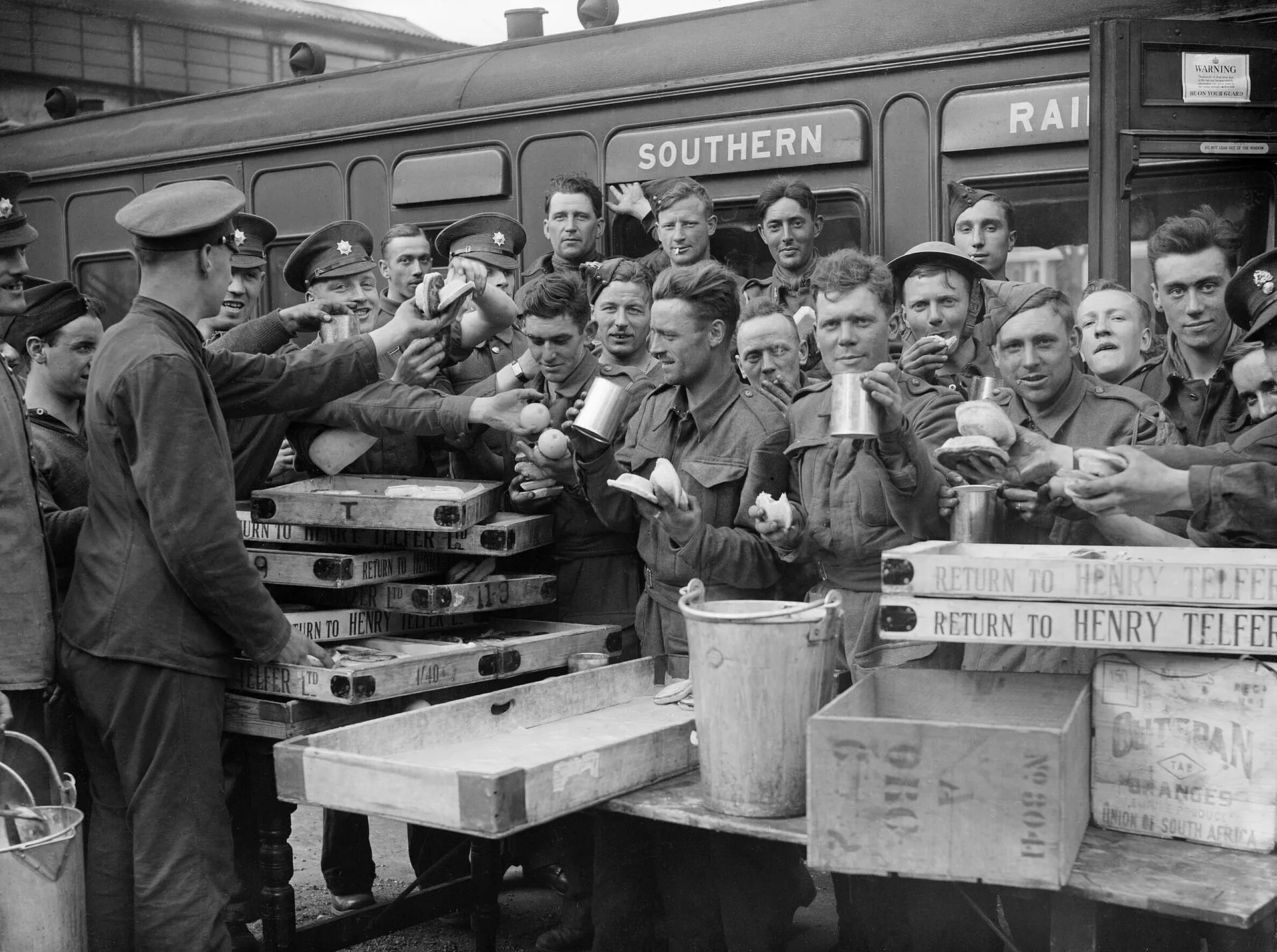
28 to 31 May: the machine learns to work
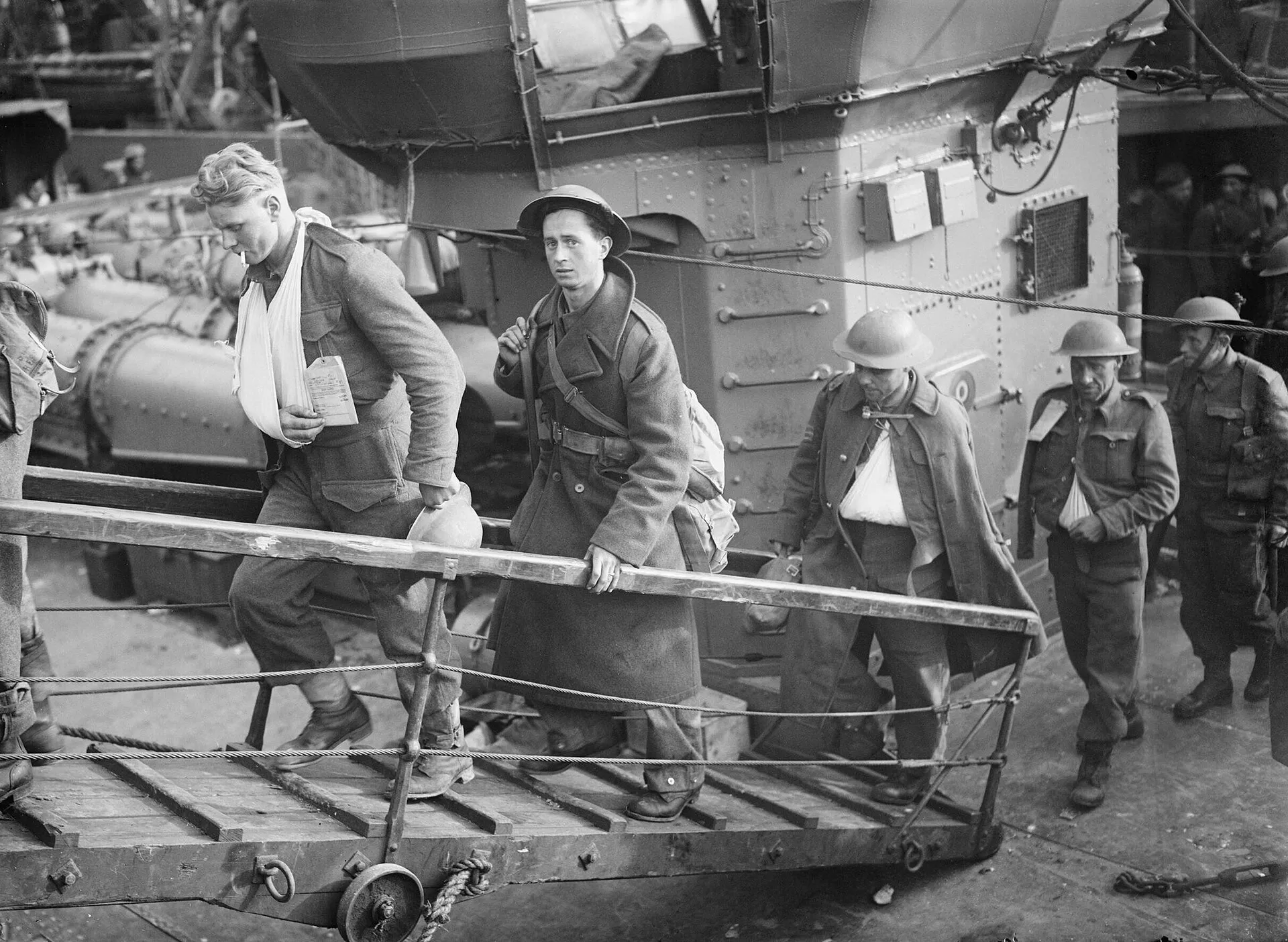
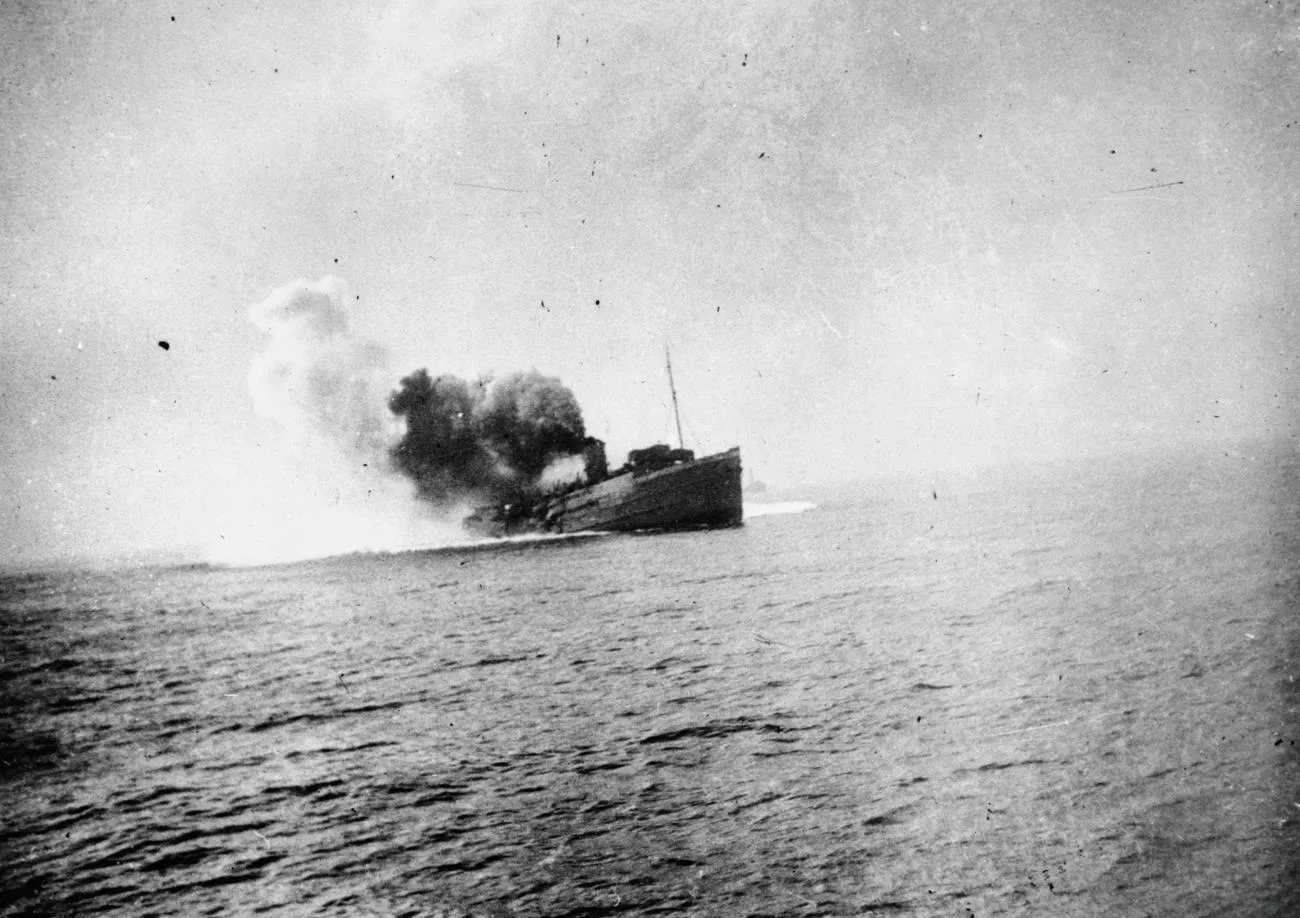
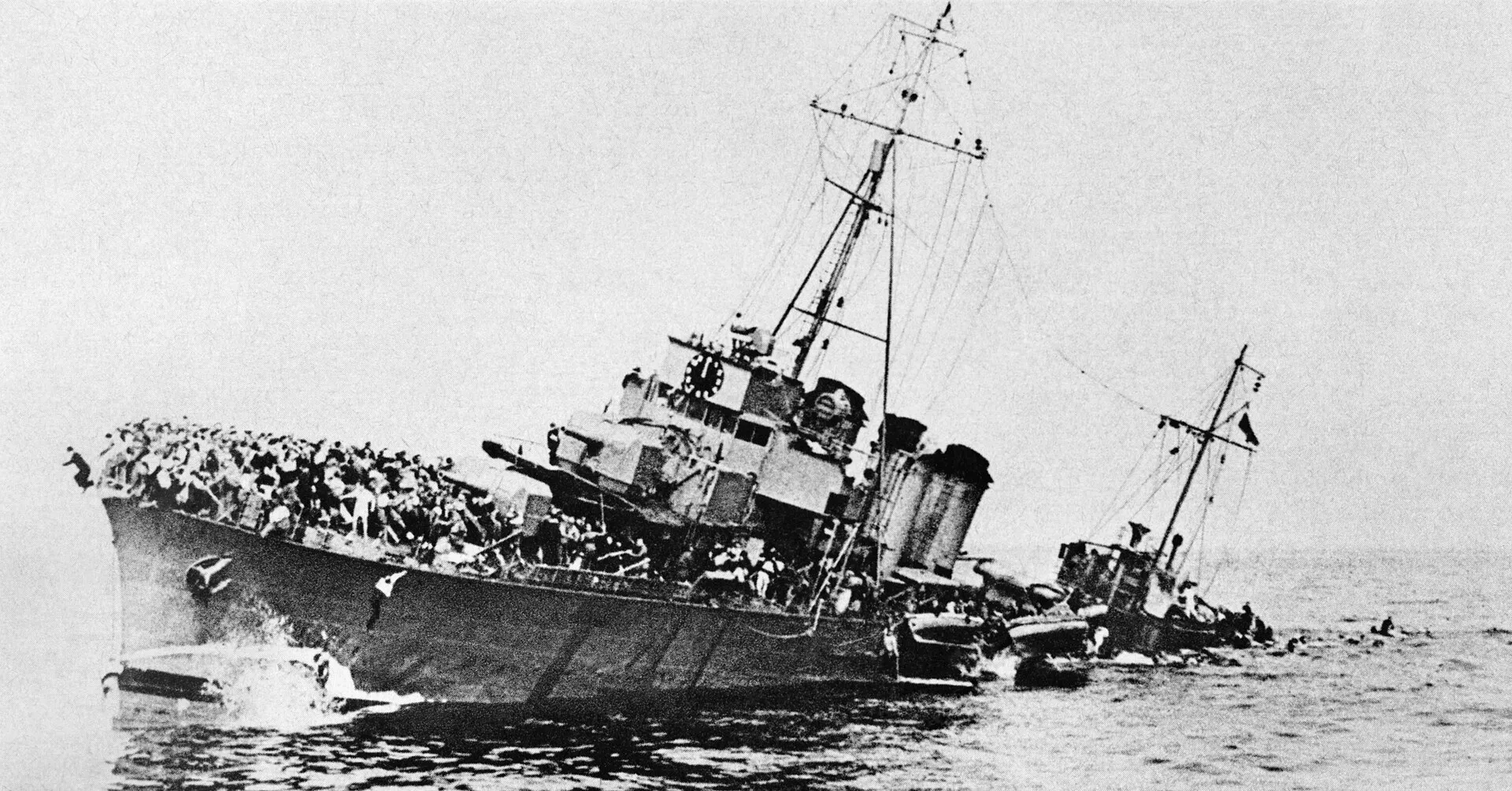
On 28 May the Belgian Army surrendered, which opened a gap on the eastern flank of the perimeter. Churchill warned Parliament to expect hard and heavy tidings. That day 17,804 men were landed in England, and the first of the small boats reached Dunkirk. Then the numbers began to climb. On 29 May, 47,310 men were lifted, but the Luftwaffe and the E-boats took a toll on the ships: the destroyers Grenade, Grafton and Wakeful were lost, and Wakeful, torpedoed by an E-boat, went down with most of the soldiers she was carrying. On 30 May, 53,823 men were evacuated. On 31 May, the peak, 68,014 were lifted, including Gort himself, who left Major-General Harold Alexander in command of the rearguard.
Two things changed between the first day and the peak. The first was the East Mole, which we turn to in a moment. The second was the system. Ramsay’s staff worked out three cross-Channel routes, marked X, Y and Z, which captains could choose between depending on the time of day, speed and the danger from U-boats, shore batteries and mines. Route Z was the shortest, at 39 nautical miles, but it was exposed to German guns. Route X was safest from shore fire but mined. Route Y was the longest, at 87 nautical miles, almost twice the sailing time of Z, and became the main route once Z was abandoned.
The Mole
Dunkirk’s beach shelves gently, so large ships could not get close. A destroyer could not pull up to the sand, and small boats could only carry a few men at a time. The solution came from Captain William Tennant, the Royal Navy officer who took charge of the shore end as beachmaster. He noticed that the Luftwaffe had not bombed the East Mole, a breakwater stretching out into deep water, some 1,400 to 1,600 yards long depending on who measures it. It had never been designed as a quay. But when the steamer Queen of the Channel was brought alongside as a test, the Mole held.
From then on it carried the bulk of the army. Destroyers took about 900 men per trip. Of the 338,226 men lifted, 239,555 are recorded as coming off the harbour and 98,671 off the beaches; on 31 May alone, 45,072 went from the Mole and 22,942 from the beaches. A figure of roughly 200,000 troops boarding on the Mole itself is also quoted, and the difference lies in what each count includes.
The man in charge of the Mole was Commander Jack Clouston, a Canadian officer who ran it strictly and could load some 600 men in about 20 minutes. He died on 2 June after his launch was sunk by Stuka dive-bombers, probably of hypothermia in the water. The accounts agree on the essentials, and on what he had done before.
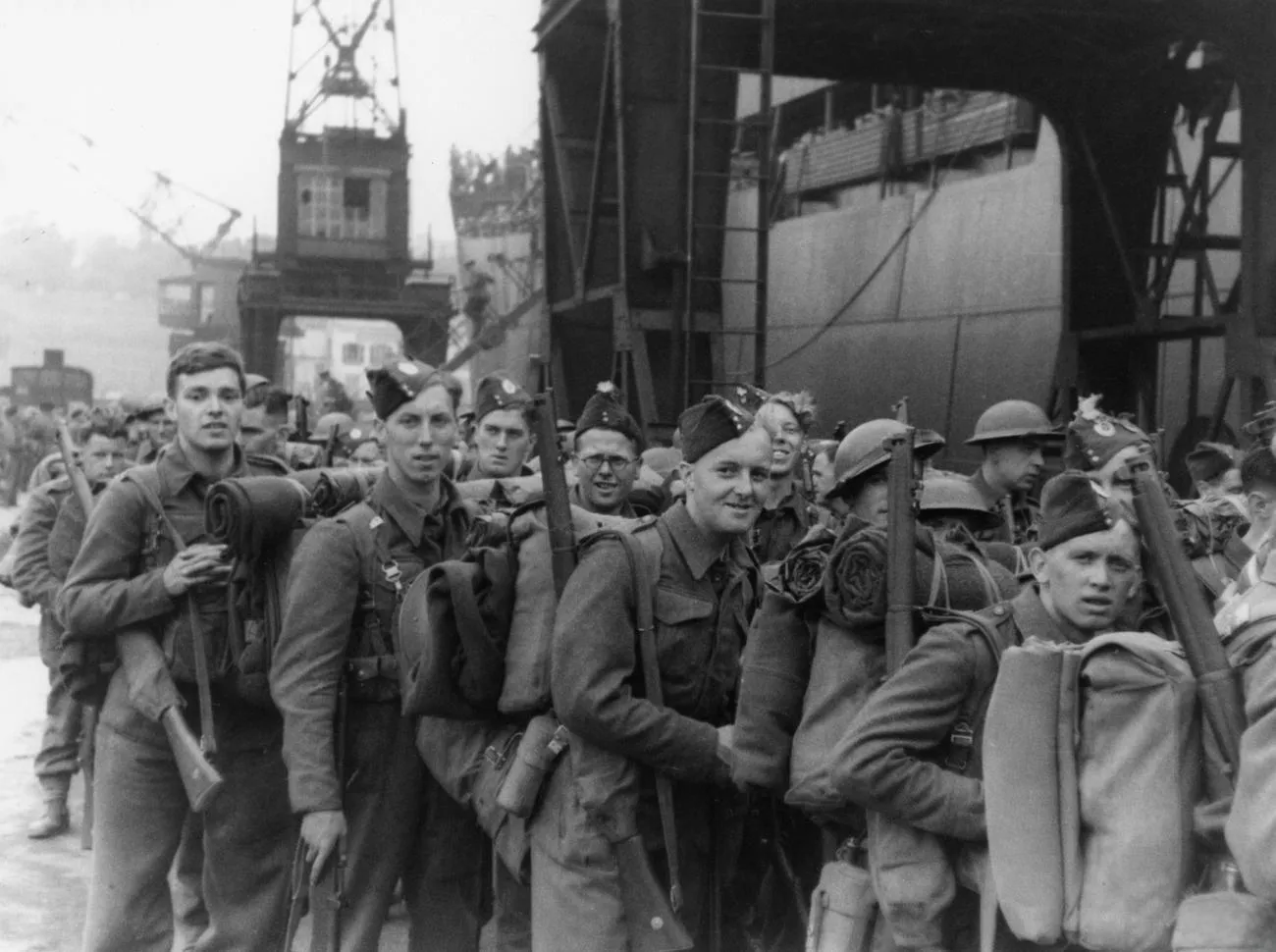
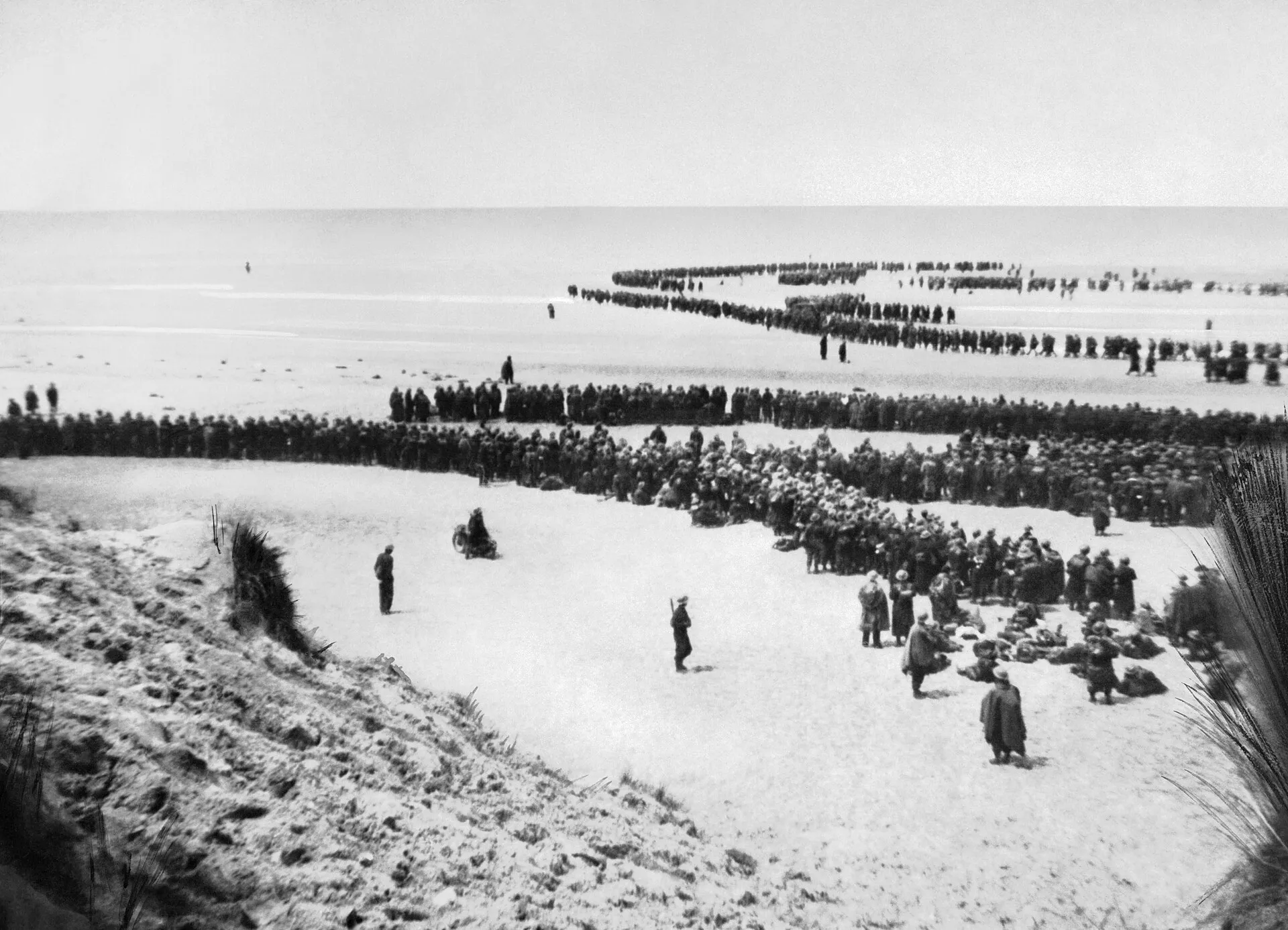
The soldiers who could not get to the Mole waited on the beaches. At De Panne and Bray-Dunes they drove abandoned vehicles into the surf to make improvised jetties. Men queued for hours, in lines that stretched into the water. Arthur D. Divine, who was among the civilian crews of the small boats, set down what the flotilla looked like.
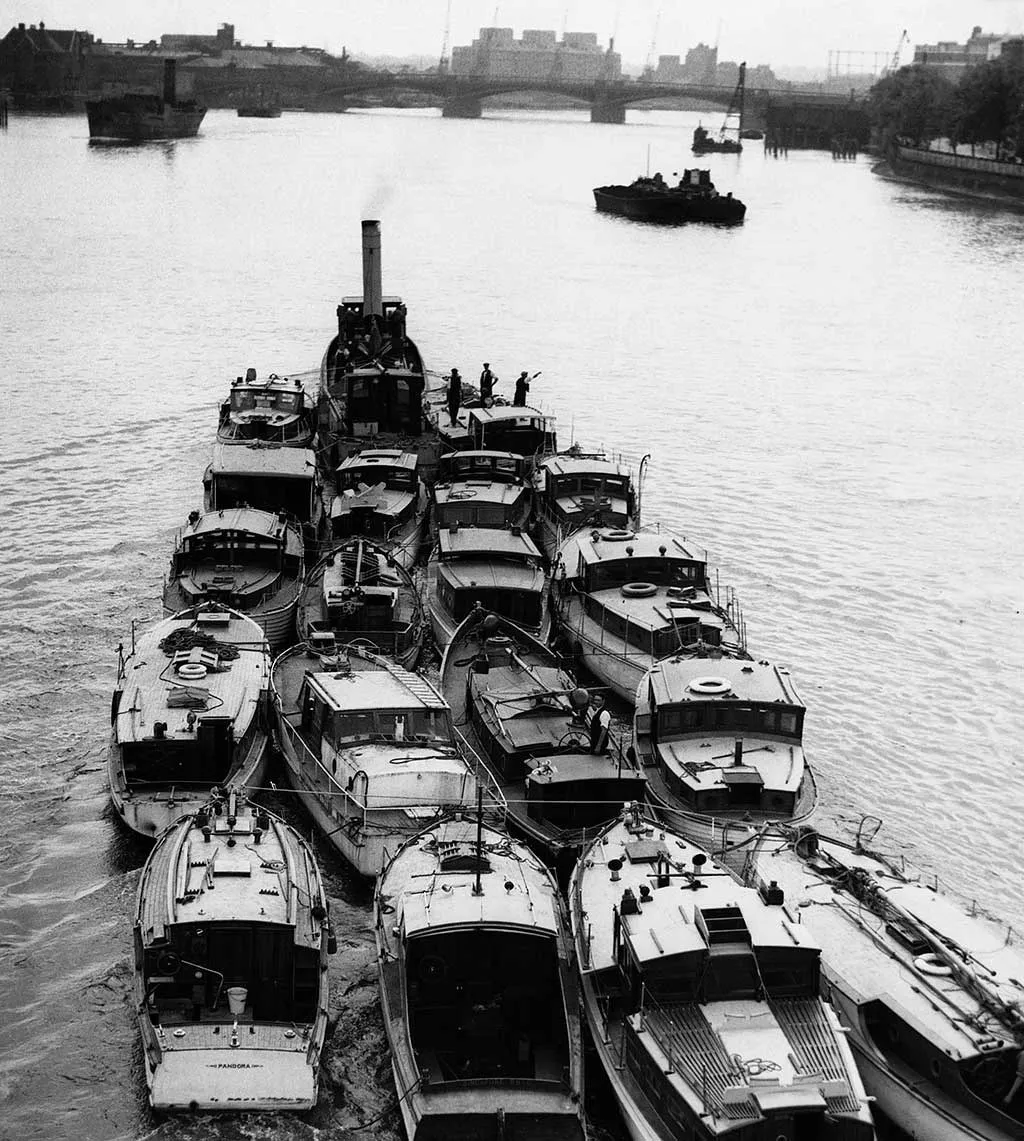
The queerest, most nondescript flotilla that ever was.
Arthur D. Divine, civilian boat crew, describing the small-boat flotilla off Dunkirk
1 to 4 June: the last days
On 1 June, 64,429 men were evacuated. It was also the day the Luftwaffe made daylight lifting too dangerous: Stuka attacks sank the destroyers Basilisk, Havant and Keith, the French destroyer Foudroyant and the minesweeper Skipjack, and from then on the ships worked mostly at night. On 2 June, 26,256 men were taken off. Ramsay suspended operations at 7 a.m. and resumed after dark, signalling that the final evacuation was staged for that night and that the nation looked to the Navy to see it through. The rearguard, about 4,000 British, left on the night of 2 to 3 June.
The moment of closure is remembered in two forms. In one, Tennant radioed Ramsay “BEF evacuated” at 10:50 p.m. on 2 June. In the other, Alexander and Tennant made a final tour of the harbour and beaches at about 11:30 p.m., found no one left, and signalled “BEF evacuated. Returning now.” The point they share is that it was late on 2 June, and that two senior officers walked the ground to make sure.
The final evacuation is staged for tonight, and the Nation looks to the Navy to see this through.
Vice Admiral Bertram Ramsay, signal of 2 June 1940, as reported in a Dunkirk history
That was not the end. The British Government had agreed on 31 May that French troops would be evacuated alongside the BEF in equal numbers, and the last two nights were devoted to the French. On 3 June, 26,746 men were taken off. On 4 June, 26,175, mostly French. The operation was officially closed at 2:23 p.m. on 4 June. German troops entered Dunkirk that day, and about 40,000 French soldiers who had held the rear were captured.
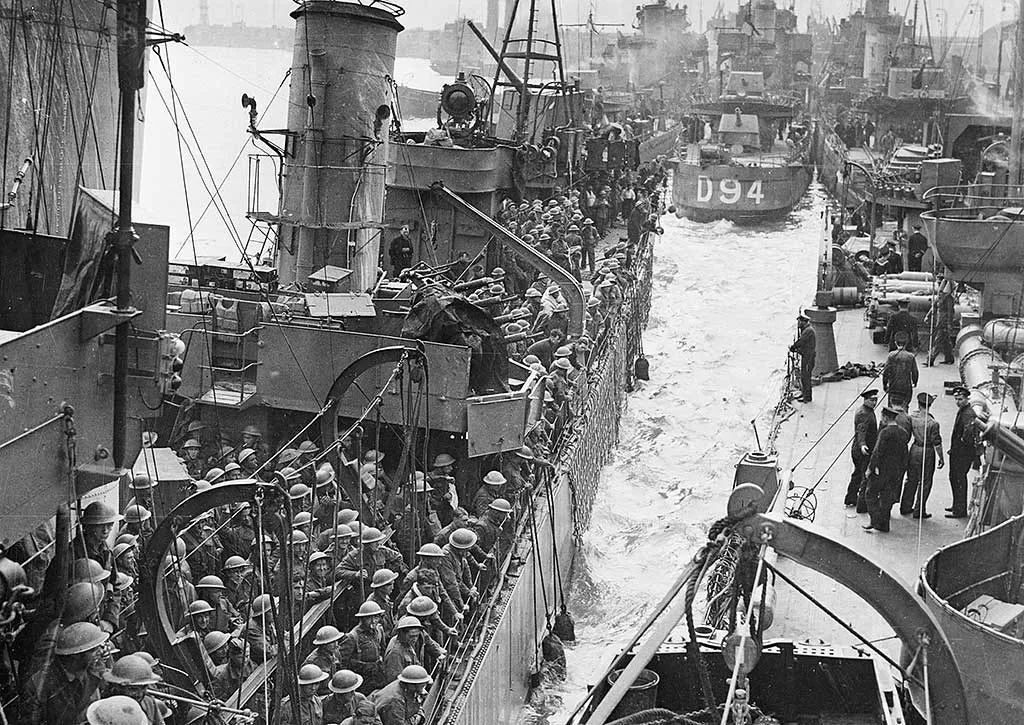
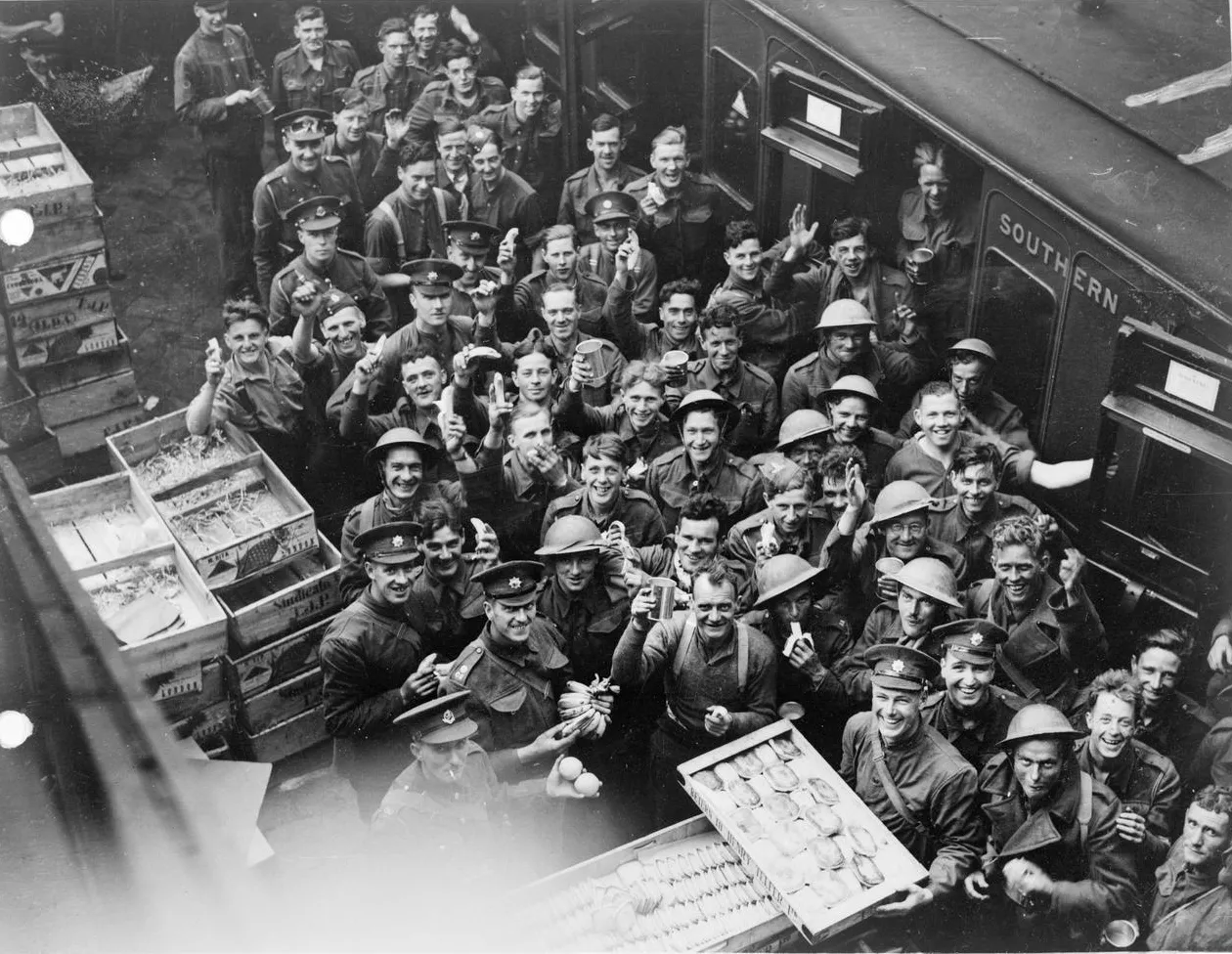
The little ships
The vessels most people remember are the small ones. The Admiralty had begun gathering them on 20 May, requisitioning pleasure steamers, yachts, motor lifeboats, sailing barges, fishing boats and ferries, many of them with shallow draught, which could get close to the shore. Some were taken without their owners’ knowledge. Most were crewed by Royal Navy men from Chatham and Portsmouth, since few owners other than fishermen sailed their own boats. The first of them reached Dunkirk on 28 May.
The counts differ, and the honest answer is a range. One table lists 861 vessels engaged, 693 of them British, with 243 sunk. Another puts the number at 933, including Little Ships and vessels from the Royal Navy, Merchant Navy and the French, Belgian, Dutch and Norwegian navies. Several hundred small craft took part, and the exact number depends on how you count.
One of them is Sundowner, a motor yacht requisitioned on 31 May. Charles Lightoller, the Titanic’s second officer, made one trip in her and is said to have rescued 75 men. She is now an exhibit at the Ramsgate Maritime Museum. It is a good story because it shows who was in the boats: not only fishermen and Navy crews, but men with a lifetime at sea behind them.
The Royal Navy
The ships doing the heavy lifting were naval. Ramsay’s force included 39 destroyers, about a fifth of the Royal Navy’s total, plus minesweepers, trawlers, corvettes and a sloop. The navy’s effort has been described as gargantuan, and the figures bear that out. HMS Sabre made ten round trips over nine days and nights and brought 5,765 soldiers to Dover, the highest total for any single ship. HMS Jaguar was attacked 21 times from the air on 30 May, including 12 dive-bombing attacks as she left the harbour.
Losses were heavy, if smaller than they might have been. The Royal Navy lost six destroyers and five minesweepers, and in all, depending on whose count you use, between 226 and 243 vessels were sunk, about a quarter of those involved. The Admiralty withdrew its eight best destroyers for home defence after 29 May. By 31 May, the order that everyone must keep going was an acknowledgement that morale had fallen to a low point. The burden fell on crews who had made the crossing several times with almost no sleep.
Where was the RAF?
Many soldiers who stood on the beaches or the Mole complained that they had seen no British fighters, and the question “Where is the RAF?” became part of the folklore. It is a myth. Fighter Command committed 16 front-line squadrons to provide continuous cover and flew 287 fighter sorties on the first day alone. Over the nine days, the RAF flew 171 reconnaissance sorties, 651 bombing sorties and 2,739 fighter sorties, and lost 177 aircraft, 106 of them fighters. Other totals for losses, including 145 and 121, are also quoted.
The reason the soldiers did not see them is mostly weather and geography. Low cloud hid much of the fighting from people on the ground, and smoke from burning oil tanks rose to about 15,000 feet. Much of the air fighting took place inland or above the cloud. The commander of HMS Sabre noted that the lack of serious interference was probably down to fighters overhead, and Field Marshal Dill wrote a tribute to the RAF on 5 June. The Luftwaffe was denied a free run over the bridgehead. The price was a Fighter Command left badly thinned: one air marshal described it as completely disorganised, and Dowding warned on 3 June that his squadrons could guarantee only about 48 hours of air superiority against a concerted attack.
The French
Dunkirk is often remembered as a British story, and a persistent belief holds that the French were abandoned. The records tell a more complicated story. The planners at the Admiralty had assumed each army would be evacuated by its own navy. The French did not realise until 27 May that the BEF was withdrawing, and Admiral Darlan wanted the beachhead held as a threat to the German flank. On 29 May, Gort asked whether French troops were to be evacuated in equal numbers, and wrote that every Frenchman embarked was at the cost of one Englishman. On 31 May the British War Cabinet decided they should be.
The figures vary. One count says about 198,000 British and 140,000 French and Belgian troops were saved. A War Office file gives about 225,000 BEF troops and just over 112,000 French and other Allied personnel. The two cannot be reconciled, but both agree that a large number of French soldiers were brought out. On the night of 3 to 4 June, roughly 23,000 French troops were evacuated, including General Fagalde and Admiral Abrial, and the Royal Navy rescued about 60,000 French soldiers between 2 and 4 June after the main BEF evacuation. Major-General Alexander told his superiors that leaving the French behind would be a breach of faith, and Ramsay agreed to help.
We cannot leave our Allies in the lurch.
Vice Admiral Bertram Ramsay, 3 June 1940
The losses on the French side were large. The French destroyer Bourrasque struck a mine and sank on 30 May, and between 200 and about 600 of those aboard were lost, depending on the count. The French First Army held out at Lille until 31 May, tying down seven German divisions, and about 35,000 men surrendered when it fell. When Dunkirk itself fell on 4 June, about 40,000 French soldiers, the last of the rearguard, were captured. Many of the French who were rescued were returned to France within about a week and then faced the final defeat, which denied them any sense of victory.
What it cost
The BEF’s total casualties across the whole campaign, from 10 May to 22 June, are given as about 68,000 killed, wounded or captured. One count puts the figures at around 3,500 killed and 13,053 wounded. The Dunkirk Memorial at Dunkerque names 4,504 men of the BEF with no known grave.
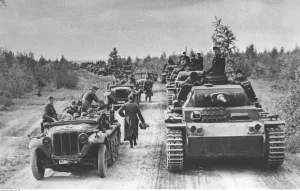
The army lost almost all of its heavy equipment. The records give about 2,472 artillery pieces, 20,000 motorcycles, nearly 65,000 vehicles and almost all of 445 tanks, plus 76,000 tons of ammunition and over 400,000 tons of stores. Other counts give about 64,000 vehicles and 2,500 guns. Many of the abandoned vehicles were repaired and used by the Germans.
At sea, between 226 and 243 vessels were lost and, in the air, the RAF lost at least 145 aircraft by one count and 177 by another, against German losses that run from 132 to 156, with higher claims. The figures all tell the same story: this was a costly rescue.
4 June: the speech
On 4 June, with the last ships still arriving, Churchill told the House of Commons what had happened. He called it a colossal military disaster and a miracle of deliverance. In the same speech he reminded the House that evacuations do not win wars, and closed with the pledge that Britain would never surrender.
Wars are not won by evacuations.
Winston Churchill, House of Commons, 4 June 1940
Hitler took a different view. On 5 June he is reported to have claimed that Dunkirk had fallen and called it the greatest battle in world history. The two statements say a great deal about how the two sides saw it. For one, the evacuation was a rescue; for the other, a victory. History has been kinder to the first reading, but not entirely.
After Dunkirk
The evacuation did not end the British presence in France. About 192,000 Allied personnel, 144,000 of them British, left France between 15 and 25 June in Operation Aerial, from Atlantic ports. It is easily forgotten that Dunkirk was not the last of the retreat.
It also did not end the argument. For years the story was told in a way that emphasised the small boats and the spirit of the nation, and underplayed the role of the Navy and the RAF. More recent writers have tried to put the balance right. The Little Ships were important, but most of the men came off the Mole in naval vessels. The point is made not to diminish the civilians, but to be accurate about what happened.
Remembering
The Little Ships have become the best-known symbol of the evacuation. They returned to Dunkirk for the first time in 1965, an idea of Raymond Baxter, a wartime Spitfire pilot who became a BBC broadcaster. The Association of Dunkirk Little Ships was founded in 1966 to preserve the vessels, and returns now take place every five years. The 85th anniversary crossing in 2025 was planned as a voyage from Ramsgate on 21 May by 74 Little Ships, escorted by the Royal Navy and the RNLI. It was the first since 2015, since the 2020 voyage was cancelled because of the pandemic.
The official memorial is at Dunkerque. The Commonwealth War Graves Commission’s Dunkirk Memorial, in Dunkerque Town Cemetery, was designed by Philip Hepworth and unveiled by the Queen Mother on 29 June 1957. It features an avenue of pylons with names and a glass window depicting scenes from the evacuation. A separate Dunkirk Memorial in Dover is said to have been put up on 16 August 1975, honouring servicemen, the Little Ship crews and the people of Dover.
For the place that ran it, see our post on the Dover Castle tunnels. Visitors there can still walk the corridors where Ramsay’s staff worked, though the Dynamo section was listed as closed for maintenance when we last checked.
Conclusion
Dynamo is a story that people tend to tell in one of two ways. In one, it is a miracle: a defeated army, a flat calm sea, a flotilla of small boats and the spirit of the nation. In the other, it is a myth that hides the facts of a major defeat. Neither is wrong, and neither is complete.
What actually happened was more ordinary and, in a way, more impressive. A group of planners in a cliff in Kent, working long shifts on camp beds, built a system that could move tens of thousands of men a day across a stretch of sea under air attack. Captain Tennant saw that a breakwater could be used as a pier. Ships’ crews made the same crossing again and again with almost no sleep. Soldiers waited in queues in the surf. The system was improvised, expensive and nearly too late.
The truest thing to say about it is what Churchill said at the time: that it was a deliverance and not a victory. Nearly 340,000 men got home, and the people who got them there should be remembered. So should the men who did not make it, the French who were left to hold the line, and the army that gave up its guns to save its soldiers.
Did you know?
- The original aim of Operation Dynamo was to rescue about 45,000 men in two days.
- In nine days, 338,226 soldiers were landed in England.
- On the first full day, 27 May, only 7,669 men were lifted.
- The busiest day was 31 May, when 68,014 men were evacuated.
- Most men were taken from the East Mole, a breakwater never designed as a quay, not from the beaches.
- Three cross-Channel routes were used, labelled X, Y and Z, with Route Y the longest at 87 nautical miles.
- HMS Sabre brought 5,765 soldiers to Dover, the highest total for any single ship.
- Soldiers drove abandoned vehicles into the surf to make improvised jetties.
- Fighter Command committed 16 front-line squadrons to cover the evacuation, yet many soldiers said they never saw an RAF fighter.
- The Dunkirk Little Ships first returned to Dunkirk in 1965 and now return every five years.
- In 2025, a fleet of 74 Little Ships was planned to cross from Ramsgate to Dunkirk for the 85th anniversary.
- Churchill told the House of Commons on 4 June 1940 that wars are not won by evacuations.