A door in the cliff
Dover Castle gives you the obvious story at the top of the hill. There is a Norman keep, a medieval gatehouse, and a view across the Channel that on a clear day takes in the coast of France. The harder story is underneath. Cut into the chalk below the castle, running back from the cliff face and down through several levels, is a network of tunnels that was built to fight one war, repurposed for a second and nearly adopted for a third.
It is one of the great quiet places of the Second World War. Nothing was fought there. No gun ever fired from its rooms. But from May 1940 it was the control room for the rescue of more than 330,000 men from the beaches of Dunkirk, and for the next five years it was the nerve centre for the defence of the Dover Strait: a place where plotters moved markers across tables, switchboard operators connected calls to ships, and surgeons worked in a dressing station cut into the rock. Then the Cold War arrived, and the chalk was asked to do one more job.
This post is about the tunnels themselves, how they grew and what you can see today. The evacuation they directed is told in full in our post on Operation Dynamo, so here we give only the outline.
Chalk and a French scare
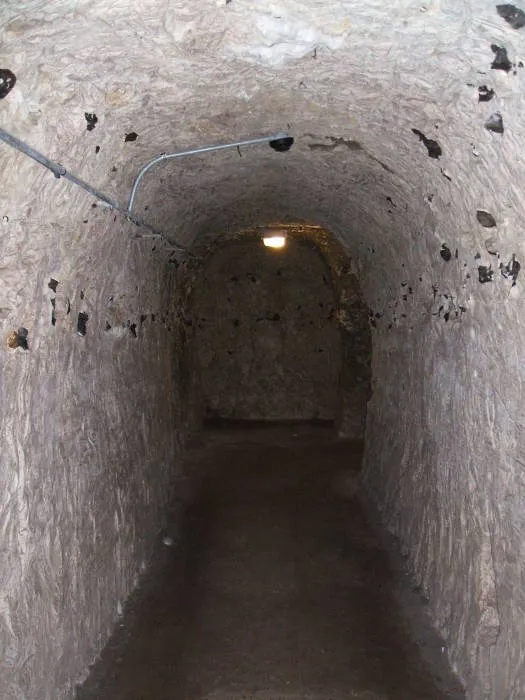
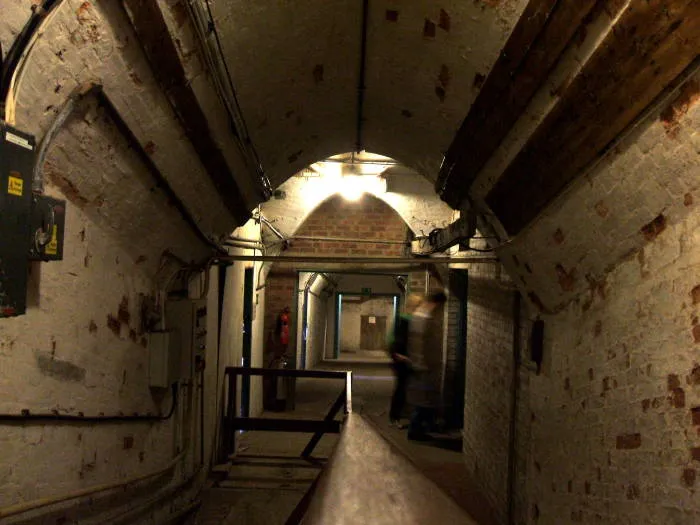
The oldest layer of the story belongs to the French Revolutionary and Napoleonic Wars, a long run of conflict between 1793 and 1815 during which Britain feared invasion for years at a time. Dover was the closest port to France, and the castle sat on the ridge above it. The problem was space. The surface of the castle was already crowded, and the army needed room for an extra garrison. The Royal Engineers solved it by going underground. They dug barracks and storerooms into the chalk, which was soft enough to be carved quickly without specialist tools.
The engineer most often named in connection with the work is William Twiss. The dates and dimensions shift a little depending on who is counting. Work is generally said to have begun around 1797, when the engineers ran out of ground for surface barracks, and the result was seven parallel brick vaults joined by a tunnel at the rear. Soldiers were certainly living in the tunnels by 1803, when the complex could hold around 2,000 men. The depth is reported as anything from 15 to 20 metres below the cliff top, and the difference probably comes from where you measure from: the front of the complex opens onto the cliff, while the back runs much further into the hill. It is described as the only underground barracks ever built in Britain, and we know of nothing that contradicts that.
Napoleon never landed, and the barracks were never needed for the purpose they were dug for. Seven vaults, thousands of men and years of labour, and not a shot was fired in anger from any of them. The Coast Blockade Service, set up to fight smuggling on the Kent coast, used part of the tunnels for a while. When its headquarters moved closer to the shore in 1827, the tunnels were more or less abandoned. For the better part of a century they were a store and an emergency billet, and they are said to have held ammunition during the First World War under Royal Navy control.
1938 and 1939: the cliff is reopened
The tunnels came back into use as Europe moved towards another war. They were reopened in 1938 and adapted as a bomb-proof naval headquarters, and when war broke out in 1939 they were converted further: first an air-raid shelter, then a military command centre and an underground hospital. The work began before the fighting did and kept pace with the situation as it developed.
The man at the centre of the new role was Bertram Ramsay. He had retired from the Royal Navy in 1938, was recalled in 1939, and on 24 August 1939 was appointed Commander-in-Chief, Dover, with promotion to vice admiral. His job was to defend the Channel approaches, and he needed a headquarters that could not be bombed out of existence. The chalk offered exactly that: soft enough to dig by hand, and thick enough overhead to shrug off anything the Luftwaffe could drop. A balcony at the front of the Casemate level looked over Dover Harbour and served as a lookout, with a site for radar and radio stations.
The wider setting matters here. Dover sat on the front line of a different kind of war from the one on the Continent. The town and its harbour were within range of German guns on the French coast, and the area earned the nickname Hellfire Corner after hundreds of shells fell on it. About 12,000 soldiers were stationed in the area to keep the town and harbour in British hands. The tunnels were where all the strands of that defence were drawn together: the navy, the coastal guns, the anti-aircraft defences and the signals that connected them.
The command centre
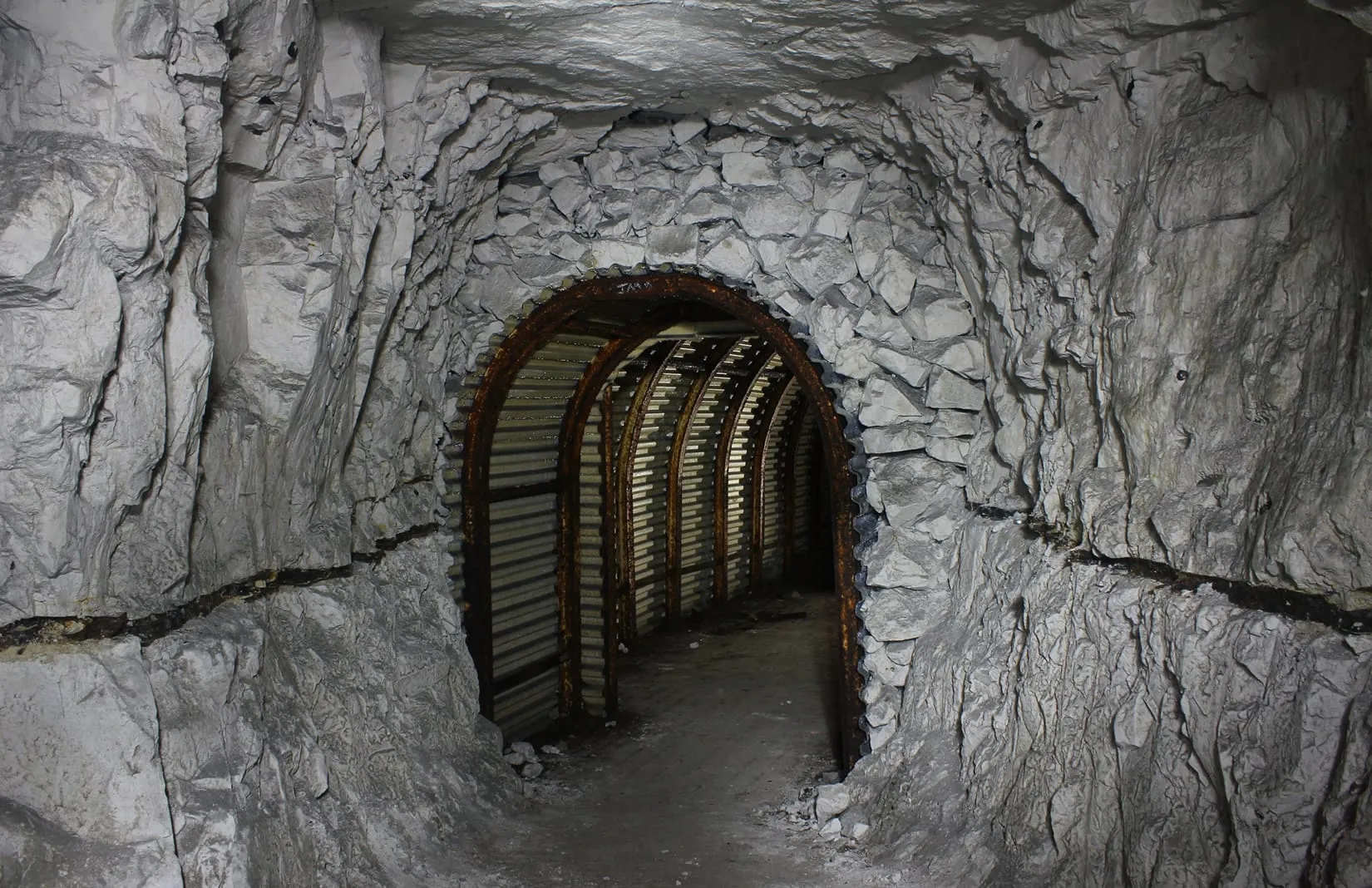
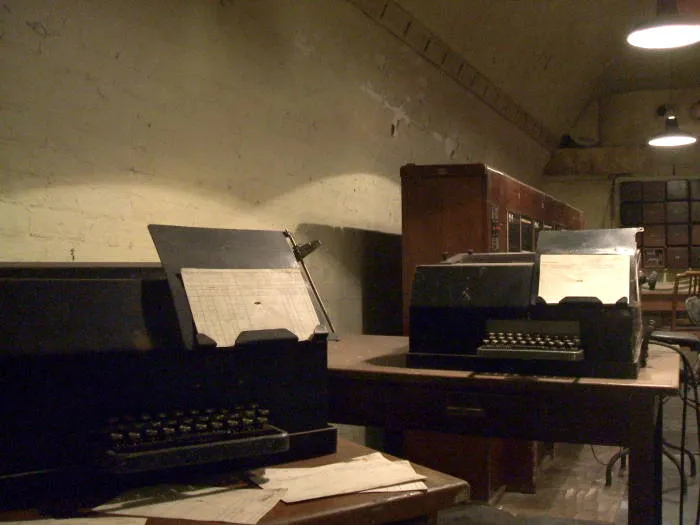
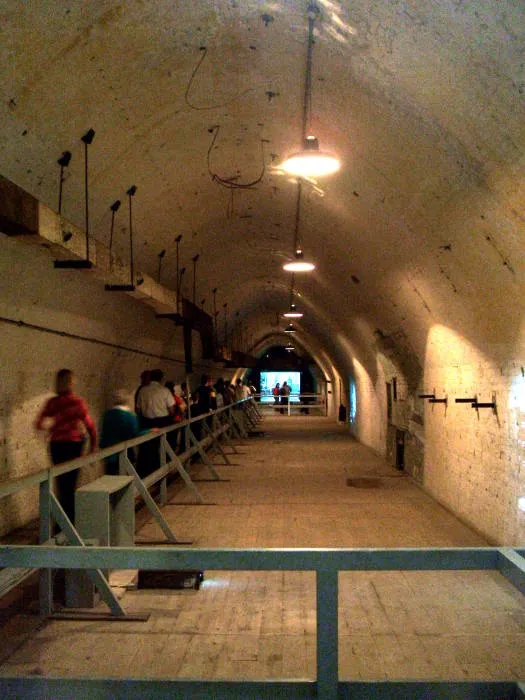
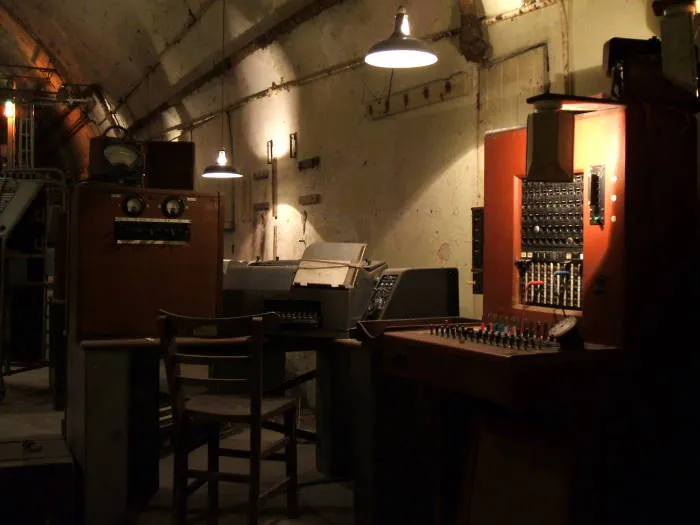
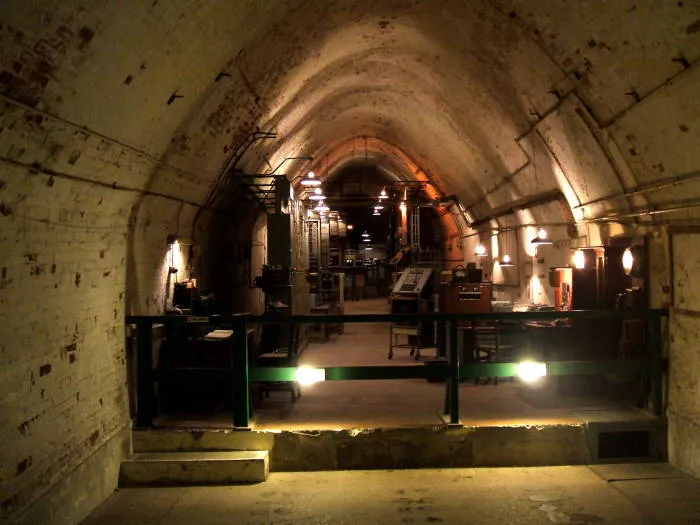
The level most visitors see is the Casemate, and it is the part that was in use in May 1940. It was the headquarters of the Royal Navy’s Dover Command, and it was built to survive a bombing. It held offices, workshops, a telephone exchange, and generator and planning rooms. Over the course of the war more than three miles of new tunnels are said to have been dug by hand, and the older passages were lined with plywood or corrugated iron to keep the damp and the dust down. Quarters for as many as 10,500 troops, a canteen and a hospital are all counted as part of the wider complex.
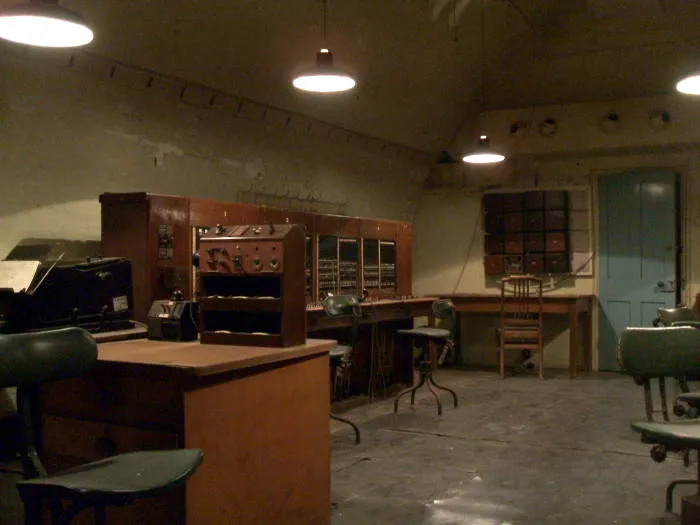
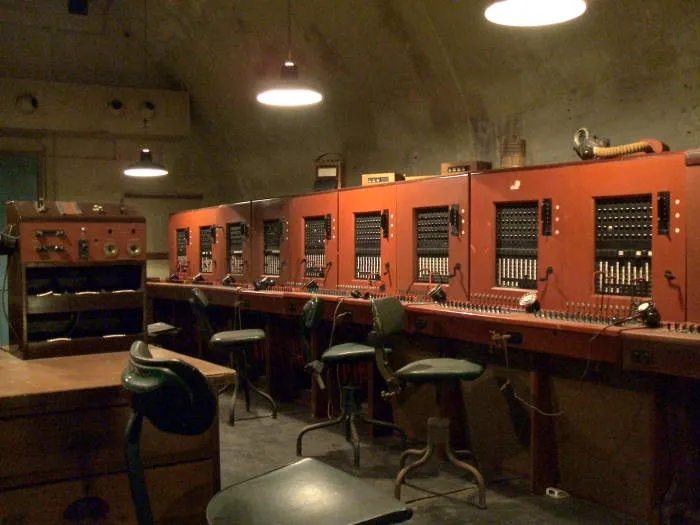
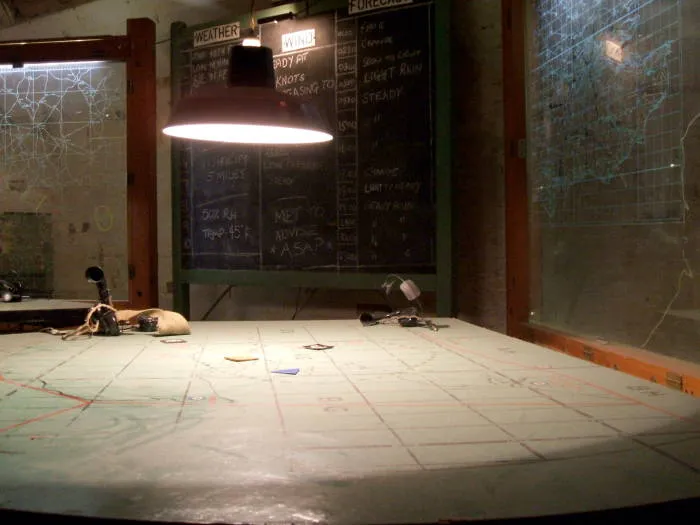
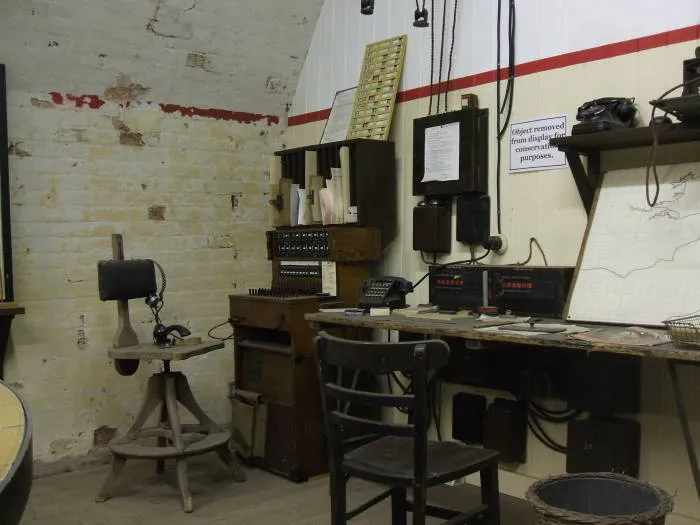
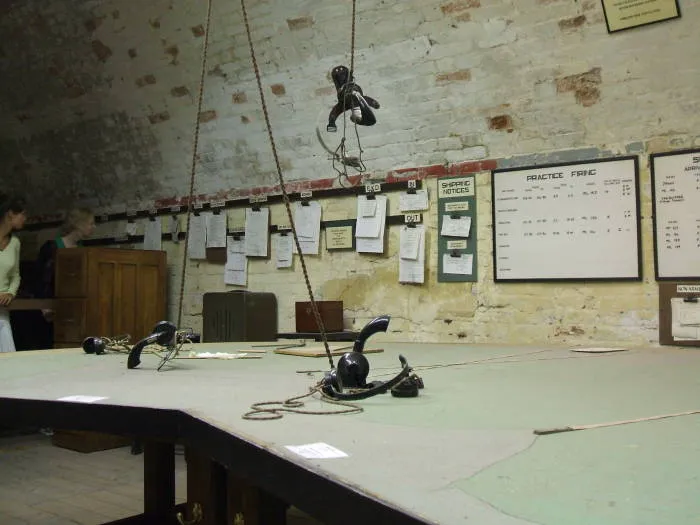
Most of the people who worked there are not remembered by name. The telephone exchange was staffed mostly by women of the Women’s Royal Naval Service and the Auxiliary Territorial Service, working manual switchboards. The plotting table used to track shipping was tended largely by ATS plotters. The table itself survived, passing to HMS Dryad and then to the Ramsay family, who donated it to the collection. These women are part of the story in a way that the usual accounts of Dunkirk tend to miss. In an operation that depended on getting messages to ships and to the beaches, the switchboards were as important as the destroyers.
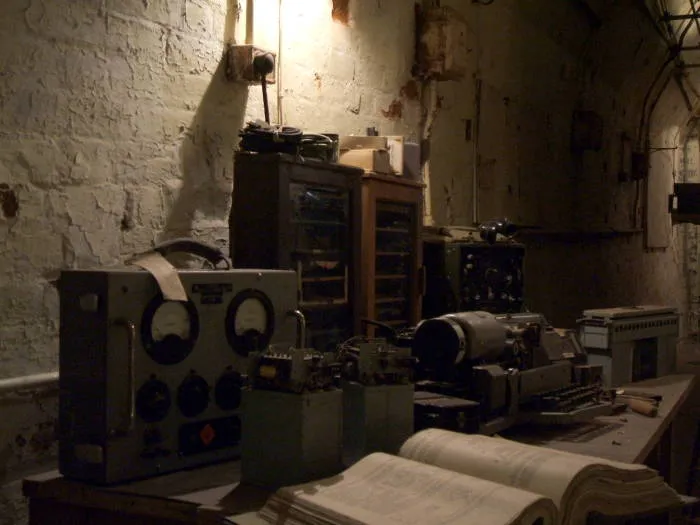
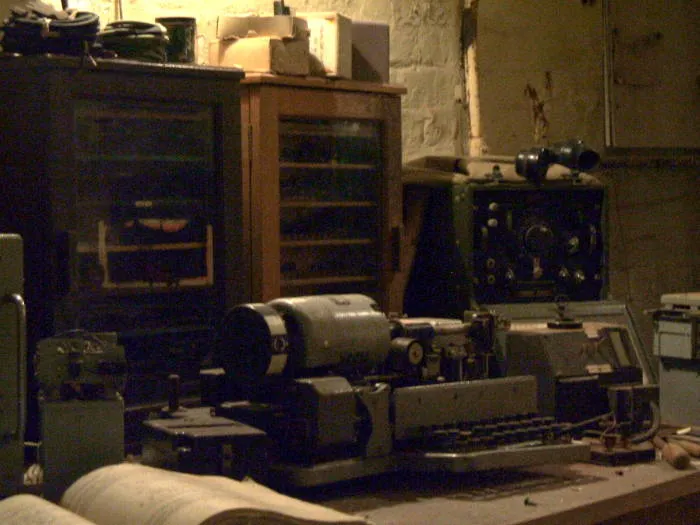
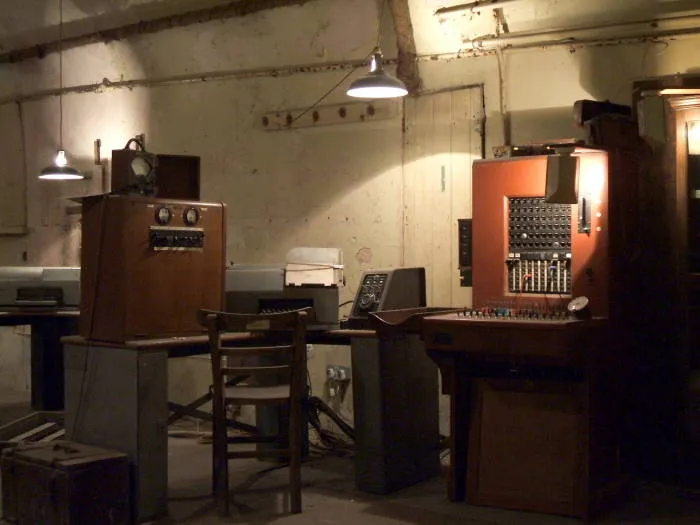
A military telephone exchange was installed in 1941, giving the headquarters direct communication with vessels and air-sea rescue craft. The switchboards were in near-constant use, so a new tunnel was dug alongside them to hold the batteries and chargers that kept them running. It is a small detail, and a typical one, the sort that never makes it into the dramatic retellings. A great deal of what the tunnels did was simply keep the machinery of communication alive.
The man at the desk
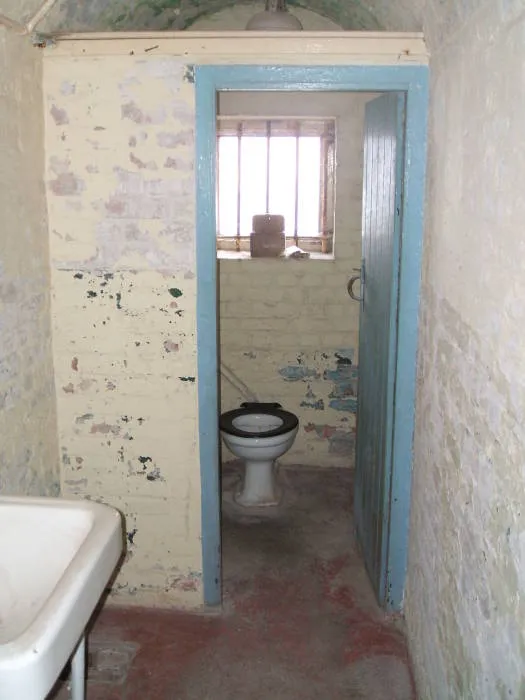
Ramsay had a room at the end of one tunnel with a small window overlooking the harbour. It is unrestored today, left bare to show the scale of the original Napoleonic vault. He also had a home in southern Scotland, which says something about how rarely he was away from his post.
The detail we find most telling is the working pattern. Staff in the tunnels worked shifts of 24 or 36 hours for ten days at a stretch, living and working underground, with a camp bed provided for rest on the long ones. Mary Horsfall, who served there, remembered a colleague asleep on one of those beds while a rat ran across her. It is easy to imagine the conditions: stale air, the hum of generators, the constant ring of telephones, and a window the size of a book, where a man could stand for a few moments and look at the harbour.
Ramsay left Dover in 1942 for the invasion of North Africa, then went on to command the naval side of the invasion of Sicily and, in 1944, the Allied Naval Expeditionary Force for the Normandy landings. He died on 2 January 1945, aged 61, when his plane crashed on take-off near Toussus-le-Noble in France. A statue of him stands outside the tunnels today, looking out over the place where he did his most famous work.
May 1940: the tunnels at work
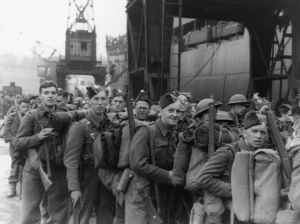
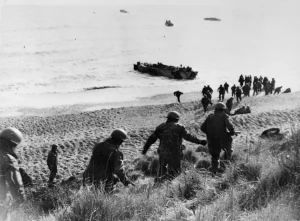
Planning for the Dunkirk evacuation began on 20 May 1940. Churchill’s order to start Operation Dynamo came just before 7 p.m. on 26 May, and for nine days the tunnels were the control room of the largest amphibious evacuation of the war. Ramsay’s staff coordinated Royal Navy warships, merchant vessels and small civilian boats, using three cross-Channel routes labelled X, Y and Z. By the time it ended on 4 June, 338,226 British and Allied soldiers had been landed in England. The detail of how that happened, including the beaches, the East Mole, the French and the RAF, is in our Dynamo post.
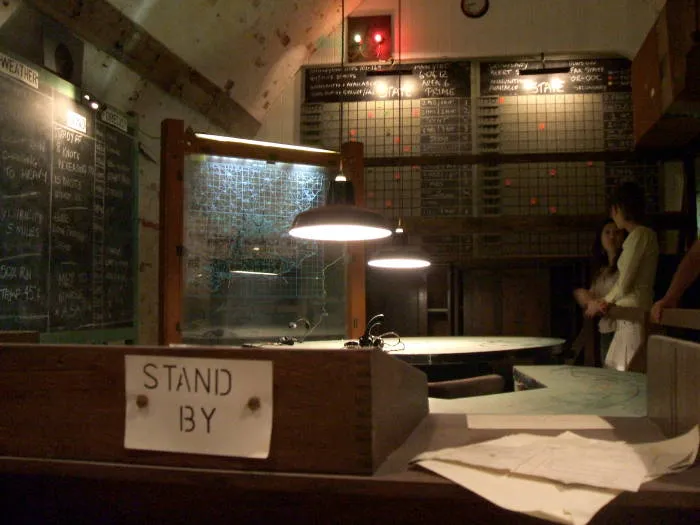
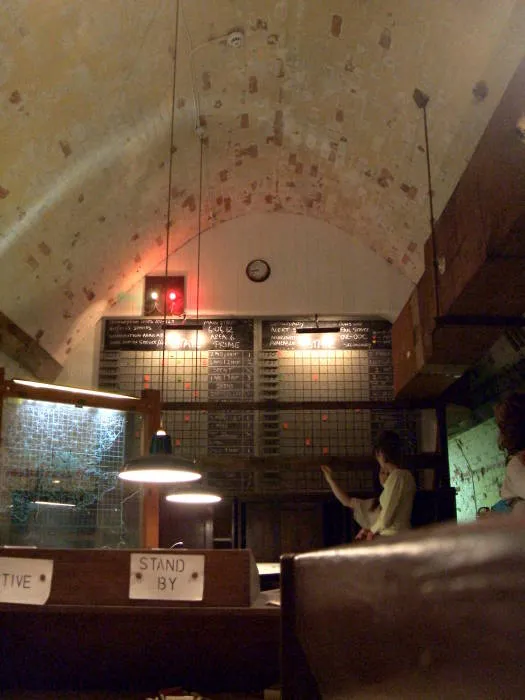
What belongs here is what the tunnels were like while it was going on. The modern tour is built around the idea that you are standing in the place where the decisions were made. Newsreel footage and first-hand accounts are projected onto the walls, and the operations rooms, repeater station and telephone exchanges have been recreated from old photographs.
You will often read that the operation was named after the dynamo room in the casemates, where the generators that powered the headquarters were housed. It is a plausible story. A tunnel with a generator room is exactly the sort of place a planner might borrow a word from. But the story has never been pinned down by a first-hand record, and a rival version has the name coming from a private conversation between Ramsay and Churchill in that room, with no date to anchor it. The dynamo room is a good story, and the exact origin of the name remains unproven.
The hospital
The Annexe level was dug in 1941, or in 1941 and 1942 by some reckonings, as a hospital. It was intended as a dressing station, with space for two operating theatres and basic patient accommodation, and was staffed by the Royal Army Medical Corps. The conditions were cramped and stuffy. Stretcher-bearers found carrying casualties by hand so exhausting that stretchers were put onto trolleys wherever possible.
One story from the collection stays in the mind. A medical student who briefly worked in the Annexe had arrived with a shipment of penicillin. He found the experience deeply traumatic, and in later life he could not bring himself to enter the tunnels again because of post-traumatic stress. We know nothing more of his circumstances. But it is a reminder that the hospital was a working one, in the middle of a front line, and that the people who worked there carried the experience out with them.
Today the Annexe is one of the two parts of the tunnels open to the public. The underground hospital offers the sounds, smells and atmosphere of a wartime dressing station, with an operating theatre, wards and corridors. Tours leave regularly on the days the castle is open.
Dumpy: the deepest level
The deepest level of the tunnels is called Dumpy, and it came last. It was dug in 1942 and 1943, about 15 metres below the older tunnels. It was designed as a combined headquarters for the Army, Navy and Air Force, with new levels from 1941 giving each service a secure operations centre. The Casemate also held an anti-aircraft operations room, where an original plotting table and a clock survive.
Dumpy is not usually open to visitors. Occasional special tours, mostly for English Heritage members, take people down. Anyone who has the chance should take it, because the place was reused after the war and, more than any other part of the complex, it tells the Cold War story.
Five levels, one of them lost
The levels have a convenient scheme. A is Annexe, B is Bastion, C is Casemate, D is Dumpy and E is Esplanade. The Annexe and the Casemate are open to the public. Dumpy and the Esplanade, which was used as an air-raid shelter, are closed. And the Bastion is lost: it is reported to have been buried by rock falls, and investigations to find it continue. We would not want to overstate this, because the details are thin, but it is an unusual thing to be able to say about a part of a building that stands in one of the most visited castles in England.
Writing on the walls
Several hundred distinct pieces of graffiti survive on walls not covered by brick or metal, and no complete record of them exists yet. Most are from the Second World War, but the earliest date from 1802, which is a reminder of how early the tunnels were occupied. The walls are also covered in crosses and vertical lines, along with initials and dates, and there is a tradition to explain them: soldiers carved a vertical line before leaving for the front, and men who returned added the horizontal stroke to make a cross. It is a wonderful story. It is also one we have met in only one place, and we would call it folklore until a better source turns up.
After the war: a place to govern from
Intensive use of the tunnels ended with the war in 1945, but the story did not. The handover is described in slightly different ways: the Admiralty is said to have kept an interest until 1958, when the tunnels passed to the Home Office, while the army left Dover Castle in 1958 and it passed to the Ministry of Works. Both can be right, as different parts of the complex changed hands in the same period.
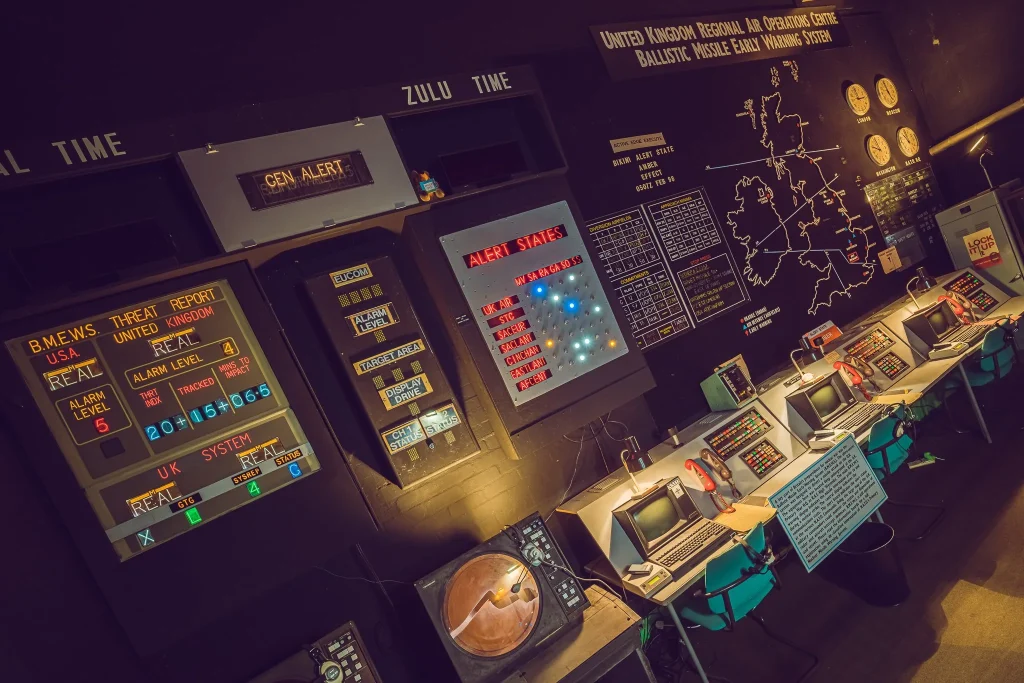
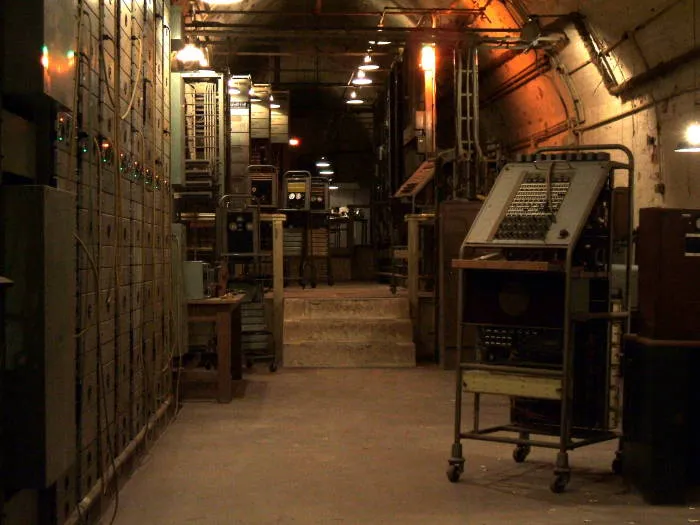
In the 1960s the tunnels were fitted out as one of the Regional Seats of Government, intended to let a body of officials continue running the country after a nuclear attack. Dover’s was known as RSG 12, for south-east England. Dumpy was fitted with new air filtration, power generation and communications equipment, plus furniture and stores for around 300 government officials and military chiefs. NATO exercises are said to have been run from Dumpy a few days before the Cuban Missile Crisis of 1962, which showed how unprepared Britain would have been.
The Cold War fittings left their own traces. Among the surviving equipment are WB400A receivers of the kind used at police stations to pass on warnings to the public, one of them dated 1962. In the 1970s the Royal Observer Corps, whose largely volunteer members were responsible for reporting the size and location of nuclear blasts, took over Dumpy, and its members were issued with personal radiation dosimeters. Sector clocks that were used with plotting tables stayed in RAF service until the end of the Cold War.
The plan was eventually abandoned for two reasons. The chalk would give little protection from radiation, and the tunnels were inconvenient, in poor condition and difficult to adapt. The installation was decommissioned in the mid-1980s, with dates of 1984 and 1986 both given for the final handover. Either way, the tunnels remained a military secret until then.
Visiting
Dover Castle is run by English Heritage and sits at the top of the town. Guided tours of the tunnels are included in general admission. Booking online in advance, up to midnight the day before, saves 15 per cent, and tickets on the day cost full price. Members enter free. We have not given prices because they change by season.
The main tour of the Casemate takes about 50 minutes and covers the Dover Command headquarters and the Dynamo story. The Annexe hospital has a separate tour, and Dumpy is open only on occasional special tours. Photography is not permitted in the tunnels, so check on the day.
There are two things to check before you travel. First, English Heritage’s page on the underground hospital said that the Operation Dynamo section of the Secret Wartime Tunnels was closed for essential maintenance, with no reopening date given. That is the part of the visit most people come for, so please look before you book. Second, access: visiting the tunnels involves steps and slopes, and the passages are narrow and enclosed, which is worth bearing in mind if you dislike tight spaces.
For opening times, English Heritage’s 2026 to 2027 table showed daily opening from 28 March to 24 October 2026, 10 a.m. to 5 p.m. with last entry at 4 p.m., and shorter hours and weekend-only opening through the winter, with closure from 24 to 26 December. Allow at least three to four hours for a visit to the castle. The times change, so please confirm on the day.
Conclusion
The Dover tunnels have been used for almost everything a hole in a cliff can be used for: a barracks, a store, a smugglers’ watch-post, a headquarters, a hospital, a bolt-hole for a government that never needed to run. Each use left a layer, and the tour is a walk through all of them, from the soldiers of 1803 to the officials of 1962, with the staff of 1940 somewhere in the middle. The Napoleonic vaults are still there, the plywood-lined passages of the war are still there, and the Cold War steel is still there on the levels you cannot see.
What we find most affecting is how ordinary the place feels. The things that made Dunkirk possible were not heroic gestures. They were switchboards, plotting tables, generators, camp beds and shifts that stretched to a day and a half. The people who ran those machines did not leave their names in the usual places, but several hundred of them left their initials in the chalk.
If you go, go for the rescue, and stay for the rest. And if the Dynamo section is still closed when you arrive, take the hospital tour, because it is the best way we know of to understand what it meant to work in this cliff when the war was close enough to hear.
Did you know?
- The Dover tunnels began as underground barracks for about 2,000 soldiers during the Napoleonic Wars.
- They are described as the only underground barracks ever built in Britain.
- Vice Admiral Bertram Ramsay ran Operation Dynamo from the tunnels in May 1940.
- Ramsay's room had a small window looking over Dover Harbour.
- A telephone exchange was installed in 1941, with a new tunnel dug beside it for the batteries and chargers.
- The Annexe hospital level was dug in 1941 as a dressing station with operating theatres.
- Switchboards and plotting tables were mostly staffed by women of the WRNS and ATS.
- Surviving graffiti includes pieces dated as early as 1802.
- The Bastion level is described as lost, and investigations to find it continue.
- In the 1960s the tunnels became a Regional Seat of Government, RSG 12, for south-east England.
- The Cold War plan was dropped because chalk would give little protection from radiation.
- The Royal Observer Corps took over the Dumpy level in the 1970s, according to English Heritage.
- English Heritage guided tours of the tunnels are included in castle admission.
- English Heritage listed the Operation Dynamo section as closed for maintenance when we checked.