A war planned as annihilation
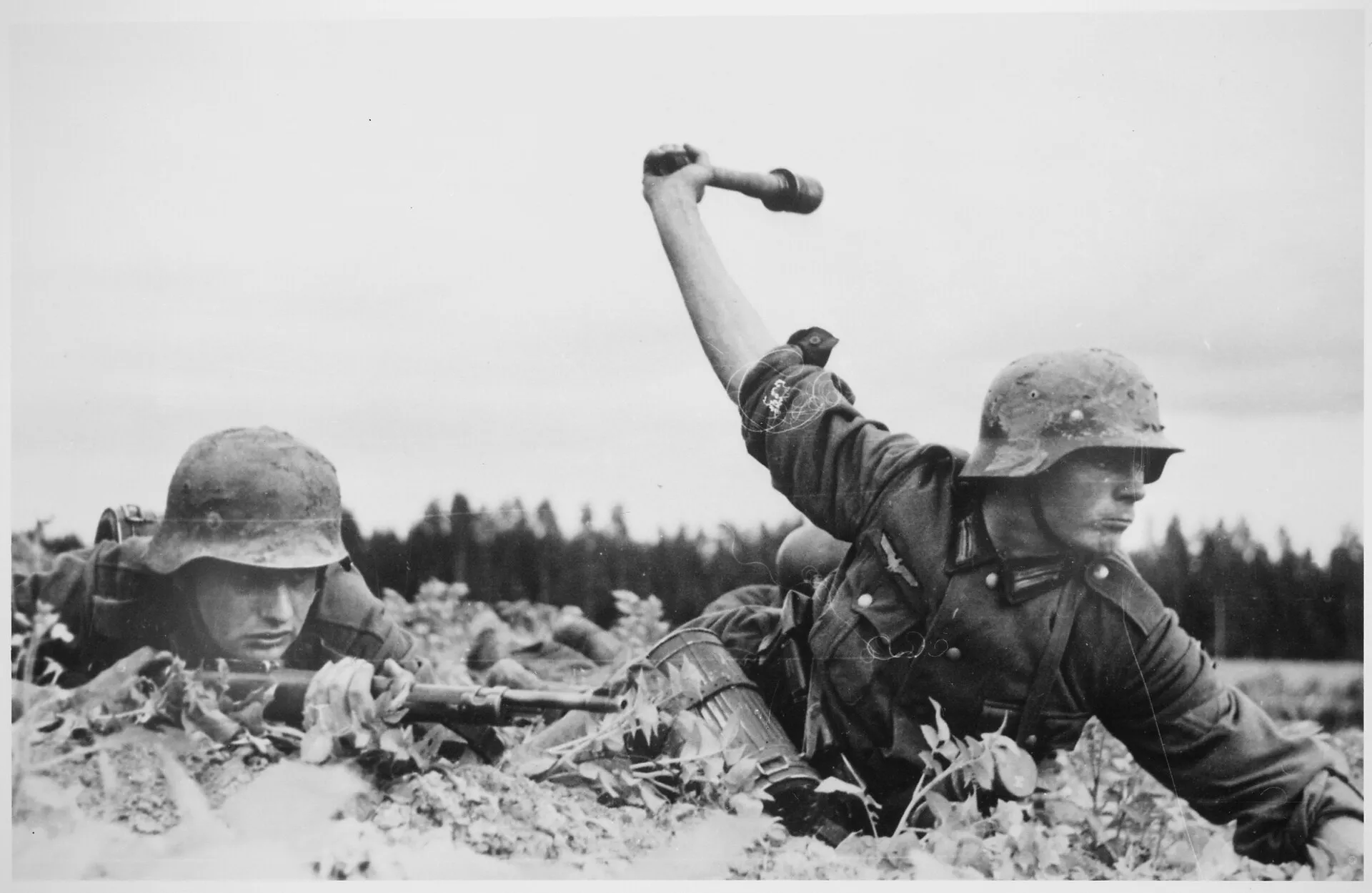
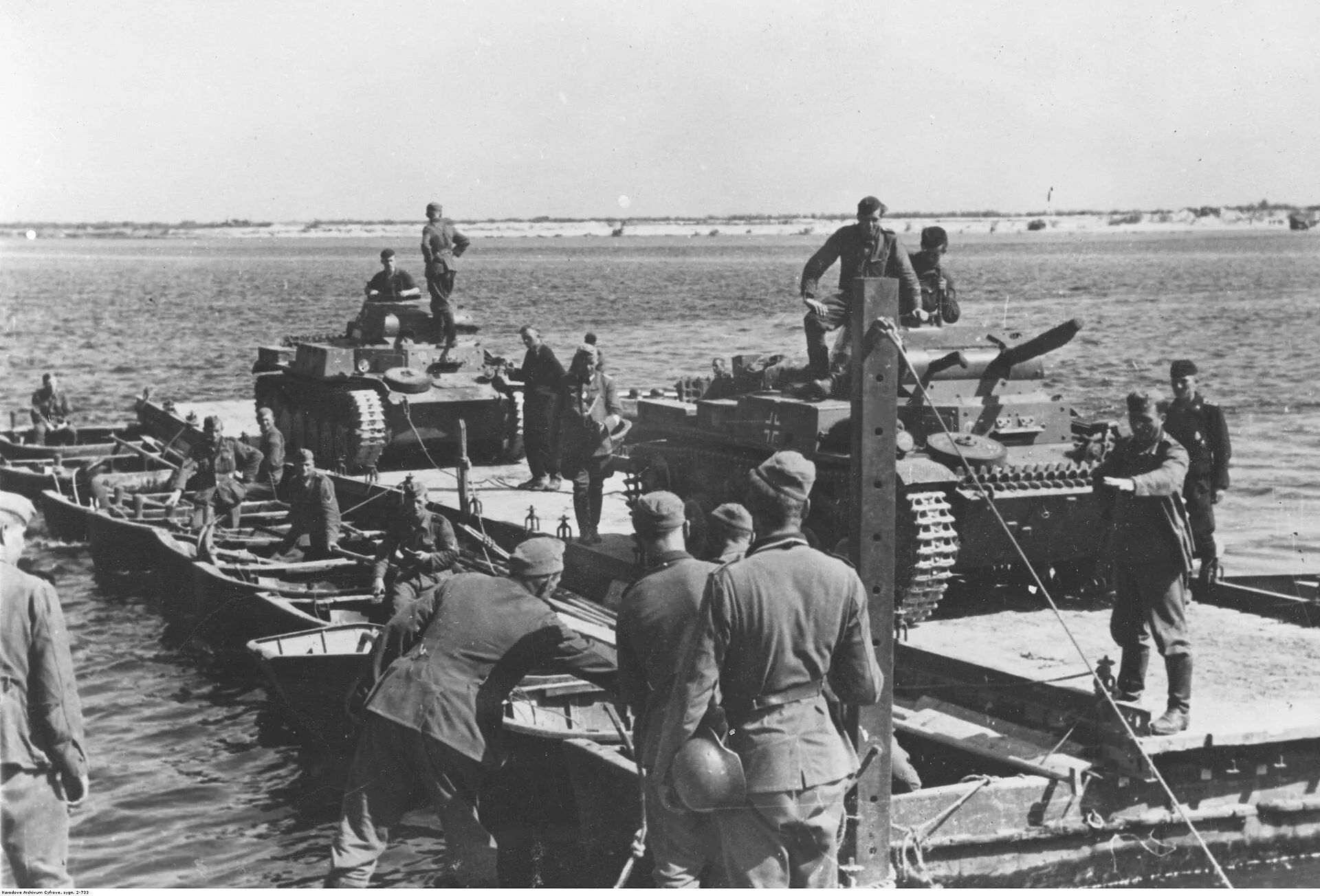
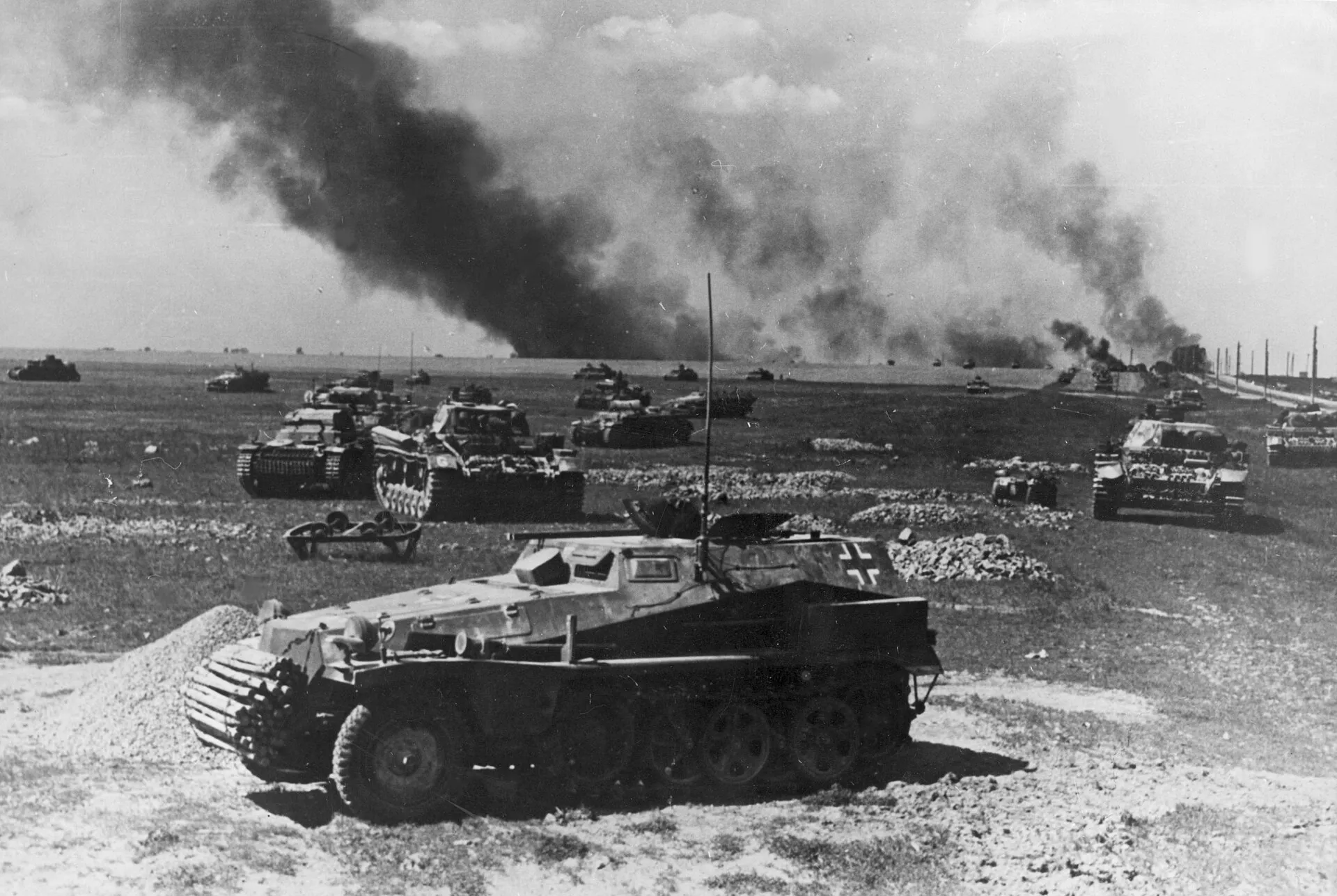
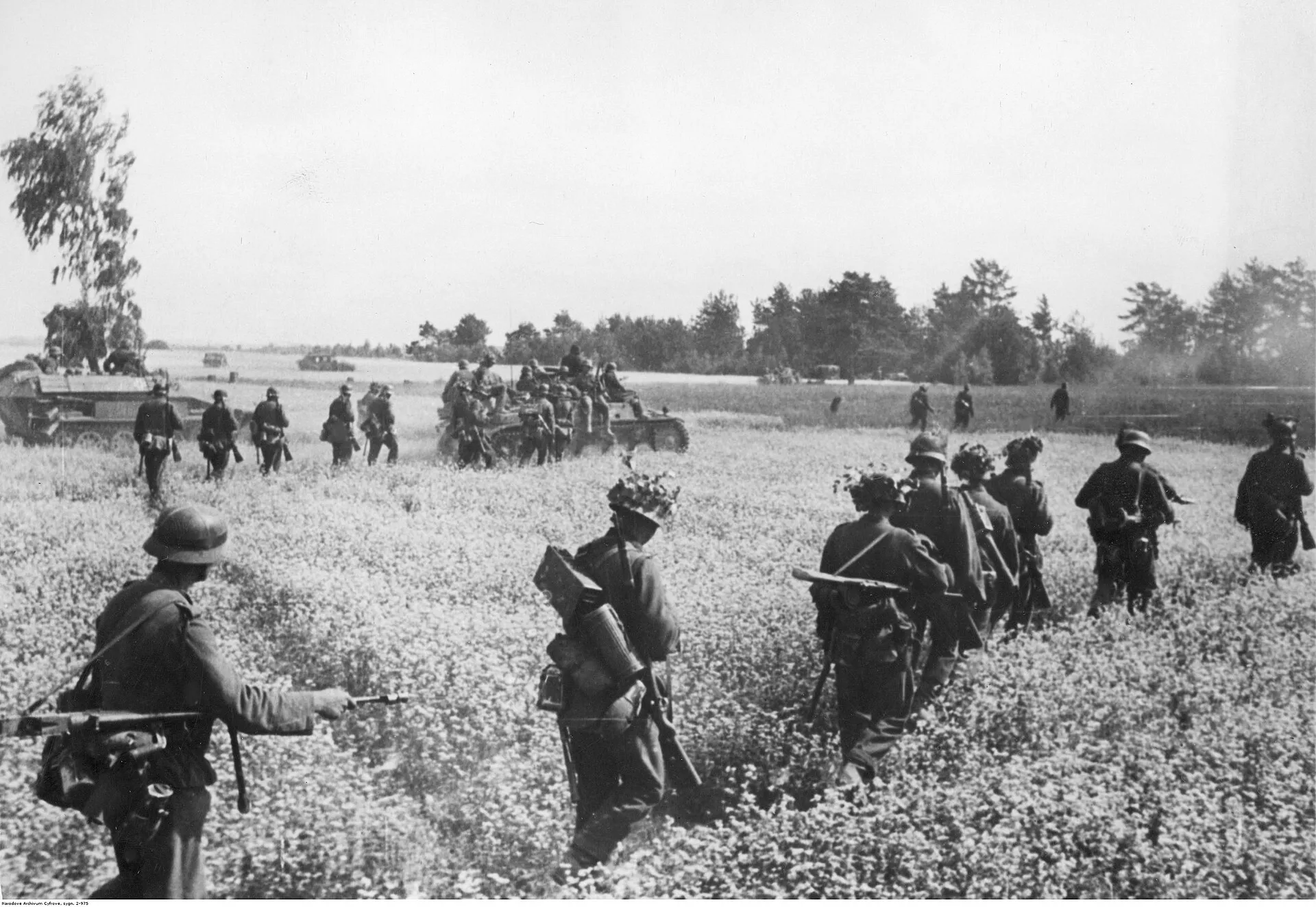
At about a quarter past three on the morning of Sunday 22 June 1941, the sky along a front of well over a thousand miles lit up. Artillery opened from the Baltic to the Black Sea, bombers crossed the border towards cities that had gone to sleep in peacetime, and three million German soldiers, with hundreds of thousands of allies beside them, moved into the Soviet Union. It was the largest invasion in history, and it was launched by a country that had signed a pact of friendship with its victim less than two years before.
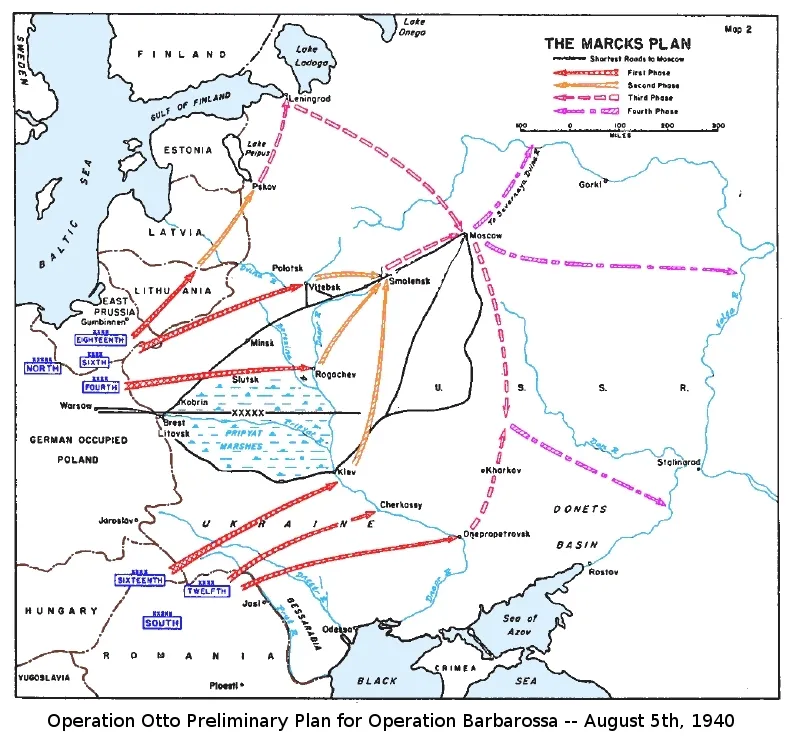
The planning had begun in 1940. Hitler decided in July of that year to attack the Soviet Union within twelve months, and staff officers produced a first outline, the Marcks Plan (also called Operation Draft East), which set the objective as a line running from Arkhangelsk in the north to Astrakhan in the south, known as the A–A line. The final plans reached Hitler on 5 December 1940, and on 18 December he signed Directive 21. The operation, which had been called Otto, was renamed Barbarossa.
The aims were not only military. Germany intended to destroy the Soviet Union by force, to remove what it saw as a Communist threat, and to seize land as Lebensraum, living space, for German settlement. These were ideas Hitler had held since the 1920s, and the pact of August 1939 had always been, for him, a temporary convenience. The campaign was conceived as a war of annihilation against the Soviet state and its citizens, and especially its Jews. On 30 March 1941 the Barbarossa Decree set the tone by legally sanctioning the killing of Communist political leaders and intellectual elites. Göring’s “Green Folder” of the same month set out the Hunger Plan, under which the urban populations of conquered areas would be starved to free up food for Germany.
Hitler expected the Soviet Union to collapse quickly, in the way Poland had. “We only have to kick in the door,” he is reported to have said, “and the whole rotten structure will come crashing down.”
The pact that was never meant to last
The road to June 1941 ran through an unlikely partnership. The Molotov–Ribbentrop Pact, signed on 23 August 1939, carried a secret protocol dividing eastern Europe between the two powers, and it let the Soviet Union move into eastern Poland, the Baltic states, Finland’s border regions and Bessarabia. A trade deal in 1940 sent Soviet oil and wheat west in exchange for German military equipment. In November 1940 Molotov travelled to Berlin, where Ribbentrop pressed a draft treaty for Soviet entry into the Axis. Hitler never intended to admit the Soviets, and when Moscow replied on 25 November with a counter-proposal of its own, Germany ignored it. A border and commercial agreement was still signed in January 1941, and Stalin went on believing that Hitler would not open a second front while Britain remained undefeated. He delayed fortifying the new border accordingly.
The plan and the delay
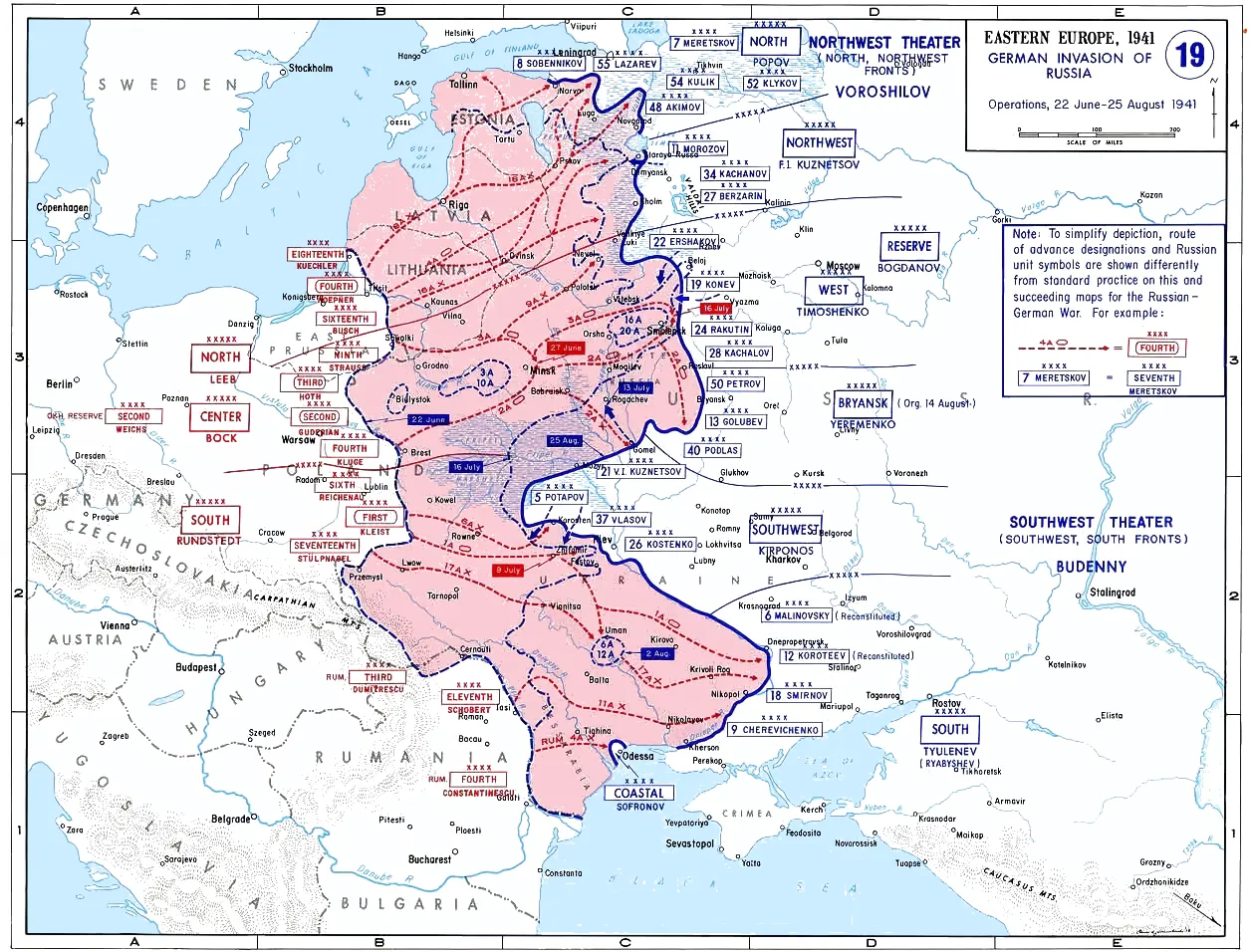
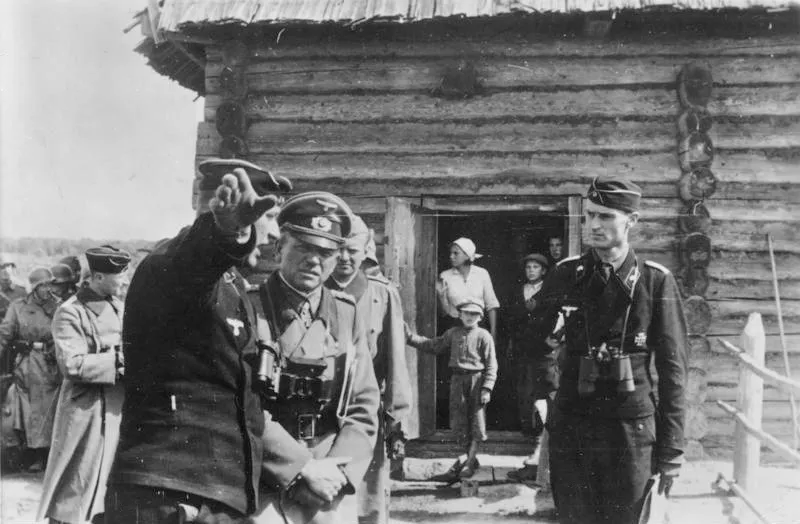
The invasion was divided between three army groups. Army Group North, under Wilhelm Ritter von Leeb, would advance through the Baltic states towards Leningrad and link up with Finnish forces. Army Group Centre, under Fedor von Bock, was the strongest, with the most armour and air power, and was to drive through Belorussia to Smolensk and then on to Moscow. Army Group South, under Gerd von Rundstedt, would attack into Ukraine, take Kyiv and push on towards the Volga and the oilfields of the Caucasus.
The attack was originally planned for 15 May 1941. It was delayed by 38 days, mainly because Germany had to fight in the Balkans, in Yugoslavia and Greece from 6 April, and also because of preparations by Finland and Romania and by flooding. Historians still debate how much those lost weeks mattered.
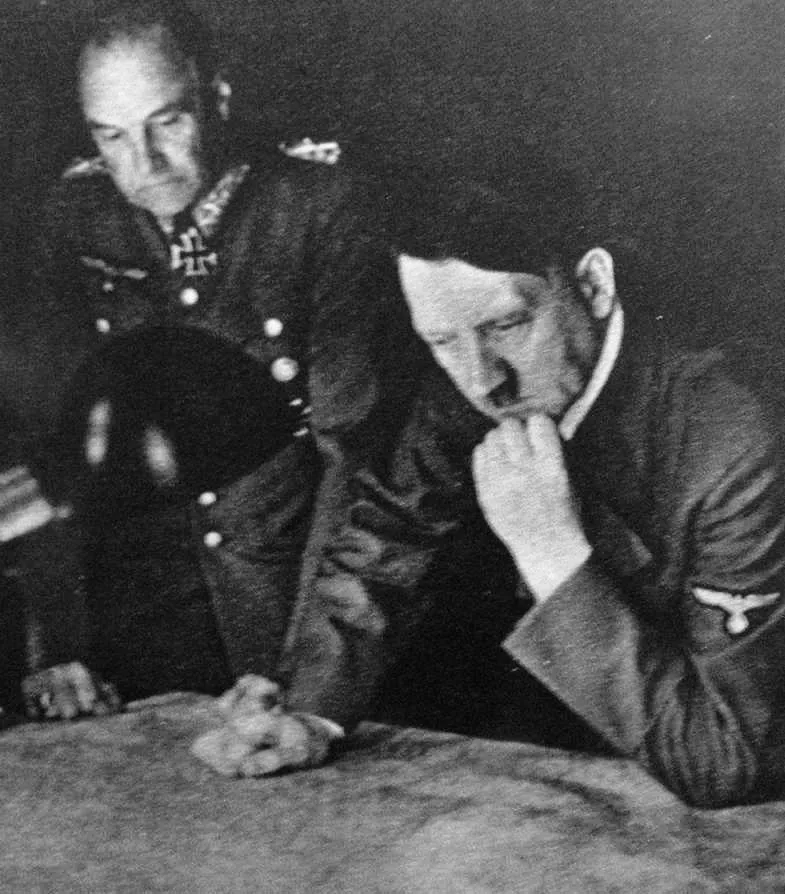
There was disagreement inside the German command over the main objective. Army Group Centre’s plan focused on Moscow, but Hitler disputed this and gave priority to Leningrad and the Donbas, with Moscow coming third. The argument over where the weight of the attack should fall would run through the whole campaign, and it was never settled by anything but events.
The two armies
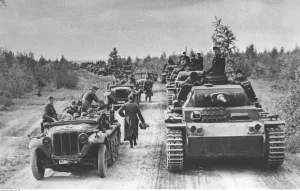
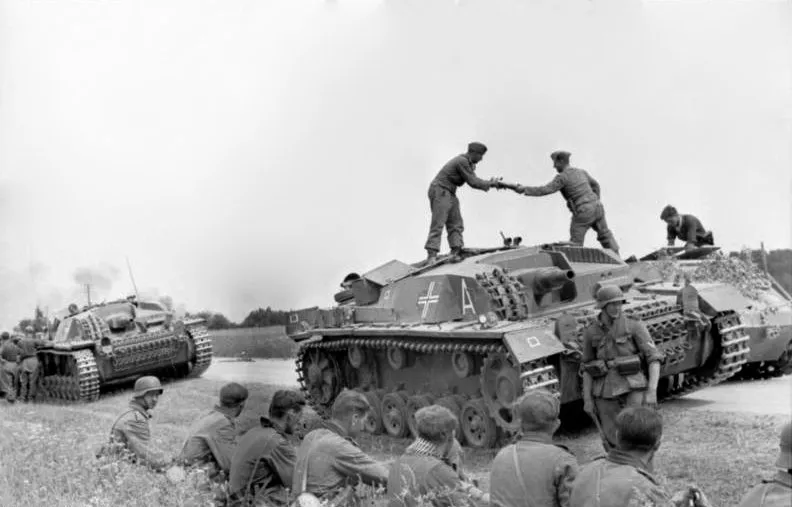
On 22 June 1941 the Axis forces numbered about 3.8 million personnel, according to the figures most often quoted, with Germany providing 153 divisions, Finland 14 and Romania 13 plus 8 brigades. They had between about 3,350 and 3,800 tanks and several thousand aircraft, together with some 600,000 vehicles and between 625,000 and 700,000 horses. The numbers vary, and figures for aircraft and artillery differ widely. The German army that moved east was, in other words, only partly modern: the spearheads were armoured, but most of the infantry marched, and its guns and wagons were drawn by horses.
The Soviet Union had more tanks and aircraft on paper than the Germans. Across the country there were about 23,000 tanks, of which some 14,700 were combat-ready, though other estimates put the number available for frontline service far lower. But the Red Army’s frontline strength in the west was only 2.6 to 2.9 million men, and its leadership had been shattered by the purges of the 1930s. Of 16 army commanders, 15 had been removed, as had 50 of 57 corps commanders and 154 of 186 divisional commanders. About 30,000 officers had been executed. The army that faced the Germans was large, but it was badly led, badly deployed and unprepared for a defensive war.
Warnings ignored
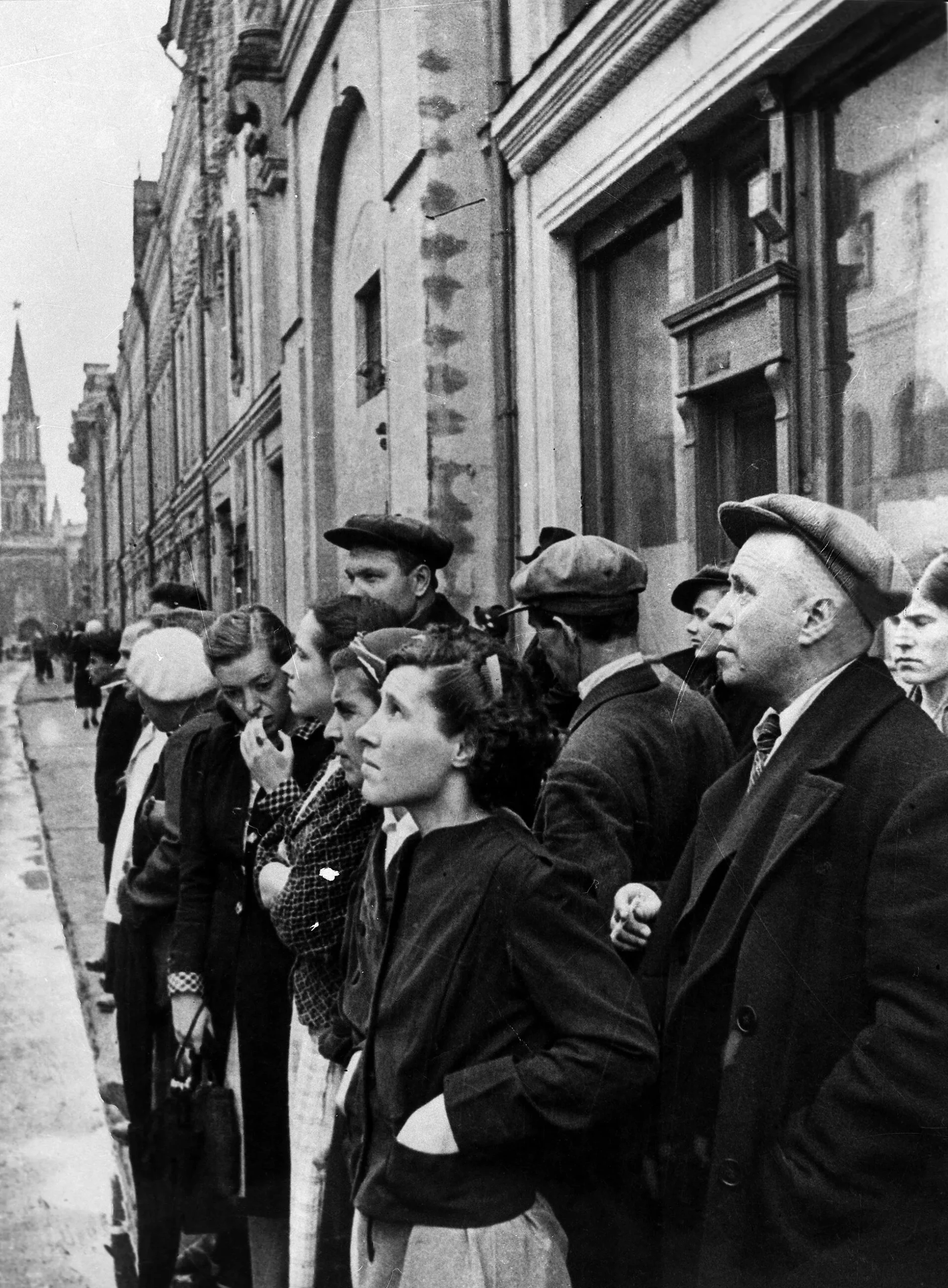
Stalin had been warned many times. British intelligence, Soviet spies and others all pointed to an attack, but he dismissed the reports, in part because he suspected the West of trying to push him into a war. At about 21:00 on 21 June, a German soldier named Alfred Liskow crossed the lines and told the Soviets that the attack would begin at 04:00. Stalin is said to have treated the warning as disinformation. A directive was sent to the Soviet commands late that night, but most units received it only after the shooting had started.
22 June 1941
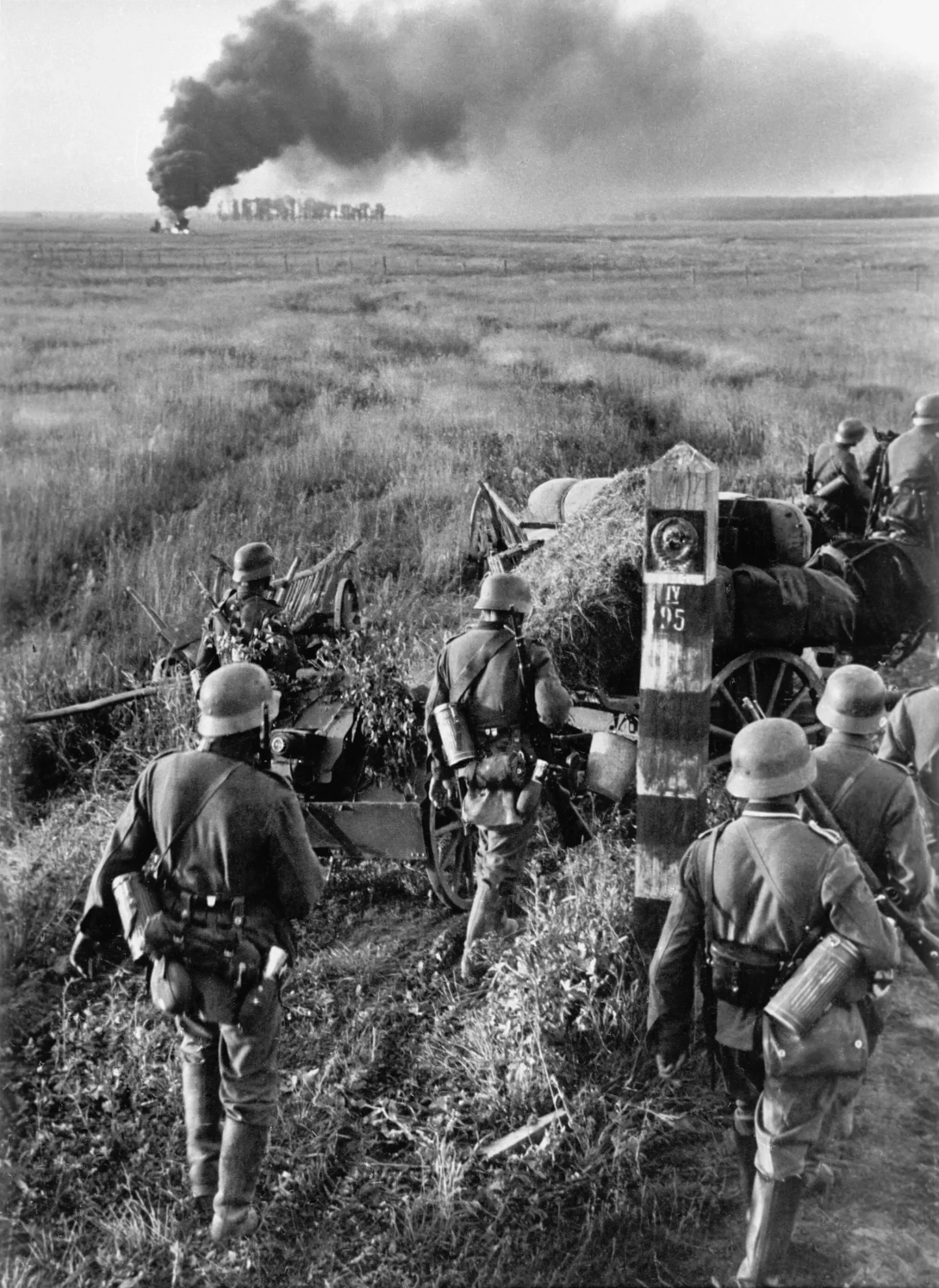
The attack began at about 03:15 with bombing of cities in Soviet-occupied Poland and an artillery barrage along the whole front. The German declaration of war was delivered to the Soviet foreign minister, Molotov, at 05:30 Moscow time, by which point the invasion was already under way. In the first hours the orders that reached Soviet units were confused, and the second directive of the morning, issued about 07:15, called for counterattacks. A third, around 09:15, ordered a general counteroffensive “without any regards for borders”. Neither bore any relation to what was happening on the ground. At noon Molotov broadcast to the country and called on it to fight a “Patriotic War”. In Berlin, Goebbels sold the invasion to the German public as a European crusade against Bolshevism.
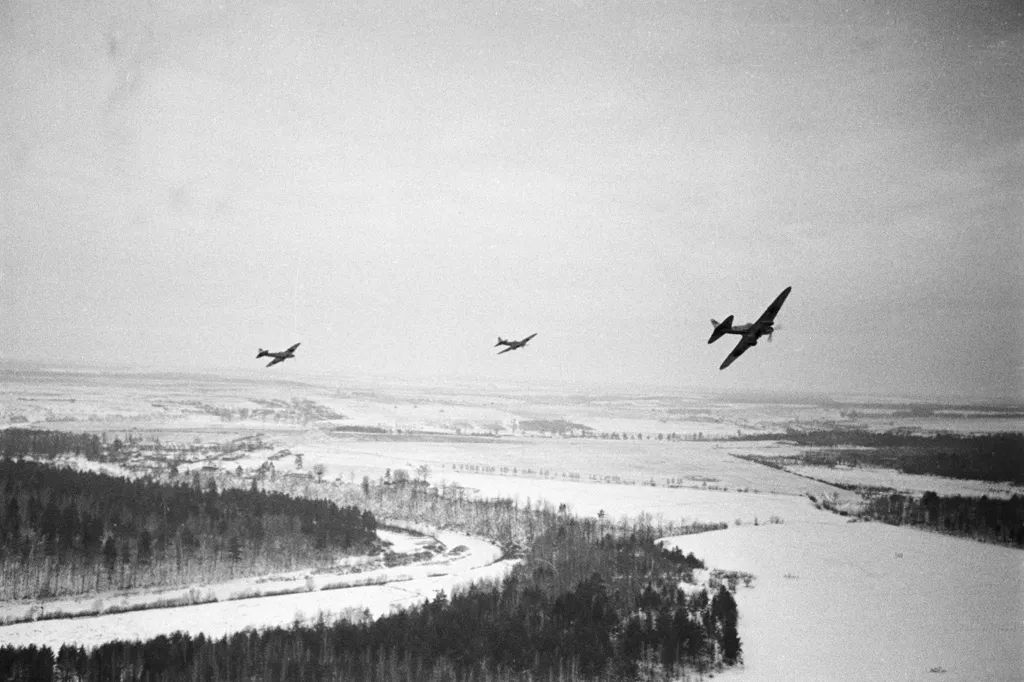
The Luftwaffe achieved a near-total surprise. German records claim that 1,489 Soviet aircraft were destroyed on the first day and more than 3,100 in three days, many of them on the ground. Soviet archives record 3,922 aircraft lost in the first three days, compared with 78 German machines. Finland, which had allowed German troops to use its territory, entered the war in the days that followed: on 25 June the Soviets bombed Helsinki, Turku and Lahti, and the Finnish parliament declared war that night.
The fortress that would not fall quickly
One of the first targets was the old fortress at Brest, on the Bug, at the exact point where the main road and rail line from Warsaw to Moscow crossed the frontier. The garrison numbered about 9,000 men, with some 300 families of servicemen inside. The Germans planned to take it on the first day with infantry and artillery alone. The assault opened with a bombardment lasting about 29 minutes, and German assault groups crossed the river four minutes after it began. The defenders, taken completely by surprise, were scattered, and they held a series of isolated strongpoints rather than a continuous line.
The fortress did not fall that day. The fighting lasted about eight days, from 22 to 29 June, and cost the Austrian 45th Infantry Division, the main attacking force, about 429 killed. The last defenders of the East Fort, some 360 men, surrendered only after the Luftwaffe bombed it twice on 29 June. The main strategic objectives, the road, the railway and the bridges, were secured on the first day, and the Germans moved on. But the story of Brest took root in Soviet memory, and the graffiti left by the defenders became iconic. In 1965 the fortress was given the title of Hero Fortress, and in 1971 a large memorial opened, dominated by a 32-metre concrete head in the socialist realist style. A myth that the fortress held out for 32 days emerged in the 1950s. The documented resistance ends in the last days of June, with only a single shoot-out recorded in late July.
Białystok and Minsk
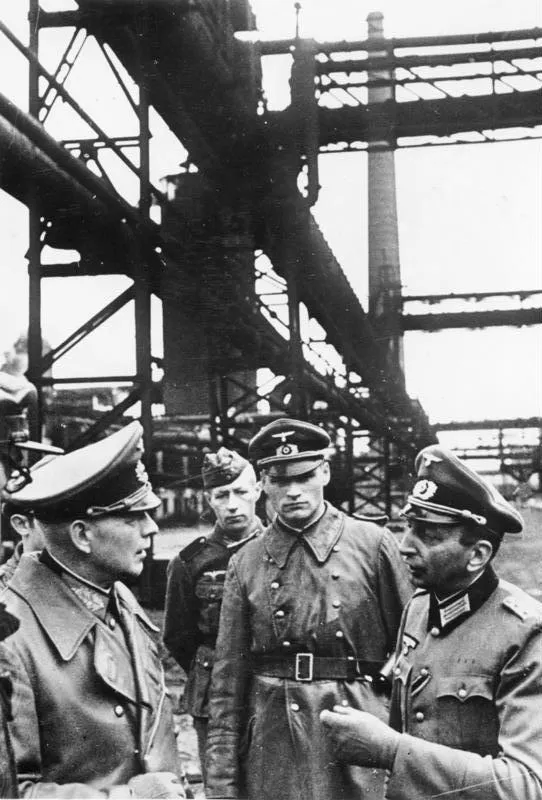
The first great battle was fought in Belorussia. The German 3rd Panzer Group reached Vilnius on 23 June, and the Soviet counterstrike of 24 and 25 June under General Dmitry Pavlov failed. Minsk fell on 26 June, and on 28 June the German 9th and 4th Armies linked up east of Białystok, trapping the Soviet 10th Army in one pocket and the 3rd and 13th Armies in another near Novogrudok. The pockets were destroyed by 9 July. The Germans destroyed the Soviet Western Front in 18 days and advanced about 460 km.
The Soviet losses were heavy. Official data record 417,729 men lost, including 341,012 killed or missing, along with 4,799 tanks and more than 9,000 guns and mortars. German accounts speak of 287,704 prisoners, though about 250,000 Soviet troops escaped. Pavlov was relieved of command on 30 June, and was tried and shot in July, one of the first of a number of senior officers made to answer for the collapse. On 29 June, Guderian, impatient to continue east, had disobeyed a halt order from Hitler to press towards Bobruisk, a small act of insubordination that showed how fast the front was moving.
North, centre and the road to Smolensk
Army Group North broke through the Soviet 8th and 11th Armies and secured crossings of the Western Dvina on 26 June, when Manstein’s LVI Panzer Corps seized a bridgehead. Pskov fell on 8 July, and by the next day the leading panzers were about 250 km from Leningrad. The siege itself began on 8 September 1941, with Finnish forces closing the northern side, and lasted until 1944.
In the centre the Germans came up against the old line of the Dnieper and the Dvina and fought the battle of Smolensk. On 6 July the Soviet 20th Army counterattacked with two mechanised corps and lost 832 of the 2,000 tanks it had committed. The Germans took Smolensk on 16 July, and the pocket closed on 27 July, trapping large parts of three Soviet armies. Bock reported more than 300,000 prisoners, a figure later revised to 350,000, though about 50,000 men escaped. Soviet official data record some 486,000 irrecoverable losses for the whole battle, and one historian puts the true casualty figure nearer a million. It was a German victory, but a costly one. The Soviet counterattacks around Yelnya and elsewhere, the first coordinated attempts of their kind, slowed the advance and bought time, and the fighting wore down the German divisions. By mid-August, Soviet resistance was stiffening, and Germany had missed its aim of winning the war before the autumn.
In the south, the Axis advance was slower. Soviet armoured counterattacks failed with heavy losses, including one on 26 June that involved 1,649 tanks, but Romanian and German forces invaded Soviet Moldavia on 2 July only to stall on the Prut–Dniester line by 9 July.
Kyiv
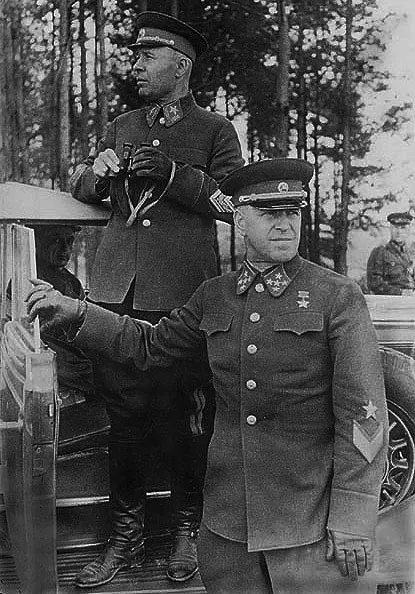
In mid-July the argument inside the German command came to a head. Directive 33 of 14 July moved the main effort away from Moscow, and by the end of August Hitler had ordered Guderian’s panzers south, into Ukraine. The south saw the largest encirclement of the year. Stalin insisted that Kyiv be held at all costs, comparing it to Leningrad. When Georgy Zhukov suggested withdrawing behind the Dnieper, Stalin rebuked him and replaced him as chief of the general staff. In mid-September Marshal Budyonny asked to pull back 250 km to the Psyol River and was refused, and Stalin replaced him with Timoshenko on 13 September without allowing a withdrawal.
Guderian’s Panzer Group 2 drove south from the Desna, and Kleist’s Panzer Group 1 broke out of the Dnieper bridgeheads, and the two met south of Lokhvytsia. The ring closed on 16 September, about 120 km south-east of Kyiv. The front commander, Mikhail Kirponos, received permission to leave Kyiv only on 17 September, too late. He was killed trying to break out. The city fell on 19 September, and fighting inside the pocket continued until 26 September. About 452,700 Soviet soldiers were trapped, and only about 15,000 escaped by 2 October. German reports claimed about 665,000 prisoners, while the Soviet official history considers more than 222,000 unlikely. It was the largest encirclement in military history. After the city fell, the Germans murdered about 33,000 Jews at Babi Yar in a two-day massacre.
The war against civilians and prisoners
Alongside the military campaign ran a campaign of murder. Heydrich briefed the commanders of the Einsatzgruppen, the SS killing squads, on 17 June 1941 about eliminating Jews in the Soviet territories, and units were ordered to execute captured political commissars. The Einsatzgruppen followed the army and began mass shootings, at first mainly of Jewish men, Communist officials and Roma. In late July, Higher SS and Police Leaders arrived and began to shoot whole Jewish communities. Within six months the Einsatzgruppen had murdered more than 500,000 Soviet Jews, and over a million Soviet Jews were killed altogether. The killing squads murdered well over a million civilians, mostly by mass shooting, and on 15 October 1941 Hitler decided to deport German Jews to the occupied east, a decision that led towards the Final Solution.
The treatment of prisoners was just as brutal. The Axis powers captured about 5 million Red Army soldiers, and about 3.3 million of them were starved to death or otherwise killed. The Hunger Plan was modified in late 1941, but the policy of feeding only economically useful civilians continued, and it contributed to mass deaths in Leningrad, Kharkiv and Kyiv.
The Wolf’s Lair
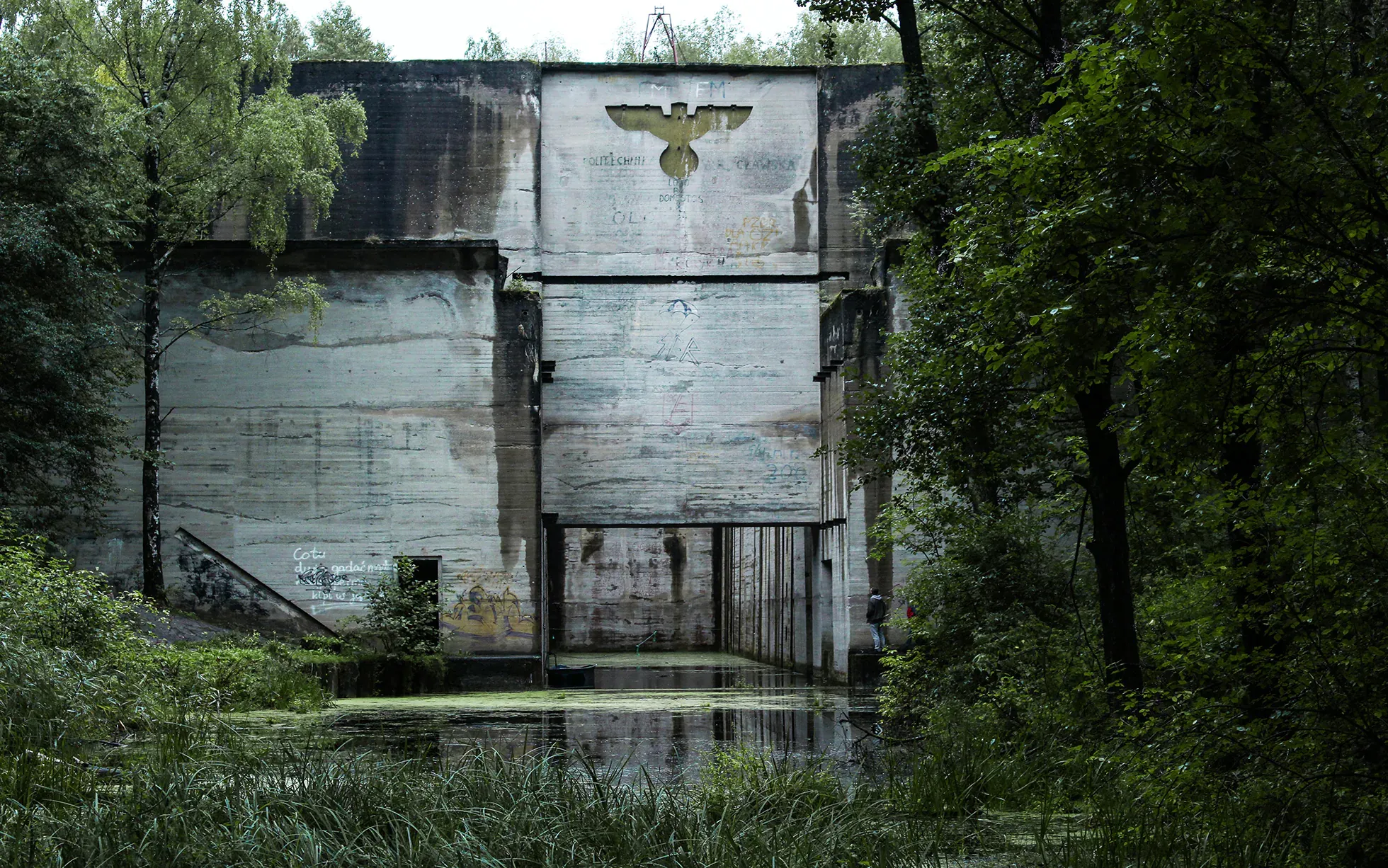
Hitler ran much of the campaign from East Prussia. He arrived at his forest headquarters, the Wolf’s Lair, on 24 June 1941, two days after the invasion began. The complex was built in 1940 and 1941, in a forest chosen partly for its closeness to the Soviet border and its natural cover. According to Speer, between 28 July 1941 and 20 March 1942 Hitler left it only four times, for 57 days in total.
The Soviet response
The Red Army lost millions of men in the first months, but the state did not collapse. Scorched-earth orders slowed the German advance, and an enormous effort was made to move the economy out of its path. A Council for Evacuation was set up on 24 June, two days after the invasion, and by the end of 1941 nearly 16 million civilians and more than 1,500 large factories had been moved to the Urals, Siberia and Central Asia. It was far from orderly, and most people left on their own, without assigned destinations, but the relocated plants would outproduce Germany in the years to come. By 1945, Soviet industry had supplied the Red Army with some 73,000 tanks and 82,000 aircraft.
Operation Typhoon and Moscow
With Kyiv gone, the Germans turned to Moscow. Operation Typhoon began around 30 September or 2 October 1941, and Army Group Centre trapped large Soviet forces in the pockets at Vyazma and Bryansk. German assessments claimed 673,000 prisoners, while recent research gives about 514,000, which reduced Soviet strength by about 41 per cent. The Germans reached the Mozhaisk defence line by 13 October, where only about 90,000 Soviet soldiers were in position, and took Mozhaisk on 18 October.
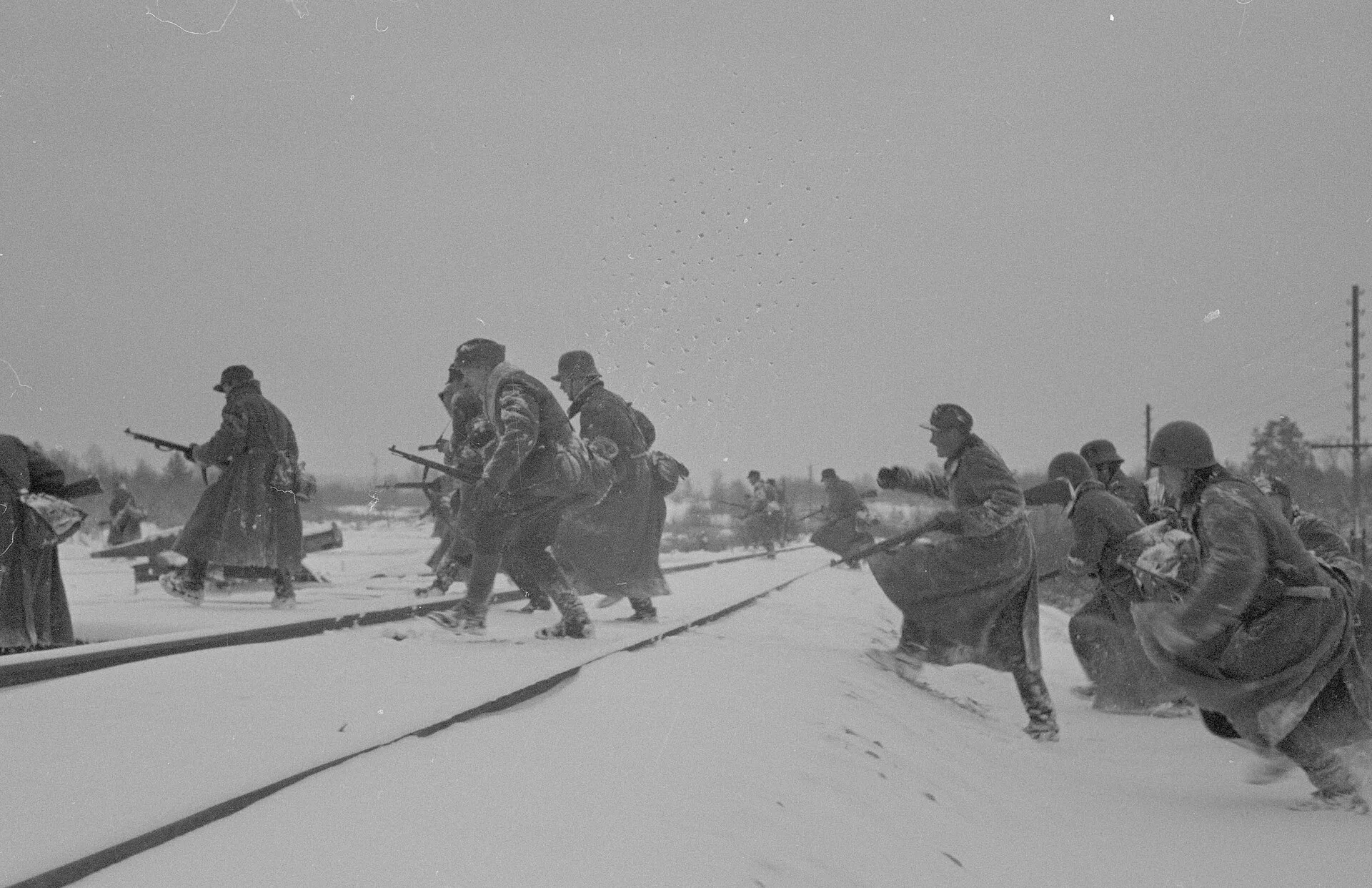
The weather turned against them. The first snow fell on 7 October and melted, turning the roads to mud, and the ground did not freeze hard until 15 November. Zhukov was recalled from Leningrad on 6 October and took charge of the defence of Moscow on 10 October. The accounts of how cold the November and December days were differ widely, with figures from about minus 7 to minus 45 degrees Celsius, but German soldiers were not equipped for winter warfare.
On 2 December 1941 a German reconnaissance battalion reached Khimki, about 30 km from the Kremlin. It was the closest the Wehrmacht would come.
The counteroffensive
On 5 December the Soviet Union struck. The Kalinin Front attacked first, and the North-Western and Western Fronts followed on 6 December. The Germans, overstretched along a front of roughly a thousand miles, were driven back in disorder. By the time the offensive halted on 7 January 1942, German armies had been pushed 100 to 250 km from Moscow. Soviet losses in the defence of Moscow were 514,338 killed or missing and 143,941 wounded, and a further 139,586 killed or missing and 231,369 wounded in the counteroffensive. German official losses for Army Group Centre between October and January were 174,194, a figure that is likely to understate the true total. The newly formed German front line was held, but only because Hitler forbade retreat, and the army that had expected to be in Moscow by Christmas spent the winter dismissing its generals.
The balance sheet
By 5 December 1941 the campaign had cost more than 8 million casualties. German medical reports list about 186,452 killed, 40,157 missing and 655,179 wounded, with total military casualties of more than a million. Soviet archives give about 4.5 million military casualties for the same period, including 2,335,482 missing or captured. The Axis powers had taken about 1.6 million square kilometres of Soviet territory.
They had not reached the A–A line, and they had not destroyed the Red Army. Germany could no longer attack along the whole front, and its later offensives, Case Blue in 1942 and Citadel in 1943, failed in turn. In the end, Hitler himself is said to have remarked that had he known the strength of Soviet armour in 1941, he would not have attacked.
Conclusion
Operation Barbarossa was one of the largest invasions in history, and the plan that launched it contained the seeds of its own failure. It assumed a quick victory, and the Soviet Union did not collapse. The Wehrmacht won vast battles, but its supply lines, its timetable and its winter clothing all gave out before the Red Army did.
It was also the point at which the Second World War in Europe became a war of extermination. The killings of Soviet Jews, the deaths of millions of prisoners and the starvation of cities were not by-products of the campaign. They were part of its design. Seen from the Soviet side, the same months produced both the catastrophe of 1941 and the first sign that Germany could be stopped, at the gates of Moscow.
Did you know?
- The invasion was originally planned for 15 May 1941 and was delayed by 38 days, mainly by the Balkan campaign.
- The operation was first called Otto before it was renamed Barbarossa.
- A German deserter, Alfred Liskow, crossed the lines on 21 June to warn the Soviets that the attack would come at 04:00.
- At Kyiv, about 452,700 Soviet soldiers were trapped and only about 15,000 escaped.
- A German reconnaissance battalion reached Khimki, about 30 km from the Kremlin, on 2 December 1941.
- The Axis powers captured about 5 million Red Army soldiers in 1941 and about 3.3 million died in custody.
Places connected to this event
 The Wolf’s Lair: Hitler’s Forest Headquarters on the Eastern Front
 Mamerki: The Army High Command’s Secret Bunker City in the Masurian Forest
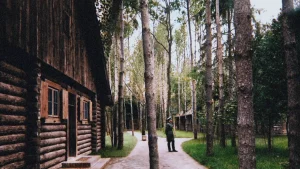 Werwolf: Hitler’s Forgotten Headquarters in Ukraine
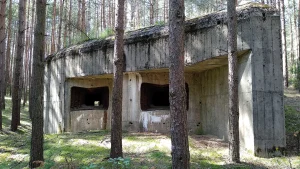 The Molotov Line: Stalin’s Unfinished Wall on the Border
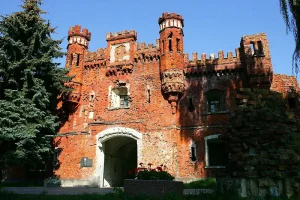 Brest Fortress: The Citadel on the Bug That Became a Soviet Memorial