A battlefield nobody tidied
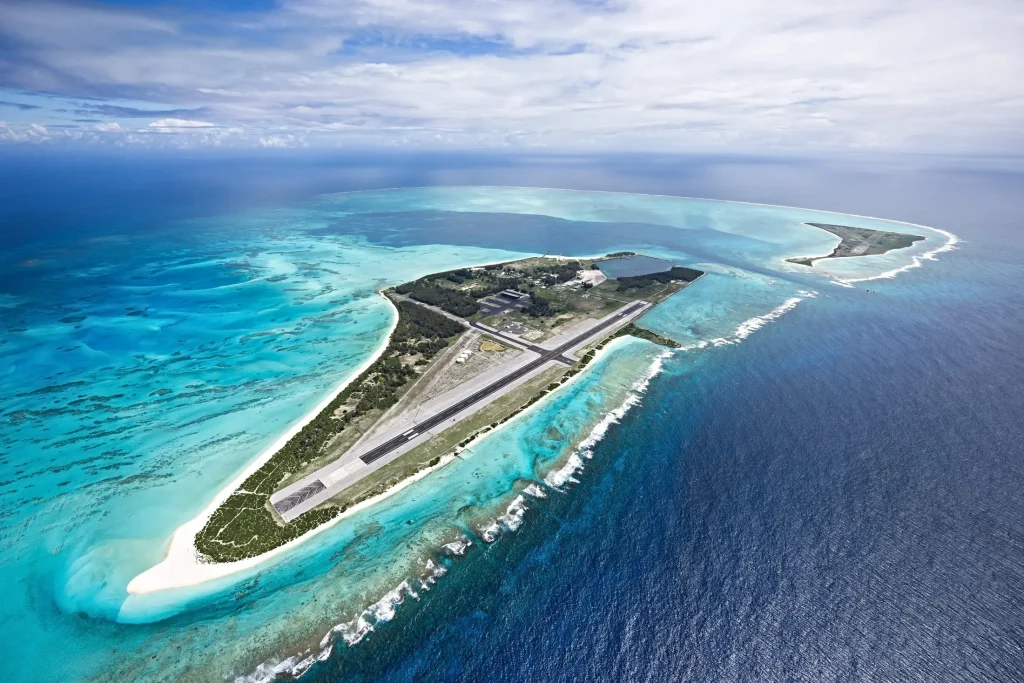
Most battlefields are rearranged by what comes after them. Farmers plough over trenches, towns spread across old front lines, and a generation later the visible traces are a few monuments and a lot of imagination. Kiska is the opposite. It is a narrow, hilly, treeless island of fewer than 30 miles in length, crowned at its northeastern end by a snow-covered volcano of about 4,000 feet that is usually hidden in cloud. The ground is muskeg, a spongy mat of rotting plants that swallows boots. The wind can reach around 140 miles an hour. The Aleuts, who lived on the island until the Russians removed them in the late eighteenth century, have a name for the Aleutians that translates as the Birthplace of the Winds, and anyone who has been there is unlikely to argue.
Almost nobody lived on Kiska for roughly 75 years after the United States bought Alaska in 1867. Then, within the space of a little over a year, it was made into a fortress by Japan, bombed by the United States, abandoned by Japan, and invaded by the United States and Canada. Then it was left alone again. The result is a battlefield with no substantial human presence before the war and almost no alteration to the landscape afterwards. The National Park Service’s cultural landscape work describes the central battlefield as one with no later additions or changes in land use. How rare that is depends on who is describing it: it has been called the only battlefield of its kind in the United States, and one of two or three in the world. Either way, the point is the same. What we can see on Kiska is mostly what was left there in August 1943.
The story is worth telling slowly, because the usual summary of Kiska is a joke. Thirty-four thousand soldiers landed on an island with nobody on it, and the Allies lost men to their own fire. That is true, and we will get to it. But the joke skips the more interesting half: why a large Japanese garrison was there at all, how it left without anybody noticing, and why the physical evidence is still lying where it fell.
Ten men and a dog
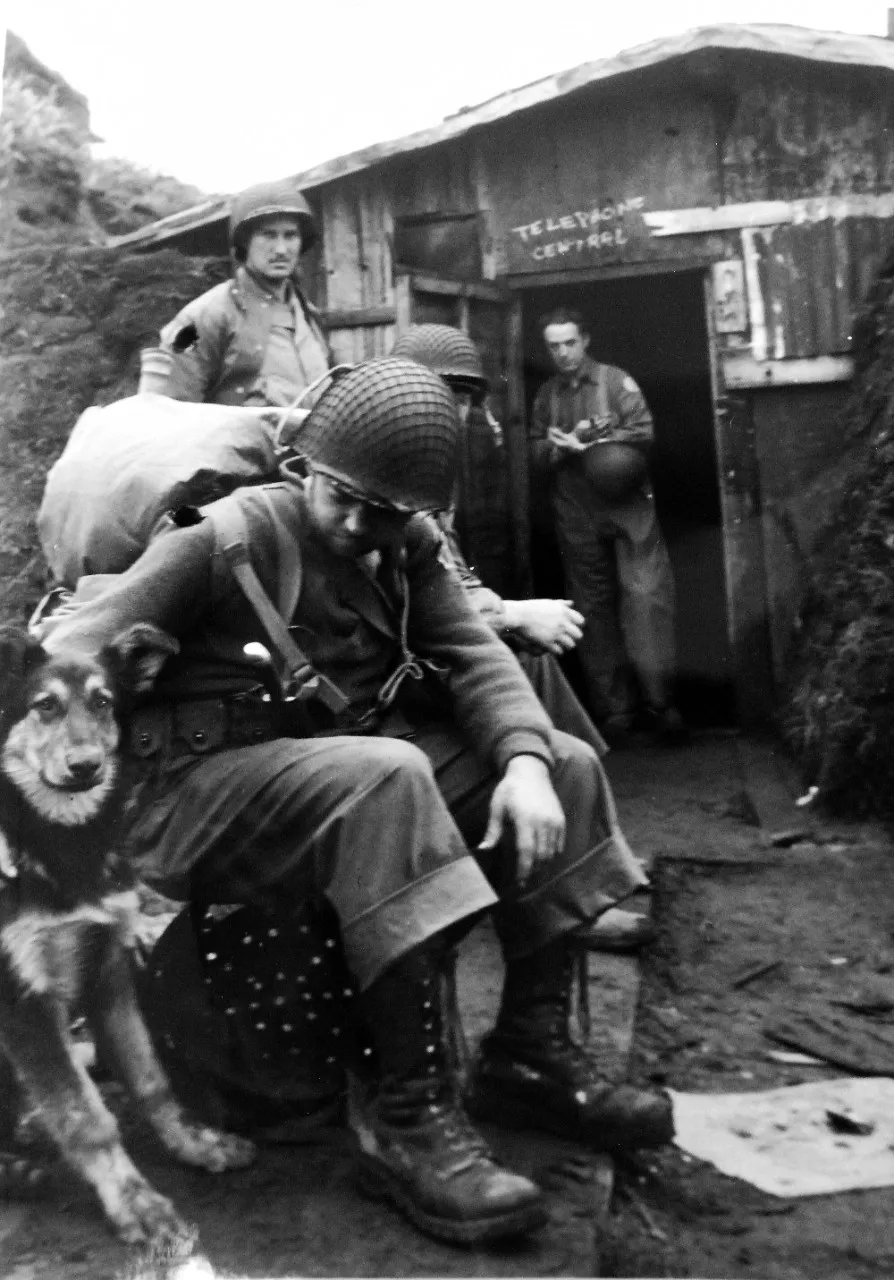
Before the war, Kiska’s only human presence was a small US Navy weather station. The detachment had been sent there to report on the weather that drifts across the North Pacific, and in the first days of June 1942 it consisted of ten men, with two more absent, and a pet dog, reportedly named Explosion.
The reason Japan arrived is simple. In April 1942 the Doolittle raid had flown over Tokyo, and in early June a Japanese carrier force attacked Dutch Harbor in the eastern Aleutians while the main fleet headed for Midway. The occupation of Kiska and Attu was meant to extend a patrol line across the North Pacific, to make it harder for American forces to reach Japan along the island chain, and to divert American attention from Midway. On 6 June 1942 (a few sources say 7 June) a force of about 500 to 550 Japanese naval marines came ashore at Kiska Harbor. The weather detachment offered little resistance. Two Americans were killed, seven were captured and sent to Japan as prisoners, and one, Chief Petty Officer William House, escaped into the hills.
House’s story is the most human detail of the whole occupation. He is said to have lived on plants and worms and stayed free for about 50 days before he gave himself up, by which time he was reportedly down to about 80 pounds. The weight comes from a single telling, though the 50 days is well attested.
The occupation had a symbolic weight, because it put Japanese troops on American soil. It also tied up American and Canadian resources, which was one of Japan’s aims. But Kiska could be supplied only by sea, in a region where the United States could fight with aircraft and submarines, and the cost of holding it would soon become clear.
Building a base in the fog
What Japan built on Kiska was more serious than a flag on a hill. Over the following months the island garrison grew. Estimates of its peak strength vary, from about 6,800 to more than 7,200, and about 7,800 in an American naval history. The differences may reflect different counting dates, or whether civilian labourers are included. In any case, it was a substantial force.
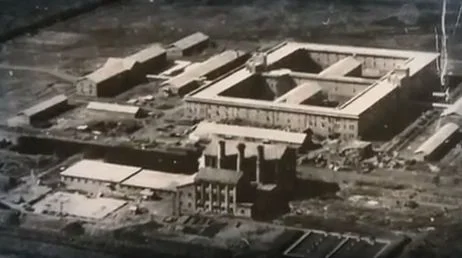
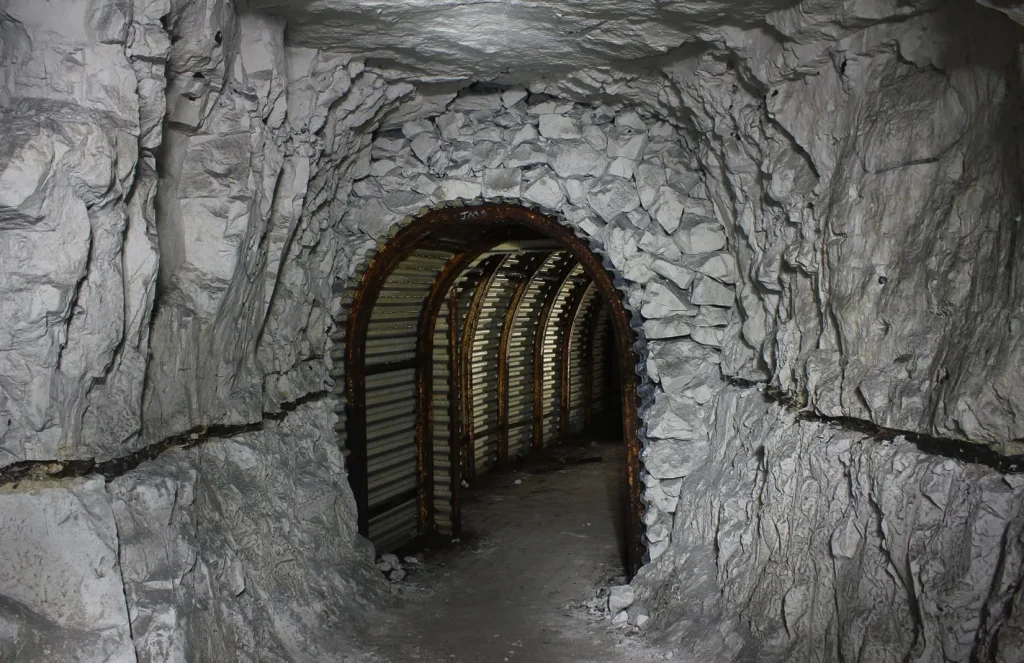
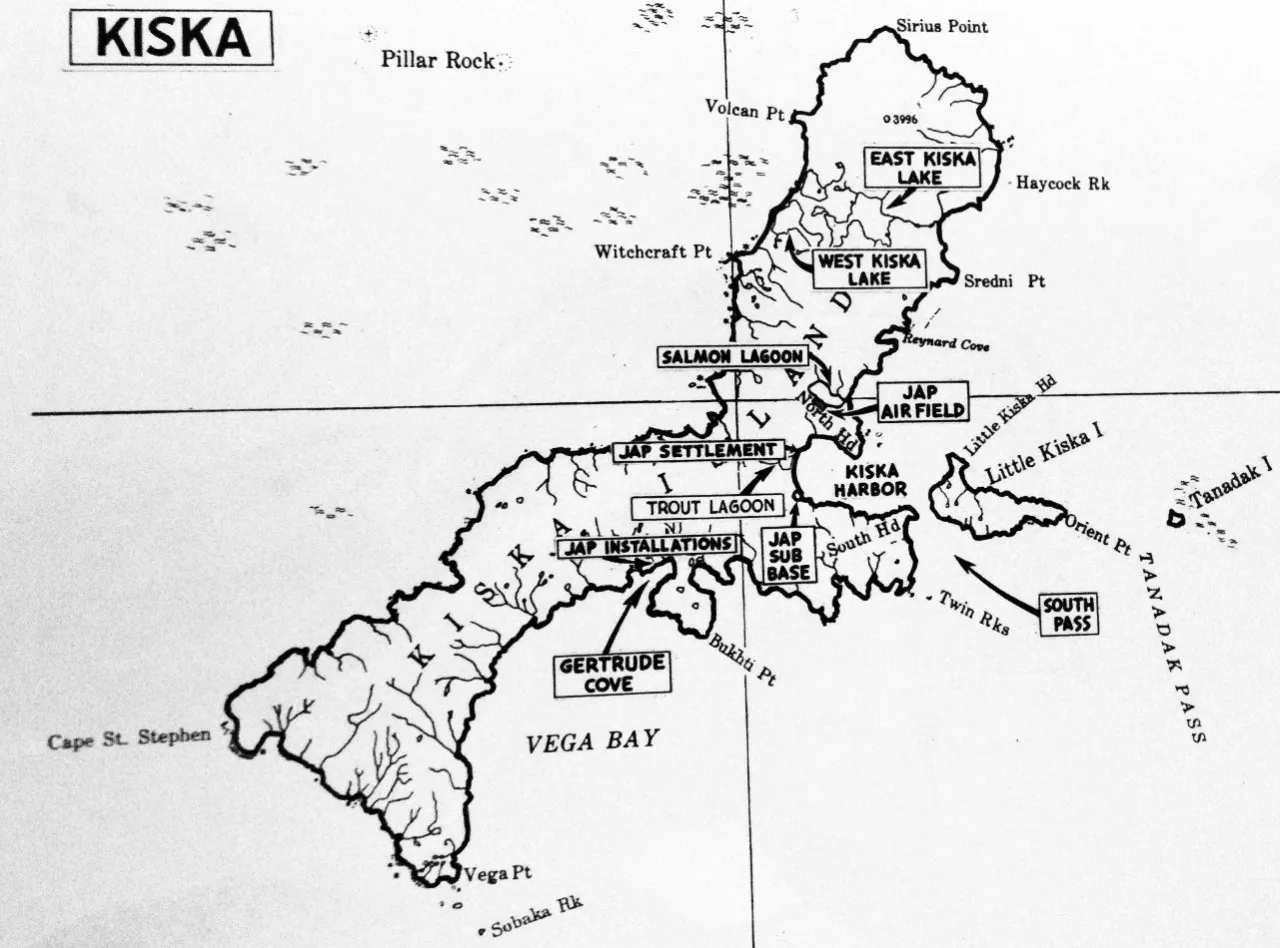
The centre of it was Kiska Harbor, one of the few sheltered anchorages in the western Aleutians. The Navy put a submarine base, including a ramp and pens for midget submarines, and a seaplane base there. The Army kept about 3,500 men at Gertrude Cove on the southern side. The garrison dug tunnels for hospitals, storage and shelter, some of them reinforced with concrete, and set barracks and buildings behind sod walls to keep the wind out. They built roads between the two main areas, laid telephone and power lines, put in a sawmill, machine shops and a water system complete with fire hydrants, and even set up a Shinto shrine. The hydrants are still in the Main Valley, bearing the emblem of the Japanese Navy.
“All of this indicates a lot of effort and that they intended to stay.”
Dirk Spennemann, archaeologist, speaking about the Japanese works on Kiska
Not everything worked. There were no docks, so supplies had to be moved ashore by lighter and landing craft through a surf that wrecked several seaplane fighters. The airfield at North Head, which the Japanese began by hand on the muskeg, was never finished, because American bombers kept undoing the work. The defences were mostly anti-aircraft guns and coastal batteries, sited on the headlands and around the harbour.
A war against weather
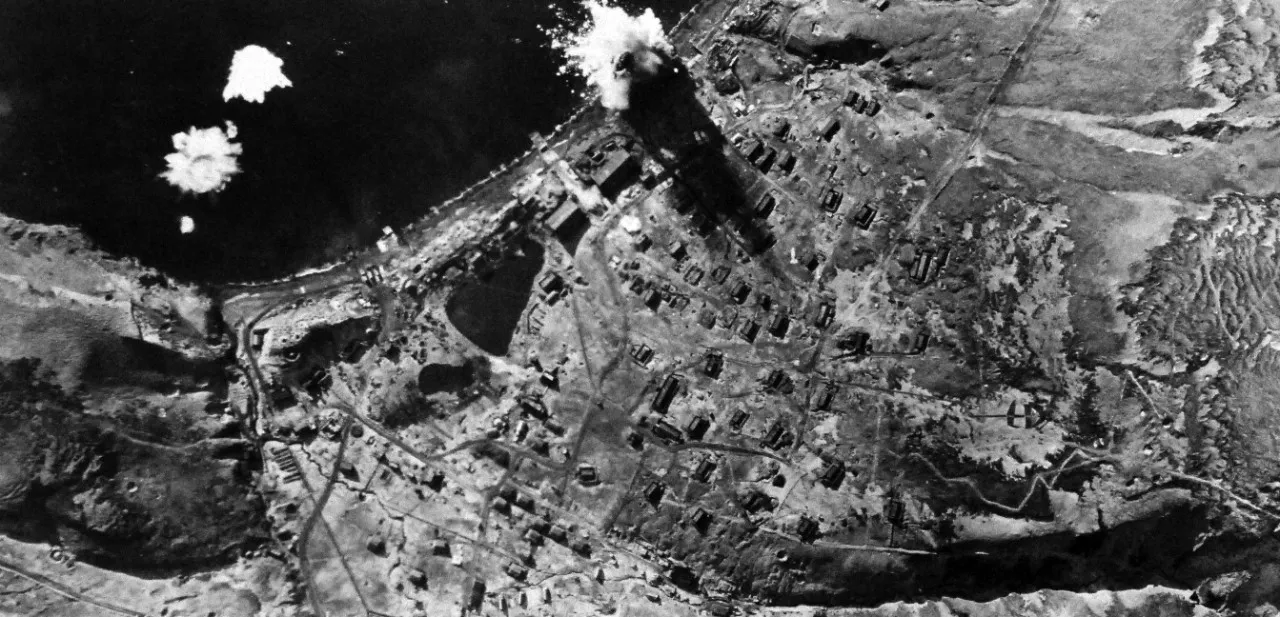
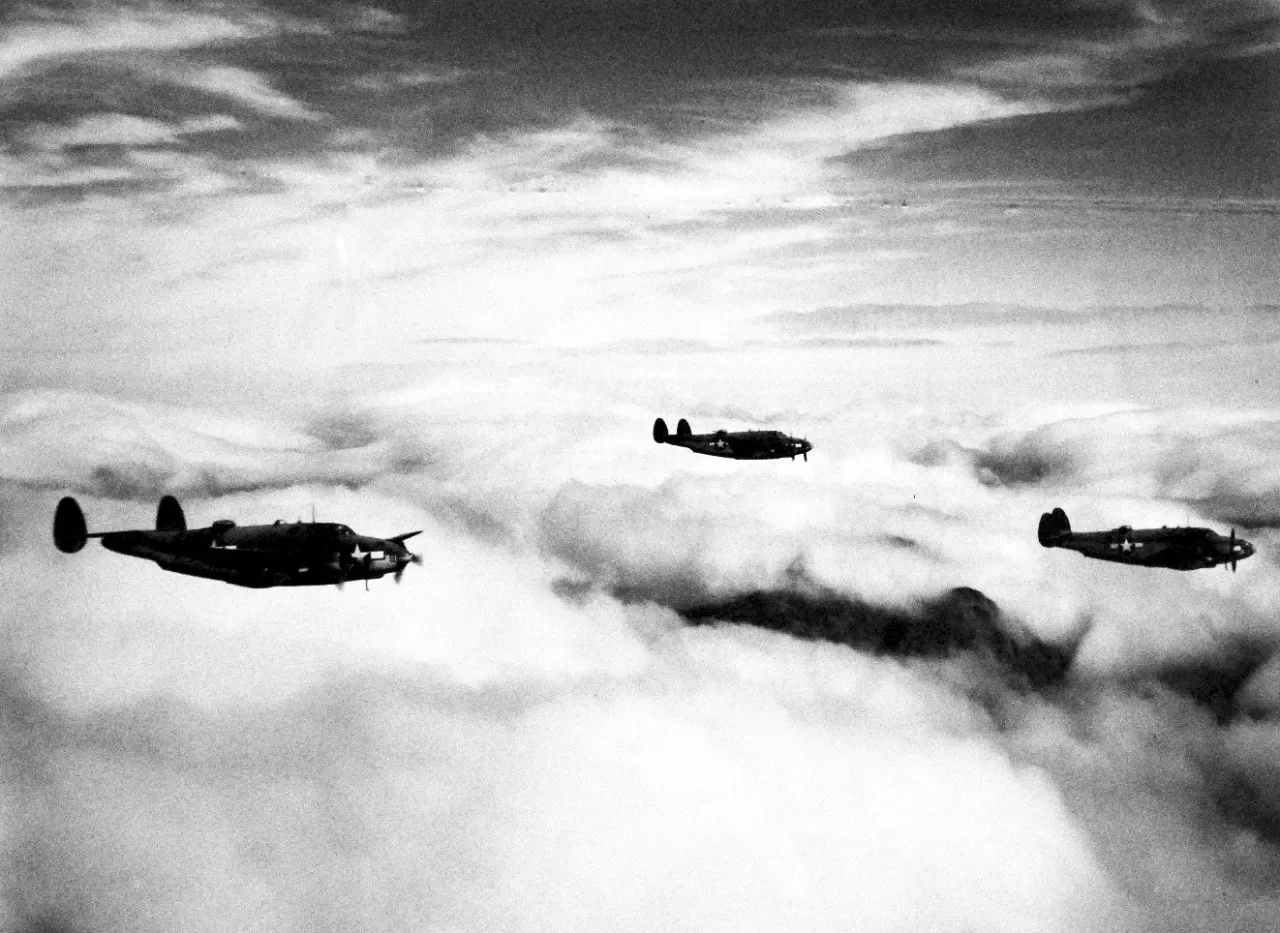
American bombers began attacking Kiska on 11 June 1942, in what became known as the Kiska Blitz, and they kept it up for more than a year. The count runs to 601 missions and 3,609 sorties between June 1942 and mid-August 1943, and the total weight of bombs is given as roughly six to seven million pounds. Much of this achieved less than it sounds. Visibility over Kiska is often close to nil, and pilots in fog frequently released their bombs by timing a run from a fixed starting point, with no sight of the target at all. In the autumn of 1942 the Eleventh Air Force lost nine aircraft to enemy action in the Aleutians and 63 to weather and mechanical problems.
The sea war was a mixture of blockade, bombardment and the occasional sharp clash. Japanese supply ships were sunk in the harbour and around the island, among them the Nissan Maru in June 1942 and the Borneo Maru, which ran aground at Gertrude Cove in October. The USS Growler sank a Japanese destroyer and damaged two others on 5 July 1942, in what is called the bloodiest action around Kiska, and the USS Grunion was lost off the island at the end of that month, possibly to one of her own torpedoes. Japanese submarines were used for resupply and, later, evacuation, and the US Navy sank at least two of them. One was chased onto the rocks by the destroyer USS Monaghan in June 1943 and abandoned.
The island was blockaded by sea and bombed from the air, and the weather did a good deal of the damage to the attackers. Retired Rear Admiral Samuel Cox, director of the Naval History and Heritage Command, has said that the weather was so bad that both sides quickly worked out neither was going to invade the other. That held until May 1943.
Attu changes the arithmetic
On 11 May 1943 (some accounts say 12 May) American forces landed on Attu, the other island Japan held. The fighting lasted nearly three weeks. About 2,650 Japanese defenders were on Attu and almost all of them died, with only 29 surviving by most counts. The American toll was heavy, in the region of 3,800 casualties, including about 549 killed in action. The scale of that fight shaped everything that followed. The Allies expected Kiska, which they believed held about 11,000 men, to be worse.
The Japanese concluded something different. With Attu gone, Kiska was cut off, the supply line was a series of submarine trips that cost more than they delivered, and the air and sea around the island were firmly in American hands. Imperial General Headquarters ordered the garrison to withdraw shortly before Attu’s final assault. Tokyo had judged the island indefensible and chose to spare the garrison a final stand like the one on Attu.
The first attempt at an evacuation used submarines. More than ten submarines made the run and took off about 900 men, at the cost of three submarines lost and many damaged. That was clearly not going to work for 5,000 more men. In the end the navy settled on a surface operation that depended on two things: fog, which the Aleutians produce in large quantities in summer, and speed. The squadron would arrive, load, and leave within a very short space of time, before anybody noticed.
The miracle in the fog
Command of the operation fell to Rear Admiral Kimura Masatomi, who led the 1st Destroyer Squadron. His force consisted of two light cruisers, the Abukuma and the Kiso, and a group of destroyers, with four more destroyers as cover. The new destroyer Shimakaze, with its modern radar and high speed, was central to the plan. Kimura is said to have asked for a meteorological officer to go with him, which tells us he understood what the whole plan depended on.
His first attempt, in early July, failed. The reasons are told differently: in the American telling weather forced the Japanese to turn back several times, while the Japanese record says the sky was clear and there was no fog to hide in. Kimura was criticised afterwards for lacking nerve, and he nevertheless decided to go again on 22 July. The central fact is that he turned back and tried again. The explanation is uncertain.
The second approach worked. In the last days of July, shortly before the Japanese arrived, a US task group of battleships and escorts about 80 miles west of the island picked up seven radar contacts and opened fire. This is known as the Battle of the Pips. The ships, centred on the battleships Mississippi and Idaho, fired 518 14-inch shells and scored no hits. It is not known what the contacts actually were. Radar of the period was new and unreliable, and no Japanese surface ship was within about 200 miles of the group. One author has suggested that the contacts could have been rafts of migrating seabirds. Nobody knows if that is true. The dates given for the episode vary between 26, 27 and 28 July.
On the night of 29 July, a US patrol fired at an unidentified contact, and the American ships then left to resupply with ammunition, after which the Japanese squadron ran in. One American account says a decoy drew the destroyers away. Whatever the exact sequence, an opening appeared, and Kimura took it. The ships arrived in Kiska Harbor on the night of 28 or 29 July. Army Daihatsu landing craft, which could carry 50 to 100 men each and had bow ramps that doubled as gangways, shuttled between the beach and the ships. About 5,183 men were loaded, by most accounts, in 55 minutes, though the US Navy’s own history says about two hours. The ships then turned for the north and reached Paramushiru in the Kuril Islands on 31 July.
The men left most of their weapons behind. They destroyed or burned what they could, left booby traps, and in at least one telling left insulting messages for the Americans. Small arms were dropped at the water’s edge. Some were later pulled from the shallows. The Allies, meanwhile, had no idea that anyone was missing. They kept bombing and shelling for two more weeks, a flight was sent to drop surrender leaflets on the deserted island, and their pilots continued to report what they took to be anti-aircraft fire.
Japanese writers still call the evacuation a miracle. It cost the garrison nothing in men, and it freed thousands of troops for use elsewhere. For the Allies, it meant that a very large amphibious assault was directed at a place where nobody was.
Operation Cottage: the invasion of an empty island
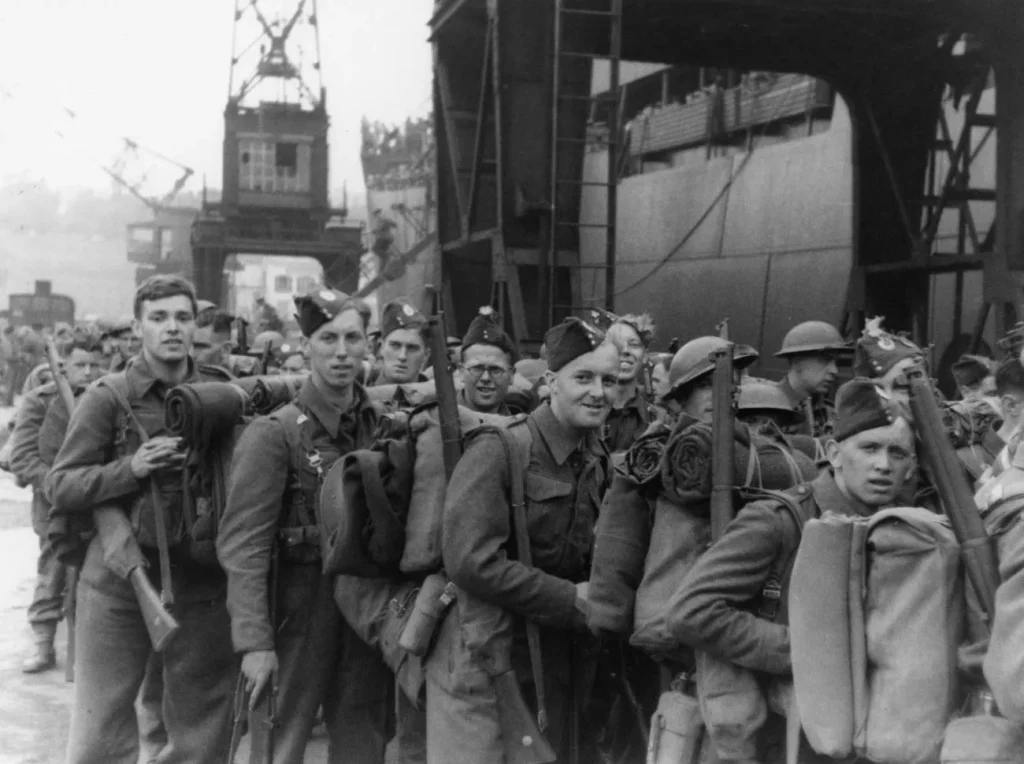
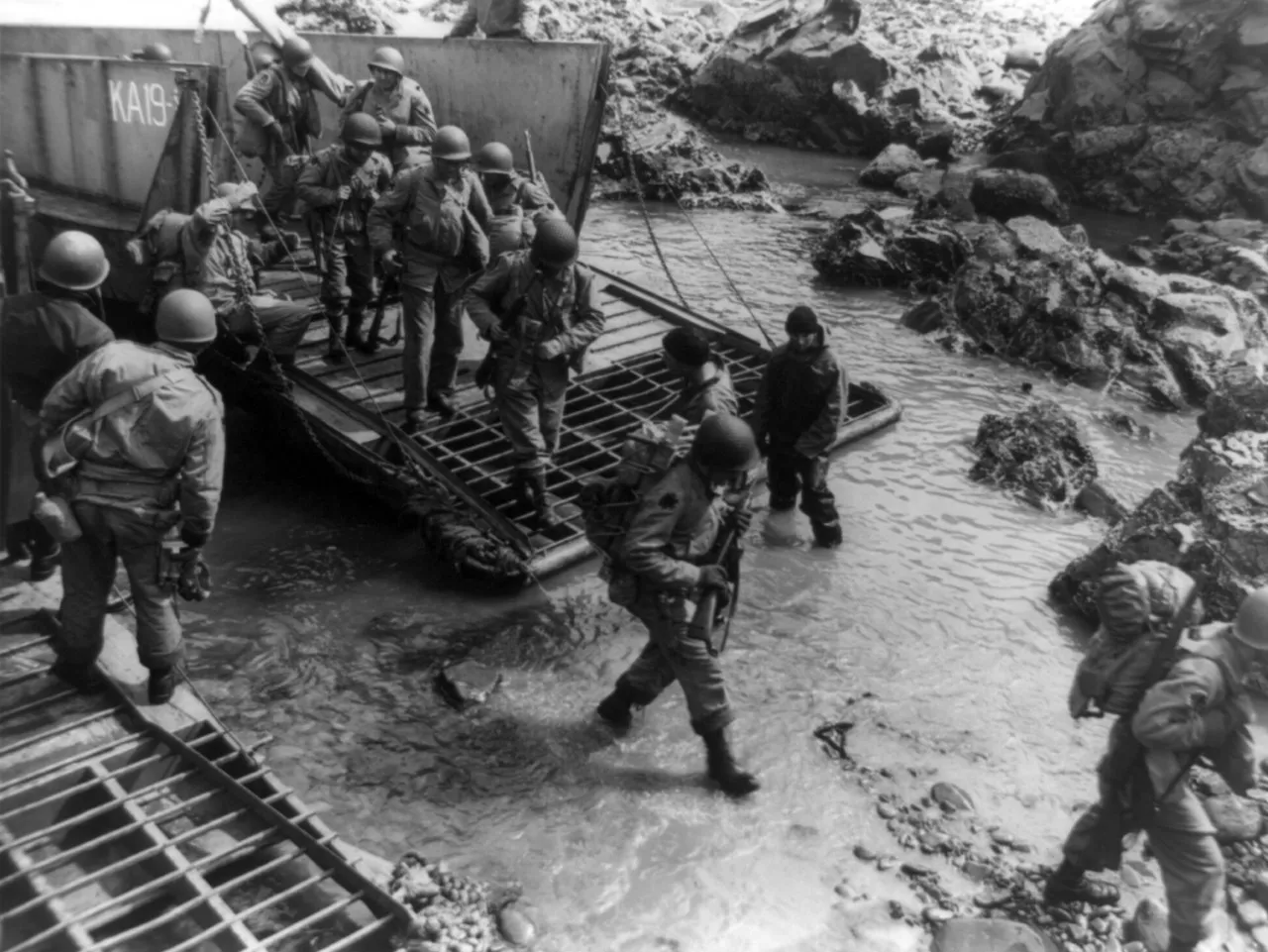
The Allied plan, Operation Cottage, assembled a landing force of around 34,000 to 35,000 men. The US Navy’s own history gives 34,426, including about 5,300 Canadians, and lists three battleships and a large fleet of cruisers, destroyers and transports. The land force was commanded by Major General Charles Corlett, under the overall command of Vice Admiral Thomas Kinkaid. The Canadians served in two roles. Many belonged to the First Special Service Force, the joint American-Canadian unit that had originally been trained for an operation in Norway; others made up the Canadian 13th Infantry Brigade, which landed with the 87th Mountain Infantry.
The planners had reasons to expect a hard fight. They believed there were around 11,000 Japanese on the island, roughly double the real number. They remembered Attu. And some pilots had reported ground fire right up to the invasion date, although most of it likely came from aircraft flying too close to their own bomb bursts. Anti-aircraft fire had slackened towards the end of July, which was credited to the bombardment.
There was some dissent. Senior officers, including General Simon Buckner, are said to have suggested sending a small scouting force ashore first, but Kinkaid ordered the full invasion on the ground that it would be useful training even if the enemy had gone. Colonel William Eareckson, who doubted the Japanese were still there, is said to have offered a case of Scotch to anyone who found a single enemy soldier. Both stories come from a single telling.
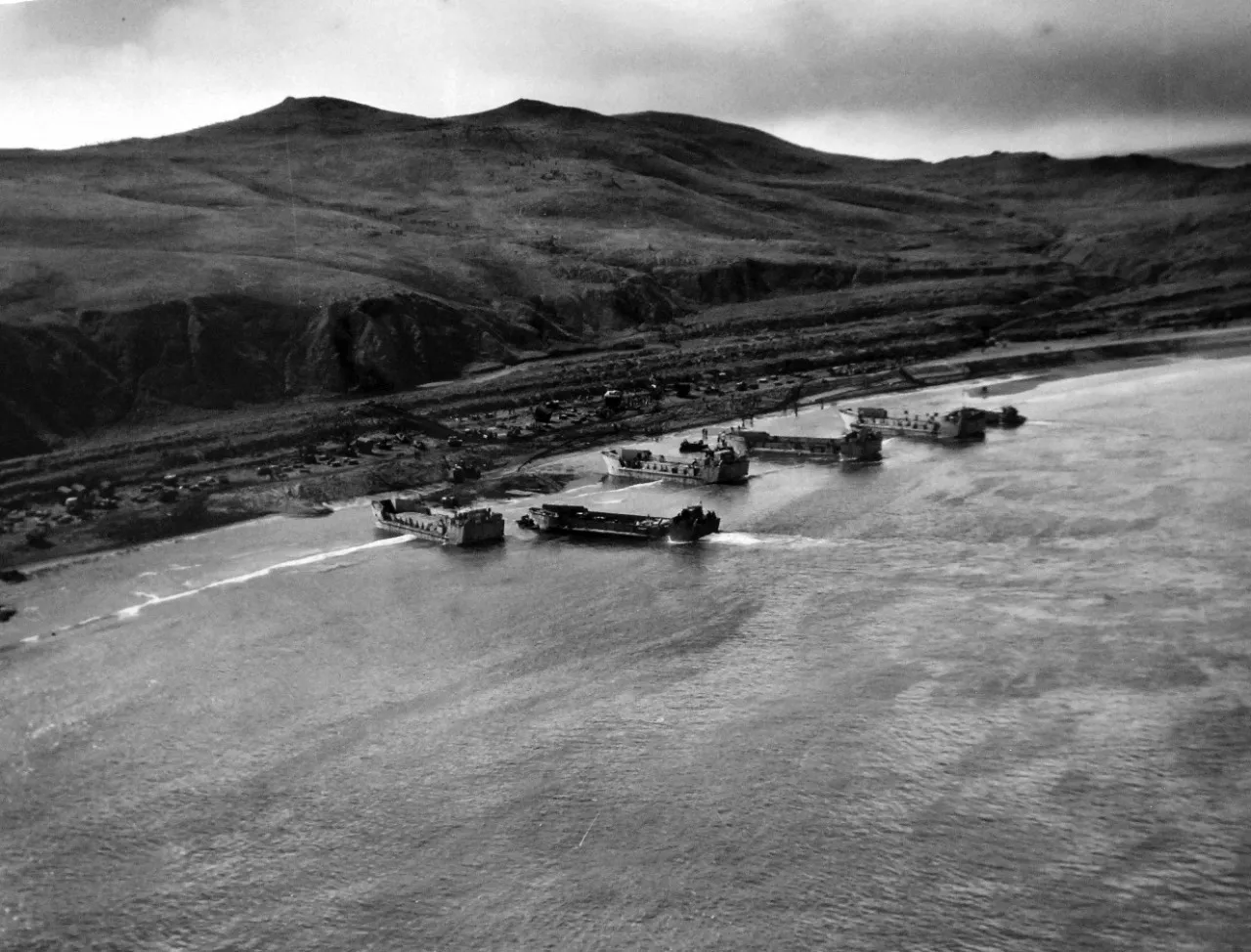
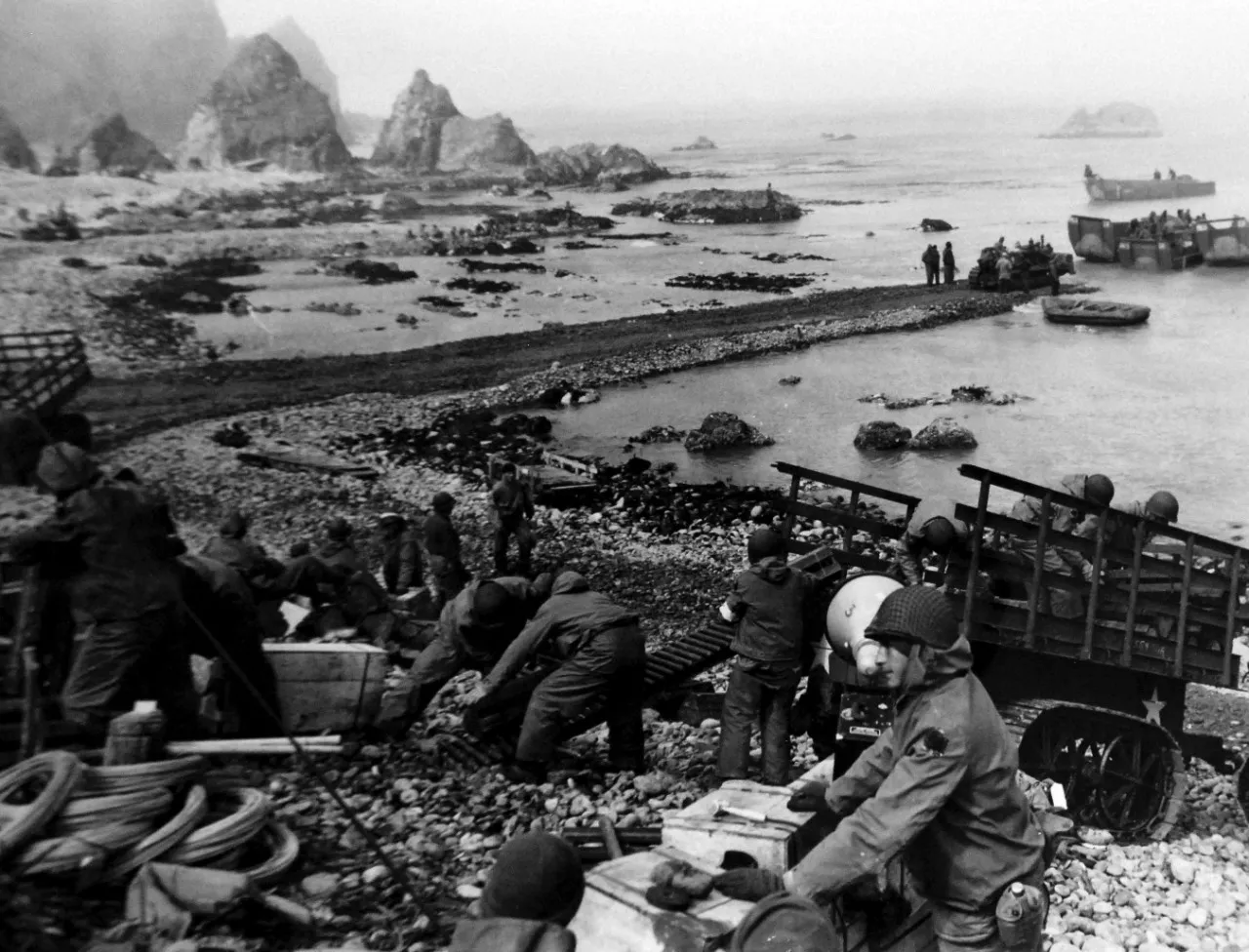
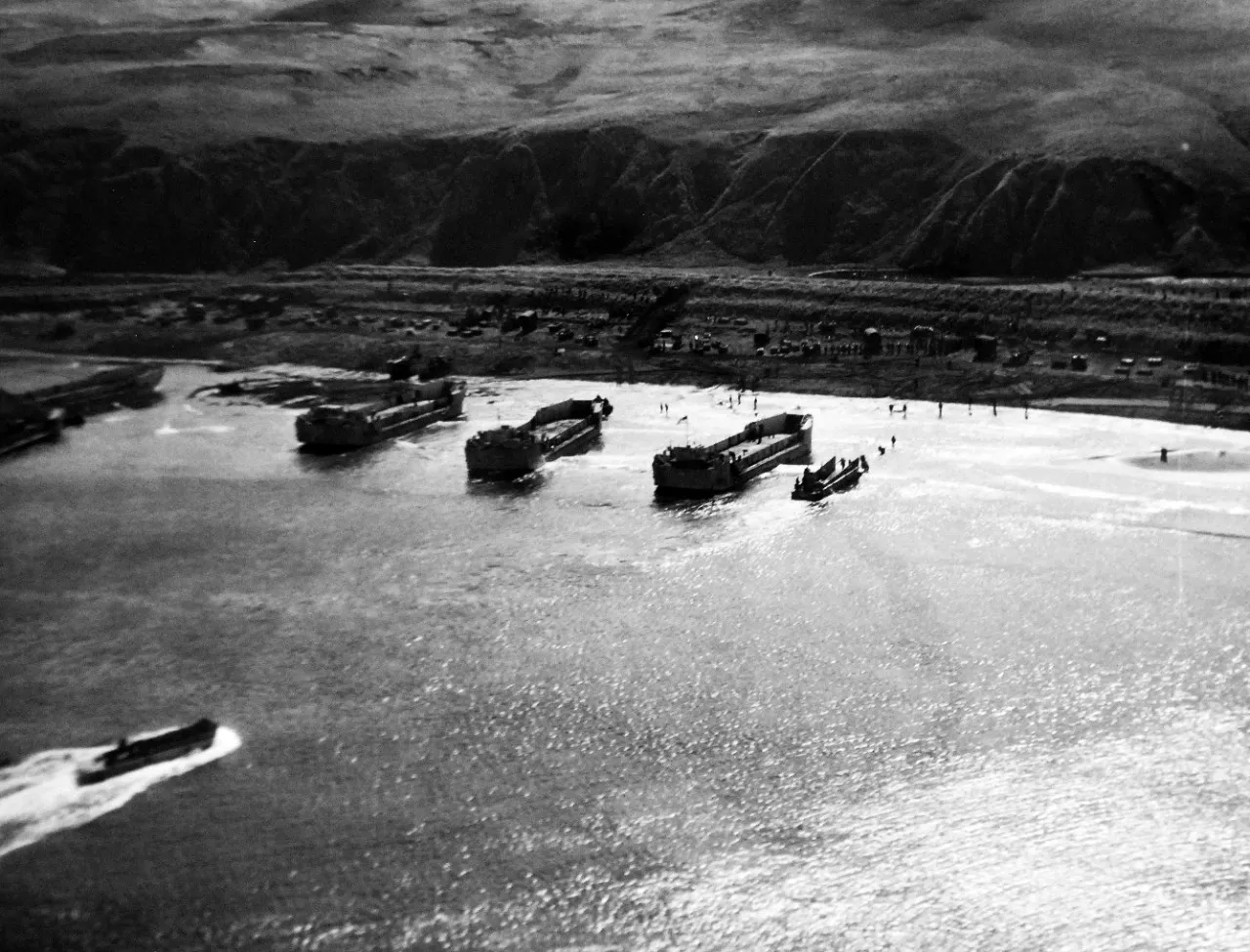
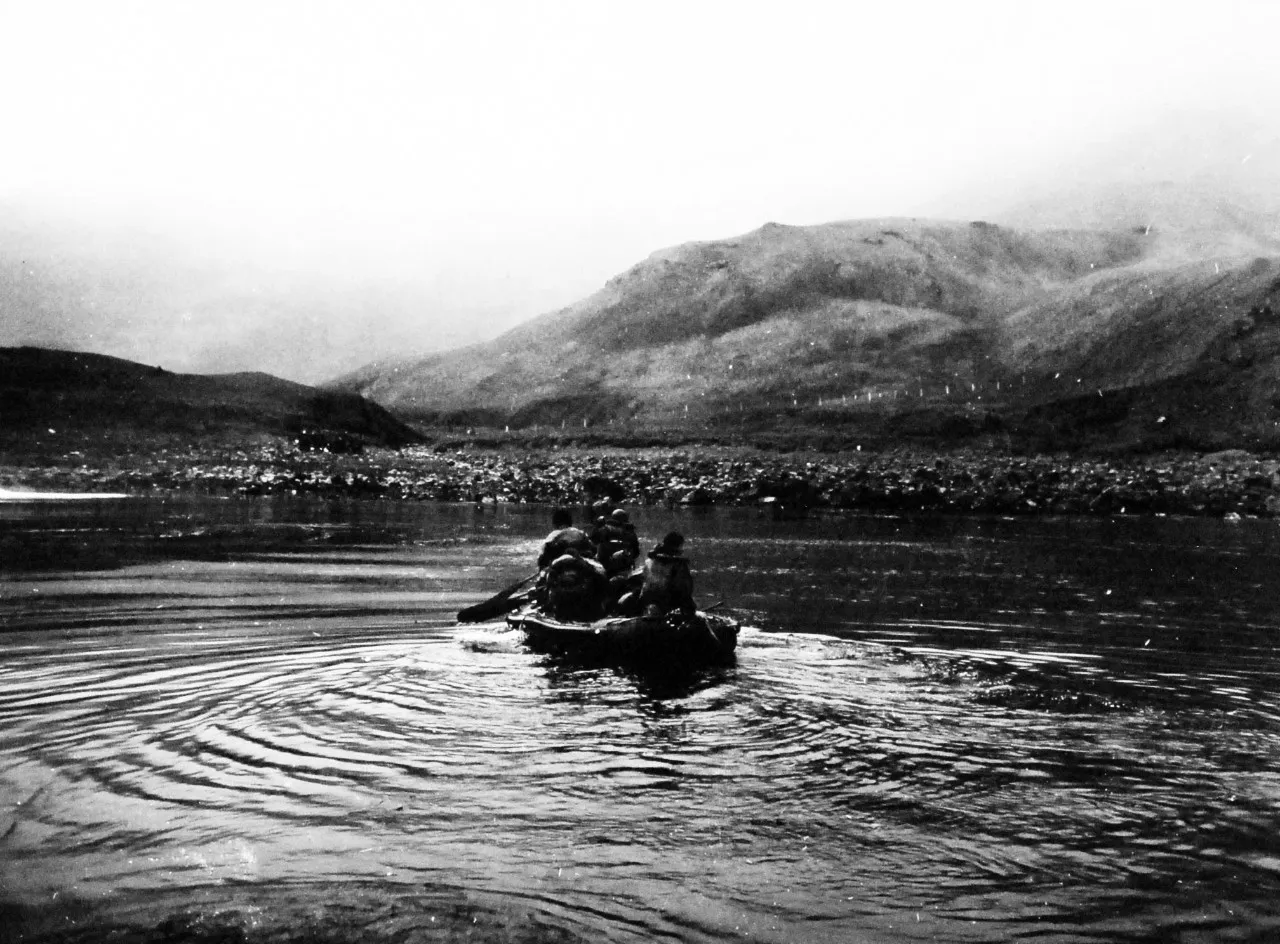
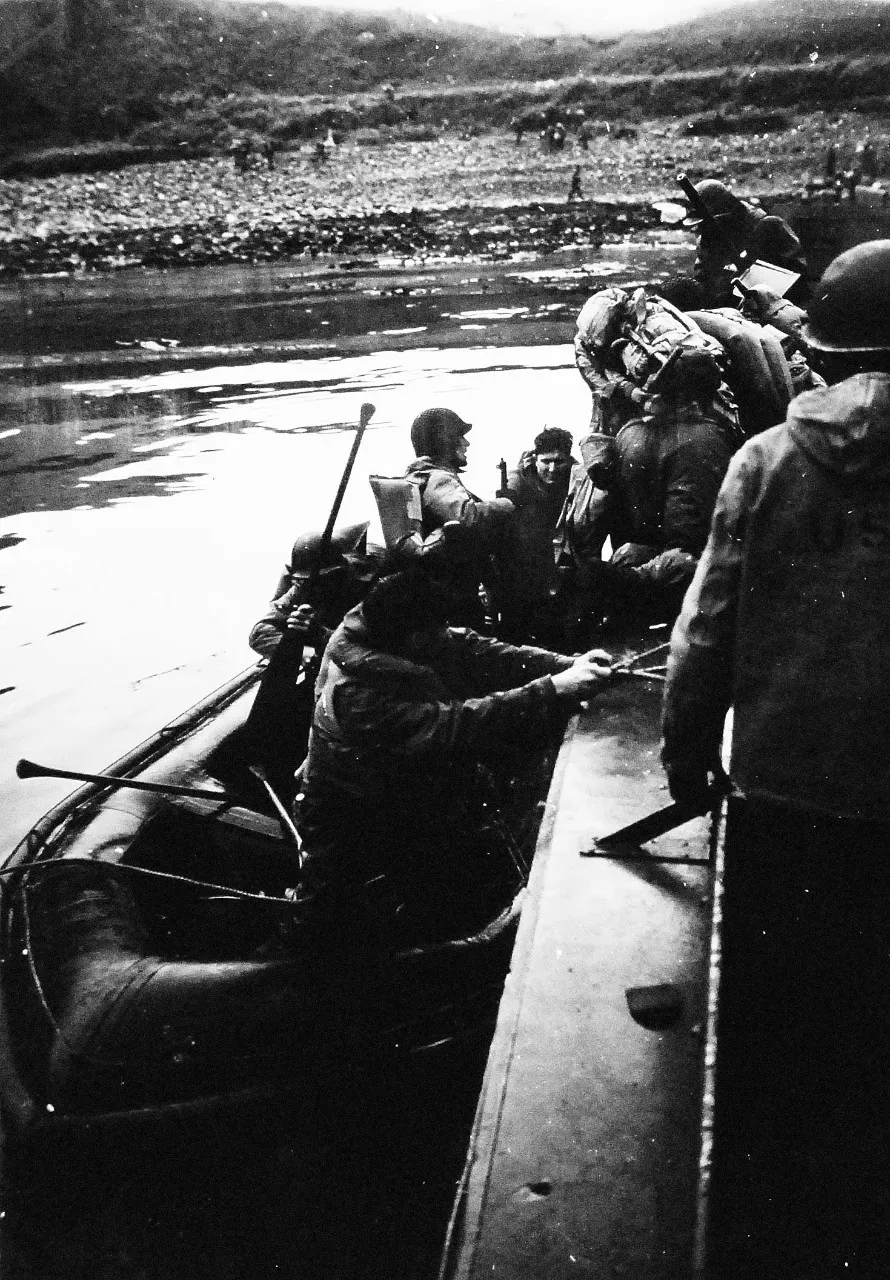
The first units landed in the dark on 15 August. The Special Service Force went in at Quisling Cove and seized the hills above it, while Colonel Frederick’s own boats drifted out to sea and had to be picked up by a minesweeper at dawn. The first wave of the main force landed at about 06:21 and by the evening about 6,500 men were ashore. The following day other units landed in the north. Patrols from both sectors converged on the main camp at Kiska Harbor by the middle of the morning on 16 August and found no one.
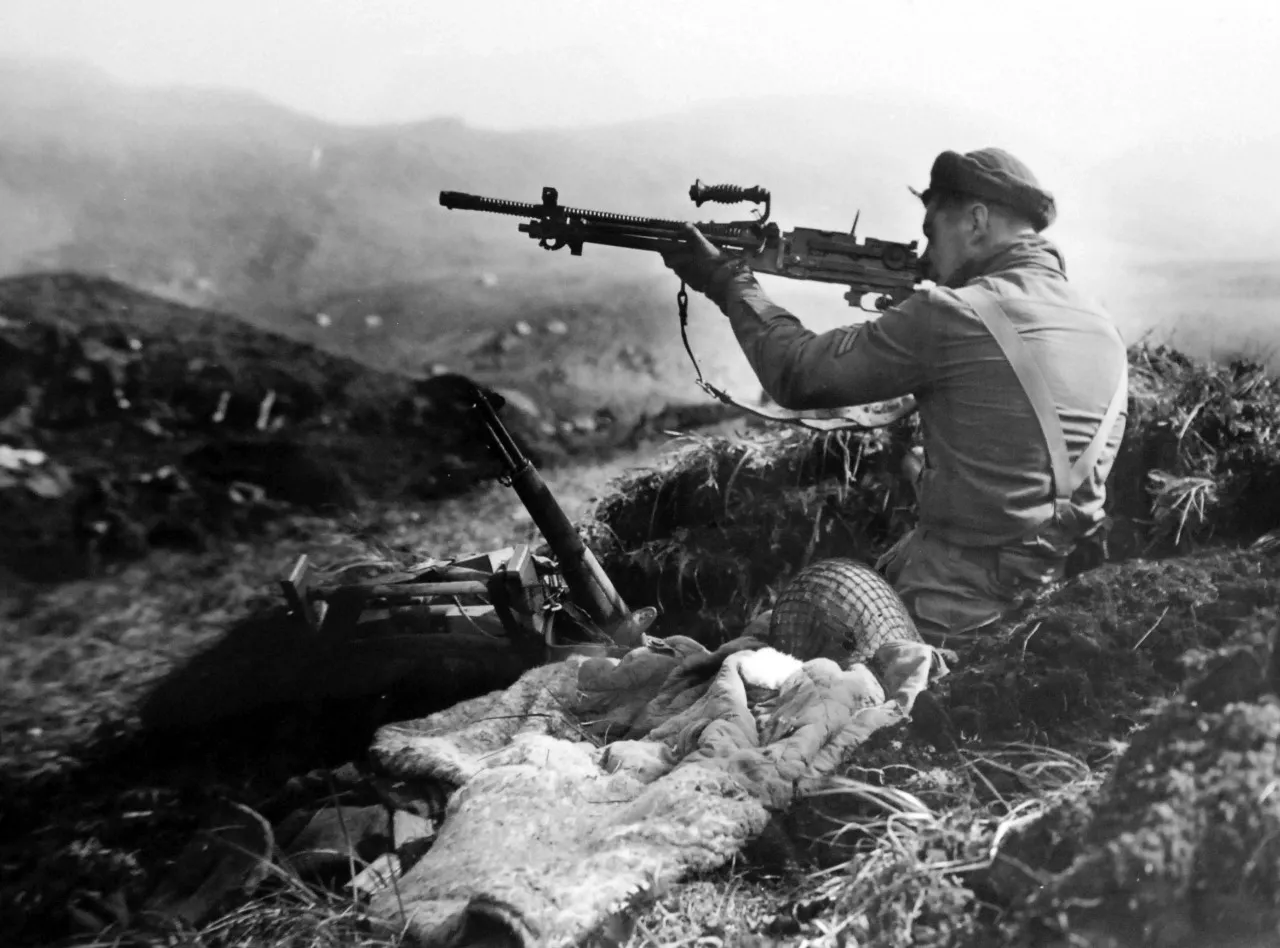
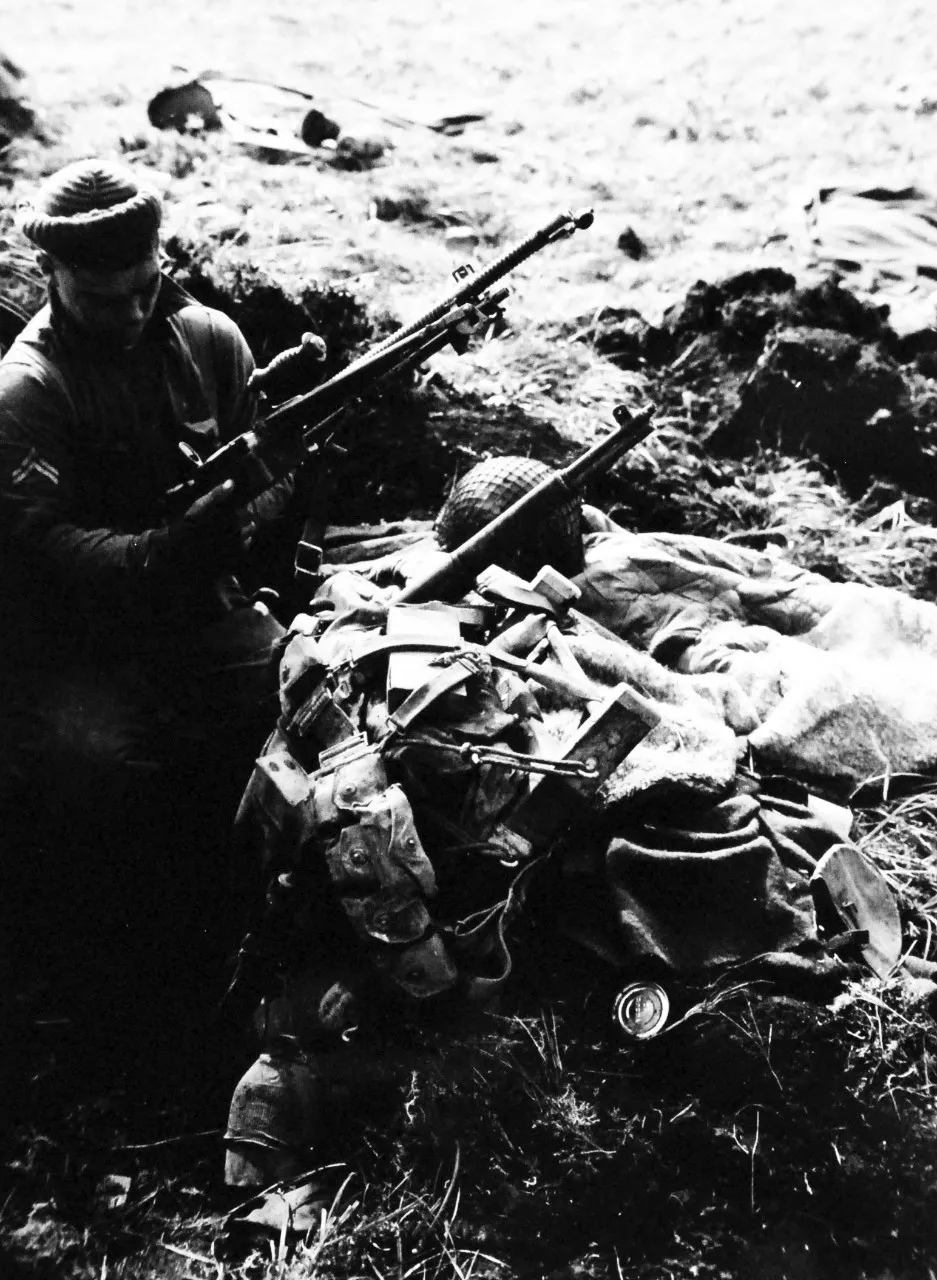
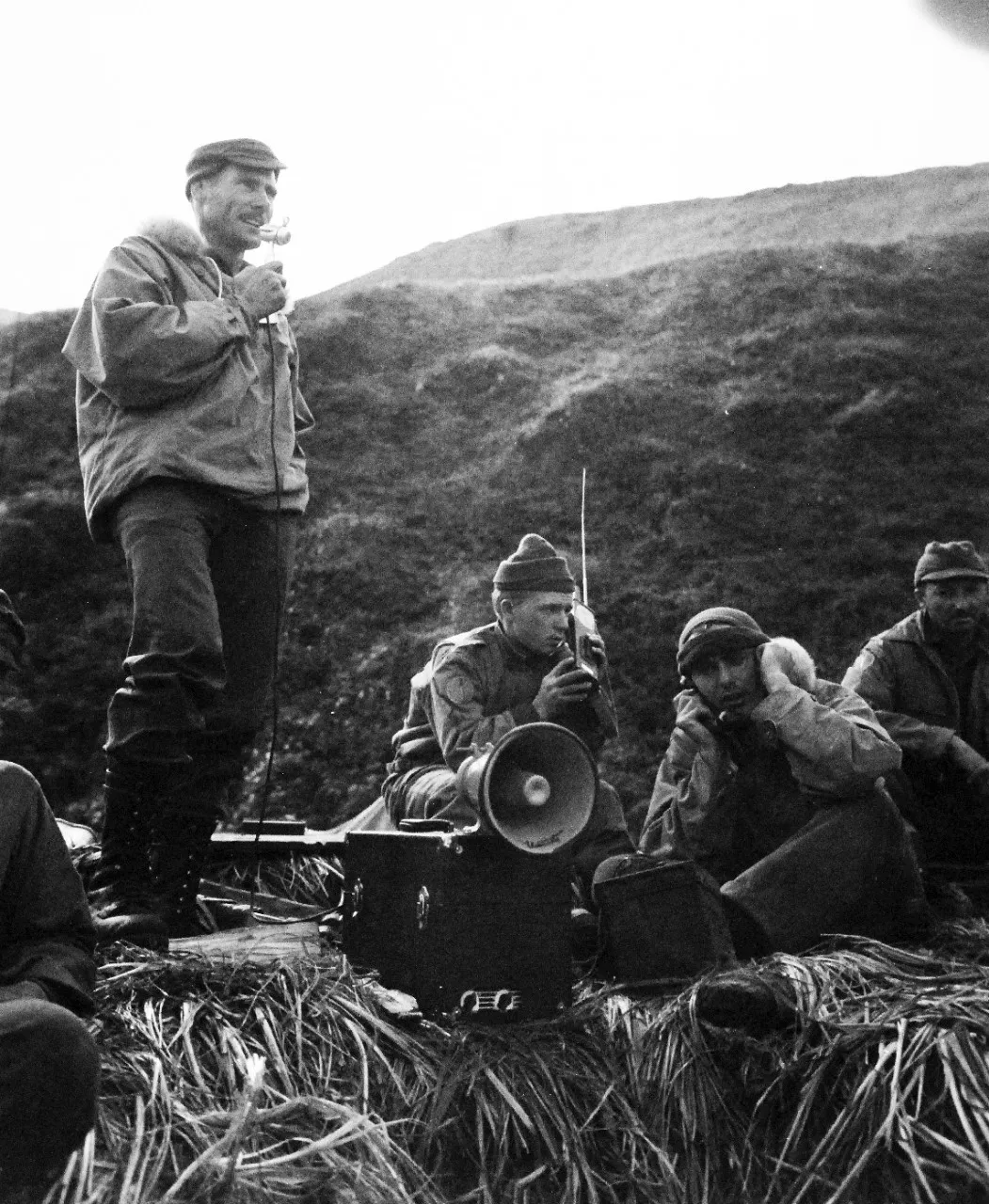
No Japanese were met, and the men ashore were still expecting them. American infantry fired at the slightest provocation, reflecting the lessons of Attu, and overeager units landing behind the Special Service Force patrols put those patrols at risk. In heavy fog there were repeated cases of units shooting at each other. By 18 August the Americans had already suffered 26 casualties from mistaken identity.
What it cost
Pinning down the casualty count is harder than it should be, because the numbers depend on what is being counted. The destroyer USS Abner Read, patrolling off Kiska in the early hours of 18 August, was shaken by an explosion aft, which was later judged to be a mine. The blast tore off her stern. The toll is reported slightly differently: 70 killed, one missing and 47 wounded in one telling, 71 dead in another, and an early Navy count of 61 missing and 26 injured. Oil on the water and the cold made rescue difficult. The ship was towed to Adak and repaired, and was later lost off Leyte in the Philippines in November 1944, with 24 more of her crew killed. In 2018 the stern section was located near Kiska at about 290 feet. The Navy treats it as a war grave and has no plans to recover it.
On land, estimates of the number of men killed by friendly fire range from at least 20 to 24, and booby traps killed four. Others died in vehicle accidents and from mines, and about 130 suffered trench foot in the cold, wet conditions. Overall totals vary widely: 92 dead and 221 wounded in all, including the Abner Read, in one count, and 17 dead and around 200 casualties in another, which presumably leaves out the destroyer. Whichever number is right, all of these deaths happened on or off an island that had already been emptied of its enemy, and the single largest loss came from a mine, not from an enemy soldier.
It would be easy to read that as farce, and some of the earlier retellings do. We think that is wrong. The men who died were killed by a fog, a lack of information and an entirely rational fear of a repeat of Attu. The writer Del Kostka puts the lesson in plain terms: not to always trust everything you see. He argues the Allies overestimated Japanese resilience, partly because of stereotypes about Japanese military culture.
The Americans stayed on. They lived in tents among the wreckage at first, and later built a pier, a proper base, an officers’ mess and a movie theatre. They completed the airfield that the Japanese had been unable to finish. They laid boardwalks across the muskeg, and the power station they built after the landing is the only American-era structure still standing. The island was occupied until 1945 or 1946, depending on the record. Canadian troops built a memorial to their dead from Japanese 13.2-millimetre shell cases, which was damaged a few years later.
A battlefield left alone
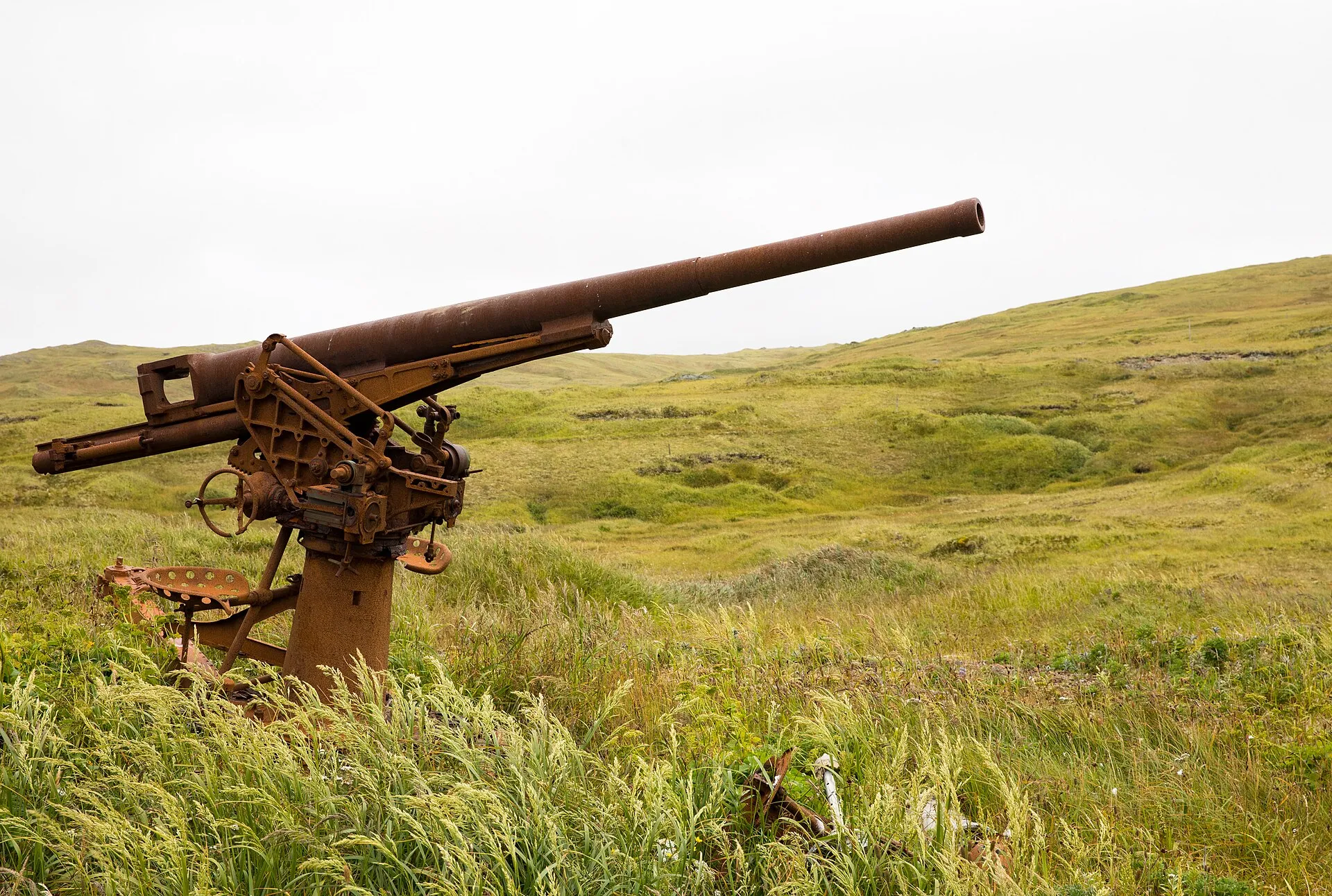
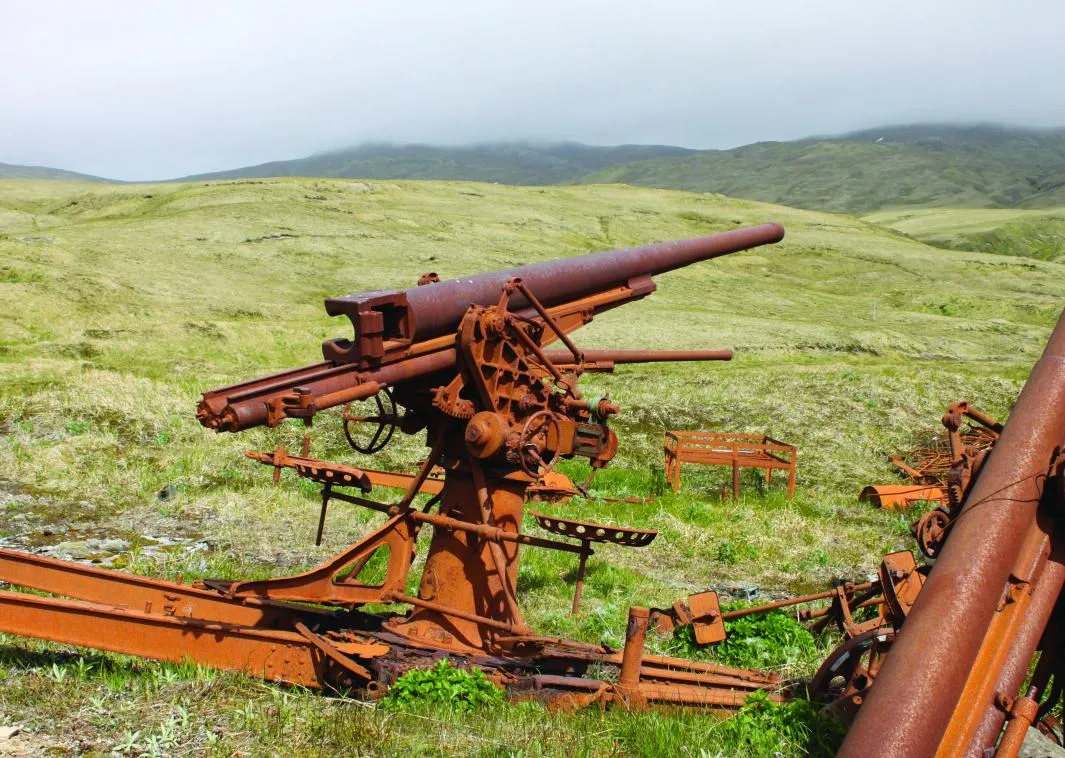
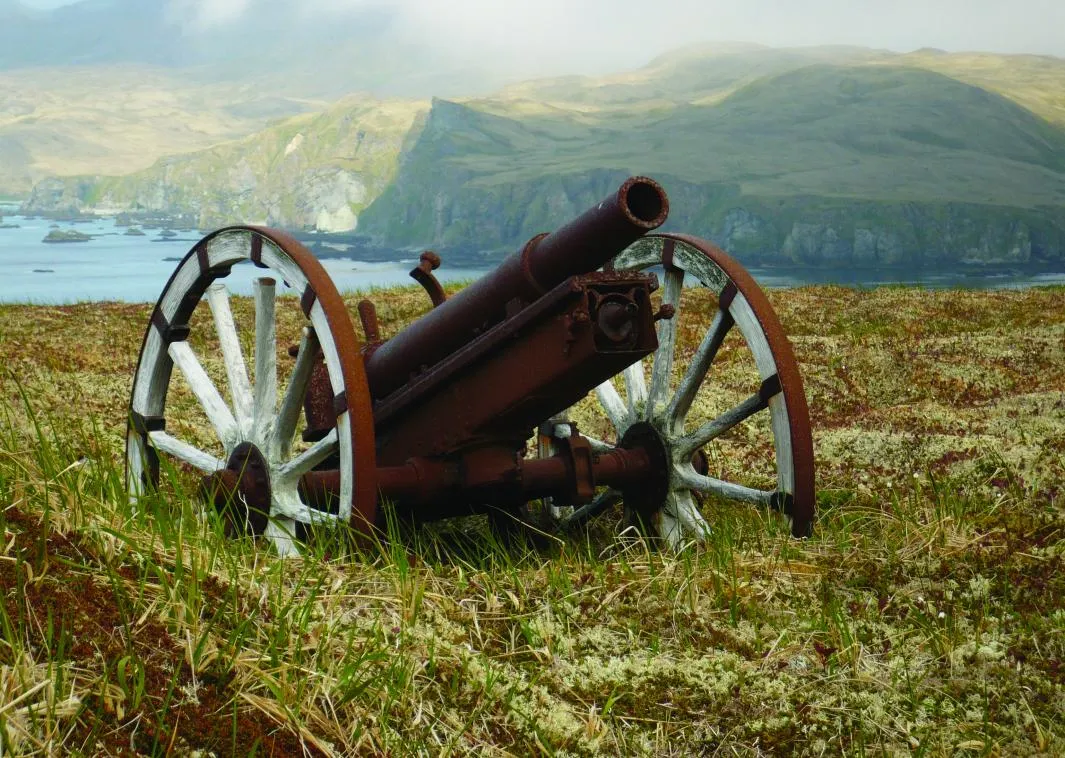
When the Americans found the Japanese gun positions, they counted 105 heavy and medium guns. Many are still there. Small guns were removed or taken as souvenirs; the larger ones were shipped out for testing. The remainder point at the sky. In the Park Service’s 2007 assessment, nearly 30 of the guns were examined, from the twin-barrelled 13.2-millimetre and 25-millimetre anti-aircraft weapons to the Type 88 75-millimetre guns on the headlands around the harbour. One of them is still on its tyres, which remained inflated when it was last reported. A smaller number of old coastal defence guns, built before the First World War, guard the harbour entrance, some of them with their rubber buffers intact.
One of those coastal guns has a story of its own. The six-inch gun on Little Kiska, with breech block number 8779 and a date of 1894, has been traced to the Japanese battleship Fuji, the first battleship Japan ordered from Britain, and is described as the only surviving gun from that ship. Two other British six-inch guns probably came from the battleship Mikasa, Admiral Togo’s flagship at Tsushima in 1905, which survives as a museum ship in Japan. The coastal guns were obsolete when they were installed.
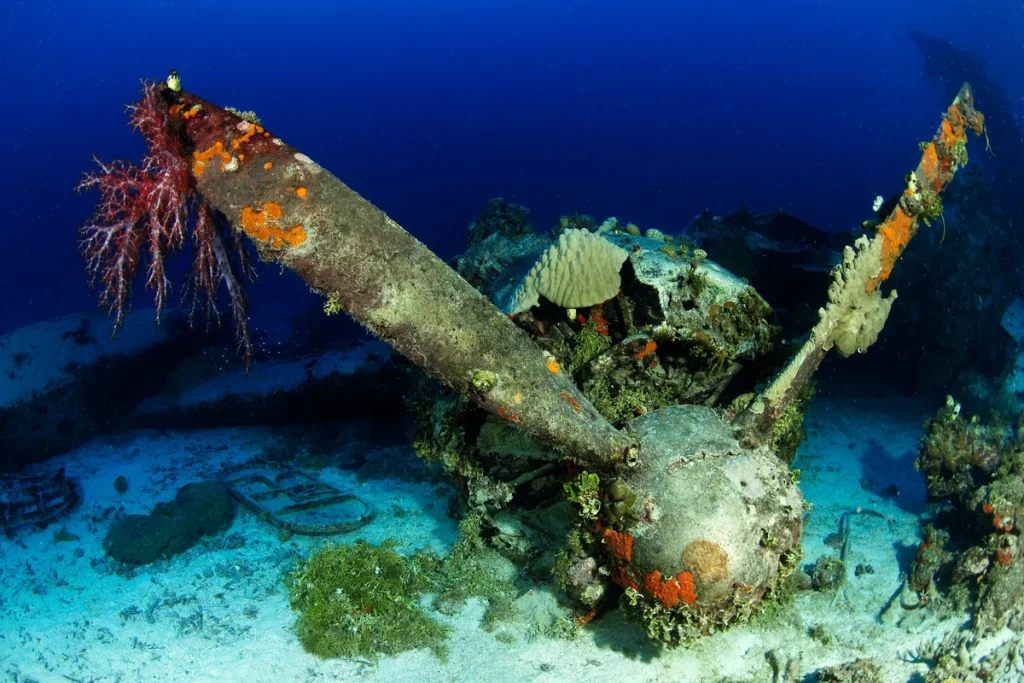
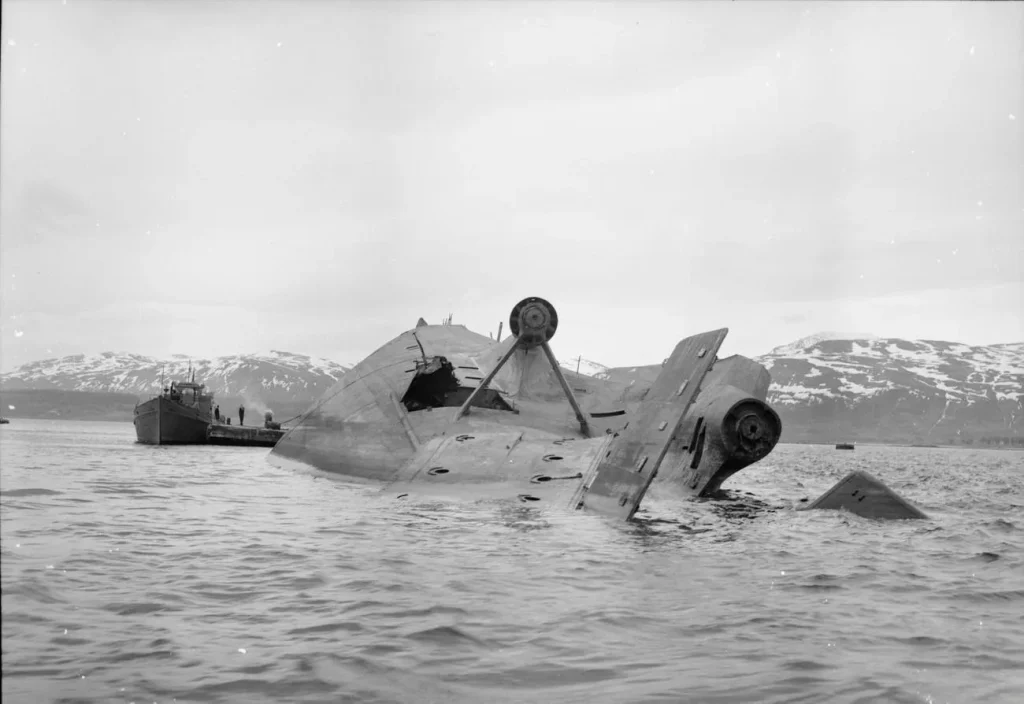
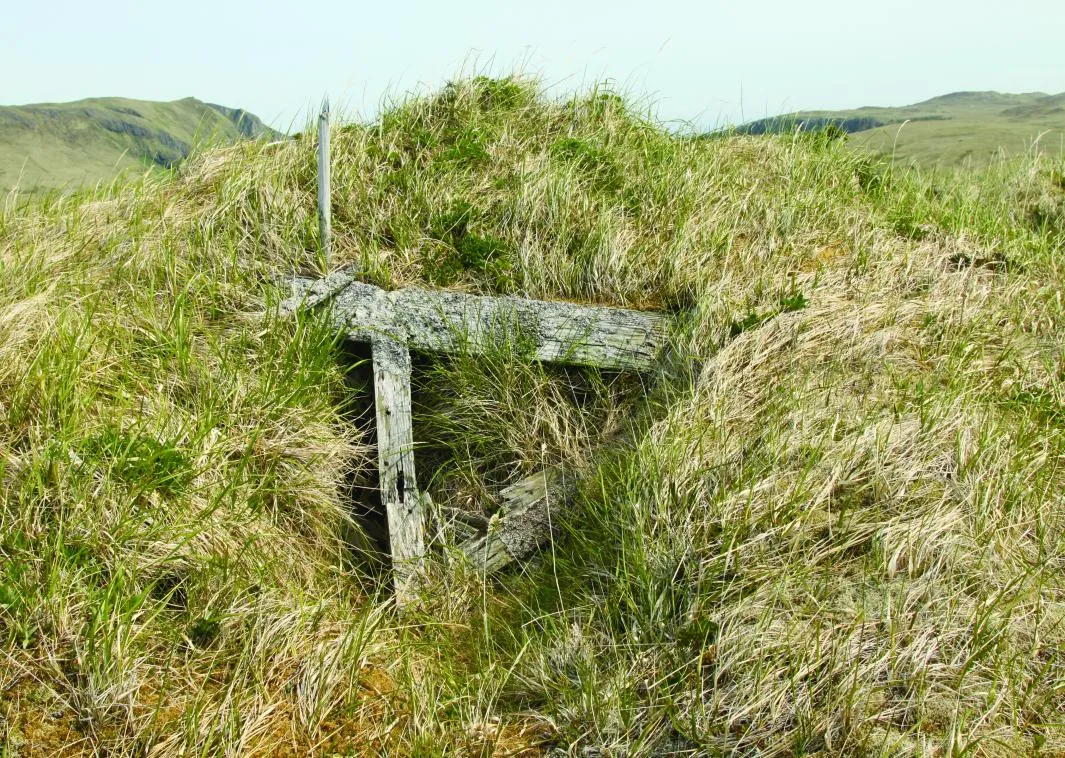
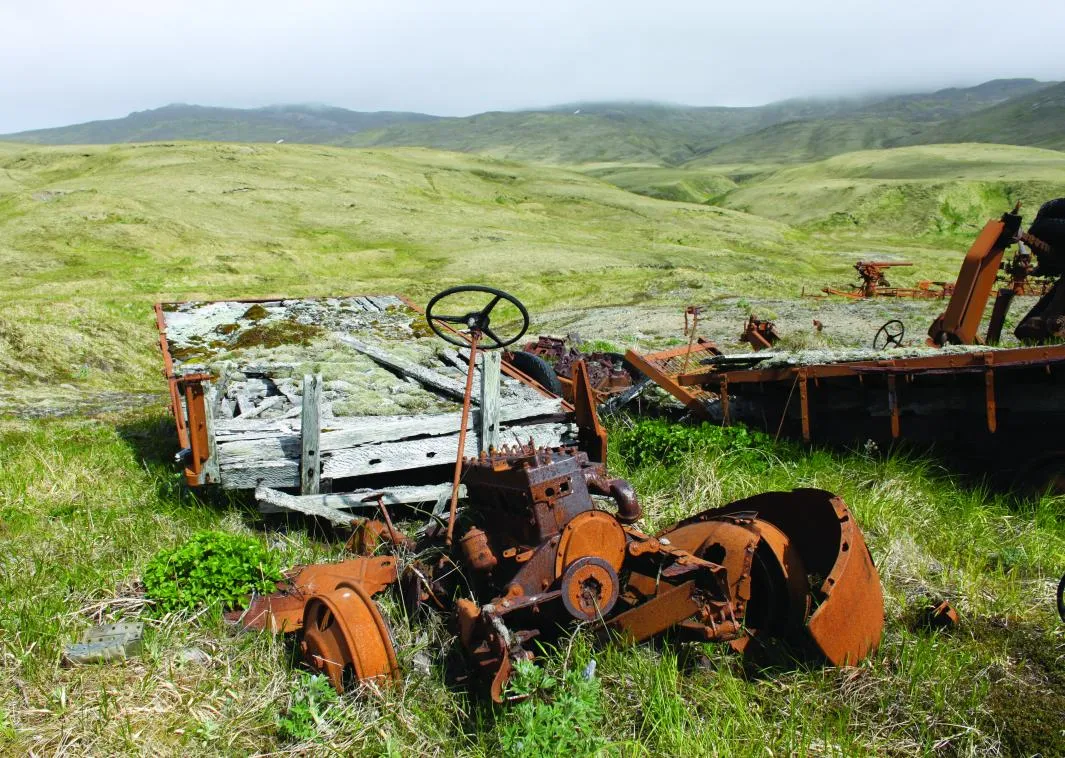
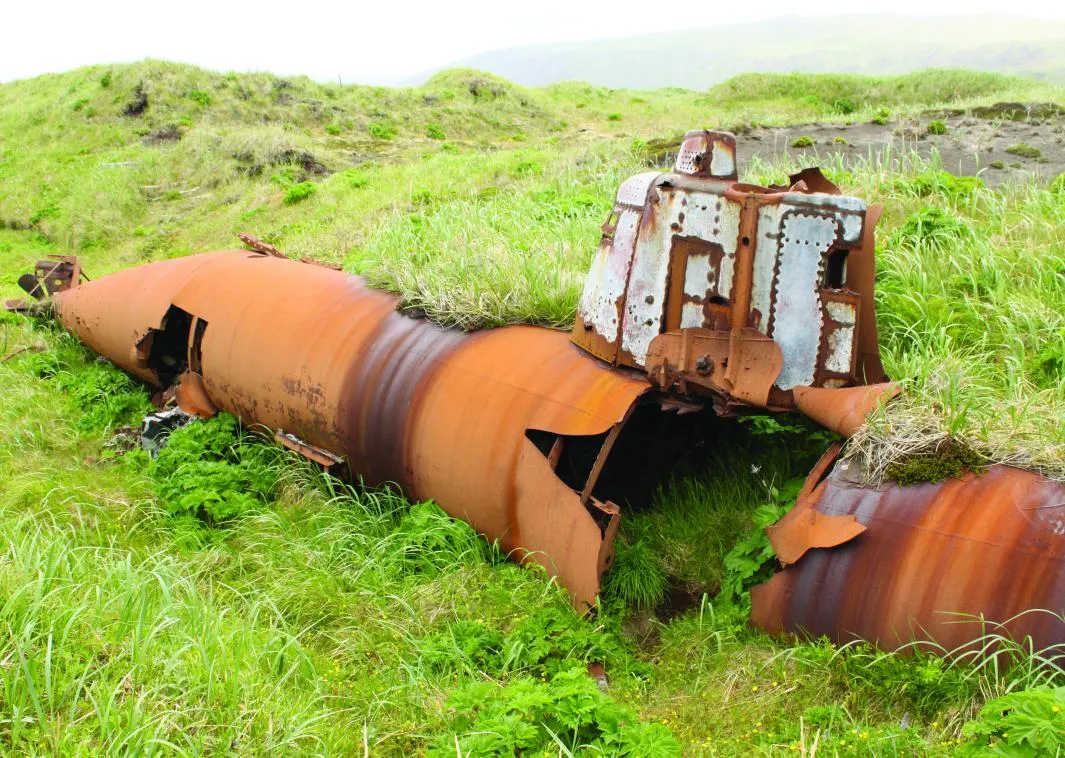
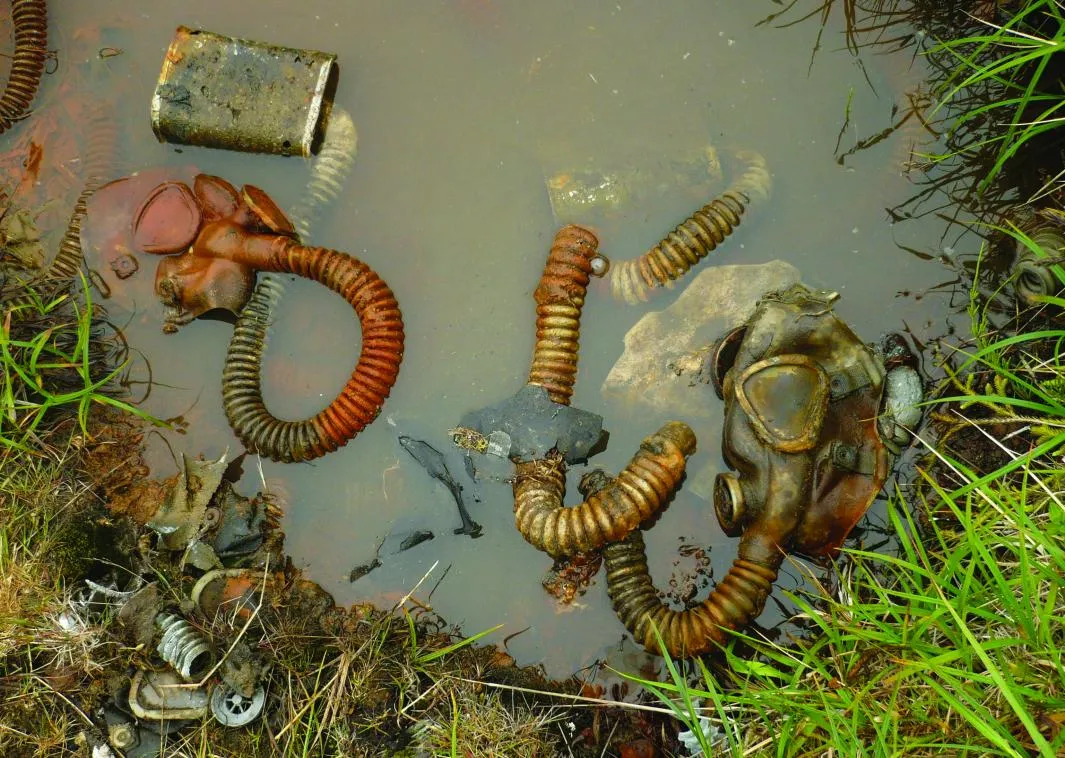
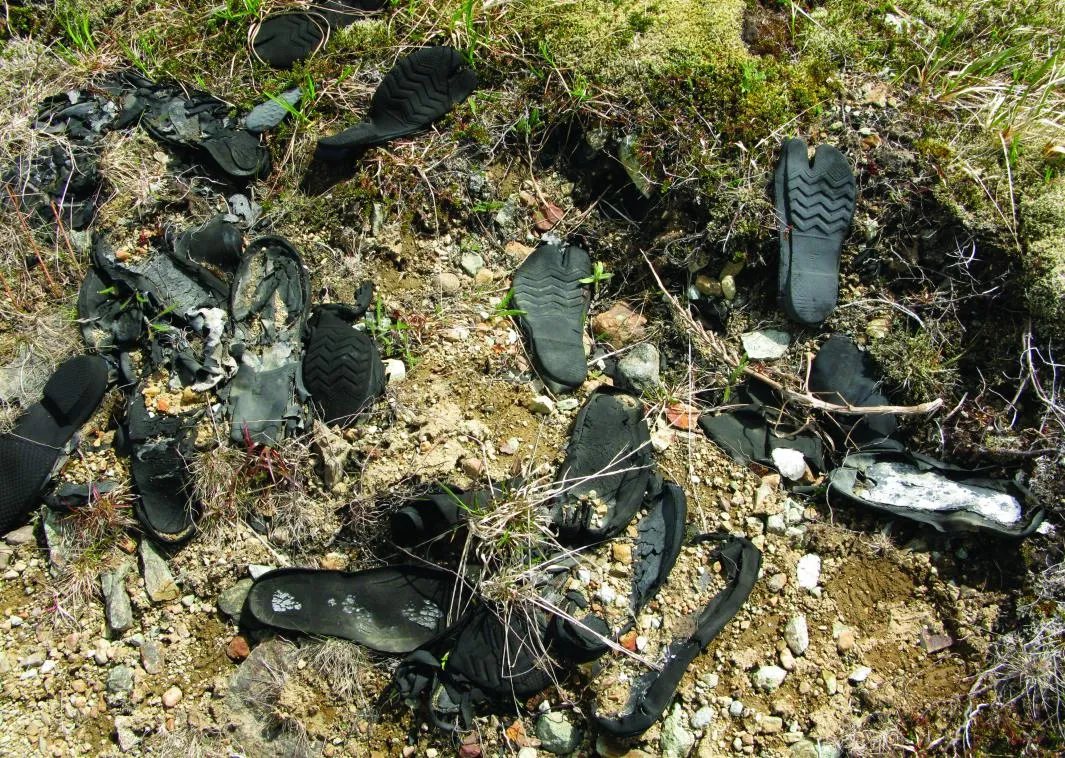
The rest of the island is a mixture of the two armies’ leftovers. Sod walls still stand. There are foxholes, trenches and underground bunkers dug into hillsides, and tunnels, some of them largely intact and still holding Japanese material. Bomb craters cover the landscape. Damaged Japanese trucks, some of American design built under licence, lie in two clean-up dumps beside Kiska Harbor and Gertrude Cove. Wreckage from American bombers and flying boats is scattered about, among it a B-24 wing near Trout Lagoon that marks the loss of Captain Jack Todd’s aircraft on 11 June 1942. Seaplane parts, including a cockpit near a lagoon on the eastern shore, sit where they were left. Three midget submarines were abandoned and were disabled with small explosive charges before the garrison left. One of them, about 80 feet long and built for a two-man crew, was found on land near the harbour with a hole in it from the demolition charge. It was considered of little use in the rough waters of the Aleutians.
The reasons for the preservation are not mysterious. The cold slows decay. Constant fog keeps ultraviolet exposure low. Rain washes salt aerosols away. Wood and other organic materials have survived well. The heritage assets are remarkably well preserved compared with other Second World War sites in the Pacific. The main threats are corrosion, and in particular the theft of small items by visitors who should not be there. There are contaminants as well, because both armies left chemicals and petroleum products behind.
Under the water
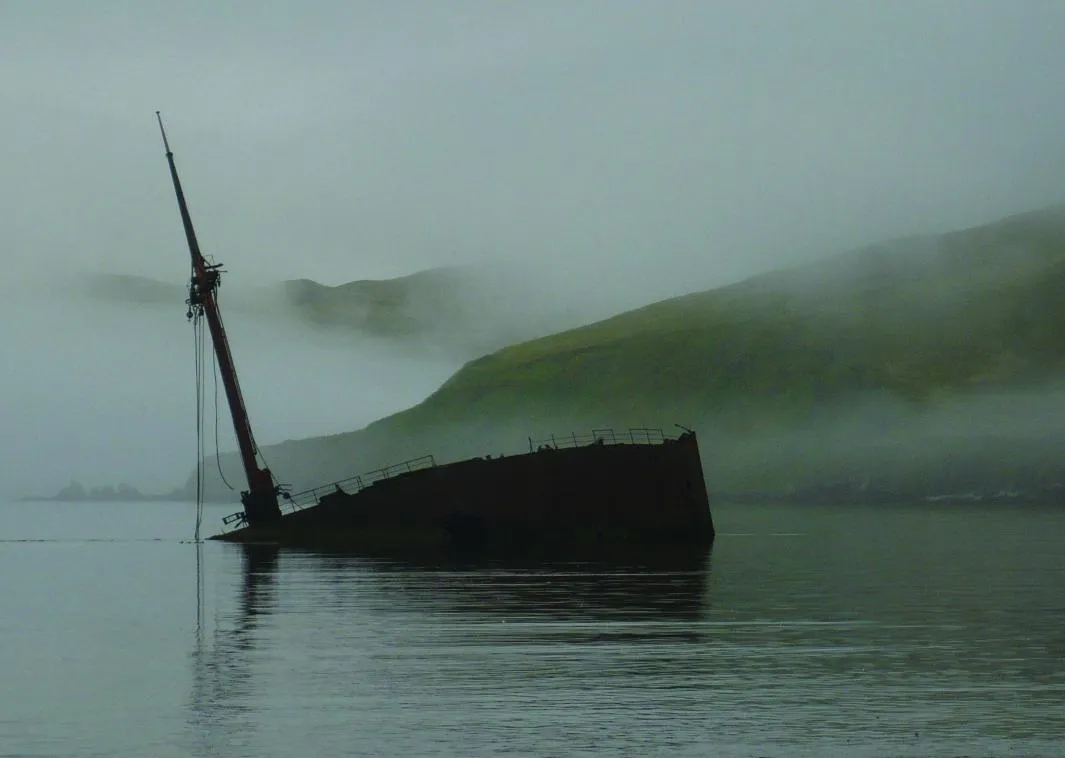
The harbour holds as much history as the land. At least five damaged Japanese ships ran aground around Kiska Harbor and Gertrude Cove, and their remains can still be seen. Transports, flying boats and at least one submarine lie submerged in the harbour.
In 2018 a team from the Scripps Institution of Oceanography, the University of Delaware and the group Project Recover surveyed the waters around Kiska, led on the archaeology side by Andrew Pietruszka. They found the Japanese submarine that the Monaghan had driven onto the rocks, off the southeast corner of the island, where Japanese divers had reportedly tried to recover its codebooks before the boat was destroyed with scuttling charges. They found the stern of the Abner Read on the western side. The Borneo Maru, meanwhile, still lies partly submerged in Gertrude Cove. The USS Grunion, lost with all hands in 1942, is reported to have been located in 2006 about ten miles to the northeast, though that rests on a single report.
It is worth saying plainly that the waters around Kiska are dangerous, and not in the weather sense. A US Navy preliminary assessment from 2013 on the Naval Defensive Sea Area around Kiska and Little Kiska estimated that Allied forces dropped about 3,000 tons of bombs on Kiska during the occupation and that naval units fired thousands of high-explosive rounds. The report cautions that as much as 30 per cent of the explosive ordnance dropped or fired in the Second World War may not have detonated. It notes that eight 500-pound and eight 1,100-pound bombs with long-delay fuses were reportedly dropped into the harbour and that their final disposition is unknown. A Japanese grenade was photographed on the harbour bottom in 1989, and a diver picked one up in 2007, before putting it back. Commercial fishers have pulled munitions up from deeper water. The Navy did not recommend surveying the area, given the low expected frequency of human contact, and instead relies on notices to mariners, chart warnings and a danger sign in Kiska Harbor that warns about munitions and prohibits digging.
Visiting, and why you cannot
Kiska was designated a National Historic Landmark on 4 February 1985. Since 2008 it has also been part of a national monument commemorating the Second World War in the Pacific, and it sits within the Alaska Maritime National Wildlife Refuge, which the US Fish and Wildlife Service has managed since 1913. The State of Alaska has jurisdiction over submerged cultural resources in the harbour, and Aleut archaeological sites belong, or will belong, to the Aleut Corporation. Underlying all of these is a naval defensive sea area created by Executive Order 8680 in 1941, under which vessels other than public ones need authorisation from the Navy to enter.
The landmark is not open to the public, and visits require a permit. Getting there is a trip in its own right: a flight of roughly 1,200 miles from Anchorage to Adak, then several days on a ship. Both the Park Service and the Navy warn that unexploded ordnance is scattered across the battlefield, that many of the guns have sharp edges, and that disturbing artefacts is not allowed. We would add the obvious point. It is a very remote place with serious hazards, in an environment where a navigation mistake or a change in the weather can turn into an emergency. Part of the reason Kiska looks the way it does is that very few people have been able to go there.
The Park Service also plans to revise the landmark nomination to include the American and Canadian occupation, which would put the Allied side of the story on the same footing as the Japanese side. That seems to us the right thing to do. The island is not only a record of the Japanese base. It is also a record of the Allied camps and boardwalks, of the dumps and the wreckage, and of the 15 months in which the United States and Canada tried and failed to dislodge a force that, in the end, left of its own accord.
Conclusion
The story of an island invaded by 34,000 men while nobody was home is memorable, and it is often told as if the main lesson were that the Allies were foolish. We would draw a different one. The Allies planned for the island they feared, not the one that was there, with Attu fresh in their minds. The Japanese got out cleanly, with the help of fog and a fast squadron.
What stays with us is the island itself. A place where a garrison built tunnels and a shrine, then dropped its rifles at the water’s edge and sailed away in less than an hour. A place where an American destroyer lost her stern three days after a landing that met no resistance. A place where, more than 80 years later, a gun was reported with its tyres still inflated. For researchers it is an unusually complete record of a short, strange campaign. For everyone else it is a reminder that some of the most instructive places are the ones that are hardest to reach.
Did you know?
- Japan landed on Kiska on 6 June 1942 and captured an American weather station of ten men.
- Chief Petty Officer William House escaped the Japanese landing and is said to have survived about 50 days in the hills before surrendering.
- American bombers dropped roughly six to seven million pounds of bombs on Kiska over 14 months, often through fog.
- On the night of 28 or 29 July 1943 a Japanese squadron took about 5,200 men off Kiska in under an hour.
- In the Battle of the Pips, American battleships fired 518 14-inch shells at radar contacts that were never identified.
- About 34,000 American and Canadian troops landed on 15 August 1943 and found the island empty.
- The Allies expected around 11,000 Japanese on Kiska; the real garrison was about 5,200.
- The destroyer USS Abner Read lost her stern to a mine on 18 August 1943, with about 70 men killed.
- A six-inch gun on Little Kiska has been traced to the Japanese battleship Fuji and is the only known survivor of that ship's guns.
- Kiska has been a National Historic Landmark since 1985 and is not open to ordinary visitors.